Archive for April, 2022

Last WG- Helping or Hindering Lyme Patients? You Decide

https://lymediseaseassociation.org/blogs/presidents-blog/last-wg-helping-or-hindering-lyme-patients-you-decide/

Last WG – Helping or Hindering Lyme Patients? You Decide

By Pat Smith, President of LDA

If you think government agencies have softened their position against Lyme disease patients, perhaps you did not watch the 2nd meeting of the last term of the Working Group (WG) Feb. 28 – March 1.

The law creating the Working Group (WG) under the Federal Advisory Committee Act (FACA), requires at least two meetings to be held per year, but in 2021 only one meeting was held, and in 2022, the meeting devoted about 5 out of 9 total meeting hours to report presentations from regular subcommittees. Subcommittees consist of a number of individuals including researchers, medical providers, government entities, advocates/patients plus WG member Co-Chairs. Subcommittee members often devote many hours to the task of providing a report with findings and also with recommendations for the WG—recommendations which may/may not be adopted in some form by the WG for inclusion in the upcoming 2022 WG Report to Congress.

Disease Prevention and Treatment Subcommittee Co-Chair Backgrounds

This subcommittee presentation to the WG was led by two WG member Co-Chairs: NIH representative, Dennis Dixon, Chief of Bacteriology & Mycology Branch, NIAID; and Sunil K. Sood, MD, pediatric infectious disease, Chair of Pediatrics South Shore Hospital−neither being a stranger to Lyme disease, nor having a track record of openness to recognizing chronic Lyme or treatment for it; a situation leaving tens of thousands of people without treatment recourse for decades.

Burden of Disease

According to the NIH (Tick-Borne Disease Working Group: 2020 Report to Congress), “Bacteria cause most tickborne diseases in the US, with Lyme representing the vast majority (82%) of reported cases.” The NIH is one of the most powerful government agencies with a huge budget, a budget which includes clinical trials, although few trials have been devoted to Lyme disease− three placebo-controlled trials on prolonged antibiotic treatment. As the 2020 WG Report indicates (chart below), Lyme ranks below leprosy in number of trials for infectious diseases.  Lyme is a research disadvantaged disease. According to CDC, there are 150-250 cases of Leprosy per year in the US, and it is curable with antibiotic treatment; yet CDC’s estimate indicates 476,000 individuals are treated annually in the US for Lyme. Research shows up to 20% or more with Lyme go on to develop persistent symptoms after treatment.
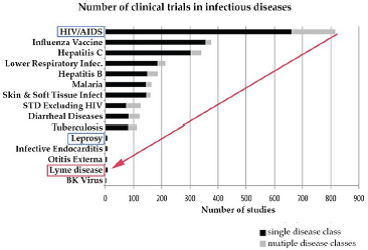
From: Tick-Borne Disease Working Group:2020 Report to Congress

Source: Johnson et al., 2018; Derived from Goswami et al., 2013


NIH Grant Process

The NIH grant review selection process for researchers for Lyme disease has long been held by many to be flawed. An excerpt from Congressional hearing testimony presented on the NIH grant process by Lyme researcher S. Barthold, PhD, at the first Lyme hearing in the “House Committee on Foreign Affairs, Subcommittee on Africa,  Global Health and Human Rights,” 2012, states:

Because of firmly entrenched opinion within the medical scientific community, evidence of persisting viable but non-cultivable spirochetes is slow to be accepted, and research proposals submitted to NIH that feature persistence following treatment are likely to receive prejudicial peer review in the contentious environment of Lyme disease*. Negative comments by peer reviewers of grant applications in the current financially austere NIH climate result in unfundable scores, if they are scored at all (triaged). I have no personal stake in this issue any more, as I am retiring within a year. *a major weakness cited by a peer reviewer in a recent unfunded R01 application: “The lay public that has so far denied the validity of scientific data will misunderstand the significance of… [persisting non-cultivable Borrelia burgdorferi]…and use it as additional evidence to support the idea of treatment-resistant Lyme disease.

Advocates Anti-Science, Public Health Threat

WG Treatment Sub Committee Co-Chair Dr. Sood’s Lyme publications include being coauthor of the “Clinical Practice Guidelines by the infectious Diseases Society of America (IDSA), American Academy of Neurology (AAN), and American College of Rheumatology (ACR): 2020 Guidelines for the for Prevention, Diagnosis and Treatment of Lyme Disease,” (Clinical Infectious Diseases, 2021), and of “Antisocial and ethical concerns associated with advocacy of Lyme disease,” (Lancet, 2011) the latter which says in part,

Advocacy for Lyme disease has become an increasingly important part of an antiscience movement that …supports unproven (sometimes dangerous) alternative medical treatments. …some portray Lyme disease, a geographically limited tick-borne infection, as a disease that is insidious, ubiquitous, difficult to diagnose, and almost incurable; they also propose that the disease causes mainly non-specific symptoms that can be treated only with long-term antibiotics and other unorthodox and unvalidated treatments….

The Lancet article goes on to describe Lyme advocates as “Similar to other antiscience groups” creating “alternative selection of practitioners, research and publications….” Advocates have even “coordinated public protests,…and spurred legislative efforts to subvert evidenced based medicine and peer reviewed science….actions of some advocates… pose a threat to public health.” [my emphasis]

Thus, I was much surprised to see Dr. Sood volunteer to serve and to have been chosen to serve on the WG−a body whose impetus, and structure was created by those “antiscience” advocates, whose actions dare to publicly & peacefully protest dogma, whose existence threatens public health, and whose impetus created and got passed into law the legislation creating the very TBD working group whose purpose is then presumably, according to his Lancet article, to subvert peer-reviewed science.

“Disease Prevention and Treatment Subcommittee Final Findings-General”  Dixon/Sood

From the slide listing the treatment subcommittee composition, many whose past stances scream “no chronic Lyme/no treatment for chronic patients” to the slide titled “Areas of Discussion” which relegates Lyme disease treatment to the last of 7 bulleted areas– a scenario which does not consider the needs of the main stakeholders, the patients, is created to marginalize Lyme disease.

Although CDC indicates that 476,000 people seek treatment annually in the US for Lyme disease, which constitutes 76% of all tick-borne diseases (TBD), it has been clear for decades to the Lyme community and continues to be hammered home by the so called “experts,” they particularly don’t want to recognize or want to help the 20+ % who go on to develop chronic disease/chronic symptoms. To ensure this message was conveyed to the WG, these Co-Chairs presented to the WG that no outside experts were chosen to present to the Subcommittee. None were needed. The Subcommittee members were the experts. A quote from author Douglas Preston is my polite way to address this situation, “Hubris and science are incompatable.”

No Experts Needed

The stage was set, however. The signal was given to the entire Working Group: This Subcommittee, according to its WG Co-Chairs, neither wanted nor needed advice or guidance from anyone whose research/opinions might differ from theirs. Who would dare challenge these “experts” −a common form of intimidation in the world of Lyme disease, used on the Working Group? Another tactic to quash any WG public discussion was revealed through a WG member question after the presentation−the Subcommittee had never provided its presentation in advance to the WG. These professional “experts” had ~6 months to prepare and provide the material for the WG so that the important FACA process could be carried out —a public, transparent, and informed discussion of the results of this subcommittee report—a report so damaging to Lyme patients.

It was also revealed later in the WG meeting that other Subcommittee presentations were not provided to the Working Group beforehand. Where were the two Working Group Co-Chairs who had a responsibility to ensure Subcommittee reports were provided to the WG? If they did not hold the Working Group members accountable for providing material for public meeting discussion, who will do it moving forward?  Were they afraid to challenge their fellow WG members who co-chaired this or any other subcommittee and who had had ~6 months to prepare the product?

Lyme patients need people who provide accountability, not silence. It is no secret that WG members are chosen by the government agencies, and thus most likely, also the Co-Chairs. Last term’s WG was a perfect example of how Chair behavior influences the process. The idiom, if the cats away, the mice will play, is often quite valid, and it may apply to the present WG.

Questions 

I had served on the WG for 2 terms, and I question:

  • the number of WG meetings held by this WG to date
  • the lack of provision of material by Subcommittee Chairs to the entire WG before the public meeting– important material the purpose of which is to facilitate discussion and inform the WG report
  • the lack of accountability over the process

I wonder what kind of discussions and/or activities took place behind the scenes, if any. Except for some questions from Dr. Maloney on the Treatment Subcommittee content, no one questioned this Subcommittee’s decades old rhetoric that there is no science supporting chronic Lyme or extended treatment, that IDSA guidelines provide the only answers to treatment, that pathogenesis research must be provided before addressing treatment (conveniently not mentioning Lyme has been around 4+ decades for pathogenesis studies and that their NIH grant process has often precluded studies which might have provided answers or broad brushed study conclusions of clinical trials).

Guidelines Bias

More disturbing, no one questioned the use of only the Infectious Diseases Society of America (IDSA) Lyme treatment guidelines several times in this report—Guidelines both CDC and NIH have publicly professed their distance from in the past. If this were indeed a balanced presentation on Lyme treatment, the International Lyme & Associated Diseases Society’s (ILADS),  “Evidence Assessments and Guidelines Recommendations in Lyme Disease: The Clinical Management of Known Tick Bites, Erythema Migrans Rashes and Persistent Disease” Expert review of Anti-infective Therapy, 2014,  should also have been referenced in this subcommittee presentation, yet were not. Where were the voices of the WG patient advocate members to question this bias? I heard none, although I did hear at the end of day one comment from one of them that the presentations were “fabulous.” Perhaps someone should poll the patients to see if that’s how they see it.

Comprehensive Presentation

On a more positive note, the Access to Care Subcommittee presentation from Co-Chair Dr. Elizabeth Maloney was excellent, despite CDC’s Dr. Ben Beard’s criticisms of that Subcommittee composition and findings, criticisms which would have seemed more appropriate to be directed to the Treatment Subcommittee presentation. He did appear to ameliorate his stance a bit later, but too little, too late.

Bottom Line: Who Will Help Our Patients?

WG Members, I ask you to remember the Lyme patients—of course all the tick-borne disease patients—but their diseases generally lack the controversy and certainly the vitriol that has faced Lyme patients for decades from the same “experts.” Your presence on the WG is guaranteed; we can see you, but we can’t hear you−only a deafening silence fills the void, silence that continues to sicken, disable, and kill our Lyme patients.


LDA Note: Thanks to James Berger, HHS, for quick reply to inquiry on when the video of meeting will be posted and reasons for that time frame: about 1 month on TBDWG webpage. https://www.hhs.gov/ash/advisory-committees/tickbornedisease/index.html

___________________

**Comment**

Hopefully this article educates you on what goes on behind the scenes, and clearly shows why Lyme/MSIDS has stagnated for over 40 years and shows no signs of changing.

What we have experienced with the COVID debacle in the past two years is part and parcel of Lymeland for decadesWe need an overhaul of public health and research in general and until that happens, we are shouting at the mountain.

For more:

Congress Supports More Research on Maternal-Fetal Transmission of Lyme

https://www.lymedisease.org/maternal-fetal-lyme-transmission/

Congress supports more research on maternal-fetal transmission of Lyme

Appropriations directives encourage NIH to intensify research on links between Lyme disease during pregnancy and adverse birth outcomes

Congress is pleased that NIH has taken action to advance research on maternal-fetal transmission of Lyme disease.

In response, lawmakers have issued a directive that commends NIH officials and encourages them to intensify research on adverse outcomes from Lyme disease during pregnancy and continue collaboration with advocacy organizations to advance research.

The House report for the fiscal year 2022 appropriations bill for NIH that was signed into law on March 15 includes the following directive:

The Committee is gratified that NIH officials have recognized the need for further exploration of maternal-fetal or vertical transmission of Lyme disease and the occurrence of adverse outcomes among women with untreated and disseminated Lyme disease during pregnancy. The Committee encourages NIH to intensify research on adverse outcomes related to Lyme disease during pregnancy and to continue to participate with Lyme advocacy organizations on these issues.”

The Senate report for the bill includes even stronger language that explicitly directs NIH to conduct this type of research:

“The Committee directs NIH to conduct research to better understand modes of transmission for Lyme and other tick-borne diseases, including vertical transmission.”

Collaborations with advocates

An example of NIH collaboration with advocacy organizations was participation in the April 29, 2021 webinar: Lyme Disease and Pregnancy: State of the Science and Opportunities for Research Support.

Presenters included research program managers from the National Institute of Allergy and Infectious Diseases (NIAID) and the National Institute of Child Health and Human Development (NICHD).

The webinar was hosted by Mothers Against Lyme and co-sponsored by Project Lyme. The event was attended by a wide variety of researchers, research administrators, healthcare professionals, caregivers and advocates.

According to Mothers Against Lyme Chair Isabel Rose, “We had a good response to the webinar and have been following up with researchers to encourage them to contact NIH program managers for guidance on how to submit applications for research grants.”

The webinar was a follow-up to a December 7, 2020 meeting between Mothers Against Lyme and a group of officials and research program managers from NIAID and NICHD.

The goal of the meeting was to establish a working relationship and discuss a formal request for NIH to designate Lyme disease as a high priority perinatal infection of interest.

Notice of special interest

While NIH has yet to make that designation, they issued a notice of special interest that encourages research on “gestational Lyme disease” and the impact of pregnancy on immune response.

During the meeting, the NIH emphasized this type of research was “investigator initiated” and that the “community” could help get the word out to researchers about opportunities for funding and research support.

Rose says, “The webinar and notices of special interest are examples of how NIH can advance this much-needed research. We need NIH to issue similar notices for research to better understand links between Lyme disease and adverse birth outcomes and for research to improve diagnosis and treatment for pregnant women with Lyme and children who are congenitally infected. As a mother who has experienced firsthand the devastating impact of misdiagnosed and untreated Lyme disease on my children and family, I urge NIH to fund and support research that will prevent other families from suffering.”

Rose cites the November 2018 article A Systematic Review on the Impact of Gestational Lyme Disease in Humans on the Fetus and Newborn as an example of why this research is urgently needed. In its meta-analysis, adverse outcomes were noted for 11% of pregnant women treated with antibiotics and 50% of untreated women.  Adverse outcomes included spontaneous miscarriage, fetal death and a range of congenital abnormalities and health issues.

“Anyway you look at it, treated or untreated, the incidence of adverse outcomes is a concern,” says Rose. “In addition to NIH making this research a priority, collaboration with advocacy organizations and other federal agencies is essential to make sure the research is focused on studies that will improve health outcomes for pregnant women and children with Lyme.”

More funding is critical

According to Bruce Fries, President of the Patient Centered Care Advocacy Group and co-founder of Mothers Against Lyme, “NIH participation in the webinar on Lyme disease and pregnancy was a good start. The true test of NIH’s response to this urgent issue is the amount of research they fund on gestational and congenital Lyme that has measurable benefits for patients.”

In a July 2020 letter to NIH Director Francis Collins, Mothers Against Lyme outlined the following objectives for this research:

  1. Improve prevention, diagnosis, testing, and treatment of Lyme disease and other tick-borne diseases in pregnant women, infants, and children.
  2. Determine the extent of maternal-fetal transmission and investigate the impact of congenital Lyme disease.
  3. Establish best practices for prevention and treatment of maternal-fetal transmission and congenital Lyme disease.
  4. Understand the social, educational, cognitive, psychological, behavioral, and life outcomes for children infected with Lyme disease.
  5. Increase awareness of common symptom presentations among obstetricians and pediatricians.

To achieve these goals, the letter asks NIH to incorporate input from parents of children with Lyme disease when setting research priorities and requested that patients, advocates, researchers, and physicians with experience treating tick-borne diseases be included as representatives on the Advisory Board/Councils that review grant applications.

The letter said research is needed to:

  1. Assess birth outcomes and monitor growth and development in babies born to mothers with acute, previously treated or late disseminated Lyme disease.
  2. Determine the appropriate antibiotic regimen to prevent transmission of Lyme disease from mother to fetus.
  3. Examine the effects of pregnancy on immune response and symptoms.
  4. Assess the immunological response in children who are congenitally infected with Lyme disease.
  5. Evaluate the role co-infections play in the diagnosis and treatment of Lyme disease in pregnant women and in children who may have acquired Lyme disease in utero or through tick bites.

The letter also urged NIH to authorize longitudinal studies on the risks of developmental disorders and other long-term impacts of untreated or insufficiently treated Lyme disease in children that address the following areas:

  1. Social, educational, cognitive, psychological, behavioral, and life outcomes for children infected with Lyme disease in utero or in childhood.
  2. Common neuropsychiatric presentations of congenital and primary Lyme disease in children.
  3. Educational needs of children affected with Lyme disease, with recommendations for school accommodations that allow for treatment of neuropsychiatric and physical disease.

Fries adds, “We look forward to ongoing collaboration with NIH, the research community and other advocacy organizations to advance this much needed research.  Mothers, children, and families whose lives have been disrupted by the devastating effects of Lyme and associated tick-borne diseases are counting on NIH to provide solutions by making this a high priority and by supporting scientific research and evidence-based policy.”

About Mothers Against Lyme

We’re a group of mothers, and mother-advocates, who are concerned about the impact of Lyme disease and its co-infections on pregnant women, children and families. Our focus includes awareness, education, advocacy and community building, as we promote research that advances diagnosis, treatment and prevention.

PRESS RELEASE SOURCE: Mothers Against Lyme

For more:

3 Minute Video: COVID Shots Causing a Form of AIDS

Within this 3 minute video, Dr. Robert Malone explains how the COVID injections are:

  • not working against variants as even the FDA acknowledges the need to update the shots due to waning efficacy & virtually no protection from Omicron. Wanting to treat COVID shots like flu vaccines, even the best-matched flu vaccines end up being around 60 percent effective on a good day
    • the FDA recently cleared fourth doses for millions without consulting the advisers, part of a growing pattern of minimizing their role
  • may increase risk of infection, hospitalization and death
  • may increase the risk of myocarditis
  • may reactivate latent DNA viruses (and even possibly other bacterial infections like Lyme disease & Bartonella) such as:

Malone makes a good case to seriously question why would take another dose of something that:

COVID “Vaccines” Don’t Prevent Transmission, Severe Illness Or Deaths, Data Show & 70% of Vaxxed CDC Employees Got COVID

**UPDATE Aug. 2022**

This article shows that the COVID shots give ZERO protection against death according to ONS data.  And this article, using data from the Netherlands & Canada, shows that “vaccine” effectiveness actually is negative against serious disease and death and that the “vaxxed” are actually more likely to be hospitalized or admitted to the ICU with COVID.

The data confirms that in the real world, regardless of how many doses of “vaccines” someone may have, it makes absolutely no difference to the likelihood that they may die from Covid, and in fact are making things worse.

https://childrenshealthdefense.org/defender/covid-vaccines-dont-prevent-transmission-severe-illness-deaths-data/

COVID Vaccines Don’t Prevent Transmission, Severe Illness or Deaths, Data Show

All we have to do is look at high-quality epidemiological data to get to the truth — COVID-19 vaccines aren’t preventing COVID or its transmission, and they aren’t preventing severe illness or death.

“Our vaccines are working exceptionally well,” Dr. Rochelle Walensky told CNN’s Wolf Blitzer. “They continue to work well for Delta, with regard to severe illness and death — they prevent it. But what they can’t do anymore is prevent transmission.”

Thus spoke Centers for Disease Control and Prevention (CDC) Director Walensky, in an Aug. 5, 2021 interview with CNN’s Wolf Blitzer.

Walensky may have believed the vaccines prevented severe illness and death then — but she cannot possibly believe that now.

That was eight months ago. The vaccines had barely been rolled out eight months earlier.

Now we have nearly 16 months of observation and what have we found? What has Walensky’s CDC revealed that contradicts her glib patter?

While there are thousands of articles discussing COVID-19 vaccines, I have come to agree with professor Tom Jefferson that in order to arrive at the truth, all we need to look at are epidemiological data of very high quality.

In other words:

  • We want raw, official data, before it has been subjected to adjustments or algorithms that “smooth” the data.
  • We want large populations.
  • We want the most solid endpoints, such as hospitalizations or deaths.

Over the past few days I have identified and analyzed such studies on my blog (here and here) and on Substack. The data are from official sources, published by the U.S. CDC and the UK’s Office of National Statistics.

Information on 30 million adults in California and New York, three-fourths of whom were vaccinated, were used to compare COVID hospitalization and case rates in those who were vaccinated and had no prior COVID illness, with adults who were never vaccinated but had recovered from COVID, and presumably had natural immunity.

The data were collected from June to November 2021, before the Omicron wave appeared.

The Defender reported on this data two months ago:

  • Vaccinated Californians and New Yorkers were three times more likely to develop COVID than those who had prior immunity and were unvaccinated.
  • Vaccinated Californians had a higher rate of hospitalizations (severe illness) than those who were unvaccinated but had prior immunity. (New York did not provide hospitalization data.)
  • The vaccine failures in this huge study cannot be blamed on Omicron, because the data were collected during Delta.

The UK data from its Office of National Statistics, published March 16, extend from Jan. 1, 2021, through Jan. 31, and include both the Delta and Omicron waves.

The data have been age-standardized. The database includes 86% of all deaths in England (which has a population of 56 million) during the 13 months described.

The graphs reveal that being doubly vaccinated protected the English against death for most of 2021.

However, over last December and January (corresponding to the Omicron wave), COVID death rates in the doubly vaccinated but unboosted were higher than in those who had never been vaccinated. This was true for the population as a whole.

If you break down the deaths by age group, the vast majority of COVID deaths occurred in the over-70 population.

While deaths from COVID in younger people were trending up as the time since vaccination increased, by Jan. 31, 2022, they had not exceeded COVID deaths in the unvaccinated.

Boosters did appear to “top up” COVID immunity for a time in all age groups, reducing death rates. But one wonders how long it will take before this effect wears off?

What is the bottom line?

High-quality, official data obtained on more than 30 million American adults and 48 million residents of England incontrovertibly reveal that:

  • Natural immunity was three times better at preventing cases than vaccination alone, even before Omicron.
  • Natural immunity was somewhat better at preventing serious illness, measured as hospitalizations, than vaccination alone, even before Omicron.
  • Boosters (a third shot) reduced the death rate in England of those vaccinated against Omicron, but the benefit was starting to drop off by January 2022.
  • Overall, England’s unvaccinated population had a lower COVID death rate during the Omicron wave than the COVID death rate in its doubly vaccinated population.
  • Walensky and the other so-called experts are wrong. Natural immunity provided three times more protection against infection (and therefore against transmission) than did double vaccination, even before Omicron. After Omicron, vaccine efficacy was even worse.
  • While vaccination provided some protection against severe illness (measured as hospitalizations) during the Delta wave, it provided less protection than natural immunity.
  • The vast majority of COVID deaths occur in those over 70. In this age group, the doubly vaccinated died from COVID at higher rates during Omicron than the unvaccinated.

Originally posted on Meryl Nass Substack page.

The views and opinions expressed in this article are those of the authors and do not necessarily reflect the views of Children’s Health Defense.

© [4/4/22] Children’s Health Defense, Inc. This work is reproduced and distributed with the permission of Children’s Health Defense, Inc. Want to learn more from Children’s Health Defense? Sign up for free news and updates from Robert F. Kennedy, Jr. and the Children’s Health Defense. Your donation will help to support us in our efforts.

__________________

**Comment**

Don’t expect an apology or even clarification from the CDC. They’ve been pulling shenanigans like this in Lymeland for 40 years without pause.

Instead, what you can expect, is an ad hominem attack on Dr. Nass as her medical license was suspended for her giving COVID “misinformation,” forcing her to undergo a neuropsych exam for her claims about the COVID injection. Documents also allege Nass lied and said a patient had Lyme, when they didn’t, in order to get that patient lifesaving HCQ for COVID.

Dr. Nass has already been labeled a renegade for being the doctor that exposed the fraudulent HCQ study that used toxic doses to deter doctors from using it for COVID. A doctor’s group has sued the FDA for their interference regarding HCQ, and Fauci has been accused of a misinformation campaign against it. Other doctors have used it quite successfully, but truth and clinical experience doesn’t matter in the topsy-turvy world of COVID “misinformation” madness.

The heat will only increase as the ‘powers that be’ have put a deadline of May 2, 2022 for everyone to rat out their neighbor for COVID “misinformation,” a direct assault on free speech.  Biden first revealed details of the plan during his State of the Union address:

“In addition to demanding misinformation data from the tech platforms, the surgeon general called on healthcare providers and the public to submit information about how COVID-19 misinformation has negatively influenced patients and communities.

“‘We’re asking anyone with relevant insights — from original research and data sets to personal stories that speak to the role of misinformation in public health — to share them with us,’” Murthy said.”

Well, it doesn’t take a rocket-scientist to see where this is going.

https://articles.mercola.com/sites/articles/archive/2022/04/05/covid-infections-in-cdc-employees

Revealed: 7 in 10 ‘Vaccinated’ CDC Employees Got COVID

April 5, 2022

Analysis by Dr. Joseph Mercola

Story at-a-glance

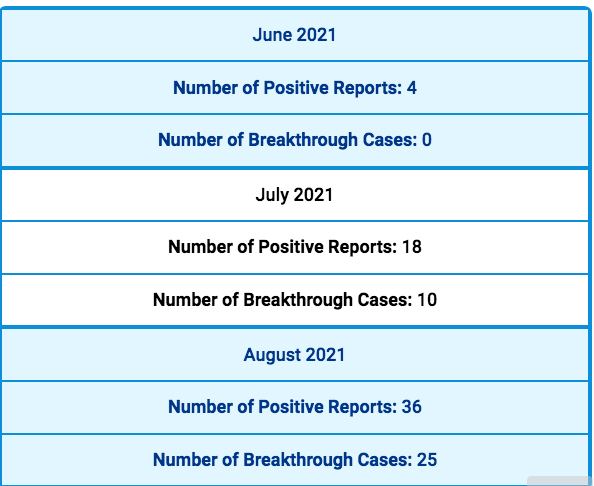
  • Freedom of Information Act (FOIA) data reveal 70% of vaccinated U.S. Centers for Disease Control and Prevention employees got breakthrough COVID infections in August 2021
  • March 3, 2022, CDC director Dr. Rochelle Walensky gave a presentation at Washington University, during which she admitted that she had learned about the Pfizer shot’s 95% effectiveness from CNN, which was based on a press release from Pfizer
  • Walensky claims she was unaware the shots might lose effectiveness over time. Yet scientists around the world have long known that coronaviruses are very prone to mutation, and mutations are known to affect a vaccine’s effectiveness
  • Walensky has also accused the public of believing that “science is black and white” when, in fact, “science is gray.” Meanwhile, anyone who has held an opinion that differs from the mainstream narrative has been censored to stifle scientific debate, and Walensky has never spoken out against this effort to prevent a “black and white” presentation of science
  • Walensky has also publicly discredited the Vaccine Adverse Event Reporting System (VAERS), which is coadministered by the FDA and the CDC. VAERS reveals the COVID jabs are the most dangerous vaccines ever created

Does Lyme Impair Memory? 6 Restorative Solutions to Help Get Your Brain Back on Track

https://rawlsmd.com/health-articles/does-lyme-impair-memory-6-restorative-solutions-to-help-get-your-brain-back-on-track

Does Lyme Impair Memory? 6 Restorative Solutions to Help Get Your Brain Back on Track

by Jenny Menzel
Updated 3/3/22

Have you ever walked into a room and forgotten the very reason you went there in the first place? Or, how about searching high and low for your missing glasses, only to discover they’ve been on top of your head the whole time? We’ve all experienced brief moments of forgetfulness once in a while, and mostly, they can be humorous. But if you’re struggling with neurological manifestations of Lyme disease, memory issues may be a daily, discouraging occurrence — and that’s no laughing matter.

So why do memory issues and chronic Lyme disease go hand in hand? And more importantly, what does this mean for the health of your brain and its capacity to store and recall information over time? Let’s take a closer look at the reasons why your memory may not be operating optimally, plus natural solutions to restore its function.

Neurological Lyme: A Recap

Neurological Lyme is a different flavor of Lyme disease that occurs when infection with the bacteria Borrelia burgdorferi affects the cranial or peripheral nerves or the central nervous system (CNS), reports the Centers for Disease Control and Prevention (CDC).

In other words, when a Lyme infection triggers an immune response, the immune system rallies white blood cells (WBCs) to act in defense, and inflammatory cytokine activity increases in the brain and spinal cord. When these immune cells infiltrate the CNS in response to a chronic infection, a range of noticeable neurological symptoms may result, such as:

  • Memory loss
  • Cognitive issues
  • Learning disabilities
  • Headaches
  • Bell’s palsy (facial paralysis)
  • Meningitis
  • Numbness and tingling in the extremities
  • Visual impairment
  • Brain fog
  • Depression, anxiety, and other mental health conditions
    Sensation changes on the skin

Not everyone with Lyme disease will experience neurological symptoms, though. When it comes to newly-diagnosed, acute infections, approximately 15% of patients reportedly experience one or more neurological effects like Bell’s palsy, meningitis, or numbness and tingling in the arms or legs, according to research published by Frontiers in Neurology. But this figure may be just the tip of the iceberg.

For a host of reasons, getting an accurate diagnosis and obtaining treatment for Lyme is often delayed (sometimes for months to years) due to a lack of physician understanding and public awareness, an unseen tick bite, the absence of the hallmark erythema migrans (bull’s-eye rash), and insensitive testing methods that produce false negatives.

This delay in diagnosis and adequate treatment allows the bacteria to flourish unchecked, embedding itself deeper into hard-to-reach areas of the body, like the brain — increasing the likelihood of developing difficult-to-eradicate chronic neurological symptoms.

Much Like Our Brains, Neurological Lyme is Complicated

The widespread idea that Lyme disease is easily cured with a 10- to 14-day course of antibiotics persists within most corners of mainstream medicine today. But there is a growing body of evidence to suggest the contrary: For example, in 2013, the International Journal of General Medicine published findings that the Lyme spirochete Borrelia is stealthy enough to evade immune detection and even survive attacks from antibiotics.

split image between borrelia and piles of drug capsules

Anyone experienced with this illness knows, too, that Lyme disease is so much more than a single microbe. With multiple strains of Borrelia in the mix and other common tick-borne coinfections like Bartonella, Babesia, Ehrlichia, and Mycoplasma, understanding the full effects of neurological Lyme is truly complex. However, thanks to the ongoing work of independent researchers and scientists, our understanding continues to unfold and offer helpful clues to the challenging neurological symptoms that so many people deal with.

The Impact of Neurological Lyme on Memory

On average, your brain has 86 billion neurons, each sending out numerous signals from head to toe at breakneck speed to process and store information, control movement and balance, and utilize your five senses, among other crucial tasks. Neurological Lyme can directly impact those functions, including memory, and here’s how.

How Memories are Formed

The study of human memory stretches as far back as 2,000 years to the times of Aristotle, with the first scientific approach introduced in the mid-1880’s by German philosopher Herman Ebbinghaus — the man responsible for classifying the memory types still relevant today. He discovered we actually have three different memory types, giving valuable insight into how the brain works:

  1. Sensory Memory (SM): Formed by how we see, hear, touch, smell, and taste things, SM allows you to remember by stimulating your five senses. After the stimulation, the sensing is assigned to short-term or long-term memory. Smelling your favorite food cooking, hearing a dog bark in the distance, or feeling the texture of wet grass beneath your feet after a spring rain are examples of sensory stimulation we attach to our short-term and long-term memory.
  2. Short-Term Memory (STM): Less fleeting than sensory memory and less permanent than long-term memory, STM helps you recall specific information about anything for just a brief period. Where you park your car at a shopping center is considered a STM due to the “short-term” need to retain the information. STM will get you to your car after you exit the store, but if there is no need to save the information to long-term memory, the memory quickly fades.
  3. Long Term Memory (LTM): There are two types of LTM: explicit and implicit. Explicit LTM is when we consciously and deliberately try to memorize something, like someone’s birthday, phone number, or lyrics to a new song. Implicit LTM is what we remember unconsciously by repetition without even trying, like riding a bike or taking a specific route to work. Any memory we can recall after 30 seconds is considered “long-term,” which is a majority of our memories.

Our memories form in three distinct stages— encoding, storage, and recall. Encoding is how the information gets into your brain, usually through one or more of the five senses. Storage is when that incoming information is briefly stored into STM, or more permanently, into LTM. The final stage is recall, how we retrieve the information after it’s stored.

When stealth microbes like Borrelia make their way to the CNS, they become savage disruptors, creating a breakdown of communication across multiple body systems by damaging nerve cells, kicking up inflammation, and disorganizing neurotransmitters and hormones, thereby instigating memory problems over time. Here are some of the top known ways neurological Lyme impedes your memory.

Neuroinflammation in the Brain

A recent study probing the brains of Lyme patients with chronic symptoms showed the presence of high levels of a substance called inflammatory translocator protein (TSPO), an inflammatory chemical released by two specific types of brain immune cells.

What does this mean for your memory? High levels of neuroinflammatory chemicals may decrease brain function, manifesting in such problems as brain fog and memory loss. Though the study was small-scale, it demonstrates a physiological basis for cognitive problems and validates the experience of countless people living with Lyme.

graphic of brain producing static electricity

Demyelination of Nerves

Much like electrical wires require insulation to keep the electrical current contained, the nerves in our brains are protected with an outer sheath called myelin, which protects nerves for other electrical impulses. Because microbes like Borrelia and Mycoplasma consider myelin a high-value resource to snack on, people with neurological Lyme are vulnerable to demyelination — deterioration of the nerve coating. When this happens, raw nerves are eventually exposed, and signaling between the nerves diminishes, resulting in communication breakdown. Demyelination caused by Lyme disease has been documented as early as 1989, suggesting the probability of CNS involvement, even after the initial infection appeared to be resolved.

Possible Dementia Connection

Although some studies have suggested dementia-like syndromes may exist as rare manifestations of neurological Lyme, recent research points to a more direct connection. Findings in Frontiers in Neurology support the possibility that neurological Lyme might be linked to Lewy body dementia, a condition where abnormal protein deposits to the nerve cells in the brain cause severely impaired reasoning, mood changes, and memory loss.

While there’s still a lot to learn about this manifestation, this is the first time a persistent neurological Lyme infection has been directly linked to the presence of dementia-inducing antibodies.

6 Effective Solutions to Restore Your Memory

Unfortunately, the current CDC treatment guidelines for neurological Lyme are antibiotics that are often ineffective in later stages of the illness, but all hope is not lost. If you’re experiencing Lyme-related memory problems, there are lifestyle habits and natural remedies like herbs that can help normalize disrupted communications in the brain and nervous system and enhance your memory. Here’s how.

icon of fish, chicken, and eggs

1. Eat Brain Food.

Nourishing your body with a balanced, anti-inflammatory diet rich in vegetables, healthy omega-3 fats, and choline-dense protein like poultry, fish, and eggs is one of the best ways to begin nourishing a vibrant memory and curb unwanted inflammation. As for brain fruit, blueberries full of flavonoids top the list. Furthermore, adding anti-inflammatory spices to your food is another way to benefit the brain. Turmeric and saffron win by supporting the vascular system and boosting blood flow to the brain. Fun tip: Have fun trying out new recipes by focusing on one new brain food per week to find your favorites.

icon of puzzle on phone

2. Get Creative with Brain Games.

While cognitive exercise apps such as Elevate or Lumosity are great options to get your brain in shape, don’t discount the power of your mind to make up your own activities. For example, make a game out of everyday events like shopping for groceries. Tally up the prices in your head as you shop, starting with just a few items and working your way up to see if you can calculate the amount you’ll pay at the register. Over time, you’ll sense improvements, and the process will get easier. However, if you prefer a break from the digital realm, classic crossword puzzles are another great (and inexpensive) option to challenge your memory.

icon of headphones

3. Try Interactive Metronome Therapy (IMT).

Take brain games to the next level with Interactive Metronome (IM), a therapy that is used to enhance memory, attention, focus, speech, and sensory skills in those struggling with cognitive impairment from various forms of brain injuries — even those associated with Lyme disease. By resetting your internal brain clock and retraining neural pathways, the therapy improves communication and desensitizes hyperactive areas of the brain while activating the sluggish areas. The brain-balancing exercises are often covered by insurance and can be performed under the supervision of a variety of professional therapists to increase the brain’s ability to record, store, and recall memories.

icon of herbal supplement bottle and capsules

4. Use Brain Supportive Herbs.

Balancing the brain with herbs will naturally boost your memory by creating healthy stress responses and sleep-wake cycles and reducing the microbial load. Some top herbs to suppress infectious microbes, reduce neuroinflammation, and increase needed blood circulation to the brain include:

Need a boost of clean energy in the morning to feel awake and alert? Herbs can help there, too. Try rhodiola or licorice root in the morning to get your day going without caffeine. And for a nightcap to gently unwind, try herbs with balancing and soothing properties like ashwagandha and l-theanine to regulate the HPA-axis and calm the nervous system for better quality sleep.

icon of moon and stars

5. Reduce Excess Brain Stimulation.

We live in a noisy world and are probably the most overloaded with stimuli than ever before in human history, but there are steps you can take to reduce the noise and help you focus. Try setting a specific time to digitally unplug every night, and consider setting your smartphone outside of your bedroom on the charger.

Need your phone for an alarm clock? Set it on airplane mode to avoid distracting notifications — or go minimalist with a simple alarm clock. Additionally, infuse your nightly routine with calming scents like rosemary, frankincense, and lavender. When delivered through the olfactory system, these essential oils can cool an inflamed nervous system, creating a clearer mind able to retain and recall information.

icon of human doing tai chi

6. Cultivate a Mind-Body Connection.

Mind-body practices like hypnosis, yoga, tai-chi, and meditation combine mental and physical focus with breathing and body movements, and scientific evidence supporting their positive effects on the nervous system is growing:

Research published by the Journal of Alzheimer’s found that after only 8 weeks of daily meditation, a small group of participants ages 52 to 77 experienced a significant increase in cerebral blood flow to the frontal and parietal lobes of the brain — two areas responsible for retrieving stored memories. If beginning a mind-body practice has been on your Lyme recovery to-do list for a while, the health of your brain and better memory are two great reasons to get started!

Healing Takes Time

If you’ve been struggling with memory problems from Lyme, you’ve likely come to find that healing is a marathon, not a sprint. Because our brain cells take the longest to repair, improving Lyme-related memory issues isn’t easy, but it’s possible — and worth it.

To sharpen your memory, combine these tips with the essentials, like a comprehensive natural protocol to suppress microbes, a reparative sleep schedule, and exercise as tolerated. If you remember nothing else, remember to keep it simple, pace yourself, and (gently) keep going.

REFERENCES
1. Berndtson K. Review of evidence for immune evasion and persistent infection in lyme disease. International Journal of General Medicine. 2013:291. doi: 10.2147/ijgm.s44114
2. Blanc F, Philippi N, Cretin B, et al. Lyme neuroborreliosis and dementia. J Alzheimers Dis. 2014;41(4):1087-1093. doi: 10.3233/JAD-130446
3. Bloomfield MA, Green SF, Hindocha C, et al. The effects of acute cannabidiol on cerebral blood flow and its relationship to memory: An arterial spin labeling magnetic resonance imaging study. Journal of Psychopharmacology. 2020;34(9):981-989. doi: 10.1177/0269881120936419
4. Chianese R, Coccurello R, Viggiano A, et al. Impact of Dietary Fats on Brain Functions. Curr Neuropharmacol. 2018;16(7):1059-1085. doi: 10.2174/1570159X15666171017102547
5. Ebbinghaus H. Memory: a contribution to experimental psychology. Ann Neurosci. 2013;20(4):155-156. doi: 10.5214/ans.0972.7531.200408
6. Gadila SKG, Rosoklija G, Dwork AJ, Fallon BA, Embers ME. Detecting Borrelia Spirochetes: A Case Study With Validation Among Autopsy Specimens. Front Neurol. 2021 May 10;12:628045. doi: 10.3389/fneur.2021.628045
7. Hein S, Whyte AR, Wood E, Rodriguez-Mateos A, Williams CM. Systematic Review of the Effects of Blueberry on Cognitive Performance as We Age. J Gerontol A Biol Sci Med Sci. 2019;74(7):984-995. doi: 10.1093/gerona/glz082
8. Herculano-Houzel S. The human brain in numbers: a linearly scaled-up primate brain. Front Hum Neurosci. 2009 Nov 9;3:31. doi: 10.3389/neuro.09.031.2009
9. Khalsa DS. Stress, Meditation, and Alzheimer’s Disease Prevention: Where The Evidence Stands. J Alzheimers Dis. 2015;48(1):1-12. doi: 10.3233/JAD-142766
10. Kristoferitsch W, Aboulenein-Djamshidian F, Jecel J, et al. Secondary dementia due to lyme neuroborreliosis. Wiener klinische Wochenschrift. 2018;130(15-16):468-478. doi: 10.1007/s00508-018-1361-9
11. Neurologic Lyme Disease. Centers for Disease Control and Prevention. Website. Published August 11, 2021. Accessed February 27, 2022.
12. New Scan Technique reveals brain inflammation associated with post-treatment lyme disease syndrome. Johns Hopkins Medicine Newsroom. Website. Published February 5, 2019. Accessed February 27, 2022.
13. Pachner AR, Duray P, Steere AC. Central nervous system manifestations of lyme disease. Archives of Neurology. 1989;46(7):790-795. doi: 10.1001/archneur.1989.00520430086023
14. Pragya SU, Mehta ND, Abomoelak B, et al. Effects of Combining Meditation Techniques on Short-Term Memory, Attention, and Affect in Healthy College Students. Front Psychol. 2021;12:607573. Published 2021 Mar 5. doi: 10.3389/fpsyg.2021.607573
15. The science behind IM. Interactive Metronome. Website. Published July 21, 2020. Accessed February 27, 2022.