Archive for the ‘Herbs’ Category

Who Decides What Counts As Medicine? How To Fix the Food-Drug Divide

https://anh-usa.org/who-decides-what-counts-as-medicine-rob-verkerk-explains-how-to-fix-the-food-drug-divide/

Who Decides What Counts as Medicine? Rob Verkerk Explains How to Fix the Food-Drug Divide

By The ANH Team On 09/10/20260

Who Decides What Counts as Medicine? Rob Verkerk Explains How to Fix the Food-Drug Divide

ANH founder Rob Verkerk explains why outdated food-drug definitions restrict consumer access to natural health options—and how a more proportionate system could better protect both choice and safety.

Listen to the audio version of this article:

The following is a transcript of an interview with Rob Verkerk, PhD, and ANH-USA’s Editorial Director, Michael Ames-Sikora.

Today I’m speaking with ANH founder and executive director Rob Verkerk about Beyond Binary Food-Drug Definitions: A Case for US and EU Modernization. Accepted for publication on July 20, 2026, and expected to appear in spring 2027, the paper was written by Rob as lead author and principal investigator, ANH legal researcher Chimnonso Onyekwelu, and our general counsel, Jonathan W. Emord—the “FDA Dragon Slayer,” who holds the record for the most legal victories against the agency. At its heart, the paper asks whether laws that force products into either a food or drug category still make sense when modern science shows that foods and natural compounds can have meaningful effects on health. In the conversation that follows, Rob and I discuss the paper’s key ideas, what they mean for consumers, and how we can build a better regulatory system.

Mike Ames-Sikora: Rob, you’re the founder and executive director of ANH. What made you want to tackle the way foods and drugs are defined?

Rob Verkerk: Mike, it’s really been over 25 years that I have seen that definitions are the mechanisms that Big Pharma and Big Food use to control what you can buy, what you can say. Particularly in the drug area, the drug definition controls the therapeutic space. It also really impacts what someone can buy, what you can be told about a product, and also whether or not it’s going to actually be found in a practitioner’s toolkit.

Ames-Sikora: Your paper argues that the law draws on increasingly artificial lines between foods and drugs. Why should anyone outside the legal profession care? And why should the average consumer care?

Verkerk: Well, our paper goes back over 100 years, looking at 18 different jurisdictions around the world, but focuses especially on the US and the European system. And when you take that kind of bird’s-eye view of what has been going on for over a century, you see that the initial justification for having regulation around foods and drugs was extremely laudable. It was very well-meaning. It really was about protecting consumers from dangerous goods, mis-sold goods, mislabeled goods, and whether they were drugs or of foods. What you see over the passage of time is this sleight of hand in which essentially the definitions have now become mechanisms to control specific categories of products for the benefit of those corporations. So we now have a rather ridiculous situation where essentially foods and drugs, fast foods, and ultra-processed foods are amongst the most dangerous foods that we consume, yet they’re perfectly legal. They fit those definitions. They can be unsafe. And we’ve got a situation where drugs that are licensed, that can carry claims like safe and effective, are amongst the leading causes of death in industrialized societies. Peter Gøtzsche’s work suggests that the that drugs may in fact be the 3rd leading cause of death in industrialized societies like the US or Europe.

Ames-Sikora: Yeah, and my understanding of that statistic too is that these are not abused drugs. These are properly prescribed medications that are used as intended.

Verkerk: 100%. Yeah, properly prescribed medications. The 3rd or 4th leading cause of death in industrialized countries.

Ames-Sikora: So you argue that these definitions can protect the pharmaceutical industry’s hold on the therapeutic market. How does that work?

Verkerk: Essentially, if you want to make any kind of disease treatment, disease prevention claim, you have to be channeled down the drug pathway. So it doesn’t matter how much science you’ve got to show that turmeric or rosemary or black cohosh, name any botanical or nutrient out there, it doesn’t matter how much science says this might reduce your risk of disease, you are disallowed from making that claim. Yet if you’ve gone through the drug pathway, you’ve essentially paid to play in order to get your license. You can shout your claim from the rooftop. And in fact, what’s even more interesting, you can shout claims that the science that got you the license never made at all, given that you can also make off-label claims. So generally speaking, drug companies will get a specific claim, that’s their pay-to-play license, but then medical doctors will often use the products off-label. Now, if you’re selling a nutrient, even if it has similar effects, even if the science is comparable, even if the science is stronger than the drug with little or no side effects, you cannot make the claim because you cannot discuss the product in any way in relation to the diagnosis, treatment, or prevention of disease.

Ames-Sikora: Yeah, we saw this with the cherry and walnut growers. I remember covering that for ANH over the years. So what does this mean for prevention and for people who already live with chronic disease?

Verkerk: Well, the biggest problem is that it means they can’t get the products that are most likely to be effective. The reality is that if we talk about prevention, primary prevention is actually trying to stop a disease happening in the first place. And we know the science around primary prevention is primarily around non-pharmaceutical interventions. So things like getting people to eat the right food at the right time in the right place in the right way, getting people to move in the right way or to respond to stress in a way that doesn’t harm them, or to spend less time sitting. These are all non-pharmaceutical interventions, and there’s very, very good science around them. Yet what’s happened is that the primary prevention space increasingly is dominated by pharmaceutical interests. So, you know, the use of vaccines to prevent disease, putting people on lifelong drug use, for the use of statins amongst those over 50, for example, which is a fantastic money spinner if you’re a statin manufacturer. The evidence is relatively weak in the sense that it doesn’t work for everyone, and for some people the side effects can be atrocious. Yet that’s viewed as a standard approach, either as primary or secondary prevention.

So if you look at the incredible science that shows how micronutrients and botanical substances and other substances taken from nature’s treasure trove can be used to bring our body into balance–let’s remember that it’s not usually the drug or even the botanical, the nutrient that itself is creating the shift. What it does is change the environment or the pathway in order to allow the body to self-heal. We sometimes forget how much work our body, our immune system, our neurological system, our endocrine system is doing to get things back into order. And that’s one of the ways in which non-pharmaceutical interventions can be really, really critical for prevention. for lifelong prevention that would have a massive impact on reducing chronic and degenerative disease. But these definitions prevent anyone from talking about it, so it doesn’t find its way into the mainstream approach or vocabulary.

Ames-Sikora: What has modern nutrition science revealed that these legal categories struggle to accommodate?

Verkerk: Well, nutrition science has moved on a great deal. That’s one of our primary arguments in the paper, that essentially there’s a whole catalogue of science that shows that nutrients can have a profound effect on disease. Governments recognize this. Mike, you’ll know in our FDA Modernization Act challenge that is running currently, where basically we presented the FDA and the Department of Health and Human Services with over 100 different nutrient disease claims that government agencies themselves are making. There’s a specific clause in the FDA Modernization Act that was written by none other than Jonathan Emord in the 1990s that basically said, look, you’ve reserved any kind of disease claim to the category of drugs. But because there are nutrients out there, how about a system that if you, as the authoritative agency, determines that the science says that there is a nutrient-disease relationship, then everyone can use that. That would avoid companies having to do lots of research on nutrients and disease, and then at the end of that, possibly after having spent hundreds of thousands of dollars, to be told, sorry guys, you’re a drug, you can’t sell the product.

So this is a fantastic pathway. Now there are— we found over 400 of these claims that the National Center for Complementary and Integrative Health, the Office of Dietary Supplements, the CDC, even the FDA are making. And we presented these to the HHS and said, look, we believe that these should be able to be used as authoritative statements under the clause in the FDA Modernization Act. And they’ve said, sorry, we have a little disclaimer that says these cannot be regarded as authoritative statements under the FDA Modernization Act. So it’s a crazy situation that says we are authorities that are making authoritative statements, but in this case, we’re not going to regard these as authoritative statements. So at the moment, they’re making none. And there’s still censorship of any nutrient disease claims. So we’ve got to push that particular roadblock over.

Ames-Sikora: You know, Rob, critics might hear this and assume that you’re calling for less regulation, which could expose them to unsafe supplements or even false hope. How would your proposed approach continue to protect consumers from unsafe products and exaggerated claims?

Verkerk: Well, basically, you’ve got to match the regulatory burden to the risk and the strength of the claim to the evidence. So there’s nothing that we’re doing in terms of modernizing definitions. That’s what we’re proposing—the definitions now are outdated and they don’t match the rapid development of nutritional science and health sciences. So essentially, what we would argue is that there is no additional risk at all. In fact, quite the reverse. It would reduce the risk because more people would be encouraged to take safer products that would essentially have a big impact on reducing their health risks, as well as ensuring that that there are adequate regulations already available that prevent companies from selling unsafe products. So yeah, unfortunately, that argument doesn’t hold a lot of water. And I think another part of our argument generally around some of the other initiatives that we have is that there’s always going to be a degree of uncertainty around any claim. And we strongly advocate this idea of communicating the amount of uncertainty clearly. And of course, Jonathan Emord was central in developing the qualified health claim regimen in the United States, and that’s what it’s all about.

So it’s about accurate communication of the science, and at the moment the definitions prevent that.

Ames-Sikora: What would a more sensible system look like? And if policymakers adopted one central recommendation from your paper, what should it be?

Verkerk: It should be: modernize the definitions. We need to see the food definition broadened. We’ve known since the time of Hippocrates that foods can have medicinal effects. There is copious amounts of evidence for that. And of course, the drug definition massively overlaps the food definition with the exception of very specific exemptions. So the Dietary Supplement Health and Education Act obviously gives an exemption for dietary supplements to make structure-function claims, but they cannot in any way relate to disease. Now, we need to have a system that allows claims about effects that will also be related to disease, but the system needs to be about proportionality. So you need proportionate assessment and not just an automatic push for products that are therapeutic in action to only be forced down the drug pathway.

Ames-Sikora: Well, great. Well, I look forward to seeing this paper finally see the light of day and for it to get a reaction from the public and the scientific community.

Verkerk: Yes. In essence, Mike, what the paper is about is laying down the intellectual academic foundation for why we need to change definitions. You’re going to be very involved, as I am, as all of us will be, in the advocacy program that actually works with Congress and with senators in order to change these definitions. And the interesting thing, we’ve done a lot of work in terms of what modifications may need to be made to bring them in line with the science. And it doesn’t involve a complete rewrite of the definitions. In fact, sometimes it involves only very small changes, but they can have profound effects, and they will work for millions of Americans. And that’s the solution.


ANH-USA will launch a major advocacy program once the paper is published—and we’ll be looking for your support to push through amendments to various food and drug related definitions. Stay tuned!

Best Herbal Antibiotic Plans for Lyme, Bartonella, and Babesia

https://treatlyme.com/guide/best-herbal-antibiotics-for-lyme-bartonella-babesia/

Best Herbal Antibiotic Plans for Lyme, Bartonella, and Babesia

By Dr. Marty Ross

best-herbal-antibiotics-for-lyme-bartonella-babesia
Updated: January 24, 2025

Science Meets Buhner for Best Herbal Antibiotic Options

History Speaks

Historically, most herbal antibiotic regimens for used tick-borne infections are based on the writings and experience of master herbalist Stephen Buhner. His work is science related. However, most of the herbal antibiotics he recommends do not have actual studies showing they work in the lab or in humans for killing specific tick-borne infections. For instance, he recommends Andrographis to kill Borrelia based on science showing it kills another spirochete called Leptospirosis. And Buhner recommends Sida Acuta to address Babesia because it is used as an antimalarial, even though there is no research showing it works for Babesia.

Buhner’s writings occurred before the discovery of persister Borrelia (Lyme) and Bartonella which I describe below. So, his writings did not specifically address how to deal with these hibernation forms of germs.

Enter Science

Over the last few years, researchers are rushing to find new ways to kill the terrible Bs (Borrelia, Bartonella, and Babesia). Some of the interest in looking at herbal medicine options is the discovery of hibernating persister growth states of Borrelia and Bartonella that do not respond to classic herbal medicines or prescription regimens that target growing states of these germs. Out of this laboratory work, we now know that Buhner’s Andrographis does not work against Borrelia, but many other agents do.

In 2023 Shor and Schweig published their review of newer laboratory studies showing which herbal medicines work in the lab to kill the growing, persister, and biofilm states of Borrelia and Bartonella. This work also reveals numerous agents that can kill Babesia. Table 1. below is drawn from the Shor-Schwieg article. My table is more limited than the one published in their paper but focuses on what I have found clinically to be the most relevant herbal antibiotics.

Table 1. Herbal Antibiotic Actions

How to Interpret Table 1
  • About G P B. Borrelia and Bartonella exist in growing states, hibernation states, and biofilm communities. The growing states are also called active states. The hibernators are also called persisters or stationary states. Biofilms are mostly known as biofilms. I prefer to use the terms growing (G), persister (P) and biofilms (B) while Shor and Schweig refer to active, stationary, and biofilm states. Keep this in mind if you review their article and more extensive table.
  • About Blank. In some instances, a blank space in the table means the research did not look to see if an herbal agent actually addresses the identified problem. For instance, Zhang and colleagues showed that cinnamon, clove, and oregano oils kill Borrelia biofilms, but their research did not look at whether these herbal oils help Bartonella biofilm. Given the similarity of biofilm structures, cinnamon, clove and oregano oils may actually be good agents against Bartonella biofilms.
  • About Sida Acuta and Houttuynia. Buhner recommends Sida Acuta and Houttuynia to address Bartonella. He also recommends Sida Acuta for Babesia. These key herbal antibiotics are not included in my table or the work of Shor-Schweig because there was no research conducted looking at these agents. This does not mean they do not work, but based on science, we do not know.  (See link for article)

_____________

**Comment**

The article gives numerous treatment options for each pathogen.  We can be extremely thankful to have all of this information in an easy to find and use format which is supported by science.

For more:

6 Ways Big Pharma & Big Food Are Trying to Control the Natural Healthcare Industry in the U.S.

A ‘must read.’  We must understand how this works in order to change it.

https://childrenshealthdefense.org/defender/big-pharma-big-food-control-natural-healthcare-industry-u-s/

6 Ways Big Pharma and Big Food Are Trying to Control the Natural Healthcare Industry in the U.S.

Big Pharma and Big Food’s tentacles reach deep into almost every area that controls which products, services and health information the majority of the population have access to. They have a disproportionate influence on political systems, regulation, markets, medical standards, information control, legal pressure and cultural conditioning.

This article was originally published by The Defender — Children’s Health Defense’s News & Views Website.

big pharma and supplements

By Chimnonso Onyekwelu and Rob Verkerk, Ph.D.

America is the research and development capital of natural health. The range of dietary supplements and other natural health products available on the U.S. market dwarfs that in many other global markets, especially the European Union, which has long used regulation as a tool to remove products that compete with drugs.

But anyone with keen eyes on the U.S. market will recognize that the diversity of products on the U.S. market has flatlined in recent years, especially when compared with the boom that followed the passage of the Dietary Supplement Health and Education Act of 1994.

Why has innovation declined? Why has natural health not assumed its rightful place as the mainstay of healthcare, as distinct from disease management?

In this article, we investigate the intricate, multi-factorial manner by which special interests work to keep natural health at the margins of healthcare.

America’s health crisis

The U.S. spends more on healthcare than any country in the world by a wide margin. In 2024 alone, spending reached an estimated $5.3 trillion, about 18% of the gross domestic product, averaging over $15,000 per person.

Yet despite this extraordinary investment, the U.S. consistently ranks near the bottom of high-income nations for life expectancy, chronic disease burden and preventable deaths. Put simply, the industrialized country that spends the most on healthcare is also the least healthy.

The scale of ill health makes this contradiction difficult to ignore. Research in 2023 found that 76.4% of American adults live with at least one chronic condition, while 51.4% were managing multiple chronic illnesses.

For many Americans, long-term disease has become normalized rather than exceptional. This raises a fundamental question: what role is the U.S. healthcare system actually playing?

Prescription drugs remain the most important intervention used for people with chronic diseases. While many drugs are lifesaving and essential, prescription medications are now recognized as the third leading cause of death in industrialized countries, behind only heart disease and cancer.

Public criticism has therefore focused heavily on Big Pharma, and much of that concern is justified. However, pharmaceutical dominance alone does not explain why Americans are so sick. Health outcomes are shaped long before a prescription is written.

Research consistently shows that up to 80% of chronic conditions, including cardiovascular disease, Type 2 diabetes and certain cancers, could be prevented or significantly reduced through natural health approaches such as nutrition, lifestyle change, supplements and other preventive interventions.

If this is the case, why are these approaches not more central to chronic disease prevention and care?

The answer lies not in ignorance, but in an orchestrated plan that has been decades in the making. Health outcomes, it turns out, are shaped by who writes the rules, who controls the market and by whom health information is controlled.

In this era of shadow-banning and aggressive policing of “misinformation,” who decides what qualifies as misinformation? And how can people make informed health choices when information is filtered, language is controlled, and foods or nutrients with preventative or therapeutic value cannot be legally claimed to prevent or treat diseases?

To understand the factors at work, we undertook an exercise in which we pointed four different artificial intelligence (AI) engines (ChatGPT, Grok, Perplexity and Google Gemini) at the problem, including reviewing the decades’ worth of articles and other data on our international and U.S. websites.

From all of this, we were able to deduce 123 factors, many being interconnected, and most suggesting a conspiracy between some of the most powerful commercial forces (Big Pharma, Big Food and Big Tech) and some of the most powerful agencies — the World Health Organization (WHO), the European Commission and the U.S. Food and Drug Administration (FDA).

To help simplify what is an incredibly sophisticated and intricate system of control is, we’ve distilled all of it down to six interconnected macro-drivers that work to constrain natural health in what is widely regarded as the most liberal economy in the world, that of the U.

The ‘big 6’ macro-drivers constraining natural health

1. Who writes the rules?

Beyond genetics, health is largely shaped by how and where we live, how we move, what we ingest and inhale, how we work and recreate and other aspects of our behavior and choices. But choices, especially as they relate to health, are greatly affected by the information we receive from the various channels to which we are exposed.

Whoever writes the rules decides what counts as “food,” a “food ingredient,” or what gets labeled a “drug.” The health information attributed to those foods or ingredients is subject to extreme control by those who write the rules, whether these are statutory and written into law, or non-statutory, such as government guidance or algorithms used by social media platforms.

blueberry can be packed with antioxidants that can reduce your risk of heart disease,  phytosterols may support heart or hormonal health, chia seeds may support metabolic health and compounds like curcumin or berberine show incredible therapeutic promise.

Yet any claim that suggests these and the thousands of other natural products out there can be used to treat or prevent disease is illegal.

Such claims are the sole domain of drugs — a regulatory architecture that has been crafted over decades by Big Pharma. Consumers may indeed be urged by public health authorities to choose what they eat or consume wisely, yet they are denied a complete picture of what is known scientifically about natural products, especially where these are natural alternatives to drugs.

As we saw during the COVID-19 era, this regulatory power intensifies during public health emergencies. Under emergency authorities, governments can rapidly rewrite rules, suspend existing safeguards and centralize decision-making.

This often leads to the strict policing of information via labels like “misinformation” or “unsafe.” We now know, through recent congressional hearings and updated studies (here and here), that some of the information originally dismissed as “disinformation,” such as the strength of natural immunity, the limited effectiveness of masking and the weak scientific basis for the six-foot distancing, was in fact scientifically sound.

The same pattern is reinforced globallyInternational standards set by bodies like the Codex Alimentarius Commission and the WHO privilege pharmaceutical-style evidence.

Drugs are presumed “safe and effective” on receipt of their drug license, at least until either is disproven during post-marketing surveillance (e.g., thalidomideVioxx).

Foods and natural products, by contrast, must continuously justify any health claims made and disease treatment, mitigation or prevention claims are prohibited. When rules, language, and evidence thresholds are written this way, natural health is constrained, not by science, but by those who write the rules and set the narrative around human healthcare.

2. Who controls the money and markets?

Natural health is constrained at the level of evidence, where money determines what qualifies as “science.” In 1991, about 80% of industry-funded clinical trials were conducted in academic medical centers; by 2004, that figure had fallen to 26%, replaced by for-profit research organisations contracted by drug companies.

This shift has untold impact: study designs, publications, regulations and medical education reflect pharmaceutical interests, leaving natural therapies — without comparable capital — unable to produce the forms of evidence regulators, insurers and clinicians are structurally conditioned to demand.

Markets then reinforce this imbalance. Just four retailers control around 65% of grocery sales, while seeds, meat and grain trading are 60-90% concentrated. Online, gatekeepers such as Amazon and Walmart determine visibility, pricing pressure and data access.

Natural brands must pay for shelf space, surrender customer data and risk rapid imitation, while pharmaceutical and ultraprocessed products benefit from scale, marketing budgets and preferential placement across supply chains and pharmacies.

Finally, the squeeze extends into innovation and medical culture. Following the Myriad case, naturally occurring substances are largely excluded from patent protection, leaving high research costs with little legal protection. Without intellectual property protection, investors see little upside, research dries up and innovation slows.

Combined with regulatory capture and heavy pharmaceutical lobbying, control of money and markets systematically prioritises pharmaceutical over natural health and substances long before consumers are offered a real choice.

3. Who decides ‘standard care’?

Natural health is further squeezed by who defines “standard care.” Evidence-based medicine has elevated randomized controlled trials (RCTs) to a near-exclusive gold standard, despite clear limits.

One analysis found 36% of highly cited RCTs were later contradicted or shown to have weaker effects, while RCTs routinely exclude older, multi-morbid and real-world patients.

Because industry funds most large trials, the hierarchy is skewed: 69% of industry studies focus on drugs, while a mere 1.5% examine behavioral changes. When RCTs are treated as the only valid evidence, therapies without patent-driven funding struggle to generate the evidence required to be recognised as “standard care.”

Funding and publication bias reinforce this hierarchy. Industry-sponsored studies are about 27% more likely to favour the sponsor’s product, and roughly 69% of industry-funded comparative effectiveness studies focus on drugs, while negative results are routinely suppressed.

For instance, in antidepressant research, roughly 92% of trials with negative or questionable outcomes were never published or were misrepresented, while positive trials were almost always published.

Nutrition research remains sidelined, stagnating at about 5% of total National Institutes of Health (NIH) funding for over two decades, while U.S. cancer nutrition funding fell 44% between 2012 and 2018. What is underfunded is under-studied, and what is under-studied rarely becomes “standard.”

Professional policing then locks these standards in place. In 2024 alone, the pharmaceutical industry spent $294 million on lobbying, while industry funding now covers about 70% of doctor training. Guidelines built on this evidence base are enforced through reimbursement rules and medical boards that determine acceptable practice.

During the pandemic, clinicians prioritising nutrition, prevention or off-guideline approaches were suspended or barred from practice, signalling that deviation carries real risk.

By controlling the evidence, the education and the licenses, the system ensures that “standard care” remains drug-centred while systematically marginalizing natural health.

4. Who controls what you’re allowed to hear?

Natural health is constrained not only by evidence rules, but by visibility itself. As the saying goes, “he who pays the piper dictates the tune.”

Legacy media is structurally dependent on pharmaceutical advertising: between January and October 2024, pharma brands spent $7.9 billion on ads, with over $5.3 billion going to national and local TV, accounting for roughly 10%-12% of all TV ad revenue.

Prescription drug ads alone drove 11.6% of national linear TV spend. This dependence creates incentives to avoid narratives that challenge drug-centred models while marginalizing alternatives that do not buy airtime.

Beyond commercials, the flow of information is constrained through biased “fact-checking” and algorithmic suppression. Platforms including Facebook, YouTube and Twitter use downranking, demonetization, shadow banning and deplatforming to suppress health content that diverges from “authoritative sources.”

In 2022, Facebook censored a peer-reviewed investigation by The British Medical Journal (BMJ) into Pfizer’s vaccine trials, labeling it “missing context” despite the fact-checker identifying no factual errors.

Natural health brands also face advertising suspensions for “health claims” or using words like “treat” or “prevent,” even when discussing evidence-based substances.

Pharma also shapes discourse via Key Opinion Leaders (KOLs). For example, a 2024 study investigating the 200% increase in opioid-related deaths (2000-2014) found that companies like Purdue Pharma and Janssen drove widespread opioid prescribing through KOL networks.

Today, this manufactured consensus extends to digital platforms where “patient influencers” are paid to promote medications. By framing natural health as “unproven” and using coordinated reporting campaigns to stigmatize non-drug interventions, the system ensures that what the public hears is not the full scientific truth, but a carefully curated pharmaceutical narrative.

5. How risk and law are weaponized

Legal and liability pressures have become another mechanism through which natural health is squeezed. Regulators increasingly rely on a “risk-based” enforcement framework that magnifies isolated incidents to justify broader restrictions on entire categories of natural products.

A clear example in the U.S. relates to the FDA’s 2019 withdrawal of Compliance Policy Guide (CPG) 400.400, which, for more than three decades, allowed homeopathic products to be marketed under enforcement discretion without necessitating a full drug license if they met labeling and manufacturing standards set by the Homeopathic Pharmacopoeia of the United States (HPUS).

Removing that policy effectively exposed traditional remedies to the same “new drug” approval standards applied to pharmaceuticals — an impossible threshold for non-patentable substances that cannot recover the roughly $2.6 billion cost of modern drug development.

The disparity is striking: conventional pharmaceuticals account for more than 99% of adverse drug events reported to the FDA, while homeopathic products represent only a minute fraction of one percent. That’s why we’re engaged in a lawsuit to correct this wrong that is, otherwise, likely to eliminate an entire modality of alternative medicine.

Regulatory scrutiny is further reinforced through a steady stream of investigations into products marketed as natural. State attorney general actions frequently target categories such as foods and dietary supplements, weight-loss and wellness products sold online and CBD or cannabis-derived supplements.

Of course, oversight of adulterated or misbranded products is a legitimate consumer-protection function. However, enforcement often concentrates disproportionately on natural health categories, with highly publicized investigations and warning campaigns that shape public perception even when issues stem from isolated violations.

The result is selective pressure: the entire sector faces reputational damage, regulatory uncertainty and the high cost of compliance or litigation.

Meanwhile, pharmaceutical drugs, including prescription and over-the-counter medicines, are responsible for nearly 2 million emergency department visits annually in the U.S. Despite this significant safety burden, pharmaceuticals continue to be framed as the default “safe” option.

The resulting asymmetry is clear: natural health products face heightened scrutiny and legal exposure, while pharmaceutical interventions retain institutional credibility and market dominance.

6. How our minds are manipulated

Natural health is also squeezed at the level of mindset, through cultural conditioning that reshapes what people consider “normal” health. When the average American develops a headache, the instinct is often to reach for paracetamol (acetaminophen or Tylenol) or ibuprofen (Advil).

Rarely is the first question: Am I dehydrated? Did I sleep poorly? Is stress, posture, or diet contributing to my problem? This reflex reflects a shift from addressing causes to suppressing symptoms.

Over time, it narrows the solutions people consider, pushing nutrition, lifestyle change and other preventive approaches to the margins before they are explored.

The same conditioning shapes how society views chronic illness. More than 75% of U.S. adults live with at least one chronic condition, and over half have two or more. Diseases such as heart disease, diabetes and cancer account for eight of the 10 leading causes of death, while treatment consumes over 90% of the nation’s $4.9 trillion annual healthcare spending.

As these conditions become widespread, medication use becomes routine: about one-third of Americans in their 60s and 70s take five or more prescription drugs regularly, a pattern known as polypharmacy. What might once have signaled systemic health failure is increasingly treated as simply part of modern life.

At the same time, key drivers of poor health are normalized. Ultraprocessed foods now make up about 60% of daily calories in the U.S., while studies show nutrient levels in some vegetables have declined since the mid-20th century.

The result is a population that is often overfed yet micronutrient-deficient. Rather than addressing these underlying causes, the dominant response remains pharmaceutical management. The cycle reinforces itself: unhealthy environments produce chronic illness, illness fuels drug dependence, while natural health is pushed to the background.

The future

The future of natural health in the U.S. — as well as in other parts of the world with elaborate, Big Pharma and Big Food-controlled regulatory systems — will not be decided by science alone.

Ultimately, it will depend on how these six macro-drivers are confronted together. Pharmaceuticals still remain far and away the most substantial influence on health, and Big Pharma still holds a dominant market share of the types of vitamins, minerals, fatty acids, amino acids and botanicals available through major multiples and pharmacies.

Big Pharma and Big Food’s tentacles reach deep into almost every area that controls which products, services and health information the majority of the population has access to.

They have a disproportionate influence on political systems, regulation, markets, medical standards, information control, legal pressure and cultural conditioning.

All six of these macro-drivers must be tackled simultaneously if we’re to restore balance, allowing nature to be reinstated as the most important influence on our health, an interaction that is the product of our co-evolution with natural systems over millennia.

This matters because the current health trajectory is unsustainable, and millions are destined to suffer and receive substandard support for their health.

With aging populations and spiralling rates of chronic disease that now affect the majority of adults, together with ever-growing costs of healthcare that fail to address the underlying causes of disease, prevention can no longer remain peripheral.

Nutrition, herbal medicine, lifestyle medicine and a gamut of natural interventions offer pathways that support the body’s inherent capacity for health.

The goal is not to replace modern medicine but to remove the prejudices against natural medicine and offer choice.

A future where natural health is protected, researched and accessible would not only expand choice, it would help move healthcare from a system built around managing disease through largely synthetic, chemical interventions, to one capable of sustaining human health because natural systems tend to work in concert with our bodies and minds, not against them.

ANH action plan in the U.S.

Since leading U.S. constitutional attorney Jonathan Emord (who has been gifted the moniker the “FDA Dragon Slayer,” given he holds the record for lawsuit wins against the FDA) joined ANH-USA as general counsel in mid-2024, we have embarked on a radical plan involving over 30 distinct legal and regulatory initiatives to combat the problems we describe in this article.

We are unfolding this plan by way of an array of lawsuits, other legal initiatives, campaigns, and political Action Alerts about which you can find out more in articles accessible on our website, anh-usa.org.

You can sign up for our free weekly U.S. newsletter and be kept abreast of our implementation of this unique plan, which centres on bringing in natural health from the margins and embracing it at the heart of human healthcare.

Please circulate this article widely among your networks to help address the censorship that affects the communication of our work.

Originally published by Alliance for Natural Health International.

Chimnonso Onyekwelu serves as a legal researcher at Alliance for Natural Health International, where she does high-level policy analysis and interpretation of legal frameworks in the health and nutrition sector. 

Rob Verkerk, Ph.D., is the founder and executive & scientific director of Alliance for Natural Health International.

Treating Lyme & TBDs on a Budget With Herbs

Webinar: Treating Lyme and Tick-Borne Diseases on a Budget

Date: Wednesday, March 18

Time: 6:00-7:00 PM ET

Presenter: Teresa Holler, MS, PA-C, FMAPS

Free to ILADS members/$49 for non-members

Register Here

Description:

Teresa will discuss a simple, effective, and well researched approach to utilizing herbals in the management of Lyme disease, bartonella, and babesia. Participants will leave the presentation with treatment options that are easy to implement.

Upon completion of Teresa’s presentation, participants will be aware of the following:

• Unique signs and symptoms to help differentiate between borrelia, bartonella, and babesia by history and physical exam
• What causes microbial persistence and how to address these difficulties
• Awareness of clinical studies comparing several antibiotic protocols to herbal products
• Review the properties of the most efficacious herbs for the treatment of Lyme disease, bartonella and babesia.

This webinar will be recorded and sent to all registered attendees.

Available through ILADS

To access the FREE 1.5 hour ILADS December webinar titled “At the Frontlines of Chronic Illness: A Conversation with ILADS Experts”, go here.

It features ILADS panelists:

  • Chris Winfrey, MD
  • Melanie Stein, ND
  • Nicole Bell (Galaxy Diagnostics)
  • Tania Dempsey, MD responding to patient questions

ACTION: Supplements Threatened in New GRAS Bill

https://anh-usa.org/supplements-threatened-in-new-gras-bill/

Supplements Threatened in New GRAS Bill

Supplements Threatened in New GRAS Bill

Another ill-conceived effort to reform the Generally Recognized as Safe (GRAS) pathway directly threatens access to countless safe supplements and natural products. Action Alert!


THE TOPLINE

  • Rep. Pallone’s GRAS reform bill would eliminate the self-affirmed GRAS pathway and replace it with an FDA pre-approval system—raising costs, reducing competition, and threatening access to many safe, natural supplement ingredients.
  • The bill gives FDA broad new powers to retroactively challenge existing ingredients and to reassess GRAS substances without considering dose, opening the door to EU-style bans on nutrients essential for health.
  • While transparency reforms are needed, abolishing the “self-GRAS” pathway entirely would overwhelm FDA and harm consumers, all while failing to address the real problem: the risk assessment approach used by the agency itself that has allowed many dangerous food additives to remain on the US market.

Over the last few months, we’ve been telling you about federal bills aimed at reforming how food and supplement ingredients come to the market through the “Generally Recognized as Safe” (GRAS) pathway. These bills have come on the heels of HHS Secretary Robert F. Kennedy Jr. identifying the elimination of dangerous food additives as a priority, asking the FDA to explore eliminating the “self-GRAS” pathway, whereby companies certify an ingredient as GRAS and add it to food without notifying the agency.

We’ve argued that many of these proposals, however well-intentioned, are misguided. Yes, we all want safer food. Yes, some unscrupulous companies may take advantage of the self-GRAS pathway to sneak bad ingredients into food. But the truth is that the US GRAS system is the primary mechanism used to get micronutrients—like vitamins, minerals, amino acids, and thousands of botanicals—as well as food additives like dyes, preservatives, thickeners and a whole host of other additives that have technological, rather than nutritional, functions, onto the US market.

This means that if you set up roadblocks and pre-market approvals for the food additives that any health-conscious consumer might have concerns about, you also threaten consumer access to thousands of entirely safe, natural ingredients which come to the market as GRAS—including many of the ingredients in supplements you care about. Changing the entire regime into a de facto pre-market approval system, with the FDA as the gatekeeper, is, as we wrote in our white paper on this topic, like throwing the baby out with the bathwater. It will have the effect of reducing consumer access to some of the healthiest ingredients that are both know to be safe and proven to be of benefit to health. It will also impact the smaller, more innovative manufacturers and suppliers the most by creating regulatory barriers that are only accessible to big players. This is exactly what we don’t want because it ends up depriving citizens of choice.

A Push for Reform That Misses the Mark

bill introduced by Rep. Frank Pallone (D-NJ) to reform the GRAS system makes many of the same mistakes as the other bills we’ve covered previously (here and here). Rep. Pallone’s bill proposes eliminating ‘self-GRAS’ entirely, requiring companies to submit detailed notifications to the FDA on new GRAS substances; only after the FDA has issued a written statement to not object to the GRAS notice can that ingredient be used. This is a pre-approval system for GRAS ingredients, plain and simple, which will increase costs, decrease competition, and eliminate many safe, healthy ingredients from the marketplace.

Speaking to the problems with this bill, ANH General Counsel Jonathan Emord said, “Regrettably, Congressman Frank Palone’s bill eliminates all future self-GRAS but grandfathers all prior self-GRAS determinations, leaving in the market the very subset of unsafe food additives in need of removal. The bill is underinclusive and overinclusive, failing to direct government to target demonstrably unsafe food additives for market removal, whether FDA approved or self-GRAS—the approach ANH advocates in our white paper on the subject).”

A Dangerous Expansion of FDA Power

Further, the FDA is handed the authority to require a GRAS notice for any ingredient considered GRAS before the enactment of the bill, giving the agency arbitrary authority to go after ingredients it doesn’t like. You can bet that natural substances and supplements that compete with drugs are on the hit list.

The Precautionary Principle Problem

The bill also requires the FDA to reassess 10 GRAS ingredients every three years, looking at, among other things, whether the ingredient is carcinogenic or can cause reproductive or developmental issues—without specifying that the assessment should be based on the intended use and dose. This pushes us directly into the problems caused by relying on the precautionary principle which dominates assessments by the European Food Safety Authority (EFSA), thatwe wrote about previously, that have been catastrophic for consumer choice in Europe.

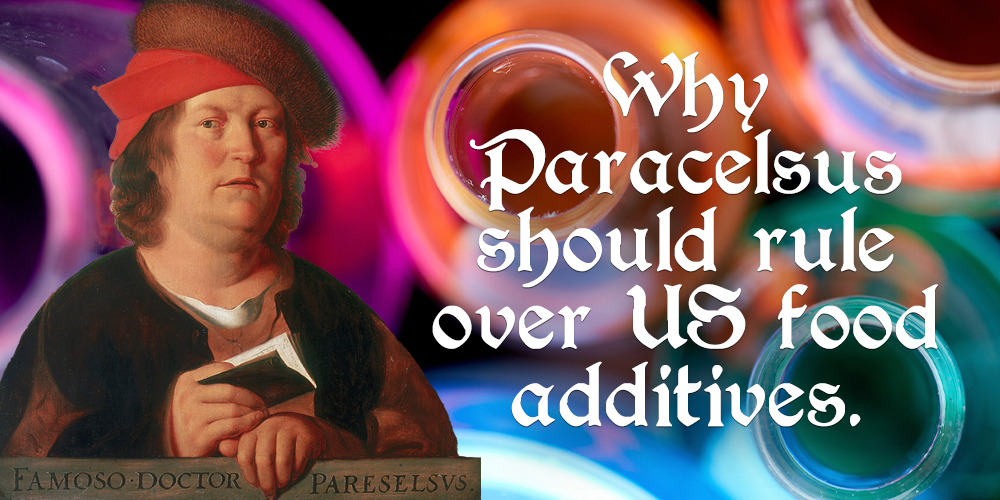
Emord also spoke to this issue: “This bill invites all new food additives to be assessed for carcinogenicity and mutagenicity without regard to dose. That undermines the historic toxicological basis for adulteration law—in effect, the Paracelsian Principle—wherein dose determines toxicity. Without that limitation on the exercise of government power, FDA may well adopt the Precautionary Principle as used in the EU, which gives essentially unbridled discretion to the government to remove food additives on cancer or birth defect grounds without having to prove those effects result from the form or dose levels actually being recommended. That approach would, if applied to existing food additives and other GRAS ingredients, cause many to be banned that are health enhancing, such as those containing selenium. That is because many substances we commonly consume, and are essential for good health, become carcinogenic or mutagenic at high dose levels. It is a foundational truism of toxicology that everything—even water—is toxic at some dose level.

The upshot is, under bills like Rep. Pallone’s, we risk losing access to safe, health-promoting ingredients due to a misapplication of the precautionary principle. This is a principle that gathered momentum decades back as a means of limiting exposure to environmental chemicals like pesticides and air pollutants to which exposure has no benefits, only the potential for risk. So when regulators now apply this same principle to substances like nutrients that have distinct benefits, they risk using the inevitable uncertainty in the science to eliminate exposure (altogether or at least a beneficial levels), so depriving us of benefits.

Transparency Is Needed—But This Isn’t It

None of this is to say that there aren’t problems with the current GRAS system. We’ve laid out these issues in detail in our recent white paper, Reforming GRAS: Food Safety Without Sacrifice. Notably, the drive towards more transparency is crucial. It is not acceptable that companies can self-certify an ingredient as safe and add it to our food without any transparency or accountability. That’s why, among other recommendations in our white paper, we call for the creation of a GRAS Transparency Register, making all GRAS determinations public for review by independent experts, consumer groups, and researchers.

The Real Source of Harmful Additives: FDA Approvals

There’s a common misconception that the self-affirmed GRAS pathway is the main culprit behind the flood of harmful ingredients in our food supply. But many of the additives most often cited by critics—Red 40, Yellow 5, titanium dioxide, potassium bromate, aspartame, sodium nitrite, and BHA—have actually been reviewed and approved by the FDA, either as food or color additives or through the GRAS process itself. These substances were greenlit despite substantial evidence of health risks. The real issue, then, is that most harmful additives were approved through official FDA channels—not industry exploitation of loopholes.

A Better Path Forward

Abolishing the self-GRAS pathway altogether, as proposed by Rep. Pallone’s bill as well as other bills, would wreak havoc on the food and dietary supplement industries and create an enormous workload for the FDA, which the agency would likely be unable to manage given current staffing. Creating another de facto pre-market approval system undermines the original purpose of the GRAS pathway: to streamline the introduction of safe ingredients, including many natural ingredients, into food.

We need lawmakers to hear from YOU, their constituents, that real reform means not throwing the nutrient baby out with the GRAS bathwater.

Action Alert!

http://www.votervoice.net/Shares/BcNxRAhFBC6ffAeXRxg7FAA  Go here to send a pre-written letter to your reps.