Archive for the ‘Psychological Aspects’ Category

Lyme, Dementia, and the Tests Nobody Thinks to Run

Lyme, Dementia, and the Tests Nobody Thinks to Run

Sept. 2026

Dr. Hartman and Dr. Horowitz walk through the 16 factor MSIDS model, why chronic fatigue syndrome and fibromyalgia sit at the top of the list of diagnoses worth reconsidering, and the brain markers Dr. Horowitz now asks physicians to run before and after treatment. They also cover how Lyme testing differs across labs, the dapsone protocol he developed over a decade, and why he believes the same handful of factors keeps surfacing in dementia, autism, ADHD and long COVID. That argument sits at the center of Ending Chronic Illness, his new book from Simon & Schuster, and this conversation is for patients who have seen many doctors without getting answers as well as clinicians willing to widen what they measure before deciding what a patient has. —

Dr. Horowitz developed an empirically validated questionnaire for Lyme-MSIDS which is more accurate than current testing. He also wrote: “Why We Can’t Get Better,” an excellent resource for both patients and practitioners. He states that it’s easier to obtain medically assisted death than treatment for chronic Lyme disease, and wrote a thoroughly sourced article showing that the debate about chronic Lyme is entirely political and not based on science.

CHAPTERS

00:00 — Why Lyme may sit under the dementia numbers

02:24 — The scale of the epidemic and why case counts diverge

06:57 — Reading a Lyme test differently

11:53 — Sixteen nails in the foot

12:44 — The first live human case linking Lyme and Alzheimer’s

16:03 — Why the same 16 factors keep appearing

21:26 — How the dapsone protocol was discovered

24:03 — Brain markers, and amyloid as a defense

27:04 — Autism, ADHD, and measuring inflammation first

36:30 — Which diagnoses should prompt a tick-borne workup

41:14 — Dapsone: side effects, risk, and benefit

50:27 — Which tests to order, and Ending Chronic Illness
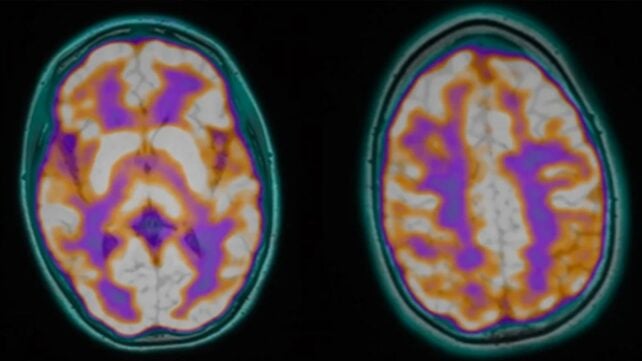
After These Young People Died, Postmortems Found an Unnerving Parasite Link

After These Young People Died, Postmortems Found an Unnerving Parasite Link

04 September 2026

ByEsra Öz

After These Young People Died, Postmortems Found an Unnerving Parasite Link (Breitschwerdt et al., Parasites & Vectors, 2026, CC BY 4.0.)
He had been athletic and healthy. Then came years of exhaustion, pain, memory problems, and psychiatric symptoms. Eventually, he had to leave college.

By the time the 27-year-old died, six years of illness and specialist care had failed to restore his health.

Tests performed after his death revealed DNA from two species of Babesia, tiny parasites that infect red blood cells, and Bartonella henselae, the bacterium that causes cat-scratch disease.

His was one of six cases in a postmortem investigation driven by families still seeking answers about their children’s illnesses.

Researchers confirmed DNA from one or both groups of microbes in five individuals.

The discovery left a crucial question unanswered: what role, if any, had these infections played in their illnesses?

The individuals were aged 14 to 30, and all had experienced chronic illness and suicidal thoughts or behaviors.

Four died by suicide, one through medical assistance in dying, and another from a severe disorder involving excessive immune activation.

Their parents contacted Edward Breitschwerdt, an infectious disease researcher at North Carolina State University, after learning about his team’s work on Bartonella and neurological illness. (See link for article)

_________________

**Comment**

This is the perfect article to follow up on the research on ‘PTLDS’ as it wonderfully shows how these pathogens are hard to find let alone effectively treat but are causing needless suicides and unbelievable suffering, due to an old faulty dogma that refuses to go away.

Important excerpt:

“They supplied medical histories and arranged for postmortem samples to reach his laboratory. Some had already been tested or treated for these infections while alive. The investigation was therefore not the first indication of infection in every case. At the laboratory, the initial search returned no clear answers. The researchers analyzed 125 DNA extracts from blood, laboratory blood cultures, tissues, and other body fluids. Initial quantitative PCR screening, which searches for selected genetic sequences, was negative throughout. Digital PCR, which divides samples into many tiny reactions, then produced faint signals in some samples. None reached the study’s threshold for a positive result. Additional targeted tests and DNA sequencing, which reads genetic material to identify organisms, provided confirmation.”

These poor folks would have been ignored by most researchers after the PCR screening, but Bart guru, Dr. Ed Breitschwerdt, is no dummy and kept digging. Notice they did additional ‘targeted’ tests AND DNA sequencing. Mainstream research simply quits looking after using tests that are wrong nearly 90% of the time.

In response to the question of whether the DNA points to an active infection at the time of death, Breitschwerdt said that detecting a known pathogen’s DNA in clinical specimens is medically accepted as evidence of “active infection.

Yet – for some reason, this ‘medically accepted’ evidence does NOT hold true for Lyme/MSIDS. It’s the perfect quagmire with no end in sight.

While this was an ‘observational study’, not a prospective case-controlled study, Breitschwerdt states:

“I think the best interpretation is that infections with vector-borne pathogens that have evolved to induce persistent infections in animals and human patients are not a current diagnostic consideration in patients with chronic illnesses or neuropsychiatric symptoms.”

For more:

Pineal Gland Calcification as a Convergnt Pathological Mechanism: From Circadian Disruption to Neurodegeneration

https://sayerji.substack.com/p/pineal-gland-calcification-as-a-convergent?

Pineal Gland Calcification as a Convergent Pathological Mechanism: From Circadian Disruption to Neurodegeneration

Sayer Ji

May 25, 2026

A Hypothesis Paper

Prepared for submission to Medical Hypotheses / Frontiers in Aging Neuroscience

Abstract

Background and Purpose

Pineal gland calcification (PGC) affects over 60% of adults globally yet is routinely classified as a benign incidental radiological finding. This paper argues that PGC represents a significant and underinvestigated convergent mechanism in age-related pathology, with downstream consequences spanning circadian dysregulation, melatonin decline, oxidative stress, amyloid-beta accumulation, and neuropsychiatric vulnerability.

Methods

We synthesize peer-reviewed evidence across five domains: (1) epidemiology of PGC prevalence; (2) biochemistry of hydroxyapatite formation and its inhibitors; (3) environmental and physiological contributors including fluoride exposure and chronic stress; (4) melatonin pathway disruption and its systemic consequences; and (5) associations between PGC and neurological disease, including Alzheimer’s disease, schizophrenia, bipolar disorder, and Parkinson’s disease.

Conclusions

Convergent mechanistic and epidemiological evidence supports reconceptualizing PGC as a modifiable pathological process rather than an incidental finding. Known crystallization inhibitors — magnesium, phytate, pyrophosphate, and vitamin K2 — represent plausible preventive interventions warranting prospective clinical investigation. We propose a unified three-stage mechanistic model and a research agenda for longitudinal and interventional studies. (See link for article)

Autism Affects 1 in 31: One Doctor’s Search for Answers

https://imahealth.substack.com/p/autism-affects-1-in-31-one-doctors?

Autism Affects 1 in 31: One Doctor’s Search for Answers

Dr. Elizabeth Mumper’s 46-year pediatric career, spanning 600+ patients across 20 states, reveals what medical schools still aren’t teaching about autism.

In 1979, a medical student at the Medical College of Virginia was told to make sure she saw the patient with autism at the children’s treatment center. At the time, the condition was so rare it might be the only case she’d encounter in her entire career. Prevalence was 1 in 5,000.

That student was Elizabeth Mumper. Over the next 46 years, she diagnosed and treated more than 600 children with autism from 20 different states and lectured on their medical conditions in 21 countries. Today she is a Senior Fellow at the Independent Medical Alliance. And autism prevalence has reached 1 in 31 children.

In a new article published in the Journal of Independent Medicine, Dr. Mumper traces what changed and what the medical establishment has been slow to recognize: that autism is not just a psychiatric diagnosis. Children with autism often have treatable medical conditions, including gut inflammation, immune dysregulation, metabolic abnormalities, and mitochondrial dysfunction. When those conditions are identified and addressed, the improvements can be dramatic. Some children no longer meet the diagnostic criteria at all.

“When you find a problem that is treatable, it’s very, very rewarding to see the children feel better, and the families are very grateful.” — Elizabeth Mumper

The gap between published research and clinical training, Dr. Mumper writes, remains wide. Most pediatric residents still learn the behavioral model. Her article lays out the medical comorbidities, the evidence behind targeted interventions, and the opportunity for clinicians willing to look deeper.

📖 Read and Download the Full Paper

How Autism Changed Throughout My Career (JIM Vol. 2, No. 2, 2026)
Author: Elizabeth Mumper

👉 Visit the Journal of Independent Medicine to create a free account and download the full article.

Related Reading

For more:

Study Identifies 86 Serious Neuropsychiatric Safety Signals Linked to COVID-19 Shots

https://www.thefocalpoints.com/p/breaking-study-identifies-86-serious

BREAKING: Study Identifies 86 Serious Neuropsychiatric Safety Signals Linked to COVID-19 Vaccination

CDC/FDA safety thresholds breached for 86 adverse events including dementia, schizophrenia, suicidal and homicidal thoughts, stroke, psychosis, depression, cognitive impairment, delusions, and more.

By Nicolas Hulscher, MPH

The study by Thorp et al titled, Association between COVID-19 Vaccination and Neuropsychiatric Conditions, was just uploaded to the Preprints.org preprint server. They analyzed VAERS data from January 1990 through December 2024 and identified alarming increases in 86 adverse events related to brain function, behavior, and cognition following COVID-19 mRNA injection:

Introduction: COVID-19 mRNA vaccines are known to penetrate the blood-brain barrier and could potentially cause a myriad of unintended adverse effects. The purpose of this study is to explore potential associations between vaccination and neuropsychiatric conditions.

Methods: Data were collected from the U.S. Centers for Disease Control and Prevention (CDC) and the U.S. Food and Drug Administration (FDA). The CDC/FDA Vaccine Adverse Event Reporting System (VAERS) was queried from January 1, 1990, to December 27, 2024, for adverse events (AEs) involving neuropsychiatric complications following COVID-19 vaccination. The timeframe included 420 months for all vaccines except COVID-19 vaccines which have been available to the public for only 48 of the 420 months (from January 1, 2021, to December 27, 2024). Proportional reporting ratios (PRRs) were calculated by time comparing AEs after COVID-19 vaccination to those after influenza vaccination and to those after all other vaccines. The CDC/FDA stipulates a safety concern if a PRR is ≥ 2.

Results: Comparing COVID-19 vaccination to influenza vaccinations, the CDC/FDA’s safety signals (PRR, 95% confidence interval, p-value, Z-score) were breached for the following combinations: 47 AEs associated with cognitive impairment (PRR: 118, 95% CI: 87.2-160, p < 0.0001, Z-score: 30.9); 28 AEs associated with general psychiatric illness (PRR: 115, 95% CI: 85.1-156, p < 0.0001, Z-score: 30.8); and 11 AEs associated with suicide/homicide (PRR: 80.1, 95% CI: 57.3-112, p < 0.0001, Z-score: 25.7). Likewise, when comparing COVID-19 vaccination to all other vaccines except COVID-19, the safety signals were also breached for the following: 47 AEs associated with cognitive impairment (PRR: 26.8, 95% CI: 19.8-36.1, p < 0.0001, Z-score: 21.5); 28 AEs associated with general psychiatric illness (PRR: 28.6, 95% CI: 21.2-38.6, p < 0.0001, Z-score: 21.9); and 11 AEs associated with suicide/homicide (PRR: 14.0, 95% CI: 10.3-19.0, p < 0.0001, Z-score: 16.8).

Conclusions: There are alarming safety signals regarding neuropsychiatric conditions following COVID-19 vaccination, compared to the influenza vaccinations alone and to all other vaccinations combined. These data raise concerns about long-term consequences, including continued cognitive decline, dementia, and neuropsychiatric morbidity and mortality. An immediate global moratorium on COVID-19 vaccination is warranted.  (See link for article)

______________

**Comment**

Psychosis, schizophrenia, delusion, delirium, and brain injury, along with Alzheimer’s depression, sleep disorders, and hemorrhagic stroke all listed…..

Why these kill shots are still on the market defies ALL logic and sanity.

For more: