
The Smear That Buried BITTEN
https://krisnewby.substack.com/p/the-smear-that-buried-bitten?
The Smear that Buried BITTEN
Reframe the claim. Call it a conspiracy. Never release the files.
Sept. 29, 2026

I spent five years researching Bitten, my book about the U.S. military’s Cold War bug-borne weapons program and the unresolved questions surrounding the first investigation into Lyme disease.
At the center of the story is Willy Burgdorfer, the NIH scientist celebrated for identifying the bacterium that causes Lyme disease. Before the book came out, few people knew that Burgdorfer also spent part of his career working with Fort Detrick’s entomological warfare division. Researchers there studied how fleas, mosquitoes, and ticks could be infected with pathogens and used as weapons.
Late in life, Burgdorfer told me he had found a second unusual microbe during the Lyme investigation—one he believed deserved far more scrutiny. He suggested it may have been connected to earlier weapons research and said he had been ordered to set it aside. Letters and laboratory notes I later found supported that account.
To be clear, Bitten did not prove that Lyme disease was a bioweapon. It asked a narrower and more urgent question: whether another potentially disease-causing microbe found in Lyme-area ticks and humans had been ignored, hidden, or never fully investigated.
That distinction matters. When Rep. Chris Smith (R-NJ) called for a congressional inquiry in 2019 into whether the military had used ticks in biological-weapons research, the public deserved a careful examination of the records. Instead, the debate was quickly reframed around a claim I never made.
Tick researcher Sam Telford III published a Washington Post op-ed titled, “No, Lyme disease is not an escaped military bioweapon, despite what conspiracy theorists say.” A link in the article pointed readers to a review of my book.
I saw this as a classic disinformation move—reframe the argument to include something false, then attribute it to the reporter and brand the person as a conspiracy theorist. Casual readers never get past the headline and a false narrative is burned into memory.
The stakes are not academic. The release of engineered or unnatural biological agents can have long-term effects on people and the environment. Continued secrecy around the tick-borne weapons program still obstructs a timely response to a growing public-health crisis.
A conversation with the author
I called Telford after reading the piece to discuss statements I considered false or misleading. When I asked whether he had read Bitten, he said, “No. I don’t have time to read books.” I offered to send him a copy. “You can, but I’ll probably shred it,” he replied. That exchange stayed with me: an op-ed designed to dismiss my book was written by someone who told me he had not read it.
(See link for article)
_________________
**Comment**
Sadly, we go onto learn that publications would not fact-check the errors in Telford’s op-ed.
Newby kept digging and points out that Telford, a tick researcher at Tufts University didn’t disclose that he was the director of Tuft’s New England Regional Biosafety Laboratory, located in a semi-rural New England town about 40 miles west of Boston. This biolevel-3 lab works on biodefense, dangerous pathogens, and high-containment laboratory operations, including anthrax and tick-borne diseases.
COVID exposed a much bigger reason for the lack of disclosure.
The ‘powers that be’ do not want the eye of Mordor swinging onto tick weaponization because it would draw attention to dangerous work at the Rocky Mountain Laboratories, including the importing of foreign pathogens exposed a couple of months ago in the Munster affair, described here and here, not to mention the fact everyone’s dog knows now that COVID was created in a lab and either escaped or was intentionally released.
The questions raised decades ago continue to remain unresolved thanks to Telford and others’ deflection.
For more:
- https://madisonarealymesupportgroup.com/2026/03/06/declassified-docs-link-bioweapon-program-to-lyme-disease/
- https://madisonarealymesupportgroup.com/2023/09/11/free-audiobook-bitten-the-secret-history-of-lyme-disease-and-biological-weapons-the-peoples-declaration/
- https://madisonarealymesupportgroup.com/2026/03/19/hiding-bioweapons-under-cancer-research/
- https://madisonarealymesupportgroup.com/2025/12/15/investigation-into-u-s-military-bioweapons-origin-of-tick-borne-lyme-disease-successfully-added-to-2026-national-defense-authorization-act/
- https://madisonarealymesupportgroup.com/2025/12/01/fda-chief-says-lyme-disease-came-from-u-s-military-lab-257-suggests-hiv-came-from-african-lab/
- https://madisonarealymesupportgroup.com/2026/03/17/why-we-should-care-if-lyme-disease-was-bioengineered/
- https://madisonarealymesupportgroup.com/2019/07/31/tick-expert-admits-to-working-on-ticks-dropping-them-out-of-airplanes/
- https://madisonarealymesupportgroup.com/2021/11/12/interview-u-s-bioweapon-lab-suspected-of-source-of-lyme-disease/
- https://madisonarealymesupportgroup.com/2019/07/21/got-15-minutes-the-officially-ignored-link-between-lyme-plum-island/
- https://madisonarealymesupportgroup.com/2020/09/25/why-should-we-care-about-lyme-disease-a-colorful-tale-of-government-conflicts-of-interest-probable-bioweaponization-and-pathogen-complexity/ A bird’s eye view if you are new in Lymeland.
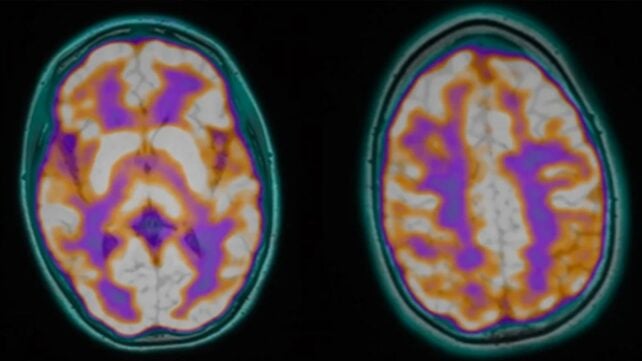 (Breitschwerdt et al., Parasites & Vectors, 2026, CC BY 4.0.)
