All three Halcombs survived COVID, including a 95 year old. How? Watch the short video and learn about the life-saving medications that our corrupt public ‘health’ authorities and complicit media are censoring, maligning and denying.
There is complete polarization within the medical community reminiscent of Lyme/MSIDS regarding the treatment of COVID. On one hand you have mainstream doctors toeing the accepted narrative either out of ignorance, or out of fear of losing their jobs. On the other hand you have freedom-loving doctors who are putting their necks on the chopping block as they defy the establishment and advocate for the proper treatment of patients. The story is one Lyme/MSIDS patients know all too well.
Lyme/MSIDS patients quickly learn of the Lyme-underground where one must go in order to get appropriate help. Now, a wider public circle is learning what we’ve contended with for over 40 years: having to go to search out “special” doctors to receive “appropriate” treatment. Hospitals have become modern day “killing fields,” with frustrated doctors splitting off forming groups separate from mainstream medicine. These brave doctors are being attacked and threatened. Politicians and judges are now being asked to speak up for sick patients who seemingly have no recourse.
To say we are in a mess would be an understatement. The vitriol is tangible and the public is confused and being led astray – even blaming people for not succumbing to an unproven, experimentalgene therapyinjection utilizing a dangerous spike protein toxin which is related to thousands upon thousands of deaths, severe adverse reactions, and pathogenic priming or ADE, all of which are completely ignored by mainstream medicine and a complicit media. One expert warns these dangerous injections may kill up to 50 million Americans. Whistleblowers are coming out of the woodwork with crucial information:
CDC whistleblower lawsuit states nearly 50,000 people were killed within 14 days of a 1st or 2nd dose of a COVID-19 “vaccine”. Deaths are severely under counted as the corrupt CDC is counting deaths within 14 days of vaccination, as unvaccinated deaths. These statistical shennanigans have been used throughout the “plandemic” to push an accepted narrative while hiding reality. The CDC did a similar thing with the PCR test.
Pfizer whistleblower states the injections are bioweapons.
GSK whistleblower states the injections cause sterility.
Vaccine researcher admits the spike protein is a toxin that accumulates in the ovaries, testes, liver, spleen, bone marrow, and adrenal glands. It also crosses the blood brain barrier.
Vaccine expert states COVID injections drive viral mutations which will cause outbreaks.
Doctor testing “vaxxed” blood found COVID shots cause severe autoimmunity.
Pfizer scientist admits natural immunity is better than COVID shots.
Big Tech, Big Pharma,socialmedia, and a complicit media continue to censor reality and the fact the injections are causing severe adverse events including death and that there is no need for these dangerous injections due to safe, effective, cheap COVID treatments that have been proven to work. There were more than 500 deaths in the first year of remdesivir usage – the drug of choice by our corrupt health ‘authorities,’ vs 20 deaths in 19 years of ivermectin usage – the drug of choice from censored, maligned doctors. Remdesivir isn’t effective for COVID, but is manufactured by Gilead Science, a CA manufacturing company which has ties to the Pentagon and has been accused of engaging in illegal bioweapon research programs in the country of Georgia. More than 100,000 pages of classified information shows that Gilead was involved in conducting military research, biological weapons research, and other clinical experiments there that resulted in the deaths of Georgian citizens.
An antimalarial treatment made from the plant Artemisia annua (Sweet Wormwood) shows promise as a COVID-19 treatment
The drug artesunate — which contains two compounds found in Artemisia annua: artemisinin and dihydroartemisinin — is a first-line treatment for malaria
In a recent in vitro study, both pretreatment and treatment with artemisinin extracts, synthetic artemisinin and the drug artesunate were able to inhibit SARS-CoV-2 infection. However, artesunate was the most potent in terms of treatment, and from a clinical perspective may be the only one worth pursuing
Artesunate’s mechanism of action against SARS-CoV-2 is as yet unknown, but artemisinin does have confirmed antiviral activity
The World Health Organization has come out in opposition to artemisinin-based products, warning their use can bolster drug-resistant strains of malaria parasites. For this reason, people living in malaria-prone areas should be cautious about using this plant remedy
This article was previously published January 4, 2021, and has been updated with new information.
A second antimalarial treatment is now being seriously considered and evaluated for its efficacy against COVID-19. The treatment is made from the plant Artemisia annua, which most people know as Sweet Wormwood. Other names for this plant include Annual Sagewort and Sweet Annie.
Research over the past few decades has revealed multiple health benefits from this medicinal herb, which has a centuries-long history of use in folk medicine. In 2015, Chinese scientist Tu Youyou received a partial Nobel Prize in Physiology or Medicine for his discovery of artemisinin and dihydroartemisinin,1 both of which have potent malaria-fighting properties.
As reported by the University of Kentucky,2 “The popular malaria drug artesunate was developed from those compounds and is still used as a first-line treatment for the disease today.”
Artemisinin — A Viable COVID-19 Remedy?
Interestingly, in addition to having a long-standing history of being used as a highly effective antiparasitic, it also has anticancer properties. Additionally, artemisia annua has antiviral activity that might be helpful against SARS-CoV-2.
In an April 8, 2020, SEC filing, Mateon Therapeutics reported3 that “Artemisinin is highly potent at inhibiting the ability of the COVID-19 causing virus (SARS-CoV-2) to multiply while also having an excellent safety index.”
After testing the plant’s antiviral effects in a laboratory setting for a couple of years, University of Kentucky researchers are also exploring its use for the treatment of COVID-19,4 as are researchers in Denmark and Germany.5 According to the University of Kentucky:6
“Surprisingly, results showed that the plant’s leaves, when extracted with absolute ethanol or distilled water, provided more antiviral activity than the actual drug itself — meaning that an Artemisia annua-blended coffee or tea could possibly be more effective than taking the drug.”
Based on these findings, researchers have decided to test artemisinin in patients diagnosed with COVID-19. Some of the first human studies, set to investigate both the extract blended into coffee and tea, as well as the drug artesunate, were implemented by UK HealthCare.
University of Kentucky researchers have founded a company called ArtemiFlow to develop and manufacture the drug, in collaboration with the Kentucky Tobacco Research & Development Center.7 A sister company, ArtemiLife, is marketing Artemisia tea and coffee to raise research funds.
Mechanism of Action Remains Unknown
As for its mechanism of action, such details still remain to be discovered. C&EN explains:8
“When countering malaria, artemisinin exploits the parasite’s taste for hemoglobin in its host’s blood. As the parasite digests hemoglobin, it frees the iron-porphyrin heme complex from the protein.
Because this heme is toxic to the parasite, the organism normally converts the complex to a more benign crystalline form. ‘But artemisinin corrupts this heme-detoxification pathway,’ says Paul O’Neill, a medicinal chemist at the University of Liverpool.
If artemisinin does have any effect against SARS-CoV-2, though, it likely relies on a completely different mechanism than the one it uses against the malaria parasite, Harvard’s [malaria researcher Dyann F.] Wirth says.”
In Vitro Study Reports Positive Results
An in vitro study9,10 looking at the efficacy of artemisinin-based treatments against SARS-CoV-2, posted on the prepublication server bioRxiv, October 5, 2020, report promising results.
The study was a collaboration between researchers from Germany, Denmark and Hong Kong, led by Kerry Gilmore, Ph.D., from the Max Planck Institute for Colloids and Interfaces in Potsdam, Germany.
Three artemisinin extracts, as well as pure, synthetic artemisinin, artesunate and artemether were evaluated. During the initial screening for antiviral activity, a German SARS-CoV-2 strain obtained from Munich was used.
Later on, during the concentration-response phase of the trial, they used a Danish SARS-CoV-2 strain from Copenhagen. These two strains are said to be “more closely related to the majority of SARS-CoV-2 strains circulating worldwide than the Wuhan strain.”11,12
In summary, they found that both pretreatment and treatment with artemisinin extracts, synthetic artemisinin and the drug artesunate were able to inhibit SARS-CoV-2 infection of Vero E6 cells and human hepatoma Huh7.5 cells. That said, artesunate was the most potent in terms of treatment, and from a clinical perspective may be the only one worth pursuing.13,14
World Health Organization Warns Against Its Use
While the world is eager to add another remedy to its COVID-19 treatment list, the World Health Organization has come out in opposition to artemisinin-based products. In a May 27, 2020, article, C&EN reported:15
“One of the most high-profile advocates for using the herbal remedy against the novel coronavirus is Madagascar president Andry Rajoelina, who has been touting Covid-Organics, a tonic containing A. annua that the Malagasy Institute of Applied Research developed …
But health officials are deeply concerned about the promotion and use of these herbal remedies for three principal reasons. First, no evidence exists that A. annua extracts can prevent or cure COVID-19 …
Second, A. annua preparations such as teas, tonics, or herbal capsules also contain a cocktail of bioactive compounds in addition to artemisinin that can have side effects such as dizziness, hearing problems, and vomiting.
Third, and perhaps most worrying of all, widespread use of A. annua herbal extracts could bolster drug-resistant strains of malaria parasites such as Plasmodium falciparum.16
For people living in regions where malaria is endemic, exposure to subtherapeutic doses of artemisinin in A. annua may be enough to kill off some of the parasites in their bodies, but not all of them. Clearing out weakling parasites leaves more room for drug-resistant siblings to proliferate, rendering vital ACTs [artemisinin-based combination therapies] ineffective.”
According to Pascal Ringwald, who heads up the drug resistance and response unit of the WHO Global Malaria Program, artemisinin resistance is a significant problem in Southeast Asia, where Artemisia readily grows and is commonly used.17
That said, this risk is bound to be slight for Americans and people in many other Western countries where malaria is exceedingly rare. According to C&EN,18 “Scientists interviewed by C&EN agree that although this use is against WHO recommendations, it does not risk accelerating resistance because there are so few cases of malaria in the U.S.”
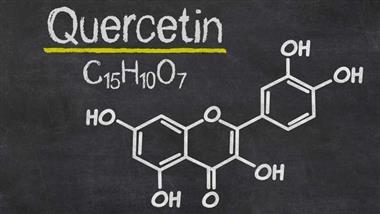
Two recently published studies confirm quercetin is useful as an adjunct therapy in the early outpatient treatment of mild SARS-CoV-2 infection
In one study, COVID patients who received quercetin in addition to analgesics and an antibiotic cleared the virus faster than those who only received analgesics and antibiotics, and a greater number of patients reported reduced symptoms
In the second study, daily quercetin supplementation for one month reduced the frequency and length of hospitalization, the need for noninvasive oxygen therapy, intensive care and deaths
Quercetin has antiviral, anti-blood clotting, anti-inflammatory and antioxidant properties, all of which are important in the treatment of SARS-CoV-2 infection
Quercetin also inhibits binding of specific spike proteins to your ACE2 receptors, thereby blocking the virus’ ability to infect your cells. It’s also been shown to directly neutralize viral proteins that are critical in the replication of SARS‐CoV‐2
In an August 21, 2021, newsletter,1 Dr. Michael Murray discussed the use of quercetin for respiratory infection symptoms. In November 2020, he’d suffered a “very mild and brief bout of COVID-19.”
He also recounts an anecdotal story of a friend who developed suspicious respiratory symptoms. His friend had been taking a number of supplements said to offer protection, but was still feeling awful.
As it turns out, the one thing he’d not taken was quercetin, and as soon as he did, that same day, his symptoms started to dissipate. This experience, Murray says, “is consistent with the results from two clinical trials” that were recently published.
Quercetin seems to be a safe, far less expensive, and easier-to-obtain and it works by a similar mechanism, driving zinc into the cells to stop viral replication.
Statistical Improvement in Clinical Outcomes
In the first study,2 42 COVID-19 outpatients were divided into two groups. One group of 21 patients received standard medical therapy consisting of analgesics and an antibiotic (acetaminophen 500-milligram (mg) to 1,000-mg dose if body temperature was higher than 37.5 degrees C — 99.5 F — with a maximum daily dosage of 3 grams, and 500 mg azithromycin for three consecutive days).
The other group of 21 patients received standard therapy plus the equivalent of 600 mg of quercetin per day (divided into three doses) for seven days, followed by another seven-day course of 400 mg of quercetin per day (divided into two doses).
The quercetin was used with sunflower lecithin, which has been demonstrated to increase absorption in the gut by as much as 20 times, compared to pure quercetin formulations.
The main outcomes being evaluated were virus clearance and symptoms. After one week of treatment, 16 of the 21 patients in the quercetin group tested negative for SARS-CoV-2 and 12 reported that all symptoms had diminished.
In the standard care group, only two tested negative and four had partially improved symptoms. By the end of Week 2, the five remaining patients in the quercetin group tested negative. In the standard care group, 17 of the 19 remaining patients tested negative and one had died.
“These results are impressive and hopefully additional studies will be conducted on hospitalized patients to see how quercetin might be helpful in more severe cases,” Murray wrote in his newsletter.
Can Quercetin Reduce Hospitalizations and Deaths?
The second study3 — a prospective, randomized, controlled and open-label trial — gave 152 COVID-19 outpatients a daily dose of 1,000 mg of quercetin for 30 days to evaluate its adjuvant effects in the treatment of early symptoms and the prevention of severe infection. According to the authors:
“The results revealed a reduction in frequency and length of hospitalization, in need of non-invasive oxygen therapy, in progression to intensive care units and in number of deaths. The results also confirmed the very high safety profile of quercetin and suggested possible anti-fatigue and pro-appetite properties.
QP (Quercetin Phytosome®) is a safe agent and in combination with standard care, when used in early stage of viral infection, could aid in improving the early symptoms and help in preventing the severity of COVID-19 disease. It is suggested that a double-blind, placebo-controlled study should be urgently carried out to confirm the results of our study.”
Mechanisms of Action
As noted in the first study4 above, quercetin was chosen based on the fact that it has antiviral, anti-blood clotting, anti-inflammatory and antioxidant properties, all of which are important in the treatment of SARS-CoV-2 infection. In the second study, more detailed mechanisms of action are reviewed. According to the authors:5
“SARS-CoV-2 proteases, like 3-chymotrypsin-like protease (3CLpro), papain-like pro-tease (PLpro), RNA-dependent RNA polymerase, spike (S)protein and human angiotensin-converting enzyme 2 (hACE2) are considered possible targets for developing effective anti-COVID-19 drugs.
Recently, molecular docking studies have suggested the possible binding interaction of quercetin with the 3CLpro, PLpro, and S-hACE2 complex. Some recent results, obtained by biophysical techniques, appear to support the results of the molecular docking studies.
Quercetin, a flavonol not naturally present in the human body, is the most abundant polyphenol in fruits and vegetable and is widely used as a dietary supplement to boost the immune system and promote a healthy lifestyle.
Quercetin is characterized by three crucial properties: antioxidant, anti-inflammatory and immunomodulatory. The combination of these actions allows quercetin to be a potential candidate to support all unhealthy conditions where oxidative stress, inflammation and immunity are involved.”
Initially, quercetin gained attention because it’s a zinc ionophore, meaning it shuttles zinc — which has well-known antiviral effects — into your cells just like the drug hydroxychloroquine.
Some proposed the primary reason hydroxychloroquine and quercetin worked was because of this feature. Of course, you also had to take zinc along with either of them. To effectively act as a zinc ionophore, the quercetin also needs vitamin C.
Since then, other studies, including the two reviewed here, have shown quercetin has other actions that makes it useful against SARS-CoV-2 as well. As reported by Murray in his newsletter:
“In particular, quercetin exerts significant inhibition on the binding of specific spike proteins to ACE-2 receptors, thereby blocking the ability of the virus to infect human cells. Quercetin has also been shown to directly neutralize viral proteins the are critical in the replication of SARS-CoV-2.”
In some studies, quercetin has also been shown to inhibit the release of inflammatory cytokines, which could help alleviate infection-related symptoms and suppress excessive inflammatory responses from occurring. Its antioxidant effects may also help prevent tissue damage caused by scavenging free radicals, thereby aiding in the recovery process of viral infections.6
Quercetin’s Antiviral Properties
Quercetin’s antiviral properties have been attributed to three main mechanisms of action:
Inhibiting the virus’ ability to infect cells
Inhibiting replication of already infected cells
Reducing infected cells’ resistance to treatment with antiviral medication
For example, research7 funded by the U.S. Defense Advanced Research Projects Agency (DARPA), published in 2008, found it lowers your risk of viral illness such as influenza and boosts mental performance following extreme physical stress, which might otherwise undermine your immune function and render you more susceptible to infections.
Here, cyclists who received a daily dose of 1,000 mg of quercetin in combination with vitamin C (which enhances plasma quercetin levels8,9) and niacin (to improve absorption) for five weeks were significantly less likely to contract a viral illness after bicycling three hours a day for three consecutive days, compared to untreated controls. While 45% of the placebo group got sick, only 5% of the treatment group did.
Quercetin Works Against Many Common Viruses
Before the COVID-19 pandemic struck, several studies had highlighted quercetin’s ability to prevent and treat the common cold and seasonal influenza.10,11,12,13,14,15,16,17,18 By attenuating oxidative damage, it also lowers your risk of secondary bacterial infections,19 which is actually the primary cause of influenza-related deaths.
Importantly, quercetin increases mitochondrial biogenesis in skeletal muscle, which suggests part of its antiviral effects are due to enhanced mitochondrial antiviral signaling.20 Quercetin also works against other viruses, as demonstrated in the following studies:
• A 1985 study found quercetin inhibits infectivity and replication of herpes simplex virus type 1, polio-virus type 1, parainfluenza virus type 3 and respiratory syncytial virus (RSV).21
• A 2016 animal study22 found quercetin inhibited mouse dengue virus and hepatitis virus.
• Other studies have confirmed quercetin’s power to inhibit both hepatitis B23 and C24 infection.
• A March 2020 study25 found quercetin provides “comprehensive protection” against Streptococcus pneumoniae infection, both in vitro and in vivo, primarily by neutralizing pneumolysin (PLY),26 one of the toxins released from pneumococci that encourages S. pneumoniae infection to blossom in the first place.
Streptococcus pneumoniae is responsible not only for pneumonia, but can also be involved in some ear and sinus infections, meningitis and certain blood infections.27 As reported by the authors of this study:28
“The results indicated that quercetin significantly reduced PLY-induced hemolytic activity and cytotoxicity via repressing the formation of oligomers.
In addition, treatment with quercetin can reduce PLY-mediated cell injury, improve the survival rate of mice infected with a lethal dose of S. pneumoniae, alleviate the pathological damage of lung tissue and inhibit the release of cytokines (IL-1β and TNF-α) in bronchoalveolar lavage fluid.
Considering the importance of these events in antimicrobial resistant S. pneumoniae pathogenesis, our results indicated that quercetin may be a novel potential drug candidate for the treatment of clinical pneumococcal infections.”
How Quercetin Combats Inflammation and Boosts Immunity
Aside from its antiviral activity, quercetin is also known for boosting immunity and combating inflammation. As noted in a 2016 study29 in the journal Nutrients, mechanisms of action include (but is not limited to) the inhibition of:30
Lipopolysaccharide (LPS)-induced tumor necrosis factor α (TNF-α) production in macrophages. TNF-α is a cytokine involved in systemic inflammation, secreted by activated macrophages, a type of immune cell that digests foreign substances, microbes and other harmful or damaged components
LPS-induced mRNA levels of TNF-α and interleukin (IL)-1α in glial cells, which results in “diminished apoptotic neuronal cell death”
The production of inflammation-producing enzymes
Calcium influx into the cell, which in turn inhibits pro-inflammatory cytokine release, as well as histamine and serotonin release from intestinal mast cells31
According to this paper, quercetin also stabilizes mast cells, has cytoprotective activity in the gastrointestinal tract, and “a direct regulatory effect on basic functional properties of immune cells,” which allows it to inhibit “a huge panoply of molecular targets in the micromolar concentration range, either by down-regulating or suppressing many inflammatory pathways and functions.”32
Bioavailability
While quercetin does have potent antiviral effects, in order for it to work effectively you need sufficiently high dosages to raise the level of quercetin in your body’s tissues.
The relatively low absorption rate of quercetin is why a sunflower lecithin formulation was used.
Research33 published in the July-December 2021 issue of the Journal of Natural Health Products Research, found a quercertin matrix has the same total absorption rate as quercetin phytosome — and higher peak blood levels.
“Since both of these forms of quercetin produce similar blood levels, they should produce the same effects at equal dosages based upon quercetin content,” Murray wrote in his newsletter, adding:
“My dosage recommendation as part of a nutritional supplement program to support immune function is 250 mg twice daily.
And in patients with active Infection, my recommendation is … six capsules twice a day providing a total of 3,000 mg of quercetin. This high dosage should be taken for at least 10 days and then reduced to a maintenance dosage of 250 mg twice daily …
[This] high dosage may not be necessary. But my dosage calculations are based upon likely tissue concentrations needed to exert the strongest antiviral effects. And given the safety of quercetin, there is no harm at this level.”
Protocol Using Quercetin
One doctor who early brought quercetin into the limelight was Dr. Vladimir Zelenko. As hydroxychloroquine became difficult to obtain, Zelenko switched to recommending quercetin instead, as it’s readily available as an over-the-counter supplement. For a downloadable “cheat sheet” of Zelenko’s protocol for COVID-19, visit VladimirZelenkoMD.com.
Other Health Benefits of Quercetin
There are also other lesser known benefits and uses for quercetin, including the prevention and/or treatment of:34
High blood pressure35,36
Cardiovascular disease37
Obesity38 and metabolic syndrome39 (a cluster of conditions including high blood pressure, high blood sugar, high triglyceride levels and fat accumulation around the waist that raise your risk for Type 2 diabetes, heart disease and stroke)
Certain kinds of cancer, in particular leukemia, and to a lesser degree breast cancer40
Nonalcoholic fatty liver disease (NAFLD)41
Gout42
Arthritis43
Mood disorders44
Aluminum-induced neurodegenerative changes, such as those seen in Alzheimer’s, Parkinson’s and amyotrophic lateral sclerosis (ALS).45
Longevity, thanks to its senolytic benefits (clearing out damaged and worn-out cells)46,47
Research has also highlighted quercetin’s epigenetic influence and ability to:48
Interact with cell-signaling pathways
Modulate gene expression
Influence the activity of transcription factors
Modulate microRNAs
MicroRNAs used to be considered “junk” DNA. But far from being useless, research has revealed so-called “junk” DNA is actually microRNA and plays a crucial role in regulating genes that make the proteins that build your body.
The microRNA function as “on/off” switches for the genes. Depending on the microRNA input, a single gene can code for any of more than 200 protein products. Quercetin’s ability to module microRNA may also help explain its cytotoxic effects, and why it appears to improve cancer survival (at least in mice).
Oklahoma Physicians Are Not Prohibited From Prescribing Off-Label Medicines to Fight COVID-19
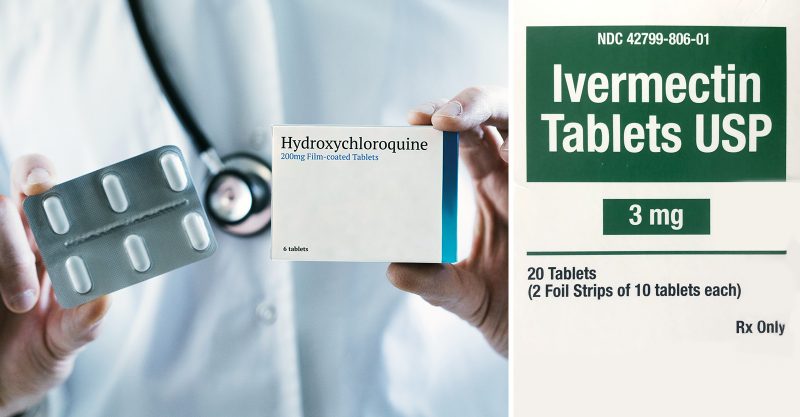
Dr. John Campbell explains the importance of “individualized care” in medicine and the fact doctors have always been able to utilize medicine for “off label” purposes based upon exercising sound judgement. All of this changed with COVID with the censoring/banning of things like ivermectin and HCQ, which are FDA approved drugs and have a long history of safety. The attorney’s general office does not give a specific treatment for COVID, only that doctors who prescribe medications and are following the law should not fear disciplinary actions for doing what they feel is best.
This legal action needs to happen in each and every state in the U.S.
Groundbreaking: Nebraska AG Says Doctors Can Legally Prescribe Ivermectin, HCQ for COVID, Calls Out FDA, CDC, Fauci, Media for ‘Fueling Confusion and Misinformation’
At the request of the Nebraska Department of Health, on Oct. 15, Nebraska Attorney General Doug Peterson issued a legal opinion that Nebraska healthcare providers can legally prescribe ivermectin and hydroxychloroquine for the treatment of COVID, so long as they obtain informed consent from the patient.
Few subjects have been more controversial than ivermectin and hydroxychloroquine — two long-established, inexpensive medications widely and successfully used in many parts of the world for the prevention and treatment of COVID.
By contrast, the use of both medications against COVID has been largely suppressed in the U.S, where doctors have been threatened and punished for prescribing them.
On Oct. 15, Nebraska Attorney General (AG) Doug Peterson issued a legal opinion that Nebraska healthcare providers can legally prescribe off-label medications like ivermectin and hydroxychloroquine for the treatment of COVID, so long as they obtain informed consent from the patient.
However, if they did neglect to obtain consent, deceive, prescribe excessively high doses or other misconduct, they could be subject to discipline, Peterson wrote.
The AG’s office emphasized it was not recommending any specific treatment for COVID. “That is not our role,” Peterson wrote. “Rather, we address only the off-label early treatment options discussed in this opinion and conclude that the available evidence suggests they might work for some people.”
Peterson said allowing physicians to consider early treatments will free them to evaluate additional tools that could save lives, keep patients out of the hospital and provide relief for our already strained healthcare system.
The opinion, based on an assessment of relevant scientific literature, was rendered in response to a request by Dannette Smith, CEO of the Nebraska Department of Health and Human Services.
Smith asked the AG’s office to look into whether doctors could face discipline or legal action under Nebraska’s Uniform Credential Act (UCA) — meant to protect public health, safety and welfare — if they prescribed ivermectin or hydroxychloroquine.
“After receiving your question and conducting our investigation, we have found significant controversy and suspect information about potential COVID-19 treatments,” Peterson wrote.
For example, a paper published in the Lancet — one of the most prestigious medical journals in the world — denounced hydroxychloroquine as dangerous, yet the statistics were flawed and the authors refused to provide analyzed data.
The paper was retracted, but not before countries stopped using the drug and trials were cancelled or interrupted.
“The Lancet’s own editor-in-chief admitted that the paper was a ‘fabrication,’ a ‘monumental fraud’ and a ‘shocking example of research misconduct’ in the middle of a global health emergency,” Peterson wrote in the opinion.
A recently published paper on COVID recognized that “for reasons that are yet to be clarified,” early treatment has not been emphasized despite numerous U.S. healthcare providers advocating for early treatment and “scores of treating and academic physicians” — who have published papers in well respected journals — urging early interventions.
Peterson cited numerous studies showing ivermectin and hydroxychloroquine reduced mortality by up to 75% or more when used as a preventative or prophylaxis for COVID, suggesting hundreds of thousands of lives could have been saved had the drugs been widely used in America.
“Every citizen — Democrat or Republican — should be grateful for Doug Peterson’s thoughtful and courageous counteroffensive against the efforts of Big Pharma, its captive federal regulators, and its media and social media allies to silence doctors and deny Americans life-saving treatments,” Robert F. Kennedy Jr., chairman of Children’s Health Defense, told The Defender via email.
“We finally have a leader who puts constitutional rights, peer-reviewed science and human health above industry profits. Doug Peterson is uncowed and unbowed — a genuine hero on horseback for all Americans.” Kennedy said.
Children’s Health Defense President Mary Holland agreed. “This Nebraska AG opinion lets doctors get back to being doctors — without being second-guessed by government, pharmacists and others interfering in the crucial doctor-patient relationship,” Holland said.
Although the AG’s office did not rule out the possibility that other off-label drugs might show promise — either now or in the future — as a prophylaxis or treatment against COVID, it confined its opinion to ivermectin and hydroxychloroquine for the sake of brevity.
Nebraska AG highlights science on ivermectin
In his legal opinion, Peterson concluded evidence showed ivermectin demonstrated striking effectiveness in preventing and treating COVID, and any side effects were primarily minor and transient. “Thus, the UCA does not preclude physicians from considering ivermectin for the prevention or treatment of COVID,” Peterson wrote.
In the decade leading up to the COVID pandemic, Peterson found numerous studies showing ivermectin’s antiviral activity against several RNA viruses by blocking the nuclear trafficking of viral proteins, adding to 50 years of research confirming ivermectin’s antiviral effects.
In addition, safety data for ivermectin showed side effects were “vanishingly small.” The latest statistics available through VigiAccess reported only 5,674 adverse drug reactions to ivermectin between 1992 and October 13, 2021, an “incredibly low” number given that 3.7 billion doses have been administered since the 1980s, Peterson wrote.
Peterson also found that epidemiological evidence for ivermectin’s effectiveness, derived by analyzing COVID-related data from various states, countries or regions is instructive in the context of a global pandemic.
In one instance, a group of scholars analyzed data comparing COVID rates of countries that routinely administer ivermectin as a prophylaxis and countries that did not. The research showed “countries with routine mass drug administration of prophylactic … ivermectin have a significantly lower incidence of COVID-19.”
“This ‘highly significant’ correlation manifests itself not only ‘in a worldwide context’ but also when comparing African countries that regularly administer prophylactic ‘ivermectin against parasitic infections’ and African countries that do not,” Peterson wrote. “Based on these results, the researchers surmised that these results may be connected to ivermectin’s ability to inhibit SARS-CoV-2 replication, which likely leads to lower infection rates.”
Nebraska AG calls out FDA, Fauci on hypocrisy on ivermectin
Many U.S. health agencies have now addressed the use of ivermectin for COVID. The National Institutes of Health (NIH) has adopted a neutral position, choosing not to recommend for or against the use of ivermectin — a change from its position in January 2021 where it discouraged use of the drug for treatment of COVID.
Peterson wrote:
“The reason for the change is the NIH recognized several randomized trials and retrospective cohort studies of ivermectin use in patients with COVID-19 have been published in peer-reviewed journals. And some of those studies reported positive outcomes, including shorter time to resolution of disease manifestations that were attributed to COVID-19, greater reduction in inflammatory marker levels, shorter time to viral clearance, [and] lower mortality rates in patients who received ivermectin than in patients who received comparator drugs or placebo.”
Yet, on Aug. 29, Dr. Anthony Fauci, director of the National Institute of Allergy and Infectious Diseases within the NIH, went on CNN and announced “there is no clinical evidence” that ivermectin works for the prevention or treatment of COVID. Fauci went on to reiterate that “there is no evidence whatsoever” that it works.
“This definitive claim directly contradicts the NIH’s recognition that ‘several randomized trials … published in peer-reviewed journals’ have reported data indicating that ivermectin is effective as a COVI D-19 treatment,” Peterson wrote.
In March 2021, the FDA posted a webpage, “Why You Should Not Use lvermectin to Treat or Prevent COVID-19.”
“Although the FDA’s concern was stories of some people using the animal form of ivermectin or excessive doses of the human form, the title broadly condemned any use of ivermectin in connection with COVID-19,” Peterson wrote. “Yet, there was no basis for its sweeping condemnation.”
Peterson wrote:
“Indeed, the FDA itself acknowledged on that very webpage (and continued to do so until the page changed on September 3, 2021) that the agency had not even ‘reviewed data to support use of ivermectin in COVID-19 patients to treat or to prevent COVID-19.’ But without reviewing the available data, which had long since been available and accumulating, it is unclear what basis the FDA had for denouncing ivermectin as a treatment or prophylaxis for COVID-19.
“On that same webpage, the FDA also declared that ‘[i]vermectin is not an anti-viral (a drug for treating viruses).’ It did so while another one of its webpages simultaneously cited a study in Antiviral Research that identified ivermectin as a medicine ‘previously shown to have broad-spectrum anti-viral activity.’”
“It is telling that the FDA deleted the line about ivermectin not being ‘anti-viral’ when it amended the first webpage on September 3, 2021,” Peterson noted.
Peterson said the FDA’s most controversial statement on ivermectin was made on Aug. 21, when it posted a link on Twitter to its “Why You Should Not Use lvermectin” webpage with this statement: “You are not a horse. You are not a cow. Seriously, y’all. Stop it.”
“This message is troubling not only because it makes light of a serious matter but also because it inaccurately implies that ivermectin is only for horses or cows,” Peterson wrote.
Peterson said the FDA has assailed ivermectin’s safety while ignoring the fact that physicians routinely prescribe medications for off-label use and that ivermectin is a “particularly well-tolerated medicine with an established safety record.”
Peterson added the FDA is ignoring several randomized controlled trials and at least one metaanalysis suggesting ivermectin is effective against COVID. He pointed out the Centers of Disease Control and Prevention has adopted a similar stance — unsupported by scientific evidence — and the media has fueled confusion and misinformation on the drug.
Peterson questions professional associations’ stance on ivermectin
Professional associations in the U.S. and internationally have adopted conflicting positions on ivermectin and COVID. The American Medical Association (AMA), American Pharmacists Association (APhA) and American Society of Health-System Pharmacists (ASHP) issued a statement in September strongly opposing the ordering, prescribing or dispensing of ivermectin to prevent or treat COVID outside of a clinical trial.
But their statement relied solely on the FDA’s and CDC’s suspect positions.
The AMA, APhA and ASHP also mentioned a statement by Merck — the original patent-holder — opposing the use of ivermectin for COVID because of a “concerning lack of safety data in the majority of studies.”
“But Merck, of all sources, knows that ivermectin is exceedingly safe, so the absence of safety data in recent studies should not be concerning to the company,” Peterson wrote.
Peterson called into question the objectivity of Merck in providing an opinion on ivermectin that U.S. health agencies are relying upon. “Why would ivermectin’s original patent holder go out of its way to question this medicine by creating the impression that it might not be safe?” Peterson asked. “There are at least two plausible reasons.”
Peterson explained:
“First, ivermectin is no longer under patent, so Merck does not profit from it anymore. That likely explains why Merck declined to ‘conduct clinical trials’ on ivermectin and COVID-19 when given the chance.
“Second, Merck has a significant financial interest in the medical profession rejecting ivermectin as an early treatment for COVID-19. [T]he U.S. government has agreed to pay [Merck] about $1.2 billion for 1.7 million courses of its experimental COVID-19 treatment, if it is proven to work in an ongoing large trial and authorized by U.S. regulators.”
Merck’s treatment is known as “molnupiravir,” and aims to stop COVID from progressing when given early in the course of disease. When Merck announced Oct. 1, that preliminary studies indicated molnupiravir reduced hospitalizations and deaths by half, the drug maker’s stock price immediately jumped to 12.3%.
“Thus, if low-cost ivermectin works better than, or even the same as molnupiravir, that could cost Merck billions of dollars,” Peterson wrote.
Pharma giant Merck is facing accusations of price gouging after it charged the U.S. more than $700 per patient for a taxpayer-funded coronavirus treatment that, according to research, costs just $17.74 to produce.https://t.co/BSYYnPmRBl
Peterson said based on his review of the evidence, his office did not find clear and convincing evidence that would warrant disciplining physicians who prescribe hydroxychloroquine for the prevention or early treatment of COVID after first obtaining informed patient consent.
Peterson pointed to similar findings with hydroxychloroquine — a less toxic derivative of a medicine named chloroquine — widely used since it was approved by the FDA in 1955 for treatment of malaria.
Peterson noted that as early as 2004, a lab study revealed chloroquine was “an effective inhibitor of the replication of the severe acute respiratory syndrome coronavirus (SARS-CoV) in vitro” and should “be considered for immediate use in the prevention and treatment of SARS-CoV infections.”
In 2005, another study showed chloroquine had strong antiviral effects on SARS-CoV infection and was effective in preventing the spread of SARS-CoV in cell cultures.
Other studies showed hydroxychloroquine exhibited antiviral properties that can inhibit SARS-CoV-2 virus entry, transmission and replication, and contains anti-inflammatory properties that help regulate pro-inflammatory cytokines.
Peterson wrote, “many large observational studies suggest that hydroxychloroquine significantly reduces the risk of hospitalization and death when administered to particularly high-risk outpatients as part of early COVID-19 treatment.”
Peterson said the drug is considered to be so safe it can be prescribed for pregnant women, yet during the pandemic, the FDA raised questions about hydroxychloroquine and adverse cardiac events.
These concerns prompted one group of researchers to conduct a systematic review of the hydroxychloroquine safety literature pre-COVID. Their review indicated people taking hydroxychloroquine in appropriate doses “are at very low risk of experiencing cardiac [adverse events], particularly with short-term administration” of the drug.
Researchers noted COVID itself can cause cardiac problems, and there was no reason “to think the medication itself had changed after 70 years of widespread use,” Peterson wrote.
Peterson said one piece of key flawed data had substantially contributed to safety concerns surrounding the drug — the admittedly fraudulent Lancet study that falsely claimed hydroxychloroquine increased frequency of ventricular arrhythmias when used for treatment of COVID.
The findings were so startling that major drug trials involving hydroxychloroquine “were immediately halted” and the World Health Organization pressured countries like Indonesia that were widely using hydroxychloroquine to ban it. Some countries, including France, Italy and Belgium, stopped using it for COVID altogether.
Peterson wrote:
“The problem, however, is that the study was based on false data from a company named Surgisphere, whose founder and CEO Sapan Desai was a co-author on the published paper.
“The data were so obviously flawed that journalists and outside researchers began raising concerns within days of the paper’s publication. Even the Lancet’s editor in chief, Dr. Richard Horton, admitted that the paper was a fabrication, a monumental fraud and a shocking example of research misconduct in the middle of a global health emergency.”
Despite calls for the Lancet to provide a full expansion of what happened, the publication declined to provide details for the retraction.
As with ivermectin, the FDA and NIH adopted positions against the use of hydroxychloroquine for COVID — making assertions that were unsupported by data. The AMA, APhA and ASHP, which opposed ivermectin, also resisted hydroxychloroquine for the treatment of COVID.
By contrast, the Association of American Physicians and Surgeons, and other physician groups, support the use of both ivermectin and hydroxychloroquine as an early treatment option for COVID. Peterson cited an article co-authored by more than 50 doctors in Reviews in Cardiovascular Medicine who advocated an early treatment protocol that includes hydroxychloroquine as a key component.
Governing law allows physicians to prescribe ivermectin and hydroxychloroquine, AG says
Neb. Rev. Stat. § 38-179 generally defines unprofessional conduct as a “departure from or failure to conform to the standards of acceptable and prevailing practice of a profession or the ethics of the profession, regardless of whether a person, consumer or entity is injured, or conduct that is likely to deceive or defraud the public or is detrimental to the public interest.”
The regulation governing physicians states that unprofessional conduct includes:
“[c]onduct or practice outside the normal standard of care in the State of Nebraska which is or might be harmful or dangerous to the health of the patient or the public, not to include a single act of ordinary negligence.”
Peterson said healthcare providers do not violate the standard of care when they choose between two reasonable approaches to medicine.
“Regulations also indicate that physicians may utilize reasonable investigative or unproven therapies that reflect a reasonable approach to medicine so long as physicians obtain written informed patient consent,” Peterson wrote.
“Informed consent concerns a doctor’s duty to inform his or her patient, and it includes telling patients about the nature of the pertinent ailment or condition, the risks of the proposed treatment or procedure and the risks of any alternative methods of treatment, including the risks of failing to undergo any treatment at all.”
Peterson said this applies to prescribing medicine for purposes other than uses approved by the FDA, and that doing so falls within the standard of care repeatedly recognized by the courts.
Peterson said the U.S. Supreme Court has also affirmed that “off-label usage of medical devices” is an “accepted and necessary” practice, and the FDA has held the position for decades that “a physician may prescribe [a drug] for uses or in treatment regimens or patient populations that are not included in approved labeling.”
Peterson said the FDA has stated “healthcare providers generally may prescribe [a] drug for an unapproved use when they judge that it is medically appropriate for their patient, and nothing in the federal Food, Drug and Cosmetic Act (“FDCA”) limit[s] the manner in which a physician may use an approved drug.”
In a statement to KETV NewsWatch 7, Nebraska’s Department of Health and Human Services said:
“The Department of Health and Human Services appreciates the AG’s office delivering an opinion on this matter. The document is posted and available to medical providers as they determine appropriate course of treatment for their patients.”
Bloodstream infections (BSIs) are an emerging cause of significant morbidity and mortality in severe Coronavirus disease 2019 (COVID-19). We aimed to assess the prevalence, clinical profile and outcome of BSIs in critically ill COVID-19 patients.
Methods
This was a single-centre retrospective study conducted at a tertiary care hospital in Western India. All patients (age > 18 years) with reverse-transcription polymerase chain reaction (RT-PCR) confirmed COVID-19 admitted in the intensive care unit (ICU) were included. Hospital electronic records were searched for demographic data, time of bloodstream infection since admission, clinical profile, antimicrobial resistance pattern and clinical outcome of all patients who developed BSIs.
Results
Out of 750 patients admitted in COVID ICU, 8.5% developed secondary BSIs.All severe COVID-19 patients who developed BSIs succumbed to illness. A significant proportion of BSIs were Gram-negative pathogens (53/64, 82.8%). Acinetobacter baumanniiwas the commonest isolate, followed by Klebsiella pneumoniae (32.8% and 21.9%, respectively).Multidrug-resistance organisms (MDRO) were found in 57.8% of the cases. The majority of MDRO belonged to K. pneumoniae and Enterococcus groups. The proportion of Gram-negative bacteria resistant to carbapenems was 47.2% (25/53). On multivariate analysis, raised total leukocyte counts, mechanical ventilation and presence of comorbidities were significantly associated with the incidence of BSIs.
Conclusion
We found a significant prevalence of Acinetobacter baumannii in COVID-19 associated BSIs. The presence of comorbidities raised leukocyte counts and mechanical ventilation should alarm clinicians for possible BSIs. The timely initiation of empirical antibiotics and rapid de-escalation is vital to improve the outcome. At the same time, strict compliance of infection control practices should be accomplished to reduce the occurrence of MDRO.
Argentina has extensive medical experience with ivermectin. Before the COVID-19 pandemic, it was used to treat dengue fever, which is endemic in Argentina
Early in the pandemic, Dr. Hector Carvallo, a retired medical professor in Argentina, devised two ivermectin trials to assess the drug’s usefulness against SARS-CoV-2. His treatment protocols are used in five Argentinian provinces. In one province, the death rate was reduced to one-third in less than a month, in the middle of the outbreak
When used preventatively, ivermectin is administered in conjunction with carrageenan, which also has antiviral properties
When treating mild cases, ivermectin is administered with aspirin; in moderate cases with aspirin and corticosteroids, and in severe cases, ivermectin is given with enoxaparin, an anticoagulant drug
These drug combinations were selected based on what was known about other viruses that cause similar health effects as SARS-CoV-2, such as the rhabdovirus’ effect on neurology, the paramyxovirus, which causes hyperinflammation in the lungs, and the dengue virus, which overamplifies the immune system
In this interview, we continue the COVID-19 discussion with a medical expert from Argentina, Dr. Hector Carvallo, whose focus since early 2020 has been the prevention and treatment of COVID-19.
Carvallo graduated from medical school in 1981 — the same year AIDS emerged as a global pandemic. In the first two years, AIDS killed 2 million people. Since 1981, it has claimed the lives of 35 million. While officially retired for a couple of years, the 2020 COVID pandemic brought him out of retirement.
“My first fire baptism was with AIDS,” he says. “I have dedicated my professional time to teaching and assisting. I graduated as a professor in 1996, and worked as a professor for the School of Medicine in Buenos Aires, which is public. Later, I was an associate professor of internal medicine for two private schools of medicine until I retired a couple of years ago.”
Ivermectin Is a Potent Antiviral
Interestingly, Carvallo had experience with ivermectin as an antiviral before the COVID outbreak. Argentinian doctors were using it against dengue fever, which is endemic in Argentina. So, when SARS-CoV-2 emerged, they decided to take another look at the drug to see if it might be useful.
“We came across some studies that were being conducted in Australia at the Monash University by people like Dr. Kylie Wagstaff,” Carvallo says. “We supposed that it would be very useful because the virology in effect already proved that, and we decided — even before they published their first findings — to replicate what they were doing, but in vivo. That is, not in the laboratory but in human beings.”
In early April 2020, Carvallo and his team developed two trials submitted to the National Library of Medicine in the United States. One was for preexposure1 (prevention) and the other for treatment. In both cases, ivermectin was used as an adjunct to other compounds, as they didn’t believe it was a silver bullet by itself.
For preventive purposes, they used ivermectin together with carrageenan, a food emulsifier and thickener that has a long history of use in both food and medicine. According to Carvallo, carrageenan has antiviral effects too, so the ivermectin was used in combination with topical carrageenan, administered through the nose and mucus membranes of the mouth.
In the treatment trial, ivermectin was combined with aspirin for mild cases, aspirin and corticosteroids for moderately severe cases, and enoxaparin (an anticoagulant drug) for severe cases.
These drug combinations were selected based on what was known about other viruses that cause similar health effects as SARS-CoV-2, such as the rhabdovirus’ effect on neurology, the paramyxovirus, which causes hyperinflammation in the lungs, and the dengue virus, which overamplifies the immune system.
Early Treatment Is Crucial
Like so many other doctors, Carvallo knew right from the start that early treatment would be crucial and that telling patients to just wait it out at home until they couldn’t breathe would be a death sentence.
“We knew from the very first day we entered the school of medicine that the sooner you treat any illness, the more chances you will have to be successful in the treatment,” he says. “You have to treat quickly, and strongly. This is natural thinking. Nobody has to be a genius to know that. In this case, inexplicably, many doctors have been told to do nothing.
To keep the patients in their homes on their own with just a few pills of Tylenol — which we know it’s good for nothing — until they cannot breathe properly. Then they have to be referred to the hospital. That is patient abandonment under any law in any country …
If you walk around a corner and you see your neighbor’s house on fire, you may call 911. You may play hero and enter the house and try to save them. You may cry out for help. The only thing you must not do is nothing.
I believe in any attempt to keep a mild patient, mild. What I cannot accept as a medical doctor — because it is against our oath — is to remain with arms folded until that person gets worse. That’s criminal … There’s only one reason for all this. The reason is summarized in one word, greed.”
Aspirin was chosen for its anticoagulant effects. Another option recommended by American doctors is NAC, an over-the-counter supplement that both prevents blood clots and breaks up existing ones. NAC also has other benefits that makes it useful against COVID-19. Argentina does not allow the sale of supplements without prescription, so no dietary supplements were used in these particular trials.
“That doesn’t mean we say they are not good,” Carvallo says. “We simply adjusted ourselves to what was there. We believe in the effectiveness of hydroxychloroquine. We believe in the effectiveness of azithromycin. Vitamin D, zinc, doxycycline. We believe in those compounds too. But we have not tried them.”
Situational Update in Argentina
So far, only five of the 24 provinces in Argentina have authorized these ivermectin-based protocols for prevention and early treatment, but at least that’s better than the U.S., where ivermectin is rejected outright. In many U.S. hospitals, doctors who dare prescribe it face being fired.
As you’d expect with something that actually works, those five provinces are indeed faring better in terms of infection rates, hospitalizations and deaths. In one province, the death rate was reduced to one-third in less than a month, in the middle of the outbreak, when no vaccines were available.
Argentina didn’t start rolling out their COVID shots until March 2021, and the vaccination campaign has been slow. Carvallo estimates no more than 40% of the population has received two doses so far.
He believes the slow vaccine uptake is partly due to logistical challenges, and partly due to safety concerns. “Many people have preferred to use alternative methods instead of vaccines,” he says. Argentina may still move to make the injections mandatory, though.
“You know what? Making an experiment mandatory and using the media to convince everybody to use it is not new,” Carvallo says. “It was done during the second World War. Josef Mengele and Joseph Goebbels did that.
One made any experiment he wanted on people that were hopeless and at the camps. The other one was a minister of propaganda who convinced everybody that everything was OK … That’s what we are seeing. Let’s forget about science — common sense has been disregarded.”
Carvallo himself ended up taking the Chinese COVID shot, as proof of vaccination was required for him to travel to Europe. In an effort to counter any potential side effects, he continues to take aspirin to prevent blood clots, and ivermectin. “I keep on using Ivermectin,” he says, “I’ve been using it for over a year.”
Recommended Dosing Schedule
In the U.S., ivermectin has been mocked and misrepresented as a veterinary drug. In reality, it’s been approved for human use for decades, and won the Nobel Prize for medicine in 1995, at which time it was considered a miracle drug.
“Even people from the CDC have said, ‘You are not a horse. You are not a cow. Why should you use Ivermectin?’” Carvallo says. “I would answer them, if they consider ivermectin is only for veterinary use, they are neither horses nor cows, they are asses. The fact is, we use ivermectin on a weekly basis for preexposure, that’s for prevention. The dose is 0.2 mg per kilo [of bodyweight. To calculate pounds into kilos, divide your weight in pounds by 2.2].
We adjust the dose to the patient’s weight. One of the worst comorbidities for somebody contracting the virus is obesity. You cannot give the same dose to a skinny person and to an obese or morbid obese person. So, we adjust for that.
We use it once a week. Now that Delta is appearing in South America, we are considering reducing it to three or four days between doses. Do you know why we use it on a weekly basis? Because ivermectin will work for 3.5 days. For the other three days, you will be exposed.
You may contract the virus, but even before the virus can replicate enough to pass from the incubation period to the invasion period, you will take ivermectin again. So, you won’t know it exists. You won’t even realize you have contracted the disease. Your immune system will have [encountered] the virus and will start creating immunity …
We keep on using that four months. We’ll stop for a couple of months because ivermectin will accumulate in the fat tissue. After two months of not using it, we start again.”
Carvallo also points out that natural immunity is far stronger than artificial immunity created by the COVID shots. This is no surprise, because that’s how it’s always been with all other viruses. The key is to prevent the infection from getting a strong foothold. With early treatment, you’ll get through the infection just fine, and have robust and likely lifelong immunity.
Addressing Toxicity Concerns
As for the safety of ivermectin, studies in Africa have used doses that were 10 times higher than the 0.2 mg/kg recommended for COVID, without toxic effects. Hydroxychloroquine, on the other hand, has a far narrower safety margin. This is well-known, and was clearly used to discredit the drug. As explained by Carvallo:
“What they did with hydroxychloroquine in order to discredit it was easy. Hydroxychloroquine is also very useful against COVID. But the safety margin is narrow. What they did was to use three times the dose in order to cause toxicity. There were 200 studies in favor of hydroxychloroquine.
There was one study talking about the toxicity, and all the scientific community in the world latched on to that one. That’s crazy. In the case of ivermectin, it was so wide a gap between safety and toxicity that they couldn’t do that. So, they just disregarded it.”
Now, there are veterinary formulations of ivermectin. Do not use these, as they typically contain polyethylene glycol (PEG), which is toxic to humans. Ironically, the COVID shots actually contain PEG. Many are allergic to this substance, which is why anaphylaxis is such a common acute side effect of the jabs.
Why Are COVID Jabs Still Recommended?
As of September 24, 2021, the U.S. Vaccine Adverse Event Reporting System (VAERS) had received 15,937 reports of deaths following the COVID shot, 71,036 hospitalizations and more than 752,800 adverse events in total.2
Calculations by Steve Kirsch, executive director of the COVID-19 Early Treatment Fund, based on VAERS data suggests the actual death toll may be around 212,000.3 He estimates side effects and deaths are under-reported by a factor of 41 or more, so the total number of injuries is likely between 2 million and 5 million.
Even if we were to accept the official VAERS numbers, the death toll is astronomical. Under normal circumstances, a pandemic vaccine would be pulled after about 50 deaths. No explanation has ever been given for why the COVID shots are still being universally recommended after nearly 16,000 reported deaths.
What we’re living is really a classic imitation of George Orwell’s book “1984.” Almost everything government and health officials say is the exact opposite of the truth. Right is left. Up is down. Black is white. For those who know the facts, it’s a surreal experience. Double standards have also become the norm. As noted by Carvallo:
“The vaccine is almost sacred. It’s like a Bible. Whatever we say in favor of other treatments is a sin. Nobel Prize [winners] of medicine, like Luc Montagnier and Satoshi Omura, have been censored on the media. It’s crazy.”
What’s more, we already have evidence showing the shots don’t work as advertised. They lose effectiveness very rapidly.The answer we’re given is booster shots.Israel is already talking about a fourth dose, and the injections have not even been out for a full year yet.
“If you give a medicine and don’t get a positive result in a few days, you reconsider either your diagnosis or your treatment,” Carvallo says. “You don’t insist on the same thing because it’s insane to insist on the same thing trying to get different results.”
The reason we keep getting more variants is because the vaccine is “leaky.” It doesn’t prevent you from getting infected, so the virus starts to mutate to evade the vaccine-induced antibody. Carvallo agrees, adding that it’s equally insane that the shots are designed to produce antibodies against just one portion of the virus, the spike protein, rather than act against the pathogenesis of the virus.
When you recover from a natural infection, you have both humoral and cellular immunity, and even though humoral immunity (antibodies) will decrease within a few months, you still have latent cellular immunity that will spring into action when needed.
The COVID shots do not provide any cellular immunity, which is why they cannot achieve herd immunity, even if 100% of a population is injected. Carvallo also points out that the SARS-CoV-2 virus is now the weakest it’s ever been. The real enemy at this point is the propaganda that keeps fear alive.
Now’s the Time to Take Control of Your Health
Carvallo is one of those rare individuals who has been able to perform research others cannot at this time. He’s retired, so he has no funding or career to lose. He hopes that, eventually, more doctors will go back to thinking for themselves and return to their oath to do no harm, and to focus on what’s best for their patients rather than the bureaucracy currently dictating what they can and cannot do.
According to projections, we could potentially see billions of people die or be permanently disabled from these experimental injections. How are we going to take care of them all? Who’s going to pay for their care? Already, U.S. entitlement programs — Social Security, Medicare and Medicaid — are nearing bankruptcy.
According to David Martin, Ph.D.,4pension programs and entitlement programs will all run out by 2028, and as they run out of money, the drug industry will collapse as well, as they are the primary beneficiaries of these programs. Medicare and Medicaid pay for the bulk of the drug dependency in America.
So, in just a few years’ time, we’ll be facing a convergence of collapses on multiple fronts, and at the same time, large portions of the population may be severely ill and wholly dependent on these systems for their survival.
Society also requires all sorts of infrastructure, and if large portions of society are crippled or dead, society will collapse from lack of qualified workers alone. So, the COVID shot mandates are clearly making an already precarious situation far worse, as the financial system would be collapsing anyway.
The best thing anyone can do right now to prepare for this convergence of collapses is to focus on your health. Make sure you’re as healthy as you can be. Be sure to optimize your vitamin D level, for example, and avoid toxins of all kinds. Getting used to growing some of your own food would also be a good idea, as would looking into ways to protect your retirement assets.
More Information
To learn more about ivermectin, you can download a free ebook created by Carvallo and his team. It contains not only their Argentinian studies but also other peer-reviewed scientific articles detailing the benefits of ivermectin in the fight against COVID-19. You can find the bilingual (English and Spanish) book, “Ivermectin in COVID-19: Prophylaxis and Treatment,” on iniciatherapeutics.com.
Drug repositioning is a highly studied alternative strategy to discover and develop anticancer drugs. This drug development approach identifies new indications for existing compounds. Ivermectin belongs to the group of avermectins (AVM), a series of 16-membered macrocyclic lactone compounds discovered in 1967, and FDA-approved for human use in 1987. It has been used by millions of people around the world exhibiting a wide margin of clinical safety. In this review, we summarize the in vitro and in vivo evidences demonstrating that ivermectin exerts antitumor effects in different types of cancer. Ivermectin interacts with several targets including the multidrug resistance protein (MDR), the Akt/mTOR and WNT-TCF pathways, the purinergic receptors, PAK-1 protein, certain cancer-related epigenetic deregulators such as SIN3A and SIN3B, RNA helicase, chloride channel receptors and preferentially target cancer stem-cell like population. Importantly, the in vitro and in vivo antitumor activities of ivermectin are achieved at concentrations that can be clinically reachable based on the human pharmacokinetic studies done in healthy and parasited patients. Thus, existing information on ivermectin could allow its rapid move into clinical trials for cancer patients.
The Research Is Clear: Ivermectin Is a Safe, Effective Treatment for COVID. So Why Isn’t It Being Used?
Despite efforts to denigrate ivermectin as “horse paste” and prevent doctors from prescribing it and patients from using it, the latest research shows this safe, inexpensive drug is effective at keeping COVID patients out of the hospital.
A patient with Type 1 diabetes called to tell me the pharmacist at our local Walgreens refused to fill the prescription I had written for ivermectin, so I called to ask why.
The young pharmacist, a few years out of pharmacy school, informed me he did not understand why I was using ivermectin for early treatment of COVID because “SARS-CoV-2 does not have an exoskeleton.”
I explained I was not using ivermectin as an anti-parasitic medication, but that it had impressive data as an anti-inflammatory and anti-viral.
Furthermore, as a pediatrician, I have more than 40 years of experience managing multiple viral illnesses. There is value in treating viruses early, often with inexpensive natural remedies, rather than “staying at home until you have problems breathing then go to the hospital” as U.S. public officials have advised for COVID.
The pharmacist was not buying my initial explanation. “I am not going to fill prescriptions for ivermectin that are used in pseudo vaccine doses,” he told me.
32 Randomized Controlled trials Show Ivermectin Works
Oct. 13, 2021
Dr. Jack and Dr. Kory discuss the sociopathologies afflicting clinical and translational research surrounding COVID-19 therapies and treatments.
Randomized controlled trials are not omnipotent. Other data, including clinical data, is important.
Only two sources can fund RCTs: Big Pharma and the NIH (both are not to be trusted)
They have compared RCTs to observational controlled trials throughout history, and have found they have nearly identical outcomes.
Regarding RCTs: Dr. Kory states, “I’m not playing that game, it’s nonsense.”
In Peru, they looked at a governmental operation where they gave out ivermectin, within about 11 days you saw a severe drop in COVID.
In Mexico City they put out mobile units and gave out early treatment of ivermectin for 3 days (only 12mg, which Dr. Kory states is the minimum dose that should be used. It’s what I used successfully.) They saw a 76% reduction in COVID. They emptied hospitals in 6-8 weeks.
Two states in Argentina by giving ivermectin had an 88% reduction in COVID.
Weiler states the culpability of denying treatment is very real.
Weiler gave a direct quote from Fauci which states he didn’t want too many people obtaining natural immunity because it would interfere with the need for a “vaccine” program.
Weiler reminds the listener of the “fake science” regarding HCQ where they gave patients fatal doses.
15:00 Kory states he never understood the regulatory capture, censorship, and severe conflicts of interest until the events of this past year.
Kory describes how his paper was retracted after peer review. The journal brought in an anonymous, independent peer reviewer who disagreed with their study so it was retracted after it had already been reviewed. This was his “heads up” that something was wrong.
He lists numerous examples of the exact same thing happening to other researchers.
Big Pharma has a long history of attacking research on repurposed drugs.
They both agree that what has occurred has been a “slaughter of science and a slaughter of people.”