|

|

|
|
The COVID dominoes have started to fall. This is seen clearly by the onslaught of world leaders who are suddenly trying to distance themselves from a botched COVID approach including Biden declaring suddenly that the ‘pandemic’ is over.
It appears a few haven’t gotten the memo.
Despite many companies dropping “vaccine” mandates, and a summary judgement declaring a mayor’s “vaccine” mandate illegal, Wisconsin healthcare workers who had religious or medical exemptions must now get the Novavax COVID shot or lose their jobs.
Some media outlets claimed Novavax — made with recombinant moth-cell-based nanoparticle technology, the problematic surfactant polysorbate 80 and a never-before-approved nanoparticulate adjuvant called Matrix-M — is “free of side effects.”
However, the day after the FDA issued its Novavax authorization, the European Medicines Agency (EMA) updated its product information for the Novavax shot to disclose “new” side effects.
The EMA’s list of side effects included “severe allergic reaction [anaphylaxis] and unusual or decreased feeling in the skin” (called paresthesia and hypoesthesia, respectively).
In addition, the EMA said it would assess myocarditis and pericarditis as Novavax side effects — safety signals that also were on display in the FDA’s briefing document on Novavax.
And in clinical trials, older adults who received the Novavax vaccine experienced an increased incidence of hypertension compared to those in the placebo group. Source
Dr. Meryl Nass states that there are safety concerns over Matrix-M, and the toxic spike protein – both adjuvants used in Novavax. Others are concerned about heart inflammation, blood clots, and the fact it was also designed for use against the original COVID strain, not Omicron or other variants dominant today.
The hospital in question is Froedtert & the Medical College of Wisconsin which operates 11 hospitals and more than 45 health centers and clinics throughout the midwest and employs more than 2,000 physicians.
The hospital said in a statement:
“Froedtert Health requires staff and providers be fully vaccinated against COVID-19 as a federal requirement that is monitored for compliance. We join many other health systems around southeast Wisconsin and the U.S. that have made vaccination a condition of employment.
“The Novavax vaccination for COVID-19 is now available. This protein-based vaccination option eliminates conflicts for those staff with religious or medical exemptions caused by mRNA-based vaccines and other concerns.
“Since those staff are now eligible for a vaccination that does not conflict with their religious beliefs or medical situation, their exemption will expire. This affects a small percentage of staff with a vaccine exemption. Eligible staff continue to be exempt from a COVID-19 vaccine for religious and medical reasons.
“Froedtert Health respects the right of staff and providers to engage in activity protected by state and federal law.”
The key point here is that hospitals have chosen money over people due to the CARES Act giving hospitals financial kickbacks for complying with federal dictates despite science to the contrary, as well through ignoring individual medical freedom and informed consent. These brutal dictates have kept people from effective COVID treatment, forced them into isolation without any say in their healthcare, and into using toxic, expensive FDA approved drugs and treatments.
Unscientific mandates have forced medical workers, the military, children who want to attend many schools, and many workers to be “vaccinated” with a mRNA gene therapy injection which doesn’t stop infection, transmission, severe hospitalization or death and has been linked to more adverse reactions and death than any other vaccine in the history of VAERS.
A side effect of forcing health care employees, despite their health status and beliefs, to be “vaccinated” is staffing shortages due to workers leaving in droves. It has also caused some workers to start up their own medical care facilities and consulting companies that don’t accept federal funding.
Good for them and us.
Having to go outside mainstream medicine is not new to Lyme/MSIDS patients due to the politicization which interferes with patients getting proper help. The exact same politicization exists with COVID and doctors who treat outside the box of corrupt public health are ostracized, banned, censored, and persecuted.
The best way to fight this tyranny is with your feet and with your voice. Support independent doctors, avoid hospitals if you can, and vote for those who actually care about patients – not Big Pharma and politics as usual. Patients deserve the ability to partner with their practitioners for the best health care and this partnership is an individualized one not a government, top down “one size fits all” allopathic paradigm.
Act now before private medicine is completely absorbed into the statist-corporate complex.
**UPDATE**
This 15 min video goes through the chronology and how unscientific lockdowns came to rule the land and how they haven’t worked to deter COVID in any way; however, they have caused untold damage like suicides, lack of education, mental health issues, etc.
Similarly to mainstream media which follows a singular script, suddenly world leaders are reading off the same teleprompter proving the naked absurdity of global public health.
In an interview on “60 Minutes” Sunday night, President Biden said the COVID-19 pandemic is “over” in the United States, despite conflicting messaging from Fauci, HHS, and Reuters, who all stand to gain by keeping the ‘plandemic’ going. As pointed out in this article, since the whole PCR debacle is still with us and the CDC has yet to issue an adjustment factor for false positives the actual number of real COVID cases is still unknown.The same thing is true for deaths due to the whole “died with” vs “died from” debacle. The Office of Inspector General (IG) at the Department of Health and Human Services (HHS) released a report concluding the FDA overused Emergency Use Authorizations (EUA) resulting in faulty COVID tests reaching the market that otherwise might not have. One such test is the “free” at-home antigen test which has the toxic chemical sodium azide in it which is colorless, tasteless, and odorless and which is used as a propellant in airbags and in pest control.
The question that needs to be answered is “if it’s over, why the continued emergency,” and why the continued mandates?
Biden’s declaration is right on the heels of the admission by CDC director Walensky stating the organization kinda botched the COVID response. Despite the admission; however, she wants more tax dollars. And the organization is getting more. A lot more. There’s been a 356.9% increase in funding relative to 2022 to the tune of $39 BILLION.
But Biden and Walensky aren’t alone. Recently former UK chancellor Rishi Sunak is attempting to distance himself from the ‘plandemic’ debacle by stating he disagreed with his government’s COVID response from the beginning. He was promptly and soundly called out on this fabrication by his countrymen. Neil Oliver stated it simply:
“Sunack squeaks that he was on the right side of history but powerless. What absolute twaddle. He was arguably the second most powerful figure in government. By his own admission he went along with all that was done to us.”
Then, there’s the lockdown happy New Zealander Prime Minister Rita Panahi suddenly doing an about face as well after some ugly poll numbers and protests.
https://thehighwire.com/videos/covid-zero-new-zealand-abandons-restrictions/ Video Here (Approx. 4 Min)
Next to China, New Zealand’s Covid restrictions have been some of the most authoritarian and inhumane in the world. A once confident Prime Minister, Jacinda Arden, had no problem dividing her people and has now suddenly switched to supporting individual choice. Are people buying it?
Oliver gives this important warning:
“The COVID and lockdown double act is expendable. They’ve rung all the juice they are ever going to get out of that rotten fruit and now it’s ready to be cast aside. Or maybe it will just go on the back burner while other fresher concoctions are brought forward. Either way, someone somewhere seems to have decided it’s time to move on.
This article goes over the fresher concoctions currently being rolled out – all of which are huge money and power grabs.
It appears they haven’t quite rung all the juice out of the COVID ‘plandemic’ as the government and employers continue to mandate EUA injections that don’t stop transmission, infection, severe hospitalization or even death but are linked to more adverse events and death than another other vaccine in the history of VAERS.
Let us never forget the thousands that have been fired and bullied over refusing to get an experimental gene therapy injection.
Sept. 14, 2022
Buettner was a nurse for 13 years in the cardiovascular care unit where she took care of children with myocarditis after the COVID shots. She states that these reactions were not being reported to VAERS. She states it was an unspoken thing that they were not allowed to talk openly about it in the unit.
“I am the face of your misinformation, Nathan. I am the one who lost my career in pediatric, cardiovascular ICU care.” ~ Nurse Tawny Buettner
For more:
Plandemic:
https://rawlsmd.com/health-articles/how-to-calm-the-nervous-system-during-lyme-treatment
by Stephanie Eckelkamp
Posted 9/15/22
Feeling frazzled, irritable, low in energy, or unable to get a good night’s rest often comes with chronic Lyme disease territory. Lyme is one of those ailments that basically leaves no part of your body unscathed — and your nervous system is no exception.
The microbes that cause Lyme and its common coinfections create a perfect storm of ongoing cellular stress that puts your body on high alert, ramping up the sympathetic nervous system (SNS), which controls your flight-or-fight response, while suppressing the parasympathetic nervous system (PNS), which is in charge of your body’s “rest-and-digest” mode.
This imbalance messes with your body’s ability to heal and interferes with functions essential for maintaining mind-body balance. Not only that, but the intense emotional stress that comes with having a painful chronic disease (and experiencing its many setbacks) also drives your fight-or-flight response, compounding the problem.
The good news: Taking strategic steps to rebalance a dysregulated nervous system will not only support long-term healing but also help you feel more calm and balanced in the short-term. Below, we’ll look at the science behind the Lyme-stress-nervous system connection and then highlight effective steps you can take to calm the chaos.
“Lyme disease is an assault on the cells of the body,” says Bill Rawls, MD, Medical Director of RawlsMD and Vital Plan. “And stressed cells are constantly sending out distress signals to the brain, which activate our sympathetic nervous systems and that fight-or-flight response.”
The fight-or-flight response isn’t inherently bad — in fact, it’s essential for survival, as it prompts the release of stress hormones like adrenaline and cortisol that prime the body for swift action and your brain for quick thinking when facing a real-life threat (so you can literally fight or flee). However, it becomes problematic when it’s activated all the time and is not followed up with necessary recovery periods, as can be the case with chronic Lyme.

“Adrenaline and cortisol counteract everything going on in the parasympathetic system,” says Dr. Rawls. “That keeps your cells activated and robs them of their down time, which interferes with sleep, drives inflammation in the body, and makes you tired and anxious.” Over time, it can even worsen pain symptoms, which contributes to additional stress and feeds a vicious cycle.
Increased SNS and decreased PNS activity can also lead to changes in neural activities in the brain and interfere with creating beneficial neural connections responsible for memory, decision-making, managing emotions, and goal setting, while reinforcing harmful neural connections that further drive the fight-or-flight response.
None of these things are conducive to healing, of course. “So for someone with Lyme disease, calming that sympathetic response as much as possible is important,” says Dr. Rawls.
Reducing the microbial assault on your body’s cells that contributes to a revved-up SNS is key to addressing a key driver of nervous system imbalance. Thankfully, you have multiple avenues to lighten the stress burden on your body and start calming that angry nervous system ASAP, which can support physical, emotional, and cognitive health and free up resources your body needs to heal. Here’s how:

Consider exercises that stimulate your vagus nerve for an in-the-moment strategy to soothe your nervous system and bring about a sense of calm when you’re feeling acutely frazzled. The vagus nerve runs from your abdomen to your brain and is a crucial component of your rest-and-digest PNS. By engaging in habits that improve how well the vagus nerve functions, your body is better equipped to tap into that calming and reparative side of your nervous system.
Keep in mind, says Dr. Rawls, practices that stimulate your vagus nerve aren’t a cure-all, but when combined with an overall healthy diet and lifestyle, they can be a low-cost tool to calm the nervous system and maximize healing.

Living out of sync with your natural surroundings is a surefire way to increase stress and mess with your nervous system. Case in point: Not getting enough natural light exposure during the day and then blasting your eyes with artificial light from screens at night can throw off your body’s circadian rhythm, which regulates your sleep-wake cycle and other biological functions. This can interfere with sleep and cellular repair processes, driving further stress and cellular dysfunction.
The solution: If nothing else, get outdoors or to a window and expose yourself to natural sunlight within the first hour of waking and periodically throughout the day to support a healthy circadian rhythm. Research suggests bright light exposure between 7 a.m. and 3 p.m. enhances PNS activity overnight, which may promote restful, reparative sleep.

We’re not trying to rob you of life’s simple pleasures, but that coffee could be doing more harm than good for your nervous system — especially if you’re burdened with a chronic disease. Caffeine can mimic excitatory hormones that trigger the body to produce the stress hormones adrenaline and cortisol. While some people with chronic Lyme may need to wean off caffeine altogether, others may be able to tolerate a small amount per day, which is where green tea comes in. Green tea has less caffeine and contains the amino acid L-theanine, which buffers caffeine’s stimulating effects.

Adaptogens such as reishi, cordyceps, rhodiola, and ashwagandha have an overall balancing or normalizing effect on the body, and they help you react to and recover from physical, mental, and environmental factors that might otherwise dial up your SNS.
One way they do this is by influencing the HPA axis (hypothalamic-pituitary-adrenal axis), a series of interactions between the hypothalamus, pituitary gland, and adrenal glands that regulate the body’s response to stressors. “Adaptogenic herbs send a message to the hypothalamus and basically say, ‘Hey, things aren’t as bad as you think. Let’s tone down that stress response a bit,’” says Dr. Rawls.

You know that Lyme’s stress-inducing effects can rob you of your cognitive sharpness, messing with your memory, focus, problem solving skills, and more — and this is only exacerbated by our modern era of multitasking. “If you’ve got brain fog, do yourself a favor and focus on one thing at a time and temporarily put aside worries about everything else,” says Dr. Rawls. There’s actually real science to support single-tasking’s calming effect: In one study, researchers found that SNS activity was significantly higher and PNS activity significantly lower while multitasking (doing 2+ tasks at once) and dual-tasking (switching between two tasks) than during single-tasking.

Lyme microbes trigger inflammation in the body, which ramps up SNS activity. Since you don’t want your diet to drive you further into fight-or-flight, eating an anti-inflammatory diet rich in vegetables, fruits, herbs, spices, nuts, seeds, legumes, fermented foods, salmon, and other whole foods is your best bet. Keep processed foods to a minimum, too, particularly ones with refined carbohydrates and sugars — consumption of these has been shown to significantly increase SNS activity, according to one literature review.
An anti-inflammatory diet rich in plant foods (and fermented foods) also helps foster a balanced gut microbiome, which is important for a healthy nervous system. More on that below.

The bacteria in your gut are responsible for producing many of the body’s neurotransmitters, so an overgrowth of pathogenic bacteria (i.e., gut dysbiosis) can alter your body’s normal balance of mood-regulating chemical messengers — tipping the scale from favorable, mood-elevating neurotransmitters to ones that activate the fight-or-flight response and cause agitation, says Dr. Rawls.
So what can you do to restore healthy microbial balance and indirectly support your nervous system? Take steps to foster the growth of good bacteria and support intestinal motility (since constipation can promote the growth of bad bacteria). Start by optimizing your diet, getting regular physical activity, drinking enough water, engaging in activities that bring you joy, and taking a quality probiotic supplement if you’re currently on antibiotics.

Any regular physical activity that your body can handle will have a beneficial effect on stress levels and, thus, your nervous system. “The intended follow-up to the fight-or-flight response is to be physically active,” says Dr. Rawls. “When you go for a 15-minute walk, you normalize all your stress hormones and lower cortisol and adrenaline.” And this can help bring you back to a calm, PNS-dominant state.
Don’t overdo it, though. Strenuous exercise can actually ramp up the fight-or-flight response, contributing to excessively high stress hormone levels, according to Dr. Rawls. Consider walking, cycling, swimming, gentle yoga, qigong, or simple bodyweight exercises, such as sit-ups, push-ups, planks, and leg lifts.

Not up for any sort of structured physical activity? No worries. Even just shaking out your body is thought to help relieve muscle tension and trauma, burn off excess stress hormones, and help rebalance the nervous system. You’ve probably seen your dog shake off after a stressful or overly stimulating encounter — it’s the same thing! To try it:
Whether you shake out one arm or leg at a time or move your whole body at once, there’s no wrong way to do it. Shaking helps to recalibrate the nervous system and decrease SNS overactivity.

Getting a dose of nature is one of the best ways to nourish your nervous system. Walking on a wooded trail, near a grassy park, or by a body of water has been shown to increase PNS activity and lower heart rate compared to walking in urban settings. Dozens of studies have affirmed the mind-body benefits of forest bathing (i.e., long walks in the woods), which include increased PNS activity, decreased SNS activity, lower blood pressure, and improved markers of immune health.
You don’t have to do it every day either — one study found that both men and women were more likely to report overall good health and greater psychological well-being when they spent at least two hours in nature per week. Even lounging in a lush park counts.
The physical and mental stress of chronic Lyme disease can wreak havoc on your nervous system. And while there’s no magic reset button to restore balance, the tips above can lighten your stress load, support a healthier stress response, and help your body tap into a calmer PNS-dominant state — all of which can help foster immediate improvements in well-being and support long-term healing.
REFERENCES
1. Becker L, Kaltenegger HC, Nowak D, Rohleder N, Weigl M. Differences in stress system (re-)activity between single and dual- or multitasking in healthy adults: a systematic review and meta-analysis [published online ahead of print, 2022 May 5]. Health Psychol Rev. 2022;1-26. doi:10.1080/17437199.2022.2071323
2. Gladwell VF, Kuoppa P, Tarvainen MP, Rogerson M. A Lunchtime Walk in Nature Enhances Restoration of Autonomic Control during Night-Time Sleep: Results from a Preliminary Study. Int J Environ Res Public Health. 2016;13(3):280. Published 2016 Mar 3. doi:10.3390/ijerph13030280
3. Hannibal KE, Bishop MD. Chronic stress, cortisol dysfunction, and pain: a psychoneuroendocrine rationale for stress management in pain rehabilitation. Phys Ther. 2014;94(12):1816-1825. doi:10.2522/ptj.20130597
4. Kopp W. Chronically increased activity of the sympathetic nervous system: our diet-related “evolutionary” inheritance. J Nutr Health Aging. 2009;13(1):27-29. doi:10.1007/s12603-009-0005-1
5. Lin TW, Tsai SF, Kuo YM. Physical Exercise Enhances Neuroplasticity and Delays Alzheimer’s Disease. Brain Plast. 2018;4(1):95-110. Published 2018 Dec 12. doi:10.3233/BPL-180073
6. Mäkinen TM, Mäntysaari M, Pääkkönen T, et al. Autonomic nervous function during whole-body cold exposure before and after cold acclimation. Aviat Space Environ Med. 2008;79(9):875-882. doi:10.3357/asem.2235.2008
7. Nishimura S, Hyun K, Lee Y, et al. Increase in Parasympathetic Nerve Activity During the Nighttime Following Bright Light Exposure During the Daytime. Biological Rhythm Research. 2003; 34(3): 233-240. doi: 10.1076/brhm.34.3.233.18809
8. Pal GK, Velkumary S, Madanmohan. Effect of short-term practice of breathing exercises on autonomic functions in normal human volunteers. Indian J Med Res. 2004;120(2):115-121. https://www.proquest.com/openview/9b98ccfa3b77e8dc6667b20e1ca0f96c/1
9. Panossian A, Wikman G. Effects of Adaptogens on the Central Nervous System and the Molecular Mechanisms Associated with Their Stress-Protective Activity. Pharmaceuticals (Basel). 2010;3(1):188-224. Published 2010 Jan 19. doi:10.3390/ph3010188
10. Tanaka M, Tajima S, Mizuno K, et al. Frontier studies on fatigue, autonomic nerve dysfunction, and sleep-rhythm disorder. J Physiol Sci. 2015;65(6):483-498. doi:10.1007/s12576-015-0399-y
11. Train Your Brain. Harvard Health Publishing website. https://www.health.harvard.edu/mind-and-mood/train-your-brain
12. Vickhoff B, Malmgren H, Aström R, et al. Music structure determines heart rate variability of singers [published correction appears in Front Psychol. 2013 Sep 05;4:599]. Front Psychol. 2013;4:334. Published 2013 Jul 9. doi:10.3389/fpsyg.2013.00334
13. White MP, Alcock I, Grellier J, et al. Spending at least 120 minutes a week in nature is associated with good health and wellbeing. Sci Rep. 2019; 9:7730. doi:10.1038/s41598-019-44097-3
14. Yu CP, Chen HT, Chao PH, Yin J, Tsai MJ. The Role of Social Context in Physiological and Psychological Restoration in a Forest: Case Study of a Guided Forest Therapy Program in Taiwan. Int J Environ Res Public Health. 2021;18(19):10076. Published 2021 Sep 25. doi:10.3390/ijerph181910076
https://www.lymedisease.org/upcoming-lyme-doc-quiet-epidemic/
Sept. 15, 2022
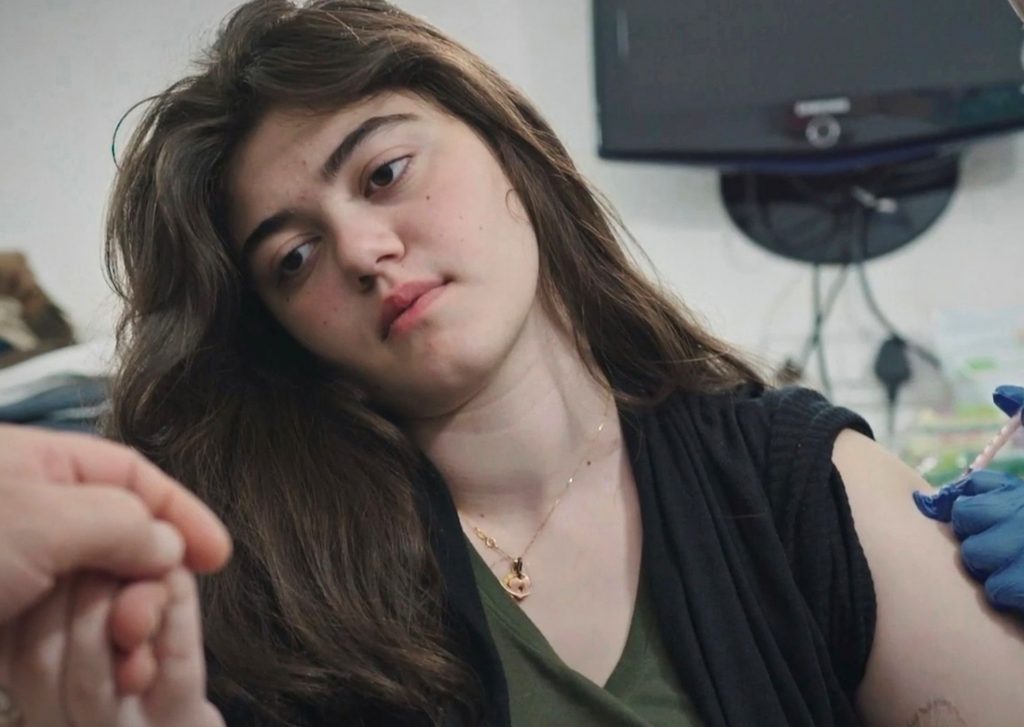
Do you remember the story of then-12-year-old Julia Bruzzese? The young Lyme sufferer was in a wheelchair, amidst the throngs of people greeting Pope Francis during his 2015 visit to New York City.
On live TV, the Pontiff reached out his hands to bless Julia—and suddenly, the young girl and her Lyme-inflicted challenges made the national news.
However, that was neither the beginning nor the end of Julia’s Lyme story.
Much more of it is revealed in THE QUIET EPIDEMIC, a compelling documentary that calls the treatment of Lyme disease “one of the most controversial, divisive, and vicious medical debates in medicine today.”
The film portrays the journey of Julia and her dad, Enrico, through the months and ultimately years of seeking help. It depicts the frustrations shared by many people trying to ascertain whether or not they have Lyme disease. And explains the barriers to treatment that most people with the tick-borne illness encounter.
In the film, Enrico says that when he asked Julia’s doctor if his ailing daughter might possibly have Lyme disease, the answer was a firm no.
“She went from being this wonderful supporting doctor, willing to try anything, to adamant no, impossible, this is not it…It was almost like, as if we were using profanity, like Lyme disease was a bad word.”
The film also features the late Dr. Neil Spector, a top cancer researcher who literally lost his heart to Lyme disease. Unrecognized Lyme disease caused so much cardiac damage that he needed a transplant. After recovering from that surgery, he applied the lessons of cancer research to investigating precision medicine for Lyme and Bartonella. Considered a true hero in the Lyme community, sadly, Dr. Spector passed away in June 2020.
Others interviewed for the film include Dr. Richard Horowitz, Dr. Ken Liegner, Dr. Steven Phillips, and investigative reporter Mary Beth Pfeiffer.
The filmmakers, Lindsay Keys and Winslow Crane-Murdoch, met while they were patients of the same Lyme-treating doctor. They decided to team up on a documentary to expose the grim truths about Lyme disease—and to look for answers.
The film premiered in May at the Hot Docs Film Festival in Toronto, Canada, and now is making its way around the US.
There will be two in-person screenings at the Woodstock Film Festival in New York on September 30 and October 1. If you can’t make it there in person, the festival offers a virtual screening available Sept. 30-Oct. 2.
On the opposite coast, there will be two in-person screenings at the Mill Valley Film Festival (near San Francisco) on October 8 and 10, with virtual screenings Oct. 5-16.
Future screenings include Indianapolis, IN; New Haven, CT; and St. George, Utah.
Click here for schedules and ticket information.
Note: At this time, online screenings are only available in the United States.
Click below to view the trailer.
TOUCHED BY LYME is written by Dorothy Kupcha Leland, Board President of LymeDisease.org. She is co-author of When Your Child Has Lyme Disease: A Parent’s Survival Guide. Contact her at dleland@lymedisease.org.
TV Specials on Lyme


