Archive for the ‘Herbs’ Category

Does Lyme Impair Memory? 6 Restorative Solutions to Help Get Your Brain Back on Track

https://rawlsmd.com/health-articles/does-lyme-impair-memory-6-restorative-solutions-to-help-get-your-brain-back-on-track

Does Lyme Impair Memory? 6 Restorative Solutions to Help Get Your Brain Back on Track

by Jenny Menzel
Updated 3/3/22

Have you ever walked into a room and forgotten the very reason you went there in the first place? Or, how about searching high and low for your missing glasses, only to discover they’ve been on top of your head the whole time? We’ve all experienced brief moments of forgetfulness once in a while, and mostly, they can be humorous. But if you’re struggling with neurological manifestations of Lyme disease, memory issues may be a daily, discouraging occurrence — and that’s no laughing matter.

So why do memory issues and chronic Lyme disease go hand in hand? And more importantly, what does this mean for the health of your brain and its capacity to store and recall information over time? Let’s take a closer look at the reasons why your memory may not be operating optimally, plus natural solutions to restore its function.

Neurological Lyme: A Recap

Neurological Lyme is a different flavor of Lyme disease that occurs when infection with the bacteria Borrelia burgdorferi affects the cranial or peripheral nerves or the central nervous system (CNS), reports the Centers for Disease Control and Prevention (CDC).

In other words, when a Lyme infection triggers an immune response, the immune system rallies white blood cells (WBCs) to act in defense, and inflammatory cytokine activity increases in the brain and spinal cord. When these immune cells infiltrate the CNS in response to a chronic infection, a range of noticeable neurological symptoms may result, such as:

  • Memory loss
  • Cognitive issues
  • Learning disabilities
  • Headaches
  • Bell’s palsy (facial paralysis)
  • Meningitis
  • Numbness and tingling in the extremities
  • Visual impairment
  • Brain fog
  • Depression, anxiety, and other mental health conditions
    Sensation changes on the skin

Not everyone with Lyme disease will experience neurological symptoms, though. When it comes to newly-diagnosed, acute infections, approximately 15% of patients reportedly experience one or more neurological effects like Bell’s palsy, meningitis, or numbness and tingling in the arms or legs, according to research published by Frontiers in Neurology. But this figure may be just the tip of the iceberg.

For a host of reasons, getting an accurate diagnosis and obtaining treatment for Lyme is often delayed (sometimes for months to years) due to a lack of physician understanding and public awareness, an unseen tick bite, the absence of the hallmark erythema migrans (bull’s-eye rash), and insensitive testing methods that produce false negatives.

This delay in diagnosis and adequate treatment allows the bacteria to flourish unchecked, embedding itself deeper into hard-to-reach areas of the body, like the brain — increasing the likelihood of developing difficult-to-eradicate chronic neurological symptoms.

Much Like Our Brains, Neurological Lyme is Complicated

The widespread idea that Lyme disease is easily cured with a 10- to 14-day course of antibiotics persists within most corners of mainstream medicine today. But there is a growing body of evidence to suggest the contrary: For example, in 2013, the International Journal of General Medicine published findings that the Lyme spirochete Borrelia is stealthy enough to evade immune detection and even survive attacks from antibiotics.

split image between borrelia and piles of drug capsules

Anyone experienced with this illness knows, too, that Lyme disease is so much more than a single microbe. With multiple strains of Borrelia in the mix and other common tick-borne coinfections like Bartonella, Babesia, Ehrlichia, and Mycoplasma, understanding the full effects of neurological Lyme is truly complex. However, thanks to the ongoing work of independent researchers and scientists, our understanding continues to unfold and offer helpful clues to the challenging neurological symptoms that so many people deal with.

The Impact of Neurological Lyme on Memory

On average, your brain has 86 billion neurons, each sending out numerous signals from head to toe at breakneck speed to process and store information, control movement and balance, and utilize your five senses, among other crucial tasks. Neurological Lyme can directly impact those functions, including memory, and here’s how.

How Memories are Formed

The study of human memory stretches as far back as 2,000 years to the times of Aristotle, with the first scientific approach introduced in the mid-1880’s by German philosopher Herman Ebbinghaus — the man responsible for classifying the memory types still relevant today. He discovered we actually have three different memory types, giving valuable insight into how the brain works:

  1. Sensory Memory (SM): Formed by how we see, hear, touch, smell, and taste things, SM allows you to remember by stimulating your five senses. After the stimulation, the sensing is assigned to short-term or long-term memory. Smelling your favorite food cooking, hearing a dog bark in the distance, or feeling the texture of wet grass beneath your feet after a spring rain are examples of sensory stimulation we attach to our short-term and long-term memory.
  2. Short-Term Memory (STM): Less fleeting than sensory memory and less permanent than long-term memory, STM helps you recall specific information about anything for just a brief period. Where you park your car at a shopping center is considered a STM due to the “short-term” need to retain the information. STM will get you to your car after you exit the store, but if there is no need to save the information to long-term memory, the memory quickly fades.
  3. Long Term Memory (LTM): There are two types of LTM: explicit and implicit. Explicit LTM is when we consciously and deliberately try to memorize something, like someone’s birthday, phone number, or lyrics to a new song. Implicit LTM is what we remember unconsciously by repetition without even trying, like riding a bike or taking a specific route to work. Any memory we can recall after 30 seconds is considered “long-term,” which is a majority of our memories.

Our memories form in three distinct stages— encoding, storage, and recall. Encoding is how the information gets into your brain, usually through one or more of the five senses. Storage is when that incoming information is briefly stored into STM, or more permanently, into LTM. The final stage is recall, how we retrieve the information after it’s stored.

When stealth microbes like Borrelia make their way to the CNS, they become savage disruptors, creating a breakdown of communication across multiple body systems by damaging nerve cells, kicking up inflammation, and disorganizing neurotransmitters and hormones, thereby instigating memory problems over time. Here are some of the top known ways neurological Lyme impedes your memory.

Neuroinflammation in the Brain

A recent study probing the brains of Lyme patients with chronic symptoms showed the presence of high levels of a substance called inflammatory translocator protein (TSPO), an inflammatory chemical released by two specific types of brain immune cells.

What does this mean for your memory? High levels of neuroinflammatory chemicals may decrease brain function, manifesting in such problems as brain fog and memory loss. Though the study was small-scale, it demonstrates a physiological basis for cognitive problems and validates the experience of countless people living with Lyme.

graphic of brain producing static electricity

Demyelination of Nerves

Much like electrical wires require insulation to keep the electrical current contained, the nerves in our brains are protected with an outer sheath called myelin, which protects nerves for other electrical impulses. Because microbes like Borrelia and Mycoplasma consider myelin a high-value resource to snack on, people with neurological Lyme are vulnerable to demyelination — deterioration of the nerve coating. When this happens, raw nerves are eventually exposed, and signaling between the nerves diminishes, resulting in communication breakdown. Demyelination caused by Lyme disease has been documented as early as 1989, suggesting the probability of CNS involvement, even after the initial infection appeared to be resolved.

Possible Dementia Connection

Although some studies have suggested dementia-like syndromes may exist as rare manifestations of neurological Lyme, recent research points to a more direct connection. Findings in Frontiers in Neurology support the possibility that neurological Lyme might be linked to Lewy body dementia, a condition where abnormal protein deposits to the nerve cells in the brain cause severely impaired reasoning, mood changes, and memory loss.

While there’s still a lot to learn about this manifestation, this is the first time a persistent neurological Lyme infection has been directly linked to the presence of dementia-inducing antibodies.

6 Effective Solutions to Restore Your Memory

Unfortunately, the current CDC treatment guidelines for neurological Lyme are antibiotics that are often ineffective in later stages of the illness, but all hope is not lost. If you’re experiencing Lyme-related memory problems, there are lifestyle habits and natural remedies like herbs that can help normalize disrupted communications in the brain and nervous system and enhance your memory. Here’s how.

icon of fish, chicken, and eggs

1. Eat Brain Food.

Nourishing your body with a balanced, anti-inflammatory diet rich in vegetables, healthy omega-3 fats, and choline-dense protein like poultry, fish, and eggs is one of the best ways to begin nourishing a vibrant memory and curb unwanted inflammation. As for brain fruit, blueberries full of flavonoids top the list. Furthermore, adding anti-inflammatory spices to your food is another way to benefit the brain. Turmeric and saffron win by supporting the vascular system and boosting blood flow to the brain. Fun tip: Have fun trying out new recipes by focusing on one new brain food per week to find your favorites.

icon of puzzle on phone

2. Get Creative with Brain Games.

While cognitive exercise apps such as Elevate or Lumosity are great options to get your brain in shape, don’t discount the power of your mind to make up your own activities. For example, make a game out of everyday events like shopping for groceries. Tally up the prices in your head as you shop, starting with just a few items and working your way up to see if you can calculate the amount you’ll pay at the register. Over time, you’ll sense improvements, and the process will get easier. However, if you prefer a break from the digital realm, classic crossword puzzles are another great (and inexpensive) option to challenge your memory.

icon of headphones

3. Try Interactive Metronome Therapy (IMT).

Take brain games to the next level with Interactive Metronome (IM), a therapy that is used to enhance memory, attention, focus, speech, and sensory skills in those struggling with cognitive impairment from various forms of brain injuries — even those associated with Lyme disease. By resetting your internal brain clock and retraining neural pathways, the therapy improves communication and desensitizes hyperactive areas of the brain while activating the sluggish areas. The brain-balancing exercises are often covered by insurance and can be performed under the supervision of a variety of professional therapists to increase the brain’s ability to record, store, and recall memories.

icon of herbal supplement bottle and capsules

4. Use Brain Supportive Herbs.

Balancing the brain with herbs will naturally boost your memory by creating healthy stress responses and sleep-wake cycles and reducing the microbial load. Some top herbs to suppress infectious microbes, reduce neuroinflammation, and increase needed blood circulation to the brain include:

Need a boost of clean energy in the morning to feel awake and alert? Herbs can help there, too. Try rhodiola or licorice root in the morning to get your day going without caffeine. And for a nightcap to gently unwind, try herbs with balancing and soothing properties like ashwagandha and l-theanine to regulate the HPA-axis and calm the nervous system for better quality sleep.

icon of moon and stars

5. Reduce Excess Brain Stimulation.

We live in a noisy world and are probably the most overloaded with stimuli than ever before in human history, but there are steps you can take to reduce the noise and help you focus. Try setting a specific time to digitally unplug every night, and consider setting your smartphone outside of your bedroom on the charger.

Need your phone for an alarm clock? Set it on airplane mode to avoid distracting notifications — or go minimalist with a simple alarm clock. Additionally, infuse your nightly routine with calming scents like rosemary, frankincense, and lavender. When delivered through the olfactory system, these essential oils can cool an inflamed nervous system, creating a clearer mind able to retain and recall information.

icon of human doing tai chi

6. Cultivate a Mind-Body Connection.

Mind-body practices like hypnosis, yoga, tai-chi, and meditation combine mental and physical focus with breathing and body movements, and scientific evidence supporting their positive effects on the nervous system is growing:

Research published by the Journal of Alzheimer’s found that after only 8 weeks of daily meditation, a small group of participants ages 52 to 77 experienced a significant increase in cerebral blood flow to the frontal and parietal lobes of the brain — two areas responsible for retrieving stored memories. If beginning a mind-body practice has been on your Lyme recovery to-do list for a while, the health of your brain and better memory are two great reasons to get started!

Healing Takes Time

If you’ve been struggling with memory problems from Lyme, you’ve likely come to find that healing is a marathon, not a sprint. Because our brain cells take the longest to repair, improving Lyme-related memory issues isn’t easy, but it’s possible — and worth it.

To sharpen your memory, combine these tips with the essentials, like a comprehensive natural protocol to suppress microbes, a reparative sleep schedule, and exercise as tolerated. If you remember nothing else, remember to keep it simple, pace yourself, and (gently) keep going.

REFERENCES
1. Berndtson K. Review of evidence for immune evasion and persistent infection in lyme disease. International Journal of General Medicine. 2013:291. doi: 10.2147/ijgm.s44114
2. Blanc F, Philippi N, Cretin B, et al. Lyme neuroborreliosis and dementia. J Alzheimers Dis. 2014;41(4):1087-1093. doi: 10.3233/JAD-130446
3. Bloomfield MA, Green SF, Hindocha C, et al. The effects of acute cannabidiol on cerebral blood flow and its relationship to memory: An arterial spin labeling magnetic resonance imaging study. Journal of Psychopharmacology. 2020;34(9):981-989. doi: 10.1177/0269881120936419
4. Chianese R, Coccurello R, Viggiano A, et al. Impact of Dietary Fats on Brain Functions. Curr Neuropharmacol. 2018;16(7):1059-1085. doi: 10.2174/1570159X15666171017102547
5. Ebbinghaus H. Memory: a contribution to experimental psychology. Ann Neurosci. 2013;20(4):155-156. doi: 10.5214/ans.0972.7531.200408
6. Gadila SKG, Rosoklija G, Dwork AJ, Fallon BA, Embers ME. Detecting Borrelia Spirochetes: A Case Study With Validation Among Autopsy Specimens. Front Neurol. 2021 May 10;12:628045. doi: 10.3389/fneur.2021.628045
7. Hein S, Whyte AR, Wood E, Rodriguez-Mateos A, Williams CM. Systematic Review of the Effects of Blueberry on Cognitive Performance as We Age. J Gerontol A Biol Sci Med Sci. 2019;74(7):984-995. doi: 10.1093/gerona/glz082
8. Herculano-Houzel S. The human brain in numbers: a linearly scaled-up primate brain. Front Hum Neurosci. 2009 Nov 9;3:31. doi: 10.3389/neuro.09.031.2009
9. Khalsa DS. Stress, Meditation, and Alzheimer’s Disease Prevention: Where The Evidence Stands. J Alzheimers Dis. 2015;48(1):1-12. doi: 10.3233/JAD-142766
10. Kristoferitsch W, Aboulenein-Djamshidian F, Jecel J, et al. Secondary dementia due to lyme neuroborreliosis. Wiener klinische Wochenschrift. 2018;130(15-16):468-478. doi: 10.1007/s00508-018-1361-9
11. Neurologic Lyme Disease. Centers for Disease Control and Prevention. Website. Published August 11, 2021. Accessed February 27, 2022.
12. New Scan Technique reveals brain inflammation associated with post-treatment lyme disease syndrome. Johns Hopkins Medicine Newsroom. Website. Published February 5, 2019. Accessed February 27, 2022.
13. Pachner AR, Duray P, Steere AC. Central nervous system manifestations of lyme disease. Archives of Neurology. 1989;46(7):790-795. doi: 10.1001/archneur.1989.00520430086023
14. Pragya SU, Mehta ND, Abomoelak B, et al. Effects of Combining Meditation Techniques on Short-Term Memory, Attention, and Affect in Healthy College Students. Front Psychol. 2021;12:607573. Published 2021 Mar 5. doi: 10.3389/fpsyg.2021.607573
15. The science behind IM. Interactive Metronome. Website. Published July 21, 2020. Accessed February 27, 2022.

Methylation: How it Works & 6 Key Ways to Support It

https://vitalplan.com/blog/methylation-what-you-need-to-know?

Methylation: How It Works + 6 Key Ways to Support It

By Dr. Bill Rawls Posted 03-10-2022

If you haven’t yet heard the term methylation, there’s a good chance you’ll soon start hearing it a lot more. Many people are beginning to clue into the importance of this biochemical process, which is a key component of overall wellness, and yet myths and misconceptions are more common than facts. Understanding methylation, and knowing how to optimize it, can give you an edge on staying healthy as you age.

What is Methylation, Anyway?

In biochemical terms, methylation is when a “methyl group,” consisting of three hydrogen atoms, and one carbon atom are linked to another molecule. Attaching a methyl group to an organic molecule (a chemical compound that contains carbon) makes it less reactive.

Simply put, methylation is a process of making molecules more stable, which is important for a wide range of metabolic functions in the body. For starters, it balances hormone and neurotransmitter activity, and it regulates protein synthesis and cellular energy. It processes DNA and RNA, the molecules that are responsible for storing and reading our genetic information, and repairs DNA. It also optimizes the functions of T-cells, white blood cells that play a key role in immune response, and assists in glutathione production, the body’s master antioxidant.

hex 3d model methylation molecule

Methylation also helps neutralize toxic substances: When methyl groups attach to organic toxins such as heavy metals, it reduces their toxicity and allows for easier removal from the body. When you consider that the modern world is loaded with higher concentrations of artificial toxins than ever before in history, maintaining optimal methylation is increasingly vital for a vibrant, healthy life.

One of the most important roles of methylation is regulating the expression of genes. At any given time, you are using only about 1% of your genetic material; the rest of it is in “off” mode. But there are certain factors notorious for turning on “bad” genes that are associated with chronic illness, many of which are unique to the modern world. These include:

  • Eating a diet high in processed food products
  • Exposure to environmental toxicants
  • An abundance of chronic stress
  • Having a sedentary lifestyle
  • Exposure to stealth microbes

This is where methylation comes in — the way the body turns off “bad” genes is by attaching methyl groups to genetic material. Of course, if you don’t change your diet and lifestyle habits, the bad genes will turn on or stay on. If you continue stressing your genes, all the methyl groups in the world aren’t going to help you feel your best.

Poor Methylation and Chronic Health Conditions

This is a huge misconception: People with symptoms associated with chronic health conditions — typical ones being fatigue, neurological symptoms, mood disorders like anxiety, and insomnia, to name a few — are being told that poor methylation is the cause of their illness. But in fact, those symptoms often add to the daily stressors that activate bad genes and increase susceptibility to illness; poor methylation just compounds the problem.

Closeup woman with hands holding her shoulder pain.

The Western diet is the biggest culprit. The body relies on a steady stream of methyl donors — substances that can transfer a methyl group to another substance — from certain foods to support the metabolic functions that are dependent on methylation. It can use a variety of methyl donors, but the four most important components are methionine (an amino acid) and the B vitamins: methylfolate (B9), B12, and B6.

Unfortunately, modern grain- and meat-based diets are very poor sources of methylfolate and other B vitamins. Food companies often try to compensate for the loss of natural folate by adding folic acid to their products, but it’s not an adequate substitute because it’s not the most active form of the vitamin. What’s more, people who over-consume processed foods tend to develop gastrointestinal problems and lose the ability to produce a substance called intrinsic factor, which is essential for absorption of vitamin B12.

Genetics also play a role in methylation proficiency. About 50% of the population carries a mutated gene (MTHFR) for an enzyme called 5-MTHF reductase. This gene is necessary to convert homocysteine (an amino acid most abundant in meat) into methionine, an amino acid that’s essential for the methylation process. About 40% of the population carries one MTHFR mutation, and 12% of the population carries a double mutation.

Having MTHFR mutations, however, may be less of a factor in chronic health conditions than some experts suggest. The evidence linking concerns such as myalgic encephalomyelitis/chronic fatigue syndrome (ME/CFS), fibromyalgia, and Parkinson’s disease to the presence of a mutated 5-MTHF reductase gene is mild at best. Scientific investigations have shown only a very slight increased incidence of chronic illnesses in affected individuals.

That’s because this genetic pathway is only one of a variety of methylation pathways. The human body would never rely on a single option for a function like methylation, which is so essential for life. In addition, for most of history, humans consumed large amounts of plant matter that provided all the components necessary for methylation (again, methionine, B9, B12, and B6). It’s only in recent history, as our diet has become more plant- and nutrient-deficient, that this particular genetic methylation pathway has become noteworthy.

How to Know When It’s Time to Test

People often ask which symptoms indicate they should get tested for poor methylation, but there are no pure telltale signs. My answer is, if you don’t feel well, or you’ve been diagnosed with a chronic illness such as fibromyalgia or ME/CFS, and you eat a lot of processed foods and very few vegetables, it’s pretty safe to assume you have poor methylation.

hand of a lab technician holding blood tube test with bar code on laboratory and background a rack of color tubes with blood samples other patients / hand doctor holding a blood tube test with bar code for analysis in lab

The biggest reason to have the test is to determine whether you have a double mutation, in which case, supplementation with natural folates may be valuable. Determining whether you have a MTHFR mutation can be done through a blood test or a range of test kits; the cost can vary widely depending on the testing method you choose.

Additionally, checking for elevations of homocysteine in your blood can tell you the degree of the problem: The higher your homocysteine levels, the lower the formation of methylfolate for making methionine, if methylation mutations are present. More than anything else, elevations of homocysteine indicate over-reliance on grains and meat as a food source.

6 Ways to Support Healthy Methylation

Maintaining proper levels of methylation is important for health, but it must be part of a more comprehensive strategy that promotes a nutrient-rich diet, toxin-free environment, stress management, and movement. Follow the simple steps below to help ensure optimal methylation, and whether or not you carry a MTHFR mutation could become a non-issue:

icon of carrot and broccoli

1. Eat Your Veggies.

To up your vegetable intake, focus especially on dark green leafy greens such as spinach and kale, as well as asparagus, broccoli, cauliflower, peas, and beans (preferably sprouted). A healthy, plant-based diet containing these foods is the number one way to ensure you take in plenty of naturally-derived methylfolate, one of the primary methyl donors.

icon of capsule with B on it

2. Get Plenty of B Vitamins.

Although folate is a B vitamin, vitamins B6 and B12 are important methyl donors, too. B6 helps to support immune health, boost heart and brain function, and encourage healthy blood sugar levels, while B12 aids in proper nerve conduction, the generation of red blood cells, and more. You’ll find both of these crucial vitamins in salmon, eggs, nuts and seeds, plus bananas, avocados, and soy.

icon of molecule structure

3. Look for Active Forms of B-Vitamin Methyl Donors.

If you take daily vitamin and mineral supplements to support your health, check ingredient lists to be sure they contain the bioactive forms of the B vitamin methyl donors, which means they’re in a form your body can actually use. Here’s what they’ll look like on the label:

Folate

Active forms: 5-Methyltetrahydrofolate or l-Methylfolate. Note that folic acid found in most multivitamin products isn’t a bioavailable form. It’s not absorbed and utilized in the body properly, especially if you have a MTHFR mutation. This is particularly true if you are pregnant, in which case supplement with methylfolate, instead of folic acid, and consume plenty of leafy greens.

B6

Active forms: Pyridoxal 5-Phosphate

B12

Active forms: Methylcobalamin or Hydroxocobalamin

science icon of Glutathione

4. Supplement With Glutathione, if Needed.

Glutathione is an essential antioxidant and another methyl donor, and it’s important for a myriad of processes in the body, including detoxification. Supplementing isn’t as necessary for young, healthy people, but the stress factors I mentioned earlier and aging put additional pressure on the body, so extra glutathione can be beneficial at times. Also, taking SAMe is another way to support the methylation process, but if you’re young, healthy, or if you’re getting adequate bioavailable B vitamins, it might not be necessary.

icon of supplement bottle with leaves on it

5. Consider Restorative Herbs.

Restorative herbs will help counteract a wide spectrum of stress factors in the body, and therefore, help take pressure off of the detoxification and healing systems. Not sure where to start? Opt for herbs that support your immune system, fortify your tolerance to stress, and balance the microbiome and other functions. Top herbal contenders include:

icon of three waves representing calm

6. Stay Active, Manage Stress, and Cut Back on Alcohol.

It’s common sense that living a healthy lifestyle helps keep everything in your body running smoothly. But research has started connecting the dots between lifestyle factors such as sedentary behavior, stress, and toxins such as alcohol with changes in DNA methylation that could cause you problems later on down the line. So don’t wait until you’ve developed unwanted symptoms before you take action to feel your best.

Proper methylation impacts so many health systems of the body, and the simple steps outlined above can help support and enhance the process — MTHFR gene mutation or not. Enjoy your favorite produce, take steps to stay active, keep stress in check, and supplement with the right nutrients and herbs, and you’ll be paving a path toward a long, healthy, vibrant life.

Looking for More Wellness Tips?

Join our newsletter for bi-weekly tools, education, and savings to boost your health.

References

  1. de Vega WC, Vernon SD, McGowan PO. DNA methylation modifications associated with chronic fatigue syndrome. PLoS One. 2014;9(8):e104757. Published 2014 Aug 11. doi: 10.1371/journal.pone.0104757
  2. de Vocht F, Suderman M, Tilling K, Heron J, Howe LD, Campbell R, Hickman M, Relton C. DNA methylation from birth to late adolescence and development of multiple-risk behaviours. J Affect Disord. 2018 Feb;227:588-594. doi: 10.1016/j.jad.2017.11.055
  3. Jones MJ, Goodman SJ, Kobor MS. DNA methylation and healthy human aging. Aging Cell. 2015 Dec;14(6):924-32. doi: 10.1111/acel.12349
  4. Phillips, T. “The Role of Methylation in Gene Expression.” Nature Education 1(1):11
  5. Richardson B. DNA methylation and autoimmune disease. Clin Immunol. 2003 Oct;109(1):72-9. doi: 10.1016/s1521-6616(03)00206-7
  6. Sokratous M, Dardiotis E, Tsouris Z, et al. Deciphering the role of DNA methylation in multiple sclerosis: emerging issues. Auto Immun Highlights. 2016;7(1):12. doi: 10.1007/s13317-016-0084-z
  7. Varela-Rey M, Woodhoo A, Martinez-Chantar ML, Mato JM, Lu SC. Alcohol, DNA methylation, and cancer. Alcohol Res. 2013;35(1):25-3

____________________

For more:

Extraction and Fractionation of Bioactives From Dipsacus fullonum L. Leaves and the Evaluation of Their Anti-Borrelia Activity

https://www.mdpi.com/1424-8247/15/1/87/htm

Extraction and Fractionation of Bioactives from Dipsacus fullonum L. Leaves and Evaluation of Their Anti-Borrelia Activity

Pharmaceuticals 2022, 15(1), 87; https://doi.org/10.3390/ph15010087
Received: 8 December 2021 / Revised: 10 January 2022 / Accepted: 11 January 2022 / Published: 12 January 2022
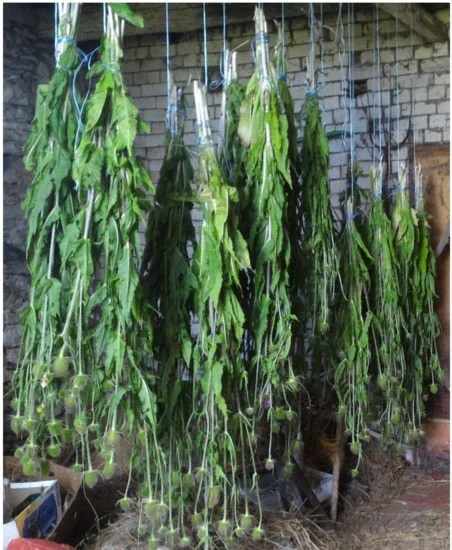
Figure 1. Dipsacus fullonum L. harvested from Saaremaa, Estonia, 2017.
Abstract
Lyme disease (LD) is a tick-borne bacterial disease that is caused by Borrelia burgdorferi. Although acute LD is treated with antibiotics, it can develop into relapsing chronic form caused by latent forms of B. burgdorferi. This leads to the search for phytochemicals against resistant LD. Therefore, this study aimed to evaluate the activity of Dipsacus fullonum L. leaves extract (DE) and its fractions against stationary phase B. burgdorferi in vitro. DE showed high activity against stationary phase B. burgdorferi (residual viability 19.8 ± 4.7%); however, it exhibited a noticeable cytotoxicity on NIH cells (viability 20.2 ± 5.2%). The iridoid-glycoside fraction showed a remarkable anti-Borrelia effect and reduced cytotoxicity. The iridoid-glycoside fraction was, therefore, further purified and showed to contain two main bioactives—sylvestrosides III and IV, that showed a considerable anti-Borrelia activity being the least toxic to murine fibroblast NIH/3T3 cells. Moreover, the concentration of sylvestrosides was about 15% of DE, endorsing the feasibility of purification of the compounds from D. fullonum L. leaves.
____________________
**Comment**

Dipsacus fullonum L, or wild teasel has been known in the Lyme/MSIDS world for a long, long time.  Many patients swear by it’s anti-inflammatory properties.

Here we learn that the leaves showed anti-borrelia activity in mouse cells – which doesn’t necessarily translate over to humans, but it’s a start.  It also only looked at the stationary phase and borrelia is pleomorphic and likes to mutate to evade treatment and the immune system. Previously, research on the herb stevia was touted by many as a “cure” for Lyme.  It is anything but a cure, although some doctors use it as a “biofilm buster.”

Every patient responds differently to treatment and I know patients who herx on one drop of an herbal tincture; however, I’ve taken a lot of herbs over the years and never herxed or had a noticeable change on nearly any of them, but don’t let that stop you from trying.  We are literally Guinea Pigs, and we have to kiss a lot of frogs to find our Prince!

The exception for me was a potent form of arthemisinin along with Mepron and an intracellular antibiotic for Babesia:  https://madisonarealymesupportgroup.com/2016/01/16/babesia-treatment/  I write about my personal experience at the end of the article, along with the brand of arthemisinin used.  It was extremely potent and we pulsed it due to the heart-attack type herxes it gave me.  I’m happy to report that treating Babesia for a year has left both my husband and I symptom-free.

Live Webinar & Q&A: Lyme, EBV, & More

https://rawlsmd.com/webinars/lyme-ebv-more/

Live Webinar + Q&A: Lyme, EBV, & More

Enduring chronic Lyme disease is bad enough. Add to that a viral coinfection such as Epstein-Barr virus (EBV), cytomegalovirus, or another, and your illness becomes even more severe, plus recovery can take significantly longer. And while viruses like EBV tend to pop up periodically during Lyme treatment, overcoming them is possible — and you don’t have to do it all alone.

Join a live webinar with Dr. Bill Rawls, author of the best-selling book Unlocking Lyme, who knows firsthand what it’s like to struggle with chronic Lyme disease and the viral coinfections that can go hand in hand with it. You’ll discover what really matters when it comes to diagnosing EBV and other viruses, plus the best natural and conventional remedies for easing symptoms and restoring your health.

Since his recovery more than a decade ago, Dr. Rawls has helped thousands of patients find their path to healing from Lyme disease and coinfections. Now, he’d like to help you. Come with your questions, and he’ll answer as many of them as possible. PLUS: Don’t miss an exclusive gift for those who attend the live webinar.

In this webinar, Dr. Rawls will discuss:

What are the telltale signs of EBV?

• Do you need to know which viral coinfection(s) you have before seeking treatment?

• Are there reliable testing methods for EBV and other viruses?

• What are the best herbal and natural remedies for EBV?

• How can you tell for certain when EBV is gone?

• Numerous other insights and answers on EBV and viruses throughout the live Q&A with Dr. Rawls

RESERVE MY SEAT »

Lyme & COVID: Your Top 5 Questions

https://rawlsmd.com/health-articles/lyme-covid-your-5-top-questions-answered

by Jenny Lelwica Buttaccio
Posted 2/4/22

NOTE: Please consult with your healthcare provider if you have questions about whether the COVID-19 vaccine is right for you or the treatment options available to you should you become ill.

To say that these last two years have been overwhelming is a massive understatement. With over 375 million confirmed cases of COVID-19 worldwide, the virus that has swept the globe continues to be top-of-mind for many people. But despite the rise in numbers, there’s still a lot we don’t know about the long-term effects, the prevalence of and recovery from long COVID, and more specifically, how the virus affects people with Lyme disease.

To help you cope, we’ve rounded up some video insights and perspectives from Dr. Bill Rawls, MD, Medical Director of RawlsMD and Vital Plan to offer suggestions and sort through some of the lingering questions and concerns you may have about the pandemic. In time, we hope emerging research brings about a renewed sense of awareness for people struggling with chronic illness and bears additional healing opportunities for those with symptoms.

1. What Can I Do to Prepare My Body for the Vaccine if I Have Lyme Disease?

To prepare yourself for the COVID-19 vaccine, Dr. Rawls emphasizes the importance of creating a healing environment to implement to give your body the tools it needs for recovery.

Creating a Healing Environment for the Body: Focus on sleep, Stick to a healthy diet, Suppress microbes with herbs, Reduce exposure to toxins, Exercise as tolerated, Practice stress reduction

2. Is There a Way to Track Healing from Lyme and Long COVID?

If you’re dealing with the symptoms of Lyme disease, coinfections, and long COVID, it can be a challenge to figure out which illness is causing you to feel lousy. In actuality, there’s a good chance it’s all of them due to an overtaxed, dysfunctional immune system that can no longer keep things in check.

Here, Dr. Rawls explains how the immune system works when invaded by microbes and how that infection can pop up later in life and cause illness.

Microbes, like Bartonella, Borrelia, and COVID, have a ‘Trojan-horse’ mechanism, where some of them stay alive inside of white blood cells. The white blood cell becomes a vehicle that carries them throughout the body and deposits them in low concentrations in tissues like the brain, joints, and heart.

3. Would Herbal and Detox Protocols be the Same for Lyme and COVID?

Detoxing is a common part of Lyme disease treatment. But what do you do if you’ve been diagnosed with Lyme, then COVID? Do you need to do things differently? Listen as Dr. Rawls discusses natural solutions, including several herbs with a range of antimicrobial and antiviral properties, which may be beneficial for people with both Lyme and COVID.

Herbal Therapy for Lyme and COVID: Andrographis, Garlic, Ginger, Chinese skullcap, Houttuynia, Isatis, Kudzu, Japanese knotweed, Reishi mushroom, Bupleurum, Chlorella, Turmeric, Bromelain

4. Are People with Lyme at Greater Risk of COVID? Is There Any Data?

In this short video clip, Dr. Rawls discusses the data (or the lack thereof) on whether people with Lyme are at a greater risk of contracting the virus than the general population. As long COVID garners widespread medical, research, and media attention, perhaps more funds will be allocated to similar overlapping conditions like tick-borne diseases and ME/CFS (myalgic encephalomyelitis/chronic fatigue syndrome).

Most people with chronic Lyme disease are really serious about protecting themselves against COVID.

5. What about Herbs for Viruses, Including COVID?

In addition to being vaccinated for COVID, Dr. Rawls shares the type of herbal therapy protocol he’s used to combat viral infections over the last decade. The program includes vitamin C and an array of herbs several times a day to augment the immune system and provide much-needed nutrients and resources to heal.

Dr. Rawls Protocol for Acute Infection: Stay hydrated. Get plenty of rest. Boost with vitamins and minerals. Load up on antimicrobial herbs.Avoid strenuous activity until you feel better.

The Bottom Line

Whether you’re dealing with the symptoms of Lyme disease, COVID, or both, create a healing environment, support your body with herbal therapy, vitamins, and minerals, and take the necessary precautions to give your immune system the support it needs to work toward recovery and better health. But be patient with yourself; healing often takes time, and your immune system is always working on your behalf to make it happen.

Dr. Rawls is a physician who overcame Lyme disease through natural herbal therapy. You can learn more about Lyme disease in Dr. Rawls’ new best selling book, Unlocking Lyme.
You can also learn about Dr. Rawls’ personal journey in overcoming Lyme disease and fibromyalgia in his popular blog post, My Chronic Lyme Journey.

_____________________

**Comment**

Many great insights in this article; however, I caution you to think long and hard before agreeing to becoming a Guinea Pig in the greatest experiment upon the human populace.  A few points of consideration regarding COVID shots:

  • These mRNA injections, which don’t stop transmission or infection, have caused more adverse reactions and deaths than any other vaccine in the history of VAERS.
  • A Big Pharma Exec has admitted that these injections are gene therapy, not vaccines.
  • The shots work by turning your body into a toxic spike protein manufacturing plant which can’t be controlled, and nobody knows the ramifications of this.
  • Despite the mainstream media and corrupt public health ‘authority’ narrative, “vaccinated” people are in fact dangerous to others by having a false sense of security, yet transmitting the virus and forcing the virus to mutate into different variants. Israel and the UK are perfect examples as severe cases and deaths there are among the “vaccinated”
  • variants are not as dangerous and are less virulent which is always the case in infectious diseases
  • the epidemic is OVER in many countries worldwide, yet governments are forcing these injections upon their citizens which is tyranny against medical freedom, which Lyme/MSIDS patients should care about.
  • These shots actually may facilitate disease and death
  • the WHO’s statement that herd immunity will be achieved when 80% of the population is “vaccinated” is not based on science and should be considered null and void
  • immunologist Dolores Cahill states once you’ve been infected and have recovered you have antibodies FOR LIFE
  • Dr. Bhakdi based on new scientific evidence states:
    • your immune system is your best defense against SARS-CoV-2
    • if you have been infected, even if you experienced no symptoms at all, you are immune to all variants
    • we have already reached herd immunity
    • there is no scientific reason to vaccinate against SARS-CoV-2
    • there is no benefit and the rollout must be stopped
  • a Spanish team has been reporting graphene oxide entering the brain, and is causing Guillain-Barré syndrome, and that is eating up the myelin, the coating on the nerves
  • the reality is THE “VACCINE” DOESN’T WORK – we are surrounded by propaganda
  • there is an electromagnetic field that is engineered, a lipid nanoparticle that is being manufactured by this company called Acuitas Therapeutics of Canada, who are providing it to Pfizer/BioNTech & Moderna.
  • These nanoparticles have three components:
    • phospholipids (a fat)
    • ferrous oxide
    • polyethylene glycol. This goes into your brain. It can cross the blood-brain barrier. Normally, it shouldn’t, but it can go and pass into your brain.  And there is also this graphene oxide. Basically, everything about this injection is poisonous: not just messenger RNA and spike protein, which cause inflammation and can be integrated into your DNA, but also the graphene oxide.
  • Lyme/MSIDS patients often already struggle with blood issues and hypercoagulation/clotting.  The injections also cause this, exacerbating the problem.
  • And on top of it all, there are many, many effective treatments for COVID, thereby nullifying the need for a vaccine.
  • The question must be asked, why would you purposely beef up your immune system to take a shot(s) that hurts your immune system by causing blood clotting and repeated chronic inflammation, things that Lyme/MSIDS patients already suffer from?