Archive for the ‘Herbs’ Category

Lyme & Autophagy: A New Way Forward For Those With Chronic Symptoms?

https://rawlsmd.com/health-articles/lyme-autophagy-a-new-way-forward-for-those-with-chronic-symptoms

Lyme + Autophagy: A New Way Forward for Those with Chronic Symptoms?

by Dr. Bill Rawls
Updated 5/27/22

Note: The topics addressed in this article present a glimpse into the broader scope of my work and insights from my forthcoming book on cellular wellness. Are you interested in learning more? Visit cellularwellness.com for information.

The human body is a complex, interconnected collection of cells. Depending on your age, your body contains anywhere from 20 to 40 trillion cells. All of your tissues and organs are made of cells. Absolutely everything that happens inside your body results from the actions of cells. Whether it’s your heart beating or brain impulses firing, it’s done by individual cells working in synchrony with other cells. But when microbes like Lyme disease-causing borrelia enter the picture, these actions can get derailed, and a range of symptoms emerge.

Borrelia infection in the blood. Borrelia bacteria cause borreliose, transmitted by ticks and by lice.

Although Lyme disease is mostly thought of in terms of the physical and mental misery it causes, technically, Lyme disease is an assault on the cells of the body. When the Lyme spirochetes enter the bloodstream by way of the tick’s saliva, they have only one goal — to get to the cells that make up the tissues of the body. The bloodstream is the highway that takes them there.

They course through the bloodstream, and when they arrive at tissues of the body, they invade cells — all types of cells — heart cells, brain cells, joint cells, intestinal cells, and many others. And you might be wondering, why?

To borrelia, cells offer a bountiful source of nutrients and resources. It causes harm by invading and destroying cells of the body to gain the nutrients that cells are made of. Borrelia and coinfections like bartonella, babesia, and mycoplasma invade and replicate inside cells and are called intracellular bacteria. Existing inside cells shields them from antibiotics and the immune system.

The types of cells the bacteria invade are one factor that defines the symptoms of the illness. For example, invasion of heart muscle cells causes cardiac symptoms. Invasion of joint cells and tissues causes joint symptoms. Invasion of cells that make up brain and nerve tissues causes neurological symptoms. More general symptoms, such as fatigue and malaise, are from cells throughout the body being weakened by invading bacteria.

Of course, the body doesn’t take the assault nonchalantly.

The Immune System’s Response to Infection

The job of the immune system is to eliminate the bacteria before they get to tissues. The very instant that bacteria invade the bloodstream, white blood cells of the immune system jump into action. They engulf the bacteria and destroy them with potent acid and enzymes.

3d rendered medically accurate illustration of too many white blood cells

In most cases, the vast majority of the bacteria are eliminated before they get to tissues. If some bacteria make it to tissues of the body, however, the infection can become chronic. The degree of symptoms associated with the initial infection and whether symptoms become chronic can be influenced by several factors:

  • The load of bacteria at the initial infection: Multiple tick bites simultaneously or prolonged attachment increases the bacterial concentration in the bloodstream, which increases their chances of reaching tissues of the body.
  • Whether or not antibiotics are taken: During the initial stage of infection, when bacteria are coursing through the bloodstream, antibiotics can reduce the concentration of bacteria. Taking antibiotics, however, doesn’t guarantee that all bacteria are eliminated. Once the bacteria invade the cells of the body, antibiotics have little effect.
  • The presence of coinfections with other microbes: All ticks carry a variety of bacteria, and coinfections with multiple bacteria are well documented in Lyme disease. Infections with multiple bacteria at once may influence the severity of symptoms and the possibility of chronic infection.
  • The strength of the immune system: An immune system overtaxed or weakened by poor health habits is less able to fend off or control any type of infection.
  • The health of cells of the body: As it turns out, cells of the body aren’t defenseless. Using a process called autophagy, cells can expel or destroy intracellular microbes. It means that healthy cells are less vulnerable to invasion by bacteria.

Autophagy and Cellular Defenses Against Lyme

Autophagy is the process by which cells perform internal housekeeping. Cells continually gather misfolded proteins, burned-out mitochondria, damaged DNA, and other worn-out parts and wall them off into contained areas within the cell, called vacuoles. Within the vacuole, worn-out parts are broken down into component organic molecules (such as amino acids) that can be recycled into new proteins and cell parts. In this way, cells stay lean and strong.

cellular autophagy diagram, microbes enter cell, from vacuole, recycled materials into cell, enzymatic breakdown

Cells of the body use this same process to destroy or expel many types of intracellular microbes. And although pathogens have mechanisms to attempt to circumvent autophagy, healthy cells can overcome it and purge themselves of infections with bacteria, viruses, protozoa, and fungi. The ability of cells to expel microbes is a key part of the healing process for combatting any type of infection.

Impaired Autophagy and Lyme Disease

When cells of the body are chronically stressed from various factors, they must work harder and use more energy. Harder work and increased energy demands overtax mitochondria and accelerate wear-and-tear inside cells. If the capacity for autophagy and internal cleanup is exceeded, worn-out parts and damaged proteins accumulate inside the cell, compromising its ability to function properly. It also impairs the ability of cells to expel or repel bacteria and other microbes.

Woman sick in the bed, flu and virus infections, allergy, seasonal health issues.

This is what happens when Lyme disease becomes chronic. Most people identifying with chronic Lyme disease don’t become sick around the time of a tick bite. If a person is healthy — in other words, if cells of the person’s body are healthy — then symptoms at the initial infection are often mild or nonexistent. That’s true with or without antibiotics. However, the Lyme bacteria and any other coinfections can stay dormant inside cells of the body without causing chronic symptoms.

The onset of chronic symptoms is typically associated with other predisposing stress factors. That can be chronic exposure to a toxic substance such as mold, unrelenting mental stress, years of poor dietary habits, prolonged physical stress or trauma, or a new infection, such as COVID-19. Typically, however, it’s a combination of multiple stress factors coming together in a perfect storm.

Chronic cellular stress overwhelms the mechanics of autophagy and compromises cellular functions. That makes cells vulnerable to invasion by intracellular bacteria. Microbes emerge and infect vulnerable cells, increasing cellular stress and creating a vicious cycle of widespread cellular distress. Because cells are affected throughout the body, a wide range of chronic symptoms occur.

In this respect, the obvious solution to overcoming chronic Lyme disease is reducing cellular stress and normalizing autophagy. While reducing bacterial load is a part of that process, there’s more to it than just killing bacteria.

Normalizing Cellular Autophagy

Healing from chronic Lyme disease requires minimizing cellular stress such that cellular mechanisms of autophagy can rebuild the ability of cells to function normally. Minimizing cellular stress requires creating an ideal internal environment for cellular wellness. That includes:

  1. Optimal cellular nutrition
  2. Clean environment
  3. Low mental stress and adequate sleep
  4. Low-intensity physical activity
  5. Suppressing intracellular bacteria

But good health practices alone aren’t sufficient to achieve the escape velocity necessary to normalize autophagy, expel the invading microbes, and regain wellness. This is where herbal therapy can give you the extra edge you need. Herbs not only suppress microbes but also reduce cellular stress at every level.

Herbal Therapy to Support Autophagy

image broken into sections, showing japanese knotweed, cats claw, andrographis, garlic, cryptolepis, reishi mushroom, cordyceps

Research suggests that many herbal phytochemicals — beneficial plant compounds — positively affect autophagy in a variety of ways. And many of the phytochemicals are from herbs that are well recognized for suppressing borrelia and coinfections. Some of those herbs include:

To overcome chronic Lyme disease, taking herbs should be at the top of your list. The great advantage of using herbs over antibiotics is that the herbs suppress the pathogens associated with Lyme disease but don’t disrupt the balance of normal flora in the gut and on the skin.

However, herbs do a lot more than just suppress or kill microbes; herbs counteract all cellular stress factors. Reduced stress optimizes cellular autophagy and restores cellular functions — and this is what healing is all about!

Dr. Rawls is a physician who overcame Lyme disease through natural herbal therapy. You can learn more about Lyme disease in Dr. Rawls’ new best selling book, Unlocking Lyme.

You can also learn about Dr. Rawls’ personal journey in overcoming Lyme disease and fibromyalgia in his popular blog post, My Chronic Lyme Journey.

REFERENCES
1. Bianconi E, Piovesan A, Facchin F, et al. An estimation of the number of cells in the human body. Ann Hum Biol. 2013;40(6):463-471.
2. Buffen K, Oosting M, Mennens S, et al. Autophagy modulates Borrelia burgdorferi-induced production of interleukin-1β (IL-1β). J Biol Chem. 2013;288(12):8658-8666.
3. Buffen K, Oosting M, Li Y, Kanneganti TD, Netea MG, Joosten LA. Autophagy suppresses host adaptive immune responses toward Borrelia burgdorferi. J Leukoc Biol. 2016;100(3):589-598.
4. Hu W, Chan H, Lu L, et al. Autophagy in intracellular bacterial infection. Semin Cell Dev Biol. 2020;101:41-50.
5. Rahman MA, Hannan MA, Dash R, et al. Phytochemicals as a Complement to Cancer Chemotherapy: Pharmacological Modulation of the Autophagy-Apoptosis Pathway. Front Pharmacol. 2021;12:639628.
6. Steele S, Brunton J, Kawula T. The role of autophagy in intracellular pathogen nutrient acquisition. Front Cell Infect Microbiol. 2015;5:51.
7. Yun HR, Jo YH, Kim J, Shin Y, Kim SS, Choi TG. Roles of Autophagy in Oxidative Stress. Int J Mol Sci. 2020;21(9):3289. Published 2020 May 6.
___________________
For more:

Bartonella With Dr. Brian Plante, ND

https://www.betterhealthguy.com/episode165

Why You Should Listen

In this episode, you will learn about the vector-borne infection Bartonella.

Watch The Show

Listen To The Show

About My Guest

My guest for this episode is Dr. Brian Plante. Brian Plante, ND is a licensed naturopathic doctor with extensive training in integrative healthcare approaches. He specializes in working with patients suffering from complex immune dysfunction such as Lyme disease, chronic viral infections, environmental toxicity (such as from mold and heavy metals), autoimmune disease, Mast Cell Activation Syndrome, and Chronic Fatigue Syndrome/Myalgic Encephalomyelitis. Additionally, Dr. Plante helps patients recover from functional gastrointestinal conditions, adrenal and thyroid disorders, and neuropsychiatric disorders. With each patient Dr. Plante meets, he conducts a comprehensive evaluation in order to get a complete picture and then creates individualized treatment plans to address that patient’s specific concerns. Dr. Plante is a graduate of the National University of Natural Medicine in Portland, OR, as well as a member of the International Lyme and Associated Diseases Society (ILADS). He believes that one integral step in helping patients heal from complex chronic illness is by empowering them with knowledge and understanding. He facilitates this by patiently taking however much time is needed to investigate a patient’s symptoms and concerns thoroughly. Through compassionate listening, thoughtful instruction, and a steadfast commitment to helping patients experience lasting, positive change, Dr. Plante can combat the frustration patients often experience in their struggle to find answers. His goal with every patient with whom he interacts is to provide support and guidance in their journey toward achieving optimal health.

Key Takeaways

  • What symptoms provide clues for the potential of Bartonella?
  • Could Bartonella be an explanation for many neuropsychiatric conditions?
  • Might Bartonella play a role in SIBO?
  • What are the vectors through which Bartonella may be acquired?
  • What labs are useful for exploring the potential presence of Bartonella?
  • How often does mold exposure play a role in Bartonella patients?
  • Can Bartonella be a trigger for MCAS?
  • Can Bartonella be a driver of autoimmunity and immune dysregulation?
  • Might Bartonella play a role in hypermobility syndromes and Ehlers-Danlos Syndrome?
  • What role does Bartonella play in Morgellons?
  • What is the foundation for treating Bartonella?
  • What modalities can be helpful for terrain optimization?
  • What role do nutritional IVs play in Bartonella treatment?
  • Are antibiotics necessary in treating Bartonella?
  • What herbs may be helpful for addressing Bartonella?
  • How might oxidative therapies such as ozone, EBOO, and ozone plasmapheresis be used?
  • How often do biofilms need to be addressed?
  • What antimicrobial and immune-modulating peptides have a role?
  • Can Bartonella be fully eradicated?
  • Once a patient has recovered, can treatment be stopped? Or is there a maintenance strategy for longer-term support?

Connect With My Guest

http://BioResetMedical.com

See top link for transcript.

For more:

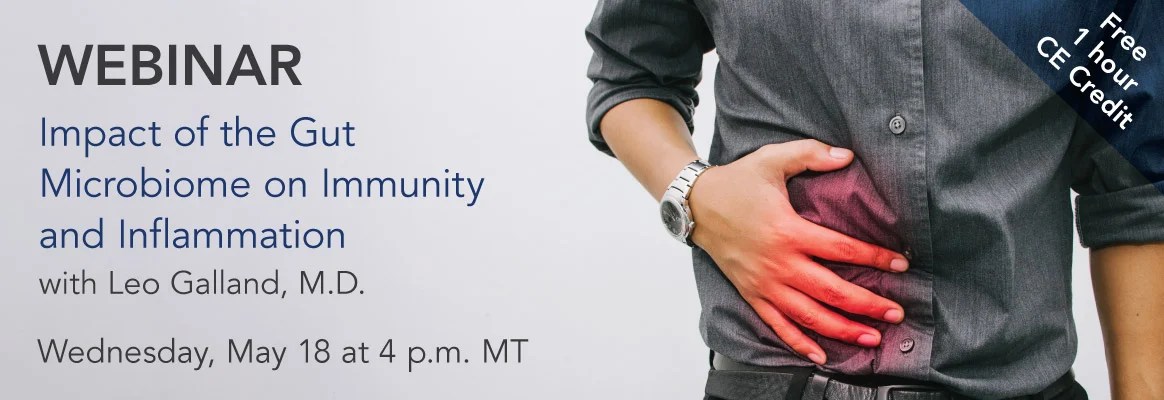
FREE Webinar: Impact of Gut Microbiome on Immunity & Inflammation

https://info.allergyresearchgroup.com/impact-of-the-gut-microbiome-on-immunity-and-inflammation-webinar


Impact of the Gut Microbiome on Immunity and Inflammation

Description 

The gut microbiome consists of a complex set of microbial communities that shape human physiology in multiple ways, both subtle and profound. Two-thirds of the body’s lymphocytes reside in gut-associated lymphoid tissue (GALT) or traverse GALT and return home to other organs. Interaction between gut microbes and GALT creates a basal state of immune activation that starts at the mucosal surface and impacts the entire body. The composition and metabolic activity of intestinal microbes yields effects that promote inflammation and that help resolve inflammation. These effects result from the impact of structural components of microbial cells (e.g., lipopolysaccharides) and metabolites of microbial enzyme activity (e.g., butyrate, hydrogen sulfide).

Recent studies have shown that T-lymphocyte function is especially sensitive to the bacterial composition of the microbiome. The structure and function of the gut microbiome is molded by personal genetics, diet, co-habitation, environmental toxins, hygiene, personal care products, psychosocial stress, intercurrent infections, vitamin D, tryptophan metabolites, nutritional status, medications, herbs, probiotics, and prebiotics. Disturbances in the ecology of the microbiome/host relationship create a condition called dysbiosis, which influences the development and the outcome of many different diseases. The ability to recognize and correct dysbiosis is a skill that can help clinicians improve the outcomes of infectious, allergic, and autoimmune disorders and may aid the immunotherapy of malignancy.

We hope you can join us live on May 18th at 4 PM MT. If not, don’t worry, signing up will still grant you access to the webinar recording.

Time 

2022-05-18 16:00:00 MT
Speaker:
Leo Galland, M.D., is recognized as a world leader in functional and integrative medicine and a pioneer in the study of intestinal permeability and the gut microbiome as they impact immune function and systemic health. Educated at Harvard University and the NYU School of Medicine, he completed a residency in internal medicine at the N.Y.U.-Bellevue Medical Center and held faculty positions at the Albert Einstein College of Medicine, Stony Brook University and the University of Connecticut, where he also completed a fellowship in Behavioral Medicine. He subsequently served as Director of Clinical Research at the Gesell Institute of Human Development in New Haven, Connecticut. Since 1985, he has maintained a private consulting practice in New York City where he evaluates and treats patients with complex medical disorders, who visit him from all over the world. Board certified in internal medicine, he is a Fellow of the American College of Physicians and the American College of Nutrition. Dr. Galland has received the Albert Norris Marquis Lifetime Achievement Award from Marquis Who’s Who for his contributions to medical innovation and the Linus Pauling Award from the Institute of Functional Medicine for developing basic principles of functional medicine. He is recognized in The Leading Physicians of the Worldand America’s Top Doctors. Dr. Galland has contributed to world medical literature with several dozen articles in scientific journals and chapters in medical textbooks. He created the section on Functional Foods for the Encyclopedia of Human Nutrition. An international best-selling author, Dr. Galland has appeared in The New York Times, The Washington Post, The Wall Street Journal, on the Dr. Oz Show, The Today Show, and Good Morning America, PBS, CNN, MSNBC, and Fox. His PBS Special, The Allergy Solution, aired over a thousand times. Since January 2020, he has studied the COVID-19 pandemic in depth, compiling his findings in an online, extensively referenced and free Coronavirus Guidebook, and has created educational videos on the long COVID syndrome.
For more:

Lyme & Headaches: Natural Relief for the 5 Most Common Causes

https://rawlsmd.com/health-articles/lyme-headaches-natural-relief-for-the-5-most-common-causes

by Jenny Menzel, H.C.
Posted 3/17/22

Take a look at just about every ailment in medical literature, and there’s a good chance you’ll see “headache” listed as a possible symptom, but not all headaches are a result of underlying illness. Most people who get occasional headaches will pop an over-the-counter pain reliever and carry on, but it’s not always that simple for those battling chronic Lyme disease.

Lyme-induced headaches can be constant and debilitating, disrupting everyday tasks that can often be taken for granted — like walking the dog, making breakfast for the kids, or going to work. These symptoms can be so severe that getting out of bed to shower might be the day’s largest accomplishment, with modern headache medicine often unable to supply relief.

old age, health problem, vision and people concept - close up of Asian senior woman  sitting on sofa and having headache at home.She may had Headache Symptoms.She looks pain  and sick

Approximately 80% of children and 50% of adults get Lyme-related headaches, with roughly 17% experiencing at least moderate migraines. Many continue suffering through the pain for months to years with little reprieve. Plus, added to the emotional stress of managing chronic headache pain is the maze of trying to figure out what triggered it in the first place.

So why does Lyme disease cause headaches? And what can you do to find lasting relief? If you’ve been struggling for a while with Lyme and the headaches that often accompany this complex illness, consider whether the following might be contributing factors for you. Although some people might stumble upon a quick fix, that’s probably not the norm for most, so you may have to be persistent in your healing efforts before noticing changes.

5 Lyme Headache Causes and Solutions

various microbes icons

Cause 1: Untreated Microbes

A common misperception about microbes is that they’re generally bad and should be killed. However, our bodies house trillions of helpful microorganisms, which outnumber our own cells by about 10 to 1 and account for up to 3% of our body weight. They’re essential to maintaining homeostasis and balancing our body’s microbiome.

But this balance can be upset when Borrelia burgdorferi, the bacteria that causes Lyme, and coinfections, including bartonella, babesia, and mycoplasma, among others, proliferate throughout the body. The result? They may entrench themselves into places like the brain, kicking up a storm of headache-causing neuroinflammation as the body tries its best to corral the stealth pathogens.

herbal supplement bottle and capsule icon

Solution: Suppress Microbes with Antimicrobial Herbs

To make some progress, you may need to focus on long-term ways to suppress harmful microbes. Herbal antimicrobials may not be as potent outright as traditional antibiotics, but they can combat bacteria over an extended period of time without disrupting the microbiome or the toxicity that can come with aggressive drug therapies. Herbs also boost immunity and tame inflammation — typically not something antibiotics have a flair for. Top herbal choices include:

  • Andrographis: Andrographis has a longstanding history of medicinal use in India, and it contains antibacterial, antiviral, and antiparasitic properties. It also has immune-enhancing, cardioprotective, and liver-protective qualities.
  • Cat’s claw: Native to the Amazon region, cat’s claw contains antimicrobial properties and is a foundational herb in most Lyme disease protocols. Additionally, it has immune-modulating and anti-inflammatory qualities.
  • Japanese knotweed: Japanese knotweed with resveratrol has been used for centuries in traditional Asian medicine, and it’s a potent antioxidant with antimicrobial and anti-inflammatory properties. The herb may also assist in combating bartonella.
  • Chinese skullcap: As a multi-purpose herb, Chinese skullcap has antimicrobial properties, decreases cytokines, and supports immunity. It works well with other herbal remedies to enhance their effectiveness.
  • Sarsaparilla: The root of sarsaparilla has been used throughout the tropics for inflammatory conditions of the skin, connective tissues, and the bowel. It binds to and helps dispose of endotoxins that are released from microbes during die-off.

image split between andrographis, cats claw, japanese knotweed, chinese skullcap, and sarsaparilla

Exciting research published in Frontiers adds credence to the use of plant extracts to combat persistent infections. Japanese knotweed, in particular, offered superior protection against a wide range of microbes by busting biofilms and crossing the blood-brain barrier, where Lyme can impact different regions in the brain and potentially produce headaches. Other herbs that showed antimicrobial properties were black walnut, sweet wormwood, Mediterranean rockrose, and cryptolepis, and they were capable of outperforming common Lyme-fighting antibiotics like doxycycline.

If you’re new to herbal therapy, working with a well-trained, Lyme-literate practitioner or doctor can help you find the right blend of antimicrobial herbs to reduce the frequency and intensity of your Lyme headaches.

flame or inflammation icon

Cause 2: Herxheimer Reactions

Herxheimer reactions (usually referred to as a herx or herxing) can occur within days of starting or increasing dosages in your Lyme protocol. And while plant-based antimicrobials are gentler on the body than antibiotics, they still effectively kill bacteria, which means they’re not exempt from causing herx reactions, including headaches, due to pathogenic die-off.

When these microscopic bugs are attacked and killed, pieces of dead bacteria called endotoxins can create an inflammatory autoimmune-like response. If you find your headaches increase after introducing any form of antimicrobial agents to your system, it may be a sign that you’re not expelling endotoxins fast enough.

icon of water drop with circling arrow

Solution: Detoxify Your Body

Getting your organs of elimination (colon, skin, liver, kidneys, lymph, and lungs) opened up and operating optimally is at the core of minimizing herx reactions, and there are many ways to detox and expel inflammatory endotoxins to improve head pain:

Clean Your Pipes

Constipation is a sign of hampered digestion, keeping toxins stuck in your body and recirculating when they need to get out. Eating a whole-food diet full of fibrous fruits and veggies supports a healthy gut microbiome and increases your ability to export toxins. If diet alone isn’t doing the trick, natural remedies like castor oil packs on the belly, professional colonics, or supplementing with magnesium may keep things flowing.

Sweat It Out

Sweating through your body’s largest elimination organ, the skin, is imperative to ejecting toxins. Exercise is a great way to induce sweat but not necessarily when you’re in the throes of a Lyme headache or migraine. If you’re feeling too depleted for exercise, far-infrared (FIR) saunas, red light therapy, or heating pads can raise your body temperature and spark a toxin-removing sweat session while honoring your need for rest.

Support Your Liver

Your liver works hard to filter toxic waste from the blood and breakdown harmful substances in the body — support it with N-acetyl cysteine (NAC), a valuable antioxidant and glutathione precursor which helps reduce inflammatory cytokines, protect nerve tissues, and combat the toxins that may trigger migraines. One study found that NAC helps reduce the frequency of monthly headaches when combined with vitamins C and E as a preventative measure.

Manage Your Lymph Fluid

Much like the circulatory system carries nutrient-rich blood into our cells for nourishment, the lymphatic system has a similar network of vessels that carries waste away from those same cells, helping us stay healthy by fighting infection. However, there’s one major difference: Our hearts automatically pump blood, whereas our lymphatic system has no such pump and requires the action of your muscles and respiratory system to keep it moving. Manage your lymph fluid by exercising, dry brushing your skin, and adequately hydrating to help your body remove toxic waste.

Be Mindful of Your Breath

Deep breathing has displayed a number of detoxifying effects on the body by reducing stress and circulating lymph. Evidence also shows deep breathing can alter the perception of pain by modulating the sympathetic nervous system through relaxation. A breathing technique that can help your body’s ability to rest and digest is the down-regulated breath, which involves slowing your breathing down to four breaths (or less) per minute.

How to practice down-regulated breathing: In a seated or resting position, slowly inhale through your nose for a count of eight, raising your belly and then your lungs. Hold for a bit at the top of the breath. Then, exhale through your nose while deflating your belly and lungs for a count of eight.

Practice this for a few rounds until you feel yourself relaxing. Because of the strong parasympathetic response, this breath is best done after a meal, before bed, or any time you feel anxious (never while driving). It may take time to reach a full eight counts on each inhale and exhale, but with practice, you’ll find your rhythm.

icon of fork and knife

Cause 3: Food Sensitivities

True food allergies and intolerances are hard to miss and can even be life-threatening in some cases. But for many with Lyme, subtle food sensitivities form slowly and go undetected as a result of leaky gut syndrome — an inflammatory condition caused by intestinal permeability, usually due to long-lived gut imbalances from infections, prolonged antibiotic use, poor diet, and stress. Indeed, many people can pinpoint specific foods that bring on headaches and migraines, but what can be done about it?

stomach icon

Solution: Work on Gut Health

While nixing the offending foods should be at the top of the to-do list to minimize headaches, healing your gut is also a priority so that you don’t have to avoid these foods forever. Demulcent herbs like slippery elm can rebuild the mucosa in your gut lining, while digestive enzymes aid in breaking down the food you eat. The abundant amino acid L-glutamine shows ample ability to increase the tight junction proteins needed for a strong intestinal wall. Additionally, bitter herbs like dandelion and burdock will also take a load off the liver to assist digestion.

icon of two different pills

Cause 4: Medications

Headaches are a side effect of some antibiotics. Those with chronic Lyme disease have often tried a range of antibiotic interventions, making it difficult to tell if the headaches stem from medication use or the illness itself. What’s more, in an effort to cope with head pain or migraines, the overuse of certain pain-relieving medications often end up doing the opposite of their intended design: Instead of alleviating headaches, they wind up causing them.

herbal supplement bottle icon

Solution: Seek Natural Pain Relief

Magnesium

Research suggests that different forms of magnesium, the crucial mineral responsible for over 300 biochemical reactions in the body, has promising potential for migraine relief, with intravenous (IV) magnesium sulphate offering the most impressive results. But if IV magnesium isn’t realistic every time you have a Lyme-related headache, supplementing it may be beneficial for you. However, not all magnesium is created equal. For example, inexpensive magnesium oxide isn’t readily absorbed by the body and may cause loose stools and stomach upset. Instead, opt for such bioavailable forms as magnesium glycinate or liposomal magnesium, the form of the mineral most able to cross the blood-brain barrier.

Biofeedback

Biofeedback is a non-invasive way to gain greater awareness and control over certain body functions, and it’s proven itself as a useful tool to reduce migraines as well. As a matter of fact, a study published in Behavioral and Brain Functions found migraine frequency and symptom severity were cut in half for up to 70% in the study participants.

The average sustained results lasted around 14.5 months after therapies were discontinued — and one of three biofeedback therapies used in the trial, hemoencephalography (HEG), was considered to be a superior migraine management tool compared to other biofeedback options. Plus, when administered by a trained professional (like a healthcare provider), most insurance carriers often cover biofeedback sessions.

Curcumin

This primary anti-inflammatory compound found in the spice turmeric has been attributed to providing potent pain relief, according to one study in the International Journal of Preventive Medicine. Curcumin has proven its power to reduce the severity, frequency, and duration of headache and migraine symptoms by targeting the same NF-kB and COX pathways as aspirin and ibuprofen, thereby regulating pain and inflammation known to cause migraine headaches.

lightning bolts for stress icon

Cause 5: Chronic Stress

It’s a safe bet that if we were to dig to the root of all illness, some form of physical, mental, or emotional stress could be found. In fact, according to a study published in The Journal of Headache and Pain, perceived stress is the most common trigger of chronic migraines. There are proven ways to modulate our body’s stress response, but finding the methods that work best for you is what matters most — as it should be something you can maintain long enough to experience the benefits.

calming waves icon

Solution: Calm Your Nervous System

Learning to self-soothe in stressful situations can go a long way toward curbing headaches. However, if you feel like you’ve tried everything to get rid of them, get back to the basics with a stress-reducing, mind-body practice, where you can be in control. But don’t let this be one more thing on your to-do list that stresses you out, too. Keep it simple by choosing one practice you feel curious about, start slow, and be consistent. Some mind-body options to consider include:

Managing these five causes can go a long way toward warding off future headaches and migraines caused by Lyme (and life). And while it may seem overwhelming to keep up with it all, investing time and effort into just a few of these solutions will eventually pay off. Keep at it, even if relief isn’t felt overnight. It can and often does get better.

Dr. Rawls is a physician who overcame Lyme disease through natural herbal therapy. You can learn more about Lyme disease in Dr. Rawls’ new best selling book, Unlocking Lyme.

You can also learn about Dr. Rawls’ personal journey in overcoming Lyme disease and fibromyalgia in his popular blog post, My Chronic Lyme Journey.

REFERENCES
1. Busch V, Magerl W, Kern U, Haas J, Hajak G, Eichhammer P. The effect of deep and slow breathing on pain perception, autonomic activity, and mood processing–an experimental study. Pain Med. 2012;13(2):215-228. doi: 10.1111/j.1526-4637.2011.01243.x
2. Donta ST. Issues in the diagnosis and treatment of lyme disease. Open Neurol J. 2012;6:140-145. doi: 10.2174/1874205X01206010140
3. Feng J, Leone J, Schweig S, Zhang Y. Evaluation of natural and botanical medicines for activity against growing and non-growing forms of B. Burgdorferi. Frontiers in Medicine. 2020;7. doi: 10.3389/fmed.2020.00006
4. Logigian EL, Kaplan RF, Steere AC. Chronic neurologic manifestations of lyme disease. New England Journal of Medicine. 1990;323(21):1438-1444. doi: 10.1056/nejm199011223232102
5. Moon HJ, Seo JG, Park SP. Perceived stress in patients with migraine: a case-control study. J Headache Pain. 2017;18(1):73. doi: 10.1186/s10194-017-0780-8
6. Naik GS, Gaur GS, Pal GK. Effect of Modified Slow Breathing Exercise on Perceived Stress and Basal Cardiovascular Parameters. Int J Yoga. 2018;11(1):53-58. doi: 10.4103/ijoy.IJOY_41_16
7. Rao R, Samak G. Role of Glutamine in Protection of Intestinal Epithelial Tight Junctions. J Epithel Biol Pharmacol. 2012;5(Suppl 1-M7):47-54. doi: 10.2174/1875044301205010047
8. Rebman AW, Bechtold KT, Yang T, et al. The clinical, symptom, and quality-of-life characterization of a well-defined group of patients with Posttreatment Lyme disease syndrome. Frontiers in Medicine. 2017;4. doi: 10.3389/fmed.2017.00224
9. Visser EJ, Drummond PD, Lee-Visser JLA. Reduction in Migraine and Headache Frequency and Intensity With Combined Antioxidant Prophylaxis (N-acetylcysteine, Vitamin E, and Vitamin C): A Randomized Sham-Controlled Pilot Study. Pain Pract. 2020;20(7):737-747. doi: 10.1111/papr.12902
10. Yablon LA, Mauskop A. Magnesium in headache. In: Vink R, Nechifor M, editors. Magnesium in the Central Nervous System [Internet]. Adelaide (AU): University of Adelaide Press; 2011. Available from: https://www.ncbi.nlm.nih.gov/books/NBK507271/

Neem – Everything You Need to Know

https://vitalplan.com/ingredients/neem

By Dr. Bill Rawls

NEEM QUICK FACTS

Common name: Neem
Scientific Name: Azadirachta indica
Other names: Neem tree, nim, nimtree, Indian lilac, margosa, nimba
Family: Meliaceae
Location: Mainly cultivated in the Indian subcontinent
Known for: Bitter taste and antimicrobial properties
Part Used: Stem bark, leaves, and seeds
Fun fact: In addition to being used medicinally, neem sprays make eco-friendly and very effective insecticides and fungicides for use in organic gardens and on house plants.
Good for: Microbial infections, inflammatory conditions of the skin and gut, gut dysbiosis, stomach hyperacidity, detoxification, lung health, and metabolic health
Key Properties & Actions: anti-inflammatory, hypoglycemic, antipyretic (lowers fevers), antimalarial, antifungal, antiviral, antioxidant, antiamoebic, and a bitter digestive tonic

Summary

Neem is a fast-growing and long-living tree that has earned the title of “village pharmacy” in its native home of India.2 Fully stocked with medicinal value, neem supports healing of a wide variety of acute and chronic ailments but is most well-known for its broad-spectrum and potent antimicrobial properties. Additionally, it is often used for helping relieve gut microbiome imbalances, supporting skin and hair health, and supporting normal blood sugar levels.

What is Neem?

close up view of neem leaves

Bitter neem leaves are the most widely used part of the neem tree, a fast-growing medicinal plant belonging to the mahogany family.

Dubbed the Tree of the 21st Century by the United Nations, the neem tree has become one of the most heavily researched plants in the past few decades due to its potent and wide-ranging medicinal value. It has established itself over centuries as an affordable remedy of choice, especially in developing countries, where up to 80% of people rely on plant medicine as their main source of healthcare.3

This fast-growing evergreen erects a straight trunk as high as 100 feet with a canopy as wide as 65 feet, making it an excellent shade tree in the sunny climates where it prefers to grow.

View of rows of neem trees, with many green leaves growing on mounds in rural Thai agriculture.

A neem tree can grow 100 feet tall and 65 feet wide, making it an excellent shade tree in the hot climates where it grows. Plants in hotter climates often have broad antimicrobial medicinal activity since they must produce more phytochemicals to defend themselves against microbes that flourish in warmer climates.

Green leaves and stem bark are the most commonly used medicinal parts of the neem tree, but it also has blooming white flower clusters that produce a sweet lilac scent that carries for miles. Although not exactly tasty, neem trees also produce edible olive-shaped fruits that turn from green to yellow when ripe, holding one to three seeds inside.

Neem can grow almost anywhere, withstanding temperatures ranging between 40ºF to 120ºF. They routinely grow as old as 200 years and can be found throughout much of Asia, Africa, South America, and even in the warmer regions of Australia and the United States.8

A butterfly enjoying a sweet honey-scented neem flower

A butterfly enjoying a sweet honey-scented neem flower.

Benefits of Neem and How It Works

Broad-Spectrum Antimicrobial Properties

When it comes to fighting viruses, bacteria, parasites, and fungi, neem has been used for acute topical and internal infections as well as for combatting longer-lasting, insect-borne infections such as chronic Lyme disease, West Nile virus, chikungunya, and dengue fever.13 Numerous studies have isolated over 400 active chemical compounds found in neem, which helps explain its protective activity against the infections mentioned above as well as candida, salmonella, chlamydia, herpesviruses, methicillin-resistant Staphylococcus aureus (MRSA), and more.1

Although a group of active compounds in neem called limonoids have been shown to combat malaria-infected cells in mice in one particular study, the overall conclusions are mixed. Other studies found that neem failed to eliminate malaria symptoms. However, new research on a limonoid compound called gedunin is providing hope that different preparations and dosing methods of neem may create more consistent results in combating aspects of this particular disease.14

Balances the Gut Microbiome and Supports Digestion

Neem’s championed antimicrobial properties also help to stabilize gut flora, and it has been used for fighting against gut dysbiosis issues, including small intestine bacterial overgrowth (SIBO), intestinal parasites, and candida. Not only does neem support a healthy microbiome by eliminating inflammatory toxins and pathogens, but it also has been studied for its ability to break up intestinal biofilms and reduce hyperacidity, which can help heal and prevent gastric and intestinal ulcers.6 All of these gut health benefits can have positive impacts on the nervous system due to an intimate connection via the gut-brain axis.

Metabolic Support

Neem extract has been used to help lower blood sugar levels in people with metabolic syndrome and Type 2 diabetes. In several human studies, neem, given as an adjunct to diabetic medications such as metformin, showed enhanced results compared to using the medications alone. Not only did the combination lower blood sugar levels, but it also reduced hemoglobin A1C levels (a better measure of average long-term blood sugar levels) as well as improved the blood triglyceride and cholesterol profile.15,16,17

Detoxifies the Body

Ayurveda, one of the primary traditional medical systems of India, suggests that ama (natural toxins that accumulate in the body as a result of environmental, dietary, and lifestyle choices) is the main source of most disease-causing imbalances outside of infection — and neem is at the top of the list of ama-detoxifying plants.

Modern science agrees with labeling neem a toxin-purifying herb, and one of its phytochemical compounds called nimbin leads the way in providing antiseptic and antifungal effects.4 Neem clears toxicity from the body, specifically by dilating blood vessels (which promotes the removal of waste), regulating bile production, and reducing inflammation associated with chronic and acute infections. Eliminating toxins from the body can create a host of benefits, including boosted immunity and energy.

Supports Skin Health

Neem’s claim to fame in the modern world has been due, in large part, to its beauty-enhancing effects on the skin. Inflammation, poor detoxification, and microbiome imbalances in the body can manifest through the skin in the form of acne, redness, irritation, rashes, and decreased wound healing. Neem’s antimicrobial and anti-inflammatory properties, used both topically and internally, have been found to help clear and heal wounds and other skin irritations.7

Promotes Hair Health

Along with our skin, hair also reflects our identity and health, and if you have problems with either, neem oil (pressed from neem seeds) doesn’t disappoint. One important compound in neem called azadirachtin12 has insecticidal properties powerful enough to thwart parasites like lice13 and antifungal actions that prevent the buildup of fungi on the scalp that often causes dandruff.11

In Ayurveda, where neem has been used for hair health for centuries, hair loss is considered to be caused by what is referred to as “excess heat trapped in the head,” which can lead to thinning, flaking, itchiness, and drying of the scalp. Neem’s cooling property quells and reduces “trapped heat,” while neem oil lubricates follicles, boosts blood flow to the head, and nourishes the scalp with essential nutrients needed for lively locks.

Enhances Oral Hygiene

Neem’s antibacterial properties make it a perfect herb to combat unhealthy bacteria in the mouth. One study shows that neem’s antiseptic action protects teeth and gums against plaque-induced gingivitis, proving to be equally as effective as oral disinfectants like chlorhexidine, a germicidal drug often used in medicated mouthwashes for gingivitis.9 Indeed, in many countries where neem plants flourish, the twigs themselves are used as a sort of rudimentary toothbrush to keep teeth and gums healthy and mouth microbes in check.7

Supports the Respiratory Tract

A study published by the International Journal of Molecular Medicine found neem leaf extract significantly reduced inflammation caused by cigarette smoke in the lungs of mice, suggesting the potential for neem to assist with symptoms of chronic obstructive pulmonary disease (COPD).10

Medicinal neem leaves with fruits close up

Ripened neem fruits hold one to three seeds, which have reportedly been used historically as a natural birth control method. This is one reason that use of neem is not advised for pregnant women or women planning to become pregnant.
History & Traditional Use

While neem is best known for its use as an Ayurvedic herb, the revered tree has even deeper roots in the oldest of the three main Indian medical systems known as Siddha medicine, dating as far back as 10,000 B.C. to 4,000 B.C in South Indian Tamil culture.

In some of its earliest usage, neem flowers were used to prevent bile disorders, and the neem leaf was used to relieve symptomatic ulcers. Neem bark, on the other hand, was used in central nervous system-related disorders.

Many of these ancient claims are supported by today’s science, too. For example, anxiety has been shown to be improved by neem without causing impaired motor function — a common side effect often experienced while taking some anti-anxiety medications.11

wooden bowl of neem leaf powder with pile of leaves behind

Neem leaf powder is most often used topically for skin, hair, and dental health.

How to Use and Dosing

Just as there are multiple ways neem benefits the body, there are a variety of forms of delivery using different parts of the neem tree.

For Internal Use

As a Supplement: Neem is often taken as a whole-herb powder, powdered extract, or tincture. Dosing always depends on the product quality, preparation method, and the individual using it, but here are some generally recommended serving sizes for reference. For products made from the powder of the whole leaf, general dosage recommendations are typically in the range of 500 to 1000 mg, 1-2 times daily. For powdered leaf extracts, 150 to 250 mg, 1-2 times daily. For a neem leaf tincture, 0.5 to 1 mL, 1-3 times daily.

Neem works well with other antimicrobial herbs such as houttuynia, cryptolepis, Chinese salvia, prickly ash, andrographis, cat’s claw, and Japanese knotweed.

As Herbal Tea: Drinking neem tea isn’t typically the most preferred method of consuming neem due to its bitter nature. The bitterness is due to many of its antimicrobial compounds, but thankfully there are ways to dress it up for your enjoyment if you want to take it as a tea.

Adding citrus, ginger, mint, berries, cinnamon, or a pinch of a sweetener of your choice to your neem tea can help offset its astringency. Keep it simple, and start light by combining a small amount of whole neem leaves or neem powder with one or two of the above options until you find the winning combo.

For External Use

As a Powder: Calm red and inflamed skin by adding neem powder to a hot bath for a medicinal soak.

Neem Ayurvedic Oil with Mortar and Pestle

Neem oil is pressed from the seeds of neem fruits and can tame acne and inflammation in the skin and also decrease dandruff.

Neem Oil for Smooth Skin: A few drops of neem oil applied to the face (and larger amounts as needed for the body) 20-30 minutes before showering can improve skin moisture and reduce acne.

Neem Oil for Healthy Hair: To relieve dandruff or simply nourish your hair, rub neem oil into the scalp using the pads of your fingertips to avoid scraping your skin with your nails. Let the oil soak in for up to an hour before washing it out with shampoo.

Interactions

Because neem has been shown to reduce blood glucose, people with diabetes or anyone on blood sugar-lowering medications should work with their healthcare provider before taking neem internally.12

Always check with your healthcare practitioner before use if you are taking medications. For more general education on potential interactions between herbs and medications, check out Dr. Bill Rawls’ article: Is it Safe to Take Herbs with My Medications?

Precautions & Side Effects

Do not use neem internally if you are pregnant or trying to conceive. As neem is such a potent herb, it’s typically best used at lower doses in combination with other balancing herbs. Traditional use suggests it’s best to avoid taking large doses of neem for an extended time, especially for those with a tendency toward having cold, dry constitutions.

Disclaimer

This information is intended only as general education and should not be substituted for professional medical advice. Any mentioned general dosage options, safety notices, or possible interactions with prescription drugs are for educational purposes only and must be considered in the context of each individual’s health situation. Use this information only as a reference in conjunction with the guidance of a qualified healthcare practitioner.

Want to See the Science? Check Out Our References Below.

1. Kharwar RN, Sharma VK, Mishra A, et al. Harnessing the phytotherapeutic treasure troves of the ancient medicinal plant azadirachta indica (neem) and associated endophytic microorganisms. Planta Medica. 2020;86(13/14):906-940. doi: 10.1055/a-1107-9370
2. Gupta SC, Prasad S, Tyagi AK, Kunnumakkara AB, Aggarwal BB. Neem (azadirachta indica): An Indian traditional panacea with modern molecular basis. Phytomedicine. 2017;34:14-20. doi: 10.1016/j.phymed.2017.07.001
3. Kumar VS, Navaratnam V. Neem (Azadirachta indica): Prehistory to Contemporary Medicinal Uses to Humankind. Asian Pac J Trop Biomed. 2013;3(7):505-514. doi: 10.1016/S2221-1691(13)60105-7
4. Islas JF, Acosta E, G-Buentello Z, et al. An overview of neem (Azadirachta indica) and its potential impact on health. Journal of Functional Foods. 2020;74:104171. doi: 10.1016/j.jff.2020.104171
5. Sarkar L, Oko L, Gupta S, et al. Azadirachta indica A. Juss bark extract and its nimbin isomers restrict β-coronaviral infection and replication. Virology. 2022;569:13-28. doi: 10.1016/j.virol.2022.01.002
6. Harjai K, Bala A, Gupta RK, Sharma R. Leaf extract of Azadirachta indica (neem): a potential antibiofilm agent for Pseudomonas aeruginosa. Pathog Dis. 2013;69(1):62-65. doi: 10.1111/2049-632X.12050
7. Alzohairy MA. Therapeutics Role of Azadirachta indica (Neem) and Their Active Constituents in Diseases Prevention and Treatment. Evid Based Complement Alternat Med. 2016;2016:7382506. doi: 10.1155/2016/7382506
8. Abdel-Ghaffar F, Al-Quraishy S, Al-Rasheid KA, Mehlhorn H. Efficacy of a Single Treatment of Head Lice with a Neem Seed Extract: An In Vivo and In Vitro Study on Nits and Motile Stages. Parasitol Res. 2012;110(1):277-280. doi: 10.1007/s00436-011-2484-3
9. Chatterjee A, Saluja M, Singh N, Kandwal A. To Evaluate the Antigingivitis and Antiplaque Effect of an Azadirachta indica (Neem) Mouthrinse on Plaque Induced Gingivitis: A double-blind, randomized, controlled trial. J Indian Soc Periodontol. 2011;15(4):398-401. doi: 10.4103/0972-124X.9257
10. Lee JW, Ryu HW, Park SY, et al. Protective effects of neem (Azadirachta indica A. Juss.) leaf extract against cigarette smoke- and lipopolysaccharide-induced pulmonary inflammation. Int J Mol Med. 2017;40(6):1932-1940. doi: 10.3892/ijmm.2017.3178
11. Thaxter KA, Young LE, Young RE, Parshad O, Addae J. An extract of neem leaves reduces anxiety without causing motor side effects in an experimental model. West Indian Med J. 2010;59(3):245-248. https://pubmed.ncbi.nlm.nih.gov/21291100/
12. Pingali U, Ali MA, Gundagani S, Nutalapati C. Evaluation of the Effect of an Aqueous Extract of Azadirachta indica (Neem) Leaves and Twigs on Glycemic Control, Endothelial Dysfunction and Systemic Inflammation in Subjects with Type 2 Diabetes Mellitus – A Randomized, Double-Blind, Placebo-Controlled Clinical Study. Diabetes Metab Syndr Obes. 2020;13:4401-4412. Published 2020 Nov 17. doi: 10.2147/DMSO.S274378
13. Parida MM, Upadhyay C, Pandya G, Jana AM. Inhibitory potential of neem (Azadirachta indica Juss) leaves on dengue virus type-2 replication. J Ethnopharmacol. 2002;79(2):273-278. doi: 10.1016/s0378-8741(01)00395-
14. ​​MacKinnon S, Durst T, Arnason JT, et al. Antimalarial activity of tropical Meliaceae extracts and gedunin derivatives. J Nat Prod. 1997;60(4):336-341. doi: 10.1021/np9605394
15. Waheed A, Miana GA, Ahmad SI. Clinical investigation of hypoglycemic effect of seeds of Azadirachta-inidca in type-2 (NIDDM) diabetes mellitus. Pak J Pharm Sci. 2006;19(4):322-325. https://pubmed.ncbi.nlm.nih.gov/17105712/
16. Patil SM, Shirahatti PS, Ramu R. Azadirachta indica A. Juss (neem) against diabetes mellitus: a critical review on its phytochemistry, pharmacology, and toxicology [published online ahead of print, 2021 Sep 25]. J Pharm Pharmacol. 2021;rgab098. doi: 10.1093/jpp/rgab098
17. Pingali U, Ali MA, Gundagani S, Nutalapati C. Evaluation of the Effect of an Aqueous Extract of Azadirachta indica (Neem) Leaves and Twigs on Glycemic Control, Endothelial Dysfunction and Systemic Inflammation in Subjects with Type 2 Diabetes Mellitus – A Randomized, Double-Blind, Placebo-Controlled Clinical Study. Diabetes Metab Syndr Obes. 2020;13:4401-4412. Published 2020 Nov 17. doi: 10.2147/DMSO.S274378

*This statement has not been evaluated by the Food and Drug Administration. This product is not intended to diagnose, treat, cure, or prevent any disease. Always consult your qualified healthcare provider before beginning any diet or program.