Archive for the ‘Heart Issues’ Category

Spate of Cardiac Arrests & 3 Bits of Advice If You Got the Clot Shot

http://  Approx. 9 Min

Flight Instructor Dies Mid-Flight

TrialSite News, Video Link

Feb. 23, 2023

A flying instructor, who held a Class 1 Medical, died inflight while flying with a qualified pilot. The pilot thankfully was able to land the aircraft safely. A post-mortem concluded that the instructor died from acute cardiac failure. And UNLV football player Ryan Keeler’s death is being investigated by Las Vegas authorities after the 20-year-old was found unresponsive in bed in a studio apartment.

http://

Pregnant Mom Dies of Cardiac Arrest

TrialSite News, Video Link

Feb. 20, 2023

Zoe Green, 26-years-old from Kettering, was found dead on the floor in her bathroom by her mother. The mother-of-three has died alongside her unborn baby boy after suffering a sudden cardiac arrest. Meanwhile, a Jackson State football player, Kaseem Vauls suffers cardiac arrest at the University of Mississippi Medical Center. He was resuscitated, but remains in critical condition. Doctors have told his father, William Vauls that his heart was functioning at 10-15%.

https://makismd.substack.com/p/over-96-canadian-children-ages-2

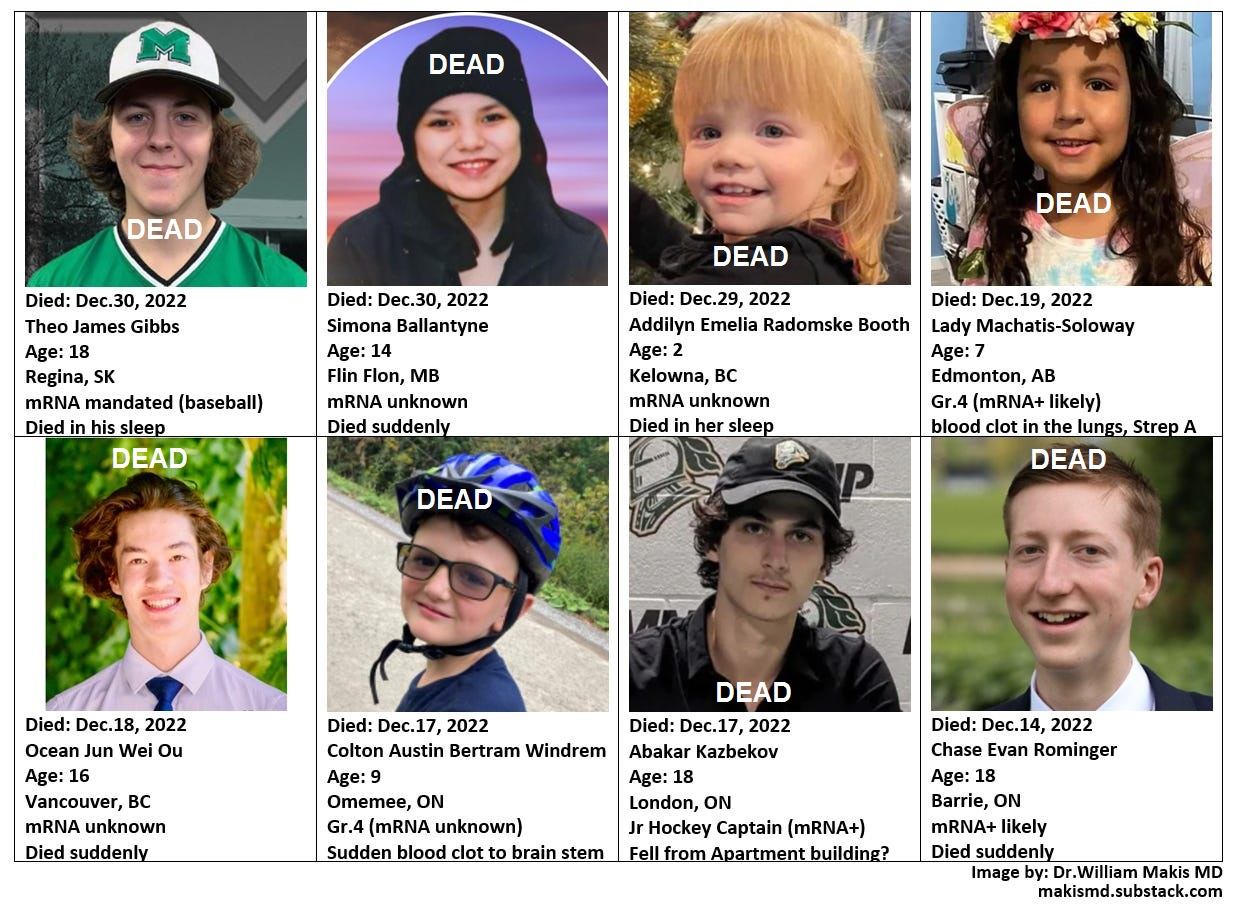
Over 96 Canadian children ages 2-19 have died suddenly or unexpectedly in the past 3 months – a warning call for Canadian parents.

My most important warning call on COVID-19 mRNA vaccines yet…
In the August 2022 James Gill paper titled “Autopsy Histopathologic Cardiac Findings in 2 adolescents following the second COVID-19 vaccine dose” (click here), two teenage boys died in their sleep within the first week after receiving the 2nd Pfizer COVID-19 mRNA vaccine dose. Both boys were pronounced dead at home.

Sudden deaths of Canadian children have skyrocketed in recent months. I have tracked these deaths since November 2022, when healthy Canadian children began to die from influenza, strep, myocarditis, blood clots, strokes, sudden deaths while playing sports and sudden deaths in their sleep (!)

I have been overwhelmed with the sheer number of these sudden deaths recently and this will be my last report of this kind.

The COVID-19 mRNA vaccine status in many of these tragic cases is unknown. Some of these children were mandated to have COVID-19 mRNA vaccines to play sports or attend University or College. While it is unknown in how many of these cases mRNA toxicity played a major factor, even ONE child death due to mRNA vaccine damage and injury, is one death too many.  (See link for article)

https://makismd.substack.com/p/canadas-youngest-athletes-ages-6

Canada’s youngest athletes, ages 6-13 are dying suddenly: COVID-19 vaccine mandates for children playing sports were a crime…

COVID-19 vaccines are banned for kids under 18 in Scandinavian countries

Canadian politicians, Public Health Officials and healthcare leaders committed many serious crimes during the COVID-19 pandemic, but one of the most heinous was the forced COVID-19 mRNA vaccination of healthy child athletes in 2021-2022 so they could continue to play sports. Here are some of Canada’s youngest athletes who died suddenly in the past 3 months. (See link for article)

https://makismd.substack.com/p/five-canadian-teenagers-ages-17-19

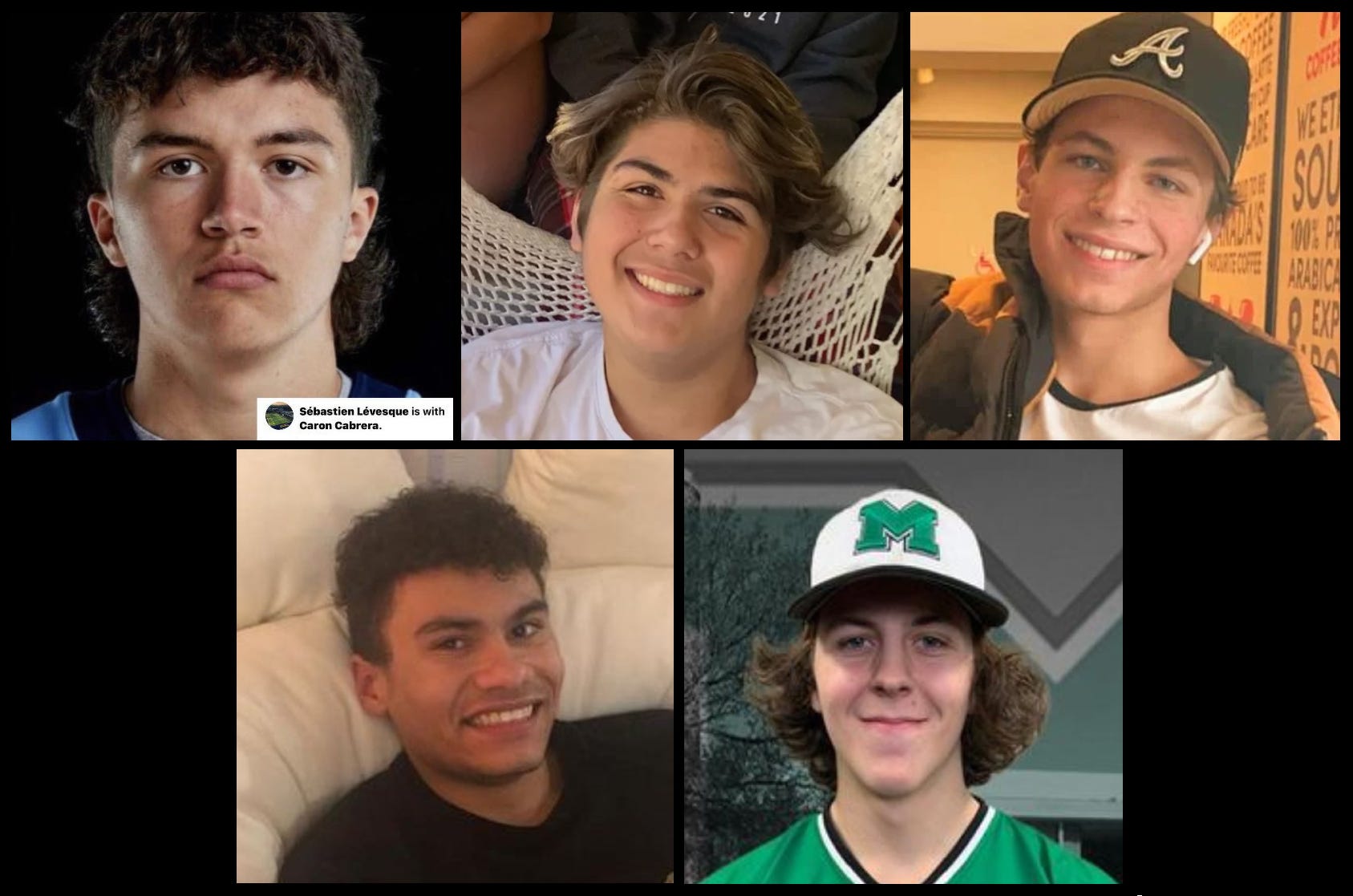
Five Canadian teenagers ages 17-19 died suddenly in their sleep in the past month…

This is a public health emergency!
(See link for article)

https://healthimpactnews.com/2023/triple-covid-vaxxed-25-year-old-medical-doctor-dies-suddenly-132-canadian-doctors-have-now-died-since-covid-vaccine-roll-out/

Triple COVID Vaxxed 25-Year-Old Medical Doctor Dies Suddenly

Youngest Canadian doctor dies suddenly at age 25, was forced to take three COVID-19 vaccines by his Medical School

by Dr. William Makis MD

Dr. Anthony Emanuel Chifor grew up in Windsor, Ontario. His family, like mine, was from Slovakia and had emigrated to Canada to find a better life.

He graduated from University of Windsor where he was celebrated as an Outstanding Scholar and a Lead Gold Medallion Scholar, earning his B.Sc. in Biology and Biochemistry with Great Distinction and was part of the Dean’s Honour Roll.

He was studying medicine at Wayne State University School of Medicine, in Detroit Michigan (USA), when he was forced to take three COVID-19 vaccines to continue his medical training.

He was in the process of completing his 3rd year of medical school when he died suddenly at the age of 25, on January 17, 2023.

He is currently the youngest Canadian doctor death in my database.

According to my research, deaths of Canadian doctors under the age of 30 increased by 900% in 2022 compared to the 2019-2020 average.

His medical school continues to enforce its COVID-19 vaccine mandate.

Read the full article at Dr. William Makis MD Substack.  Obituary here.

NEWS: 132 Canadian doctors have died suddenly or unexpectedly since COVID-19 vaccine rollout

by Dr. William Makis MD

Overall Canadian physician mortality in 2022 was 53% higher than 2019, however, as with all excess mortality data in highly COVID-19 vaccinated jurisdictions, this mortality is heavily skewed towards the younger age groups, with the youngest doctors – medical students or medical residents under age 30 dying at a 900% higher rate in 2022, compared to the 2019/2020 average.  (See link for article and pictures of all the deceased doctors forced to get the clot shot.)

Read the full article at Dr. William Makis MD.

This is happening all over the world.  Time to quit making excuses and blaming #ABV.

For more:

https://rumble.com/v2acppk-dr.-mccullough-issues-three-bits-of-advice-for-those-who-took-the-covid-19-.html  Video Here (Approx. 3 Min)

Dr. McCullough Issues Three Bits of Advice for Those Who Took the COVID-19 Shots

  1. Adverse effects appear to be cumulative.  DO NOT GET ANYMORE SHOTS.
  2. Be vigilant, especially for symptoms of blood clots and heart damage.
  3. Detoxify your body.  Nattokinase is currently being studied but there are no RCTs.  Preclinical trials show it degrades the toxic spike protein.

It should also be pointed out that although German and Spanish scientists have found toxic components in the shots, ingredients vary considerably from batch to batch, with some being highly toxic, while others might be nothing more than saline, or a true placebo.  So, there’s always hope.

For more:

Pacemakers for Lyme Carditis

https://danielcameronmd.com/pacemakers-for-lyme-carditis/

PACEMAKERS FOR LYME CARDITIS

pacemaker-lyme-carditis

Some patients with Lyme carditis (LC) require implantation of a pacemaker. Yeung and Baranchuk discussed the need for “preventing unnecessary implantation of permanent pacemakers in otherwise healthy young individuals” in the Journal of the American College of Cardiology in 2019.

Lyme disease can directly infiltrate the heart leading to an exaggerated inflammatory response when spirochetes penetrate the heart. Lyme carditis can appear within 1 to 2 months after the onset of a Lyme disease infection, wrote Yeung and Baranchuk.¹ They point out, the most common presentation of LC (90%) is high-degree atrioventricular (AV) block (AVB).

AV block due to Lyme disease can be successfully treated with antibiotics in a hospital setting. However, in some cases, a temporary or permanent pacemaker is required. In reviewing the literature, Besant and colleagues found that 17.9% of patients with LC required a permanent pacemaker and 10.3% required a temporary and a permanent pacemaker.²

“High-degree atrioventricular block is the most common presentation of [Lyme carditis], and usually resolves with antibiotic therapy.”¹

Yeung et al. highlighted the importance of avoiding a permanent pacemaker “to prevent the inherent risks of pacemaker implantation, including periprocedural infections and complications, lead dislodgement, etc.”

Furthermore, the authors emphasized the importance in avoiding a permanent pacemaker in children. “An unnecessary pacemaker implantation would result in a subsequent lifetime of multiple pulse generator changes, psychological/physical sequelae, and burden of associated cumulative health care costs.”

They concluded, “A systematic approach to the diagnosis and treatment of LC will facilitate the identification of LC in patients with high-degree AVB, thus preventing unnecessary implantation of permanent pacemakers.”

Both a standard transvenous temporary pacemaker lead, or modified temporary–permanent transvenous pacing are available.

“In modified temporary– permanent transvenous pacing, an active fixation lead is attached to a resterilized permanent pace- maker generator taped to the patient’s skin and used as a temporary external device, which allows for early ambulation,” wrote Yeung and Baranchuk.

A permanent pacemaker has been recommended if AV conduction is not restored.

References:
  1. Yeung C, Baranchuk A. Diagnosis and Treatment of Lyme Carditis: JACC Review Topic of the Week. J Am Coll Cardiol. Feb 19 2019;73(6):717-726. doi:10.1016/j.jacc.2018.11.035
  2. Besant G, Wan D, Yeung C, et al. Suspicious index in Lyme carditis: Systematic review and proposed new risk score. Clin Cardiol. Dec 2018;41(12):1611-1616. doi:10.1002/clc.23102

For more:

Lancet Finally Acknowledges Natural Immunity But CBS Analyst Blames Heart Attack Spike in Young People on Lack of Masking & “Vaccinations” #ABV

https://childrenshealthdefense.org/defender/covid-infection-natural-immunity-superior/

‘Finally’ The Lancet Acknowledges Natural Immunity Superior to mRNA COVID Vaccines

Immunity acquired from past COVID-19 infection provides strong, lasting protection against severe outcomes from the illness at a level “as high if not higher” than that provided by mRNA vaccines, according to a study published Thursday in The Lancet.

Researchers conducted a systematic review and meta-analysis of 65 studies worldwide, providing overwhelming evidence to support what many scientists, doctors and studies have said since early in the COVID-19 pandemic.

“The Lancet is finally acknowledging what doctors and scientists have been gaslit for saying for years — that natural immunity provides superior protection to experimental vaccines,” said Robert F. Kennedy, Jr., chairman and chief litigation counsel for Children’s Health Defense.

“Only the tsunami of propaganda and censorship from the pharma/government biosecurity cartel and the controlled media persuaded the public that Pfizer and Moderna were better at protecting the human immune system than God and evolution,” he added.

The study found that immunity acquired from infection was often far more robust and consistently waned more slowly than the immunity from two doses of an mRNA vaccine.

The researchers found that natural immunity was at least 88.9% effective against severe disease, hospitalization and death for all COVID-19 variants 10 months after infection.

It also provided 78.6% protection against reinfection for all variants except omicron BA.1, for which protection was 45.3%.  (See link for article)

_______________

**Comment**

Before you start to celebrate this, please note Dr. Meryl Nass’ conclusion:

“While framing this as an acknowledgment that natural immunity confers protection, what it is also doing is providing tacit agreement that government-imposed policies restricting travel are acceptable. It furthermore provides tacit approval of vaccine passports.”

While Nass believes in the significance of the Lancet’s acknowledgement, the framing, which is similar to admissions by Gates, Fauci, and others:

“is intended to quietly, without apology, veer away from current COVID vaccines, while implying that more money is needed to develop new types of vaccines. No one made any mistakes. No one accepts any blame. Chris Murray never erred with his outlandish estimates. No, just send money and let us do the science.”

https://www.theblaze.com/news/cbs-news-medical-contributor-blames-not-masking-and-not-getting-vaccinated-for-young-peoples-heart-attacks

CBS News’ Medical Contributor Claims Young People Suffered Unprecedented Spike in Heart Attacks Because of a Lack of Masking and Vaccinations

By Joseph Mackinnon

Feb. 17, 2023

CBS News’ medical contributor Celine Gounder insinuated Monday that the young people who suffered an unprecedented spike in lethal heart attacks during the first two years of the pandemic might only have themselves to blame.

While the Centers for Disease Control and Prevention is among the agencies and experts that have acknowledged a link between the COVID-19 vaccines and heart issues, Gounder suggested that the spike in heart attacks was instead likely resultant of young people with generally stronger immune systems not getting vaccinated and failing to wear masks.  (See link for article, but be prepared to throw things)

______________

**Comment**

Houston, we have an ongoing problem.  Stupidity, illogic, and emotions appear to continue to trump everything previously known about immunology.

Go here to learn more about #ABV, the new norm in an absolutely crazy world.

This just in: Employee complaints against senior Florida doctors have been made stating the hospital made a list of unvaccinated staff who then were subjected to a “re-education session” attempting to persuade them to take the jab.  Allegations also state doctors have promoted a hostile work environment by yelling at unvaccinated patients, refusing to perform open-heart surgery on the unvaxxed and one doctor stating:

“You guys are the reason why people are dying and why COVID is spreading.”

“When you guys get fired, then we’ll all have a party and Darwinism will do its work.”

“They should take you guys to the firing line.”  Source

And that, my friends, highlights the stupidity of today, NONE of which is scientifically true,  yet is regurgitated by doctors.

A few points regarding masks:

A few points on COVID gene therapy injections and heart issues:

4 Steps Every Lyme Patient Should Take to Protect Their Heart

4 Steps Every Lyme Patient Should Take to Protect Their Heart

By Dr. Bill Rawls

Feb. 2023

Heart symptoms are a serious concern for people with chronic Lyme disease — and rightfully so. While research suggests up to 10% of Lyme cases result in cardiac involvement, the consequences of which can be life-threatening, that number is likely deceptively low. That’s because the actual number of cases of Lyme are underreported in most areas of the country, and many Lyme specialists believe heart issues such as Lyme carditis or an irregular heartbeat may be more prevalent than statistics currently demonstrate.

The number of missed cases may be due, in part, to the fact that heart symptoms don’t look the same in every Lyme patient. They vary from person to person and exist on a spectrum, so they can be difficult to detect. Some people may experience no symptoms at all, while others might notice mild ones — an occasional skipped beat here or a small flutter there. Still, others may experience more severe cardiac manifestations like shortness of breath, chest tightness, or heart palpitations.

“The threshold for tolerating heart symptoms should be pretty low,” says Dr. Bill Rawls, medical director of RawlsMD and Vital Plan. “Anytime you have something irregular with the heart, you should see a doctor right away.”

Whether or not you have cardiac symptoms, you can still incorporate a few strategies into your protocol to augment heart health while dealing with Lyme disease and coinfections.

Here are four natural ways you can keep your heart functioning optimally:

1. Lower Your Microbial Load

“Herbs are heart-friendly because they help protect the various cells of our body, including heart cells,” says Dr. Rawls. Herbs defend against free radical damage, physical stress, toxic substances, and most importantly, pathogens like borrelia, bartonella, babesia, and mycoplasma, all of which can cause harm to the heart.

Therefore, taking antimicrobial herbs to suppress the microbes that could contribute to cardiac problems is a top priority. Dr. Rawls’ preferred antimicrobial herbs for heart health include:

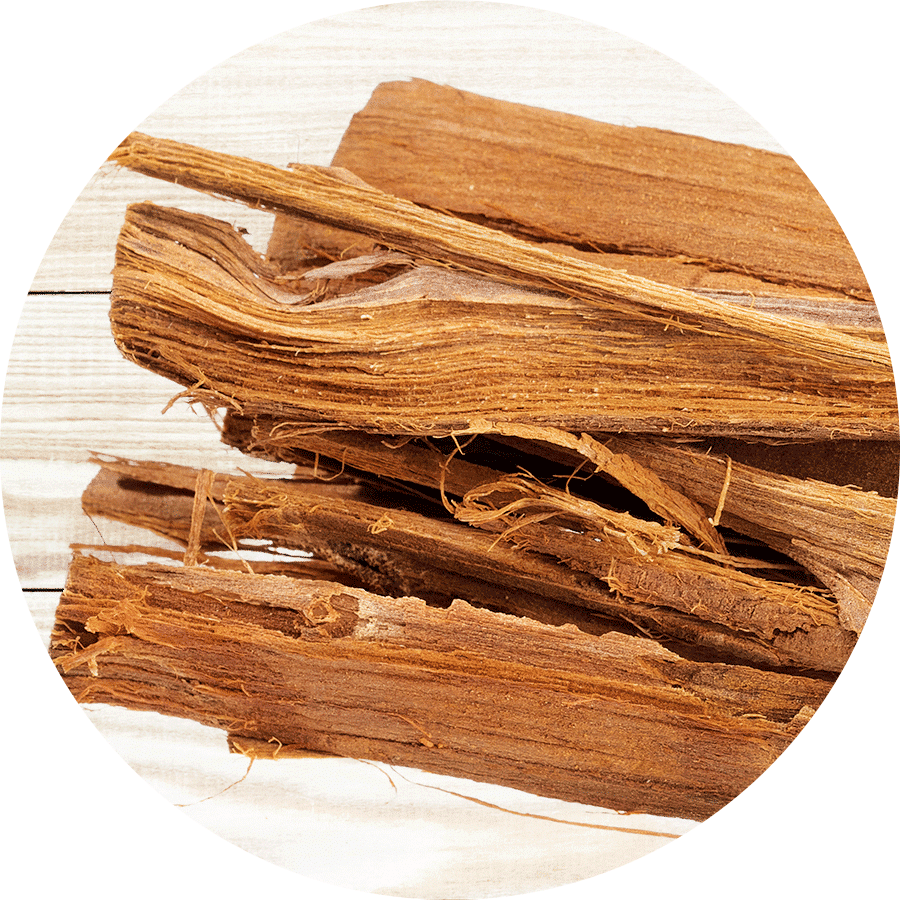
cats claw bark on wooden background

Cat’s Claw

Cat’s claw is a native herb to the Amazon region. Its antimicrobial properties make it a foundational herb in most Lyme disease protocols. Additionally, it has immune-modulating and anti-inflammatory qualities.

Suggested dosage: 375-750 mg 1 to 2 times daily (inner bark standardized to 3% alkaloids or 7:1 concentrate inner bark is preferred). It is especially important to take this herb with food, as it is activated by stomach acid. If you take acid-blocking drugs, cat’s claw won’t have a significant impact on you.

Side effects: The herb is generally well tolerated, but occasional stomach upset has been reported.

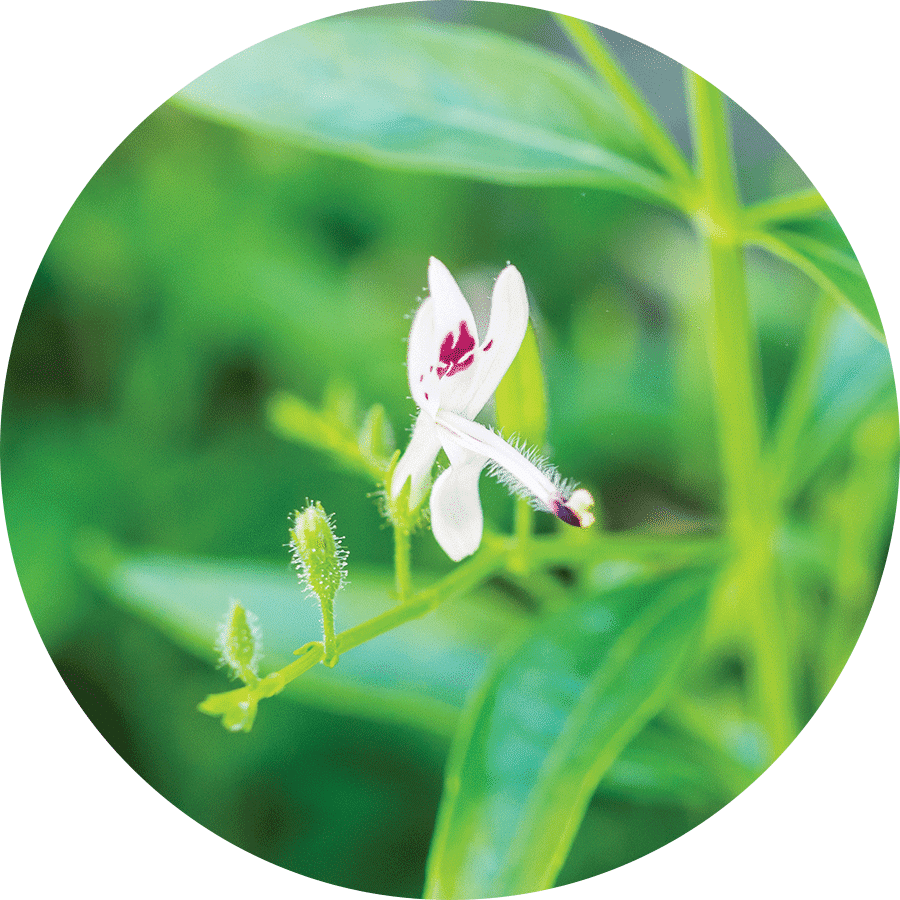
white Andrographis flower on green stem

Andrographis

Andrographis has a long history of medicinal use in India. It contains several properties, including antibacterial, antiviral, and antiparasitic, providing defense against a range of microbes. The herb also has immune-enhancing, cardioprotective, and liver-protective qualities. Andrographis is also a staple among natural Lyme protocols.

Suggested dosage: 250 mg (extract standardized to 33% andrographolides) 1 to 2 times daily

Side effects: Approximately 1% of people who take andrographis develop an allergic reaction with whole-body hives and itching skin. This is a higher percentage than most other herbs, but still extremely low. The reaction will resolve gradually over several weeks once the herb has been discontinued.

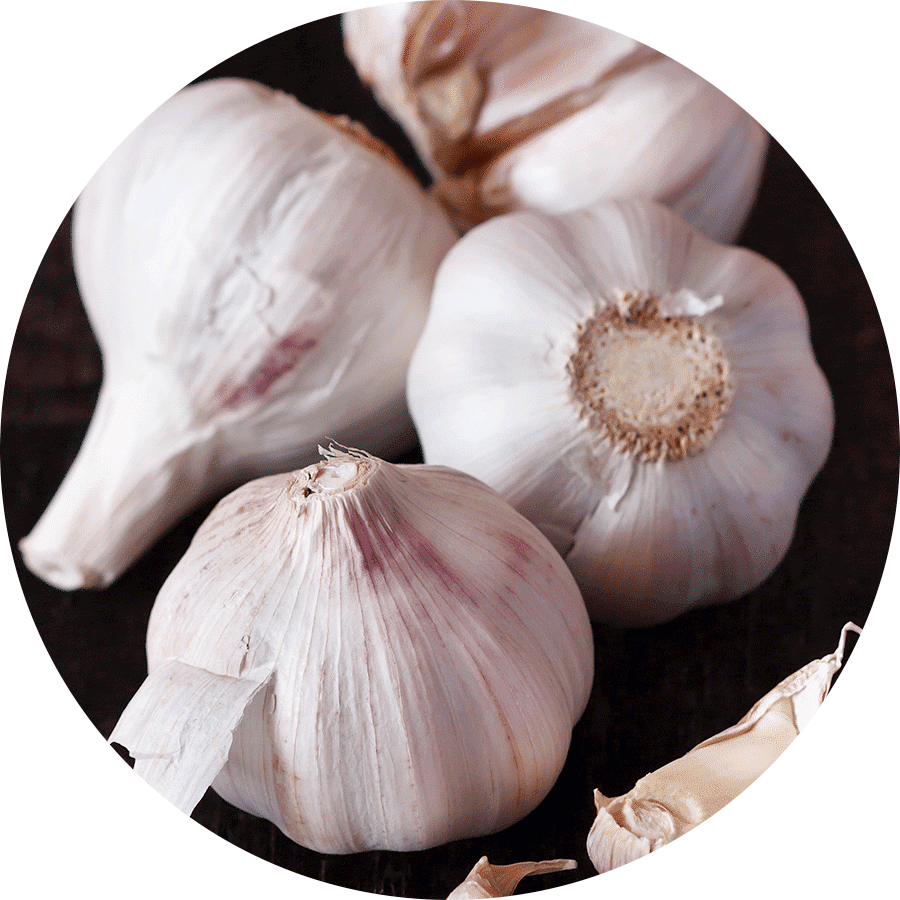
garlic bulbs on black background

Garlic

Used for medical purposes since as far back as we can trace, garlic contains an active ingredient called allicin, a volatile chemical with antiprotozoal, antiviral, and antifungal properties. It supports the immune system and balances the flora of the microbiome as well.

Suggested dosage: 200 mg of a standardized 1% allicin product 1 to 2 times daily (dosage is dependent on the garlic preparation used)

Side effects: Raw garlic may cause stomach upset, but stabilized allicin products are associated with fewer side effects and are generally well tolerated.

red berberine berries hanging on branch

Berberine

Berberine is a bioactive compound that assists in balancing the microbiome. It’s found in the stems, bark, roots, and rhizomes of a variety of herbs, including goldenseal, barberry bark, yellowroot, goldthread, Oregon grape, tree turmeric, coptis, and phellodendron.

Suggested dosage: The dose will vary depending on the preparation used; follow the instructions on the label.

Side effects: In most cases, berberine is generally well tolerated. Side effects may include gastrointestinal discomfort and low blood pressure.

2. Flow Through a Mind-Body Practice

“Exercising within the confines of what your doctor recommends is one of the best ways to keep your heart healthy,” says Dr. Rawls. But when your heart health is compromised, it’s extremely important to not overdo it. To avoid setting yourself back, consider a mind-body practice like yoga to keep your heart healthy.

Caucasian females legs on yoga mat. Yoga props for Iyengar lesson.

Why yoga? Research from the Journal of Evidenced-Based Complementary and Alternative Medicine investigated yoga as a therapeutic intervention for individuals at-risk for or suffering from cardiovascular disease. Although the study had some limitations, yoga emerged as a lifestyle activity that fostered improved heart health. The researchers believe it could be due to yoga’s ability to reduce stress and stimulate the parasympathetic nervous system — the part of your nervous system responsible for “resting and digesting.”

Additionally, mind-body activities centered around breathwork and meditation achieved similar results in the reviewed medical studies. Other mind-body exercises that can get you moving and be tailored to your fitness level or symptoms include Pilates, qigong, and tai chi.

3. Curb Inflammation

Lyme disease and other stealth microbes can act as hidden sources of inflammation. Many Lyme symptoms, including heart symptoms, are made worse by the continuous effects of proinflammatory cytokines.

“Cytokines are chemicals that promote inflammation and persistently activate the body’s immune system,” says Dr. Rawls. Over time, chronic low-grade inflammation begins to damage blood vessels that supply your heart muscle and brain, leading to a host of trouble.

To keep your heart as strong as possible, Dr. Rawls recommends the following natural remedies:

red krill gel capsules on blue background

Krill Oil

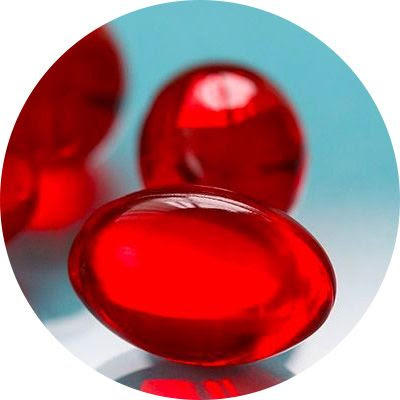
Omega-3 fatty acids like those found in krill oil are vital for many processes of the body and may lessen inflammation. Omega-3s facilitate heart health, cognitive function, and cell membrane function. Krill oil is unique in that it contains a natural antioxidant called astaxanthin. Astaxanthin benefits the cardiovascular system and provides anti-inflammatory benefits.

Suggested dosage: 2,000-3,000 mg of krill oil daily (can be broken down into 4-6 500 mg capsules) daily. The omega-3s in krill oil occur as phospholipids(instead of triglycerides (like the omega-3s in fish oil), which are more easily absorbed through the intestines and more readily utilized by the body, so you may be able to use a lower dose.

Side effects: Omega-3 fatty acids thin blood, so if you’re taking blood thinners or have a bleeding or clotting disorder, discuss taking krill oil supplements with your doctor. Avoid krill oil supplements if you have shellfish or fish allergies.

Hawthorn

Hawthorn supports heart function by increasing blood flow to the organ, strengthening contractions of the heart muscle, and improving circulation by dilating blood vessels. This allows increased oxygen delivery to tissues and assists in normalizing blood pressure.

Suggested dosage: 600-1,000 mg extract (combined leaf, stem, and flower standardized to 10% Vitexin) twice daily

Side effects: Side effects aren’t usually associated with Hawthorn, and it’s very safe for long-term use.

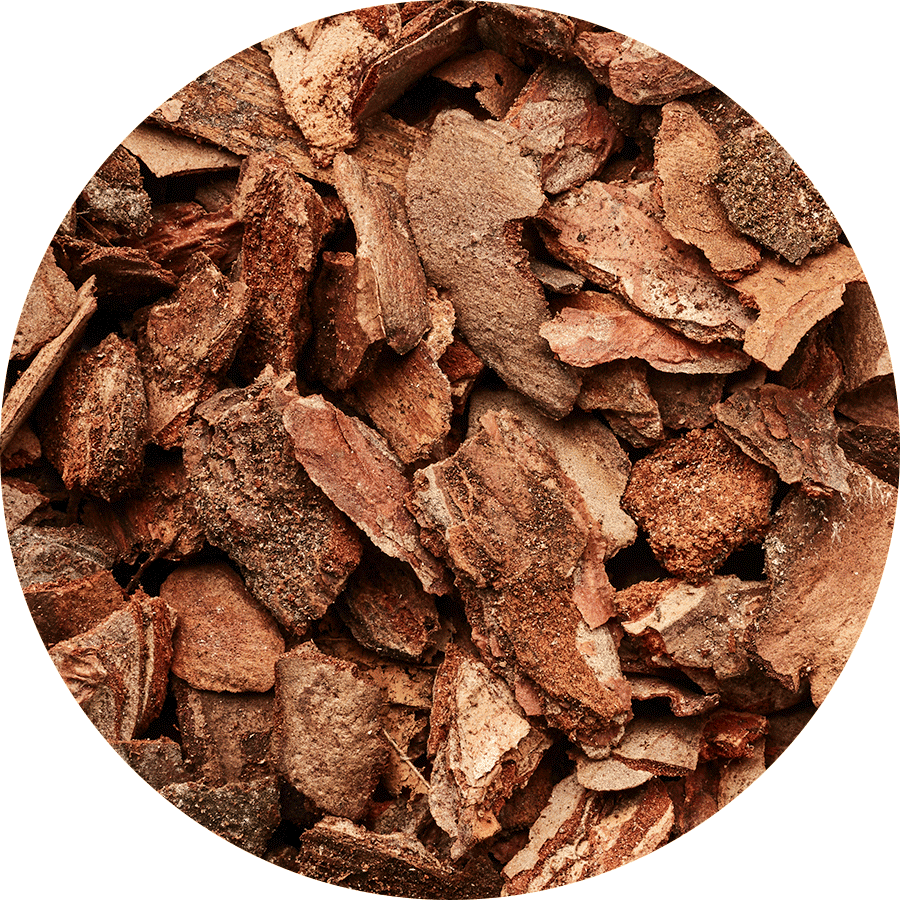
pile of french maritime pine bark pieces

Pine Bark Extract

Antioxidants and other compounds in pine bark extract inhibit platelet aggregation (blood thinner), reduce vascular inflammation, improve the integrity of blood vessels, and enhance blood flow to the tissue.

Suggested dosage: 75 mg daily standardized to 35% OPCs 1 to 2 times daily.

Side effects: Rare — pine bark has a low potential for toxicity.

4. Get Your Stress Levels Under Control

When dealing with Lyme disease, stress is an almost daily occurrence. With pressures like paying for medical treatment, finding a doctor, and managing symptoms, it’s hard to catch a break.

“The problem with chronic stress is that it has the potential to disrupt all normal cellular functions of the body and mind, including the heart,” says Dr. Rawls. For example, when you’re chronically stressed, your sleep patterns change, digestion becomes less efficient, and tissues begin to break down, which may contribute to heart-related conditions like high blood pressure or hardening of the arteries.

There isn’t a large body of research on the effects of stress on the heart, specifically, and there’s even less when Lyme disease is added to the mix. But what we do know is that the body releases adrenaline in response to a distressing event or situation. Adrenaline speeds up your breathing, gets your heart pounding, and raises your blood pressure, facilitating the “fight-or-flight” response. Chronic stress pushes your body to function in overdrive for weeks or months at a time.

A stressful woman sitting on a bed, hands to head

“When the body is constantly on alert, it cannot devote resources toward day-to-day repair and maintenance, and systems of the body can begin to go haywire,” explains Dr. Rawls. So while stress isn’t good for your health in general, for those with Lyme disease trying to make heart-conscious choices, stress interrupts the healing mode and may lay the groundwork to weaken crucial cellular functions.

Although you’ll never banish stress from your life entirely, reducing it as best as you can does help to bolster the health of all organs and tissues in your body. There are a variety of cost-effective and easily accessible options to minimize stress, such as:

  • Taking a leisurely stroll outside
  • Journaling
  • Finding support through online groups or mental health professionals
  • Relaxing in a warm bath
  • Practicing vagus nerve stimulation or neuroplasticity exercises
  • Doing deep breathing

To help bring on the heart-healthy calm, find a stress-relieving activity and stick with it as best you can — the more you genuinely enjoy it, the higher the likelihood you’ll do it consistently. With some trial and error, you’ll discover what works for you.

The Bottom Line

Ultimately, heart-supportive strategies can help keep your ticker working more efficiently, but if you have any symptoms or concerns, you should consult with a health care professional. “If someone is having symptoms like chest pains or a frequent, irregular heartbeat, don’t hesitate to see a doctor,” advises Dr. Rawls. “Anytime you’re concerned about your heart, it’s always better to play it safe.”

Can Anaplasmosis Cause Heart Issues?

https://danielcameronmd.com/can-anaplasmosis-cause-heart-problems/

CAN ANAPLASMOSIS CAUSE HEART PROBLEMS?

anaplasmosis-heart-problems

The number of cases of human granulocytic anaplasmosis (HGA) is rising in the United States, with more than a three-fold increase over the past several years. The tick-borne illness is not often associated with conduction problems and myocardial disease. But a new study highlights a case in which anaplasmosis triggered mycopericarditis.

In their article, “Case report: human granulocytic anaplasmosis causes acute myopericarditis with atrial fibrillation,” Levy et al. describe the case of a 65-year-old man who presented to the emergency room with fever and malaise, which had persisted for one week.¹ An electrocardiogram showed new atrial fibrillation and conduction abnormalities.

The man resides in a suburb of Boston in a home surrounded by wooded areas. “He reported being outdoors regularly for kayaking trips in the few months prior to presentation,” the authors wrote.

“Anaplasma serologies were positive for IgM and negative for IgG, and subsequent PCR detected anaplasma phagocytophilum DNA,” the author wrote. “CMR imaging revealed findings consistent with myopericarditis.”

According to the authors, the man had “an isolated HGA infection, and cardiac workup showed evidence of myopericarditis as well as conduction system disease.”

Conduction and rhythm abnormalities are frequently associated with Lyme disease but have not been previously reported with [anaplasmosis] HGA.

“This case highlights that conduction and rhythm disturbance can be a feature of myocarditis in the setting of isolated [anaplasmosis] HGA infection,” the authors wrote.

“In our patient HGA was the sole identifiable culprit,” the authors point out. “This is an uncommon finding; isolated HGA myocarditis or myopericarditis has been reported only once previously.”

The authors conclude:

  • “myopericarditis and serious haemodynamic compromise are potential severe complications of HGA infection, without the need for a concomitant Lyme infection.
  • “anaplasma phagocytophilum infection, in the absence of any concomitant Lyme disease, can cause acute myopericarditis”
  • “HGA myopericarditis can present with electrical disturbances including atrial fibrillation and conduction system disease.”

It is important to include anaplasmosis in patients presenting with clinical symptoms consistent with myopericarditis and continuing doxycycline treatment until both Lyme disease and HGA are ruled out, the authors explained. This is particularly relevant to those patients living in endemic regions who present with symptoms during the late Spring through early Fall.

References:
  1. Levy AM, Martin LM, Krakower DS, Grandin EW. Case report: human granulocytic anaplasmosis causes acute myopericarditis with atrial fibrillation. Eur Heart J Case Rep. 2023 Jan 17;7(1):ytad026. doi: 10.1093/ehjcr/ytad026. PMID: 36727140; PMCID: PMC9883714.

_______________

**Comment**

It’s important to remember the distinction between rarely reported and rarely occurring.  Big diff.

For more: