LivLyme Summit
https://livlymefoundation.org/conference/
Virtual LivLyme Summit
To be held on March 4, 2023
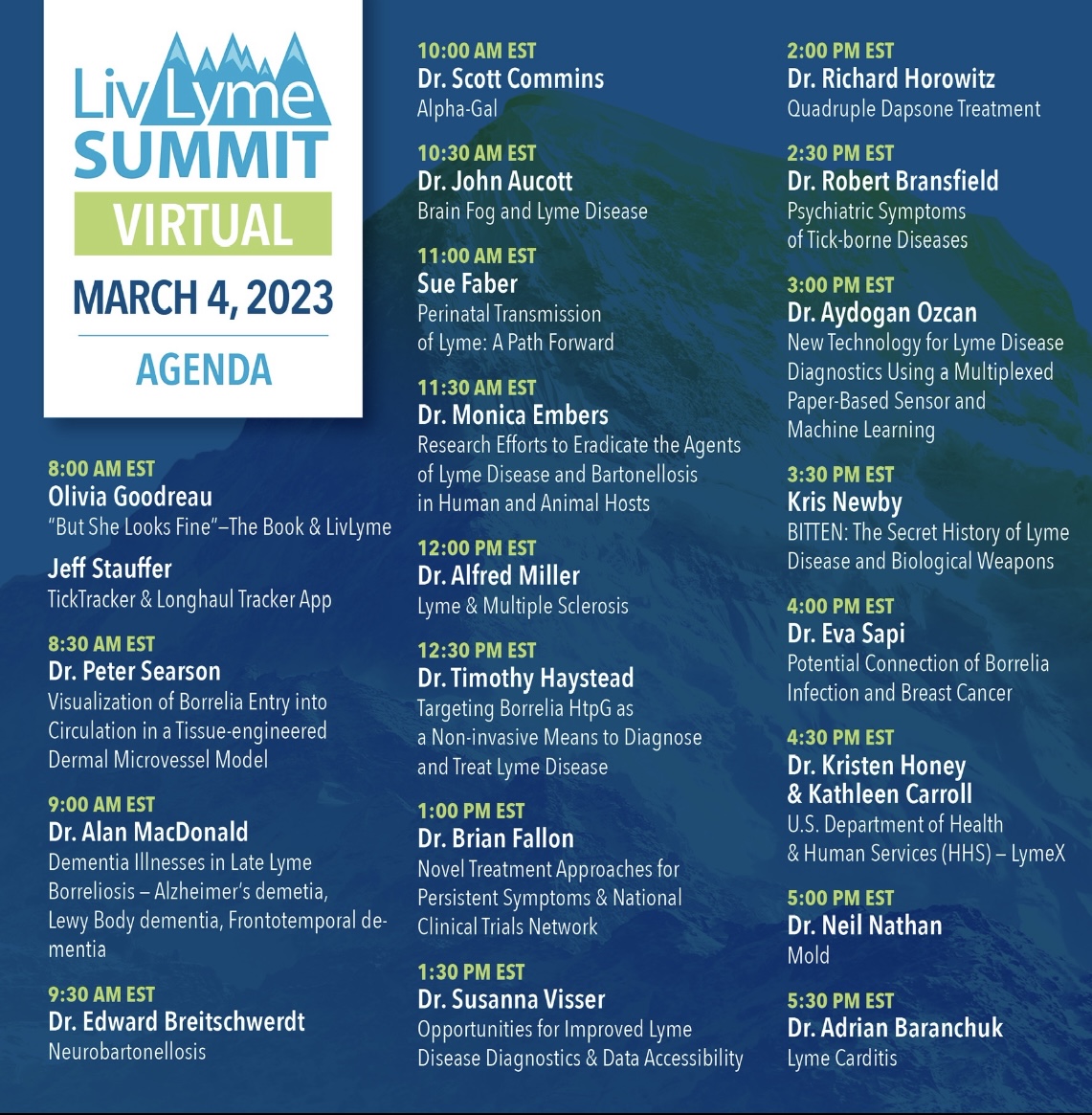
Go to link to register
Sponsorship opportunities available

https://livlymefoundation.org/conference/
To be held on March 4, 2023
Go to link to register
Sponsorship opportunities available
https://childrenshealthdefense.org/defender/covid-infection-natural-immunity-superior/
Immunity acquired from past COVID-19 infection provides strong, lasting protection against severe outcomes from the illness at a level “as high if not higher” than that provided by mRNA vaccines, according to a study published Thursday in The Lancet.
Researchers conducted a systematic review and meta-analysis of 65 studies worldwide, providing overwhelming evidence to support what many scientists, doctors and studies have said since early in the COVID-19 pandemic.
“The Lancet is finally acknowledging what doctors and scientists have been gaslit for saying for years — that natural immunity provides superior protection to experimental vaccines,” said Robert F. Kennedy, Jr., chairman and chief litigation counsel for Children’s Health Defense.
“Only the tsunami of propaganda and censorship from the pharma/government biosecurity cartel and the controlled media persuaded the public that Pfizer and Moderna were better at protecting the human immune system than God and evolution,” he added.
The researchers found that natural immunity was at least 88.9% effective against severe disease, hospitalization and death for all COVID-19 variants 10 months after infection.
It also provided 78.6% protection against reinfection for all variants except omicron BA.1, for which protection was 45.3%. (See link for article)
_______________
**Comment**
Before you start to celebrate this, please note Dr. Meryl Nass’ conclusion:
“While framing this as an acknowledgment that natural immunity confers protection, what it is also doing is providing tacit agreement that government-imposed policies restricting travel are acceptable. It furthermore provides tacit approval of vaccine passports.”
While Nass believes in the significance of the Lancet’s acknowledgement, the framing, which is similar to admissions by Gates, Fauci, and others:
“is intended to quietly, without apology, veer away from current COVID vaccines, while implying that more money is needed to develop new types of vaccines. No one made any mistakes. No one accepts any blame. Chris Murray never erred with his outlandish estimates. No, just send money and let us do the science.”
By Joseph Mackinnon
Feb. 17, 2023
CBS News’ medical contributor Celine Gounder insinuated Monday that the young people who suffered an unprecedented spike in lethal heart attacks during the first two years of the pandemic might only have themselves to blame.
While the Centers for Disease Control and Prevention is among the agencies and experts that have acknowledged a link between the COVID-19 vaccines and heart issues, Gounder suggested that the spike in heart attacks was instead likely resultant of young people with generally stronger immune systems not getting vaccinated and failing to wear masks. (See link for article, but be prepared to throw things)
______________
**Comment**
Houston, we have an ongoing problem. Stupidity, illogic, and emotions appear to continue to trump everything previously known about immunology.
This just in: Employee complaints against senior Florida doctors have been made stating the hospital made a list of unvaccinated staff who then were subjected to a “re-education session” attempting to persuade them to take the jab. Allegations also state doctors have promoted a hostile work environment by yelling at unvaccinated patients, refusing to perform open-heart surgery on the unvaxxed and one doctor stating:
“You guys are the reason why people are dying and why COVID is spreading.”
“When you guys get fired, then we’ll all have a party and Darwinism will do its work.”
“They should take you guys to the firing line.” Source
A few points regarding masks:
A few points on COVID gene therapy injections and heart issues:
https://rumble.com/v29tynw-dr.-david-martin-murder-charges-against-fauci-peter-daszak-ralph-baric-and-.html Video Here (Approx. 12 Min)
“It’s time we demand our elected state officials appoint special prosecutors to investigate criminal behavior by our elected and appointed officials.” – Dr. David Martin
Click on the following link to find your state to send letters to your representatives over:
For more:
https://www.lymedisease.org/newly-emerging-tick-borne-disease-in-northern-california/
Feb. 17, 2023
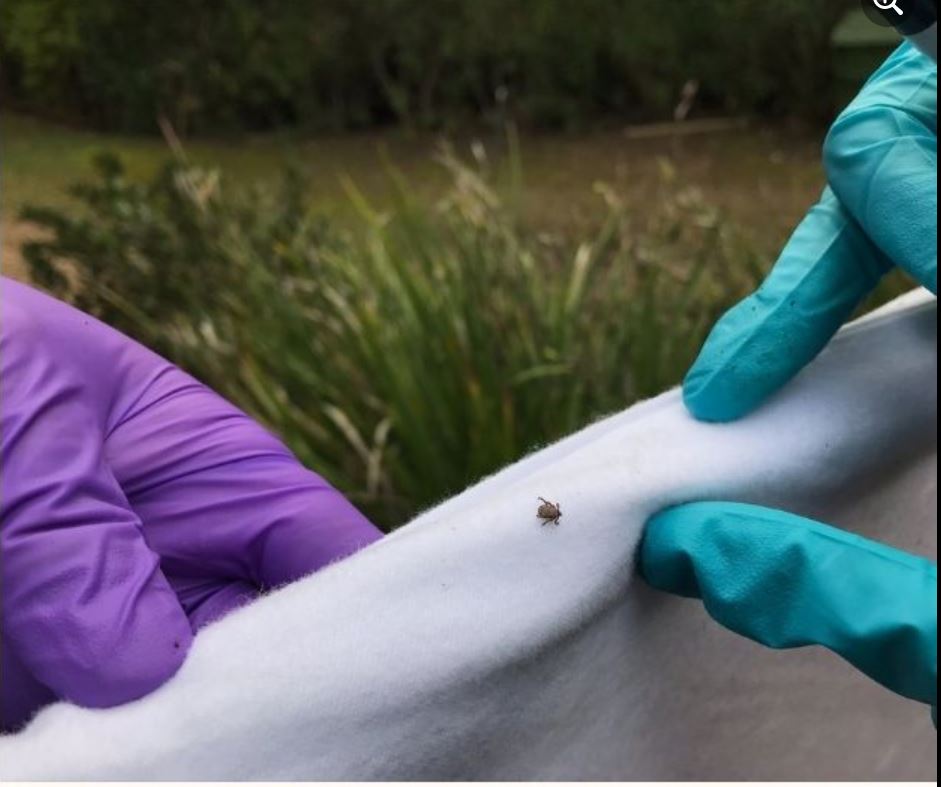
Pacific Coast Tick Fever (PCTF) is a newly emerging tick-borne disease in Northern California, transmitted by the Pacific Coast tick (Dermacentor occidentalis).
Symptoms of PCTF include fever, headache, and an eschar formation [dead tissue] at the tick bite site.
The first case of PCTF within Santa Clara County was reported in 2011 and the second human case was reported in August 2021, both in the same geographic area.
Over a six-month period, the District conducted monthly sampling at the resident’s home and surrounding parks within a one-mile radius. The ticks were collected, identified, and tested for the presence of the pathogen. The pathogen was detected in 5.2% (7 out of 134) of the ticks tested.
The District will continue to monitor for the presence of PCTF and reminds the public to take proactive steps to protect themselves from tick bites by staying in the middle of trails, wearing long sleeves and pants when hiking, and checking themselves, children, and pets after spending time in tick habitat.
By Dr. Bill Rawls
Feb. 2023
Heart symptoms are a serious concern for people with chronic Lyme disease — and rightfully so. While research suggests up to 10% of Lyme cases result in cardiac involvement, the consequences of which can be life-threatening, that number is likely deceptively low. That’s because the actual number of cases of Lyme are underreported in most areas of the country, and many Lyme specialists believe heart issues such as Lyme carditis or an irregular heartbeat may be more prevalent than statistics currently demonstrate.
The number of missed cases may be due, in part, to the fact that heart symptoms don’t look the same in every Lyme patient. They vary from person to person and exist on a spectrum, so they can be difficult to detect. Some people may experience no symptoms at all, while others might notice mild ones — an occasional skipped beat here or a small flutter there. Still, others may experience more severe cardiac manifestations like shortness of breath, chest tightness, or heart palpitations.
“The threshold for tolerating heart symptoms should be pretty low,” says Dr. Bill Rawls, medical director of RawlsMD and Vital Plan. “Anytime you have something irregular with the heart, you should see a doctor right away.”
Whether or not you have cardiac symptoms, you can still incorporate a few strategies into your protocol to augment heart health while dealing with Lyme disease and coinfections.
Here are four natural ways you can keep your heart functioning optimally:
“Herbs are heart-friendly because they help protect the various cells of our body, including heart cells,” says Dr. Rawls. Herbs defend against free radical damage, physical stress, toxic substances, and most importantly, pathogens like borrelia, bartonella, babesia, and mycoplasma, all of which can cause harm to the heart.
Therefore, taking antimicrobial herbs to suppress the microbes that could contribute to cardiac problems is a top priority. Dr. Rawls’ preferred antimicrobial herbs for heart health include:
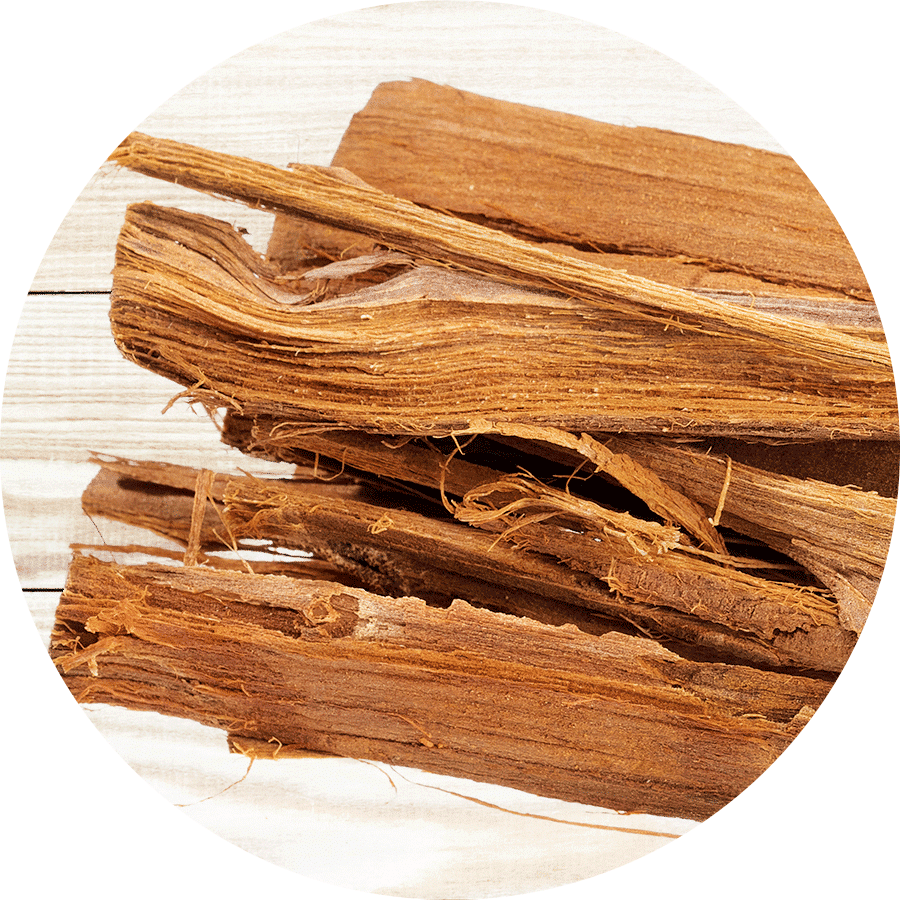
Cat’s claw is a native herb to the Amazon region. Its antimicrobial properties make it a foundational herb in most Lyme disease protocols. Additionally, it has immune-modulating and anti-inflammatory qualities.
Suggested dosage: 375-750 mg 1 to 2 times daily (inner bark standardized to 3% alkaloids or 7:1 concentrate inner bark is preferred). It is especially important to take this herb with food, as it is activated by stomach acid. If you take acid-blocking drugs, cat’s claw won’t have a significant impact on you.
Side effects: The herb is generally well tolerated, but occasional stomach upset has been reported.
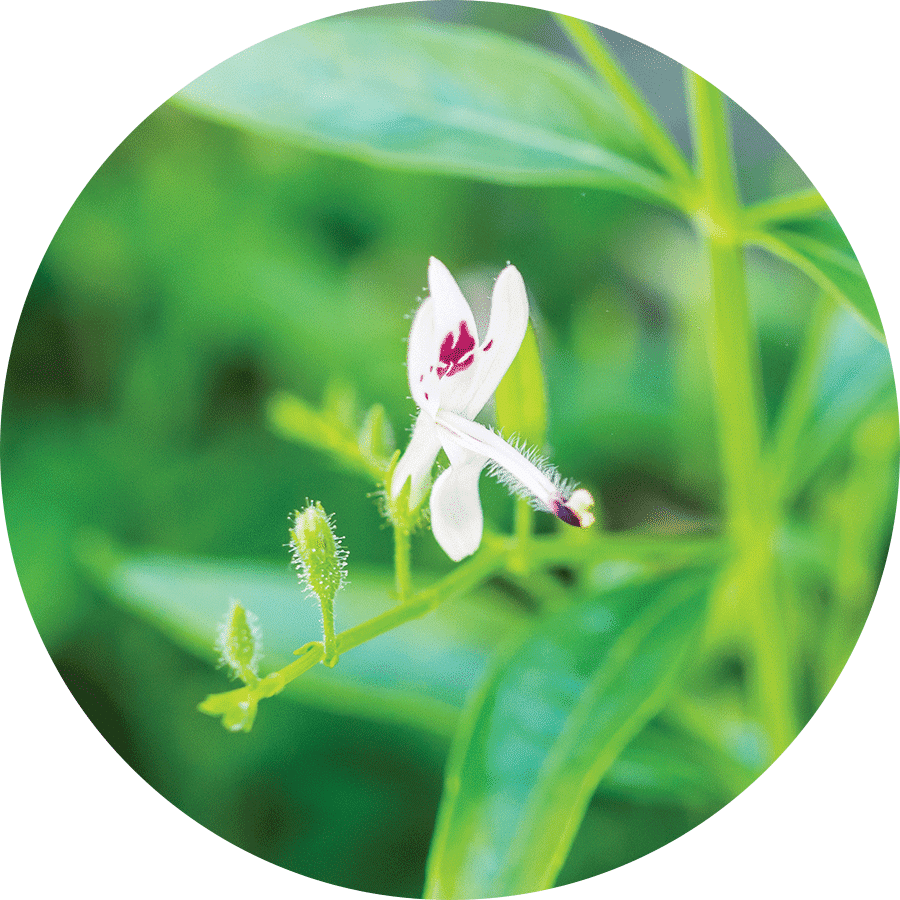
Andrographis has a long history of medicinal use in India. It contains several properties, including antibacterial, antiviral, and antiparasitic, providing defense against a range of microbes. The herb also has immune-enhancing, cardioprotective, and liver-protective qualities. Andrographis is also a staple among natural Lyme protocols.
Suggested dosage: 250 mg (extract standardized to 33% andrographolides) 1 to 2 times daily
Side effects: Approximately 1% of people who take andrographis develop an allergic reaction with whole-body hives and itching skin. This is a higher percentage than most other herbs, but still extremely low. The reaction will resolve gradually over several weeks once the herb has been discontinued.
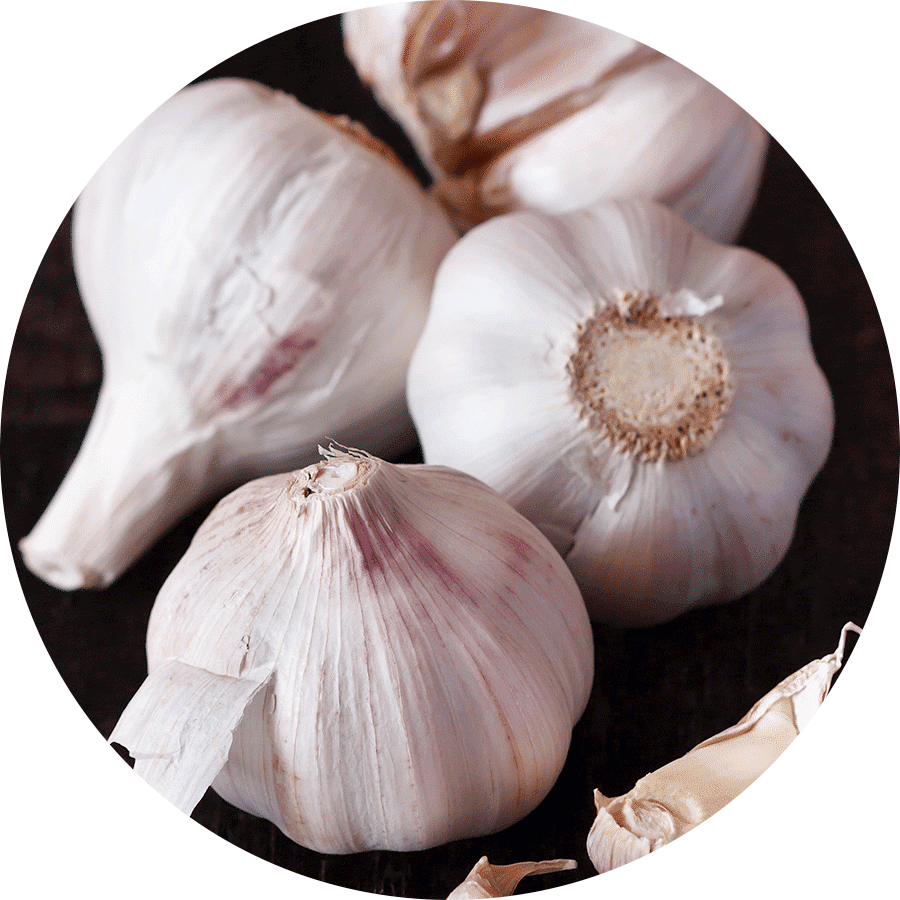
Used for medical purposes since as far back as we can trace, garlic contains an active ingredient called allicin, a volatile chemical with antiprotozoal, antiviral, and antifungal properties. It supports the immune system and balances the flora of the microbiome as well.
Suggested dosage: 200 mg of a standardized 1% allicin product 1 to 2 times daily (dosage is dependent on the garlic preparation used)
Side effects: Raw garlic may cause stomach upset, but stabilized allicin products are associated with fewer side effects and are generally well tolerated.

Berberine is a bioactive compound that assists in balancing the microbiome. It’s found in the stems, bark, roots, and rhizomes of a variety of herbs, including goldenseal, barberry bark, yellowroot, goldthread, Oregon grape, tree turmeric, coptis, and phellodendron.
Suggested dosage: The dose will vary depending on the preparation used; follow the instructions on the label.
Side effects: In most cases, berberine is generally well tolerated. Side effects may include gastrointestinal discomfort and low blood pressure.
“Exercising within the confines of what your doctor recommends is one of the best ways to keep your heart healthy,” says Dr. Rawls. But when your heart health is compromised, it’s extremely important to not overdo it. To avoid setting yourself back, consider a mind-body practice like yoga to keep your heart healthy.

Why yoga? Research from the Journal of Evidenced-Based Complementary and Alternative Medicine investigated yoga as a therapeutic intervention for individuals at-risk for or suffering from cardiovascular disease. Although the study had some limitations, yoga emerged as a lifestyle activity that fostered improved heart health. The researchers believe it could be due to yoga’s ability to reduce stress and stimulate the parasympathetic nervous system — the part of your nervous system responsible for “resting and digesting.”
Additionally, mind-body activities centered around breathwork and meditation achieved similar results in the reviewed medical studies. Other mind-body exercises that can get you moving and be tailored to your fitness level or symptoms include Pilates, qigong, and tai chi.
Lyme disease and other stealth microbes can act as hidden sources of inflammation. Many Lyme symptoms, including heart symptoms, are made worse by the continuous effects of proinflammatory cytokines.
“Cytokines are chemicals that promote inflammation and persistently activate the body’s immune system,” says Dr. Rawls. Over time, chronic low-grade inflammation begins to damage blood vessels that supply your heart muscle and brain, leading to a host of trouble.
To keep your heart as strong as possible, Dr. Rawls recommends the following natural remedies:
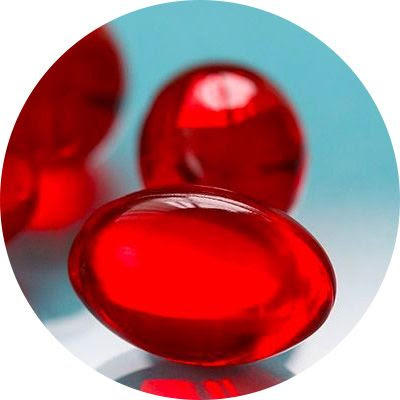
Omega-3 fatty acids like those found in krill oil are vital for many processes of the body and may lessen inflammation. Omega-3s facilitate heart health, cognitive function, and cell membrane function. Krill oil is unique in that it contains a natural antioxidant called astaxanthin. Astaxanthin benefits the cardiovascular system and provides anti-inflammatory benefits.
Suggested dosage: 2,000-3,000 mg of krill oil daily (can be broken down into 4-6 500 mg capsules) daily. The omega-3s in krill oil occur as phospholipids(instead of triglycerides (like the omega-3s in fish oil), which are more easily absorbed through the intestines and more readily utilized by the body, so you may be able to use a lower dose.
Side effects: Omega-3 fatty acids thin blood, so if you’re taking blood thinners or have a bleeding or clotting disorder, discuss taking krill oil supplements with your doctor. Avoid krill oil supplements if you have shellfish or fish allergies.
Hawthorn supports heart function by increasing blood flow to the organ, strengthening contractions of the heart muscle, and improving circulation by dilating blood vessels. This allows increased oxygen delivery to tissues and assists in normalizing blood pressure.
Suggested dosage: 600-1,000 mg extract (combined leaf, stem, and flower standardized to 10% Vitexin) twice daily
Side effects: Side effects aren’t usually associated with Hawthorn, and it’s very safe for long-term use.
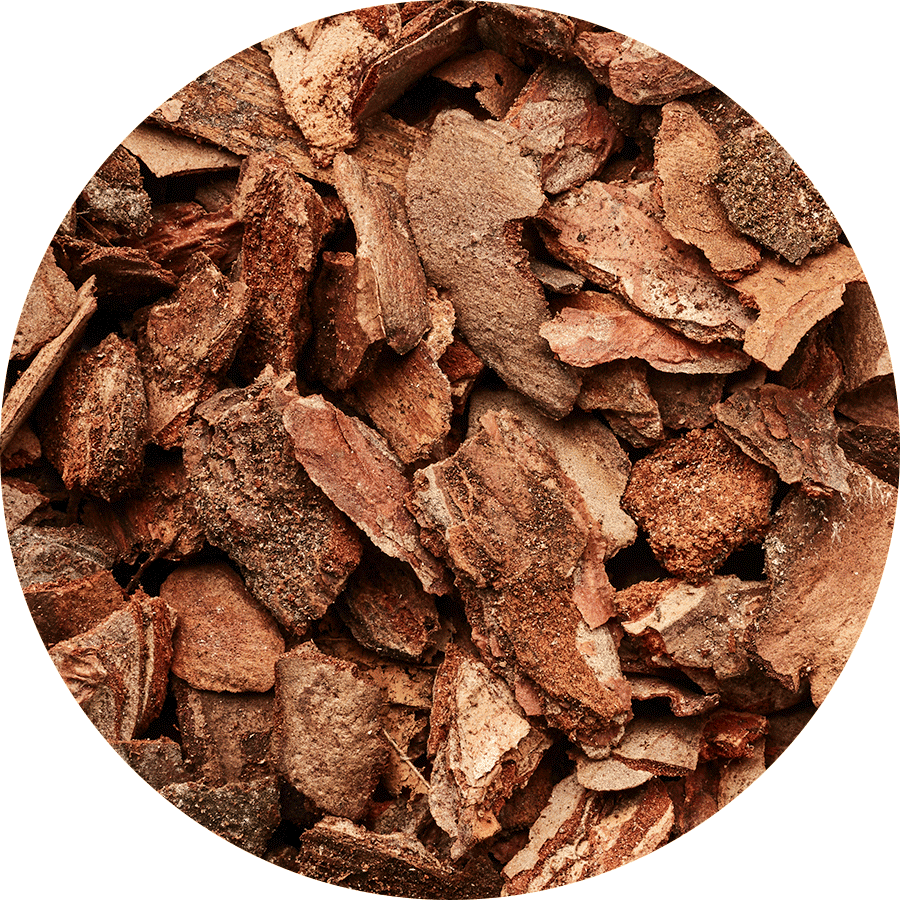
Antioxidants and other compounds in pine bark extract inhibit platelet aggregation (blood thinner), reduce vascular inflammation, improve the integrity of blood vessels, and enhance blood flow to the tissue.
Suggested dosage: 75 mg daily standardized to 35% OPCs 1 to 2 times daily.
Side effects: Rare — pine bark has a low potential for toxicity.
When dealing with Lyme disease, stress is an almost daily occurrence. With pressures like paying for medical treatment, finding a doctor, and managing symptoms, it’s hard to catch a break.
“The problem with chronic stress is that it has the potential to disrupt all normal cellular functions of the body and mind, including the heart,” says Dr. Rawls. For example, when you’re chronically stressed, your sleep patterns change, digestion becomes less efficient, and tissues begin to break down, which may contribute to heart-related conditions like high blood pressure or hardening of the arteries.
There isn’t a large body of research on the effects of stress on the heart, specifically, and there’s even less when Lyme disease is added to the mix. But what we do know is that the body releases adrenaline in response to a distressing event or situation. Adrenaline speeds up your breathing, gets your heart pounding, and raises your blood pressure, facilitating the “fight-or-flight” response. Chronic stress pushes your body to function in overdrive for weeks or months at a time.

“When the body is constantly on alert, it cannot devote resources toward day-to-day repair and maintenance, and systems of the body can begin to go haywire,” explains Dr. Rawls. So while stress isn’t good for your health in general, for those with Lyme disease trying to make heart-conscious choices, stress interrupts the healing mode and may lay the groundwork to weaken crucial cellular functions.
Although you’ll never banish stress from your life entirely, reducing it as best as you can does help to bolster the health of all organs and tissues in your body. There are a variety of cost-effective and easily accessible options to minimize stress, such as:
To help bring on the heart-healthy calm, find a stress-relieving activity and stick with it as best you can — the more you genuinely enjoy it, the higher the likelihood you’ll do it consistently. With some trial and error, you’ll discover what works for you.
Ultimately, heart-supportive strategies can help keep your ticker working more efficiently, but if you have any symptoms or concerns, you should consult with a health care professional. “If someone is having symptoms like chest pains or a frequent, irregular heartbeat, don’t hesitate to see a doctor,” advises Dr. Rawls. “Anytime you’re concerned about your heart, it’s always better to play it safe.”
 Madison Area Lyme Support Group