Archive for the ‘Treatment’ Category

COVID Natural Remedies BANNED as DOJ & FTC Seek to Silence Doctors Promoting Vitamin D, C, Zinc, etc.

https://healthimpactnews.com/2021/covid-natural-remedies-banned-as-doj-and-ftc-seek-to-silence-doctors-promoting-vitamin-d-c-zinc-etc/

COVID Natural Remedies BANNED as DOJ and FTC Seek to Silence Doctors Promoting Vitamin D, C, Zinc, etc.

April 22, 2021

by Brian Shilhavy
Editor, Health Impact News

When people in Europe started dying from fatal blood clots shortly after receiving experimental COVID injections last month (March, 2021), some countries began criminal investigations over the deaths, including Italy which launched a manslaughter investigation after several people died following the injections.

Here in the U.S., as of this week, the CDC is stating that they have received 3,486 reports of people dying following the experimental COVID injections.

So what is the U.S. Government’s response to all these deaths being reported? Are they investigating them to see if the pharmaceutical companies are acting criminally?

No, last week the Department of Justice announced that they were going to start enforcing a new bill signed into law back in December by then President Donald Trump, which makes it illegal for anyone to promote non-pharmaceutical products as treatments for COVID-19.

The law is called the “COVID-19 Consumer Protection Act.”

The name is mislabeled, however, as it does not protect consumers from dangerous products that can harm or kill them, such as the experimental COVID “vaccines,” but it protects the pharmaceutical industry instead, by eliminating free speech for non-pharmaceutical remedies for COVID-19.

This law really should be named the “COVID-19 Pharmaceutical Protection Act.”

And the first victim to suffer under this new law is a St. Louis chiropractor who was recommending Vitamin D and zinc supplements to his clients, and is now charged as a criminal.

Such is the state of “law” today in the U.S., where the federal criminal justice system, as well as Congress, protects criminals, the Big Pharma corporations with rap sheets longer than any Mexican drug cartel operators, and attacks law-abiding citizens for practicing their Constitutional rights, such as Freedom of Speech on alternative health remedies, which are clearly a threat to Big Pharma.

Otherwise, why would they be spending so much time and resources to go after alternative care practitioners, who are harming nobody, but instead are “guilty” of healing or preventing disease independent of Big Pharma drugs?

Nobody is dying from Vitamin C, Vitamin D, zinc supplements, or other natural remedies, and yet if one promotes these remedies, they are now treated as criminals.

Feds On Vitamins and COVID: Shut Up or Pay Up!

by Alliance for Natural Health

More lunacy from the federal government threatens doctors with $10,000 fines if they tell you the science about how vitamins and minerals can help with COVID. Action Alert!

The Department of Justice (DoJ) recently announced the first enforcement action against “deceptive marketing” of COVID treatments. The case involves a Missouri chiropractor who is alleged to have advertised that a vitamin D and zinc supplement could prevent or treat COVID—claims that are well-supported in the scientific literature. This is a disturbing and outrageous escalation in the federal government’s actions against doctors and health professionals that inform the public about natural ways of staying healthy during the pandemic, underscoring the need to change the law to allow the free flow of information about foods and supplements.

Previously, the FDA and FTC sent hundreds of warning letters to doctors and clinics discussing the role of natural medicines promoting public health during the pandemic. Then a strategy was put in place to enable the FTC to go after these health professionals with more force. The COVID-19 Consumer Protection Act was introduced on December 20th in the House and Senate, then added to an appropriations bill on December 21. On December 27th it was signed into law.

That’s right: right before the Christmas holiday, when the government knew focus would be elsewhere, this law was introduced, buried in a spending bill to further conceal it, and signed into law—all within seven days.

The law “prohibits deceptive acts or practices associated with the treatment, cure, prevention, mitigation or diagnosis of COVID-19,” violation of which can result in civil penalties. Statute allows the FTC to assess $10,000 for each violation; multiple fines can be doled out based on a single claim. State consumer protection laws could also come into effect, allowing potential class actions.

This is a clear warning to those in the natural health profession: either push vaccines and drugs for COVID-19, or keep your mouth shut.

The DoJ’s actions are astounding. For one, we are in the midst of a pandemic and don’t have time to wait for the ongoing RCTs—which can take years—when strong clinical evidence shows that supplements that pose little risk can be helpful. And the evidence we have for things like vitamin D and zinc is strong. We recently reviewed the evidence for vitamin D’s role in COVID, noting the dozens of studies that show COVID patients with higher vitamin D have better outcomes, not to mention vitamin D’s key role in immune function. There are also clinical trials confirming vitamin D’s ability to prevent upper respiratory infections.

Zinc is also incredibly important for immune function. Although more common in the developing world, 12 percent of Americans are estimated to be at risk for zinc deficiency. We know that immune function is compromised with zinc deficiency; indeed, those with low levels of zinc are at much greater risk of being hospitalized and experiencing severe COVID disease. There is increasing evidence for the role of zinc in reducing the severity of COVID-19 disease and also in COVID prevention.

It is incredibly irresponsible for the federal government to target healthcare professionals who disseminate information about these vital nutrients. We can help right this wrong with our legislation that allows the free flow of information about supplements.

Action Alert! Write to Congress and urge them to support legislation that allows the free flow of information about supplements. Please send your message immediately.

Read the full article at Alliance for Natural Health.

_________________________

**Comment**

For more:  **Disclaimer**

Anything written about treatments is for educational purposes only.  Please discuss any and all treatments with your physician.  These are my experiences only.

  • RapidVirusRecovery
  • Nebulized hydrogen peroxide
  • (This safe, cheap treatment can be used any time symptoms start.  You simply need a nebulizer, distilled water, 12% food grade hydrogen peroxide, himalayan sea salt, and a glass storage bottle that seals properly.  Store in the refrigerator until needed.  The final solution is a 3% hydrogen peroxide treatment.  Details in link on how to use.)
  • According to Dr. Lee Merritt, patients should be taking the following supplements:  vitamins D,C, NAC, zinc, quercetin, and selenium.
  • I personally had this spike protein illness (and my husband was coming down with it as well) which causes blood poisoning.  It wasn’t fun.  I was flat on my back for 12 days with an unstoppable fever and aches.  It all began in my chest (pressure and tickling dry cough).  I was weakening by the day due to nausea and the inability to eat or break the fever.  What turned me around were
    • two treatments of blood ozone
    • 25gms of IV C
    • IVERMECTIN
    • You must take Ivermectin on a full stomach to get it into the cells where the spike protein is.  I’m happy to report that both Greg and I beat this with the appropriate treatment.

The COVID  injection, BTW, turns your body into a spike protein manufacturing machine.  They don’t know if this spike protein manufacturing ever stops.  Food for thought.  Also, more and more reports are coming out that those who received the injection(s) are making those around them ill with the spike protein illness.

Many doctors are calling for those who received the injections to be quarantined.

For more on Ivermectin:

MATH+ Protocol:  

Vitamin D:

Vitamins D, C, Quercetin, Zinc, Melatonin, as well as Ivermectin

https://covid19criticalcare.com/covid-19-protocols/i-mask-plus-protocol/

HCQ (often used in conjunction with zink and Azithromycin):

Reminder: Lyme Awareness Talk – May 4, 2021

https://madisonarealymesupportgroup.com/2021/04/06/lyme-awareness-talk-in-may-lyme-awareness-month/

LYME DISEASE IN WISCONSIN

When: Tuesday, May 4, 2021 – 7:00pm to 8:00pm
Where: Online

For adults held via Zoom. Registration required and opens April 1.

According to the Centers for Disease Control and Prevention, the average number of cases has more than doubled over the last decade. In this presentation, learn from Alicia Cashman from Madison Lyme Support Group about Lyme Disease, how to protect you and your family, what common symptoms are, and what to do if you have symptoms.

If you have questions or need special accommodations at events contact Kara at (608) 835-6268 or kripley@oregonlibrary.org.

The program is made possible through funding from the Friends of the Oregon Library.

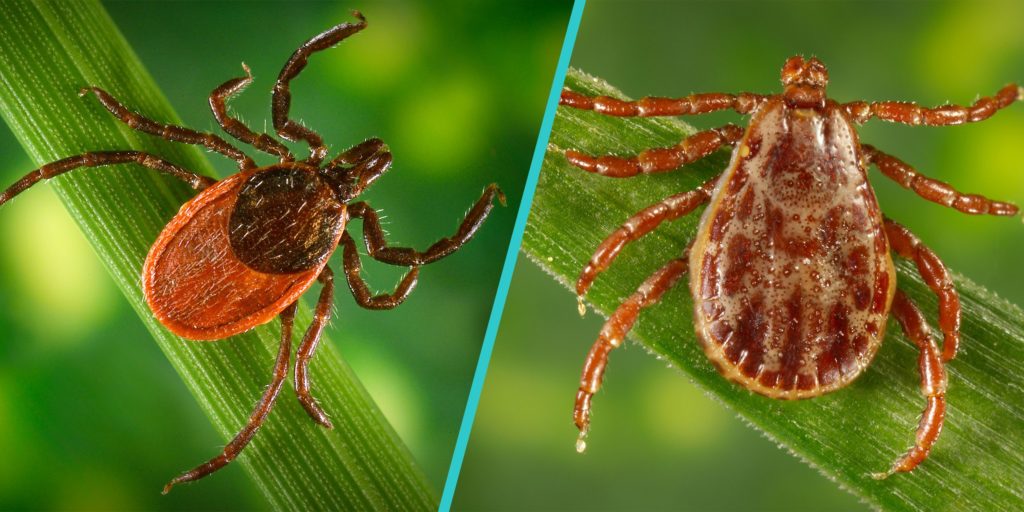
Tick on a green plant

6 Subtle Signs You Need To Detox & How To Get Started

https://vitalplan.com/blog/6-subtle-signs-you-need-to-detox-how-to-get-started?

By Vital Plan Posted 04-07-2021

Reviewed by Bill Rawls, MD
Medical Director of Vital Plan

As the country slowly emerges from the pandemic and hope is in the air, our bodies may not exactly be in top shape to take on the coming spring. Over the past year, many people coped with the stress and loneliness of the pandemic by relying heavily on sugary foods, carbs, alcohol, sedentary screen time, irregular sleeping, Netflix binging, you name it. Though these types of quarantine habits may have provided some short-term stress relief, they may have put your body’s detox systems under siege. Your body’s detox system could use some relief too before it leads to other problems.

“It’s usually not just one thing that inhibits your body’s ability to get rid of toxins, but rather a combination of several,” says Dr. Bill Rawls, medical director of Vital Plan. For example, stress, being sedentary, eating excess carbs, and other lifestyle factors common during the pandemic can compromise your microbiome and lead to leaky gut syndrome. This condition allows toxins and undesirable food components to cross into your bloodstream (aka leaky gut) instead of being eliminated, which in turn can overwhelm the immune system and cause systemic inflammation.

Not eating adequate fruits and veggies, drinking enough water, or exercising regularly, or simply being sick or having a compromised immune system — any of these can also slow down or clog your lymphatic system. This network of channels running throughout your body picks up toxins and cellular debris and brings them to lymph nodes, where they’re processed and disposed of. But when lymphatic fluid isn’t flowing or the system isn’t working as it should, toxins can build up and make trouble.

Your liver, kidneys, skin (via sweat), and other organs also play a role in regularly detoxifying your system. All of them are susceptible to the same unhealthy habits mentioned above. And when they get overloaded, detoxification slows, which can compromise your immune system, trigger inflammation, slow down circulation, or cause hormonal imbalances.

And so, many people coming out of the pandemic feeling run down (or worse) and resolving to hit the refresh button may turn to extreme programs that promise to jumpstart the body’s detoxing powers. Most of these plans last only a few weeks and focus primarily on food — or, more accurately, a lack thereof. (Ahem, juice fasts.)

But regardless of their popularity, short-term, highly restrictive detox diets or cleanses aren’t going to do much for you in the long term. One review in the Journal of Human Nutrition and Dietetics reports that there’s very little evidence that commercial detox diets are effective or even necessary. Some can even do damage. For instance, extreme detoxing can lead to nutritional deficiencies that impair immune function or dangerously-low blood sugar levels in people with diabetes.

That doesn’t mean you should check “detox” off your to-do list. Life happens, and despite your best efforts, you may not be doing enough to stop the inflow of toxins and/or encourage their disposal. How to know?

“It’s tricky,” says Dr. Rawls. You could feel okay, pretty good even, while your systems are actually struggling. “Your body will always try to compensate for whatever you’re doing or what it’s experiencing — it does what it has to do to keep you going,” Dr. Rawls says. “But it will get weighed down, and sooner or later, there’s a straw that breaks the camel’s back.” It could be a virus that should manifest as simple sniffles that flattens you for days, for example, or a minor gut microbiome imbalance that throws your GI system entirely out of whack.

The key to restoring healthy detox functions before it has significant ramifications is paying close attention to the subtle signals your body sends about your health. Any of the symptoms below should be a wake-up call that it’s time to take action.

1. Lasting Fatigue

Tired multiethnic businessman sleeping in office. Middle eastern business man with eyeglasses worked late and fell asleep on the computer keyboard. Creative casual man sleeping at his working place

Being tired after a few busy days or late nights is one thing, but consistently lacking the energy and motivation to do what you want is another. Sleep is the obvious first place to look. “If you need caffeine to get going every morning, you’re probably not getting enough sleep, or the sleep you’re getting isn’t high quality, restorative rest, ” says Dr. Rawls. “Either can make it harder for your body to detoxify.”

Lingering fatigue might also be a red flag that your detox systems are already worn down from an influx of chemicals from food (i.e., pesticides or artificial additives) or environmental toxins (i.e., cleaning solutions or air pollution), and your body is burning excess energy to try to keep up. Unfortunately for a lot of people, constant fatigue is just par for the course. “It’s the number one symptom people tend to put up with or ignore,” Dr. Rawls says.

2. Brain Fog

Closeup portrait of confused mature woman squinting to see more clearly, wearing and touching glasses, trying to read book, having difficulties seeing text because of vision problems, cheking diary

Occasionally forgetting names or important to-dos is common, especially when you’re stressed and your brain is overloaded with too much information. But brain fog is different.

“It feels like everyone around you is functioning at full speed and you’re in slow motion, wading through a fog,” Dr. Rawls says. “You miss things or don’t understand them clearly. Your mental functions seem slower, and as a result, you can only focus on what’s in front of you and what’s needed to survive.”

Too much sugar and a sluggish lymphatic system can trigger cloudy or slow brain function. Brain fog is also a common symptom of a leaky gut. That’s because when toxins and food proteins you may be sensitive to or intolerant of cross the gut-blood barrier, they can travel to places in the body they don’t belong — including the brain. “Accumulation of toxins slows neurological functions and allows microbes present in the brain to flourish,” Dr. Rawls says.

3. Digestive Problems

Senior woman having a huge stomach pain in bedroom at home

Your GI system plays a crucial role in disposing of toxins, so if it’s dealing with more than usual or isn’t able to get rid of them fast enough, its functions will be sluggish and irregular, Dr. Rawls says. Likewise, if unhealthy habits and toxins have messed with the balance of good bacteria in your gut, you’ll also experience digestive issues.

Watch for bloating, gas, or discomfort in your abdomen, as well as constipation, diarrhea, or both. Anything other than formed, regular stools and a calm tummy can mean your microbiome is struggling to maintain balance and that your system may not be effectively managing toxins or properly regulating your immune system, Dr. Rawls says.

4. Sugar Cravings

Guy eating sugar with spoon, surrounded by candy

Consuming too much sugar or simple carbohydrates (processed cereal, muffins, white bread) sends insulin and blood glucose on a roller coaster that, over time, can supercharge your sweet tooth so you crave more and more. Likewise, a sugar-heavy diet can actually change how your brain registers the sweet stuff, dulling its response and triggering cravings.

The problem, of course, is that all that excess sugar sets off a domino effect that leads to inflammation and disease, plus sugar feeds pathogenic bacteria in your gut and makes your liver work overtime to deal with the excess. Bottom line: If you’re craving sweets, things have already gotten to a critical point — time to detox.

5. Achy or Stiff Joints and Muscles

Unrecognizable senior man massaging his knee suffering from arthritis pain sitting on sofa indoor. Cropped, selective focus

Joint discomfort in your knees, hips, or elsewhere can be a sign of uncontrolled inflammation in the body. Swollen and stiff joints may also signal a sluggish lymphatic system.

Your body’s lymphatic fluid helps collect pathogens, toxins, and cellular waste from around your body and carries them to your lymph nodes, which break down and dispose of the “trash.” When it’s not working properly, lymphatic fluid doesn’t flow as easily and can build up, causing stiffness.

6. Any Other Unusual Symptoms

Portrait of sad mature woman sitting on couch at home and looking down and rubbing temples trying to calm herself, copy space

Pay attention to congestion, colds, or flu-like symptoms that persist beyond the normal time frame, frequent and unexplained headaches, skin problems such as breakouts, rashes, or puffiness, and anything else that seems odd about how you feel or how your body functions. Often, just feeling “off” is a sign that your systems may be overtaxed with toxins.

Get Started with These 5 Natural Ways to Detox

If you’ve decided you need to step up your detox game, remember to steer clear of extreme plans that promise fast and amazing results. If it sounds too good to be true, odds are it is.

Instead, try these simple tips to jumpstart healthy and detoxifying daily habits. They might seem small or insignificant, but if you make them a part of your everyday life, they’ll help support your body’s natural detoxification powers long-term and steal the appeal of over-the-top cleanses.

Try Detoxifying Herbs and Natural Remedies

Wooden bowl and spoon with chlorella pills on white textured background

Chlorella is at the top of the list, Dr. Rawls says. This freshwater green algae is rich in chlorophyll, a pigment with antioxidant properties that binds to toxins and helps usher them out of your system.

Aromatic bitters and bitter herbs are also a smart choice. They activate bitter receptors throughout your GI tract to aid digestion and support healthy blood glucose levels. Bitter herbs such as berberine, gentian, dandelion, and andrographis are also known to support healthy liver function, Dr. Rawls says.

Eat Fruits and Veggies More Than Anything Else

berries, fruits, and vegetables assortment on grey background

The high water content of fruits and vegetables helps flush out toxins, plus they contain antioxidants that tamp down inflammation. Produce is also packed with fiber, which feeds the good bacteria in your gut that helps strengthen the gut barrier and keep toxins from crossing the gut-blood barrier. Aim to load up at least half your plate with fruits and vegetables at every meal.

At the same time, be sure to limit grain-based carbohydrates and packaged foods. Instead, fill the second half of your plate with mostly whole sources of healthy fat and protein, like nuts, legumes, fish, and organic eggs.

Keep Hydrated

two glasses of ice water, filled with cucumber slices and mint

Adequate hydration helps lubricate your lymphatic system and flush out toxins. Sip filtered water throughout the day, or enjoy fruit-infused waters or decaffeinated herbal teas.

Keep Your Body Moving

Mature couple walking with their bike in a park

Exercise is one of the best detoxifying “medicines” for your body, Dr. Rawls says. It helps move along lymphatic fluid and the toxins it carries and strengthens your heart and vascular system. It’s also an effective way to diffuse stress, improve sleep, and sweat — long known as an efficient way to remove some toxins such as heavy metals from your body.

You don’t necessarily need to do intense workouts, although they won’t hurt (if you’re already accustomed to them). Start by simply going for a long, brisk walk every day, taking more activity breaks throughout the day, and trying gentle stretching practices such as yoga or qigong.

Step Up Your Sleep Hygiene

Cannabis oil surrounded by cannabis leaves.

Do all you can to set yourself up for a night of quality sleep and at least 8 hours of shuteye. That means shutting off electronics at least an hour before bedtime, keeping the room cool and dark, and getting on a consistent sleep schedule where you turn in and wake up at the same time each night and morning.

Herbal or natural sleep aids can help in the short term. Try full-spectrum CBD oil (aka cannabidiol), magnesium, tart cherry (a natural source of melatonin) or calming herbs like bacopa, passionflower and motherwort as you get back on track with natural detoxifying habits.

“Ultimately, detoxing shouldn’t be painful or restrictive, nor a punishment for past behavior,” reminds Dr. Rawls. Instead, consider these habits part of a healthy lifestyle that will promote health benefits so you feel your best this spring and beyond!

Looking for More Wellness Tips?

Join our newsletter for bi-weekly tools, education, and savings to boost your health.

References
1. Klein AV and Kiat, H. “Detox diets for toxin elimination and weight management: a critical review of the evidence.” Journal of Human Nutrition and Dietetics. 2015 Dec;28(6):675-86.

_______________________

For more:

Lyme Disease & Biofilms: What You Need to Know

https://rawlsmd.com/health-articles/understanding-biofilm?

Lyme Disease + Biofilms: What You Need to Know

by Dr. Bill Rawls
Updated 3/30/21

If you’ve tried everything to get well to no avail, chances are you’re feeling frustrated, confused, and exhausted. After all, which stone could you possibly have left unturned? Many people blame their persistent symptoms of chronic Lyme disease on the slimy collections of microorganisms known as biofilms, as suggested in the recent review article in Frontiers in Neurology.

But are biofilms really what’s stopping you from getting better? Here, we’ll take a closer look at these micro-communities to understand what they are and how they contribute to certain chronic illnesses. Though biofilms are interesting, the role they actually play in chronic Lyme disease may be minor.

What Are Biofilms?

Biofilms are colonies of microbes. They chiefly contain bacteria, but biofilms can also include protozoa and fungi. Biofilms form anywhere there is moisture and a surface. In other words, everywhere — including many surfaces inside the human body. The ring inside your toilet bowl and plaque on your teeth are examples of biofilm.

Certain types of bacteria initiate biofilms that can attach to a moist surface with specialized adhesion structures called pili. Once adhered to the surface, bacteria stick together and produce a matrix of slime called extracellular polymeric substance (EPS). After the matrix has been established, other kinds of microbes can join, creating a structured community. To get a sense of how a biofilm operates, imagine a crowded dance floor with bodies squeezed together, forming a uniform mass, swaying to the rhythm of the music.

A polysaccharide shell on the biofilms’ surface protects the organisms inside from starvation, drying out, the immune system, and antibiotics. The surface can include minerals, such as calcium, and blood products, including fibrin. Safe inside the biofilm, microbes are free to mingle and exchange information. Communication between bacteria, called quorum sensing, is accomplished by signaling molecules. Once a community is formed, particular groups of microbes take on specialized roles of performing metabolic functions for the entire unit. For example, water channels develop within the biofilm for moving nutrients and signaling molecules. The biofilm grows by cell division and recruitment of new individuals.

Reasons Microbes Form Biofilms

  • Conserve nutrients and energy and avoid starvation
  • Bypass the host’s immune system
  • Avoid antibiotics
  • Join forces with other microbes and increase the chances of long-term survival

In essence, the biofilm becomes an organism unto itself. Biofilms are as ancient as any lifeform. They were likely the bridge between single-cell organisms and higher multi-cell organisms.

How Biofilms Work

Biofilms cause illness by damaging the surfaces to which they attach. Additionally, if a biofilm matures and becomes massive enough, it can cause obstructions in organs or impede the function of medical equipment such as stents or catheters. Once a biofilm reaches a certain size (maturation II stage), it disperses, allowing inhabitants to spread and colonize other surfaces. As a means of survival, bacteria in the body are always trying to form new biofilms, and the immune system is constantly working to break them down.

The following graphic illustrates the 5 stages of biofilm development:
circle map with arrows connecting five circles. 1. Initial attachment 2. Irreversible attachment 3. Maturation I 4. Maturation II 5. Dispersion

Common Biofilm Diseases

Typical biofilm diseases occur where there are surfaces and moisture present for the biofilm to form. Examples of biofilm diseases include:

  • Bacterial vaginosis: Associated with biofilm in the vaginal wall.
  • Chronic urinary tract infections: Biofilm on the bladder wall is a contributing factor.
  • Middle-ear infections: Biofilms are linked to chronic middle-ear infections.
  • Heart valve infections: Microbes may attach and form biofilms on heart valves or tissues surrounding the heart.
  • Chronic vertigo: Caused by calcium deposits in the inner ear and may be a form of biofilm.
  • Dental plaque and gingivitis: Classic examples of biofilm found in the mouth.
  • Chronic sinusitis and chronic bronchitis: Associated with biofilm in sinuses and bronchial tubes.
  • Arterial plaque buildup: Responsible for heart attacks and stroke, arterial plaques have many characteristics of biofilm and are often found to harbor bacteria.
  • Hospital infections: Indwelling devices such as catheters are associated with biofilms.

Biofilms readily occur in the intestinal tract. In fact, the formation of biofilms in the colon and appendix is quite normal and supported by the immune system.

Is There a Link Between Lyme Disease and Biofilms?

There has been a lot of talk on Lyme forums about Lyme disease being a biofilm disease. This idea stems primarily from a study done in a lab showing Borrelia, the bacteria associated with Lyme disease, could participate in forming a biofilm.

No doubt, Borrelia can form a biofilm inside a test tube. Forming and participating in biofilm is a natural trait for almost any bacteria. Indeed, if you can’t join in on a biofilm, you’re not much of a bacteria. But most of the symptoms associated with chronic Lyme disease aren’t consistent with biofilm diseases. Biofilms cause localized symptoms primarily by damaging the surface they adhere to. Symptoms of chronic Lyme disease are systemic.

White blood cells, red blood cells, and in blood stream, borrelia disrupting immune system communication.

The symptoms of chronic Lyme disease and persistence against antibiotics are best explained by the fact that Borrelia is an intracellular bacteria. When the Borrelia spirochetes enter the bloodstream, they hitch a ride inside white blood cells and travel to tissues throughout the body, including the brain. Once they arrive at targeted tissue sites — heart, brain, joints, muscles — they emerge and infect other cells. Inside the cell, they can lose their wall and become an l-form bacteria. This, and being shielded inside the cell, provide protection from antibiotics and immune system functions.

The bacteria cannibalize the cell to generate new microbes and then emerge to infect other cells.

Symptoms of chronic Lyme disease are caused not only by bacterial activity invading cells, but also by the immune system’s efforts to eliminate cells that have been infected with bacteria.

The concentrations of cells that have been infected with bacteria, compared to normal cells, is not great. Considering the bacteria are a hundred times smaller than our cells, even millions of bacteria spread out among the trillions of cells in the body isn’t a high concentration of bacteria — tissues are only lightly peppered with infected cells. To take out infected cells nestled among normal cells, the immune system targets the abnormal cells with antibodies, but in the process, there is collateral damage to normal cells. In other words, autoimmunity. Research suggests that the autoimmune phenomenon may be a significant driver of symptoms of chronic Lyme disease.

In addition, bacteria manipulating the immune system to generate cytokines and inflammation may be another contributing factor to Lyme disease symptoms. Inflammation breaks down tissues and allows the bacteria to access vital nutrients from our cells.

The fact that chronic Lyme symptoms are most consistent with Borrelia existing as an intracellular bacteria suggests that this is the primary reason as to why Borrelia is persistent in the body. Participation in biofilm and being able to form an antibiotic resistant cyst form likely also contribute to antibiotic resistance, but these may not be primary factors.

Biofilms may be most relevant to intestinal symptoms that usually accompany Lyme disease and skin diseases like Morgellons that’s sometimes associated with the tick-borne infection. Calcium deposits in the inner ear causing dizziness may also be related to biofilm.

Dealing with Biofilms

Though Lyme disease is not a standard biofilm disease per se, there’s nothing wrong with supporting the body’s ability to deal with biofilms during any illness. A healthy immune system is the best way to slow the formation of biofilm in the body. The immune system is always breaking down new biofilms that start to form — it’s part of the everyday struggle of life.

The following are my preferred herbs and supplements to supports the body’s efforts to break down biofilms:

zoomed in pineapple skin

1. Proteases

Proteases are enzymes that break down proteins. It is thought that proteases may be beneficial for breaking down the outer coating of a biofilm, especially in the gut. Common natural proteases that are available in supplement form include bromelain (from pineapple), nattokinase, and serrapeptidase. Proteases also break down immune complexes in the blood and reduce inflammation.

cell diagram of N-Acetyl Cysteine (NAC)

2. N-Acetyl Cysteine (NAC)

A potent antioxidant and anti-inflammatory, n-acetyl cysteine (NAC)is known to break up mucus and may also play a role in dissolving biofilms. It also protects nerve tissue and liver function.

three overlapping image circles. cats claw, japanese knotweed, and chinese skullcap

3. Antimicrobial Herbs

The best way to overcome chronic Lyme disease, including the possibility of biofilm formation, is persistent use of herbs with antimicrobial properties. The herbal advantage is that herbs suppress pathogens without disrupting normal flora and therefore can be used for prolonged periods of time (years) without adverse side effects. Herbs also protect cells from free radical damage and other stressors, modulate immune system functions, reduce inflammation, and erode away at biofilms. Common herbs with documented activity against Borrelia include Japanese knotweed, cat’s claw, and Chinese skullcap.

The Bottom Line

Ultimately, the idea that patients must aggressively hammer away at biofilms with harsh drugs and treatments to see improvements in symptoms may not be a sustainable or beneficial approach for most people. Blasting biofilms with strong chemicals and potent antibiotics has the potential to backfire because it can disrupt the balance of normal flora in the body and inadvertently suppress immune system functions.

In contrast, by supporting a healthy immune system with herbal therapy and a few select supplements, you can etch away at biofilms that may be present, while addressing other more significant underlying causes of your symptomsuntil they’re gone without setting yourself back for days or weeks at a time.

Dr. Rawls is a physician who overcame Lyme disease through natural herbal therapy. You can learn more about Lyme disease in Dr. Rawls’ new best selling book, Unlocking Lyme.

You can also learn about Dr. Rawls’ personal journey in overcoming Lyme disease and fibromyalgia in his popular blog post, My Chronic Lyme Journey.

REFERENCES
1. Supi et al, Characterization of Biofilm Formation by Borrelia burgdorferi, In Vitro, PLOS-one, Oct 24, 2012
2. Karatan E, Watnick P, Signals, Regulatory Networks, and Materials That Build and Break Bacterial Biofilms, Microbiology and Molecular Biology Reviews, June 2009, Vol 73 (2), P. 310-347
3. Lennox J, Biofilm Development, Biofilms: The Hypertextbook, Web, May 2011
4. Costerton, Stewart, Greenburg, Bacterial Biofilms: A Common Cause of Persistent Infections, Science, May 1999, Vol 284 (5418) p. 1318-1322
5. Sapi, MacDonald, Biofilms of Borrelia burgdorferi in chronic cutaneous borreliosis, Am J Clin Pathol, 2008, 129, p. 988-989
6. Hoyle, Costerton, Bacterial resistance to antibiotics: the role of biofilms, Prog Drug Res, 1991, 37, p. 91-105
7. Kurti, Munderloh, Ashstrand, Colony formation and morphology in Borrelia burgdorferi, J Clin Microbiol, 1987, 25, p. 2054-2058
8. Figure copyright 2006 Keith Kasnot, MA, CMI, FAMI
9. Image source: http://nutritionreview.org/2014/08/gingivitis-gum-health/
10. Di Domenico EG, Cavallo I, Bordignon V, et al. The Emerging Role of Microbial Biofilm in Lyme Neuroborreliosis. Front Neurol. 2018;9:1048. Published 2018 Dec 3. doi: 10.3389/fneur.2018.01048
11. Datar A, Kaur N, Patel S, Luecke D, Sapi E. In Vitro Effectiveness of Samento and Banderol Herbal Extracts on the Different Morphological Forms of Borrelia Burgdorferi. Townsend Letter, the Examiner of Alternative Medicine. July 27, 2010.
12. Rudenko N, Golovchenko M, Kybicova K, Vancova M. Metamorphoses of Lyme disease spirochetes: phenomenon of Borrelia persisters. Parasit Vectors. 2019;12(1):237. Published 2019 May 16. doi: 10.1186/s13071-019-3495-7
13. Markova ND. L-form bacteria cohabitants in human blood: significance for health and diseases. Discov Med. 2017 May;23(128):305-313. PMID: 28715646.
14. Rivera OJ, Nookala V. Lyme Carditis. 2020 Oct 3. In: StatPearls [Internet]. Treasure Island (FL): StatPearls Publishing; 2020 Jan–. PMID: 31536195.
__________________________________
**Comment**
Patients often struggle with whether they should go after biofilms or not.  I had this same struggle myself and still do not have a definitive answer.  I know patients who didn’t notice a thing after treating biofilms and others who had great progress.  Herein lies the challenge: what works for one, doesn’t work for another.  We are a conundrum to treat for sure.
I’ve taken everything mentioned in Dr. Rawl’s article for various reasons throughout my journey.  The ones I’ve stuck with are NAC and proteases as both supplements do a myriad of things simultaneously.
I’ll never forget Master Herbalist Stephen Buhner’s advice in the need to find a sophisticated treatment that does many things simultaneously.  I believe he’s absolutely correct.  This saves time and money.
For more on NAC:

For more on Systemic Enzymes (proteases):

Just How Powerful is Big Pharma?

https://articles.mercola.com/sites/articles/archive/2021/04/06/big-pharma-lobbying

Just How Powerful Is Big Pharma?

Analysis by Dr. Joseph MercolaFact Checked
April 6, 2021
big pharma lobbying
STORY AT-A-GLANCE
  • Spending on pharmaceutical industry lobbying also reached a record amount in 2020, at more than $306 million, compared to $299 million in 2019
  • There were 1,502 pharmaceutical lobbyists in 2020, 63.58% of whom were former government employees
  • The top pharmaceutical lobbyist in 2020 was the Pharmaceutical Research & Manufacturers of America (PhRMA), which spent $25.9 million, making them the third top lobbying spender overall
  • The marketing of prescription drugs, health services, laboratory tests and disease awareness rose to $29.9 billion in 2016
  • The Wellcome Trust is a top funder of health research globally and has been a major player in the COVID-19 pandemic, even though it’s invested heavily in companies making COVID-19 treatments

While much of the world slowed to a halt during the 2020 COVID-19 pandemic, one thing remained steady — lobbying efforts. Spending on lobbying reached $3.48 billion in 2020, which is just under 2019’s record of $3.5 billion.1 The numbers were revealed by OpenSecrets.org, which tracks federal campaign contributions and lobbying data.

The health sector spent the most on lobbying in 2020 — a record $615 million. The efforts paid off, and, Open Secrets reported, “Congress delivered massive windfalls to hospitals and the federal government awarded lucrative contracts to pharmaceutical and medical device manufacturers.”2

Spending on pharmaceutical industry lobbying also reached a record amount in 2020, at more than $306 million, compared to $299 million in 2019.3

PhRMA: Top Pharmaceutical Lobbyist for 2020

There were 1,502 pharmaceutical lobbyists in 2020, 63.58% of whom were former government employees.4 A revolving door, in which government employees and former members of Congress take jobs with lobbying firms, is common among lobbyists, and the reverse also occurs, in which people from the private sector end up in government positions.

The top pharmaceutical lobbyist in 2020 was the Pharmaceutical Research & Manufacturers of America (PhRMA), which spent $25.9 million,5 making them the third top lobbying spender overall, behind only the National Association of Realtors and the U.S. Chamber of Commerce.6 PhRMA also runs the nonprofit PhRMA Foundation, which gives grants for research that can be funneled all the way to the U.S. Food and Drug Administration.

The FDA does not accept corporate money, but it does receive money funneled to them via nonprofit foundations, which may receive money from other nonprofits funded by private interests, including PhRMA. Take, for instance, the Reagan-Udall Foundation, a nonprofit foundation created by Congress in 2007 to support scientific research that is of interest to the FDA.

The Reagan-Udall Foundation said it would only accept grants from government, individual donors and other nonprofits, not industry, but in 2010 it received a $150,000 grant from the PhRMA Foundation which, being a nonprofit, technically fit the definition of an acceptable funding source, even though it’s founded and funded by drug companies.7

Other Top Big Pharma Lobbyists in 2020

After PhRMA, other top pharmaceutical lobbyists in 2020 included:8

Biotechnology Innovation Organization — $12.56 million Amgen — $11.15 million
Pfizer — $10.87 million Roche Holdings — $10.87 million
AbbVie — $7.07 million Gilead Sciences — $7.03 million
Merck — $6.98 million Pharmaceutical Care Management Association — $6.92 million
Bayer — $6.70 million Novartis — $6.15 million
Eli Lilly & Co. — $5.83 million Horizon Therapeutics — $5.76 million
Johnson & Johnson — $5.57 million Bristol-Myers Squibb — $5.39 million
Medtronic — $5 million

Lobbying was heavy during the first quarter, when industries were eager to influence the first COVID-19 stimulus package.9 Many of the lobbyists also had close ties to congressional leaders. According to Open Secrets:10

“Over 1,000 clients dispatched lobbyists with close ties to the White House or congressional leaders through the first half of 2020. About 40 percent of those clients reported lobbying on issues related to the pandemic.

Pharmaceutical companies that received massive windfalls from the federal government to swiftly develop COVID-19 vaccines deployed Washington insiders. So did firms tasked with producing ventilators, and businesses in hard-hit industries angling for government aid. Companies that had not lobbied during the … administration — or ever before — signed contracts with K Street firms.

The vast majority of these clients are businesses or trade associations, which make up nearly 90 percent of lobbying spending this year. The success of revolving door lobbyists indicates that powerful interests saw former aides to top officials as their best chance to influence high-level negotiations that mostly sidelined rank-and-file lawmakers.”

Big Pharma Lobbying on the Rise

Annual lobbying on pharmaceuticals and health products has been on the rise since 2013,11 and in 2019 the pharmaceutical industry was the top lobbying group in Washington, spending far more than any other industry. Among their top priorities that year was fiercely opposing a bill that would reduce drug costs.12

From 2018 to 2019, some major increases were noted, including for Akebia Therapeutics, which manufactures drugs for kidney disease. Their spending increased from $110,000 in 2018,13 to $1.8 million in 2019,14 and $1.6 million in 2020.15 AbbVie, which manufactures Humira, has also steadily increased spending, from $4.3 million in 2018 to $5.4 million in 2019,16 reaching over $7 million in 2020.17

“That spending,” Open Secrets noted, “comes on top of the industry’s many ad campaigns designed to influence lawmakers and the general public. The industry fights threatening legislation in creative ways, including funding prominent but unrelated associations to push pro-industry messages on the airwaves.”18

PhRMA, for instance, funds the Partnership for Safe Medicines, which is a nonprofit group that claims to be in place to protect Americans from the sale of dangerous counterfeit drugs. In reality, it’s another industry front group, which in 2019 used at least $900,000 in grants to pay for a series of television commercials aimed at stopping the importation of cheaper prescription drugs from other countries.

The ads featured sheriffs warning people of the “dangers” of importing drugs with “loose foreign safeguards,” and claimed to be paid for by the National Sheriffs’ Association. They falsely gave the impression that law enforcement was widely against the less expensive drug imports but, in reality, the Partnership for Safe Medicines, funded by PhRMA, had given the National Sheriffs’ Association the grants to fund the industry-backed commercials.19

$30 Billion Spent on Medical Marketing

The marketing of prescription drugs, health services, laboratory tests and even disease awareness is big business in the U.S., and spending has been on a steady uphill climb since 1997. That year, spending on medical marketing was $17.7 billion, which rose to $29.9 billion in 2016.20

Direct-to-consumer (DTC) spending increased the most rapidly, from 11.9% of total spending to 32%. DTC prescription drug ads accounted for $6 billion in spending alone in 2016, which amounted to 4.6 million ads, including 663,000 television commercials, mostly for high-cost biologics and cancer immunotherapies.

Disease awareness campaigns, meanwhile, are actually marketing campaigns run by pharmaceutical companies geared at diseases treated by their drugs. Such campaigns rose in numbers from 44 in 1997 to 401 in 2016, with spending increasing from $177 million to $430 million over the same period.

DTC marketing for health services also rose from $542 million to $2.9 billion, with spending increases particularly notable for hospitals, dental centers, cancer centers, mental health and addiction clinics and medical services, such as home health care.21

Aside from DTC advertising, Big Pharma is still marketing directly to health professionals — an area that accounted for the most professional spending, according to a JAMA study on medical marketing in the U.S.22

“Pharmaceutical marketing to health professionals accounted for most spending and remains high even with new policies to limit industry influence,” the researchers, from The Dartmouth Institute’s Center for Medicine in the Media, noted. “Despite the increase in marketing over 20 years, regulatory oversight remains limited.”23

Gates and Wellcome Trust Use WHO to Swindle the World

The Wellcome Trust is a top funder of health research globally and has been a major player in the COVID-19 pandemic, including co-leading a WHO program to develop new COVID-19 therapeutics.24However, the Wellcome Trust25 is part of the technocratic globalist network. Wellcome is the largest charity in the U.K. that funds “innovative biomedical research.” It was formed in 1936 after the death of Sir Henry Wellcome, a pharmaceutical pioneer and progressive industrialist.

Their board consists of present or former bankers, insurance executives and investment board members. Sir Henry Wellcome, while still alive, founded the company that went on to become GlaxoSmithKline (GSK), so the Wellcome Trust is essentially the “philanthropic arm” of GSK.

In a BMJ investigation, journalist Tim Schwab points out that the charity’s Big Pharma investments overlap with its research efforts, such that, “The major funder of health research stands to gain financially from the pandemic, raising questions about transparency and accountability.”26

While leading the Access to COVID-19 Tools (ACT) Accelerator project to deliver COVID-19 treatment options, Wellcome has invested heavily in the companies making the treatments. This includes $389 million in Novartis, which manufacturers dexamethasone, and $347 million in Roche, which is manufacturing monoclonal antibodies.

“Both Roche and Novartis report having had conversations with WHO’s ACT Accelerator about their therapeutic drugs,” BMJ reported, adding:27

“Wellcome’s financial interests have been published on the trust’s website and through financial regulatory filings but do not seem to have been disclosed as financial conflicts of interest in the context of Wellcome’s work on covid-19, even as they show that the trust is positioned to potentially gain from the pandemic financially.”

Profiting From the Pandemic Response

Wellcome’s director, Jeremy Farrar, also has a position on the U.K.’s Scientific Advisory Group for Emergencies, which advises the government on COVID-19, as well as a board seat with the Coalition for Epidemic Preparedness Innovations, which gave $1 billion to COVID-19 vaccine development.

While Farrar has spoken publicly on the benefits of specific COVID-19 drugs, Wellcome is heavily invested in companies manufacturing COVID-19 vaccines, therapeutics and diagnostics, and reported gains of $4.5 billion from its investments in 2020, which the BMJ notes is “three times more money than the trust gave away in charity.”28

The Bill & Melinda Gates Foundation is also in line to profit from its role in the pandemic response, as it has more than $250 million invested in COVID-19-related companies. Despite their financial interests in the “solutions” they’re touting, the Gates Foundation and Wellcome have been regarded favorably in the media for their role in pandemic response efforts.

The BMJ quoted Joel Lexchin, Professor Emeritus of York University’s school of health policy and management in Toronto, who stated:29

“What the pandemic is doing is buffing the reputation of organisations like Gates and Wellcome and the drug companies, when I don’t think they really deserve that buffing up.

I think they’re acting the way they always have, which is, from the drug companies’ point of view, looking after their own financial interests, and from the point of view of the foundations is pursuing their own privately developed objectives without being responsible to anybody but their own boards of directors.”

The fact remains that, via their extensive lobbying efforts and marketing, Big Pharma is continuing to grow ever more powerful, as are the foundations connected to them.

______________________

For more: