Archive for the ‘diet and nutrition’ Category

Lyme & COVID: Your Top 5 Questions

https://rawlsmd.com/health-articles/lyme-covid-your-5-top-questions-answered

by Jenny Lelwica Buttaccio
Posted 2/4/22

NOTE: Please consult with your healthcare provider if you have questions about whether the COVID-19 vaccine is right for you or the treatment options available to you should you become ill.

To say that these last two years have been overwhelming is a massive understatement. With over 375 million confirmed cases of COVID-19 worldwide, the virus that has swept the globe continues to be top-of-mind for many people. But despite the rise in numbers, there’s still a lot we don’t know about the long-term effects, the prevalence of and recovery from long COVID, and more specifically, how the virus affects people with Lyme disease.

To help you cope, we’ve rounded up some video insights and perspectives from Dr. Bill Rawls, MD, Medical Director of RawlsMD and Vital Plan to offer suggestions and sort through some of the lingering questions and concerns you may have about the pandemic. In time, we hope emerging research brings about a renewed sense of awareness for people struggling with chronic illness and bears additional healing opportunities for those with symptoms.

1. What Can I Do to Prepare My Body for the Vaccine if I Have Lyme Disease?

To prepare yourself for the COVID-19 vaccine, Dr. Rawls emphasizes the importance of creating a healing environment to implement to give your body the tools it needs for recovery.

Creating a Healing Environment for the Body: Focus on sleep, Stick to a healthy diet, Suppress microbes with herbs, Reduce exposure to toxins, Exercise as tolerated, Practice stress reduction

2. Is There a Way to Track Healing from Lyme and Long COVID?

If you’re dealing with the symptoms of Lyme disease, coinfections, and long COVID, it can be a challenge to figure out which illness is causing you to feel lousy. In actuality, there’s a good chance it’s all of them due to an overtaxed, dysfunctional immune system that can no longer keep things in check.

Here, Dr. Rawls explains how the immune system works when invaded by microbes and how that infection can pop up later in life and cause illness.

Microbes, like Bartonella, Borrelia, and COVID, have a ‘Trojan-horse’ mechanism, where some of them stay alive inside of white blood cells. The white blood cell becomes a vehicle that carries them throughout the body and deposits them in low concentrations in tissues like the brain, joints, and heart.

3. Would Herbal and Detox Protocols be the Same for Lyme and COVID?

Detoxing is a common part of Lyme disease treatment. But what do you do if you’ve been diagnosed with Lyme, then COVID? Do you need to do things differently? Listen as Dr. Rawls discusses natural solutions, including several herbs with a range of antimicrobial and antiviral properties, which may be beneficial for people with both Lyme and COVID.

Herbal Therapy for Lyme and COVID: Andrographis, Garlic, Ginger, Chinese skullcap, Houttuynia, Isatis, Kudzu, Japanese knotweed, Reishi mushroom, Bupleurum, Chlorella, Turmeric, Bromelain

4. Are People with Lyme at Greater Risk of COVID? Is There Any Data?

In this short video clip, Dr. Rawls discusses the data (or the lack thereof) on whether people with Lyme are at a greater risk of contracting the virus than the general population. As long COVID garners widespread medical, research, and media attention, perhaps more funds will be allocated to similar overlapping conditions like tick-borne diseases and ME/CFS (myalgic encephalomyelitis/chronic fatigue syndrome).

Most people with chronic Lyme disease are really serious about protecting themselves against COVID.

5. What about Herbs for Viruses, Including COVID?

In addition to being vaccinated for COVID, Dr. Rawls shares the type of herbal therapy protocol he’s used to combat viral infections over the last decade. The program includes vitamin C and an array of herbs several times a day to augment the immune system and provide much-needed nutrients and resources to heal.

Dr. Rawls Protocol for Acute Infection: Stay hydrated. Get plenty of rest. Boost with vitamins and minerals. Load up on antimicrobial herbs.Avoid strenuous activity until you feel better.

The Bottom Line

Whether you’re dealing with the symptoms of Lyme disease, COVID, or both, create a healing environment, support your body with herbal therapy, vitamins, and minerals, and take the necessary precautions to give your immune system the support it needs to work toward recovery and better health. But be patient with yourself; healing often takes time, and your immune system is always working on your behalf to make it happen.

Dr. Rawls is a physician who overcame Lyme disease through natural herbal therapy. You can learn more about Lyme disease in Dr. Rawls’ new best selling book, Unlocking Lyme.
You can also learn about Dr. Rawls’ personal journey in overcoming Lyme disease and fibromyalgia in his popular blog post, My Chronic Lyme Journey.

_____________________

**Comment**

Many great insights in this article; however, I caution you to think long and hard before agreeing to becoming a Guinea Pig in the greatest experiment upon the human populace.  A few points of consideration regarding COVID shots:

  • These mRNA injections, which don’t stop transmission or infection, have caused more adverse reactions and deaths than any other vaccine in the history of VAERS.
  • A Big Pharma Exec has admitted that these injections are gene therapy, not vaccines.
  • The shots work by turning your body into a toxic spike protein manufacturing plant which can’t be controlled, and nobody knows the ramifications of this.
  • Despite the mainstream media and corrupt public health ‘authority’ narrative, “vaccinated” people are in fact dangerous to others by having a false sense of security, yet transmitting the virus and forcing the virus to mutate into different variants. Israel and the UK are perfect examples as severe cases and deaths there are among the “vaccinated”
  • variants are not as dangerous and are less virulent which is always the case in infectious diseases
  • the epidemic is OVER in many countries worldwide, yet governments are forcing these injections upon their citizens which is tyranny against medical freedom, which Lyme/MSIDS patients should care about.
  • These shots actually may facilitate disease and death
  • the WHO’s statement that herd immunity will be achieved when 80% of the population is “vaccinated” is not based on science and should be considered null and void
  • immunologist Dolores Cahill states once you’ve been infected and have recovered you have antibodies FOR LIFE
  • Dr. Bhakdi based on new scientific evidence states:
    • your immune system is your best defense against SARS-CoV-2
    • if you have been infected, even if you experienced no symptoms at all, you are immune to all variants
    • we have already reached herd immunity
    • there is no scientific reason to vaccinate against SARS-CoV-2
    • there is no benefit and the rollout must be stopped
  • a Spanish team has been reporting graphene oxide entering the brain, and is causing Guillain-Barré syndrome, and that is eating up the myelin, the coating on the nerves
  • the reality is THE “VACCINE” DOESN’T WORK – we are surrounded by propaganda
  • there is an electromagnetic field that is engineered, a lipid nanoparticle that is being manufactured by this company called Acuitas Therapeutics of Canada, who are providing it to Pfizer/BioNTech & Moderna.
  • These nanoparticles have three components:
    • phospholipids (a fat)
    • ferrous oxide
    • polyethylene glycol. This goes into your brain. It can cross the blood-brain barrier. Normally, it shouldn’t, but it can go and pass into your brain.  And there is also this graphene oxide. Basically, everything about this injection is poisonous: not just messenger RNA and spike protein, which cause inflammation and can be integrated into your DNA, but also the graphene oxide.
  • Lyme/MSIDS patients often already struggle with blood issues and hypercoagulation/clotting.  The injections also cause this, exacerbating the problem.
  • And on top of it all, there are many, many effective treatments for COVID, thereby nullifying the need for a vaccine.
  • The question must be asked, why would you purposely beef up your immune system to take a shot(s) that hurts your immune system by causing blood clotting and repeated chronic inflammation, things that Lyme/MSIDS patients already suffer from?

7 Ways to Detox Your Lymphatic System

https://vitalplan.com/blog/total-body-detox-7-ways-to-clear-up-lymphatic-congestion

7 Natural Ways to Detox Your Lymphatic System

By Beth Janes Posted 01-13-2022

Reviewed by Bill Rawls, MD
Medical Director of Vital Plan

To say that your lymphatic system has a lot of responsibility for your well-being is a huge understatement. This intricate “highway” of specialized vessels moves lymphatic fluid from the tips of your toes to the top of your head and to centralized lymph nodes. It helps regulate the balance of all fluid in your body. And its most important function? Detoxification.

It’s the lymph system’s job to pick up and dispose of cellular “trash” like white blood cells, bacteria, viruses, toxins, and other molecular debris from every tissue in your body. That’s crucial, since all cells make waste as a byproduct of their normal processes. “Lymphatic fluid carries all that waste to lymph nodes, which act like garbage disposals to destroy it,” says Dr. Bill Rawls, M.D., Medical Director of Vital Plan.

Unfortunately, there are a number of things that can slow down the system and flow of fluid, resulting in symptoms such as fatigue and sluggishness, brain fog, puffy skin, swollen and stiff joints, chronic headaches, and inflammation. The main cause, says Dr. Rawls, is illness. Which makes sense: There’s simply more cellular junk to dispose of when you’re sick — not unlike how an onslaught of cars during rush hour causes slow traffic.

Sick woman covered in blanket at home in isolation at quarantine

“Chronic illness, in particular, causes congestion throughout the whole body,” Dr. Rawls explains. “When microbes in tissues are flourishing, and more white blood cells are present trying to kill them, they fill up the lymph nodes, causing the nodes to swell, which backs up the whole system.” But it’s not just chronic illness that impedes lymph flow — even a simple cold can trigger swollen lymph nodes, and part of the reason you feel sluggish may be the extra waste your body is trying to dispose of.

Other key causes of lymph fluid slow-down include lack of physical activity and falling short on water intake. That’s because the lymph system is primarily composed of water — if you’re dehydrated, the fluid slows down and inhibits waste removal from the body. Movement of lymph fluid depends on pressure from breathing and muscle movement to move fluid around. So being sedentary or dehydrated is kind of like construction on the highway — it can slow things down to a crawl.

Meanwhile, maintaining a healthy lymphatic system is one of the best ways to support your immune system by quickly and efficiently ridding your body of garbage — and it’s something we have a lot of control over. “That’s empowering when you can say, ‘I can do these few things every day to help keep the lymphatic fluid flowing and keep myself healthy,’” says Vital Plan health coach Belinda Macri, a yoga teacher, Ayurveda practitioner, and health coach.

Here are some simple, everyday ways to clear up lymphatic congestion in your body and boost your immunity in the process.

7 Natural Ways to Cleanse the Lymphatic System

While you can find professional therapists who specialize in lymphatic massage to get fluids in motion again, both Macri and Dr. Rawls point to these inexpensive DIY strategies for effectively keeping your lymphatic system moving and your body’s natural detoxification process humming.

1. Eat Plenty of Fresh Fruits and Vegetables.

A big chunk of your body’s hydration needs should come from water-dense fresh fruits and vegetables, Macri says. This fluid, along with sipping water throughout the day, helps keep your lymphatic “pipes” lubricated and draining properly. For better hydration, Dr. Rawls recommends drinking alkaline water to quell free radicals and decrease inflammation.

A variety of fresh fruits, vegetables top view. Large vegetable and citrus mix collection.

Fresh produce and other minimally processed, healthy foods also help maintain a strong gut-blood barrier, which prevents toxins and food irritants from leaking into the bloodstream (aka leaky gut syndrome). The result is less inflammation and a lower potential influx of toxins that might otherwise clog up your lymphatic system.

2. Sleep in Loose-Fitting Clothes and Undergarments.

“At night between 10pm and 2am is when the body naturally goes through a major detoxification process, so make sure you’re allowing the lymphatic fluid the most freedom to move,” Macri says. Garments that dig into skin or are restrictive, especially under the arms or groin area where you have lymph nodes, might partially cut off the natural flow, she says.

3. Take Belly Breaths.

Not only do muscle contractions initiated by deep breathing help move lymphatic fluid, the mindfulness practices that go along with deep breathing are some of the best ways to manage stress. And when it comes to factors that congest the lymph system, “Stress is a biggie,” Macri says.

If you can spend a chunk of time each day in meditation — great. But even taking mini time-outs throughout the day to focus on breathing is beneficial. Macri suggests scheduling 5 minutes of time at 10am, 2pm, and 5pm, and using that time to close your eyes and take three to five deep belly breaths. Here’s how to do it:

black woman in white tshirt taking deep breaths with a smile

“When you inhale, simply allow your belly to fully expand out like a balloon,” Macri says. “It’s a huge de-stresser — truly one of the most powerful things you can do.” Indeed, research suggests slow, deep, conscious breathing helps decrease feelings of anxiety in stressful situations, it may lower blood pressure and heart rate, and it can even boost the immune system. A study in the journal Frontiers in Psychology also found that belly breathing reduces stressful feelings and levels of the stress hormone cortisol.

4. Get a Move On.

Any sort of movement increases the pressure in lymphatic vessels, which is needed to help manually move the fluid along, Dr. Rawls says. Walking, biking, yoga, tai chi, and qigong are some of his top choices.

Feet of sportsmen walking on a road after training outdoors, selectve focus

“If you’re walking, try moving your arms up and over your head and out to the sides,” Macri says. “Even if you’re at your desk, do some squats and move your arms up and down to get the flow going.”

As for yoga poses, sun salutations are an effective sequence, or try individual poses, she says. Poses that invert a part of your body are especially effective as they recruit gravity to help move fluid. Macri recommends the following:

  • Downward-Facing Dog or Dolphin: To do down-dog, come onto the floor on your hands and knees, with your hands slightly in front of your shoulders and your knees under your hips. Exhale and lift your knees away from the floor to straighten your legs (without locking your knees). Lift your sitting bones toward the sky, and gently press your heels toward the floor, so your body is in an inverted V shape. Dolphin is like downward dog, except instead of using your hands, you’re resting on your forearms, Macri says.
  • Legs Up the Wall: This pose is exactly as the name implies. Lay on your back on the floor, with your back in a neutral position (no curve in the lumbar spine) and your bottom touching the base of the wall. Extend the backs of your legs straight up against the wall.
  • Cat and Cow: Start on the floor on your hands and knees, with your hands shoulder-width apart and knees hip-distance apart. Keep your shoulders down as you inhale and tilt your head up toward the sky, drop your belly toward the floor, and arch your back. As you exhale, tuck your chin and round your back toward the sky. Alternate back and forth for several breaths.

5. Bounce Around.

Rebounding — jumping on a small, circular trampoline — also uses gravity and movement to your lymph’s benefit. A mild aerobic workout, it’s often touted as an effective way to get your heart pumping and your lymph fluid moving.

Jumping on an elastic trampoline.This exercise develops coordination.Legs get stronger.

“As you’re jumping, bring your arms up and over your head to create even more movement,” Macri says. It’s also less strenuous — and easier on joints — than jogging, it may help improve balance, and there’s little technique required. “Just jump and jump,” Macri says.

6. Practice Daily Dry Brushing.

Dry brushing has long been used for lymphatic drainage and to improve flow. “The pressure on the skin pressurizes the tissues, which helps push fluid through the system,” Dr. Rawls says.

Macri suggests using a natural bristle brush or loofah for the daily ritual, which is traditionally done first thing in the morning or before a shower. It also helps exfoliate skin, stimulate sweat and oil glands, and boost circulation, all of which invigorate the body, she says.

Woman scrubbing her legs with a brush making skin peeling in the bathroom

Start by brushing the sole of one foot using swift, upward, and circular strokes. Move up to your ankle, then the front and back of your lower leg. “You always want to brush up, or in the direction of your heart or belly button,” Macri says. Move up to the front and back of your thigh and your hip, and then repeat on the other leg, starting again with the bottom of your foot.

Repeat this practice on each arm, starting at your wrists and moving up to your shoulders, neck, and chest. Then move to your abdomen, and continue to brush toward your heart. “It only takes three to five minutes, and you just feel nice and tingly all over afterward,” she says.

7. Lean on Enzymes and Herbs.

Look to those that are known to help break down, bind to, and dispose of proteins, bacteria, toxins, and other substances that can lead to dysfunctional lymphatic flow, including:

cut pieces of burdock rootBurdock root: A gentle herbal remedy, burdock root has been used for thousands of years in traditional Chinese medicine to detoxify the blood and boost circulation. It also has a long history of use for clearing lymphatic congestion and enlarged lymph nodes.

white andrographis flower growing in greeneryAndrographis: This well-known antimicrobial herb contains antiinflammatory properties and is a bitter digestive tonic. Andrographis decreases inflammation, and promotes bile flow, relieving stress on the lymphatic system and facilitating healthy detoxification.

close up of yellow dandelion flowerDandelion root: Like burdock root, dandelion root is known in herbalism as an alterative herb, which means it gently increases elimination of metabolic wastes through all of the major organs of elimination, including the lymphatic system.

close up of pineapple skin Bromelain, papain, and peptidase: All are protein-digesting enzymes, and having these in your system helps break down some of the proteins that contribute to inflammation.

orange turmeric powder pileTurmeric: Responsible for the bright yellow color in curry, turmeric helps balance inflammatory responses. Additionally, the curcumin in turmeric has liver-protectant qualities and inhibits oxidative damage caused by solvents, alcohol, medications, or viruses.

close up of green sarsaparilla leaves and budsSarsaparilla: Derived from the bark of a thorny vine found in South America, sarsaparilla binds to and helps dispose of endotoxins that are released from microbes during die-off.

close up of red root with white flowersRed root: This herb is another one that binds to toxins and flushes the system. A word of caution: red root is a coagulant and can mildly thicken the blood, so it’s best to avoid it if you have a history of cardiovascular disease.

As you can see, detoxing your lymphatic system is a relatively easy and enjoyable way to maintain or restore overall health and wellness. Follow these simple steps, and it won’t be long before you experience a noticeable uptick in energy, focus, and mobility.

Looking for More Wellness Tips?

Join our newsletter for bi-weekly tools, education, and savings to boost your health.

References
1. Choi, Inhu et. al. “The new era of lymphatic system: No llonger secondary to the blood vascular system.” Cold Spring Harbor Perspectives in Medicine. 2012 Apr; 2(4): a006445.
2. Paul, Gina et. al. “A longitudinal study of students’ perception of using deep breathing meditation to reduce testing stresses.” Teaching and Learning in Medicine. 19:3, 287-292
3. Joseph, Chacko N. et. al. “Slow breathing improves arterial baroreflex sensitivity and decreases blood pressure in essential hypertension.” Hypertension. 2005;46:714-718
4. Bhasin, Manoj K. et. al “Relaxation response induces temporal transcriptome changes in energy metabolism, insulin secretion and inflammatory pathways.” PLOSone 2013 May 1;8(5):e62817
5. Ma, Xiao et. al. “The effect of diaphragmatic breathing on attention, negative affect and stress in healthy adults.” Frontiers in Psychology 2017; 8: 874

__________________

For more:

Exponential Clinical Outcomes 2021 Notes

https://www.betterhealthguy.com/eco2021

ECO 2021 Live

I had the opportunity to attend ECO 2021 held online on October 28-30, 2021.   ECO stands for Exponential Clinical Outcomes.  This is one of the most forward-thinking events I have attended.

The event is the brainchild of Dr. Todd Watts and Dr. Jay Davidson who also created CellCore Biosciences and Microbe Formulas.  I’m grateful for their products, and I take several of them daily.

CellCore Biosciences is their practitioner line while Microbe Formulas is their consumer line. While many of the products are available from both companies, there are some differences in some products in terms of formulation or availability in the Microbe Formulas product line.

Disclaimer: Nothing in this text is intended to serve as medical advice. All medical decisions should be made only with the guidance of your own personal licensed medical authority.

Disclaimer: This information was taken as notes during the training course and may not represent the exact statements of the speakers. Errors and/or omissions may be present.

Note: As this information may be updated as any errors are found, I kindly request that you link to this single source of information rather than copying the content below. If any updates or corrections are made, this will help to ensure that anyone reading this is getting the most current and accurate information available. ~ The Better Health Guy

Topics covered:

  • Glyphosate toxicity
  • The protocol approach
  • Mastering Mitochondria
  • The Krebs Cycle
  • Optimizing Mitochondrial function
  • Is your Water keeping you sick?
  • Solutions for the Parasite Epidemic
  • #1 Stealth Infection you are missing
  • The Gut, The Brain, and Autism
  • The Wrecking Ball of Estrogen Dominance
  • Chemicals and Biotoxins in Dentistry
  • Case studies: Skin Changes
  • Thoughts on Vitamin D
  • Importance of Emotional Clearing to Detox
  • Mental and Emotional Case Studies

For more:

How Good Nutrition Can Help You Recover From Lyme Disease

https://www.lymedisease.org/how-good-nutrition-can-help-you-recover-from-lyme-disease/

Focus – Opinions and Features
LymeDisease.org
08 DEC 2021

How good nutrition can help you recover from Lyme disease

By Lindsay Christensen, MS, CNS, LDN, CKNS

Your immune system, brain, and gastrointestinal system, not to mention the rest of your body, require optimal nutrition to function properly.

Improving nutrition can help your body fight Lyme disease, allow your immune system to work optimally and reduce the adverse effects of Lyme disease (and Lyme treatments) on the gut, brain, musculoskeletal system, and hormones.

Unfortunately, nutrition is often placed on the back burner and sometimes wholly overlooked in Lyme disease treatment protocols

Why does nutrition matter for Lyme disease recovery?

Lyme disease, contracted from the bite of an infected tick, is one of the fastest-growing infectious diseases in the United States. At least 476,000 people are diagnosed with and treated for Lyme disease annually in the nation. Up to 1.5 million people in the U.S. may suffer from persistent symptoms of the illness.

I count myself among those 1.5 million people with chronic Lyme disease. After an arduous four-year battle with a mysterious chronic illness, I was diagnosed with Lyme in my early twenties.

However, my journey wasn’t over once I received my Lyme diagnosis. Instead, this was just the beginning of a multi-year trek through countless Lyme disease treatments. While I saw some improvements, it wasn’t until I took my nutrition seriously that I saw significant, sustainable progress in my health.

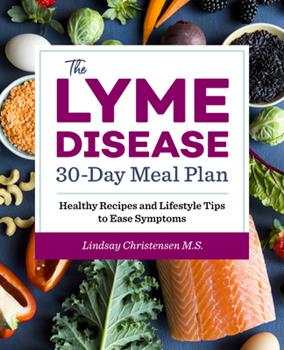
This led me to pursue my Master of Nutrition in Human Nutrition, become a clinical nutritionist, and ultimately specialize in working with clients who have Lyme disease. I have also written a book called The Lyme Disease 30-Day Meal Plan: Healthy Recipes and Lifestyle Tips to Ease Symptoms.

While nutrition alone cannot cure Lyme disease, it can significantly ease your symptoms, accelerate your healing process, and create a stronger, more resilient body capable of healing from Lyme. In addition, nutritional treatment is a powerful complement to both antibiotic and herbal protocols for Lyme disease.

For the Lyme patient struggling with treatment decisions, chronic fatigue, pain, and brain fog, sorting through nutrition information to figure out what to eat can feel daunting. Let’s discuss five steps you can take starting today to maximize your nutrition and support Lyme disease recovery.

Step 1: Remove inflammatory foods

Infection with Borrelia and co-infections induces a profound inflammatory response in the body. This can affect the gut, joints, brain, cardiovascular system, eyes, and skin.

When working with clients who have Lyme disease, I begin by having them remove the most common dietary inflammatory triggers, including:

  • Processed foods
  • Refined carbohydrates and sugar
  • Industrial seed oils, such as canola, corn, cottonseed, soybean, and safflower oils.

Refined carbohydrates and added sugars, such as cane sugar and high-fructose corn syrup, also promote the growth of inflammatory gut bacteria.

Between 70 and 80 percent of your immune system resides in your gut, so when your gut microbiota is unhealthy, your immune function and thus your ability to combat Lyme disease will suffer. Removing refined carbohydrates and added sugars is essential for reducing inflammation and regulating the immune system in Lyme.

I also find that many of my clients do best avoiding gluten and conventional dairy products from grain-fed, industrially-raised animals, since both of these foods are potent inflammatory triggers.

Step 2: Eat anti-inflammatory foods

In addition to removing inflammatory foods from our diets, we also need to incorporate foods that actively reduce inflammation. Work on including the following anti-inflammatory foods into your diet:

  • Wild-caught seafood

IL-17 is a pro-inflammatory cytokine (an immune signaling molecule) made by the immune system during Lyme infection. However, chronic IL-17 production can promote rampant inflammation and even autoimmunity. Metabolites of omega-3 fatty acids called “specialized pro-resolving mediators” or SPMs, blunt the production of IL-17 and can thus help calm the inflammatory response.

Try to eat several servings of fatty cold-water fish per week to bolster your omega-3 intake. Choose from the “SMASH” seafood, which are low in mercury and high in omega-3’s. SMASH stands for “salmon, mackerel, anchovies, sardines, and herring.”

  • Cruciferous vegetables

Cruciferous vegetables, such as broccoli and cauliflower, contain compounds called glucosinolates that increase the body’s glutathione production.

Glutathione, an antioxidant and immune-signaling molecule, plays a crucial role in the immune response to Borrelia.

  • Blueberries

Borrelia spirochetes stimulate macrophages, including glial cells in the brain, to release the inflammatory cytokines IL-6 and TNF-α. Excessive production of these molecules has neurotoxic effects on the brain.

In animal studies, blueberries have been found to reduce IL-6 and TNF-α production and may thus help protect the brain and dampen overall inflammation.

  • Extra virgin olive oil

Oleuropein, a major component of extra virgin olive oil, also reduces the production of the inflammatory cytokines IL-6 and TNF-α involved in the Lyme-induced inflammatory response. Be sure to choose organic olive oil to avoid consuming pesticide or herbicide residues, which have immune system-disrupting effects.

Step 3: Support your immune system

Your immune system requires an array of nutrients to function at its best. Furthermore, infection and stress deplete the body of critical micronutrients. Let’s take a look at several of the micronutrients needed for a well-functioning immune system:

  • Vitamin D

Vitamin D is frequently low in patients with persistent Lyme disease On top of that, Borrelia burgdorferi directly reduces vitamin D receptor expression in immune cells, increasing the need for vitamin D.

Vitamin D is critical for Lyme disease recovery. Daily sun exposure and the consumption of vitamin D-rich foods, including fatty cold-water fish and pastured egg yolks, support a healthy vitamin D status. However, supplementation is often necessary, especially during the fall and winter months.

  • Vitamin A

Vitamin A is a fat-soluble vitamin (a vitamin that dissolves in fats and oils) that regulates both the innate and adaptive branches of the immune system. The innate immune system is our set of frontline immune defenses, whereas the adaptive immune system is composed of specialized cells that target specific pathogens.

We need both branches of the immune system to battle Lyme, and vitamin A can help. Interestingly, vitamin A deficiency worsens Lyme arthritis in mice, whereas vitamin A replenishment reduces the harmful inflammatory response.

Retinol, the form of vitamin A the immune system requires, is found only in certain animal foods, such as egg yolks and liver. In addition, your body can create retinol from carotenoids, vitamin A precursors in yellow and orange plant foods, such as winter squash and carrots. However, this conversion process is not efficient in many people, necessitating vitamin A intake through animal foods.

  • Zinc

Zinc is the second most abundant micronutrient in our bodies after iron. It plays several roles in the immune system, including supporting the intestinal barrier, the layer of cells that lines the gut and maintains the intestinal immune system.

Zinc also inhibits complement activity. Complement is a part of the immune system that is excessively activated by Lyme infection and contributes to inflammation.

The World Health Organization reports that one-third of the world’s population is at risk for zinc deficiency. Vegans, vegetarians, the elderly, and those with gastrointestinal issues that compromise nutrient absorption are particularly at risk for deficiency. To support your immune system, emphasize foods rich in zinc, including oysters, red meat, organ meats, and poultry.

Step 4: Support your gut health

Many individuals with Lyme disease have gone through multiple rounds of antibiotics. While antibiotics can offer significant benefits to many Lyme sufferers,  they also reduce levels of beneficial microorganisms in the GI tract. This allows less desirable opportunistic and pathogenic organisms, including various yeasts and bacteria, to proliferate.

The resulting imbalance in the gut microbiota can compromise immune function, digestion, and nutrient absorption. Furthermore, preliminary research suggests that Borrelia may directly infect the gastrointestinal tract. It is thus crucial to support the health of your gut if you have Lyme disease.

A growing body of research indicates that diet profoundly impacts gut health. There are certain foods you should prioritize to support your gut health, including:

  • Fiber: Dietary fiber found in vegetables, fruits, nuts, seeds, and legumes supports the growth of beneficial gut bacteria, which positively impact our immune function and digestion.
  • Fermented foods: Fermented foods, such as sauerkraut, kimchi, beet kvass, and yogurt (for those who tolerate dairy products), provide probiotics that support gut health and immune function. Try to consume a serving of fermented foods daily. Remember to rotate fermented foods since each food offers unique probiotic microorganisms and health benefits.
  • Bone broth: Bone broth is a slow-cooked broth made from boiling animal bones and connective tissues in water. It is gelatinous and rich in glycine and proline, amino acids that help create a healthy gut. I encourage my clients with Lyme disease to consume bone broth regularly to support intestinal health.

Step 5: Support your joints and brain

Borrelia can cause extensive damage to collagenous tissues in the body, such as skin, tendons, and ligaments. Vitamin C is a cofactor for enzymes involved in collagen synthesis. Optimize your vitamin C intake by consuming foods such as bell peppers, citrus fruits, berries, and broccoli.

The brain is severely affected in many cases of chronic Lyme disease, referred to as “neuroborreliosis.” Lyme infection promotes brain inflammation and impairs energy production in neurons, making it difficult to think clearly and maintain a balanced mood.

Vitamin B12 and DHA are two nutrients necessary for healthy brain function. B12 is supplied through meat, poultry, fish, and eggs, while DHA is an omega-3 fatty acid that we can consume through seafood, such as wild salmon and sardines.

There are many other nutritional factors that can support healthy brain function in Lyme disease, but vitamin B12 and DHA intakes are two of the most important.

Try a recipe from my book

Sesame Chicken Salad

This refreshing salad manages to be both sweet and savory, with a lovely crunch thanks to the addition of slivered almonds. It requires very little prep time, especially if you make the shredded chicken ahead of time in a slow cooker.

The short amount of prep time required is perfect it you’re short on time or energy for cooking. This salad contains several functional food ingredients beneficial for those with Lyme disease, including vitamin C-rich oranges and lime juice, folate-rich leafy greens, and anti-inflammatory extra-virgin olive oil.

Prep Time: 10 minutes

Dairy-Free, Gluten-Free

Ingredients:

FOR THE SALAD:

  • 3 cups mixed greens
  • 4 ounces cooked chicken breast
  • 2 tablespoons slivered almonds
  • ½ cup sliced cucumber
  • 1 cup fresh orange segments
  • 2 scallions, chopped

FOR THE DRESSING

  • 1 tablespoon toasted sesame seeds
  • 1 teaspoon peeled and grated fresh ginger root
  • 2 tablespoons tamari sauce (be sure to select gluten-free tamari sauce)
  • 2 tablespoons rice vinegar
  • 1 tablespoon honey
  • 1 scallion, finely chopped
  • Juice of ½ lime
  • 1/3 cup extra-virgin olive oil
  • ¼ cup freshly squeezed orange juice
  • 2 teaspoons toasted sesame oil
  1. In a large mixing bowl, combine the greens, chicken, almonds, cucumber, orange, and scallions.
  2. In a glass jar or other lidded container, combine the sesame seeds, ginger, tamari sauce, rice vinegar, honey, scallions, lime juice, olive oil, orange juice, and sesame oil. Cover and shake well.
  3. Add the dressing to the salad and gently toss to coat.
  4. Serve immediately or refrigerate the salad and dressing in separate airtight containers for up to 2 days.

Lindsay Christensen has a Master of Science in Human Nutrition and is a Certified Nutrition Specialist and Licensed Dietitian Nutritionist. In her private clinical nutrition practice, Ascent to Health, she specializes in nutrition care for individuals with Lyme disease and other environmental illnesses.

For more:

Will Treating My Gut Flora Put Lyme + Coinfections into Remission?

https://rawlsmd.com/health-articles/will-treating-my-gut-flora-put-lyme-coinfections-into-remission?

View LaWill Treating My Gut Flora Put Lyme + Coinfections into Remission?

by Dr. Bill Rawls
Posted 10/29/21

Often, irritating gut symptoms seem to be part and parcel with Lyme disease. So then, can working on your gut health actually help you feel better? In this webinar short, Dr. Bill Rawls discusses how microbes throughout the body, including the gut, contribute to the symptoms of chronic Lyme disease and how balancing them may help you reach remission. Read Dr. Rawls’ personal story here.

Video Transcript

Question: Will treating my gut flora put Lyme and coinfections into remission?

Tim Yarborough: Our next question here is a really good one. This is from Kim: When I treat my gut flora for my Lyme, will it help or put my Lyme coinfections in remission? Will it help with any other symptoms such as vibration and ringing in my ears?

Dr. Rawls: It all goes together. It’s not one thing; everything is tied together, and it’s all about microbes trying to get at the cells of our body. So whether that’s microbes from the gut, or microbes coming in from tick bites, or microbes that we picked up as children, and if we’ve had them all our lives like Epstein-Barr, and CMV (cytomegalievirus), and Mycoplasma, they’re all affecting our cells. And so getting over Lyme disease is a process of healing cells and protecting cells. Weak cells, stressed cells, are more vulnerable to microbe invasion.

So for Lyme disease, you can imagine your whole body just being peppered with microbes — normal tissue, like normal muscle with normal cells and just cells that have been infected by microbes peppered throughout your tissues. Your immune system has to go in and take those things out individually, and they’re in your brain, and they’re in your heart, and they’re in your lungs.

And we all have a lot more microbes than just the Borrelia; we all have a spectrum of microbes. And then, you add the gut microbes on top of that, that are all invading your cells and basically peppered your body. So to get over that, part of it is healing the gut. We want to do that; we want to stop that flow, and we want to nourish our cells properly to keep them strong.

So herbs offer some big advantages in that you can take antimicrobial herbs for a long time, and they don’t disrupt gut flora. This is really important. And that’s the separating fact between herbs and antibiotics. Antibiotics are indiscriminate and kill everything. Herbs are discriminant. Plants have to take care of their normal flora and suppress the pathogens just like we do so that phytochemistry is very sophisticated.

So I took herbs, pretty high doses of antimicrobial herbs for about eight years, and I still take them regularly every day, not at the same doses, but pretty significant doses for a long time. And my gut just kept getting better every year, along with all of my other symptoms.

So when we’re treating the thing holistically, that we’re treating the gut, we’re using the herbs to not only help balance the gut, but we’re using the herbs to suppress the microbes in our system and also protect ourselves from free radicals and other damaging factors. So that the cells can heal themselves, then everything continues to get better as you move along. And that’s what it’s all about.

Dr. Rawls is a physician who overcame Lyme disease through natural herbal therapy. You can learn more about Lyme disease in Dr. Rawls’ new best selling book, Unlocking Lyme.
You can also learn about Dr. Rawls’ personal journey in overcoming Lyme disease and fibromyalgia in his popular blog post, My Chronic Lyme Journey.

___________________

For more: