Archive for the ‘diet and nutrition’ Category

How to Get Unstuck With the Lyme Recovery Roadmap

https://rawlsmd.com/health-articles/how-to-get-unstuck-with-the-lyme-recovery-roadmap

How to Get Unstuck with the Lyme Recovery Roadmap

by Dr. Bill Rawls
Updated 10/15/21

During your Lyme disease recovery, it’s not unusual to find yourself stuck from time to time, not knowing what to do to further heal and reduce undesirable symptoms. To overcome this all too common circumstance and experience progress again, you’ll want to pay careful attention to potential obstacles that can impede wellness and remove them.

While eliminating microbes and reducing symptoms are crucial pieces of the recovery puzzle, there’s always more to the story. The biggest reasons symptoms occur in the first place are because our bodies’ cells aren’t getting enough nutrients, oxygen, or water, and the waste and toxin removal mechanisms are compromised. Ultimately, getting well is a matter of minimizing the factors that are disrupting the health of your cells to the best of your ability.

Building a Strong Foundation of Natural Support

So then, what direction do you go in if you need to get unstuck? Start by building a strong foundation in your Lyme disease recovery.

key steps in building your foundation: suppress microbes, protect cells, inhibit inflammation, cellular connectivity, good flow

The bedrock of any comprehensive natural protocol should contain these three critical elements: antimicrobial herbs, immune-modulating herbs, and methylation and cellular support.

antimicrobial, immune-modulating, and methylation and cellular support

While many herbs have the potential to be of benefit to your recovery from chronic Lyme disease, certain ones rise to the top because they tackle the myriad of cellular stress factors you endure, helping to quell an environment where chronic illness flourishes.

My preferred herbs and supplements from the 3 categories above include:

1. Antimicrobial Herbs to Suppress Microbes

Many herbs have antimicrobial effects against borrelia, bartonella, babesia, mycoplasma, and more. In fact, recent research from Johns Hopkins University has shown that herbal therapy may be more effective at combating borrelia and babesia than medications. The following is a list of herbs to help form the basis of your Lyme protocol.

antimicrobial herbs andrographis, berberine, cats claw, sarsaparilla, garlic, and more

2. Immune-Modulating Herbs

Herbs with immune-modulating properties help to normalize the functions of the immune system, inhibiting dysfunctional chemical messengers called cytokines and restoring the immune system’s communication pathways.

Medicinal mushrooms, in particular, are a great way to modulate the immune system, but other herbs are helpful as well.

immune-modulating herbs reishi mushroom, cordyceps, rehmannia extract, and chinese skullcap

3. Methylation + Cellular Support

Finally, combining herbs with supplements that address methylation — the body’s biochemical process that switches on and off genes, regulates metabolism, mood, detoxification, and more — will amp up the cellular protection.

methylation and cellular support: activated b vitamins, glutathione, alpha lipoic acid, and more

Removing the Obstacles to Healing

When trying to remove obstacles to healing, it’s vital to understand this: It’s generally not one factor but multiple factors that set the stage for chronic immune dysfunction associated with stealth infections and chronic illness. Besides microbes, other stress factors compounding the problem include:

  • Unnatural diet
  • Toxic environment
  • Chronic Stress
  • Sedentary lifestyle

Let’s take a look at each of these obstacles, how they impact healing, and what we can do about them:

1. Poor Diet

The foods you eat equate to fuel for the body so that you have the energy you need to repair tissues and curb inflammation. Without sufficient nutrients, the opposite is true: your body is starved of the nourishment it needs to restore itself. And while the occasional slip-up might not be enough to through your recovery completely off track, repeatedly consuming foods devoid of nutrients presents significant challenges for the body.

excess carbohydrates leads to increased insulin levels, insulin resistance, immune suppression, and more

evaluate your diet with the self-assessment tool to determine if it's an obstacle to healing
answering no to one or more items in the diet assessment suggests diet is an obstacle to healing

General Diet Guidelines

To keep your diet as nutrient-dense as possible, consider the following guidelines.

general diet guidelines cook your vegetables, avoid fried foods, minimize carbohydrates, and chew your food

Some foods are problematic for many people because they contribute to food allergies, sensitivities, digestive issues, or increase the body’s toxic burden. Foods to consider nixing from your diet altogether are as follows:

foods to eliminate include lectins, dairy, alcohol, artificial preservatives, and artificial sweeteners

2. Toxins

Toxins are present in the foods you eat, the air you breathe, personal care products, household cleaners, and more. Toxins can have a profound influence on the body.

toxins compromise cellular energy production, disrupt hormones, promote inflammation, and more

evaluate your environment with the self-assessment tool to determine if it's an obstacle to healing
answering no to one or more items in the toxin assessment suggests toxins are an obstacle to healing

Although toxins can come from a variety of sources, you’re probably most familiar with mold and its mycotoxins. Unfortunately, mold exposure can curtail your efforts to get well — regardless of whether it’s “toxic” or even whether you’re allergic to mold. More than 50% of homes and more than 85% of commercial buildings in the U.S. have water damage and mold, even if you can’t see or smell it outright. Symptoms can range from mildly disruptive to serious and truly life-threatening. To clean up mold and your environment, put these tips into action:

eliminate mold by removing visible signs of it and cleaning heating units and air conditioners
eat organic food, filter your water, replace HVAC filters, and quit smoking to minimize other toxins

3. Stress

Chronic stress is very pervasive in modern life. Often people suffering from stress don’t realize that their symptoms are stress-related. Stress has the potential to disrupt all normal functions of the body and mind.

stress disrupts functions of the body like digestion, immune system, daily maintenance, and tissue repair

evaluate your stress levels with the self-assessment tool to determine if it is an obstacle to healing
answering no to one or more items in the stress assessment suggests stress is an obstacle to healing

Stress sends the sympathetic nervous system — the part of the nervous system associated with the “fight or flight” response — into overdrive, leading to issues like poor sleep, feelings of irritability or anxiousness, increased pain levels, among others. Since you can’t outrun stress, learning to manage it is one of the best steps you can take for your health.

dedicate time to stress relief by mediating, gardening, walking, or using herbs to support the stress response

dedicate time to improving sleep by taking a hot bath, blocking out excess light, and sleeping in a cool room

4. Inactivity

If you’re highly symptomatic or experiencing a relapse, moving your body might be the last thing you want to do. But even gentle, restorative exercise (restorative yoga, qigong, taking a stroll, doing leisurely laps in the pool) can help counter the pitfalls of being too sedentary.

inactivity decreases blood flow, increases toxin retention, disrupts immune function, and zaps energy

evaluate your activity level with the self-assessment tool to determine if it's an obstacle to healing
answering no to one or more items in the activity assessment suggests inactivity is an obstacle to healing

if you have limited activity levels, consider gentle exercises like restorative yoga, pilates, or qigong

if you are bedridden, avoid exercise until you feel ready or consider using an infrared sauna

What if Symptoms Persist?

Sometimes, you can do all the right things and still wind up perplexed as to what’s going on or what to do next. The good news, however, is there are still several options to consider.

First, do you need to add additional herbal support to combat coinfections? Some herbs to think about include:

if symptoms persist, try additional herbal support like cryptolepis, black walnut, neem, or red root

Second, do you need the assistance of a heroic therapy — more potent interventions for when you feel like nothing else is moving the needle? For Lyme disease, the ones you’re most apt to be prescribed or recommended are:

heroic therapies are more potent interventions like antibiotics, rife machines, ozone, and hyperthermia therapy

Wellness is Within Reach

Treating Lyme disease requires persistence as you slowly chip away at layers of dysfunction and cellular stress factors. While it can be overwhelming, whenever you get stuck, go back to the basics and look for the areas where you might have gotten off track.

self check-ins are crucial each week to make sure you're staying on track toward your goal of healing

Review this recovery roadmap, and do weekly self check-ins. Remain consistent with your protocol and celebrate all of your healing milestones — no matter how big or small they are. Soon, you’ll find yourself turning the corner.

Dr. Rawls is a physician who overcame Lyme disease through natural herbal therapy. You can learn more about Lyme disease in Dr. Rawls’ new best selling book, Unlocking Lyme.
You can also learn about Dr. Rawls’ personal journey in overcoming Lyme disease and fibromyalgia in his popular blog post, My Chronic Lyme Journey.

________________

**Comment**

If you are a newbie, or even an “advanced” patient, this article may really stress you out as there’s so much to learn, consider, and address.  The intent is never to overwhelm, but to enlighten as this is probably the toughest thing to treat and encompasses every bodily system.  Please, just learn what you can and take one thing at a time.  Most things cost money and time and patients are typically short on both so don’t beat up on yourself. 

The Manufacturing of Bone Diseases & 8 Natural Osteoprotectives

https://www.greenmedinfo.com/blog/osteoporosis-myth-dangers-high-bone-mineral-density

The Manufacturing of Bone Diseases: The Story of Osteoporosis and Osteopenia

The present-day definitions of osteopenia and osteoporosis were arbitrarily conceived by the World Health Organization (WHO) in the early ’90s and then projected upon millions of women’s bodies seemingly in order to convince them they had a drug-treatable, though symptomless, disease

Osteopenia (1992)[i] and osteoporosis (1994)[ii] were formally identified as skeletal diseases by the World Health Organization (WHO) as bone mineral densities (BMD) 1 and 2.5 standard deviations, respectively, below the peak bone mass of an average young adult Caucasian female, as measured by an X-ray device known as dual energy X-ray absorptiometry (DXA, or DEXA). This technical definition, now used widely around the world as the gold standard, is disturbingly inept, and as you shall see, likely conceals an agenda that has nothing to do with the promotion of health.

Deviant Standards: Aging Transformed Into a Disease

A “standard deviation” is simply a quantity calculated to indicate the extent of deviation for a group as a whole, i.e., within any natural population there will be folks with higher and lower biological values, e.g., height, weight, bone mineral density, cholesterol levels. The choice of an average young adult female (approximately 30 years old) at peak bone mass in the human lifecycle as the new standard of normality for all women 30 or older, was, of course, not only completely arbitrary but also highly illogical. After all, why should an 80-year-old’s bones be defined as “abnormal” if they are less dense than a 30-year-old’s?

Within the WHO’s new BMD definitions the aging process is redefined as a disease, and these definitions targeted women, much in the same way that menopause was once redefined as a “disease” that needed to be treated with synthetic hormone replacement therapies (HRT); that is, before the whole house of cards collapsed with the realization that by “treating” menopause as a disease the medical establishment was causing far more harm than good, e.g., heart disease, stroke and cancer.

As if to fill the void left by the HRT debacle and the disillusionment of millions of women, the WHO’s new definitions resulted in the diagnosis, and subsequent labeling, of millions of healthy middle-aged and older women with what they were now being made to believe was another “health condition,” serious enough to justify the use of expensive and extremely dangerous bone drugs (and equally dangerous mega-doses of elemental calcium) in the pursuit of increasing bone density by any means necessary. 

One thing that cannot be debated, as it is now a matter of history, is that this sudden transformation of healthy women, who suffered no symptoms of “low bone mineral density,” into an at-risk, treatment-appropriate group, served to generate billions of dollars of revenue for DXA device manufacturers, doctor visits and drug prescriptions around the world.The Manufacture of a Disease

WHO Are They Kidding?

Osteopenia is, in fact, a medical and diagnostic non-entity. The term itself describes nothing more than a statistical deviation from an arbitrarily determined numerical value or norm. According to the osteoporosis epidemiologist Dr. L. Joseph Melton at the Mayo Clinic who participated in setting the original WHO criteria in 1992, “[osteopenia] was just meant to indicate the emergence of a problem,” and he noted, “It didn’t have any particular diagnostic or therapeutic significance. It was just meant to show a huge group who looked like they might be at risk.“[iii] Another expert, Dr. Michael McClung, director of the Oregon Osteoporosis Center, criticized the newly adopted disease category osteopenia by saying, ”We have medicalized a nonproblem.”[iv]

In reality, the WHO definitions violate both commonsense and fundamental facts of biological science — sadly, an increasingly prevalent phenomenon within drug-company-funded science. After all, anyone over 30 years of age should have lower bone density than a 30-year-old, as this is consistent with the normal and natural healthy aging process. And yet, according to the WHO definition of osteopenia, the eons-old programming of your body to gradually shed bone density as you age, is to be considered a faulty design and/or pathology in need of medical intervention.

How the WHO, or any other organization that purports to be a science-based “medical authority,” can make an ostensibly educated public believe that the natural thinning of bones is not normal, or more absurdly, a disease, is astounding. In defense of the public, the cryptic manner in which these definitions and diagnoses have been cloaked in obscure mathematical and clinical language makes it rather difficult for the layperson to discern just how outright insane the logic they are employing really is.

So, let’s look closer at the definitions now, which are brilliantly elucidated by Washington.edu’s published online course on Bone Densitometry, which can be viewed in its entirety here.

The Manufacture of a Disease Through Categorical Sleight-of-Hand

bone mineral density loss

The image above shows the natural decrease in hip bone density occurring with age, with variations in race and gender depicted. Observe that loss of bone mineral density with age is a normal process.

Bell Curve Bones

Next is the classical bell-shaped curve, from which T- and Z-scores are based. T-sores are based on the young adult standard (30-year-old) bone density as being normal for everyone, regardless of age, whereas the much more logical Z-score compares your bone mineral density to that of your age group, as well as sex and ethnic background. Now here’s where it gets disturbingly clear how ridiculous the T-score really system is:

WHO definitions osteoporosis

Above is an image showing how within the population of women used to determine “normal” bone mineral density, e.g., 30-year-olds, 16% of them already “have” osteopenia, according to the WHO definitions, and 3% already “have” osteoporosis! According to Washington.edu’s online course, “One standard deviation is at the 16th percentile, so by definition, 16% of young women have osteopenia! As shown below, by the time women reach age 80, very few are considered normal.”

Osteopenia and Osteoporosis Rates with Age

Above you will see what happens when the WHO definitions of “normal bone density” are applied to aging populations. Whereas at age 25, 15% of the population will “have” osteopenia, by age 50 the number grows to 33%. And by age 65, 60% will be told they have either osteopenia (40%) or osteoporosis (20%).

On the other hand, if one uses the Z-score, which compares your bones to that of your age group, something remarkable happens: a huge burden of “disease” disappears! In a review on the topic published in 2009 in the Journal of Clinical Densitometry, 30% to 39% of the subjects who had been diagnosed with osteoporosis with two different DXA machine models were reclassified as either normal or “osteopenic” when the Z- score was used instead of the T-score. The table, therefore, can be turned on the magician-like sleight-of-hand used to convert healthy people into diseased ones, as long as an age-appropriate standard of measurement is applied, which presently it is not.

Bone Scans or Scams? How Dense Bones Can Harm Your Health

Bone Mineral Density Is NOT Equivalent to Bone Strength

As you can see there are a number of insurmountable problems with the WHO’s definitions, but perhaps the most fatal flaw is the fact that the DXA is only capable of revealing the mineral density of the bone, and this is not the same thing as bone quality/strength.

While there is a correlation between bone mineral density and bone quality/strength — that is to say, they overlap in places — they are not equivalent. In other words, density, while an excellent indicator of compressive strength (resisting breaking when being crushed by a static weight), is not an accurate indicator of tensile strength (resisting breaking when being pulled or stretched).

Indeed, in some cases having higher bone density indicates that the bone is actually weaker. Glass, for instance, has high density and compressive strength, but it is extremely brittle and lacks the tensile strength required to withstand easily shattering in a fall. Wood, on the other hand, which is closer in nature to human bone than glass or stone, is less dense relative to these materials, but also extremely strong relative to them, capable of bending and stretching to withstand the very same forces that the bone is faced with during a fall. Or, take spider web. It has infinitely greater strength and virtually no density. Given these facts, having “high” bone density (and thereby not having osteoporosis) may actually increase the risk of fracture in a real-life scenario like a fall.

Essentially, the WHO definitions distract from key issues surrounding bone quality and real world bone fracture risks, such as gait and vision disorders.[v] In other words, if you are able to see and move correctly in your body, you are less likely to fall, which means you are less prone to fracture. Keep in mind also that the quality of human bone depends entirely on dietary and lifestyle patterns and choices, and unlike X-ray based measurements, bone quality is not decomposable to strictly numerical values, e.g., mineral density scores.

Vitamin K2 and soy isoflavones, for instance, significantly reduce bone fracture rates without increasing bone density. Scoring high on bone density tests may save a woman from being intimidated into taking dangerous drugs or swallowing massive doses of elemetal calcium, but it may not translate into preventing “osteoporosis,” which to the layperson means the risk of breaking a bone. But high bone mineral density may result in far worse problems.

High Bone Mineral Density & Breast Cancer

High Bone Mineral Density & Breast Cancer

One of the most important facts about bone mineral density, conspicuously absent from discussion, is that having higher-than-normal bone density in middle-aged and older women actually INCREASES their risk of breast cancer by 200% to 300%, and this is according to research published in some of the world’s most well-respected and authoritative journals, e.g., Lancet, JAMA, NCI. (see citations below).

While it has been known for at least 15 years that high bone density profoundly increases the risk of breast cancer — and particularly malignant breast cancer — the issue has been given little to no attention, likely because it contradicts the propaganda expounded by mainstream women’s health advocacy organizations. Breast cancer awareness programs focus on X-ray based breast screenings as a form of “early detection,” and the National Osteoporosis Foundation’s entire platform is based on expounding the belief that increasing bone mineral density for osteoporosis prevention translates into improved quality and length of life for women.

The research, however, is not going away, and eventually these organizations will have to acknowledge it or risk losing credibility.

High Bone Density: More Harm Than Good

The present-day fixation within the global medical community on “osteoporosis prevention” as a top women’s health concern is simply not supported by the facts. The No. 1 cause of death in women today is heart disease, and the No. 2 cause of death is cancer, particularly breast cancer, and not death from complications associated with a bone fracture or break. In fact, in the grand scheme of things osteoporosis or low bone mineral density does not even make the CDC’s top 10 list of causes of female mortality. So, why is it given such a high place within the hierarchy of women’s health concerns? Is it a business decision or a medical one?

Regardless of the reason or motive, the obsessive fixation on bone mineral density is severely undermining the overall health of women. For example, the mega-dose calcium supplements being taken by millions of women to “increase bone mineral density” are known to increase the risk of heart attack by 24% to 27%, according to two 2011 meta-analyses published in Lancet, and 86% according to a more recent meta-analysis published in the journal Heart. Given the overwhelming evidence, the 1,200+ milligrams of elemental calcium the National Osteoporosis Foundation (NOF) recommends women 50 and older take to “protect their bones” may very well be inducing coronary artery spasms, heart attacks and calcified arterial plaque in millions of women. Considering that the NOF named calcium supplement manufacturers Citrical and Oscal as corporate sponsors, it is unlikely their message will change anytime soon.

Now, when you consider the case of increased breast cancer risk linked to high bone mineral density, being diagnosed with osteopenia or osteoporosis would actually indicate a significantly reduced risk of developing the disease. What is more concerning to women: breaking a bone (from which you can heal) or developing breast cancer? If it is the latter, a low BMD reading could be considered cause for celebration and not depression, fear and the continued ingestion of inappropriate medications or supplements, which is usually the case following a diagnosis of osteopenia or osteoporosis.

I hope this article will put to rest any doubts that the WHO’s fixation on high bone density was designed not to protect or improve the health of women, but rather to convert the natural aging process into a blockbuster disease, capable of generating billions of dollars of revenue.

Learn more on the GreenMedInfo.com database:


References

[i] WHO Scientific Group on the Prevention and Management of Osteoporosis (2000 : Geneva, Switzerland) (2003). “Prevention and management of osteoporosis : report of a WHO scientific group” (PDF). Retrieved 2007-05-31.

[ii] WHO (1994). “Assessment of fracture risk and its application to screening for postmenopausal osteoporosis. Report of a WHO Study Group”. World Health Organization technical report series 843: 1-129. PMID 7941614.

[iii] Kolata, Gina (September 28, 2003). “Bone Diagnosis Gives New Data But No Answers”. New York Times.

[iv] Ibid

[v] P Dargent-Molina, F Favier, H Grandjean, C Baudoin, A M Schott, E Hausherr, P J Meunier, G Bréart Fall-related factors and risk of hip fracture: the EPIDOS prospective study. Lancet. 1996 Jul 20;348(9021):145-9. PMID: 8684153

How About Health As a COVID Exit Strategy?

https://lacrossetribune.com/opinion/columnists/opinion-how-about-health-as-a-covid-exit-strategy/article

Opinion: How about health as a COVID exit strategy?

Frank Edelblut
Frank Edelblut

Excerpts:

What is common among many of these health conditions are the significant influence lifestyle choices have in controlling them. This is particularly true for the top three causes of severe COVID-19. Of course, hereditary factors play a role in these conditions for some people, but for many people, these health conditions can be controlled with lifestyle choices.

The lesson we might take from this is health and wellness should be a key strategy in the avoidance of severe COVID-19 effects.  (See link for article)

The article points out that anxiety and fear-related disorders increased the chance of death from COVID-19 by 28%, which is the second-highest health condition accompanying death from COVID-19.

The author then astutely points out that for over 18 months the media has done nothing but emphasize and focus on risks, dangers, and tragic outcomes with little coverage on making healthy choices as a strategy.  To demonstrate this, a German paper finally came clean and apologized for its fear-mongering.

The media should be reporting on the complete censorship of doctors who are trying to truly help patients with effective, safe treatments and saving lives.  Instead, they are complicitly spreading the government’s misinformation.

For more:

There are also many, many success stories of people who have survived COVID. You never read about these cases – only fear, gloom, doom, and more fear.  The healthiest thing you can do for your mental health is turn off mainstream media.  Just turn it off. 

A NY Times reporter just got caught lying about a COVID surge in schools that didn’t actually happen.

Mold & Chronic Inflammatory Response Syndrome

**UPDATE**

https://biocidin.zoom.us/webinar/register/1716288132197/WN_clZPZbBtSiuPaQ0-zz_Qxw?utm_campaign=webinar-lyme- Register Here

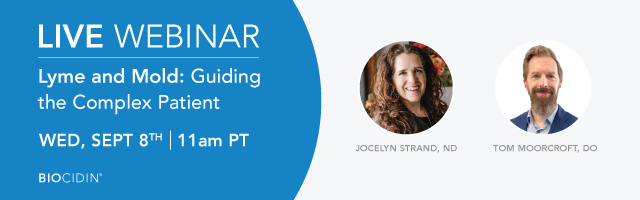
Lyme and Mold: Guiding the Complex Patient
Join us Wednesday, Sept. 8, at 11 am PT and listen in as Dr. Jocelyn Strand, Biocidin’s Director of Clinical Education, talks with Tom Moorcroft, DO.Dr. Tom is a member of the ILADS Evidence-Based Lyme and Coinfections Fundamentals Program working group and a trainer of healthcare providers.

He will share proven strategies gleaned from over a decade of supporting some of the most sensitive patients with Lyme and other chronic issues. These include:

• Investigating and addressing physical triggers
• Patient-centered treatment of mind, body, and spirit
• Combining conventional therapies with simple, natural interventions

Don’t miss this discussion as Dr. Tom shares his experience and wisdom for supporting the healing journey for even our most complex patients!

Time:  Sep 8, 2021 11:00 AM in Pacific Time (US and Canada)

https://rawlsmd.com/health-articles/lyme-disease-chronic-inflammatory-response-syndrome

Mold + Chronic Inflammatory Response Syndrome (CIRS): What is It + Ways to Get Relief

Mold + Chronic Inflammatory Response Syndrome (CIRS): What is It + Ways to Get Relief

by Jenny Lelwica Buttaccio
Updated 7/20/21

If your recovery from Lyme disease has been fraught with many twists and turns despite multiple trips to doctors, numerous treatments, and your best efforts — you might feel yourself becoming increasingly more frustrated. Thankfully, there are always new avenues to explore for finding relief, including a lesser-known condition you might not yet have heard of: Chronic Inflammatory Response Syndrome (CIRS).

Named by Dr. Richie Shoemaker, MD, a researcher and retired family physician from Pocomoke City, MD, CIRS is a biotoxin illness — meaning, an illness caused by chemical toxins released by certain living organisms — and it could play a critical role in why some patients remain ill despite months or years of treatment for chronic Lyme disease.

But because the symptoms associated with CIRS overlap with many other health conditions, including Lyme disease and other tick-borne diseases, it makes identifying the illness challenging for healthcare providers and adds layers to the problems that most patients already face when trying to obtain an accurate diagnosis.

Learn more about CIRS below, including its history, symptoms, testing, and treatment, to determine if this condition might be impeding your recovery and what to do about it.

The History of CIRS

The majority of our understanding of CIRS comes to the medical community by way of Dr. Shoemaker. He began his foray into the world of biotoxin illness in 1997 near an unincorporated community in Shelltown, MD. There, he linked a group of acutely ill individuals to water contaminated with a bacterial exotoxin (a biotoxin that damages cells in the body) from Pfiesteria, a dinoflagellate or single-cell aquatic organism.

Young black woman suffering from headache or migraine after waking up in morning. Stressed lady sitting in bed with painful face expression feeling terrible hangover, unpleasant weakness, dizziness

The affected individuals exhibited symptoms like headaches, memory loss, digestive disturbances, and skin lesions, according to a case report in the Maryland Medical Journal. The toxins produced by the dinoflagellate had been responsible for killing billions of fish in North Carolina’s estuaries, but whether or not it had contributed to illness in humans had largely remained controversial prior to Dr. Shoemaker’s findings.

Through his practice-based studies, a clinical picture of illness emerged, with the affected patients having a reduced capacity to clear biotoxins from their bodies, a heightened inflammatory response, and multi-systemic involvement. Dr. Shoemaker named the constellation of symptoms Chronic Inflammatory Response Syndrome. Through the years, he discovered other biotoxin illness in people who have had exposure to the following:

  1. Water-damaged buildings (WDB): WDBs are often hotspots for mold, even if you can’t see it or smell it. Though the exact prevalence of mold-infested buildings isn’t known, approximately 50% of homes and 85% of commercial buildings have sustained some water damage and mold.
  2. Organisms in the water: We already mentioned the discovery of the toxic dinoflagellate Pfiesteria, which laid the foundation for CIRS. However, another compound produced by dinoflagellates called ciguatera, as well as toxins from blue-green algae known as cyanobacteria, may be problematic for some people, too.
  3. Spiders: The poisonous venom from recluse spider bites, namely Mediterranean and brown, have been known to cause CIRS.

Of the above, mold is the most well-known biotoxin discussed in the chronic illness community. “Approximately, 25% of Americans carry a gene called HLA-DR (human leukocyte antigen) that makes it more difficult for them to excrete the toxic metabolites produced by a variety of different molds or other biotoxins,” says Dr. Bill Rawls, MD, Medical Director of RawlsMD and Vital Plan. Furthermore, the population of people with the genetic variant is more likely to develop CIRS because their bodies are unable to recognize toxins as foreign invaders, so they don’t produce the antibodies needed to remove these toxic substances.

But CIRS isn’t usually caused by one event alone, such as mold. Like many complex health conditions, there may be several components that overwhelm the body, such as multiple biotoxin exposures, untreated or stealth microbes, environmental toxins, and genetic variants.

<img class=”lazyload” src=”data:;base64,” alt=”Molecular level representation of virus, bacteria or disease.” data-orig-src=”https://rawlsmd.com/wp-content/uploads/2020/07/biotoxin-cirs-lyme-disease-infection.jpg&#8221; />

For instance, if you’re already battling Lyme disease, your body is inundated with other kinds of toxins called endotoxins, which are pieces of dead bacteria that also cause an immune response, systemic inflammation, and can lead to a Herxheimer reaction. But unlike the exotoxin from Pfiesteria, endotoxins don’t damage cells directly.

Both exotoxins and endotoxins often get lumped together under the biotoxin umbrella, but they are quite different, notes Dr. Rawls, and they aren’t cleared from the body in the same manner. But ultimately, a body that is overrun with a multitude of toxins from various sources can reach a tipping point, and a person may encounter symptoms that don’t resolve with treatment.

The Primary Symptoms of CIRS

The symptoms of CIRS exist on a spectrum. Some individuals experience mild illness, while others are debilitated — which, as mentioned, is more likely to happen when Lyme disease is in the mix, burdening the immune system and stressing your cells.

<img class=”lazyload” src=”data:;base64,” alt=”Unhappy tired depressed mature woman sitting at home on the floor. Health problems of middle-aged women, mental health, covid coronavirus consequences” data-orig-src=”https://rawlsmd.com/wp-content/uploads/2021/07/CIRS-middle-aged-woman-sick-symptomatic.jpg&#8221; />

CIRS can affect several systems of the body, including neuroimmune, vascular, and endocrine systems. In addition to Lyme disease, the syndrome may mimic or overlap with other conditions, such as ME/CFS (myalgic encephalomyelitis/chronic fatigue syndrome), ulcerative colitis, fibromyalgia, and multiple sclerosis.

There are dozens of symptoms associated with CIRS, many of which will likely sound familiar to you. The most common ones include:

  • Cognitive problems with memory, concentration, and focus
  • Brain fog
  • Confusion
  • Headaches
  • Vertigo and dizziness
  • Fatigue and post-exertional malaise (PEM)
  • Muscle aches and joint pain
  • Abdominal cramping
  • Diarrhea
  • Shortness of breath
  • Sensitivity to light
  • Changes in mood
  • Sinus problems
  • Cough

How to Test for CIRS

<img class=”lazyload” src=”data:;base64,” alt=”Close up of female scientist sampling blood in test tubes while working on research in laboratory” data-orig-src=”https://rawlsmd.com/wp-content/uploads/2020/07/testing-chronic-Inflammatory-response-syndrome.jpg&#8221; />

Because the symptoms of CIRS are similar to those of other illnesses, your doctor will likely gather a detailed history of your potential exposure to mold or other biotoxins and perform a physical exam, as well as order tests to evaluate biomarkers that correlate with a mold and biotoxin illness.

Although many lab tests exist in the world of mold and biotoxin illness, is it a requirement to do all of them?

Not necessarily, says Dr. Rawls. It’s important to determine whether the information you might get from these labs will influence your decision-making. “Labs can provide valuable information, but in my opinion, about 75% of labs ordered by physicians probably won’t change the outcomes or management of the illness.”

Before allowing tests to be done, Dr. Rawls suggests always defining with your healthcare provider exactly how much a test will cost, whether it’s covered by insurance, and how the information obtained by a test will influence how you treat your condition. “Remember, you should always have the final say so.”

If you decide to move forward with testing, potential labs might include:

  1. HLA-DR: This genetic blood test determines whether a person has the genes that trigger the immune system to properly recognize and excrete mold and biotoxins from the body.
  2. VCS (Visual Contrast Sensitivity): A VCS test measures your ability to detect changes in visual contrast, a function that may be impaired in individuals who have been exposed to mold and biotoxins. The test is available online or can be completed in a doctor’s office.
  3. MSH (Melanocyte-Stimulating Hormone): The hormone MSH is produced in the hypothalamus and the pituitary gland. It regulates neuroimmune pathways, including melatonin, cortisol, cytokines, sex hormones, and the integrity of mucous membranes. Among CIRS-mold patients, 95% have decreased MSH functioning.
  4. TGF-beta-1 (Transforming Growth Factor Beta-1): TGF-beta-1 is an inflammatory cytokine marker that affects the functions of immune cells. It may be elevated in people with CIRS, causing a host of neurologic and autoimmune-type symptoms.
  5. VEGF (Vascular Endothelial Growth Factor): VEGF measures oxygen delivery capabilities throughout the body’s tissues. In the presence of CIRS, a state of low oxygen may ensue (hypoxia), resulting in increased fatigue, poor stamina, and PEM.
  6. C4a: C4a is a complement protein known as an anaphylatoxin, a substance that creates a response similar to an allergic reaction. It also executes tasks related to the immune system and inflammation. An elevated C4a may be present in individuals who have been exposed to mold or biotoxins. However, note that C4a levels aren’t exclusive to mold or biotoxins — levels may also be elevated in patients with Lyme disease and lupus.
  7. VIP (Vasoactive Intestinal Peptide): VIP is a peptide that regulates the immune response, inflammatory cytokines, and pulmonary arterial pressure. Low levels may be seen in people with mold and biotoxin illness. Symptoms of low VIP levels can include shortness of breath and exercise intolerance.
  8. MARCoNS (Multiple Antibiotic Resistant Coagulase Negative Staphylococcus): MARCoNs is a type of bacteria that resides deep in the nasal cavity and may pose a risk to people with mold and biotoxin illness. MARCoNs may suppress MSH levels, further hindering neuroimmune pathways. Testing for MARCoNs involves a nasal culture in the back of the nose.
  9. ADH (Antidiuretic Hormone): ADH manages the body’s fluid levels by balancing salt and water. ADH dysregulation may occur in people with mold and biotoxin illness, resulting in symptoms like excessive thirst, urinary frequency, fluid retention, and more.
  10. MMP-9 (Matrix Metalloproteinase-9): An enzyme, MMP-9, may increase in response to higher levels of cytokines in the body. A prolonged increase in MMP-9 may result in damage to certain tissues in the body.

Indeed, this is an expansive (and overwhelming) list of tests. “Labs can be extremely expensive,” says Dr. Rawls, “So your money might be better spent on therapies that have a high potential to help you feel better than labs that have a marginal impact on the outcomes or management of your illness.”

Thankfully, nowadays, most Lyme-literate medical doctors (LLMD) and many integrative physicians have at least a basic knowledge of mold and biotoxin illness and likely have established a set of biomarkers they prefer to use to evaluate for CIRS that might help trim the cost.

Top Treatment Options for CIRS

Treatment for CIRS requires an individualized, multi-faceted approach aimed at removing mold and biotoxins from the body, quieting inflammation, and assisting the body with cellular and tissue repair. Here are the best therapies to consider.

1. Remove or Remediate Biotoxins from Your Environment.

<img class=”lazyload” src=”data:;base64,” alt=”Woman holds ventilation grill with dust filter to clean it. Dirty and dusty white plastic, harmful for health. Cleaning lady with disguised expression, blurred, in protective rubber gloves and uniform” data-orig-src=”https://rawlsmd.com/wp-content/uploads/2021/07/mold-cirs-air-filter-change-purify.jpg&#8221; />

If you’ve been diagnosed with CIRS, a first key step is eliminating troublesome mold and biotoxins in your environment to nip the trigger for your symptoms in the bud. “The solution to a mold problem is avoiding it as best you can,” advises Dr. Rawls.

The reason? If someone living in a dwelling with mold issues is chronically ill with Lyme disease or another illness, then the likelihood that person is mold sensitive is quite high. “Though there is a higher incidence of mycotoxin sensitivity in HLA-DR positive individuals, it still occurs in individuals who are HLA-DR negative,” explains Dr. Rawls. “Either way, the solution is the same: Eliminate exposure to mold.”

If you know or suspect you’re contending with mold, the best course of action is to consult with a professional to safely remove or remediate it — tackling it on your own increases your exposure and often leads to a worsening of symptoms. In addition to selecting a professional you can trust, here are some things you can try:

  1. Use a HEPA air purifier in the areas of your home where you spend the most time. The bedroom is a good place to start.
  2. Use dehumidifiers and air conditioners to maintain low humidity levels. Mold flourishes when humidity is greater than 50%, so aim to keep levels between 30% and 50%.
  3. Heating and air conditioning units can contain hidden sources of mold. Regularly inspect them, and if mold is present, have them cleaned.
  4. Remove rugs or carpets in rooms known to contain high levels of moisture, such as bathrooms or the basement.
  5. Keep your kitchen, bathroom, and laundry rooms well ventilated.
  6. If you have an attic, make sure the space is dry and doesn’t contain moisture.

2. Use Binding Agents to Remove Biotoxins from Your Body.

“I must reiterate that with mold issues and mycotoxin sensitivity, the most important aspect of management is mitigating your exposure,” says Dr. Rawls. “In my clinical experience, symptoms generally start resolving within weeks of exposure elimination. With that said, binding agents may be helpful in severe cases for those who are not getting well after the threat has been removed.”

For this, Dr. Shoemaker uses medications like cholestyramine (CSM) or Welchol (for sensitive individuals). Though CSM and Welchol are cholesterol-lowering medications, they have a unique structure that binds to biotoxins and removes them via the digestive tract.

<img class=”lazyload” src=”data:;base64,” alt=”image split into four sections. Okra pepsin, bentonite clay, activated charcoal, chlorella” data-orig-src=”https://rawlsmd.com/wp-content/uploads/2021/07/okra-pepsin-bentonite-clay-charcoal-chlorella-1.png&#8221; />

Some healthcare providers may also recommend gentler, natural binders like okra pepsin, bentonite clay, activated charcoal, and chlorella, depending on the type of mold or biotoxin you’ve come in contact with. But it’s important to know that binders absorb more than biotoxins — they’ll also mop up supplements, medications, and herbal therapies. To avoid this, you’ll generally want to take binders two hours before or after the other elements of your treatment protocol.

Typically, binders are taken until you have an improvement in test results like VCS, MSH, or a negative MARCoNS culture. Note that some people may experience constipation when taking activated charcoal or other toxin binders. If this happens to you, increasing your intake of magnesium, especially magnesium glycinate or citrate, can be useful to keep the digestive tract moving.

3. Eat a Healthy Diet

A nutritious diet is a mainstay of any smart recovery plan, but knowing what to eat can be a challenge. One simple rule of thumb: “The majority of your diet should be plant-based foods, especially vegetables,” says Dr. Rawls. “Vegetables contain nutrients and antioxidants to feed the beneficial flora of your gut and reduce inflammation, as well as crucial fiber to aid in toxin removal.”

<img class=”lazyload” src=”data:;base64,” alt=”Healthy food background, spinach, quinoa, apple, blueberry, asparagus, turmeric, red currant, broccoli, mung bean, walnuts, grapefruit, ginger, avocado, almond, green peas and goji, top view” data-orig-src=”https://rawlsmd.com/wp-content/uploads/2020/07/vegetables-healthy-eating-fiber.jpg&#8221; />

To combat runaway inflammation, be sure to eliminate sugar, gluten, processed carbohydrates, or foods you have a known allergy to. Instead, you’ll want to stock up on healthy fats and proteins — foods like eggs, wild-caught salmon, chicken, olive oil, avocados, and ghee. In general, “If you pick up a food package and can’t pronounce the ingredients listed on the label, that product is better left on the shelf,” says Dr. Rawls.

Finally, if you’re taking certain binders, they may come with specific dietary requirements for maximum effectiveness. For instance, a low-amylose diet is recommended when taking CSM or Welchol; amylose is a digestion-resistant polysaccharide found in legumes, starchy fruits and vegetables, and whole grains.

4. Include Beneficial Adjunct Therapies.

<img class=”lazyload” src=”data:;base64,” alt=”CIRS therapy sauna yoga supplements outside” data-orig-src=”https://rawlsmd.com/wp-content/uploads/2020/07/CIRS-therapy-sauna-yoga-supplements-outside.jpg&#8221; />

Various therapies can support the body’s efforts to eliminate biotoxins and reduce symptoms. There’s no one-size-fits-all approach to healing, but options that are often beneficial to patients include:

  • Herbal therapy: Herbal remedies like allicin (from garlic), curcumin, and glutathione help to lessen inflammation and normalize immune function. Antimicrobial herbs like cat’s claw, andrographis, and Japanese knotweed can help suppress stealth microbes that might be overtaxing your immune system.
  • Heat therapy: Infrared sauna use increases circulation, quells inflammation, and oxygenates tissues.
  • Time outdoors: Going outside offers breaks from continuous exposure to indoor mold and access to some fresh air. Some patients with mold or biotoxin illness practice extreme mold avoidance where they live or spend a substantial amount of time in drier climates such as the desert. For many people, this may not be a viable option, but spending extra time outside whenever possible can greatly benefit you as you heal.
  • Mind-body exercises: Yoga, Pilates, and tai chi can dial down an overactive sympathetic nervous system. These therapeutic movements help set the stage for more healing without pushing yourself to the max — which can leave your body more vulnerable to illness, not less.

The Bottom Line

Healing from CIRS takes time because, like Lyme disease, there are many layers to peel away. The good news is that as you sort through the different areas of dysfunction and take a comprehensive approach to recovery, you’ll begin to notice an increase in energy, clearer thinking, less pain, and a reduction in other debilitating symptoms. With time and patience, most people reach a state of better health — and that’s worth waiting for!

Dr. Rawls is a physician who overcame Lyme disease through natural herbal therapy. You can learn more about Lyme disease in Dr. Rawls’ new best selling book, Unlocking Lyme.  You can also learn about Dr. Rawls’ personal journey in overcoming Lyme disease and fibromyalgia in his popular blog post, My Chronic Lyme Journey.

REFERENCES
1. Berndtson K. Chronic Inflammatory Response Syndrome: Overview, Diagnosis, and Treatment. 2013. Available at https://www.survivingmold.com/docs/Berndtson_essay_2_CIRS.pdfhttps://www.survivingmold.com/docs/Berndtson_essay_2_CIRS.pdf
2. Gunn SR, Gunn GG, Mueller FW. Reversal of Refractory Ulcerative Colitis and Severe Chronic Fatigue Syndrome Symptoms Arising from Immune Disturbance in an HLA-DR/DQ Genetically Susceptible Individual with Multiple Biotoxin Exposures. Am J Case Rep. 2016;17:320-325. Published 2016 May 11. doi: 10.12659/ajcr.896949
3. Prevalence of Building Dampness. Indoor Air Quality Scientific Findings Resource Bank website. https://iaqscience.lbl.gov/dampness-prevalence
4. Shoemaker RC. Diagnosis of Pfiesteria-human illness syndrome. Md Med J. 1997;46(10):521-523.
5. Shoemaker RC. Surviving Mold: Life in the Era of Dangerous Buildings. Otter Bay Books; 2011.
6. Stricker RB, Savely VR, Motanya NC, Giclas PC. Complement split products c3a and c4a in chronic lyme disease. Scand J Immunol. 2009;69(1):64-69. doi: 10.1111/j.1365-3083.2008.02191.x
______________________
For more:

GI Issues With Lyme Disease

https://www.globallymealliance.org/blog/gastrointestinal-issues-with-lyme-disease

When patients consider taking long-term antibiotics for persistent Lyme disease, they need to weigh risks and benefits of treatment. Gastrointestinal risks can include the possibility of a C.diff infection, or candidaovergrowth, which is a yeast infection that occurs not just in typical places you imagine but also in the gut. A good Lyme Literate Medical Doctor (LLMD) will put a patient on probiotics and a specific diet to mediate these risks, or may decide to go the intravenous route to take pressure off the gut.

Medication is not the only way that the gut can be impacted by Lyme disease; the infection itself can cause gastrointestinal issues. In his book How Can I Get Better? An Action Plan for Treating Resistant Lyme & Chronic Disease, Richard I. Horowitz, MD notes that Lyme and co-infections can cause inflammation leading to issues such as abdominal pain, nausea, gas, bloating, constipation, diarrhea, or reflux disease, with occasional vomiting. He writes, “…a review of gastrointestinal and liver problems associated with tick-borne diseases found that in 5 percent to 23 percent of those with early Lyme borreliosis, patients presented with varied gastrointestinal symptoms, such as nausea, vomiting, abdominal pain, anorexia with loss of appetite, and hepatitis, and some even had symptoms of an enlarged spleen and liver.”[i] And that’s just in early Lyme—in later stages of the disease, spirochetes(Lyme bacteria) can burrow deeper into the gastrointestinal tract, causing more damage. Other tick-borne diseases can also cause their own gastrointestinal issues, often overlapping with Lyme symptoms when the patient is co-infected.

Because every case of tick-borne illness is different, some Lyme patients may not experience any gastrointestinal symptoms. When I was at my sickest with Lyme disease, babesiosis, ehrlichiosis, possible bartonella, and chronic active Epstein-Barr virus, I used to joke, “Well, at least my stomach feels okay.” Because I wasn’t experiencing abdominal pain or vomiting, I figured my stomach was the one part of my body that had gotten off easy.

In fact, many of the symptoms I experienced in other parts of my body, including joint and muscle pain, migraine headaches, fever, and fatigue, were directly related to weakness in my gut caused by disease. Unbeknownst to many people—myself included before I got sick—the gut is a major player in the immune system. Dr. Horowitz writes that the “GI tract houses 80 percent of our immune system and 70 percent of our lymphocytes, making it the first line of defense against infections.” He goes on to explain that “…the gut can hold as many as 100 trillion microbes, referred to as the microbiome.” The bacteria in each person’s unique microbiome “help to supply essential vitamins; fight dangerous pathogens; keep the immune system in balance and modulate autoimmune disease (like MS and rheumatoid arthritis); modulate hormones, appetite, weight, glucose metabolism, and diabetes; modulate cardiovascular risk, neurological and psychiatric diseases (like Parkinson’s and schizophrenia); affect epigenetics, modulate cancer risk and affect inflammatory reactions in the body, including allergies, asthma, Crohn’s disease, and colitis.”i

An imbalanced microbiome can lead to intestinal permeability, commonly called “leaky gut syndrome.” This can allow toxins pass into the gut, causing inflammation and changes in flora; it’s similar to what happens when the blood-brain barrier is compromised. A 2020 study done by researchers at Johns Hopkins University School of Medicine, Northeastern University, and University of California San Diego found that the gut microbiome of post treatment Lyme disease patients was distinctly different than the gut microbiome of healthy subjects.

Whether Lyme patients experience gastrointestinal symptoms or not, their microbiome is impacted by their infection(s), their medications, and their diet. A weakened microbiome means a weakened ability to heal. As Lyme patients, we can help strengthen our microbiome by taking probiotics to replace good bacteria that are killed by antibiotics (some patients also take an anti-fungal medication, which can have anti-spirochetal effects, too), and by sticking to “The Lyme Diet.” Gluten and sugar are particular menaces to the microbiome, and your doctor may also recommend other dietary changes or nutritional supplements to help you maintain gut health. As I’ve come to learn, it is central to overall health!

[i] Horowitz, Richard I., MD. How Can I Get Better? An Action Plan for Treating Resistant Lyme & Chronic Disease. New York: St. Martin’s Griffin, 2017 (327, 328-9).