https://danielcameronmd.com/coinfections-backup/

Lyme Disease Loneliness
Jan31

Lyme Disease Co-infections: What You Need to Know

Lyme disease co-infections occur when a single tick bite transmits multiple pathogens. Up to 40% of Lyme patients in some regions also carry Babesia, Bartonella, Anaplasmosis, or Ehrlichia—yet these infections are frequently missed.

When co-infections go unrecognized, patients don’t fully recover. Standard Lyme treatment won’t clear a parasite like Babesia or intracellular bacteria like Anaplasmosis. Understanding lyme disease co-infections is essential for anyone who isn’t getting better despite treatment.


Why Co-infections Matter

Ticks don’t carry just one pathogen—they can harbor several at once. A single bite can transmit:

  1. Bacteria — Borrelia (Lyme), Anaplasma, Ehrlichia, Bartonella
  2. Parasites — Babesia species
  3. Viruses — Powassan, others

Co-infections typically make symptoms more severe, treatment more complicated, and recovery longer. Patients with multiple infections often experience symptoms that don’t fit neatly into one diagnosis—which leads to confusion, misdiagnosis, and delayed care.

If you’ve been treated for Lyme disease but still feel sick, a co-infection may be the reason.


Babesia

Babesia is a malaria-like parasite that infects red blood cells. It’s the most common Lyme disease co-infection in the Northeast and Midwest, with up to 40% of Lyme patients in some areas also testing positive.

Key symptoms:

  1. Drenching night sweats
  2. Air hunger (shortness of breath with normal oxygen)
  3. Profound fatigue beyond typical Lyme exhaustion
  4. Cycling fevers and chills

Why it’s missed: Standard Lyme antibiotics don’t work against Babesia. Patients improve on doxycycline, then relapse—because the parasite was never treated.

Treatment: Requires antiparasitic medications (typically atovaquone + azithromycin), not standard Lyme antibiotics.

Babesia Resources

→ Babesia and Lyme: What Patients Need to Know — Comprehensive guide with 57 articles covering symptoms, testing, treatment, and more.


Bartonella

Bartonella species cause several human diseases, most famously “cat scratch fever.” While traditionally associated with flea bites and cat scratches, Bartonella has been found in ticks—including black-legged ticks that transmit Lyme.

Key symptoms:

  1. Streak-like rash (in some patients)
  2. Swollen lymph nodes
  3. Neuropsychiatric symptoms — anxiety, irritability, rage
  4. Fatigue, headaches, fever

Why it’s missed: Testing is unreliable, and many physicians don’t consider tick-borne Bartonella. Psychiatric symptoms may be attributed to stress or mental illness rather than infection.

Related Reading: Bartonella

  1. Case Reports: Bartonella Associated with Psychiatric Symptoms
  2. ALS and MS Suspected in Woman Later Diagnosed with Bartonella and Lyme
  3. Babesia Bartonella: Neuropsychiatric Symptoms in Children

Anaplasmosis

Anaplasmosis (formerly Human Granulocytic Ehrlichiosis) is caused by the bacterium Anaplasma phagocytophilum. It’s transmitted by the same black-legged tick that carries Lyme disease.

Key symptoms:

  1. High fever, chills
  2. Severe headache
  3. Muscle aches
  4. Fatigue, malaise

Why it’s missed: Symptoms overlap with Lyme and other flu-like illnesses. Without specific testing, Anaplasmosis is often overlooked—especially when Lyme is already diagnosed.

Treatment: Responds to doxycycline, the same antibiotic used for Lyme. However, treatment duration and monitoring may differ when co-infection is present.

Related Reading: Anaplasmosis
  1. Babesia Anaplasmosis: Cognitive Impairment in Co-infection
  2. Tick Bite Multiple Co-infections: One Bite, Many Pathogens

Ehrlichia

Ehrlichiosis is caused primarily by Ehrlichia chaffeensis and transmitted by the Lone Star tick. It attacks white blood cells, potentially causing severe illness if untreated.

Key symptoms:

  1. Fever, headache
  2. Fatigue, muscle aches
  3. Nausea, vomiting
  4. Confusion (in severe cases)

Why it’s missed: Similar presentation to Anaplasmosis and other tick-borne diseases. Geographic distribution differs—Ehrlichiosis is more common in the Southeast and South-Central U.S.

Treatment: Doxycycline is the treatment of choice. Delayed treatment can lead to hospitalization.


Other Tick-Borne Infections

The list of tick-borne diseases continues to grow:

  1. STARI (Southern Tick-Associated Rash Illness) — EM-like rash from Lone Star tick, causative agent unknown
  2. Rocky Mountain Spotted Fever — Severe, potentially fatal if untreated
  3. Powassan Virus — Rare but serious neurological infection
  4. Borrelia miyamotoi — Relapsing fever-like illness
  5. Rickettsiosis — Various spotted fever group infections

When to Suspect Co-infections

Consider lyme disease co-infections if:

  1. Symptoms are unusually severe
  2. You’re not improving with standard Lyme treatment
  3. You relapse after completing antibiotics
  4. Night sweats, air hunger, or high fevers are prominent
  5. Neuropsychiatric symptoms don’t fit the typical Lyme pattern

Co-infections don’t always show up on tests. Clinical judgment—based on symptoms, exposure history, and treatment response—often guides diagnosis.


Frequently Asked Questions

Can you get multiple infections from one tick bite?

Yes. A single tick can carry several pathogens simultaneously, transmitting them all in one bite. This is why co-infections are so common in Lyme patients.

Why don’t standard Lyme antibiotics work for all co-infections?

Lyme disease is bacterial, but Babesia is a parasite—it requires antiparasitic medications. Bartonella may need different antibiotics than those used for Lyme. Each pathogen requires targeted treatment.

How are co-infections diagnosed?

Testing exists for most co-infections, but sensitivity varies. Blood smears, PCR, and antibody tests each have limitations. Clinical diagnosis based on symptoms is often necessary.

Do co-infections make Lyme disease worse?

Yes. Studies show that patients with co-infections experience more severe symptoms, longer illness duration, and slower recovery than those with Lyme alone.

What if I’ve been treated for Lyme but still feel sick?

Undiagnosed co-infection is one of the most common reasons for persistent symptoms after Lyme treatment. Evaluation for Babesia, Bartonella, and other pathogens should be considered.


Related Resources

  1. Babesia and Lyme: What Patients Need to Know — Complete Babesia hub
  2. Lyme Disease Symptoms
  3. Post-Treatment Lyme Disease Syndrome (PTLDS)
  4. Autonomic Dysfunction in Lyme Disease
  5. Lyme Disease Misconceptions

If you’re struggling with persistent symptoms despite Lyme treatment, co-infections may be part of the picture. Identifying and treating all tick-borne pathogens is often the key to recovery.

For more:

https://kidsfirst4ever.substack.com/p/simpsonwood-the-day-the-evidence?  Go here for video if Youtube censors the one below.

Simpsonwood: The Day the Evidence Disappeared

How a Secret 2000 Meeting Reshaped Vaccine Safety — and Why the Truth Still Matters

http://  Approx. 5 Min

Every parent deserves honesty. Every child deserves protection. Yet, when it comes to vaccine safety, history shows us a pattern of quiet revisions, concealed conversations, and decisions made far from public view. The 2000 Simpsonwood meeting stands as one of the clearest examples of this.

​In this new four-minute documentary by Dr. K. Paul Stoller, we are taken inside a closed-door gathering held on June 7, 2000—a meeting that brought together 52 of the most powerful people in public health: CDC leadership, FDA regulators, WHO officials, and top vaccine industry executives. What they reviewed that day was nothing short of explosive. A CDC epidemiologist, analyzing data from 100,000 children, found dramatically increased risks of autism, speech disorders, ADHD, and tics in children with the highest thimerosal exposure. According to the transcript, the autism risk reached up to 11.35 times higher in the most-exposed group.

This was the “Generation Zero” analysis—stunning, urgent, and deeply inconvenient. What unfolded next, as the transcript reveals, was not a plan to protect children. It was a plan to protect the system.  (Go to link for article and video)

“These are not normal numbers. That’s not an epidemic. That’s a crime.” ~ Dr. Ken Stoller

Since 2000, they’ve never proven thimerosal is safe.  They just made the evidence disappear.

____________

**Comment**

Those in Lymeland will have déjà vu after watching the video.

At about the same time a meeting was held in Dearborn, Michigan where they removed the most specific band for Lyme testing due to not wanting to cause confusion with the vaccine they were creating.  Testing has remained abominable – with the sickest patients never testing positive, yet nary a word is mentioned about this quiet meeting that has ruled Lymeland for decades.

The video on Simpsonwood should nail the coffin shut entirely regarding whether or not you should trust the ‘experts’ on vaccines.  Please see links below for more vaccine shenanigans used to keep the ‘safe and effective’ narrative.

For more:

  • A crowdfunded lawsuit was filed (Thomas v. Monarez) against the CDC for recommending approximately 72 doses of vaccines to children without any studies ever having been done to examine the health effects of its vaccination schedule.  According to attorney Richard Jaffe, who filed the suit against the CDC on behalf of the plaintiffs.  This case puts the CDC’s entire childhood program on trial. For decades, the agency has demanded proof of harm while refusing to do the studies that could provide it, and physicians who attempt to fill that research gap or challenge the schedule or ACIP’s narrow contraindications and precautions framework are ridiculed and delicensed. Meanwhile, American children have become the sickest in the developed world under the most aggressive vaccine schedule on earth.

“They want to claim the program is safe? Fine, prove it.” ~ Richard Jaffe, Attorney


https://childrenshealthdefense.org/defender/8-week-old-dies-sids-one-day-after-routine-vaccines-were-shots-blame/

8-Week-Old Dies of SIDS One Day After ‘Routine’ Vaccines — Were the Shots to Blame?

The death of an 8-week-old U.K. boy who was found unresponsive in his crib one day after he received more than one routine vaccine has been attributed to SIDS. The baby’s death certificate and an inquest did not list a cause of death. However, research has linked vaccines to SIDS and infant deaths.

vaccine bottle and letters "SIDS"

The baby’s death certificate and an inquest did not list a cause of death. However, research has linked vaccines to SIDS and infant deaths.

According to The Sun, Reuben Curry was born Dec. 17, 2023. His mother, Scarlet, found him unresponsive during the overnight hours of Feb. 17, 2024. He did not respond to efforts to revive him and was pronounced dead that day.

Scarlet told The Sun, “The day before his passing, I’d taken him for his vaccinations and he didn’t like them very much — but that’s normal for a baby.”

The Sun reported that Reuben experienced “complications” during birth but did not provide details. The report also didn’t state which vaccines Reuben received, where he was vaccinated or the name of the hospital where he was pronounced dead.

SIDS diagnosis is given when an infant under age 1 dies suddenly, typically during sleep, and an investigation into the death fails to yield a cause. Most SIDS deaths (95%) occur in the first six months of life, peaking at ages 2-4 months.

After birth defects and prematurity, SIDS is the third leading cause of death for infants. Yet the medical industry claims to remain puzzled about the cause.

An inquest shed no further light on the cause of Reuben’s death. “I didn’t actually get his death certificate until September last year due to an inquest, where they just couldn’t find anything,” Scarlet said. “There wasn’t a reason or an answer.”

Vaccinations ‘likely played a significant role’ in Reuben’s death

The Sun reported that SIDS claims the lives of around three babies per week in the U.K. In the U.S., more than five infant deaths are recorded per 1,000 live births.

According to The Sun, the exact cause of SIDS “remains unknown,” but risk factors may include “unsafe sleeping, overheating and smoking while pregnant.”

In November 2025, The Sun reported on a surge of a previously “rare” virus known as enterovirus-C105, which has been linked to SIDS cases.

Epidemiologist Nicolas Hulscher said he believes the vaccinations Reuben received “likely played a significant role in his unfortunate demise.”

According to the U.K.’s National Health Service, routine vaccinations administered at 8 weeks include the meningitis B, rotavirus, and 6-in-1 (diphtheria, hepatitis B, Haemophilus influenzae type b or Hib, polio, tetanus and whooping cough) shots.

Hulscher cited a preprint published last month by Children’s Health Defense (CHD) researchers Karl Jablonowski, Ph.D., and Brian Hooker, Ph.D., which found that the 6-in-1 vaccine is “linked to a +153% increased odds of dying.” The preprint was subsequently withdrawn.  (See link for article)

_____________

**Comment**

Here’s the problem:

Medical researcher Neil Z. Miller said prophylactic vaccination was removed from the International Classification of Diseases (ICD) as an official cause of death in 1979. Now, “Medical examiners are compelled to misclassify potential vaccine-related fatalities under alternate cause-of-death classifications, such as SIDS.”

Due to a lack of code for vaccine deaths, coroners, pathologists and doctors can only choose between SIDS, SUDI and suffocation.

78% of all the SIDS deaths occur in the week after infant vaccines

I’m sure that’s just a coincidence. 

According to the corrupt AAP, there is no link between vaccines and SIDS.

For more:


https://www.lymedisease.org/lyme-can-persist/

Even more evidence that Lyme disease can persist after antibiotics

1/27/26

A review of the medical literature has found long-term infection in animal models and persistent infection despite antibiotic therapy in humans with ongoing symptoms of Lyme disease. The study was published in the open access journal Advances in Infectious Diseases.

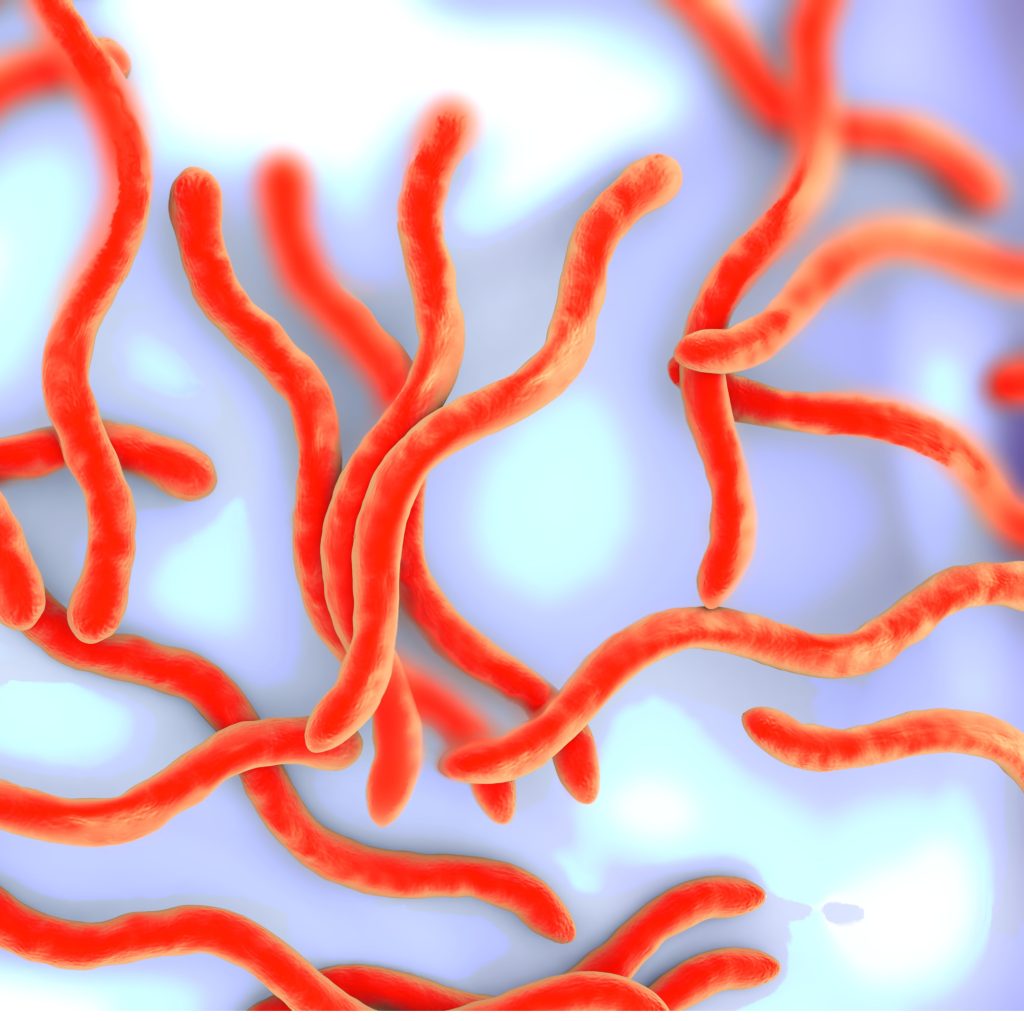
Lyme disease is a tick-borne infection caused by Borrelia burgdorferi, a type of corkscrew-shaped bacteria known as a spirochete.

In 2021, the Centers for Disease Control and Prevention announced that Lyme disease is much more common than previously thought, with over 476,000 new cases diagnosed each year in the United States.

That makes Lyme disease seven times more common than hepatitis C virus infection, 15 times more common than HIV/AIDS and 49 times more common than tuberculosis in the United States.

The current study was conducted by nurse practitioner Melissa Fesler and internist Raphael Stricker from Union Square Medical Associates, a multispecialty medical practice in San Francisco, and Lorraine Johnson, chief executive of the patient support group LymeDisease.org.

Review identifies long-term infection in both people and animals

“Our findings address a major controversy over persistent symptoms in Lyme disease,” said Fesler, an author of the published study. “The results suggest that infection with the Lyme spirochete persists in some patients despite supposedly adequate antibiotic therapy.”

Previous studies have shown that the Lyme spirochete could survive antibiotic therapy in monkeys and humans. In the present study, researchers analyzed 56 studies from the medical literature.

In 10 animal studies and 25 human studies (see table below), Lyme spirochetes were able to survive antibiotic therapy as shown by culture, tissue microscopy and xenodiagnosis (transfer of infection via tick bites).

Borrelia burgdorferi was detectable for 2-46 months after antibiotic therapy in rodents, dogs, monkeys, horses and humans.

“The presence of live spirochetes in symptomatic patients supports the role of ongoing infection in these patients,” said Lorraine Johnson. “When patients remain ill after antibiotic therapy, clinicians need to consider the possibility of persistent infection and the need for continued treatment.”

Dr. Stricker pointed to the implications for Lyme disease treatment raised by the study.

“This study is bad news for Lyme disease patients and their doctors,” he said. “We need to develop better antimicrobial treatments for these suffering patients, and we need to do it now.”

In the journal article’s acknowledgements, the authors wrote, “This article is dedicated to the memory of Pat Smith and Alan MacDonald.” Both individuals spent decades advancing understanding of the persistence of Lyme bacteria after antibiotic treatment, each contributing in their own distinct way.

SOURCE: Union Square Medical Associates

https://www.cbc.ca/player/play/video/9.7048962

Why do so many celebrities have Lyme disease?

January 17, 2026

  1. Pulling a tick off before 24 guarantees nothing. Pathogens can be in the salivary glands which means transmission can and does happen rapidly.  They should have interviewed independent Canadian tick researcher John Scott.  He immediately would have set them straight on all things tick related.
  2. Early antibiotic treatment has to be early enough, long enough, and smart enough, but again, does not a guarantee a person will not develop a chronic infection requiring years of complex, expensive, and savvy treatment, not to mention the fact untold numbers are misdiagnosed or undiagnosed – making their cases even tougher because they weren’t caught early.  This large subgroup is simply kicked to the curb.
  3. There are other pathogens complicating the picture besides multiple strains of borrelia that cause disease and are transmitted by ticks.  They each require different treatments but aren’t even mentioned in this piece.
  4. The ‘experts’ that say there are ‘no risk areas’ are full of beans. To date, ticks are marching into places they’ve never been before, yet because of Andrew Spielman‘s antiquated and faulty maps of where ticks supposedly are and are not, untold numbers are being denied diagnoses and treatmentSee: the-counfounding-debate-over-lyme-in-the-south-speilmans-maps.  The fact ticks travel globally on birdsreptiles, and mammals, as well as the fact our government spread ticks via airplane hasn’t helped either.
  5. ‘Early Lyme’ being ‘straight forward’ to diagnose is laughable.  This website has recorded story after story of those who were misdiagnosed and sent home only worsen into chronic Lyme. Doctors are still telling people with an EM rash that it’s just a spider bite, and sending them packing. In my experience, most patients have to figure it all out themselves. Lyme/MSIDS has been called a ‘do it yourself plague.’
  6. The reporter states that in 2024, Canada had 5,700 reported cases of Lyme. In the U.S. even the corrupt CDC admits that the number of Lyme disease cases is likely much higher than reported, due to under-reporting and changes in surveillance methods. In 2024 in the U.S., reported cases of Lyme disease rose from an average of about 37,000 from 2017–2019 to 62,000 in 2022. That’s an increase of nearly 70%. In order to report a case, you must meet the strict and arbitrary CDC reporting criteria using a test that is only 50% sensitive in the early phase of disease. Further, each state has their own voluntary reporting standards and ‘low incidence’ states are held to a stricter standard by having to show not only positive lab evidence, but clinical info which puts a heavy burden on local health officials. Lack of awareness and under-diagnosis is still a known long-standing issue for many states including California. You can’t count something that hasn’t been reported and you can’t report something you aren’t educated about. Due to these issues, the CDC includes insurance claim data to estimate cases. In 2021, there were 24,611 cases reported but the CDC estimated the actual number to be 476,000.  In the past, the CDC has said that Lyme disease cases are underreported by a factor of 10, which if used for 2024 – would total 620,000 annual cases.  Source Hopefully, it’s clear to see all of this is very unclear!
  7. Chronic Lyme is recognized by science, but you have to depart from IDSA ‘approved’ science, look at the global science, and realize Lyme/MSIDS will never fit neatly into a large randomized controlled trial (RCT). RCTs were designed for standardized drug testing, not complex, multi-systemic conditions such as Lyme/MSIDS.  This is something ‘mainstream’ medicine refuses to acknowledge, and the media blindly follows. Lyme science has been rigged from the get-go and continues to entirely omit the sickest patients due to how they create the study design for research.
  8. The doctor who spoke in the news story, Dr. Paul Auwaerter of Johns Hopkins has a long, known history of denying chronic Lyme. He only presents one side of a very disputed coin. To only choose to represent one side and over emphasizing that there’s a ‘whole industry created for chronic Lyme that’s taking advantage of people’ is not only unethical from a journalistic perspective, it ignores people like me, my husband, and virtually every single patient I work with who very well might be dead without this life-saving treatment.  Unconscionable.  
  9. All independent testing is presented as quackery – a long used trick of the establishment to monopolize testing. Cabalists spout ‘unvalidated’ test, as if there’s a true gold standard.  Make no mistake, currently ALL testing for tick-borne disease is abysmal – and everyone knows it until biased pieces like this are presented and they revert back to regurgitating and not thinking.
  10. Since the report is made by CBC News in Canada, they should have at least interviewed Vett Lloyd, a biology professor at Mount Allison University in New Brunswick, who says most Lyme cases are missed with the standard test. She co-authored a study  with Dr. Ralph Hawkins, a clinical associate professor at the University of Calgary, using data from New Brunswick where they found the two-tiered tests miss 90 per cent of real Lyme infections. In Ontario, she says about 80 per cent of cases are missed.
  11. Current testing relies upon measuring antibodies that take 4-6 weeks to develop, can not distinguish between active infection from prior exposure or measure response to treatment.  The window for accurate testing is so small that only a handful of those infected are getting positives.  Trust me, there’s few false negatives. As Dr. McDonald aptly states:

    “If false results are to be feared, it is the false negative result which holds the greatest peril for the patient.” –Alan McDonald, Pathologist

  12.  Cabalists admit early diagnosis and treatment is best as the infection worsens with time, so how does a test that takes over a month to work help at all?
  13. A gold standard culture method test did exist but was disappeared due to the CDC testing monopoly.  There’s been a long and concerted effort to suppress direct detection tests.  In 2025, a study showed two investigational diagnostics outperform current tests for early detection yet nothing changes.
  14. The same doctor would rather regurgitate the long-held Cabalist phrase of ‘medically unexplained symptoms,’ (MUS) as the cause of why people are unwell than dare to even consider tick-borne infections and learn from ILADS.
  15. The journalist continues following the Cabalist MO when she makes sure to politely empathize that there are sick people who feel dismissed by the system, but that ‘private testing’ comes with significant risk – and then cites a paper done with the same faulty study design by none other than Dr. Paul Auwaerter, the same doctor who denies chronic Lyme and uses the MUS diagnosis so freely.  Seeing a trend yet?
  16. Treatment for early Lyme disease is not so ‘simple,’ due to the fact that many continue with symptoms – proving it’s obviously not working! Not to mention treatment failures have been seen in nearly every antibiotic study ever done. 
  17. It is not rare to have chronic Lyme when you consider the fact researchers only count those who are diagnosed and treated early into this group. When you add in those diagnosed and treated late, a whopping 40-60% go on to suffer long-term symptoms.
  18. The piece uses the infamous Cabalist term ‘Post Treatment Lyme Disease Syndrome’ (PTLDS) which is horribly inaccurate, and faulty to the core. Then, while stating it’s ‘incurable,’ the report bashes alternative treatments and gives the ancient yet faulty 2001 Klempner study as ‘proof’ long term antibiotics don’t work and carry significant risks. In other words, just accept your sad, sorry lot, stay sick, and die already.
  19. The piece finishes with stating the media needs to be more critical of extremely ill celebrities who claim they have Lyme disease – as if being sick isn’t hard enough! Imagine if this was posited for cancer patients!  Can you even imagine?  Yet, it’s perfectly fine to dismiss Lyme/MSIDS patients.
  20. Another issue completely bypassed by this piece is that due to the controversy, doctors are too afraid to diagnose and treat patients, giving yet another reason for massive underreporting. For decades doctors have had to close their practices or have been sanctioned and have had to pay hefty fines.  My own doctor went through this gauntlet, paying 50K to protect his practice.  This is why LLMD’s do not accept insurance.  It’s quite often the insurance companies turning them in.  All of this plays a part in this Shakespearian like tragedy and should be fairly represented.

It’s high time the media wakes up and smells the coffee.  There was once a time when journalists endeavored to be unbiased, present the various sides of a story, and let the reader/viewer come to their own conclusions.  Sadly, those days appear to be long gone.  My journalism profs are rolling over in their graves.