Archive for the ‘Lyme’ Category

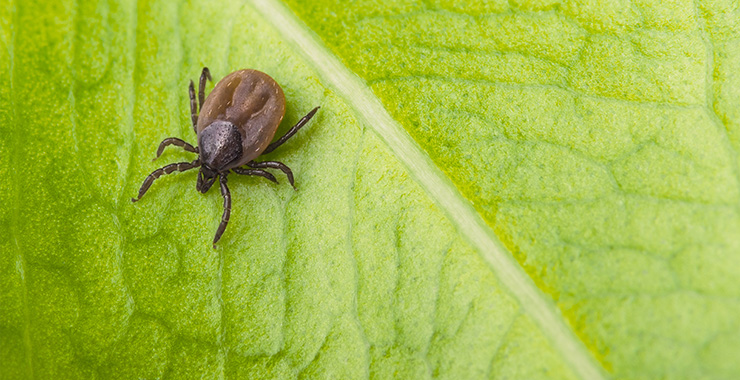
Tick Bites & Coinfections

https://www.globallymealliance.org/blog/dear-lyme-warrior-help-tick-bites-and-co-infections

Every few months, Jennifer Crystal devotes a column to answering your questions. Do you have a question for Jennifer? If so, email her at lymewarriorjennifercrystal@gmail.com.
Now that tick season is upon us, friends ask me what to do when they find an embedded tick. What should I tell them?

While this question seems like it should have a simple answer, people probably get conflicting information from the internet and even from physicians about what they should do if they find a tick. This is because there is debate about how long a tick needs to be attached to a human or pet in order to transmit the bacteria that causes Lyme disease. The old standard of 36-48 hours doesn’t necessarily apply anymore, now that we know that ticks can transmit bacteria faster if they were already partially fed before biting you, and that some tick-borne diseases can be transmitted much faster than Lyme disease—Powassan virus in as little as 15 minutes.

There are two general rules of thumb that I always tell people: the first is that the longer a tick is attached, the greater chance it has of transmitting pathogens. And unless you see the tick bite you, you can’t really know how long it’s been attached. If you notice it after a long day of hiking, you don’t know if it bit you early in the morning, or just as you were leaving. What if you don’t notice it until the next day, after you’ve done some gardening and walked through the grass? If a tick is engorged, you know it has been feeding, but it can be hard to pinpoint exactly where and when it became attached to you, which makes the certain-number-of-hours recommendation moot.

This leads to my second rule of thumb: with Lyme and other tick-borne diseases, it is always better to be safe than sorry. I tell people that if they find a tick, they should call their doctor and get right on antibiotics. Even if those antibiotics end up being prophylactic, it is safer than the alternative—finding out weeks, months or years later that they’re sick with Lyme and possibly with co-infections, too—and then needing far more extensive treatment than the initial antibiotic course. Waiting for test results (often faulty, especially early in infection), waiting for a rash (which doesn’t appear in up to 30% of people with Lyme), or waiting for other symptoms (different for everyone), is a dangerous approach to Lyme disease. (For more information, see my blog post “The Danger of ‘Waiting and Seeing’ with Lyme Disease”).

The next question is, how long a course of prophylactic antibiotics should you take? The Infectious Diseases Society of America (IDSA) recommendation of a single dose of prophylactic doxycycline is based on one study that showed good efficacy in preventing Lyme rash, but as we’ve established, not everyone with Lyme disease gets a rash. The International Lyme and Associated Diseases Society (ILADS) recommends a 10-20 day course of antibiotics. For me personally, I’d rather have the coverage of a full treatment course that is used for actual Lyme infection, rather than take my chances that a single dose will keep me safe. Each person needs to make their own decision with their doctor, but it’s important that decision be an informed one!

Do other tick-borne diseases have the same treatment as Lyme disease?

This is a great follow-up question to the first, because some people might think, “Well, if I’m taking antibiotics for Lyme disease, then I’ve got other tick-borne diseases covered.” That’s true for some co-infections, but not for all, so this, too, is dangerous thinking. Some co-infections like anaplasmosis and ehrlichiosis are treated with the same antibiotic as Lyme disease, but the length of treatment might be different. Other tick-borne diseases like babesiosis, which is a parasite that infects the red blood cells, require completely different treatment. And still another co-infection, bartonellosis, needs more urgent research for better treatments (learn more about GLA’s Bartonella Discovery Program here). I always tell people, “If you’re being treated for Lyme disease and don’t know you have babesiosis, you’re only fighting half the battle.” If you find a tick attached to you, it’s imperative that you talk to your doctor about other tick-borne diseases, not just Lyme, and know the signs of them (see “Common Tick-Borne Diseases”).

***

The Bartonella Discovery Program:

GLA is currently fundraising for The Bartonella Discovery Program, a research project bringing together some of the top researchers world-wide who are experts on Bartonellosis. These researchers will learn more about the bacteria and which treatments are most likely to cure patients like Beth, who are suffering from Bartonellosis.

None of the work GLA has accomplished would be possible without your support. To learn more and fund this project, click on top link.

Writer

Jennifer Crystal

Opinions expressed by contributors are their own. Jennifer Crystal is a writer and educator in Boston. Her work has appeared in local and national publications including Harvard Health Publishing and The Boston Globe. As a GLA columnist for over six years, her work on GLA.org has received mention in publications such as The New Yorker, weatherchannel.com, CQ Researcher, and ProHealth.com. Jennifer is a patient advocate who has dealt with chronic illness, including Lyme and other tick-borne infections. Her memoir about her medical journey is forthcoming. Contact her via email below.

Email: lymewarriorjennifercrystal@gmail.com

_________________

**COMMENT**

Before you take the 10-20 days of doxy too literally, please read this excerpt from the ILADS website:

Treatment Guidelines

7 Conditions Masquerading As Dementia

https://greenmedinfo.com/blog/7-conditions-masquerading-dementia

7 Conditions Masquerading As Dementia

Disclaimer: This article is not intended to provide medical advice, diagnosis or treatment. Views expressed here do not necessarily reflect those of GreenMedInfo or its staff.
© [5/30/22] GreenMedInfo LLC. This work is reproduced and distributed with the permission of GreenMedInfo LLC. Want to learn more from GreenMedInfo? Sign up for the newsletter here //www.greenmedinfo.com/greenmed/newsletter.

Lyme & Autophagy: A New Way Forward For Those With Chronic Symptoms?

https://rawlsmd.com/health-articles/lyme-autophagy-a-new-way-forward-for-those-with-chronic-symptoms

Lyme + Autophagy: A New Way Forward for Those with Chronic Symptoms?

by Dr. Bill Rawls
Updated 5/27/22

Note: The topics addressed in this article present a glimpse into the broader scope of my work and insights from my forthcoming book on cellular wellness. Are you interested in learning more? Visit cellularwellness.com for information.

The human body is a complex, interconnected collection of cells. Depending on your age, your body contains anywhere from 20 to 40 trillion cells. All of your tissues and organs are made of cells. Absolutely everything that happens inside your body results from the actions of cells. Whether it’s your heart beating or brain impulses firing, it’s done by individual cells working in synchrony with other cells. But when microbes like Lyme disease-causing borrelia enter the picture, these actions can get derailed, and a range of symptoms emerge.

Borrelia infection in the blood. Borrelia bacteria cause borreliose, transmitted by ticks and by lice.

Although Lyme disease is mostly thought of in terms of the physical and mental misery it causes, technically, Lyme disease is an assault on the cells of the body. When the Lyme spirochetes enter the bloodstream by way of the tick’s saliva, they have only one goal — to get to the cells that make up the tissues of the body. The bloodstream is the highway that takes them there.

They course through the bloodstream, and when they arrive at tissues of the body, they invade cells — all types of cells — heart cells, brain cells, joint cells, intestinal cells, and many others. And you might be wondering, why?

To borrelia, cells offer a bountiful source of nutrients and resources. It causes harm by invading and destroying cells of the body to gain the nutrients that cells are made of. Borrelia and coinfections like bartonella, babesia, and mycoplasma invade and replicate inside cells and are called intracellular bacteria. Existing inside cells shields them from antibiotics and the immune system.

The types of cells the bacteria invade are one factor that defines the symptoms of the illness. For example, invasion of heart muscle cells causes cardiac symptoms. Invasion of joint cells and tissues causes joint symptoms. Invasion of cells that make up brain and nerve tissues causes neurological symptoms. More general symptoms, such as fatigue and malaise, are from cells throughout the body being weakened by invading bacteria.

Of course, the body doesn’t take the assault nonchalantly.

The Immune System’s Response to Infection

The job of the immune system is to eliminate the bacteria before they get to tissues. The very instant that bacteria invade the bloodstream, white blood cells of the immune system jump into action. They engulf the bacteria and destroy them with potent acid and enzymes.

3d rendered medically accurate illustration of too many white blood cells

In most cases, the vast majority of the bacteria are eliminated before they get to tissues. If some bacteria make it to tissues of the body, however, the infection can become chronic. The degree of symptoms associated with the initial infection and whether symptoms become chronic can be influenced by several factors:

  • The load of bacteria at the initial infection: Multiple tick bites simultaneously or prolonged attachment increases the bacterial concentration in the bloodstream, which increases their chances of reaching tissues of the body.
  • Whether or not antibiotics are taken: During the initial stage of infection, when bacteria are coursing through the bloodstream, antibiotics can reduce the concentration of bacteria. Taking antibiotics, however, doesn’t guarantee that all bacteria are eliminated. Once the bacteria invade the cells of the body, antibiotics have little effect.
  • The presence of coinfections with other microbes: All ticks carry a variety of bacteria, and coinfections with multiple bacteria are well documented in Lyme disease. Infections with multiple bacteria at once may influence the severity of symptoms and the possibility of chronic infection.
  • The strength of the immune system: An immune system overtaxed or weakened by poor health habits is less able to fend off or control any type of infection.
  • The health of cells of the body: As it turns out, cells of the body aren’t defenseless. Using a process called autophagy, cells can expel or destroy intracellular microbes. It means that healthy cells are less vulnerable to invasion by bacteria.

Autophagy and Cellular Defenses Against Lyme

Autophagy is the process by which cells perform internal housekeeping. Cells continually gather misfolded proteins, burned-out mitochondria, damaged DNA, and other worn-out parts and wall them off into contained areas within the cell, called vacuoles. Within the vacuole, worn-out parts are broken down into component organic molecules (such as amino acids) that can be recycled into new proteins and cell parts. In this way, cells stay lean and strong.

cellular autophagy diagram, microbes enter cell, from vacuole, recycled materials into cell, enzymatic breakdown

Cells of the body use this same process to destroy or expel many types of intracellular microbes. And although pathogens have mechanisms to attempt to circumvent autophagy, healthy cells can overcome it and purge themselves of infections with bacteria, viruses, protozoa, and fungi. The ability of cells to expel microbes is a key part of the healing process for combatting any type of infection.

Impaired Autophagy and Lyme Disease

When cells of the body are chronically stressed from various factors, they must work harder and use more energy. Harder work and increased energy demands overtax mitochondria and accelerate wear-and-tear inside cells. If the capacity for autophagy and internal cleanup is exceeded, worn-out parts and damaged proteins accumulate inside the cell, compromising its ability to function properly. It also impairs the ability of cells to expel or repel bacteria and other microbes.

Woman sick in the bed, flu and virus infections, allergy, seasonal health issues.

This is what happens when Lyme disease becomes chronic. Most people identifying with chronic Lyme disease don’t become sick around the time of a tick bite. If a person is healthy — in other words, if cells of the person’s body are healthy — then symptoms at the initial infection are often mild or nonexistent. That’s true with or without antibiotics. However, the Lyme bacteria and any other coinfections can stay dormant inside cells of the body without causing chronic symptoms.

The onset of chronic symptoms is typically associated with other predisposing stress factors. That can be chronic exposure to a toxic substance such as mold, unrelenting mental stress, years of poor dietary habits, prolonged physical stress or trauma, or a new infection, such as COVID-19. Typically, however, it’s a combination of multiple stress factors coming together in a perfect storm.

Chronic cellular stress overwhelms the mechanics of autophagy and compromises cellular functions. That makes cells vulnerable to invasion by intracellular bacteria. Microbes emerge and infect vulnerable cells, increasing cellular stress and creating a vicious cycle of widespread cellular distress. Because cells are affected throughout the body, a wide range of chronic symptoms occur.

In this respect, the obvious solution to overcoming chronic Lyme disease is reducing cellular stress and normalizing autophagy. While reducing bacterial load is a part of that process, there’s more to it than just killing bacteria.

Normalizing Cellular Autophagy

Healing from chronic Lyme disease requires minimizing cellular stress such that cellular mechanisms of autophagy can rebuild the ability of cells to function normally. Minimizing cellular stress requires creating an ideal internal environment for cellular wellness. That includes:

  1. Optimal cellular nutrition
  2. Clean environment
  3. Low mental stress and adequate sleep
  4. Low-intensity physical activity
  5. Suppressing intracellular bacteria

But good health practices alone aren’t sufficient to achieve the escape velocity necessary to normalize autophagy, expel the invading microbes, and regain wellness. This is where herbal therapy can give you the extra edge you need. Herbs not only suppress microbes but also reduce cellular stress at every level.

Herbal Therapy to Support Autophagy

image broken into sections, showing japanese knotweed, cats claw, andrographis, garlic, cryptolepis, reishi mushroom, cordyceps

Research suggests that many herbal phytochemicals — beneficial plant compounds — positively affect autophagy in a variety of ways. And many of the phytochemicals are from herbs that are well recognized for suppressing borrelia and coinfections. Some of those herbs include:

To overcome chronic Lyme disease, taking herbs should be at the top of your list. The great advantage of using herbs over antibiotics is that the herbs suppress the pathogens associated with Lyme disease but don’t disrupt the balance of normal flora in the gut and on the skin.

However, herbs do a lot more than just suppress or kill microbes; herbs counteract all cellular stress factors. Reduced stress optimizes cellular autophagy and restores cellular functions — and this is what healing is all about!

Dr. Rawls is a physician who overcame Lyme disease through natural herbal therapy. You can learn more about Lyme disease in Dr. Rawls’ new best selling book, Unlocking Lyme.

You can also learn about Dr. Rawls’ personal journey in overcoming Lyme disease and fibromyalgia in his popular blog post, My Chronic Lyme Journey.

REFERENCES
1. Bianconi E, Piovesan A, Facchin F, et al. An estimation of the number of cells in the human body. Ann Hum Biol. 2013;40(6):463-471.
2. Buffen K, Oosting M, Mennens S, et al. Autophagy modulates Borrelia burgdorferi-induced production of interleukin-1β (IL-1β). J Biol Chem. 2013;288(12):8658-8666.
3. Buffen K, Oosting M, Li Y, Kanneganti TD, Netea MG, Joosten LA. Autophagy suppresses host adaptive immune responses toward Borrelia burgdorferi. J Leukoc Biol. 2016;100(3):589-598.
4. Hu W, Chan H, Lu L, et al. Autophagy in intracellular bacterial infection. Semin Cell Dev Biol. 2020;101:41-50.
5. Rahman MA, Hannan MA, Dash R, et al. Phytochemicals as a Complement to Cancer Chemotherapy: Pharmacological Modulation of the Autophagy-Apoptosis Pathway. Front Pharmacol. 2021;12:639628.
6. Steele S, Brunton J, Kawula T. The role of autophagy in intracellular pathogen nutrient acquisition. Front Cell Infect Microbiol. 2015;5:51.
7. Yun HR, Jo YH, Kim J, Shin Y, Kim SS, Choi TG. Roles of Autophagy in Oxidative Stress. Int J Mol Sci. 2020;21(9):3289. Published 2020 May 6.
___________________
For more:

Moderna ‘Throwing 30 Million Doses in the Garbage’ As Mounting Death, Injury, and Waning Efficacy Data Pours In, But Similarly With Lyme Vaccine – Makers Predictably Blame ‘Lack of Demand’

https://www.theepochtimes.com/moderna-throwing-30-million-doses-in-the-garbage-over-dwindling-vaccine-demand-ceo  Audio Here

Moderna ‘Throwing 30 Million Doses in the Garbage,’ CEO Says

By Katabella Roberts
Updated: May 26, 2022

The CEO of pharmaceutical and biotechnology company Moderna, Stéphane Bancel, said the company is having to “throw away” millions of doses of COVID-19 vaccines because “nobody wants them.”

Bancel made the comments during an appearance at the World Economic Forum on Monday, while noting his concerns over the lack of people getting vaccinated and waning immunity among those who have had the shots but declined to get boosters.  (See link for article)

___________________

**Comment**

Please compare that with the official word that Lymerix was also pulled off the market due to “lack of demand.”

That’s an interesting spin.

When you go down the deep, dark rabbit hole for truth you learn LYMERix can cause symptoms similar to NEUROSYPHILLIS, or tertiary syphilis, causes auto antibodies ANA, autoimmune diseases and more.  Further, PATIENTS WHO ARE HLA-DR4, are more likely to manifest reactions which means that in your immunological composition you have an antigenic marker or ALLELE DENOMINATED DR4, which is determined with a blood test and If you are a carrier, you will have more side effects.

According to this insightful article, Dr. Laptenta states:

“the LABORATORY DOES NOT KNOW OF THIS FACT, IT ALSO DID NOT KNOW THAT PATIENTS EXPOSED TO LYME DISEASE SHOULD NOT BE VACCINATED AS A RISK FACTOR, this was discovered by the VAERS system (system for reporting adverse events) and published on Jan. 31, 2001 when 1,440,000 doses of LYMErix was released.”

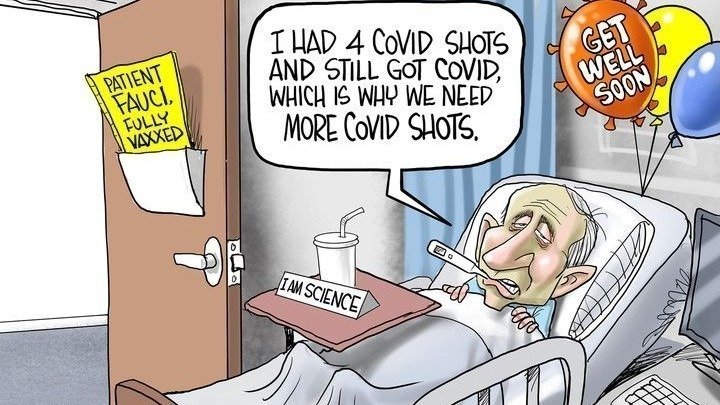
But, similarly to the history of Lymerix, ‘officials’ simply ignore VAERS reports for the COVID shots which show more adverse reactions and deaths than any other vaccine in the history of VAERS, yet they continue to deny any link to the gene therapy injections, just as ‘authorities’ deny any link between the Lyme-like symptoms people became saddled with after getting Lymerix.

Don’t ever accept any blame, just find a scapegoat.

Regarding COVID gene therapy injections, autopsies are showing higher viral loads in the “vaccinated” with evidence of a pathological outcome, especially in the immunocompromised.  But ‘authorities’ don’t care.  In fact, Fauci initially ordered that autopsies were not to be done on those with COVID.

https://childrenshealthdefense.org/defender/deaths-injuries-waning-efficacy-covid-vaccines

Deaths, Injuries and Waning Efficacy: The Latest Bad News on COVID Vaccines

Considering the mounting evidence of adverse effects and lack of effectiveness, some physicians and health agencies are calling for the immediate withdrawal of the COVID-19 vaccines.

Story at a glance:

  • A previously healthy 36-year-old mother of two died 11 days after receiving a Pfizer COVID-19 shot; her death was deemed to be caused by myocarditis due to the shot.
  • Emergency calls for cardiac arrest and acute coronary syndrome increased more than 25% among 16- to 39-year-olds from January to May 2021, compared to the same time period in 2019 and 2020.
  • Pfizer deliberately excluded pregnant women from COVID-19 shot trials; the recommendation that the shots are safe and effective for pregnant women was based on a 42-day study involving 44 rats.
  • Research conducted by the New York State Department of Health found the shots’ effectiveness declined rapidly among 5- to 11-year-olds, falling from 68% to just 12%.
  • Considering the adverse effects and lack of effectiveness, many have called for an immediate withdrawal of the shots.

A previously healthy 36-year-old mother of two died 11 days after receiving a Pfizer COVID-19 shot. Initially, her cause of death was deemed inconclusive, but at an inquest, pathologist Dr. Sukhvinder Ghataura explained that he believes the COVID-19 shot was to blame.

He told the coroner:

“On the balance of probabilities, she had vaccine-related problems. There is nothing else for me to hang my hat on. It is the most likely reason, in my conclusion. It is more than likely Dawn died in response to the Covid jab.”

Government officials continue to deny deaths linked to Pfizer’s mRNA COVID-19 shot.

In the U.S., they’ve acknowledged only nine deaths as causally associated with Johnson and Johnson’s COVID-19 shot as of May 10. But this case, which occurred in the U.K., highlights the potential dangers of shot-induced myocarditis.

According to Ghataura, the woman had several signs of myocarditis, or inflammation of the heart muscle, including inflammation of the heart, fluid in the lungs and a small clot in her lungs.

She had also reported menstrual irregularities, jaw pain and arm pain. When asked by a family member whether he believed the woman would still be alive today if she hadn’t received the shot, Ghataura said, “It’s a difficult question but I would say yes.”

COVID-19 shots increase heart attack risk by 25% in youth

At the conclusion of the inquest regarding the woman’s death, assistant coroner Alison McCormick stated, “I give the narrative conclusion that her death was caused by acute myocarditis, due to recent Covid-19 immunization.”

Myocarditis is a recognized adverse effect of mRNA COVID-19 shots and one that has been named in other deaths.

Dr. Neil Singh Dhalla, a CEO of a major health clinic, fell asleep four days after he got a COVID-19 booster shot — and died from a heart attack.

The autopsy stated myocarditis. He was only 48 years old and had never had heart problems in his life. In another example, epidemiologists confirmed that two teenage boys from different U.S. states died of myocarditis days after getting the Pfizer shot.

Both had received second doses of the shot. In a study that examined the autopsy findings, it’s reported that the “myocarditis” described in the boys’ deaths is “not typical myocarditis pathology”:

“The myocardial injury seen in these post-vaccine hearts is different from typical myocarditis and has an appearance most closely resembling a catecholamine-mediated stress (toxic) cardiomyopathy. Understanding that these instances are different from typical myocarditis and that cytokine storm has a known feedback loop with catecholamines may help guide screening and therapy.”

An astounding study published in Scientific Reports further revealed that calls to Israel’s National Emergency Medical Services (EMS) for cardiac arrest and acute coronary syndrome increased more than 25% among 16- to 39-year-olds from January 2021 to May 2021, compared to the same time period in 2019 and 2020.

The researchers evaluated the association between the volume of the calls and other factors, including COVID-19 shots and COVID-19 infection, but a link was only found for the shots:

“[T]he weekly emergency call counts were significantly associated with the rates of 1st and 2nd vaccine doses administered to this age group but were not with COVID-19 infection rates.

“While not establishing causal relationships, the findings raise concerns regarding vaccine-induced undetected severe cardiovascular side-effects and underscore the already established causal relationship between vaccines and myocarditis, a frequent cause of unexpected cardiac arrest in young individuals.”

COVID shots weren’t tested on pregnant women

The U.S. Food and Drug Administration (FDA) and Pfizer attempted to hide COVID-19 shot clinical trial data for 75 years. “When I saw that, that’s when I got very vocal and said fraud has occurred. How do I know that? They won’t show us the clinical data,” former Blackrock portfolio manager Edward Dowd said.

This should be a red flag for all Americans.

Now that a lawsuit forced the FDA to release thousands of the documents, data about what they were trying to hide is coming out. Among the revelations is evidence that Pfizer deliberately excluded pregnant women from COVID-19 shot trials.

So how did they make the recommendation that the shots are safe and effective for pregnant women? This was based on a 42-day study involving 44 rats.

What’s more, a Pfizer-BioNTech rat study revealed the shot more than doubled the incidence of preimplantation loss and also led to a low incidence of mouth/jaw malformations, gastroschisis (a birth defect of the abdominal wall) and abnormalities in the right-sided aortic arch and cervical vertebrae in the fetuses.

A Centers for Disease Control and Prevention (CDC) sponsored study that was widely used to support the U.S. recommendation for pregnant women to get injected “presents falsely reassuring statistics related to the risk of spontaneous abortion in early pregnancy,” according to the Institute for Pure and Applied Knowledge (IPAK).

When the risk of miscarriage was recalculated to include all women injected prior to 20 weeks gestation, the incidence was seven to eight times higher than the original study indicated, with a cumulative incidence of miscarriage ranging from 82% to 91%.

Also buried in one of the documents is the statement, “Clinical laboratory evaluation showed a transient decrease in lymphocytes that was observed in all age and dose groups after Dose 1, which resolved within approximately one week …”

What this means is Pfizer knew that in the first week after the shot, people of all ages experienced transient immunosuppression, or put another way, a temporary weakening of the immune system, after the first dose.

Pfizer and FDA knew vaccines were not ‘safe and effective’

“It looks to me — this is not an overstatement from what I’ve seen — that this was a clinical trial that by August 2021, Pfizer and the FDA knew was failed, the vaccines were not safe and effective,” said investigative author Naomi Wolf. “That they weren’t working. That the efficacy was waning … and that they were seriously dangerous. And they rolled it out anyway.”

Regarding the shots for pregnant women, Wolf said, in an interview with Stephen Bannon on “War Room,” that a spike in severe adverse events among pregnant women coincides with the rollout of COVID-19 shots.

U.S. Department of Defense (DOD) whistleblowers datamined the DOD health database, revealing significant increases in rates of miscarriage and stillbirths, along with cancer and neurological disease, since COVID-19 jabs rolled out. “This is honestly one of the wors[t] things I’ve ever, ever seen in my 35 years as a reporter,” Wolf said.

Not only does IPAK’s data show COVID-19 injections prior to 20 weeks are unsafe for pregnant women, but 12.6% of women who received it in the third trimester reported Grade 3 adverse events, which are severe or medically significant but not immediately life-threatening.

Another 8% also reported a fever of 38 degrees C (100.4 degrees F), which can lead to miscarriage or premature labor.

Young children are also developing severe hepatitis and nobody knows why.

COVID-19 shots have been linked to cases of liver disease and liver damage following the shots has been deemed “plausible.”

Confirmed: COVID shots affect menstrual cycles

It’s clear that there are many unknowns about how COVID-19 shots affect pregnancy and reproduction, including their effects on menstrual cycles. Women around the globe have reported changes in their menstrual cycles following COVID-19 shots, and health officials have tried to brush off the reports or label them all as anecdotal.

But a study published in Obstetrics & Gynecology — and funded by the National Institute of Child Health and Human Development (NICHD) and the National Institutes of Health’s (NIH) Office of Research on Women’s Health — confirms an association between menstrual cycle length and COVID-19 shots.

Clinical trials for COVID-19 shots did not collect data about menstrual cycles following injection, and the Vaccine Adverse Event Reporting System (VAERS) does not actively collect menstrual cycle information either, making it difficult to initially determine whether the shots were having an effect.

Anecdotal reports on social media, however, are numerous and, according to the study, “suggest menstrual disturbances are much more common …”

The Obstetrics & Gynecology study involved 3,959 individuals between the ages of 18 and 45 years. Those who had not received a COVID-19 shot noted no significant changes in cycle four during the study compared to their first three cycles.

Those who received COVID-19 shots, however, had longer menstrual cycles, typically by less than one day, when they received the shots. The longer cycles were noted for both doses of the injection, with a 0.71-day increase after the first dose and 0.91-day increase after the second dose.

While the researchers described the change as not clinically significant, meaning it’s not notable from a health standpoint, there were some women who experienced even greater menstrual changes, particularly those who received two shots in the same menstrual cycle.

These changes included a two-day increase in cycle length and, in some cases, changes in cycle length of eight days or more.

Pfizer shot only 12% effective in children

Adding insult to injury, research conducted by the New York State Department of Health shows the dismal reality about the effectiveness of COVID-19 shots in children.

From Dec. 13, 2021, to Jan. 24, 2022, they analyzed outcomes among 852,384 children aged 12 to 17 years, and 365,502 children aged 5 to 11 years, who had received two doses of the shots.

Effectiveness declined rapidly among 5- to 11-year-olds, falling from 68% to just 12%.

Protection against hospitalization also dropped, from 100% to 48%. Among 11-year-olds alone, vaccine effectiveness plunged to 11%.

The lackluster response was blamed on the dosage discrepancies among the age groups, as 5- to 11-year-olds receive two 10-microgram Pfizer shots, while 12- to 17-year-olds receive 30-microgram shots.

In the younger age group, the shots provided almost no protection at all.

And it’s not only children who are affected by the shots’ rapidly waning effectiveness.

COVID-19 booster shots also lose effectiveness rapidly, with protection plummeting by the fourth-month post-shot. One CDC-funded study involved data from 10 states collected from Aug. 26, 2021, to Jan. 22, 2022, periods during which both delta and omicron variants were circulating.

Visits to emergency rooms and urgent care facilities, as well as hospitalizations, among people seeking medical care for COVID-19, were analyzed. The study did not include milder COVID-19 cases, for which no medical attention was sought.

While initially vaccine effectiveness against COVID-19-associated emergency department or urgent care visits and hospitalizations was higher after the booster shot, compared to the second COVID-19 injection, effectiveness waned as time passed since vaccination.

Within two months of the second COVID-19 shot, protection against the emergency department and urgent care visits related to COVID-19 was at 69%. This dropped to 37% after five months post-shot. The low effectiveness five months after the initial shot series is what prompted officials to recommend a booster dose — and the third shot “boosted” effectiveness to 87%.

This boost was short-lived, however. Within four to five months post-booster, protection against the emergency department and urgent care visits decreased to 66%, then fell to just 31% after five months or more post-booster.

Considering the adverse effects and lack of effectiveness, many have called for an immediate withdrawal of the shots.

IPAK believes the data are already compelling enough to withdraw the shots for vulnerable populations, including pregnant and breastfeeding women, children and those of child-bearing age.

Janci Chunn Lindsay, Ph.D., a prominent toxicologist and molecular biologist who works with M.D. Anderson Cancer Center-Houston spoke at the CDC’s Advisory Committee on Immunization Practices meeting held on April 23, 2021, and also called for “all gene therapy vaccines” to “be halted immediately due to safety concerns on several fronts,” including fertility.

The views and opinions expressed in this article are those of the authors and do not necessarily reflect the views of Children’s Health Defense.

Changes to CDC’s Lyme Case Definition Add Complexity, Case Undercounting

https://invisible.international/changes-to-cdcs-lyme-case-definition-add-complexity-case-undercounting/

Changes to CDC’s Lyme case definition add complexity, case undercounting

In January 2022, the U.S. Council of State and Territorial Epidemiologists (CSTE) published a revision to its 2017 Lyme disease case definition. This definition will soon be integrated into the physician reporting form that is used by the Centers for Disease Control (CDC) to classify, count, and track Lyme disease cases consistently across the country.

The annual Lyme disease case count is an important metric for allocating government research dollars and staff resources. With about 476,000 new cases a year and growing, the CDC’s previous case definition and reporting requirement was already burdensome for both physicians and local health departments. (In 2016, Massachusetts modified the CDC reporting criteria because of this. In 2008, New Jersey wrote about the burdens of the surveillance criteria here.) Unfortunately, the 2022 revision and the public health burden of the COVID-19 pandemic may only make this situation worse. (See link for article & references)

__________________

SUMMARY:

  • The 2 biggest changes are the inclusion of Borrelia mayonii in the Lyme case count, and the option to use a cheaper, simpler test in the 2nd part of the standard 2-tiered testing.
  • The problems are with these changes are:
    • There are no FDA-approved Bm tests and traditional testing only picks up about half of all cases.
    • Replacing the Western blot with antibody EIA tests, while cheaper and easier to interpret, eliminates useful clinical data that can shed light on late-stage disease. The revision only uses the IgG or “late stage” EIA test which doesn’t acknowledge the dormant and relapsing nature of Lyme.
    • The EIA tests must be FDA approved which will discourage accurate, validated testing done at smaller specialty labs.  These smaller CIA-certified labs are what LLMDs use, but are shunned by mainstream medicine due to this “FDA-approved” issue.
  • Leading to further under-reporting is utilizing CDC data that is more than a year old as well as utilizing a “reporting decision trees” for low and high incidence cases areas and other complicated matrices when Lyme has been detected in ALL 50 states and the District of Columbia and the fact people can get infected while traveling.
  • The positive changes include:
    • Inclusion of symptoms other than Lyme arthritis such as neurological symptons.
    • Highlighting the fact surveillance case definitions are not to be used for making clinical diagnoses or treatment decisions.
  • Overall, the CSTE & CDC have added burdensome complexity and have ignored new sources of data and analytical tools to make case counting more accurate.
Newby feels that the CDC’s Data Modernization Initiative, a disease tracking system, is a light at the end of the tunnel.  I disagree, here’s why:
  • This multi-year, billion-plus dollar effort to ‘modernize’ core data and surveillance infrastructure will effectively monopolize/centralize data giving the corrupt and inept CDC far too much power.  They have clearly demonstrated their inability to effectively deal with a ‘pandemic’ and have numerous conflicts of interest.  The agency, along with the FDA & NIAD should be completely disbanded.  We need to learn from COVID and stop history from repeating itself.
  • The following excerpt from the CDC website is telling: “CDC is connecting with partners from across public health and the private sector – including in healthcare, research, and academia — to make sure we get this right.”
  • Lyme/MSIDS patients and advocates daily feel the results of centralized/controlled medicine as it severely limits and hampers our ability to get diagnosed and treated.  The similarities between the handling of Lyme and COVID can not be overstated.
    • Politicization of disease puts undue pressure on physicians, making them afraid to treat patients. Doctors would prefer to diagnose you with anything but Lyme/MSIDS – it’s safer.
    • This fact is clearly seen by the formation of ILADS which is comprised of health professionals whom disagree with how Lyme/MSIDS is handled and have chosen to break off and form their own group with their own education and training to train physicians and to give patients a better way.
    • Yet, Lyme patients and advocates continue to want to crawl in bed, support, and even fund science with the very enemy that is suppressing true science and patient help.
Please see my comments after this article for more on this matter.
It defies all logic and reason, but this is the current state of affairs unless we wake up and smell the coffee.