Archive for the ‘Lyme’ Category

The Heroic Dr. Jones & The Gift of a Boy’s Life

https://rescue.substack.com/p/the-heroic-dr-jones-and-the-gift

The Heroic Dr. Jones & the Gift of a Boy’s Life

Before covid and doctors like Pierre Kory, Paul Marik, and Peter McCullough, Dr. Charles Ray Jones saved children from another deadly disease big medicine chooses not to understand: Lyme disease.

Editor’s note: Our writer Mary Beth Pfeiffer, an award-winning investigative reporter, is a rare mainstream journalist who has written about flawed policies on covid treatment. Before covid, she wrote articles and a book, Lyme: The First Epidemic of Climate Change, that told of heroes like Dr. Charles Ray Jones. After a half-century of giving Lyme disease-infected children their lives back, Dr. Jones died in May at ninety-three. “Mainstream medicine never accepted Jones’ way of treating tick-borne illnesses,” Mary Beth says. “It should.” This is the story of one of many children Dr. Jones saved. —MC
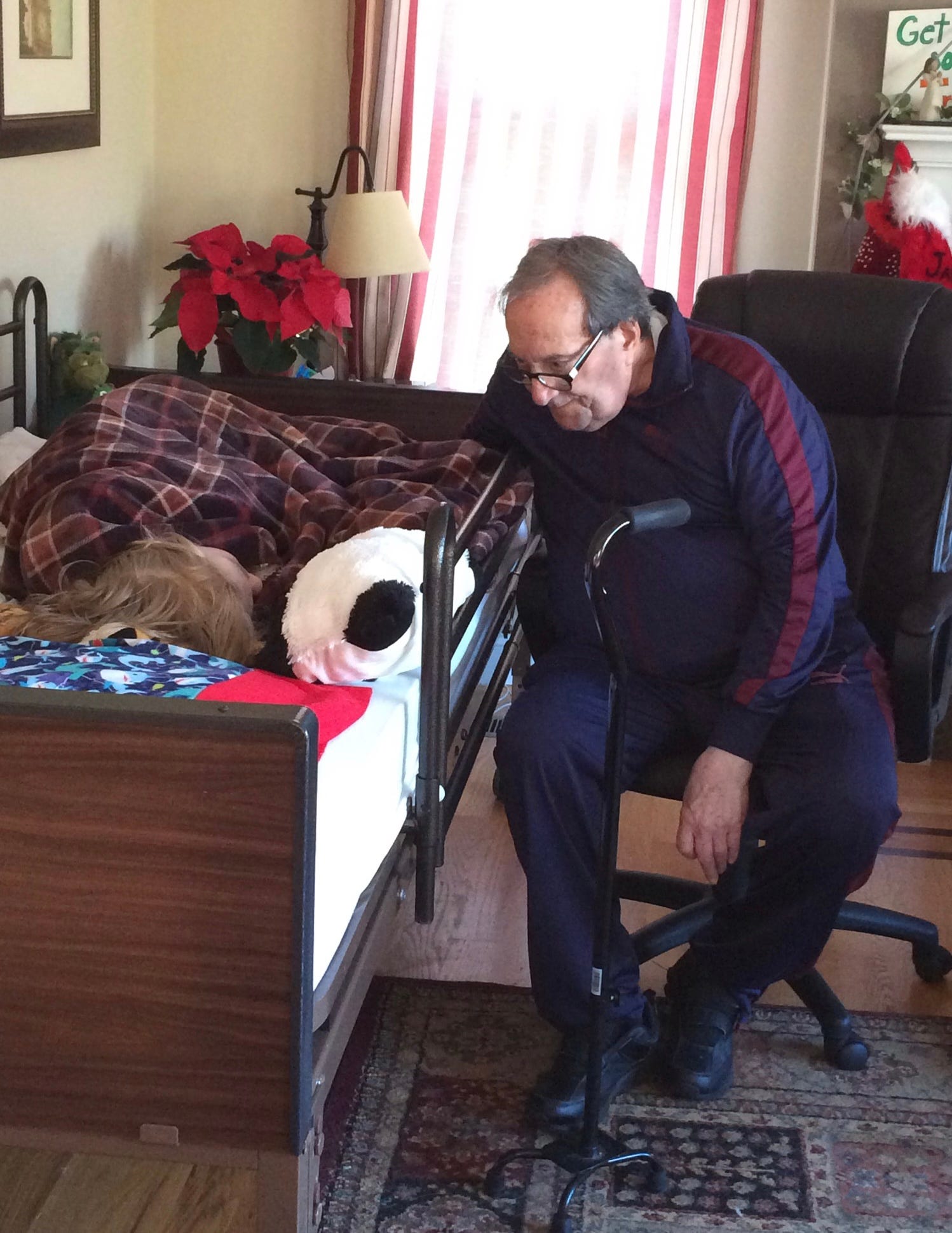

Dr. Jones, 87, comforts Troy Murphy, then 11, in a home visit in a Hartford, Connecticut, suburb in December 2016. With a scientific mind and the compassion of a great doctor, Dr. Jones expertly treated Troy and many children who were sickened by Lyme and other tick-borne diseases. For challenging a dogma that strictly limits such care, he suffered a tremendous personal cost. His reward was Troy Murphy’s life. (Photo by Mary Beth Pfeiffer)

Dr. Charles Ray Jones was eighty-seven years old and in his waning days of doctoring when Troy Murphy became his patient in late 2016. Early that year, the boy, age ten, had turned in mere weeks from exuberant, active, and whip-smart in school to unable to eat or walk and consumed by pain. Within months he was living in a hospital bed in the family living room. He was fed through a tube.

For his first appointment, this withered young boy was carried into Jones’ office, screaming and fearful of another doctor. In a three-hour examination he was reassured, and he came to trust. “You can be the same Troy you were before all this happened,” Jones, a giant of a man in a sweatsuit, told him. “You are fixable.”

And so Troy was. Two years later, he returned to school in a wheelchair, first part-time, then, months later, full-time. The following year, he started to walk the halls on his own. Today, six years later, Troy is a high school junior who hopes to try out for varsity soccer. He smiles broadly in family photos. He hikes and banters with his four brothers like he used to. He is happy and whole.

Dr. Jones died on May 15, 2022, at the age of ninety-three, from cardiopulmonary edema. Troy may have been one of the last children saved from disability and even death by this remarkable pediatrician. But, among thousands Jones treated from an office in New Haven, Connecticut, Troy was surely not the only one.

“I still break down at the thought of where we were close to six years ago,” Alison Murphy said of her “walking miracle” and fourth of five sons, Troy. “Dr. Jones was the critical and pivotal person to turn things around for him, and I will forever be grateful for everything he did to bring my boy back.”

Troy had Lyme disease. He seemed to have recovered from the tick-borne infection when, weeks later in early 2016, he was savaged by what was assumed to be a bad flu. This time, however, he lost 20 percent of his body weight, cried incessantly from pain, could not eat or sleep, and was losing control. “What did I do wrong to make this happen?” he asked Dr. Jones in their first traumatic meeting.  (See link for article)

___________________

**Comment**

Turns out Troy not only had Lyme but Borrelia hermsii; Babesia duncani, Bartonella henselae, and mycoplasma pneumonae. No wonder the poor boy was so ill.

If anyone could unravel that hot-mess, it was Dr. Jones.  A true legend that will be missed more than words could ever express.

For more:

I also highly recommend this article:  Dr. Jones’s Still-Relevant Advice on Children With Lyme  The article goes through symptoms of Lyme in children, behavioral problems, nuances with treatment and more. 

Unfortunately, while Pfeiffer understands and writes about COVID corruption, she has accepted the faulty “climate change” narrative. Spain just admitted it has recently been spraying deadly chemtrails as part of a secret UN program to fight COVID, and previously four state meteorological agency whistleblowers announced in 2015 that planes were regularly spraying lead dioxide, silver iodide, and diatomite throughout Spain to ward off rain and to allow temperatures to rise to create a summery climate for tourism as well as the agricultural sector – producing cold drops of great intensity.

Climate engineering is very real and is causing very real damage.

I assure you, Spain is not alone.

Kristen Meghan, a military chemtrails whistleblower has witnessed canisters of fine, powdered aluminum and barium being shipped to U.S. Air Force bases and being loaded onto jets.

Aluminum and barium are the metals that have been found (and continue to be found) in great excess in soil, rainwater, dust, and blood samples. These are the same metals associated with numerous patents which describe the mechanisms and processes of injecting aluminum and barium into jet engines for the purpose of spraying them into the atmosphere; a process called “geoengineering” by scientists. This also explains why the public witnessed the sudden appearance of trails coming from jet engines which never produced them previously.

Several whistleblowers have come forward exposing ongoing atmospheric spray operations, but Kristen has provided the link between the military and the massive amounts of toxic metals we are all experiencing on the ground.  Go here to watch an informative speech by Meghan.
New Pathogens Found in Oklahoma Ticks

https://www.liebertpub.com/doi/10.1089/vbz.2021.0057

Detection of Borrelia miyamotoi and Powassan Virus Lineage II (Deer Tick Virus) from Odocoileus virginianus Harvested Ixodes scapularis in Oklahoma

Published Online:https://doi.org/10.1089/vbz.2021.0057

Abstract

Odocoileus virginianus (white-tailed deer) is the primary host of adult Ixodes scapularis (deer tick). Most of the research into I. scapularis has been geographically restricted to the northeastern United States, with limited interest in Oklahoma until recently as the I. scapularis populations spread due to climate change. Ticks serve as a vector for pathogenic bacteria, protozoans, and viruses that pose a significant human health risk. To date, there has been limited research to determine what potential tick-borne pathogens are present in I. scapularis in central Oklahoma. Using a one-step multiplex real-time reverse transcription-PCR, I. scapularis collected from white-tailed deer was screened for Anaplasma phagocytophilum, Borrelia burgdorferi, Borrelia miyamotoi, Babesia microti, and deer tick virus (DTV). Ticks (n = 394) were pooled by gender and life stage into 117 samples. Three pooled samples were positive for B. miyamotoi and five pooled samples were positive for DTV. This represents a minimum infection rate of 0.8% and 1.2%, respectively. A. phagocytophilum, B. burgdorferi, and B. microti were not detected in any samples. This is the first report of B. miyamotoi and DTV detection in Oklahoma I. scapularis ticks. This demonstrates that I. scapularis pathogens are present in Oklahoma and that further surveillance of I. scapularis is warranted.

____________________

**Comment**

A few points:

  • This article is based upon the faulty premise that somehow “climate change” is causing tick and disease proliferation.  This has been proven to be false yet is continually regurgitated as truth.  This; however, does not mean “the powers that be” are not committing heinous acts of “climate engineering” which IS causing very real destruction of life.
    • This recent article proves Spain has admitted recently spraying deadly chemtrails as part of a secret UN program to fight COVID.
    • Four state meteorological agency whistleblowers announced in 2015 that planes were regularly spraying lead dioxide, silver iodide, and diatomite throughout Spain to ward off rain and allow temperatures to rise to create a summery climate for tourism as well as the agricultural sector – producing cold drops of great intensity.
  • We’ve also been told ad nauseum that Lyme doesn’t exist in Oklahoma and while this research also didn’t find it, it did discover B miyamotoi which symptoms are similar to Lyme. But again, just because they didn’t find it, doesn’t mean it isn’t there. The black legged tick is abundant in Oklahoma.
  • Oklahoma is Ehrlichiosis Central and has many other tick-borne diseases:
    • spotted fever rickettsiosis
    • Rocky Mountain spotted fever
    • STARI (which many experts tell me is simply Lyme)
    • Tularemia
    • Heartland Virus
    • Tick paralysis
    • Anaplasmosis

A New Look At Chronic Lyme

https://experiencelife.lifetime.life/article/a-new-look-at-chronic-lyme/

image compilation lyme disease
(See link for article)
SUMMARY:
  • Weintrub highlights Jennifer Crystal’s story which mimics many other patients
  • Unfortunately, the article regurgitates the notion that only up to 20% experience chronic symptoms when the number is more like 60%
  • Weintraub explains that historically LLMD’s used high doses of antibiotics/antimalarials in harsh regimens lasting months or years but due to grueling side effects have adopted a multi-pronged approach that combines the judicious use of drugs which includes natural therapies
  • The article also erroneously blames rising temperatures for tick expansion when independent research has shown this to be false
  • The reason infections are reported in every state but Hawaii and Oklahoma has to do with migrating birds, reptiles, and mammals – including humans.
  • Weintraub explains the difference between the “two types” of Lyme disease: the acute, straight-forward cases, and those who remain sick after standard treatment, who are typically diagnosed late, and who have more than one infection – which research confirms who are as impaired as those with congestive heart failure and sicker than type 2 diabetics, and who have a striking degree of neuro-inflammation
  • Unfortunately, this second group which suffers greatly with chronic infections is still gas-lit by physicians who would rather label them with chronic fatigue or fibromyalgia and give them “scattershot” treatment
  • The article then goes into the big problem with faulty Lyme testing which can not register antibodies for 6 weeks, miss a significant subset of people who will always remain seronegative, that can not register certain strains of borrelia, or pick up the organism which lies dormant within tissues.
  • Despite a CDC disclaimer, many doctors still rely on the faulty CDC surveillance case definition which requires a positive test or the EM rash, when many will never test positive and many never get a rash.
  • I was thankful for Dr. Maloney who states an early course of antibiotics does NOT eliminate the risk for chronic Lyme
  • The article then delves into the fact many patients are infected with way more than just Lyme
  • Researchers that previously doubted that Bartonella could be spread by ticks are changing their position as there is now strong circumstantial evidence
  • The article points out that research has identified “persister cells” which are antibiotic tolerate and generally unresponsive to drugs as well as biofilms which work to protect infectious organisms, also making it hard to eliminate them
  • Stanford researchers have exposed persister forms (in vitro) to more than 4,000 drugs to observe effectiveness which has resulted in the use of disulfiram/Antabuse, an old drug for use for alcoholism but is potent against Lyme disease (but can cause severe side-effects in some)
  • Dr. Zhang has tested lyme-containing biofilms (in vitro) using antibiotics and herbs and has found that Japanese knotweed, black walnut, sweet wormwood, and Ghanaian quinine are all effective against Lyme disease.
  • Dr. Horowitz has found that a 2-month course of dapsone combined with biofilm buster rifampin has helped almost half of his chronically ill patients return to health. One patient accidentally took quadruple the dose for 4 days which put her into full remission – another example of how dosage matters.  A few other patients used this approach with similar success leading Horowitz away from long-term antibiotics to hitting hard for several days 3-4 times a year
  • Dr. Kinderlehrer reports that a formerly straightforward infection has morphed into body-wide instability: extreme sensitivities to foods, mold, chemicals, activation of mast cells, and dangerous allergic reactions, which can trigger brain fog, mood problems, pain syndromes, and profound fatigue.
  • A suppressed immune system can reactivate other infections like EBV
  • Integrative doctor Erica Lehman’s experience has taught her to recognize the different between those with neurologic disease versus illness that hits the gut, endodrine system, joint tissues, etc.
  • Many of the doctors who specialize in chronic Lyme do so because they have gone through it themselves

I highly, highly recommend Weintraub’s 2008 book “Cure Unknown: Inside the Lyme Epidemic.”  Although it was written 14 years ago, it remains one of the most thorough, accurate accounts of the Lyme debacle and clearly demonstrates that little has changed.

She also wrote about Dr. Masters the Rebel for Lyme Patients Who Took on the CDC Single-handedly  and broke it down into four parts in Psychology Today and which I summarize in the link. This history must not be lost. 

We must remember the fraud and corruption behind & in the world of Lyme/MSIDS.

Infectious Agents and Alzheimer’s Disease

https://www.imrpress.com/journal/JIN/21/2/10.31083/j.jin2102073

Infectious agents and Alzheimer’s disease

Show More
 
*Correspondence: dorszewskaj@yahoo.com; jolanta.dorszewska@ump.edu.pl (Jolanta Dorszewska)
Academic Editor: Rafael Franco
J. Integr. Neurosci. 2022, 21(2), 73; https://doi.org/10.31083/j.jin2102073
 
Submitted: 8 March 2021 | Revised: 25 March 2021 | Accepted: 29 April 2021 | Published: 28 March 2022
 
Abstract

Alzheimer’s disease (AD) is the leading cause of dementia worldwide. Individuals affected by the disease gradually lose their capacity for abstract thinking, understanding, communication and memory. As populations age, declining cognitive abilities will represent an increasing global health concern. While AD was first described over a century ago, its pathogenesis remains to be fully elucidated. It is believed that cognitive decline in AD is caused by a progressive loss of neurons and synapses that lead to reduced neural plasticity. AD is a multifactorial disease affected by genetic and environmental factors. The molecular hallmarks of AD include formation of extracellular amyloid (A) aggregates, neurofibrillary tangles of hyperphosphorylated tau protein, excessive oxidative damage, an imbalance of biothiols, dysregulated methylation, and a disproportionate inflammatory response.

Recent reports have shown that viruses (e.g., Herpes simplex type 1, 2, 6A/B; human cytomegalovirus, Epstein-Barr virus, hepatitis C virus, influenza virus, and severe acute respiratory syndrome coronavirus 2, SARS-CoV-2), bacteria (e.g., Treponema pallidum, Borrelia burgdorferi, Chlamydia pneumoniae, Porphyromonas gingivalis, Prevotella intermedia, Tannerella forsythia, Fusobacterium nucleatum, Aggregatibacter actinomycetemcmitans, Eikenella corrodens, Treponema denticola, and Helicobacter pylori), as well as eukaryotic unicellular parasites (e.g., Toxoplasma gondii) may factor into cognitive decline within the context of AD. Microorganisms may trigger pathological changes in the brain that resemble and/or induce accumulation of Apeptides and promote tau hyperphosphorylation. Further, the mere presence of infectious agents is suspected to induce both local and systemic inflammatory responses promoting cellular damage and neuronal loss.

Here we review the influence of infectious agents on the development of AD to inspire new research in dementia based on these pathogens.

_________________

For more:

Bb Persistence in Lyme and PTLDS

https://journals.asm.org/doi/10.1128/mbio.03440-21

ABSTRACT
The annual incidence of Lyme disease, caused by tick-transmitted Borreliella burgdorferi, is estimated to be at least 476,000 cases in the United States and many more worldwide. Ten to 20% of antimicrobial-treated Lyme disease patients display posttreatment Lyme disease syndrome (PTLDS), a clinical complication whose etiology and pathogenesis remain uncertain. Autoimmunity, cross-reactivity, molecular mimicry, coinfections, and borrelial tolerance to antimicrobials/persistence have been hypothesized and studied as potential causes of PTLDS. Studies of borrelial tolerance/persistence in vitro in response to antimicrobials and experimental studies in mice and nonhuman primates, taken together with clinical reports, have revealed that B. burgdorferi becomes tolerant to antimicrobials and may sometimes persist in animals and humans after the currently recommended antimicrobial treatment. Moreover, B. burgdorferi is pleomorphic and can generate viable-but-nonculturable bacteria, states also involved in antimicrobial tolerance. The multiple regulatory pathways and structural genes involved in mediating this tolerance to antimicrobials and environmental stressors by persistence might include the stringent (rel and dksA) and host adaptation (rpoS) responses, sugar metabolism (glpD), and polypeptide transporters (opp). Application of this recently reported knowledge to clinical studies can be expected to clarify the potential role of bacterial antibacterial tolerance/persistence in Lyme disease and PTLDS.
______________________
**Comment**
What’s truly sad is none of this is new.  This 2017 study talks about the stringent response, and this 2016 presentation by Dr. Zhang discusses the importance of persisters, or the dormant form borrelia takes when it feels threatened.  And this 2017 study also points out that Bb mutates (changes form) as previously described by Barbour and Hays way back in 1986.  I’m sure there are many more older studies presenting all of this.
Why is this simple fact still not believed and accepted?

What is not discussed in this article is the fact most Lyme/MSIDS patients are infected with multiple infections simultaneously, further complicating their cases, and requiring different medications.  This article shows that higher doses of antibiotics are required to eliminate a bacterial infection when other microbes are present, yet corrupt public health ‘authorities’ continue to push a faulty one pathogen, one drug paradigm based on faulty testing that misses 70-86% of cases!

What is also not discussed in this article is the larger subset of patients (30-40%) that are diagnosed and treated late – thereby not even making the PTLDS group, and therefore never studied in research.  This is a huge chunk of people are often seronegative in testing and don’t have the EM rash.  This is me, and everyone I work with.  There is ZERO data on us.  ZERO.

The PTLDS moniker is confusing at best and misleading at worse.  The whole ball of wax is based on faulty premises and faulty research.  Time for a do-over.

For more:

Similarly to polarization on COVID treatment, it’s not a scientific debate. It’s a political one.