Pulsed Electro-Magnetic Field therapy sends magnetic energy (via waves) into the body that works with your natural magnetic field in order to improve repair and recovery processes.
Understanding the Body’s Electromagnetic Field
The body’s magnetic field is generated by all of its internal electrical activity. In fact, the body naturally conducts electricity as every organ and cell has its own field. These fields are present because the body produces electrical activity via several different types of cells including neurons, endocrine cells, and muscle cells (all of which are called “excitable cells”). As with all electricity, this activity creates a magnetic field.
It is important to note that the body’s electrical activity primarily occurs in the cell membrane. A typical healthy cell has a “transmembrane” potential of 80-100 millivolts. In comparison, a sick cell or a cancer cell has a transmembrane potential as low as 20 or 25 millivolts. When a cell becomes damaged, the voltage drops, and when the membrane voltage is low, the membrane channels do not function properly. This leads to poor cell communication and quickly cascades into potential health problems and illnesses.
This is what PEMF therapy addresses.
How Does PEMF Therapy Work?
PEMF therapy sends magnetic energy into the body that helps increase the body’s electrolytes and ions. In turn, this leads to electrical changes in the body that help improve cellular functions and activity. Because any disruption in electrical currents can lead to dysfunction and/or illness, PEMF therapy helps restore this disruption.
In other words, PEMF therapy works with the body’s natural recovery processes in order to help improve cellular repair and even alleviate chronic pain.
Benefits of PEMF Therapy
According to over 2,000 studies, because PEMF therapy provides restoration and healing on a cellular level, there is a multitude of benefits including:
Anyone can benefit from PEMF therapy as it can help restore your overall feeling of wellness but it may be of particular interest to those who suffer from:
Pain or dysfunction in their ankles, back, elbows, hips, knees, or shoulders
Chronic inflammation in joints or the soft tissues
Chronic fatigue syndrome or Fibromyalgia
Peripheral neuropathy
Osteopenia or osteoporosis
Poor wound healing
Chronic pain
Interested in PEMF Therapy?
Holtorf Medical Group now offers PEMF therapy. Contact us today to find out if it is right for you.
The company referred to children who got the vaccine as part of the experiment as “superheroes” with “superpowers.”
This push to vaccinate children is in spite of the fact that children face a near-zero threat from the virus. What’s more, as Americans are quickly learning, the “vaccine” loses efficacy over time, doesn’t stop transmission or infection, and leads to a large number of “breakthrough” cases, which the Centers for Disease Control can no longer sweep under the rug.
Public Citizen, a non-profit organization says that Pfizer can stop countries from speaking about contracts, block vaccine donations, unilaterally change delivery schedules & demand public assets as collateral.
About Channel: WION -The World is One News, examines global issues with in-depth analysis. We provide much more than the news of the day. Our aim to empower people to explore their world. With our Global headquarters in New Delhi, we bring you news on the hour, by the hour. We deliver information that is not biased. We are journalists who are neutral to the core and non-partisan when it comes to the politics of the world. People are tired of biased reportage and we stand for a globalised united world. So for us the World is truly One.
One must ask, why is a “vaccine” manufacturing company requiring sovereign assets, bank reserves, and military bases?
Also important to note is governments are required to protect Pfizer against intellectual property theft, while they are free to use anyone else’s intellectual property. Anyone else out there sense that Pfizer expects to be sued?
Pfizer has all the cards and anyone stupid enough to sign this contract loses, every single time.
“This is vaccine terrorism.” Palki Sharma
_______________
Pfizer pays mainstream media. This explains the severe conflicts of interest and lack of real news.
Public Citizen has identified several unredacted Pfizer contracts that describe the outcome of these negotiations. The contracts offer a rare glimpse into the power one pharmaceutical corporation has gained to silence governments, throttle supply, shift risk and maximize profits in the worst public health crisis in a century. Important to note:
private arbitrators, not public courts, decide disputes in secret
Pfizer can go after state assets
Pfizer can prevent the use of other remedies. Countries are forced to go through on their “vaccine” orders even if other drugs or treatments emerge. Is it any wonder governments have suppressed drugs like HCQ & Ivermectin? If these drugs were allowed, the clot shots would be completely unnecessary. The shots cost $19.50 per dose in the U.S., paid for by taxpayer dollars.
(Scroll to Oct. 24, 2021 tweet)
**UPDATE, Oct. 28, 2021**
Gov. Kevin Stitt of Oklahoma has replaced Army Maj. Gen. Michael Thompson with Army Brig. Gen. Thomas Mancino, and now the state’s National Guard no longer has to get “vaccinated.” A memo explained that the Oklahoma National Guard responds to Gov. Stitt, not to Biden or any other usurper in Washington, D.C., who is demanding that free Americans damage their DNA and immune systems with Big Pharma drugs.
12,000 members of the Air Force refuse orders to get COVID shots.
Mayo Clinic in Minnesota is losing 8,000 employees who are refusing the COVID jab. Hundreds of protesters marched downtown in protest for more than 4 hours calling for an end to “medical tyranny,” and chanting “shame on Mayo.” Video of protest within link.
UCLA Medical Hospital, not content with simply firing their employees in private who refuse the jab, wait until these practitioners are busy with patients to barge into the room and publicly shame them in front of patients by escorting them out of the building. Is this still the U.S.A.?
Southwest Airlines employees are pushing back. Hear what a Southwest Pilot Captain and many employees have to say about medical freedom. After only the first week of protest, three major U.S. airlines have already softened their language.Is this an early checkmate to Biden’s federal “vaccine” mandate?
A family is suing the school after their child was “vaccinated” with the COVID jab without their consent.
Meanwhile, CDC director, Walensky states these “vaccine” hesitant workers will be sent for “education and counseling.”
And if you are wondering why people are flooding U.S. borders, the Biden Administration has instructed the Secretary of Homeland Security to make sure illegal aliens get jobs over American workers.
Public Figures Walking Away From Millions of Dollars Resisting “Vaccine” Mandates
Oct. 20, 2021
The Hill
A few points from the news report to consider:
natural immunity isn’t mentioned once and it, hands down, is the best form of protection
nobody wants to discuss the fact some people never should get “vaccinated” due to preexisting health conditions and beliefs
safety studies were done by the “vaccine” manufacturers and they simply proclaimed them to be safe and effective, when many experts challenge this tenant
statistics, study end-points, study designs, definitions, etc. have all been manipulated skewing all results for a predetermined outcome in favor of Big Pharma and the government, not public health
how can you have an accurate “vaccine” when the test is a complete scam?
how can you continue to support anything that has caused the highest amount of adverse reactions and deaths than any other vaccine in history? Keep in mind, all numbers are woefully low due to the fact only 1% of events get reported to VAERS, as well as the fact doctors refuse to connect adverse events and deaths to the injections, and the corrupt CDC only counts someone as “vaccinated” 14 days AFTER the final injection. Anyone dying prior to that is counted as unvaccinated
how can you support an injection that destroys the very parts of a person’s DNA (C8) that makes them healthy and free from cancer and neurological diseases?
how can you continue to support an injection that drives viral immune escape and propagates disease?
Frankly, I’m sick and tired of people bragging they are “pro-vaccine,” and “pro-science” as if those are badges of honor. First, this is NOT a vaccine. It doesn’t stop transmission or infection. Second, this injection has been linked to more death than any vaccine in history and the severe reactions and deathscontinue. Third, we no longer have science or public health we can trust.
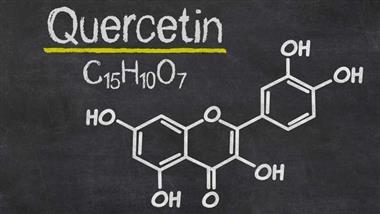
Two recently published studies confirm quercetin is useful as an adjunct therapy in the early outpatient treatment of mild SARS-CoV-2 infection
In one study, COVID patients who received quercetin in addition to analgesics and an antibiotic cleared the virus faster than those who only received analgesics and antibiotics, and a greater number of patients reported reduced symptoms
In the second study, daily quercetin supplementation for one month reduced the frequency and length of hospitalization, the need for noninvasive oxygen therapy, intensive care and deaths
Quercetin has antiviral, anti-blood clotting, anti-inflammatory and antioxidant properties, all of which are important in the treatment of SARS-CoV-2 infection
Quercetin also inhibits binding of specific spike proteins to your ACE2 receptors, thereby blocking the virus’ ability to infect your cells. It’s also been shown to directly neutralize viral proteins that are critical in the replication of SARS‐CoV‐2
In an August 21, 2021, newsletter,1 Dr. Michael Murray discussed the use of quercetin for respiratory infection symptoms. In November 2020, he’d suffered a “very mild and brief bout of COVID-19.”
He also recounts an anecdotal story of a friend who developed suspicious respiratory symptoms. His friend had been taking a number of supplements said to offer protection, but was still feeling awful.
As it turns out, the one thing he’d not taken was quercetin, and as soon as he did, that same day, his symptoms started to dissipate. This experience, Murray says, “is consistent with the results from two clinical trials” that were recently published.
Quercetin seems to be a safe, far less expensive, and easier-to-obtain and it works by a similar mechanism, driving zinc into the cells to stop viral replication.
Statistical Improvement in Clinical Outcomes
In the first study,2 42 COVID-19 outpatients were divided into two groups. One group of 21 patients received standard medical therapy consisting of analgesics and an antibiotic (acetaminophen 500-milligram (mg) to 1,000-mg dose if body temperature was higher than 37.5 degrees C — 99.5 F — with a maximum daily dosage of 3 grams, and 500 mg azithromycin for three consecutive days).
The other group of 21 patients received standard therapy plus the equivalent of 600 mg of quercetin per day (divided into three doses) for seven days, followed by another seven-day course of 400 mg of quercetin per day (divided into two doses).
The quercetin was used with sunflower lecithin, which has been demonstrated to increase absorption in the gut by as much as 20 times, compared to pure quercetin formulations.
The main outcomes being evaluated were virus clearance and symptoms. After one week of treatment, 16 of the 21 patients in the quercetin group tested negative for SARS-CoV-2 and 12 reported that all symptoms had diminished.
In the standard care group, only two tested negative and four had partially improved symptoms. By the end of Week 2, the five remaining patients in the quercetin group tested negative. In the standard care group, 17 of the 19 remaining patients tested negative and one had died.
“These results are impressive and hopefully additional studies will be conducted on hospitalized patients to see how quercetin might be helpful in more severe cases,” Murray wrote in his newsletter.
Can Quercetin Reduce Hospitalizations and Deaths?
The second study3 — a prospective, randomized, controlled and open-label trial — gave 152 COVID-19 outpatients a daily dose of 1,000 mg of quercetin for 30 days to evaluate its adjuvant effects in the treatment of early symptoms and the prevention of severe infection. According to the authors:
“The results revealed a reduction in frequency and length of hospitalization, in need of non-invasive oxygen therapy, in progression to intensive care units and in number of deaths. The results also confirmed the very high safety profile of quercetin and suggested possible anti-fatigue and pro-appetite properties.
QP (Quercetin Phytosome®) is a safe agent and in combination with standard care, when used in early stage of viral infection, could aid in improving the early symptoms and help in preventing the severity of COVID-19 disease. It is suggested that a double-blind, placebo-controlled study should be urgently carried out to confirm the results of our study.”
Mechanisms of Action
As noted in the first study4 above, quercetin was chosen based on the fact that it has antiviral, anti-blood clotting, anti-inflammatory and antioxidant properties, all of which are important in the treatment of SARS-CoV-2 infection. In the second study, more detailed mechanisms of action are reviewed. According to the authors:5
“SARS-CoV-2 proteases, like 3-chymotrypsin-like protease (3CLpro), papain-like pro-tease (PLpro), RNA-dependent RNA polymerase, spike (S)protein and human angiotensin-converting enzyme 2 (hACE2) are considered possible targets for developing effective anti-COVID-19 drugs.
Recently, molecular docking studies have suggested the possible binding interaction of quercetin with the 3CLpro, PLpro, and S-hACE2 complex. Some recent results, obtained by biophysical techniques, appear to support the results of the molecular docking studies.
Quercetin, a flavonol not naturally present in the human body, is the most abundant polyphenol in fruits and vegetable and is widely used as a dietary supplement to boost the immune system and promote a healthy lifestyle.
Quercetin is characterized by three crucial properties: antioxidant, anti-inflammatory and immunomodulatory. The combination of these actions allows quercetin to be a potential candidate to support all unhealthy conditions where oxidative stress, inflammation and immunity are involved.”
Initially, quercetin gained attention because it’s a zinc ionophore, meaning it shuttles zinc — which has well-known antiviral effects — into your cells just like the drug hydroxychloroquine.
Some proposed the primary reason hydroxychloroquine and quercetin worked was because of this feature. Of course, you also had to take zinc along with either of them. To effectively act as a zinc ionophore, the quercetin also needs vitamin C.
Since then, other studies, including the two reviewed here, have shown quercetin has other actions that makes it useful against SARS-CoV-2 as well. As reported by Murray in his newsletter:
“In particular, quercetin exerts significant inhibition on the binding of specific spike proteins to ACE-2 receptors, thereby blocking the ability of the virus to infect human cells. Quercetin has also been shown to directly neutralize viral proteins the are critical in the replication of SARS-CoV-2.”
In some studies, quercetin has also been shown to inhibit the release of inflammatory cytokines, which could help alleviate infection-related symptoms and suppress excessive inflammatory responses from occurring. Its antioxidant effects may also help prevent tissue damage caused by scavenging free radicals, thereby aiding in the recovery process of viral infections.6
Quercetin’s Antiviral Properties
Quercetin’s antiviral properties have been attributed to three main mechanisms of action:
Inhibiting the virus’ ability to infect cells
Inhibiting replication of already infected cells
Reducing infected cells’ resistance to treatment with antiviral medication
For example, research7 funded by the U.S. Defense Advanced Research Projects Agency (DARPA), published in 2008, found it lowers your risk of viral illness such as influenza and boosts mental performance following extreme physical stress, which might otherwise undermine your immune function and render you more susceptible to infections.
Here, cyclists who received a daily dose of 1,000 mg of quercetin in combination with vitamin C (which enhances plasma quercetin levels8,9) and niacin (to improve absorption) for five weeks were significantly less likely to contract a viral illness after bicycling three hours a day for three consecutive days, compared to untreated controls. While 45% of the placebo group got sick, only 5% of the treatment group did.
Quercetin Works Against Many Common Viruses
Before the COVID-19 pandemic struck, several studies had highlighted quercetin’s ability to prevent and treat the common cold and seasonal influenza.10,11,12,13,14,15,16,17,18 By attenuating oxidative damage, it also lowers your risk of secondary bacterial infections,19 which is actually the primary cause of influenza-related deaths.
Importantly, quercetin increases mitochondrial biogenesis in skeletal muscle, which suggests part of its antiviral effects are due to enhanced mitochondrial antiviral signaling.20 Quercetin also works against other viruses, as demonstrated in the following studies:
• A 1985 study found quercetin inhibits infectivity and replication of herpes simplex virus type 1, polio-virus type 1, parainfluenza virus type 3 and respiratory syncytial virus (RSV).21
• A 2016 animal study22 found quercetin inhibited mouse dengue virus and hepatitis virus.
• Other studies have confirmed quercetin’s power to inhibit both hepatitis B23 and C24 infection.
• A March 2020 study25 found quercetin provides “comprehensive protection” against Streptococcus pneumoniae infection, both in vitro and in vivo, primarily by neutralizing pneumolysin (PLY),26 one of the toxins released from pneumococci that encourages S. pneumoniae infection to blossom in the first place.
Streptococcus pneumoniae is responsible not only for pneumonia, but can also be involved in some ear and sinus infections, meningitis and certain blood infections.27 As reported by the authors of this study:28
“The results indicated that quercetin significantly reduced PLY-induced hemolytic activity and cytotoxicity via repressing the formation of oligomers.
In addition, treatment with quercetin can reduce PLY-mediated cell injury, improve the survival rate of mice infected with a lethal dose of S. pneumoniae, alleviate the pathological damage of lung tissue and inhibit the release of cytokines (IL-1β and TNF-α) in bronchoalveolar lavage fluid.
Considering the importance of these events in antimicrobial resistant S. pneumoniae pathogenesis, our results indicated that quercetin may be a novel potential drug candidate for the treatment of clinical pneumococcal infections.”
How Quercetin Combats Inflammation and Boosts Immunity
Aside from its antiviral activity, quercetin is also known for boosting immunity and combating inflammation. As noted in a 2016 study29 in the journal Nutrients, mechanisms of action include (but is not limited to) the inhibition of:30
Lipopolysaccharide (LPS)-induced tumor necrosis factor α (TNF-α) production in macrophages. TNF-α is a cytokine involved in systemic inflammation, secreted by activated macrophages, a type of immune cell that digests foreign substances, microbes and other harmful or damaged components
LPS-induced mRNA levels of TNF-α and interleukin (IL)-1α in glial cells, which results in “diminished apoptotic neuronal cell death”
The production of inflammation-producing enzymes
Calcium influx into the cell, which in turn inhibits pro-inflammatory cytokine release, as well as histamine and serotonin release from intestinal mast cells31
According to this paper, quercetin also stabilizes mast cells, has cytoprotective activity in the gastrointestinal tract, and “a direct regulatory effect on basic functional properties of immune cells,” which allows it to inhibit “a huge panoply of molecular targets in the micromolar concentration range, either by down-regulating or suppressing many inflammatory pathways and functions.”32
Bioavailability
While quercetin does have potent antiviral effects, in order for it to work effectively you need sufficiently high dosages to raise the level of quercetin in your body’s tissues.
The relatively low absorption rate of quercetin is why a sunflower lecithin formulation was used.
Research33 published in the July-December 2021 issue of the Journal of Natural Health Products Research, found a quercertin matrix has the same total absorption rate as quercetin phytosome — and higher peak blood levels.
“Since both of these forms of quercetin produce similar blood levels, they should produce the same effects at equal dosages based upon quercetin content,” Murray wrote in his newsletter, adding:
“My dosage recommendation as part of a nutritional supplement program to support immune function is 250 mg twice daily.
And in patients with active Infection, my recommendation is … six capsules twice a day providing a total of 3,000 mg of quercetin. This high dosage should be taken for at least 10 days and then reduced to a maintenance dosage of 250 mg twice daily …
[This] high dosage may not be necessary. But my dosage calculations are based upon likely tissue concentrations needed to exert the strongest antiviral effects. And given the safety of quercetin, there is no harm at this level.”
Protocol Using Quercetin
One doctor who early brought quercetin into the limelight was Dr. Vladimir Zelenko. As hydroxychloroquine became difficult to obtain, Zelenko switched to recommending quercetin instead, as it’s readily available as an over-the-counter supplement. For a downloadable “cheat sheet” of Zelenko’s protocol for COVID-19, visit VladimirZelenkoMD.com.
Other Health Benefits of Quercetin
There are also other lesser known benefits and uses for quercetin, including the prevention and/or treatment of:34
High blood pressure35,36
Cardiovascular disease37
Obesity38 and metabolic syndrome39 (a cluster of conditions including high blood pressure, high blood sugar, high triglyceride levels and fat accumulation around the waist that raise your risk for Type 2 diabetes, heart disease and stroke)
Certain kinds of cancer, in particular leukemia, and to a lesser degree breast cancer40
Nonalcoholic fatty liver disease (NAFLD)41
Gout42
Arthritis43
Mood disorders44
Aluminum-induced neurodegenerative changes, such as those seen in Alzheimer’s, Parkinson’s and amyotrophic lateral sclerosis (ALS).45
Longevity, thanks to its senolytic benefits (clearing out damaged and worn-out cells)46,47
Research has also highlighted quercetin’s epigenetic influence and ability to:48
Interact with cell-signaling pathways
Modulate gene expression
Influence the activity of transcription factors
Modulate microRNAs
MicroRNAs used to be considered “junk” DNA. But far from being useless, research has revealed so-called “junk” DNA is actually microRNA and plays a crucial role in regulating genes that make the proteins that build your body.
The microRNA function as “on/off” switches for the genes. Depending on the microRNA input, a single gene can code for any of more than 200 protein products. Quercetin’s ability to module microRNA may also help explain its cytotoxic effects, and why it appears to improve cancer survival (at least in mice).
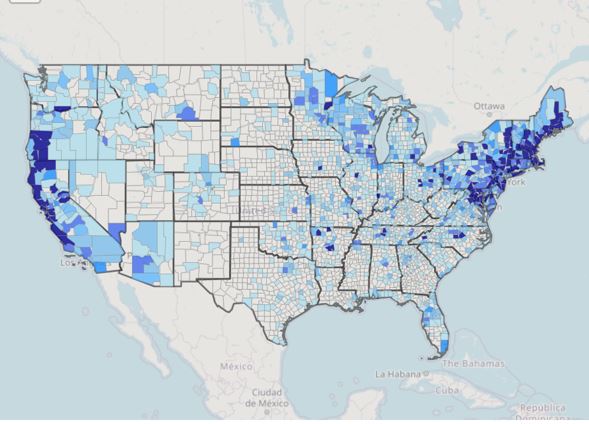
New maps show where citizen scientists found infected ticks
Want an easy way to see where disease-carrying ticks have been found throughout the United States?
Check out the new interactive tick mapsrecently launched by the Bay Area Lyme Foundation.
The maps are based on data published in mSphere, a multidisciplinary open-access journal of the American Society for Microbiology.
The information came from ticks submitted by citizen scientists as part of BALF’s Free Tick Testing Program, which ran from 2016 to 2019.
The study found infected Ixodes ticks in 116 counties which were not previously identified by the Centers for Disease Control as having them.
The testing program collected more than 20,400 ticks. 8,954 were Ixodes ticks, capable of carrying the most common tick-borne pathogens.
The research was conducted through a partnership between Bay Area Lyme Foundation, Northern Arizona University, Colorado State University and the Translational Genomics Research Institute (TGen).
The study evaluated the distribution and prevalence of the four most common tick–borne pathogens:
Borrelia burgdorferisensu lato, the group which causes Lyme disease
Borrelia miyamotoi, which causes tick-borne relapsing fever
Anaplasma phagocytophilum, which causes human granulocytic anaplasmosis
protozoan pathogen, Babesia microti.
The program tested two types of ticks:
Ixodes scapularis, also known as the blacklegged tick or the deer tick, which are found in the Northeast, Midwest and South;
Ixodes pacificus, also known as the western blacklegged tick, which lives in the West
The interactive maps only represent data from this citizen science study. They do not represent the total risk of tick-borne infections in the US.
An eye-opening look
“These maps will be eye-opening for many Americans as it makes it easy to see that ticks carrying disease-causing bacteria can be commonly found across the US,” stated Tanner Porter, MS, a research associate at TGen and the lead author on the study.
“If you aren’t aware of the possibility of ticks, either in your backyard or whilst traveling, you are unlikely to look for them – but an unseen tick can still transmit a pathogen and cause disease. It is important for everyone to know to look for ticks, be aware of the pathogens that they carry, and takes steps to mitigate their risk.”
This new study expands on previous research identifying ticks capable of carrying Lyme and other tick-borne diseasesin 83 counties (in 24 states) where these ticks had not been previously recorded. These included: Alabama, Arizona, Georgia, Illinois, Indiana, Iowa, Kansas, Kentucky, Louisiana, Michigan, Minnesota, Montana, Missouri, Nevada, North Carolina, Ohio, Oregon, South Carolina, Tennessee, Texas, Utah, Virginia, Washington, and Wisconsin.
The study builds on recently released CDC data that added 100 counties to the list of those with disease-carrying ticks.
TOUCHED BY LYME: The promise of a targeted drug for Lyme disease
An exciting announcement rippled through the Lyme community recently. Well-known Lyme researcher Dr. Kim Lewis of Northeastern University has identified an antibiotic that appears to selectively kill Lyme spirochetes while leaving gut microbes alone.
This is highly significant because there hasn’t been a drug developed specifically to treat Lyme disease in…well, forever.
Let’s walk through what we know about this promising discovery—and what we still need to find out.
Antibiotics from soil
Did you know that most antibiotics are produced in nature by bacteria and fungi in the soil?
Professor Lewis and his research team recently screened soil samples looking for compounds that could be used specifically against Borrelia burgdorferi, the pathogen that causes Lyme disease, but that would not kill a broad array of other important bacteria.
The team identified a substance called hygromycin-A, a naturally formed antibiotic that was originally discovered back in the 1950s but was never studied in humans or brought to market.
Back then, researchers looked for powerful broad-spectrum drugs that could target many kinds of microbes. The more diseases a drug could treat, the more revenue it could generate. This strategy was the hallmark of Big Pharma’s “one-size-fits-all” approach to drug development. Narrow-spectrum antibiotics such as hygromycin-A were dismissed because their profit potential was smaller.
But here’s the deal about broad-spectrum antibiotics and Lyme disease. While the drugs kill Borrelia, they also wipe out a lot of other stuff. This includes “good bacteria” in the body’s sensitive gut microbiome, as well as other important local microbiomes (skin, mouth, reproductive organs, lungs, etc). Reducing the bacterial diversity in these local areas or microbiomes is now known to increase the risk of developing chronic diseases, cause serious symptoms in patients, and contribute to the global antibiotic resistance problem.
Protecting friendly bacteria
The researchers first tested hygromycin-A in a lab dish and found it highly effective against Borrelia and then later against various Treponemes (found in adult and congenital syphilis as well as in periodontal disease). These are all types of spirochetal bacteria, a dangerous category of human pathogen.
They also tested the substance against various friendly bacteria typically found in the gut and demonstrated that it pretty much left them alone. These “symbiont” bacteria are responsible for regulating our metabolism, balancing immune system function and protecting against pathogen invasion. So, we should try to keep them!
Next, Lewis and his collaborators tried hygromycin-A on Lyme-infected mice. Once again, it cleared the Lyme infection in the treated mice, while leaving their gut bacteria intact. They then tested the drug for use in the environmental eradication of Lyme in field mice, with similar results.
Professor Lewis et al recently published these findings in the scientific journal Cell, sparking hope and excitement in the Lyme community. Is this the breakthrough for which we’ve been waiting for decades–a targeted treatment for Lyme disease?
Could be. But we’re not there yet.
What’s the next step?
A scientist who has identified a new antibiotic in soil can’t just hand a patient a cup of dirt and say, “Take this and be well.” A new drug must be developed and tested, first in animal models and then in people. And the regulatory approval process required to bring any human drug to market doesn’t happen overnight.
A small, private biotechnology company named Flightpath Biosciences, Inc., has obtained an exclusive license to develop hygromycin-A into an antibiotic they now call FP-100.
Building on the work of Professor Lewis, who is on Flightpath’s scientific advisory board, the company needs to complete formal animal studies. Thus far, FP-100 looks very promising. Early results in laboratory mice, field mice and rats indicate that the drug is orally bioavailable (can be made into a pill) and does not appear to have any major safety or toxicity concerns. (The latter can bring novel drug development programs to a screeching halt.)
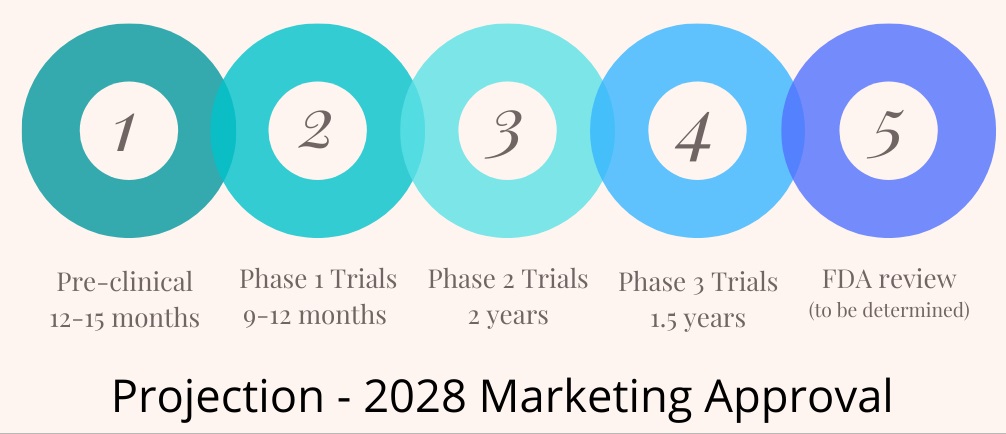
At the completion of these required animal studies, Flightpath will submit an Investigational New Drug (IND) application for FP-100 to the Food and Drug Administration. After approval of the IND application, the company will be ready to initiate a phase I study with healthy volunteers.
What are Phase I, Phase II and Phase III studies?
Determining the true benefit of a drug in a clinical trial is a difficult and lengthy process. Once a drug has been developed, there are three additional phases to obtaining FDA approval of the drug:
The phase I study determines the safety of a drug candidate and its “maximum tolerated dose” that does not produce unacceptable side effects. Phase I studies offer little or no benefit to the volunteer subjects, who are typically healthy people who do not have Lyme disease. This phase takes approximately six to nine months to complete.
The phase II study involves a drug candidate whose dose and side effects have been established in Phase 1. This phase will determine the drug’s effectiveness. Does it help patients with Lyme disease get better? This phase will offer opportunities for Lyme patients to volunteer to participate if they meet study inclusion criteria. The timeline for this phase is roughly 18-24 months.
The phase III study compares the new drug candidate against a commonly used drug, like doxycycline. Some volunteer subjects are given the new drug and some the commonly used drug. This phase will also offer opportunities for eligible Lyme patients to volunteer to participate. The timeline for this phase is roughly 12-24 months including time required for statistical analysis and submission of materials for FDA review.
Flightpath CEO Matt Tindall tells me that, ideally, Phase II studies for FP-100 could begin in two to three years. And if all goes well, he predicts the drug could be approved by 2028.
That’s not the quick turnaround that Lyme patients might wish for. But in the world of drug development, and with no similar products in the pipeline, that’s moving at a pretty good clip.
All oars in the water
“At this point, we have a full-stack team of experienced life sciences drug developers and all our oars in the water,” says Tindall. However, Flightpath’s process of securing funding continues.
He points out that historically, investors were not interested in supporting the development of new Lyme therapeutics. Overall, he says, this was due to poor diagnostic tests and a standard of care which started and ended with cheap, generic, broad-spectrum drugs.
But he tells me that’s starting to change, with the advent of genomic sequencing and a deepening knowledge of long-haul syndromes, thanks to COVID-19.
“We are seeing more interest in novel ways to diagnose acute and chronic Lyme disease, more targeted approaches to treat acute Lyme, and now significant advances in our understanding of what happens to patients in the chronic phase of the disease,” he says.
Another project–the search for a chronic Lyme biomarker
Flightpath has another ongoing project of high interest to our community—the search for a biomarker for chronic Lyme disease. (Biomarkers are objective biological signals related to a particular condition.) Many folks with chronic Lyme have participated in this study, which the company hopes will result in one or more definitive diagnostic tests for chronic Lyme disease. [See: The quest for a chronic Lyme disease diagnostic kicks into high gear.]
If the company verifies the gut microbiome signature, originally shown by Lewis et al in patients with persistent Lyme symptoms, that will open more avenues to help people with chronic Lyme.
Tindall says the company is also committed to developing a first-of-a-kind live biotherapeutic product aimed at repairing the gut microbiome. This could potentially have a positive impact on the immune system in these patients. But, as with FP-100, there’s more work to be done.
FP-100 is exciting because it is the first novel treatment being developed specifically to treat Lyme disease. Flightpath’s initial goal is to determine whether the drug would prevent patients with acute Lyme disease from developing chronic Lyme. If a patient with chronic Lyme has active infection with Borrelia, the drug may prove useful to these patients as well.
But it’s important to remember that the development and timeline for FDA approval of a drug takes years. The process requires playing the long game, one step at a time. Stay tuned.
His team started by killing Borrelia (the causative agent of Lyme Disease) with antibiotics and waiting three weeks. He expected and found that persisters remained. He found this promising as it helps explain why many continue to have symptoms.
He tried numerous things against the persisters – all of which failed, until they focused on Borrelia’s weakness: it doesn’t develop antibiotic resistant “superbugs.” From this conclusion they decided to manipulate dosing by killing the Borrelia, waiting, and then going back and hitting them again. After doing this four times, the researchers discovered no bacteria in the petri dishes.