Archive for the ‘Testing’ Category

Bartonella for Clinicians

http://

Bartonella for Clinicians

Introducing IGeneX Bartonella ImmunoBlots
Jul 15, 2021

For more:

COVID Impacts on Lyme Disease Reporting

https://wwwnc.cdc.gov/eid/article/27/10/21-0903_article

Research Letter

Effects of COVID-19 Pandemic on Reported Lyme Disease, United States, 2020

David W. McCormickComments to Author , Kiersten J. Kugeler, Grace E. Marx, Praveena Jayanthi, Stephanie Dietz, Paul Mead, and Alison F. Hinckley
Author affiliations: Centers for Disease Control and Prevention, Fort Collins, Colorado, USA. (D.W. McCormick, K.J. Kugeler, G.E. Marx, P. Mead, A.F. Hinckley); ICF International Inc., Atlanta, Georgia, USA (P. Jayanthi); Centers for Disease Control and Prevention, Atlanta (P. Jayanthi, S. Dietz)

Cite This Article

Abstract

Surveys indicate US residents spent more time outdoors in 2020 than in 2019, but fewer tick bite–related emergency department visits and Lyme disease laboratory tests were reported. Despite ongoing exposure, Lyme disease case reporting for 2020 might be artificially reduced due to coronavirus disease–associated changes in healthcare-seeking behavior.

The coronavirus disease (COVID-19) pandemic has altered how humans interact with their environment and the healthcare system (1,2), and strained resources have limited the ability of state and local health departments to respond to reports of notifiable diseases (3). The Centers for Disease Control and Prevention (CDC) typically is notified of 30,000–40,000 Lyme disease cases annually (4), but the COVID-19 pandemic likely will affect the case counts. Most Lyme disease cases are acquired in spring and early summer (5); in 2020, these seasons coincided with the initial spread of COVID-19 and widespread stay-at-home orders. We explored 4 data sources to assess how the COVID-19 pandemic might have influenced tick bite risk and associated healthcare-seeking practices and affected reported Lyme disease cases for 2020.

The pathway for Lyme disease case reporting begins with environmental risk and culminates with case notification to CDC (Appendix Figure). Environmental risk is relatively stable in high-incidence areas and driven by ecologic factors unaffected by COVID-19 (6). The pandemic might have altered the frequency of outdoor activities and probability of encountering ticks, healthcare-seeking and provider services patterns, and case investigation and reporting. The data sources we used measure changes in time spent outdoors, information-seeking patterns for tick removal, emergency department (ED) visits for tick bites, and laboratory testing for Lyme disease. This analysis was considered nonhuman subjects research by CDC.

To assess potential behavior shifts that might have increased risk for tick encounters, we analyzed data from Porter Novelli’s PN View 360+ consumer survey (7). Among 4,013 participants who responded to the survey distributed during July 31–August 9, 2020, approximately half (49.9%) reported that they had spent a lot more time or slightly more time outdoors by that point in 2020 compared with prior years. Only 20.9% of respondents reported spending less time outdoors in 2020.

Comparison of visits to the Centers for Disease Control and Prevention (CDC) website on tick removal, 2018–2020, and to the ED for tick-bite related chief complaints, 2017–2020, United States. A) Website visits per month for https://www.cdc.gov/ticks/removing_a_tick.html. B) ED visits by month in which the chief health complaint was tick bite. Comparison of 2020 to the average of the previous 4 years is shown. ED, emergency department.Figure. Comparison of visits to the Centers for Disease Control and Prevention (CDC) website on tick removal, 2018–2020, and to the ED for tick-bite related chief complaints, 2017–2020, United States. A)…

To indirectly assess frequency of tick encounters in 2020 compared with prior years, we evaluated total monthly visits during 2018–2020 to a CDC website describing tick removal (8). Visits to this website typically increase during late spring and summer and again in October, when most bites from blacklegged ticks (Ixodes scapularis and Ixodes pacificus) occur (5). We observed 818,167 website visits during 2020, ≈25% more than in 2019 (681,021) and 2018 (630,839) (Figure).

To assess patterns related to healthcare-seeking for tick encounters, we identified ED visits for tick bites by using the National Syndromic Surveillance Program (NSSP) BioSense platform (9). ED visits for tick bites decreased in 2020 from 2019 in both total number and rate per 100,000 ED visits (Figure). The largest relative decreases were observed in May. During 2017–2019, the average number of ED visits for tick bites during the month of May was 12,693, an average rate of 145/100,000 ED visits. During May 2020, only 5,845 ED visits for tick bites occurred, a rate of 89/100,000 ED visits.

We quantified cumulative counts and percent positivity of serologic tests for Lyme disease performed by an independent clinical laboratory. Lyme disease testing volume decreased from 2019 to 2020; 25.0% fewer tests were performed, and test positivity decreased slightly to <1% (Table).

During the first wave of the COVID-19 pandemic in 2020, the US population spent more time outdoors and visited a CDC website describing safe tick removal more frequently than during prior years. However, fewer persons sought care for tick bites, and substantially fewer laboratory tests for Lyme disease were ordered. These findings suggest that the risk of acquiring Lyme disease was similar or potentially higher in 2020 compared with risk during prior years, but fewer persons sought care, and fewer positive laboratory reports were referred for case investigation. Consequently, we anticipate that, once ultimately finalized, the official number of confirmed and probable Lyme disease cases in 2020 will be substantially lower than that for prior years.

One limitation of our study is that data sources we examined represent national trends and are indirect surrogates for Lyme disease risk and reporting, which vary geographically. Visits to a website describing tick removal might not correspond with finding an attached tick. Available data on laboratory testing represents 1 independent clinical laboratory; other commercial or academic laboratories might not have experienced a similar decrease in testing. Data sources associated with telehealth utilization and prescription claims could provide additional insights into the diagnosis and treatment for Lyme disease in 2020.

Already an issue in high-incidence states, the pandemic has highlighted the need for alternative Lyme disease surveillance strategies that rely less on human resources. An anticipated and potentially substantial decrease in reported Lyme disease in 2020 likely reflects the effects of the COVID-19 pandemic rather than a true change in Lyme disease incidence. Decreased reporting also could render 2020 inconsistent with long-term trends and changes in the epidemiology of the disease. Although nonpharmaceutical interventions for COVID-19 have mitigated the transmission of respiratory pathogens (10), these results suggest the behavioral and reporting changes seen for Lyme disease might extend to other nonrespiratory diseases.

Dr. McCormick is an Epidemic Intelligence Service Officer in the Bacterial Diseases Branch, Division of Vector-Borne Diseases, National Center for Emerging and Zoonotic Infectious Diseases, Centers for Disease Control and Prevention, Fort Collins, Colorado. His primary research interests are the epidemiology and prevention of bacterial vectorborne diseases.

Acknowledgment

We thank Melanie Spillane for her assistance with collating data from National Syndromic Surveillance Program and Anna Perea for assistance with Porter Novelli’s PN View 360+ consumer survey data.

References

  1. Hartnett  KP, Kite-Powell  A, DeVies  J, Coletta  MA, Boehmer  TK, Adjemian  J, et al.; National Syndromic Surveillance Program Community of Practice. Impact of the COVID-19 pandemic on emergency department visits—United States, January 1, 2019–May 30, 2020. MMWR Morb Mortal Wkly Rep. 2020;69:699704. DOIExternal LinkPubMedExternal LinkGoogle ScholarExternal Link
  2. Czeisler  , Marynak  K, Clarke  KEN, Salah  Z, Shakya  I, Thierry  JM, et al. Delay or avoidance of medical care because of COVID-19–related concerns—United States, June 2020. MMWR Morb Mortal Wkly Rep. 2020;69:12507. DOIExternal LinkPubMedExternal LinkGoogle ScholarExternal Link
  3. Weber  L, Ungar  L, Smith  MR, Recht  H, Barry-Jester  AM. Hollowed out public health system faces more cuts amid virus. Associated Press. 2020 Jul 1 [cited 2021 Apr 20]. https://apnews.com/article/b4c4bb2731da9611e6da5b6f9a52717aExternal Link
  4. Schwartz  AM, Hinckley  AF, Mead  PS, Hook  SA, Kugeler  KJ. Surveillance for Lyme disease—United States, 2008–2015. MMWR Surveill Summ. 2017;66:112. DOIExternal LinkPubMedExternal LinkGoogle ScholarExternal Link
  5. Mead  PS. Epidemiology of Lyme disease. Infect Dis Clin North Am. 2015;29:187210. DOIExternal LinkPubMedExternal LinkGoogle ScholarExternal Link
  6. Burtis  JC, Sullivan  P, Levi  T, Oggenfuss  K, Fahey  TJ, Ostfeld  RS. The impact of temperature and precipitation on blacklegged tick activity and Lyme disease incidence in endemic and emerging regions. Parasit Vectors. 2016;9:606. DOIExternal LinkPubMedExternal LinkGoogle ScholarExternal Link
  7. Porter Novelli. ConsumerStyles & YouthStyles 2021 [cited 2021 Apr 20]. http://styles.porternovelli.com/consumer-youthstylesExternal Link
  8. Centers for Disease Control and Prevention. Tick removal [cited 2021 Apr 20]. https://www.cdc.gov/ticks/removing_a_tick.html
  9. Marx  GE, Spillane  M, Beck  A, Stein  Z, Powell  AK, Hinckley  AF. Emergency department visits for tick bites—United States, January 2017–December 2019. MMWR Morb Mortal Wkly Rep. 2021;70:6126. DOIExternal LinkPubMedExternal LinkGoogle ScholarExternal Link
  10. Olsen  SJ, Azziz-Baumgartner  E, Budd  AP, Brammer  L, Sullivan  S, Pineda  RF, et al. Decreased influenza activity during the COVID-19 pandemic-United States, Australia, Chile, and South Africa, 2020. Am J Transplant. 2020;20:36815. DOIExternal LinkPubMedExternal LinkGoogle ScholarExternal Link

‘Jaw Dropped’ After Blood Testing Done After COVID Jab Shows Severe Autoimmunity

https://choiceclips.whatfinger.com/2021/10/05/dr-nathan-thompson-my-jaw-dropped-when-i-tested-someones-immune-system-after-the-2nd-jab/  Video Here (Approx. 15 Min)

Dr. Nathan Thompson: “My jaw dropped when I tested someone´s immune system after the 2nd jab”

“This person has autoimmunity.” – Dr. Nathan Thompson

SINCE ALL DOCTORS CAN DO THIS – everyone tell your doctor to test you NOW if you have taken the shot, especially if you took a second.  Tell them you need the test described, for if this is true,  there is going to be an explosion soon.  My prediction…  Get tested, get verified…information is key now.  YOU MUST FIND OUT.
  • Another doctor has been doing D-dimer tests on his “vaccinated” patients and has found 65% to have microscopic-blood clotting.
  • A study on the military has discovered COVID jabs increase heart inflammation.
  • An expert warns the jabs cause inflammation, blood clotting, and could cause Mad Cow disease.
  • Research shows the risk of prion disease with the jabs.
  • Research shows abnormal imaging of lymph nodes, blood clotting, and that immunocompromised people (like Lyme/MSIDS patients) are still susceptible to COVID after jab.
  • A study shows the Pfizer jab increases risk of myocarditis three-fold. Chinese cupping demonstrates what “vaxxed” blood looks like.
  • Whistleblowers are coming out of the woodwork warning about the COVID jabs.
  • Irish doctor warns that the jabs are “killing people.”  Her license was immediately suspended.
  • Former French Vaccine Policy Chief states the jabs contain the sequence of a gene—the first time this has ever been done, and that genetic material is being injected into your body, which is why it should not be labelled a “vaccine.” When you inject messenger RNA to produce a huge amount of spike protein, a fragment of the SARS-CoV-2 virus, you can’t control the process.  He was promptly fired.
  • German doctors are finding the COVID jabs are changing the blood of those getting them.
  • A pathologist warns that the spike protein is causing damage to organs, crosses the blood-brain barrier causing inflammation, and that there has been a 10-20 fold increase in uterine cancer in the 6 months since the shots came out.
  • Study shows the COVID jabs increases the risk of Parkinson’s.

The Case of An Untreated Babesia Infection

https://danielcameronmd.com/untreated-babesia-infection/

The case of an untreated Babesia infection

Woman with untreated Babesia infection holding her head.

Babesia can be a severe and life-threatening tick-borne illness. In a recent article, Dr. Gary Wormser described a 61-year-old female with an untreated Babesia microti infection.¹ The woman’s IgM test for Lyme disease was positive, but it was dismissed as a false positive test.

In his article, Wormser discusses the case of a 61-year-old woman who went untreated for a Babesia infection, despite positive test results. The patient, who lives in Westchester, NY, a highly endemic area for Lyme disease, reportedly removed an unidentified tick from her left wrist at the end of March 2020, wrote Wormser.

In June, she developed intermittent fevers, joint pain, anorexia, and fatigue and was evaluated at the Lyme Disease Diagnostic Center (LDDC) in New York State.

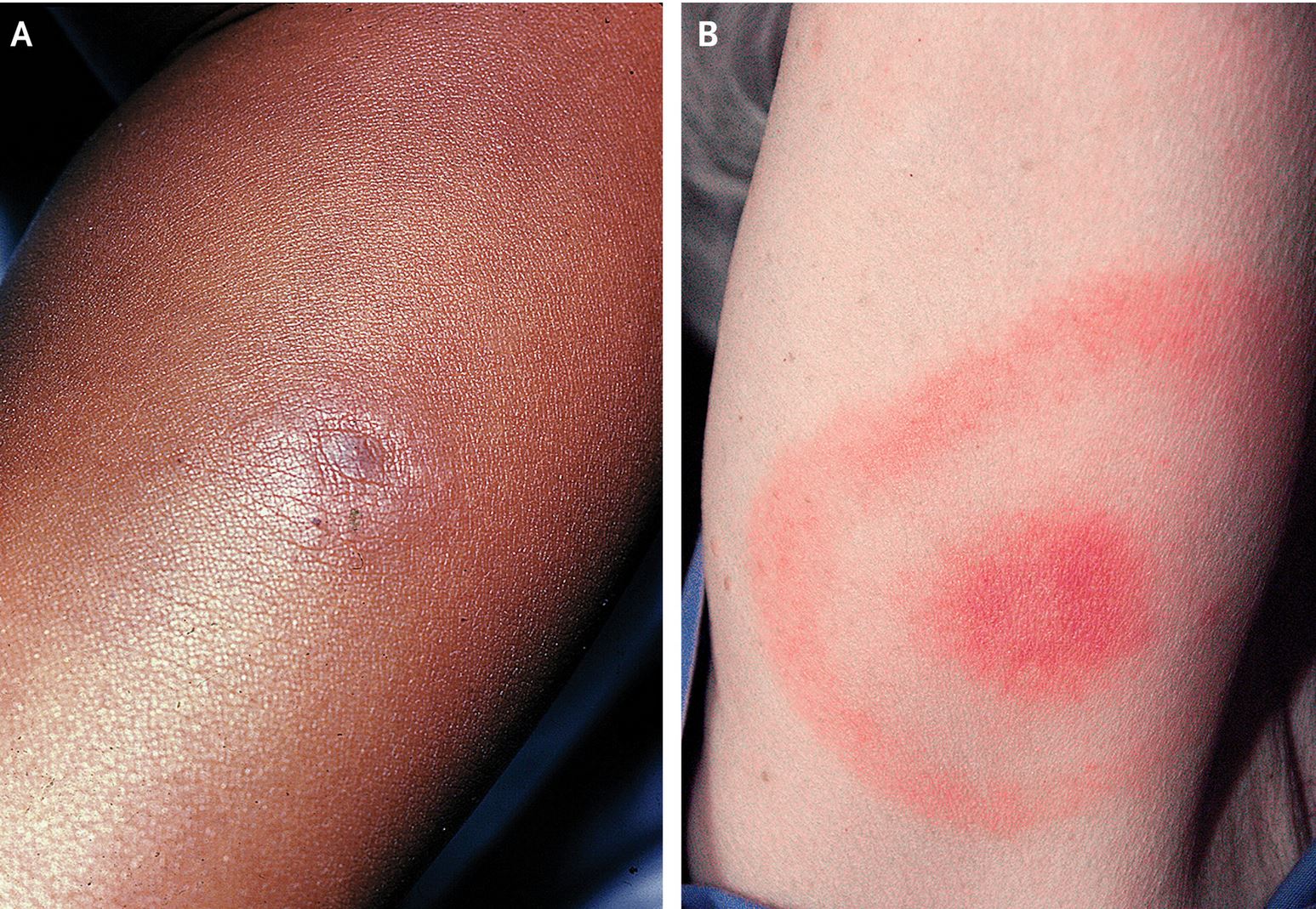
Unfortunately, the patient did not have an erythema migrans rash. And, as a result was not treated for a tick-borne infection.

On July 30, 2020, the woman tested positive by PCR for Babesia but was not treated.

Two weeks later, she had a positive Lyme disease EIA and one IgM Western blot band. But she was still not treated for either Lyme disease or Babesia.

On August 26, 2020, her Lyme disease tests were positive by the CDC’s two-tier diagnostic criteria. She had a positive EIA and positive IgM Western blot test. Still, she was not treated for either Lyme disease or Babesia.

On December 11, 2020, the woman’s PCR test for Babesia and IgM Western blot test for Lyme disease were negative.  Her Lyme EIA remained positive.

I. scapularis ticks recovered from the environment that are infected with B. microti may be co-infected with B. burgdorferi.

The woman never developed more than two IgM Western blot bands for Lyme disease. And she never exhibited an erythema migrans (or Bull’s-eye) rash. If she had, it would have allowed Dr. Wormser to make the diagnosis of Lyme disease in a patient with Babesia.

As he states, “Diagnosing Lyme disease co-infection in patients with active babesiosis, as in patients with human granulocytic anaplasmosis, is more convincingly accomplished if objective clinical features of Lyme disease are present, such as an erythema migrans skin lesion.”

The woman’s fever resolved without treatment. But Dr. Wormser did not state whether the patient’s joint pains, anorexia, or fatigue had resolved. Neither did Dr. Wormser report whether there were any long-term sequelae from an untreated tick-borne illness.

Editor’s perspective:

I would have been uncomfortable leaving the woman untreated particularly since she had evidence of at least one tick-borne infection – Babesia.

References:
  1. Wormser GP. Documentation of a false positive Lyme disease serologic test in a patient with untreated Babesia microti infection carries implications for accurately determining the frequency of Lyme disease coinfections. Diagn Microbiol Infect Dis. May 16 2021;101(1):115429. doi:10.1016/j.diagmicrobio.2021.115429

__________________

I’m too angry to comment.  Wormser needs to retire.

For more:

Controversy Continues: “True Chronic Lyme Disease” Rather Than “Post-treatment Lyme Disease Syndrome”

Although written in 2018, it’s a perfect example how the debate continues on the issue of pathogen persistence due to thousands of patients who continue to have severe symptoms of Lyme/MSIDS despite years of treatment.  Similarly to the censorship and maligning of ivermectin, HCQ, and other effective treatments for COVID, doctors treating Lyme/MSIDS are afraid to treat patients long-term as the same bullying has occurred.

**********************

https://www.ncbi.nlm.nih.gov/pmc/articles/PMC6100330/

2018 Jul-Sep; 10(3): 170–171.
PMCID: PMC6100330
PMID: 30166820

The Persistent Lyme Disease: “True Chronic Lyme Disease” rather than “Post-treatment Lyme Disease Syndrome”

Sir,

A controversy continues regarding the reality of a chronic form of Lyme disease. Chronic Lyme disease can present as a “post-Lyme syndrome” explained by inflammatory and immunological phenomena, or as a genuine “chronic form” attributable to the persistence of the bacteria despite proper antibiotic therapy as per the current guidelines. The current guidelines however may not be so appropriate in the latter case.

The case referenced is of a 40-year-old patient, a hunting gard, regularly suffering from multiple tick bites. He began experiencing a lack of energy with diffuse palate of pains (cramps, stiffness, and neuropathic burning pain), tremor and fluctuating migrating arthralgia that evolved over a 3-month period. A first Lyme serology proved positive in Western blot. A second Lyme serology, performed a few months later, was negative but showed the presence of IgM antibodies below the threshold of of positivity: OspCBss(0,6), OspCBaf (0, 7), OspCBag (0, 5) and OspCBspp (0, 6).

A 21-day treatment of ceftriaxone (2 g/day) resulted in a spectacular improvement in his overall state of health. Yet, despite the improvement, there remained persistent bouts of moderate asthenia with episodes of arthralgia. Consequentially, two new antibiotic treatments were administered: ceftriaxone (2 g/day) for 15 days and doxycycline (100 mg twice a day) for 1 month. His symptoms disappeared almost completely. However, his symptoms gradually reappeared. A new approach with antibiotics was initiated: ceftriaxone (2 g/day for 1 month) followed by doxycycline (200 mg twice a day) associated with hydroxychloroquine 200 (once a day). Two months later, after a quick improvement, the patient exhibited no symptoms. Five months later, while the treatment was continued, the patient was still asymptomatic.

The clinical improvements and setbacks corresponding strictly to the administration and interruption of antibiotics, and the final remission are in favor of a chronic persistence of Borrelia. Interestingly, the persistence of Borrelia infection, despite a proper antibiotherapy, has been well described in literature.[] It would be due to the existence of the cystic shapes of Borrelia resisting to antibiotics and the creation of extracellular (matrices) biofilms protecting the bacteria.[] Bacteria that grow as a biofilms are indeed protected from killing by antibiotics.

In patients presenting with a chronic form, the interferon-gamma response is not followed by an increase in IL-4, thus suggesting both a persistent Th1 response and a deficiency in the Th2 response.[] Borreliosis may thus induce immunosuppression with a lack of humoral response and long-term immunity.[] False-negative serological results could be attributed to a deficiency of antibody production. As a matter of fact, Leeflang et al. reported a poor sensitivity of the enzyme immunoassay/immunoblot of 0.77 (95% confidence interval: 0.67–0.85) in the diagnosis of neuroborreliosis.[] A meta-analysis of test accuracy reported a sensitivity of only 59.5%, varying from 30.6%–86.2%.[] Antibiotic testing is necessary to reach Lyme disease final diagnosis, namely in patients presenting with negative tests and a suggestive clinical presentation.

Declaration of patient consent

The authors certify that they have obtained all appropriate patient consent forms. In the form the patient(s) has/have given his/her/their consent for his/her/their images and other clinical information to be reported in the journal. The patients understand that their names and initials will not be published and due efforts will be made to conceal their identity, but anonymity cannot be guaranteed.

Financial support and sponsorship

Nil.

Conflicts of interest

There are no conflicts of interest.

REFERENCES

  1. Miklossy J, Kasas S, Zurn AD, McCall S, Yu S, McGeer PL, et al. Persisting atypical and cystic forms of borrelia burgdorferi and local inflammation in lyme neuroborreliosis. J Neuroinflammation. 2008;5:40. [PMC free article] [PubMed] []
  2. Widhe M, Jarefors S, Ekerfelt C, Vrethem M, Bergstrom S, Forsberg P, et al. Borrelia-specific interferon-gamma and interleukin-4 secretion in cerebrospinal fluid and blood during lyme borreliosis in humans: Association with clinical outcome. J Infect Dis. 2004;189:1881–91. [PubMed] []
  3. Elsner RA, Hastey CJ, Olsen KJ, Baumgarth N. Suppression of long-lived humoral immunity following borrelia burgdorferi infection. PLoS Pathog. 2015;11:e1004976. [PMC free article] [PubMed] []
  4. Leeflang MM, Ang CW, Berkhout J, Bijlmer HA, Van Bortel W, Brandenburg AH, et al. The diagnostic accuracy of serological tests for lyme borreliosis in europe: A systematic review and meta-analysis. BMC Infect Dis. 2016;16:140. [PMC free article] [PubMed] []
  5. Cook MJ, Puri BK. Commercial test kits for detection of lyme borreliosis: A meta-analysis of test accuracy. Int J Gen Med. 2016;9:427–40. [PMC free article] [PubMed] []

Please see Microbiologist Tom Greer’s Important paper on “The Complexities of Lyme Disease”:

https://mail.google.com/mail/u/0/#inbox/FMfcgzGljlpcXbHDNVSpLsZWzfHRfWQV?projector=1&messagePartId=0.1

For more:

Similarly to what’s occurring with effective COVID treatments, treatments for Lyme/MSIDS have been attacked as well.