2023 Omnibus Appropriations Bill – A Wolf in Sheep’s Clothing & New ICD Codes for Those Unvaccinated for COVID
New Laws Allow Pharma to Make All Decisions for Patients
Analysis by Dr. Joseph Mercola
2/4/23
STORY AT-A-GLANCE
- The 2023 omnibus appropriations bill includes 19 lines that could give the U.S. Food and Drug Administration the power to ban off-label use of approved medications
- If the little-noticed provision is passed, doctors’ ability to freely treat patients, and patients’ ability to use all available treatments after making an informed decision, will be lost
- The amendment puts the FDA, and by proxy Big Pharma, at the helm of powerful health care decisions that should be made on an individual, personalized level between a patient and their health care provider
- In California, law AB 2098, which went into effect January 1, 2023, gives the state power to take away doctors’ medical licenses if they spread “misinformation” that goes against the standard COVID-19 rhetoric
- The trend to allow a Pharma-controlled government to silence your doctor and dictate basic components of your medical care is not confined to the U.S. — it’s happening globally
In the U.S., 1 in 5 prescriptions is written for an off-label use.1 While sometimes this allows medications to be overused or misused, it also protects doctors’ ability to freely treat patients, and patients’ ability to use all available treatments after making an informed decision.
That 20% of medications are used off-label also indicates “a degree of freedom physicians currently have that will be foreclosed,” notes English comedian and actor Russell Brand,2 if a little-noticed provision in the omnibus spending bill is passed. “Literally, this will mean that your doctor will not be able to do what’s best for you because they’ll work for Big Pharma now,” Brand says.3
https://youtu.be/5bxyDwfNKSM Approx. 15 Min
A little-noticed provision of the omnibus spending bill could give the FDA power to control how your doctor advises you.
19 Lines in 4,155-Page Bill Could Change Practice of Medicine
The 2023 omnibus appropriations bill — a 4,155-page tome involving $1.7 trillion in spending — includes 19 lines that could give the U.S. Food and Drug Administration the power to ban off-label use of approved medications. In a commentary for The Wall Street Journal, Dr. Joel Zinberg wrote:4
“Physicians routinely prescribe drugs and employ medical devices that are approved and labeled by the Food and Drug Administration for a particular use. Yet sometimes physicians discern other beneficial uses for these technologies, which they prescribe for their patients without specific official sanction.
The new legislation amends the Food, Drug and Cosmetic Act, or FDCA, to give the FDA the authority to ban some of these off-label uses of otherwise approved products. This unwarranted intrusion into the physician-patient relationship threatens to undermine medical innovation and patient care.”
FDA Wants Power to Regulate Practice of Medicine
(See link for article)
_______________
https://rumble.com/v284nvk-feds-caught-tracking-unvaxxed-bombshell-video-of-cdcs-sinister-plot.html News Video Here (Approx. 7 Min)
Feds Caught Tracking UnVaxxed: Bombshell Video Of CDC’s Sinister Plot
- National File’s Patrick Howley reports on the CDC’s plan to keep a list of the unvaxxed.
- The CDC’s National Center for Health Statistics proposed new medical codes to surveil patients who chose not to take the death jab.
- The CNN website hosts the Joe Biden vaccine hesitancy map based on U.S. census data.
- Watch the Epoch Times video on how NYC teachers were not only fired for not getting the COVID shot, but their fingerprints as well as a code were sent to the FBI and the criminal justice service, so they can be flagged making it hard to get a job anywhere in the future.
- Many view the unvaccinated as their enemy and this may be a precursor to forced vaccination.
https://nakedemperor.substack.com/p/z28310-the-code-designated-for-the
Z28.310 – The code designated for the Unvaccinated
New ICD codes
International Classification of Diseases (ICD) codes are a system used to classify and code diseases, injuries and other health conditions. They are primarily used for tracking and analysing health data, as well as for billing and reimbursement in the healthcare system. Periodically the World Health Organization (WHO) updates the codes to reflect new advances in medical knowledge and technology. The codes can be used by healthcare providers, insurance companies and government agencies to help ensure patients receive the appropriate treatment and care.
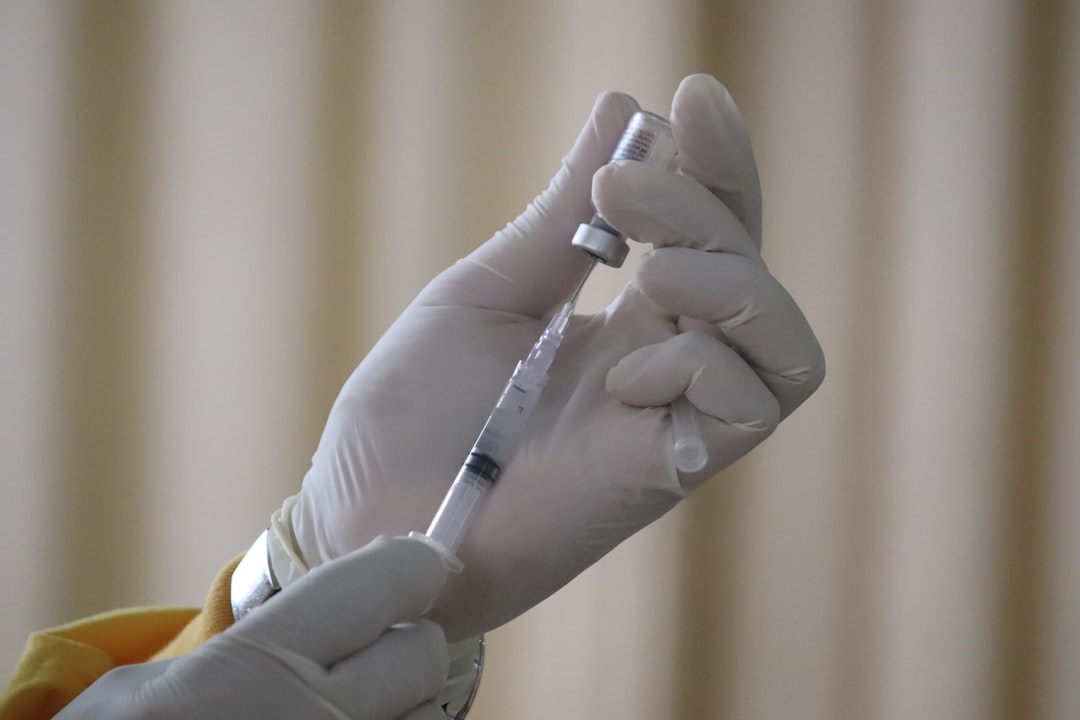
Last year, the ICD codes were updated again. However, this time they were updated to record your vaccination status.
Code Z28.310 is for the unvaccinated – If the patient has not received at least one dose of any COVID-19 vaccine. (See link for article)
_______________
**Comment**
Partially “vaccinated” individuals get the code Z28.311, and there are also codes that give various reasons for remaining unvaccinated. Although Z28 codes already exist to record immunizations not carried out and Z28.3 codes record underimmunization status as well, the new change now has specific codes for COVID injections and specific codes for those unvaccinated for COVID which has never happened before historically.
Go here for an in depth article and video on the subject.
They are just one step away from being able to collect this information without your permission. Ergo: vaccine passports made easy. In this country, not having your vaccine records ‘up-to-date’ might mean:
-
- The government will not restrict your travel, airlines will.
- The government will not restrict your travel, other nations will.
- The government will not restrict your travel, auto rental companies will.
- The government will not restrict your travel, public transport will.
- The government will not restrict your travel, private companies will.”