Archive for the ‘research’ Category

Can Powassan Virus Cause Encephalitis or Other Neurologic Damage?

https://danielcameronmd.com/no-neurologic-damage-three-children-lyme-disease-powassan-virus/

CAN POWASSAN VIRUS CAUSE ENCEPHALITIS OR OTHER NEUROLOGIC DAMAGE?
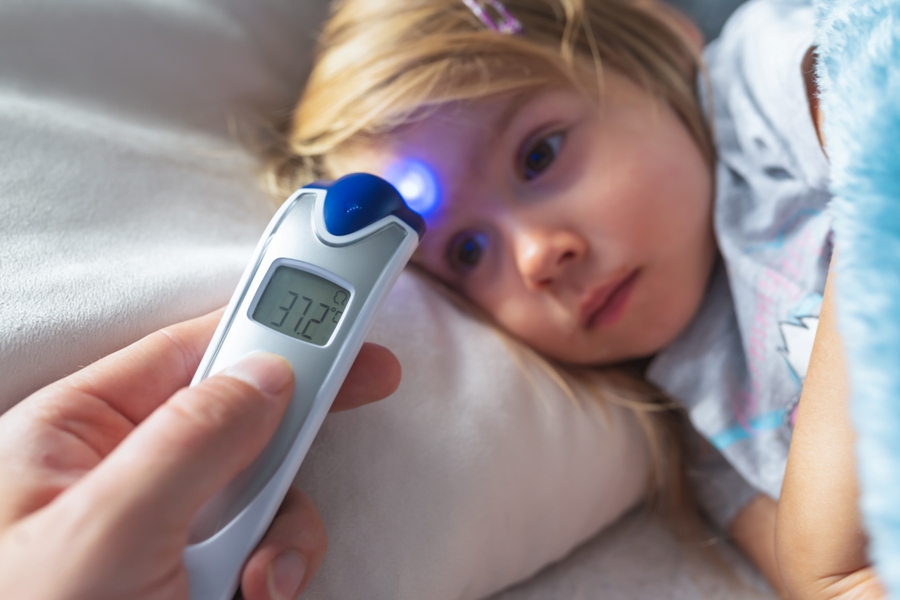
Child with Powassan virus and encephalitis getting temperature taken

Over the past ten years, there have been 75 cases of Powassan virus reported in the United States, according to the Centers for Disease Control and Prevention (CDC). [1] Most cases have been confined to the Northeast and Great Lakes region. That, however, may change. As Lyme disease continues to spread throughout the country, so too may this potentially deadly virus.

The Powassan virus (POWV) can be transmitted in as little as 15 minutes and is spread primarily through the bite of an infected deer tick. There is no treatment for the Powassan virus, yet it can cause devastating neurologic damage including encephalitis, meningitis or even death.

“About 15% of patients who are infected and have symptoms are not going to survive,” Dr. Jennifer Lyons, chief of the Division of Neurological Infections and Inflammatory Diseases at Brigham and Women’s Hospital in Boston told CNN. [2] “Of the survivors, at least 50% will have long-term neurological damage that is not going to resolve.”

In 2017, two men from Cape Code died from the virus. In 2019, a man from upstate New York died, along with a former US senator from North Carolina. The 66-year-old woman died “nearly three years after she was first hospitalized with what doctors later said was encephalitis” caused by the Powassan virus. [3]

With so much media attention focused on the deaths caused by Powassan virus, both parents and the public are understandably worried. However, a new study published in the journal Emerging Infectious Diseases provides a more optimistic outlook, finding not all subjects had neuroinvasive disease.

3 children with Lyme disease and Powassan virus

Frost and colleagues, from the Marshfield Clinic in northern Wisconsin, looked at serologic evidence of Powassan virus from 95 patients who tested positive for Borrelia burgdorferi, the causative agent of Lyme disease. The patients had visited their clinic between July and August of 2015. [4]

Clinical data was available for only 51 of the 95 patients (53.7%) suspected of having a tick-borne illness. Out of the 51 patients, 3 were children, all of whom had IgM evidence of Powassan virus, as well as IgM and IgG evidence of B. burgdorferi.

However, none of the children, who were all female, had neuroinvasive disease (i.e. encephalitis). [4]

  1. Age 14: 3-day history of urticarial rash. She was treated with doxycycline for 14 days.
  2. Age 4: 1-week history of fever (103°F), listlessness, headache, fatigue, and a maculopapular rash. She was treated with amoxicillin for 21 days.
  3. Age 3: 1-week history of intermittent fever, fussiness, and erythema migrans rash. After developing a urticarial rash on cefuroxime, she was treated with amoxicillin for 21 days.

“In POWV-endemic regions, up to 7% of ticks carry the virus, and seroprevalence among small mammalian hosts can exceed 90%,” the authors point out. Meanwhile, the seroprevalence of the Powassan virus in some regions of North America ranges from 0.5% to 3.3%. [4]

The authors’ conclusion is encouraging:

“The spectrum of disease is broader than previously realized, with most patients having minimally symptomatic infection.”

UPDATED: June 15, 2021


Tick Season 2021: Why Researchers Are Focusing on Staten Island Backyards

https://www.silive.com/news/2021/06/tick-season-2021-heres-why-researchers-are-focusing-on-staten-island-backyards.html

Tick season 2021: Here’s why researchers are focusing on Staten Island backyards

STATEN ISLAND, N.Y. — For the last four years, researchers from Columbia University have been studying the rise in tick populations and Lyme disease on Staten Island — and the work continues this summer as they drag for ticks, set up hair traps and place trail cameras in residents’ backyards.

The researchers are studying both parks and residential areas to better understand the ecology of ticks and the risk of tick-transmitted diseases in urban environments. And ticks are now being found across all of Staten Island, not just in the southernmost parts.

Most notably, the Asian longhorned tick continues to spread across the borough.

(See link for article)

___________________

**Comment**

For more on Diuk-Wasser’s work.

Eva Sapi, Lyme Disease Research Group on Antibiotic Resistance of Borrelia burgdorferi

Public Tick IPM WG Call Notes – 6.9.2021  Go here for Dr. Sapi’s presentation

A recording of this webinar is available by visiting this link: https://photos.app.goo.gl/vrvbX7HbhcVkrnq37

Dr. Eva Sapi teaches Biology at the University of New Haven and has a research group that studies Borrelia burgdorferi.

Lyme disease numbers are going up with approximately 476,000 of Americans diagnosed and treated for Lyme disease from CDC surveillance data covering 2010-2018.

In vitro and clinical data observing the efficacy of antibiotics against Borrelia burgdorferi found that antibiotics, in some cases, do not work against Borrelia burgdorferi. In the mid-90s, in vivo studies found evidence that antibiotics such as tetracycline, erythromycin or doxycycline, failed to eradicate acute Borrelia burgdorferi infections. Studies turned to a stronger antibiotic, ceftriaxone. These studies also showed antibiotic resistance of Borrelia burgdorferi. These results led to the question of why Borrelia burgdorferi cannot be killed and if any other form(s) exist that are resistant to therapy.

___________________

**Comment**

Very interesting webinar on the persistence of Lyme.

Sapi is also known for her in vitro work with Stevia. When I inquired about dosages, she stated those have not been determined. Dr. Horowitz and many other LLMD’s are using stevia as a biofilm and cyst form disruptor. The new kid on the block is liposomal oregano oil (some also use clove and cinnamon or a combination of the three) based on Dr. Zhang’s work.) When I inquired about these, she stated that these same doctors are also finding results using them but results are anecdotal. Dr. Phillips mentions it in his book “Chronic.” Dr. Ross also mentions it.

I’ve previously used cinnamon, clove, and oregano essential oils (EO’s) put with black seed oil in capsules. When I questioned herbalist Greg Lee on dosage, he agreed with my treatment of a total of 6 drops of EO’s taken twice a day. I never herxed or noticed any recognizable results on this treatment and relapsed on it. Lee spoke about liposomal oils years ago at an ILADS convention, but they were hard to find at the time.

I am currently using the liposomal form of oregano as part of my Bartonella treatment with (Rifampin/Clarithromycin). I’m hoping this combination works and has lasting results. The brand “Doctor Inspired Formulations” within the link can be found cheaper elsewhere, but they are all pretty expensive. I do not have a financial affiliation with anyone. Please note the other liposomal forms they create as well.

Study Shows HCQ & Azithromycin Improved Survival by over 100% in Ventilated COVID Patients

https://www.medrxiv.org/content/10.1101/2021.05.28.21258012v1

Observational Study on 255 Mechanically Ventilated Covid Patients at the Beginning of the USA Pandemic

Leon G. Smith, Nicolas Mendoza, David Dobesh, Stephen M. Smith
 

Abstract

Introduction This observational study looked at 255 COVID19 patients who required invasive mechanical ventilation (IMV) during the first two months of the US pandemic. Through comprehensive, longitudinal evaluation and new consideration of all the data, we were able to better describe and understand factors affecting outcome after intubation.

Methods All vital signs, laboratory values, and medication administrations (time, date, dose, and route) were collected and organized. Further, each patient’s prior medical records, including PBM data and available ECG, were reviewed by a physician. These data were incorporated into time-series database for statistical analysis.

Results By discharge or Day 90, 78.2% of the cohort expired. The most common pre-existing conditions were:

  • hypertension, (63.5%)
  • diabetes (59.2%)
  • obesity (50.4%)

Age correlated with death. Comorbidities and clinical status on presentation were not predictive of outcome. Admission markers of inflammation were universally elevated (>96%). The cohort’s weight range was nearly 7-fold.

Causal modeling establishes that weight-adjusted HCQ and AZM therapy improves survival by over 100%.

QTc prolongation did not correlate with cumulative HCQ dose or HCQ serum levels.

Discussion This detailed approach gives us better understanding of risk factors, prognostic indicators, and outcomes of Covid patients needing IMV. Few variables were related to outcome. By considering more factors and using new methods, we found that when increased doses of co-administered HCQ and AZM were associated with >100% increase in survival. Comparison of absolute with weight-adjusted cumulative doses proves administration ≥80 mg/kg of HCQ with > 1 gm AZM increases survival in IMV-requiring Covid patients by over 100%. According to our data, HCQ is not associated with prolongation.

Studies, which reported QTc prolongation secondary to HCQ, need to be re-evaluated more stringently and with controls.

The weight ranges of Covid patient cohorts are substantially greater than those of most antibiotic RCTs. Future clinical trials need to consider the weight variance of hospitalized Covid patients and need to study therapeutics more thoughtfully.

___________________

**Comment**

We were told from the beginning by doctors treating COVID patients that HCQ, azithromycin, and zinc works.  Unfortunately, this beneficial treatment, along with Ivermectin and others was smeared and censored by public health ‘authorities’ and main stream media (along with the doctors advocating them).  We were also told all of a sudden HCQ is dangerous (QTc prolongation) despite decades of safe usage.  Then the ‘powers that be’ even published a faulty study on it that had to be retracted.  A doctor took the time to really sift through the burgeoning, government funded HCQ studies and discovered the dosages given were enough to kill a horse.

The false narrative that there aren’t any effective treatments for COVID continues to this day so everyone will remain fearful and get the experimental, fast-tracked COVID jab despite thousands of reports of death and severe adverse reactions – which continue to mount.  Vaccine experts also continue to warn about the dangerous spike protein in the injections that circulate in the body causing deadly reactions. Virologists are warning that mass vaccination is causing mutant or variant strains to develop which will be more severe and more resistant to vaccines.

We’ve been warned about antibody dependent enhancement (ADE) or pathogenic priming which is currently being seen in countries undertaking mass vaccination:

Montagnier states,

“You see it in each country, it’s the same: the curve of vaccination is followed by the curve of deaths.  I’m following this closely and I a doing experiments at the Institute with patients who became sick with Corona after being vaccinated.”

Which brings us to the topic of the mis-leading term, “break-through” cases, or those who become ill AFTER vaccination, proving these injections don’t stop you from contracting COVID or even dying from it.

A group of doctors wrote a paper which couldn’t be more clear:

“The experimental vaccines are needless, ineffective and dangerous.” 

The Biology of Lyme Disease, An Expert’s Perspective With Alan MacDonald

http://

The Biology of Lyme Disease, An Experts Perspective With Alan MacDonald

Dr. Alan MacDonald, a retired M.D. and board certified in Anatomic Pathology and Clinical Pathology. This revealing interview from May 2013 covers many of the controversies associated with Lyme disease:
 
Part 1 – Chronic lyme disease
– Alzheimer’s and Lyme disease: microscopy and culturing brain tissue
– How Borrelia changes and survives within the human host
– The many strains and variations in Borrelia, how this relates to flawed testing
 
Part 2Brains and eyes as infection sanctuary sites
-Cloaking of spirochetes in complementary proteins
-Borrelia lifeforms: biofilms, communities, persisters, liposomes
-Syphilis spirochetes and similararities
-Spirochetes similar in biofunction as sperm
-Anatomy of a tick assault
-Six ways of evading the human immune system
-The CDC and Borrelia biofilms
-Atomic force microscopy: confirms Borrelia biofilms
-101 strains of Borrelia, 150 global genotypes
-Babesiosis types
-Why strain variation makes testing inaccurate
 
Part 3Biofilm communities
-Herxheimer reactions
-Failed therapy vs. Doctor failure
-Better terms for Lyme disease
-How Lyme was named and actual discoverer
-Four points of the Steere compass Multiple co-infections
-Complexity and adaptability of borrelia DNA
-Importance of CME for competency Globalization of Lyme disease
-Treatment options Biofilm infections and endocarditis
 
Our specific library of current intelligence on biofilms: http://www.biofilmcommunity.org/
 
Our documentary on biofilms, Why Am I Still Sick, now available in French, Spanish, Simplified and Traditional Chinese: http://www.whyamistillsick.com/
 
See all our free HD videos on health topics: https://www.youtube.com/user/ADRSuppo…
 
______________________
 
For more:
 
  • https://madisonarealymesupportgroup.com/2019/02/22/why-mainstream-lyme-msids-research-remains-in-the-dark-ages/  This link contains Dr. Burrascano’s crucial video on “The History of Lyme Disease,” where he united with Dr. MacDonald for drug studies and more.  They found:
    • patients can test negative but still be infected (seronegative Lyme).
    • They also cultured EM biopsies for antibiotic sensitivity studies to determine the most effective antibiotics.
    • They also did drug level studies and found CDC/IDSA recommendations don’t work for many as they don’t give detectable blood levels of antibiotics (which means the antibiotics aren’t effective).  Some people need higher doses and treatment is not a “one size fits all.”  This is important because the CDC/IDSA guidelines are setting patients up for severe chronic Lyme as these surviving pathogens mutate into something that will become treatment resistant.

Laane states:

The website of the scientific journal that published our article was so severely hacked that it stayed offline for three years. Once it came back up, our article had dissapeared.

The hacking of the Journal ‘Biological and Biomedical Reports’ seems to be done with a person knowing more than my closest enemies. And was someone with access to a quite advanced compilator system. Why this was done might well have been political or personal prestige.