Author Archive

Tick-Related Disease Can Trigger Chemical Sensitivities

https://www.lymedisease.org/wallace-tbdwg-mcs/

To TBDWG: Tick-related disease can trigger chemical sensitivities

Kathleen Wallace gave the following public comments to the Tick-Borne Disease Working Group on July 19.

I have been an active listener and participant in public comment since inception of the Tick Borne Disease Working Group. I thank each of you for your hard work and dedication. It is much appreciated.

Objectives as defined in the 21st Century Cures Act include gaps in the tick-borne disease research. I speak again about one of those gaps–MCS or Multiple Chemical Sensitivities.

MCS is a medical condition characterized by adverse health effects from exposure to common chemicals and pollutants from products such as pesticides, new carpet, paint, renovation materials, diesel exhaust, cleaning supplies, perfume, scented laundry products and air fresheners. (1)

The symptoms of MCS are diverse and unique to each person. Symptoms range from mild to life threatening and include headache, trouble concentrating, nausea, diarrhea, fatigue, muscle and joint pain, dizziness, difficulty breathing, irregular heartbeat and seizures. (2)

With MCS we lose the ability to use public transportation, public housing, or hotels. We are unable to participate in many community activities. The social impact is gruesome. Our quality of life is significantly degraded, Access to healthcare can be difficult as we have to tolerate hospital and office air.

Our needs regarding MCS are vast. We need a medical code. We need research. We need education for physicians. We need better air quality control.

My passion to make a difference has grown through my journey. I was a successful business owner and manager for a national company. I lost my home, my business, and my family life because of MCS. Resilience has become my middle name.

Many “don’t believe in” MCS

One of the most challenging issues to navigate through has arisen from physicians, family and friends not believing in my MCS. Many chose to ignore pleas to use MCS friendly products on themselves and their clothing. Imagine spending all your holidays in complete solitude: it is not fun.

You speak of equality in tick-borne disease and conditions, however, the syndrome of MCS remains to be investigated.

This 2022 clinical presentation and pathogenesis subcommittee report’s priority #3 focuses on alpha-gal syndrome. I couldn’t agree more. However, there’s no mention of other difficult syndromes associated with tick-borne disease.

Also shared by this TBDWG–results of clinician-encountered barriers including scientific knowledge gaps that identify alpha-gal syndrome–but again, no mention of other syndromes.

Please note that MCS is the pure definition of invisible illness.

Part of your core values is collaboration. To actively listen to the patient experiences shared with you, respect the lived experiences of patients and their advocates and to learn from these experiences in your pursuit of objective truth.

I live the experience, while science can provide research.

I suffer daily. Please include MCS in your areas for discussion. Thank you for your time.

Kathleen Wallace lives in New York state.

References

1. Dr. Anne Steinemann, Journal of Occupational and Environmental Medicine, March 2018 volume 60 Issue 3 pg.152-156

2.Anne McCampbell, M.D. Co-chair of the MCS task force of New Mexico. New Mexico MCS brochure by the MCS task force of New Mexico 11/00

FDA Relied on Scientific Fraud to Authorize Pfizer’s COVID Shot For Infants/Toddlers & Israel Caught Concealing “Vax” Injuries

https://popularrationalism.substack.com/p/hammond-fda-relied-on-scientific

Hammond: FDA Relied on Scientific Fraud to Authorize Pfizer’s COVID-19 Vaccine for Infants and Toddlers

A Guest Post by Journalist Jeremy R. Hammond

I invited objective and ethical independent journalist Jeremy R. Hammond to share his latest in his series of newsletters summarizing how the FDA relied on scientific fraud to authorize Pfizer’s COVID-19 vaccine for infants and toddlers. In this piece, he reports how the FDA attempted to justify its decision by exaggerating the risk to children from “Long COVID“.

If you missed the prior newsletters in this series, you can read Part I here (introduction to the FDA’s willful dishonesty), read Part II here (willful ignorance of natural immunity the very low risk to children), and read Part III here (lying about the risk of hospitalization).

Since it is widespread common knowledge that the risk to children of dying from COVID-19 is statistically zero, and the risk of hospitalization is also extraordinarily low, the FDA in its emergency use authorization decision memorandum highlighted the risk to children of Long COVID.

The FDA acknowledged that the data are “sparse” but cited a report from the UK Office for National Statistics finding that 7.2% of children who tested positive for SARS-CoV-2 reported continued symptoms at 12 weeks post-infection.

Thus, the FDA implies that seven out of every one-hundred children infected with the virus may develop Long COVID.

However, because that report was based on a survey of self-reported symptoms and was otherwise not methodologically sound enough to estimate the true rate of long-term symptoms in children attributable to SARS-CoV-2 infection, the UK report explicitly states, “It is not possible to infer from this analysis whether self-reported symptoms are caused by coronavirus infection.”

That naturally didn’t stop the FDA from fraudulently drawing precisely that inference in order to push its emergency use authorization through.

Estimates from such surveys or observational data of the proportion of people who develop persistent symptoms after SARS‑CoV‑2 infection are confounded by other causal or contributing factors, including the negative health effects of governments’ “lockdown” measures and the traumatism of simply having tested positive resulting from the persistent and intensive fearmongering about the risks from the virus emanating incessantly from the government and mainstream media over the course of the pandemic.

An article in JAMA in October 2020 astutely observed that the negative health effects of the government lockdowns and general trauma to the population needed to be differentiated from true cases of persistent symptoms caused by SARS-CoV-2 infection.

A study in Acta Paediatrica in April 2021 found that 43% of children previously diagnosed with COVID-19 reported one or more symptoms more than 60 days post-infection, but the authors emphasized that they lacked a control group and that their finding was confounded by the negative health effects of the lockdowns, and they therefore called for further studies to be done including a control group to estimate the true prevalence of Long COVID.

A study by German researchers on the preprint server medRxiv in May 2021 did include a control group and found no statistical difference when comparing the reported persistent symptoms of adolescents who tested positive for antibodies to SARS-CoV-2 with those who tested negative.

A study by Swiss researchers reported in JAMA in July 2021 found that 4% of children who tested positive for antibodies to SARS-CoV-2 reported at least one symptom lasting more than 12 weeks, which compared to 2% of children who reported persistent symptoms but had no evidence of prior infection.

A study by UK researchers on the preprint server Research Square in August 2021 found that 67% of children and adolescents reported persistent symptoms three months after having tested positive for SARS-CoV-2, but this compared with 53% of children who tested negative. As the authors appropriately noted,

“it is unclear whether the features associated with Long COVID are related to the viral infection or the effects of the pandemic, lockdown and school closures with consequent social isolation.”

A particularly illuminating study by French researchers in JAMA Internal Medicine in November 2021 found reported persistence of symptoms to be associated with the mere belief among subjects that they had previously been infected with SARS-CoV-2. With the sole exception of loss of taste or smell, they found no significant difference in the rate of self-reported symptoms between individuals who had evidence of prior infection and those who believed they had been infected but tested negative for antibodies.

The authors appropriately concluded that “persistent physical symptoms after COVID-19 infection may be associated more with the belief in having been infected with SARS-CoV-2 than with having laboratory-confirmed COVID-19 infection.” They further cautioned that practitioners should do a careful medical evaluation so as not to erroneously attribute symptoms to “Long COVID“.

A systematic review and meta-analysis published in the Journal of Infection in November 2021 found an inverse association between the quality of studies and estimated prevalence of Long COVID in children: specifically, the higher the quality of the study, the lower the estimated prevalence.

Narrowing their analysis to only those studies that included a control group, they found that the frequency of most persistent symptoms reported by people who tested positive for SARS-CoV-2 was similar to that reported by people who tested negative. The authors appropriately concluded by emphasizing the importance of including a control group so as not to artifactually inflate the prevalence of Long COVID in the childhood population.

In sum, the FDA’s reliance on a single source from which it is logically “not possible to infer” whether the self-reported symptoms were caused by SARS‑CoV‑2 infection to willfully mislead people into the belief that more than 7 percent of children infected may develop Long COVID is just another illustration of how the agency serves the pharmaceutical industry by engaging in deliberate fearmongering and scientific fraud.

Furthermore, even if we were to assume for the sake of argument that over 7 percent of children do develop Long COVID, the FDA failed to produce any data to support its assumption that vaccination would reduce that risk.

The FDA acknowledges this failure, noting understatedly in its “limitations” section that “available data are not conclusive on the effectiveness of COVID‑19 vaccines currently in use against long-term sequelae of COVID‑19 among individuals who are infected despite vaccination. Additional evaluation is needed to assess the effect of this vaccine in preventing long-term effects of COVID‑19, including data from clinical trials and from the vaccine’s use post-authorization.”

To justify its authorization of the vaccine for infants and toddlers, the FDA simply assumed that it would be protective against persistent symptoms following breakthrough infection — once again, a faith-based and not evidence-based approach.

In my next newsletter, I’ll go over how the FDA misled about the risk of myocarditis from COVID-19 versus the risk of myocarditis from COVID-19 vaccination.


Wow. Jeremy is spot-on, and thorough. I would like to suggest that all of my readers head to JeremyRHammond.com and sign up for his free newsletter for more content like this, that would be perfect. Each of the newsletters in this series is a summary version of a section of the major paper he is working on, which he will be publishing as a downloadable e-book, so subscribers can also stay tuned for that more extensive and fully reference

__________________

https://ahrp.org/israel-was-caught-concealing-childrens-vaccine-injuries/

Israel Was Caught Concealing Children’s Vaccine Injuries

July 19, 2022

by Vera Sharav
Alliance for Human Research Protection

Israel’s Ministry of Health commissioned a study analyzing reports of adverse events from Pfizer’s COVID vaccine to Israel’s vaccine database, known as the Nahlieli system, between December 2021 and May 2022. The research team was headed by Professor Matti Berkowitz, director of the Clinical Pharmacology and Toxicology Unit at Assaf Harofeh Hospital (Shamir).

Prof. Berkowitz’s team found that children in the 5-11-year age group had twice to four times as many adverse events following the Pfizer shot as children in the 12-17 age group. This doubling of vaccine injuries is, in itself, extremely disturbing — and should have been immediately brought to the attention of the nation’s parents.

The parents were not informed. What’s more, the Ministry officials recommended booster shots for youngsters aged 5-11—thereby increasing the risk for serious harm.

Furthermore,  the doubling of adverse events is only the beginning of the bad news.
As Dr. Yaffa Shir-Raz, a health and risk communication researcher at the University of Haifa and at Reichman University, explained: the 2-dose immunization rate for 5 to 11-year-olds is less than 18%, while older children have rates of 55-72% (3-4 times higher).

That means that the young children would thus be expected to have ⅓-¼ of the number of adverse events experienced by the older children, not twice as many. This means that the adverse event rate for young children is actually 6-8 times that of the older children, i.e., at 600-800% of the baseline injury rate!”

It is unconscionable that the Israeli Health Ministry knew about the serious risks of harm posed to young children, concealed the evidence, and further expanded the ever-increasing risk for children by authorizing the use of these UNSAFE and medically unjustifiable genetically manipulated injections for infants and toddlers!

(See link for article)

___________________

To gain insight into the scope and magnitude of harm to individual, previously healthy Israelis, I highly recommend that you check Avital Livni’s Israel Testimonies Project

The Testimonies Project was created to provide a platform for all those who were affected after getting the covid-19 vaccines, and to make sure their voices are heard, since they are not heard in the Israeli media.

We hope this project will encourage more and more people to tell their story.

For more:

Lyme & Pregnancy

https://lymediseaseassociation.org/blogs/lda-guest-blogs/sue-faber-rn-bscn-guest-blog-lyme-pregnancy/

Sue Faber, RN, BScN Guest Blog – Lyme & Pregnancy

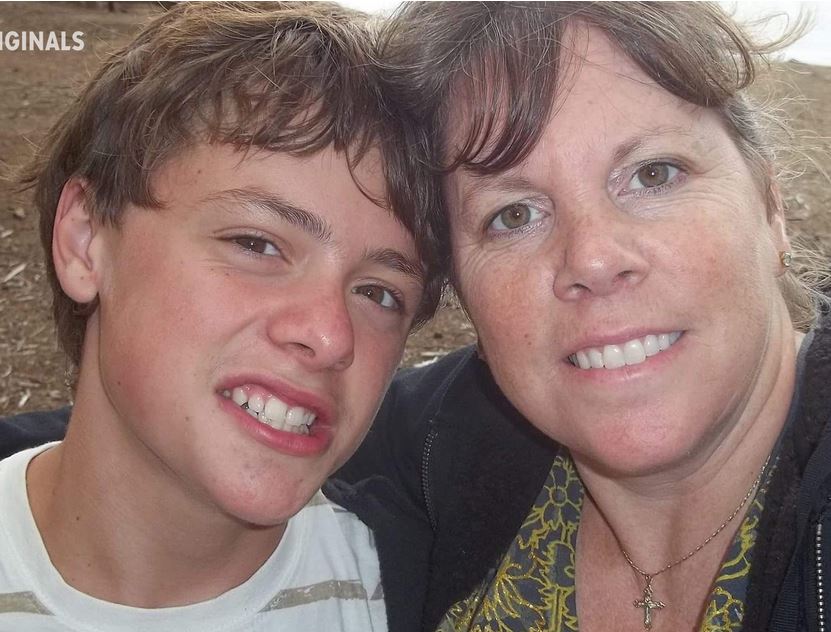
SueFaberbyStef&Ethan

Sue Faber is a Registered Nurse (BScN) and Co-founder and President of LymeHope, a not-for-profit organization in Canada.  Sue’s specific area of expertise and research is in the compilation and analysis of the literature that exists on maternal-fetal transmission of Lyme and congenital Lyme borreliosis; amplifying, supporting and powering urgent research initiatives to investigate this alternate mode of transmission with the ultimate goal of opening new doors to ensure that children and families affected are able to access appropriate care, treatment, and support.

In 2018, Sue co-authored a nursing resolution for the Registered Nurses Association of Ontario – based on the needs and voiced concerns of Canadians  with Lyme disease coast to coast.  ‘Patient First Treatment for Ontarians with Lyme Disease’– which was passed at the annual 2018 AGM in Toronto.    Sue was awarded the RNAO HUB Fellowship award in 2019.  Sue is honored to be an advisor to the newly formed advocacy group Mothers Against Lyme and has spoken at various conferences on maternal-fetal transmission of Lyme including ILADS (2019), LymeMIND (2019, 2020), NE Ohio Lyme Symposium,  Lyme WNY Symposium and Target Lyme (Ontario).   Sue is honored to collaborate with colleagues from McMaster Midwifery Research Centre in new ground-breaking research on Lyme and Pregnancy.

Sue is firmly committed to transparent and collaborative partnerships with governments, academia, research institutions, healthcare colleagues, and industry stakeholders, to collectively identify challenges, knowledge gaps, and fresh opportunities, to examine and develop transformative health policy, best practice guidelines, and research priorities, which are anchored in patient voice, values, and priorities.

Lyme and Pregnancy:  A Hopeful and Tangible Path Forward

My History  I’ll never forget the day at the end of January 2017 that I received an official letter from my local public health department.  The letter was in response to my requests for a meeting with senior management, to alert them to positive test results for Lyme disease for both myself and one of my daughters and to discuss my concerns that I may have transmitted this infection to her in-utero.   A year earlier I had tested two-tier positive for a European strain of Lyme in Canada – after years of complex multi-system medical symptoms which were fully investigated by multiple medical specialists, without any definitive answers.   I had no recall of a tick bite or an erythema migrans rash and thus tickborne disease had never been considered as a differential diagnosis by my medical team.  As a trained ER nurse, I knew nothing about Lyme disease.

It was a stroke of luck that my primary doctor decided to test me for Lyme after every other possible diagnosis had been ruled out.  The test was positive. My eventual diagnosis of late-stage disseminated Lyme disease by a Canadian infectious disease physician was initially a relief as I now had a name to my illness and what I thought would be a defined path to recovery and healing.  Little did I know that this diagnosis would be the start of a journey into advocacy – one which I have likened to climbing up a steep mountain – without a map or guide – trusting and hoping that one day, I’d make it to the top.

As a Registered Nurse I am extensively trained in evidence-based practice and problem-based learning which has put me in good stead after receiving my Lyme disease diagnosis. I started delving into the published literature on Lyme disease and soon discovered the multi-system complexities of Lyme disease with some researchers identifying striking similarities to syphilis. [i] [ii]  Soon thereafter, I discovered the first published case report that Lyme disease could be transmitted from a mother to her baby in-utero in a paper titled ‘Maternal-fetal transmission of the Lyme disease spirochete, Borrelia burgdorferi’.[iii]  My heart started to race, I was nauseated and tears started to fall down my cheeks – could this mean that my precious daughters were also impacted?   Like most other aspects of Lyme, I would soon learn that the issue of maternal-fetal transmission was very controversial.

The onset of my symptoms was gradual and predated all of my pregnancies including one first trimester pregnancy loss.  All my daughters had struggled with varying complex medical issues from birth which included jaundice, severe colic, high fevers, myocarditis, atypical seizures, severe OCD, night terrors, anxiety, joint pain, learning difficulties, abdominal pain, strange rashes, speech delay, severe headaches, frequent pneumonia and double vision.  Each child had different clinical manifestations with one common theme – there were no definitive answers as to why.  Could tickborne infection transmitted in-utero be contributing to their illnesses?

My infectious disease physician who was treating me at the time never mentioned that Lyme could be transmitted in pregnancy. Later after I asked, they acknowledged that yes, there were case reports.  One of my daughters also tested two-tier positive in Canada for a European strain of Lyme disease – except unlike me who had lived in Asia and travelled throughout Europe where European strains of Lyme are predominant, she hadn’t.  We both had positive tests for a European strain of Lyme disease and this was why I had asked for a meeting with my local public health unit.  I was hoping they would be interested in investigating the possibility of maternal-fetal transmission.

Instead, the letter I received back was disheartening and disconcerting.  I was advised that despite having tested positive in Canada, using two-tier criteria, both our cases would not be counted in Canadian surveillance statistics because our symptoms were ‘non-specific’ and we didn’t have a ‘clear onset’ or ‘reliable travel history.’  Furthermore I was informed that they had completed ‘a significant amount of research and no scientific evidence to support congenital Lyme in the scientific literature was found.’

—————————————–

Starting a Non-Profit: LymeHope  By this time, I had read more primary research papers reporting transmission of Lyme from mother to baby in-utero [iv] [v] including a report issued by the World Health Organization[vi] and Health and Welfare Canada[vii] clearly documenting the risk of this alternate mode of transmission and possible adverse pregnancy outcomes.  Shortly thereafter, myself and colleague Jennifer Kravis co-founded the Canadian not-for-profit organization LymeHope.[viii]

In February 2017, we started a ‘Ticking Lyme Bomb’ petition[ix] which now has over 86,600 signatures and over 17,000 personal comments from across Canada.  We also arranged meetings with Federal politicians from all parties, organized a bi-partisan round-table in Ottawa on Lyme disease,[x] testified at a Parliamentary Health Committee hearing[xi] and met with senior executives, scientists and officials from the Public Health Agency of Canada and Health Canada.  We were invited to meet with then Federal Minister of Health[xii] and then leader of the Conservative Party of Canada – each time drawing attention to the many complex, serious issues faced by Lyme sufferers across Canada including the documented risk of maternal-fetal transmission.  Each meeting represented another step ‘up the mountain’ with goals of identifying and initiating meaningful, collaborative solutions including innovative research – anchored in meaningful patient engagement and triaged by patient priorities.

In 2018 I co-authored a resolution on Lyme disease which was passed by the Registered Nurses Association of Ontario (RNAO) membership titled: ‘Patient First Treatment for Ontarians with Lyme Disease.’ [xiii]  This resolution highlights the multi-faceted issues faced by Canadian Lyme sufferers and the RNAO would later feature our resolution in an article[xiv] in their Registered Nurse Journal. I am so grateful for the ongoing support of the RNAO and especially the brilliant leadership of Dr. Doris Grinspun who leads the organization.  I’ll never forget her addressing the RNAO membership at the 2018 Annual General Meeting in Toronto – this was the meeting in which our resolution was later being presented for vote.  She shared in general terms that ‘disruption’  may be necessary when confronting obstacles which stand in the way of Canadians accessing appropriate health care.   As she spoke, tears flowed down my cheeks as I recalled the numerous letters, petition comments, personal testimonies and cries for help from my fellow Canadians – adults[xv] and children[xvi] alike – struggling to access appropriate care[xvii] and treatment for Lyme disease within Canada.[xviii]

I personally didn’t want to be labeled as a ‘disruptor’ but rather a bridge-builder and peace-maker.  I so badly wanted meaningful, sustainable change for Canadians with Lyme disease.  However, I have since learned that ‘disruption’ is sometimes necessary if it leads to re-calibration, innovation and opens new opportunities for critical thinking, trust-building, identifying strategic research initiatives and initiates forward momentum.  Many issues around Lyme disease urgently need re-investigation including adequate testing, treatment and alternate modes of transmission.  New research continues to emerge which challenges the status quo, such as the persistence of the Lyme spirochete despite antibiotic treatment.[xix]  [xx]  This is an issue which advocates, clinicians and scientists have identified for decades and is anchored in findings from hundreds of peer-reviewed papers.[xxi]  What is most important is that new research on Lyme disease must be patient relevant.  In a 2016 CMAJ editorial article by Kristen Patrick[xxii], she states, ‘For patient-relevant research to be meaningful, patient and public engagement in research cannot comprise a token lay person on a research ethics review board.  Patients and their caregivers must be involved in decision-making at all steps in the research process, from design, to choice of primary and secondary outcomes, through dissemination and implementation.’

——————————————

National Media Coverage  In 2019, CTV National News[xxiii] highlighted our advocacy work regarding maternal-fetal transmission of Lyme disease and the importance of initiating new research collaborations on this important, under-studied issue.  This national media coverage also highlighted a systematic review on gestational Lyme[xxiv] which had been authored by scientists from both the Public Health Agency of Canada and CDC.  This review included a meta-analysis which identified a significant difference in the frequency of adverse outcomes between treated and untreated pregnancies affected by Lyme disease.

In 2020, an advocate shared with me a discovery that three Federal Canadian agencies including: Health Canada[xxv], Public Health Agency of Canada[xxvi] and Occupational Health and Safety Canada,[xxvii] had historically acknowledged the risk of adverse outcomes associated with Lyme and pregnancy and/or maternal fetal transmission of Lyme on their respective websites.  In all three cases, over a period of several years, this precautionary guidance was subsequently removed.   For years,  we had been advocating for acknowledgement of these issues which had already been publicly communicated!

——————————————

20 Years of Research Has Not Overturned Published Risks & Adverse Outcomes  As there has been no new research in over 20 years which has negated, questioned or overturned the published findings of earlier investigators, these precautionary statements should be clearly communicated.  This is highlighted by the tenants of the Precautionary Principle and clearly communicated in a Health Canada Framework on Managing Health Risks which states: [xxviii] ‘A key feature of managing health risks is that decisions are often made in the presence of considerable scientific uncertainty. A precautionary approach to decision making emphasizes the need to take timely and appropriately preventative action, even in the absence of a full scientific demonstration of cause and effect.’ Both the public and healthcare practitioners should be made aware of these documented risks of adverse pregnancy outcomes and of in-utero transmission of Lyme itself, even if considered rare.  I have asked Canadian Public Health Agency officials for rationale as to why this guidance was removed and continue to await an evidence-based response.

I trust that the Public Health Agency of Canada and Health Canada will follow the CDC[xxix] and NIH[xxx] in updating their public guidance on Lyme and pregnancy to acknowledge that YES, Lyme can be transmitted in utero.  With this simple, evidence-based acknowledgement as a starting point – new doors WILL open for urgent, multi-disciplinary research to better understand this alternate mode of transmission and open new avenues for families and children impacted to receive the medical care and support they need and deserve.

——————————————

So where do we go from here?  There is action, HOPE and meaningful forward momentum!  In Canada, a brand new research project on Lyme and Pregnancy was initiated in the fall of 2020 by McMaster University Midwifery Research Centre[xxxi] and remains open for participants from the US, Canada and globally, I am thankful to part of this research team.  The Canadian Association of Schools of Nursing (CASN) has just released free, open access, online resources including online learning modules for nurses and other professionals working with clients, communities and populations facing climate-driven infectious diseases.[xxxii]  This innovative resource acknowledges both the risk of maternal-fetal transmission of Lyme disease and potential for adverse pregnancy outcomes and also includes a section titled: ‘Living with Climate-Driven Vector-Borne Disease’ which highlights patient advocacy efforts, patient stories and patient centered resources.[xxxiii]  I am so proud that nurses are listening, engaging and paving an inclusive way forward which respects, empowers and includes patients.

In the US, the Cohen Foundation[xxxiv] continues to lead with generous philanthropy for Lyme disease research, innovation and collaboration.  For the last two years I have been honored to represent LymeHope as a panelist in the  LymeMind Conference[xxxv], speaking directly to the issue of maternal-fetal transmission of Lyme[xxxvi] and alongside other experts, bringing this important, understudied alternate mode of transmission back into the forefront of academia and government.  I recently spoke at a webinar hosted by Project Lyme and Mothers Against Lyme Disease [xxxvii] where I shared an overview of the literature on Lyme and Pregnancy[xxxviii]  and also shared several research recommendations for a path forward.

The recent US HHS announcement of LymeX, in partnership with the Steven and Alexandra Cohen Foundation[xxxix] is an extraordinary step forward in bringing together diverse stakeholders including government, non-profits, academia, advocates, patients and industry to ‘accelerate Lyme innovation.’  A recent Notice of Special Interest by the NIH for improving outcomes for maternal health[xl] included ‘development and validation of diagnostics for gestational Lyme disease, which can adversely impact maternal health and pregnancy outcomes.’  All of these things are indicators of positive forward momentum and provide me with renewed Hope that new science, innovation and collaboration will lead the way and open new doors.

Four years after starting Lyme advocacy I believe that we are collectively reaching a Lyme tipping point and patients and advocates are being respected, welcomed and heard.  I admit, there have been times I have been discouraged, exhausted, frustrated and even wanted to step away from leadership.  I’m so thankful for many who encourage me to keep going.  Advocacy in a field as contentious as Lyme disease can be a lonely, misunderstood place.  Pushing for change can be met with skepticism and silence.   If we continue to take one step and another, anchored in evidence, leaning on scientific inquiry and partnered with respectful dialogue and meaningful collaboration – we will make it up to the top of the mountain.

I really look forward to the view from the top of the mountain and one day reaching the pinnacle and planting a flag which represents the hard work and dedication of advocates, patients, scientists, researchers, not-for-profits, clinicians and government officials – all determined to make a lasting difference on behalf of Lyme sufferers . For all the families impacted by Lyme disease and those concerned that in-utero transmission may be a factor in their child’s illness – don’t give up!  I wish I could give you a big Mama-bear hug – we must keep speaking out and sharing our stories, concerns and ideas for solutions.  Our collective voice is being heard and acknowledged and I truly believe that help is on the way.


Footnotes

[i] Hercogova J, Vanousova D. Syphilis and borreliosis during pregnancy. Dermatol Ther. 2008 May-Jun;21(3):205-9. doi: 10.1111/j.1529-8019.2008.00192.x. PMID: 18564251.

[ii] Miklossy, J. (2008). Biology and Neuropathology of Dementia in Syphilis and Lyme Disease. Handbook of Clinical Neurology, 825–844. doi:10.1016/s0072-9752(07)01272-9

[iii] Schlesinger PA, Duray PH, Burke BA, Steere AC, Stillman MT. Maternal-fetal transmission of the Lyme disease spirochete, Borrelia burgdorferi. Ann Intern Med. 1985 Jul;103(1):67-8. doi: 10.7326/0003-4819-103-1-67. PMID: 4003991.

[iv] Weber K, Bratzke HJ, Neubert U, Wilske B, Duray PH. Borrelia burgdorferi in a newborn despite oral penicillin for Lyme borreliosis during pregnancy. Pediatr Infect Dis J. 1988 Apr;7(4):286-9. doi: 10.1097/00006454-198804000-00010. PMID: 3130607.

[v] MacDonald AB. Gestational Lyme borreliosis. Implications for the fetus. Rheum Dis Clin North Am. 1989 Nov;15(4):657-77. PMID: 2685924.

[vi] World Health Organization, Geneva. Weekly Epidemiological Record. No. 39. 26 September 1986. Page 297-304.

[vii] Health and Welfare Canada. Lyme Disease in Canada. Canada Dis Wkly Report, June 4, 1988.

[viii] LymeHope:  https://www.lymehope.ca/

[ix] Ticking Lyme Bomb Petition: https://www.change.org/p/minister-philpott-ticking-lyme-bomb-in-canada-fix-canada-s-lyme-action-plan-now

[x] MP Round Table and MP engagement.  https://www.lymehope.ca/advocacy-updates/update-on-mp-round-table-and-mp-engagement-regarding-lyme-disease-in-canada

[xi] Standing Committee on Health, Tuesday, June 6th, 2017.  Evidence. https://www.ourcommons.ca/DocumentViewer/en/42-1/HESA/meeting-59/evidence

[xii] Kingston, Anne.  How the Impatient Patient is Disrupting Medicine.  Macleans Magazine,  Oct, 2017. https://www.macleans.ca/society/health/how-the-new-impatient-patient-is-disrupting-medicine/

[xiii]https://myrnao.ca/sites/default/files/attached_files/Resolution%202018%20Final%20from%20AGM%20with%20amendments%20for%20website.pdf

[xiv]Registered Nurses Association of Ontario. ‘Ticking Lyme Bomb, May/June 2018. https://rnao.ca/sites/rnao-ca/files/RNJ-MayJune2018_ticking_lyme_bomb.pdf

[xv]Patient Testimonies at 2016 Federal Framework on Lyme Disease. https://www.canada.ca/en/public-health/services/diseases/lyme-disease/federal-framework-lyme-disease-conference/audio-recordings/public-forum-1.html

[xvi] Stimers, Daniel. Lyme Disease MP Roundtable Address, May 2018.  https://www.youtube.com/watch?v=Td-Vw-V7kGU&feature=youtu.be

[xvii] Gaudet EM, Gould ON, Lloyd V.  Parenting When Children Have Lyme Disease:  Fear, Frustration, Advocacy.  Healthcare 2019, 7(3), 95: https://doi.org/10.3390/healthcare7030095

[xviii] Boudreau CR, Lloyd VK, Gould ON. Motivations and Experiences of Canadians Seeking Treatment for Lyme Disease Outside of the Conventional Canadian Health-Care System. J Patient Exp. 2018;5(2):120-126. doi:10.1177/2374373517736385

[xix] Sapi E, Kasliwala RS, Ismail H, Torres JP, Oldakowski M, Markland S, Gaur G, Melillo A, Eisendle K, Liegner KB, Libien J, Goldman JE. The Long-Term Persistence of Borrelia burgdorferi Antigens and DNA in the Tissues of a Patient with Lyme Disease. Antibiotics (Basel). 2019 Oct 11;8(4):183. doi: 10.3390/antibiotics8040183. PMID: 31614557; PMCID: PMC6963883.

[xx] https://news.tulane.edu/pr/study-finds-evidence-persistent-lyme-infection-brain-despite-aggressive-antibiotic-therapy; https://www.frontiersin.org/articles/10.3389/fneur.2021.628045/full

[xxi]Peer-Reviewed Evidence of Persistence of Lyme Disease Spirochete Borrelia burgdorferi and Tick-Borne Diseases https://www.ilads.org/wp-content/uploads/2018/07/CLDList-ILADS.pdf

[xxii] Patrick, K. Realizing the Vision of Patient Relevant Research. CMAJ, Vol 188, Issue 15, Oct 2016. https://www.cmaj.ca/content/188/15/1063.full

[xxiii] CTV National News.  Mothers on a mission to prove Lyme disease can be passed to an unborn child. https://www.ctvnews.ca/health/mothers-on-a-mission-to-prove-lyme-disease-can-be-passed-to-unborn-child-1.4261403

[xxiv] Waddell LA, Greig J, Lindsay LR, Hinckley AF, Ogden NH (2018) A systematic review on the impact of gestational Lyme disease in humans on the fetus and newborn. PLoS ONE 13(11): e0207067. https://doi.org/10.1371/journal.pone.0207067

[xxv] Health Canada. (October 2006) https://web.archive.org/web/20061018070947/http:/www.hc-sc.gc.ca/iyh-vsv/diseases-maladies/lyme_e.html

[xxvi] Public Health Agency of Canada (March 2009)

https://web.archive.org/web/20090307034620/http:/www.phac-aspc.gc.ca/id-mi/lyme-fs-eng.php

[xxvii]Canadian Centre for Occupational Health and Safety (May 1999)

https://web.archive.org/web/19990508215316/http:/www.ccohs.ca/oshanswers/diseases/lyme.html

[xxviii] Health Canada Decision making framework identifying, assessing and managing health risks, August 1, 2000: https://www.canada.ca/en/health-canada/corporate/about-health-canada/reports-publications/health-products-food-branch/health-canada-decision-making-framework-identifying-assessing-managing-health-risks.html#a13

[xxix] CDC. Pregnancy and Lyme Disease: https://www.cdc.gov/lyme/resources/toolkit/factsheets/Pregnancy-and-Lyme-Disease-508.pdf

[xxx] Lyme Disease, the Facts, the Challenge. NIH Publication No. 08-7045.  2008.

https://permanent.fdlp.gov/lps81243/LymeDisease.pdf

[xxxi] McMaster University Midwifery Research Centre.  ‘Health Outcomes of people with Lyme disease during pregnancy.’

English Version:  https://obsgynresearch.mcmaster.ca/surveys/index.php?s=MN9CCXDTW9

French Version: https://obsgynresearch.mcmaster.ca/surveys/?s=KWJT9K9TR9

[xxxii] Canadian Association of Schools of Nursing. Nursing and Climate Driven Vector Borne Disease.  https://vbd.casn.ca/

[xxxiii] Canadian Association of Schools of Nursing. Living with Climate Driven Vector Borne Disease. https://vbd.casn.ca/index.php/resources/living-with-climate-driven-vector-borne-disease/

[xxxiv] Cohen Lyme and Tickborne Disease Initiative:  https://www.steveandalex.org/ticks-suck/

[xxxv] LymeMIND: https://lymemind.org/

[xxxvi] 5th Annual LymeMIND Virtual Conference 2020: Mothers and Children Panel. https://www.youtube.com/watch?v=gevtoKkzS2Y&t=8s

[xxxvii] https://lymediseaseassociation.org/about-lyme/pregnancy-and-lyme/lyme-disease-pregnancy-research-opportunities-webinar/

[xxxviii] https://lymediseaseassociation.org/wp-content/uploads/2021/05/SueFaber_Maternal-Fetal-Transmission-of-Lyme-Research-Gaps-and-Next-Steps_April-29-2021_Webinar.pdf

[xxxix] LymeX initiative: https://www.hhs.gov/cto/initiatives/innovation-and-partnerships/lyme-innovation/lymex/index.html

[xl] Notice of Special Interest (NOSI): Small Business Initiatives for Innovative Diagnostic Technology for Improving Outcomes for Maternal Health

https://grants.nih.gov/grants/guide/notice-files/NOT-EB-21-001.html

Hydrogen Peroxide for COVID Shown to Work in Hospital Study

https://www.ncbi.nlm.nih.gov/pmc/articles/PMC9113766/

2022 Aug; 126: 103–108.
Published online 2022 May 18. doi: 10.1016/j.jhin.2022.05.007
PMCID: PMC9113766
PMID: 35594985

Further observations on hydrogen peroxide antisepsis and COVID-19 cases among healthcare workers and inpatients

Abstract

Background

The use of prophylactic antisepsis to protect against coronavirus disease 2019 (COVID-19) has been suggested. This study investigated hydrogen peroxide antisepsis (HPA) at two hospitals in Ghana.

Methods

Cases of COVID-19 among healthcare workers (HCWs) using hydrogen peroxide (HP-HCWs) or not using hydrogen peroxide (NHP-HCWs), vaccinated or unvaccinated, were recorded at Shai-Osudoku Hospital (SODH), Dodowa, and Mount Olives Hospital (MOH), Techiman, between May 2020 and December 2021. The effect of HPA in all inpatients at MOH was also observed. Permutation tests were used to determine P values.

Findings

At SODH, there were 62 (13.5%) cases of COVID-19 among 458 NHP-HCWs but no cases among eight HP-HCWs (P=0.622) from May to December 2020. Between January and March 2021, 10 (2.7%) of 372 NHP-HCWs had COVID-19, but there were no cases among 94 HP-HCWs (P=0.206). At MOH, prior to HPA, 17 (20.2%) of 84 HCWs and five (1.4%) of 370 inpatients had COVID-19 in July 2020. From August 2020 to March 2021, two of 54 (3.7%) HCWs who stopped HPA had COVID-19; none of 32 NHP-HCWs contracted COVID-19. At SODH, none of 23 unvaccinated HP-HCWs and 35 (64%) of 55 unvaccinated NHP-HCWs had COVID-19 from April to December 2021 (P<0.0001). None of 34 vaccinated HP-HCWs and 53 (13.6%) of 390 vaccinated NHP-HCWs had COVID-19 (P=0.015). No inpatients on prophylactic HPA (total 7736) contracted COVID-19.

Conclusion

Regular, daily HPA protects HCWs from COVID-19, and curtails nosocomial spread of SARS-CoV-2.

Results

The use of HPA was beneficial to both vaccinated and unvaccinated HCWs, and offered significant protection for both groups at SODH. HPA also curtailed nosocomial spread of COVID-19 at MOH. No COVID-19 deaths occurred among HCWs during the period of observation. No adverse events of the use of HPA were reported.

The concentration of hydrogen peroxide used for mouthwashing/gargling was 1%, and the concentration used for nasal rinsing (two drops per each nostril) was 0.5%. The duration of mouthwashing and gargling, and nasal rinsing was 1 min. At SODH, HPA was practised daily, except during peak periods of SARS-CoV-2 transmission when some HCWs resorted to twice-daily application.

Hospital Study Shows This Can Prevent COVID-19 Infection

Analysis by Dr. Joseph Mercola
July 23, 2022

Story at-a-glance

  • A hospital study published in June 2022 revealed that hydrogen peroxide (H2O2) mouthwash, gargle and nasal rinse protected against COVID-19 better than the jab
  • When food grade H2O2 is nebulized for approximately 30 minutes in normal saline it also reaches your sinuses and lungs where it can kill the virus, augment your natural defense system and may help stop an ongoing infection in the lungs and upper respiratory tract
  • Taxpayers recently spent $275 million, or $1,833 per dose, on a new monoclonal antibody drug. It is approved for people who are most vulnerable and at high risk for progression to severe disease despite the risks not being known at this time
  • Paxlovid is another drug purchased with taxpayer dollars at up to $530 per five-day course of treatment. People are requiring a second course of treatment when the infection rebounds with worse symptoms, as it did with quadruple-vaccinated Dr. Anthony Fauci
  • Although health authorities would like to keep you chained to new and not thoroughly tested drugs, you have choices including highly successful protocols that cost less and use supplements and drugs that have been sold for many years

Most health experts agree that early and aggressive treatment for COVID-19 helps to reduce the potential for long COVID symptoms and reduces the risk of severe disease. From the beginning, the pharmaceutical industry has sought to develop new and expensive antiviral drugs to treat the coronavirus responsible for COVID-19 with an aim at profits. The newest drug — monoclonal antibody treatment bebtelovimab from Eli Lilly1 — is no exception.

For example, Dr. Anthony Fauci’s favorite drug used early in the pandemic on hospitalized patients — remdesivir — cost the taxpayers over $70.5 million to develop.2 A five-day course of treatment costs private insurance companies $3,120 and the government $2,340,3 which is doubled at $6,240 for private companies and $4,680 for the government for a 10-day course.

This is well above the drug maker’s estimated cost for production, which is between $10 and $600 for a 10-day course.4 Fauci, who is the director of the National Institute of Allergy and Infectious Disease (NIAID), has been the face of the public health initiatives against COVID since the pandemic was announced by the World Health Organization in March 2020.

In the first year or more of the pandemic, patients were told to suffer at home until they were near death and then go to the hospital where they were placed on deadly ventilator treatment.5,6

In my interview with Dr. Pierre Kory,7 one of the leaders in the movement to provide early treatment for COVID infection, he recalled how he refused to remain in leadership at the University of Wisconsin Medical Center where the hospital insisted on providing supportive care only to their patients.8

However, as the pharmaceutical industry has released a variety of drugs or treatments, including monoclonal antibodies, Paxlovid and remdesivir, the perspective has changed.

Hospitals and physicians now offer pharmaceutical treatments approved under emergency use authorization (EUA) with unknown long-term side effects but continue to refuse to use well-established drugs with known side effect profiles that have proven to be effective. Hydrogen peroxide is one of those preventive measures and treatments.

Hospital Study Shows H2O2 Prevents COVID-19

In August 2022, a study9,10 of over 4,000 patients and 89 health care staff in a hospital in Ghana revealed the results of those who used hydrogen peroxide (H2O2) mouthwash, gargle and nasal rinse daily as a preventive against COVID-19.11

The researchers compared the data between two hospitals in Ghana where individuals who were vaccinated or not vaccinated either used H2O2 prophylactically or did not. The effect on inpatients was also recorded. They found that in the 89 health care staff members who used the H2O2 preventively, only one contracted COVID-19 and that person had discontinued using the rinses.

None of the greater than 4,000 patients who were treated with H2O2 got COVID-19. In another hospital, 424 staff members were fully vaccinated; 34 of those used hydrogen peroxide and none developed COVID-19. Of the remaining 390 health care staff, 53 developed COVID-19.

In another group of 78 unvaccinated staff, 23 used hydrogen peroxide and none of them contracted COVID-19. In the remaining group, 35 got COVID-19. The results from this study suggested that H2O2 was more effective at preventing COVID-19 than the jab.

The participants used 1% hydrogen peroxide mouthwash and diluted hydrogen peroxide to 0.5% for the nasal cavity rinse. The treatment was done only once daily.

The researchers concluded, “Regular, daily HPA [hydrogen peroxide antisepsis] protects HCWs [health care workers] from COVID-19 and curtails nosocomial spread of SARS-CoV-2.”12 This is important since infections in the hospital are more easily transmitted when staff have greater face-to-face exposure with patients and each other.

The data from the August 22 study confirmed an earlier observational report13 by the same team on two groups of health care workers. In the earlier results, the researchers found that 89 of 944 health care workers who did not use hydrogen peroxide tested positive for COVID-19 in the study period. During the same time, 154 health care workers used the hydrogen peroxide treatment and 100% of those tested negative.

A Nebulizer Drives the Hydrogen Peroxide Even Deeper

In April 2021, I interviewed Dr. Thomas Levy,14 board-certified cardiologist who is best known for his work with vitamin C. We discussed the use of nebulized hydrogen peroxide, which has become my favorite intervention for the treatment and prevention of viral illnesses.

H2O2 is part of your body’s natural defense system, so using nebulized H2O2 just augments your body’s natural defense system. However, as I discuss in the video above, it’s essential that you mix the solution appropriately, use normal saline to protect your lung tissue and use the treatment until all the fluid in the chamber has evaporated, often taking approximately 30 minutes.

Nebulized hydrogen peroxide also requires the use of a food-grade product that does not have the stabilizers and chemical preservatives found in the H2O2 bottle on drugstore shelves. It is also important to use distilled water or saline, since tap water can contain a deadly amoeba.15 Your gastrointestinal tract can adequately take care of this pathogen but inhaling it into your lungs can cause significant damage.

One of the benefits of nebulizing hydrogen peroxide is that it disperses the H2O2 throughout your mouth, nasal cavity, sinuses, throat and lungs. This is especially powerful if you have been exposed to a viral illness or are sick.

Nebulized H2O2 can help kill viral particles in your respiratory tract but does not reach any viral particles in the rest of your body. Therefore, using nebulized H2O2 after exposure or in the early hours of a respiratory infection may help stop an infection in its tracks.

If you miss the early window to prevent an infection, using the treatment also helps to protect your lungs from developing pneumonia, which can be deadly in those with COVID-1916,17 or flu.18

Taxpayers Spend $1,833 per Dose on Monoclonal Antibody Drug

In February 2022, the FDA19 approved an EUA for a new monoclonal antibody treatment for the COVID-19 omicron variant. The drug — bebtelovimab — was developed by Eli Lilly. The government immediately ordered 600,000 doses, spending $1.08 billion or $1,800 per dose.20 According to Endpoint News,21 another order for 150,000 doses was approved for $275 million, the equivalent of $1,833 per dose.

The $33 per dose increase in price occurred in just four months. While this may not sound like a lot of money for a single dose, spread over 150,000 doses it means the U.S. taxpayers shelled out an extra $4.9 million for the same drug just four months later.

According to the announcement by the FDA,22 the EUA was approved for the treatment of mild to moderate infection in adults and children 12 years of age and older who are at least 88 pounds. The individuals must have a positive COVID-19 test and have indications that they are:

“… at high risk for progression to severe COVID-19, including hospitalization or death, and for whom alternative COVID-19 treatment options approved or authorized by the FDA are not accessible or clinically appropriate.”

In other words, for an illness that has a track record of 99% recovery,23 the U.S. government has thus far spent $1.35 billion on 750,000 doses of a drug that by the FDA’s own evaluation should only be used for individuals who are at high risk of severe COVID-19.

According to CDC data24 there were a total of slightly over 1 million deaths from COVID-19 over a 2.5-year period. However, as even the CDC has admitted, many of the deaths attributed to COVID-19 have actually been people died WITH COVID-19, not FROM it.

One of the more infamous cases of death certificates recording a COVID death was from a motorcycle accident,25 which may have been following the CDC’s own guideline for reporting deaths:26

“In cases where a definite diagnosis of COVID cannot be made but is suspected or likely (e.g. the circumstances are compelling with a reasonable degree of certainty) it is acceptable to report COVID-19 on a death certificate as ‘probable’ or ‘presumed.'”

As has been widely reported, while the omicron virus is more transmissible, it is also less virulent and doesn’t cause the severe illness that the variants before it.27 Additionally, if the government drinks their own Kool-Aid, those who are vaccinated are protected from severe disease.28

Thus, there should be no need for 750,000 doses of a monoclonal antibody that should only be prescribed to those at “high risk”29 of severe illness. Added to this, Drugs.com reports, “Not many people have received bebtelovimab. Serious and unexpected side effects may happen. All of the risks are not known at this time.”30

Rebound Illness After Antiviral Paxlovid

Fierce Pharma31 reported that Pfizer also scored a huge deal when the U.S. doubled their order for the antiviral Paxlovid from 10 million to 20 million courses of treatment. The first 10 million cost the U.S. taxpayers $5.29 billion and contributed to Pfizer’s anticipated revenue of $101.3 billion in 2022.

Fierce Pharma32 also reported that one analyst, writing to clients, reported that Paxlovid had a “leg up” on molnupiravir because of its “superior efficacy and safety profile.”

Paxlovid joins a long list of drugs developed specifically for COVID-19 that have not proven to be effective. Reports are emerging33 that patients treated with a five-day course will sometimes experience severe rebound when the course is completed. Government officials are planning to study the rate of rebound, the extent to which the drug causes rebound and whether a longer regimen will reduce the effect.

Virologist David Ho described the post-Paxlovid rebound he experienced in April to Bloomberg.34 After getting sick, his doctor prescribed Paxlovid. Days later his symptoms dissipated, and the tests were negative. However, 10 days after getting sick, the symptoms returned and the tests were positive again.

He sequenced the virus in his body and found that the infection before and after taking Paxlovid were from the same strain, confirming that the virus didn’t mutate or become resistant to the drug. Pfizer, meanwhile, insists the increase in viral load post-treatment “is unlikely to be related to Paxlovid” because viral rebound was found in “a small number” of both the treatment and placebo groups in Pfizer’s final-stage study.35

Subsequently, quadruple-vaccinated Fauci reported that he tested positive for COVID-19 and experienced mild symptoms.36 Reportedly his age placed him at high risk for complications and he was then prescribed Paxlovid.37 CNN reported he described the “interesting course” of his COVID-19 infection during an appearance at Foreign Policy’s Global Health Forum.

Fauci told the group that after five days he was negative for three consecutive days on an antigen test. Apparently, three negative tests weren’t enough, so he tested himself again on the fourth day “just to be absolutely certain.” By that time, he had reverted to a positive test. “It was sort of what people are referring to as a Paxlovid rebound,” he said.38

Low Cost, Low Side Effect, Effective Treatment Available

Fauci reported that his symptoms were worse when they returned the second time after treatment. He was prescribed another course of Paxlovid and at the time of the interview, he was on day 4 of a 5-day course. He reportedly felt “reasonably good” although “not completely without symptoms.”39

The cost of Paxlovid can be as much as $53040 for a five-day course, but consumers get it for “free” since it was purchased with their tax dollars. During these past two years, the government has spent billions of dollars buying medication for an infectious illness that has been proven to be successfully treated at home using far less expensive medications and supplements.

For example, the overall survival rate across all age groups and all risk strata is 99%, but the Zelenko Protocol41 has demonstrated a 99% survival rate in high-risk patients. His published treatment protocol includes over-the-counter supplements vitamins C and D3, elemental zinc and quercetin for low-risk patients.

Patients who have a moderate or high risk of severe disease are treated with vitamin C and D3, elemental zinc, azithromycin, doxycycline, hydroxychloroquine and ivermectin.

The Front Line COVID-19 Critical Care Alliance42 has developed several protocols43 aimed at prevention, early treatment, long-haul COVID treatment, post-vaccine recovery and hospital treatment. First-line therapies in early treatment include over-the-counter zinc, vitamin C, melatonin, quercetin, probiotics, curcumin, aspirin, mouthwash and nasal spray. Prescription medications include ivermectin and hydroxychloroquine.

Both protocols are highly successful with known side effect profiles since the medications and supplements have been used for many years. Both protocols are based on the premise that early treatment can reduce the risk of long-haul COVID symptoms and the potential to develop severe disease. Most of the therapies are inexpensive and easily purchased over the counter.

The Front Line COVID-19 Critical Care Alliance44 also maintains a list of physicians who follow the protocols and provide in-office and telehealth services. I believe one of the most powerful strategies you can use preventively and in early treatment is nebulized hydrogen peroxide.

As the featured study demonstrated, even with store-bought hydrogen peroxide diluted for nasal wash, mouthwash and gargling once daily, you can effectively prevent infection. Although health authorities would like to limit your treatment choices and keep you chained to new and not thoroughly tested drugs where “all the risks are not known at this time,”45 you have choices and can take control of your health.

For more:

To TBDWG: Pay Attention to Gestational Lyme & New ICD-11 Codes

https://www.lymedisease.org/bauer-gestational-icd11-tbdwg/?

To TBDWG: Pay attention to gestational Lyme and new ICD-11 codes

Kristina Bauer gave the following public comments at the July 19 meeting of the federal Tick-Borne Disease Working Group.

July 21. 2022

I’m Kristina Bauer, Executive Director of Texas Lyme Alliance,  mom of four gestational Lyme kids. This is my fourth opportunity to address Congress and provide public comments to the TBDWG, thank you for giving patients and advocates a voice!

I have been advocating for gestational and pediatric Lyme over five years, yet still don’t see treatment guidelines updated to avoid this health risk. I went 32 years misdiagnosed as autoimmune diseases and hearing, “I don’t know how to help you.”

My family is finally in remission after 10 years of treating by using immune therapies and integrative medicine, spending too much money. I also serve on the board of Mothers Against Lyme, and am the Texas state captain for Center for Lyme Action.

* The Affordable Care Act established that 90 days of antibiotic treatments, repeated as necessary, are essential health benefits for cases of persistent and recurring Lyme infection.

* Dr Bruce Patterson’s work from Incelldx on chronic inflammation has inferred Lyme persists, but others may need treatment for high inflammation. Separating these two can help patients identify what is going on and reduce symptoms to improve quality of life.

* I invite the listeners to view my YouTube channel at Kristina Bauer that contains interviews regarding how PTLDS is being expressly used to deny treatment for ongoing infection.

* Human rights violations have been documented to include denying the right to the highest attainable standard of health, personal security, right to life and the protections against torture and cruel, inhuman and degrading treatment.

* Doctors who take an oath but don’t understand Lyme, do nothing for patients, therefore in fact do harm. Improving education to all medical providers would help improve a patient’s quality of life.

ICD-11 Diagnostic Codes

The World Health Organization’s ICD-11 now recognizes a significant number of Lyme complications which can become chronic, cause severe disability, and in some cases, result in death.

The new codes now include: 1C1G.10 Lyme Neuroborreliosis. 1C1G.11 Lyme Carditis. 1C1G.12 Ophthalmic Lyme borreliosis. 1C1G.1Y Other specified disseminated Lyme borreliosis. 1C1GY Other specified Lyme borreliosis. 6D85.Y Dementia due to Lyme Disease. 8A45.0Y Central Nervous System demyelination due to Lyme borreliosis and WHO recommended that “KA6Y Other specified infections of the fetus or newborn” be coordinated with “XN13C Borrelia Burgdorferi” to represent congenital Lyme.

Thank you to all TBDWG members. To all the patients, things ARE getting better, keep your chin up and never give up!

View a recording of Kristina’s comments here:

Kristina Bauer can be contacted via her website, TXLymeAlliance.org.

________________

**Comment**

Moms like Kristina are true, unrecognized heroes.  Having a bevvy full of infected kids, while being infected yourself is a underappreciated challenge.  Rock on!

That said, here’s a few points for consideration:

  1. The TBDWG does NOT give patients a voice – unless you consider ONE patient advocate enough of a voice.  As knowledgeable as LDA’s Pat Smith is, one voice hardly registers against a literal Cabal biased against the severity and persistence of Lyme/MSIDS.
  2. Being misdiagnosed for 32 years is unacceptable but nothing is changing in Lyme-land and the exact same thing is happening to thousands of others daily.
  3. This brave mom discusses having FOUR children with gestational Lyme, yet the CDC still says this is rare.  As Tuttle asks, how can they know when they aren’t counting?
  4. Doctors saying “I don’t know how to help you” is also unacceptable.  They are either too afraid to treat due to the politicization of the disease OR are completely ignorant due to public health ‘authorities’ who are  propagating a false narrative that has been regurgitated by mainstream medicine, including medical professional organizations (they come after doctors for thinking for themselves) and medical schools (which are in bed with Big Pharma) – all of which are slowly turning into a monopolized business that is completely destroying health care.
  5. Working with the corrupt WHO is unfruitful at best and harmful at worst.  70% of its funding comes from Big Pharma and the rest comes from the Gates Foundation and China.  Hello?  A WHO whistleblower has stated the WHO is the “tip of the spear for world tyranny.”  Why do we continue to craw in bed with the enemy?  If we haven’t learned from 40 years of stagnation and lies, we never will.
  6. The Affordable Care Act (aka: ACA, Obamacare, PPACA) is not affordable.  Further, this monopoly has caused untold damage.  Again, why would you continue to trust the very people and agencies behind all the corruption?  It defies all sound logic and reason.  Untold thousands have died and continue to die, due to ACA interference with COVID treatment. I can only imagine the suffering due to the standard Lyme guidelines in place for over 40 years.
  7. Things are NOT getting better.  There is a delusion in the land and people have stopped thinking critically.  We need to quit aligning ourselves with corrupt bureaucrats who care more about their position, power, and money than patients. Any forward progress has been solely due to independent researchers/doctors who conduct their own research with their own funds and/or share with the world what they have learned in their clinical experience That’s it.  If we were smart, we would fund these individuals and organizations.  The government is beyond help.  Time to move on and get real answers for patients. “Insanity is doing the same thing over and over and expecting different results.”  Truer words were never spoken and never more applicable than in Lyme-land.
  8. Always keep your chin up and never give up.  But we also must get wiser and realize what is working and what is not, and stop enabling corrupt organizations to continue to do what they’ve gotten away with for decades.