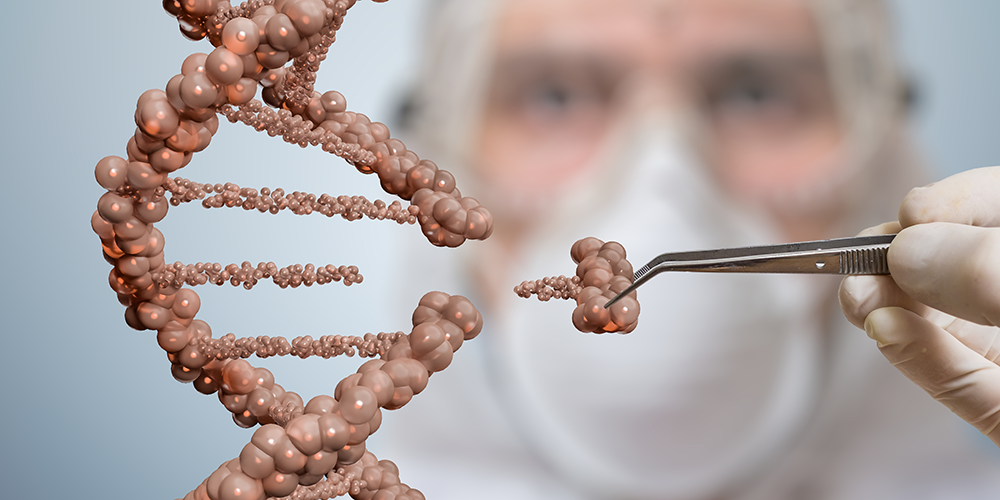
The agency has released “guidance” to the biotech industry about how to get foods from gene-edited (GE) plants onto your dinner plate, doubling down on bad policies that treat GE foods the same as any other type of food—even though they are anything but. Action Alert!
THE TOPLINE
A new FDA guidance doubles down on a decades-old policy that allows largely untested GE foods onto the market.
In this broken system, a GE tomato is treated much the same as a regular tomato; the process used to create the tomato is irrelevant to the FDA.
Given the development of GE technology and the influx of synbio products, we need to fight for additional scrutiny on these foods.
Does it matter to you how the food you eat and feed your family is produced? Most of us who care about our health or that of our loved ones, or know something about nutrition and molecular biology, would say “yes.” But, for the FDA, it doesn’t matter what’s happened to your food on its way to your dinner plate. That’s the thrust of the new guidance document released by the agency on foods from GE plants. All that matters to the FDA is the finished product. This means a GE tomato gets to be treated, in regulatory terms, exactly the same way as a regular tomato. No additional safety measures are necessary for GE fruits and vegetables because the process used to create them, says the FDA, is irrelevant. We have to push back against this short-sighted, unscientific, pro-industry stance taken by the federal government. Just think about the influx of synbio foods that are coming to market, thanks to the fact that the FDA has effectively said to industry that it’s ‘game on’ for GE foods, and you don’t need to worry about any additional safety hurdles or labeling.
The guidance spells out the FDA’s logic—or lack thereof—on this issue. In its view, the FDA sees no reason to revise its 1992 new plant variety (NPV) policy that was developed for GMO plants, decades before the arrival of genetic engineering techniques like CRISPR. It argues that plant breeders have tinkered with plant genetics to produce new plant varieties for a long time, and very rarely has a new plant variety been the source of food safety concerns. The agency seems very bullish indeed on gene-editing:
Because genome editing techniques allow for greater control over the site of a genetic modification, new plant varieties produced using genome editing can produce foods with characteristics similar to or even identical to foods from traditionally-bred plants; thus, food from these genome-edited varieties may have the same characteristics as foods from traditionally-bred plants that have been safely consumed in the past.
This is the crux of the issue. And doesn’t it seem to be exactly what GMO protagonists were trying to tell us over two decades ago? The problem is that emerging science is demonstrating how GE—or lab-grown, or GMO-yeast fermented—foods may look and feel like their real counterparts, but they are not, as we saw recently with fake meat and fake milk. The FDA’s stance is extremely dangerous as it entirely ignores the unpredictable effects of genome editing and it opens the floodgates to foods that we have not evolved to eat with unknown nutrition and toxicological profiles. Yet the agency downplays these risks:
Based on available scientific data and information related to the use of genome editing in plants, unintended changes potentially resulting from genome editing are likely to fall within the scope of unintended changes associated with all other plant breeding practices that have historically produced safe food.
The FDA seems to be arguing that gene-editing is no more or less risky than previous plant breeding practices—an argument which defies common sense. Consider, for example, a 2020 article in Nature finding that gene-editing in human embryos caused “chromosomal mayhem,” analyzing three studies that showed large DNA deletions and reshuffling.
The term to keep in mind here is “bioequivalence.” The FDA, as stated above, believes that gene editing and similar techniques can be used to produce foods that, in its limited view, are identical to traditionally-produced foods. This is a pipe dream, particularly in light of recent research into all that we don’tknow about even the simplest traditional foods.
Most of us are aware of the basic nutritional building blocks of food—proteins, fats, carbs, vitamins, minerals, phytochemicals, etc. The USDA, for example, has data on hundreds of thousands of foods broken down into 188 different nutritional components. But we’re learning that this only represents a small fraction of the biochemicals present in our food. A group of experts created their own database that is far more comprehensive, including information on 70,000 nutritional compounds—400 times more than the USDA database.
By way of example, the USDA database lists about a dozen compounds in raw garlic, while these researchers list thousands of compounds found in garlic. If we use the USDA as the benchmark, then about 99 percent of the components of food are a mystery to us. And that’s with food we’ve been eating for generations!
And this is the main point. We disrespect the complexity of natural systems when we think that we can tinker with this or that gene, or ferment foods from GMO yeast, or grow cells in a big vat, and achieve what Nature did over eons. If we don’t have a very sophisticated understanding of the food we’re currently eating, we’ll understand far less about foods produced through gene editing and synthetic biology. To call these foods “bioequivalent” and ready for market without a deeper understanding of what they’re made of and what it means for human health to eat them is utter lunacy—and a recipe for disaster.
Action Alert! Write to Congress and the FDA, telling them that we need more testing of gene-edited foods that research is increasingly finding are not bioequivalent to traditional foods. Please send your message immediately.
Sick Because of Roundup? These Bills Could Make Suing Impossible.
Nick Tabor writes in The New Republic:
“High-profile lawsuits have accused pesticides of causing cancer and Parkinson’s. But three states are now considering bills that would prevent these lawsuits.
Six years ago, the multinational corporation Bayer made one of the worst purchases in American business history: It bought Monsanto, the maker of Roundup, for $63 billion. Monsanto was already being sued by a school groundskeeper in the Bay Area who said his exposure to the weedkiller had given him non-Hodgkin’s lymphoma. Two months after the merger, a jury awarded the groundskeeper $289 million. Since then, Bayer has been pummeled with lawsuits, and between settlements and jury verdicts, it has been required to pay out more than $14 billion to plaintiffs. Its stock has lost 70 percent of its value.
Desperate to reassure investors, the company has been fighting back with every means at its disposal. Its latest effort: lobbying state legislatures to shield it from future lawsuits and to annul at least some of the 50,000 claims that are currently active. (See link for article & to take action)
The following info is for information. I realize everyone is uniquely different and what works for one doesn’t work for another. If you are on a Keto or Carnivore diet and things are going great, wonderful. Just read the article for education and like the author warns, “I felt great until I didn’t,” will hopefully remind you of this information so that you can rethink things, adjust, and regain health.
Never be afraid to change things up if you aren’t improving.
Keto diets can provide immediate symptom relief and rapid weight loss, but may worsen health in the long run due to the reliance on gluconeogenesis, a less optimal metabolic pathway for producing glucose internally
Low-carb diets fail to improve metabolic flexibility, inducing physiological insulin resistance instead, as they do not address underlying issues with glucose metabolism. Essential body parts, including the brain, muscles during strength training, and various organs, require carbohydrates for optimal functioning, highlighting the inefficiency of forcing the body to produce its own glucose through gluconeogenesis
Relying excessively on gluconeogenesis for glucose production is energetically costly and inefficient, requiring a significant energy investment for a relatively low energy return, and is stimulated by stress hormones, potentially leading to muscle loss over time
Low-carb diets can hinder thyroid function by reducing the liver’s ability to convert T4 into the active thyroid hormone T3, essential for regulating metabolism, due to a decrease in glucose availability for the liver
Reintroducing carbohydrates in a balanced manner can improve metabolism and overall health, countering the negative effects of long-term low-carb dieting by enhancing the body’s energy production and usage
A keto diet can provide almost instant relief for certain symptoms and sometimes can even lead to rapid weight loss. While many may experience short-term benefits, there are long-term consequences of low-carb diets that can make your health worse than before you started.
This article will address just two concerns of making your body rely on gluconeogenesis (the backup pathway to make the body produce its own carbs internally when we do not consume enough dietarily). But first — addressing some common arguments for low-carb.
Temporary Symptom Suppression Versus True Healing
The removal of an entire food group (like carbs) can certainly improve symptoms. For example — maybe there was a carb source you were consuming that was really aggravating your gut. Removing gut triggers will always make us feel better!
But there is a big difference between temporary symptom suppression and true healing — as restriction always comes with long-term costs. Running on stress hormones (which can occur in low-carb diets) may feel good at first, but they will quickly leave your body even more depleted than when you started.
Eating low-carb does not improve metabolic flexibility. Removing carbs doesn’t fix a damaged glucose metabolism — as being low-carb for a long period of time actually induces physiological insulin resistance.
“The reduction of glycemia seen in low-carb dieting is not a sign of increased insulin sensitivity, but simply a removal of the challenge” – Mamounis, Ph.D.1
It’s like skipping leg day since you don’t have strong leg muscles. But you don’t experience any pain since the leg muscles were not worked! If you don’t use it, you lose it! (Don’t worry — this can be fixed! But avoiding carbs isn’t what fixes your glucose metabolism machinery — it just avoids the trigger).
Endogenous Glucose Production Is Not Optimal
Others may argue that carbs aren’t even needed in the first place with statements along the lines of — “But the body can make all the carbs it needs! Carbs are a non-essential nutrient!” Yes, this is true. The body can make its own carbs since carbs are essential for survival. But is it optimal to force our body to do this? No!
A counter to this “our body can make all the carbs it needs” is that our body can also make fat inside of our body2 if we don’t consume any dietarily. Is this optimal? Of course not. Certain parts of our body require carbohydrates to function and cannot use fatty acids or ketones for energy. Some examples include:
Red blood cells
CNS cells
Reproductive organs
Kidney medulla
Tissues in the eye
Muscles during strength training
At least part of the brain (yes, ketones can fuel ~70% of its energy demand on a low-carb diet. Otherwise, 100% of the energy is made from glucose)
Thus, it is essential that the body maintains a minimum blood glucose concentration to supply at least these cells with glucose. If we do not eat enough carbs, our body will make them inside of us because they are vital for our survival.
So, someone on a low-carb diet will thus rely more on a process called gluconeogenesis — a metabolic pathway that turns non-glucose substrates (dietary protein, dietary fat, and our own precious muscle tissue) into glucose.3 There is always some level of gluconeogenesis happening in the background. But this process gets upregulated when restricting dietary carbs.
Long-Term Consequences of Low-Carb Dieting
Are there long-term consequences to rely on this pathway excessively? Long-term consequences to make our bodies generate carbs rather than consume them dietarily? I think so, yes.
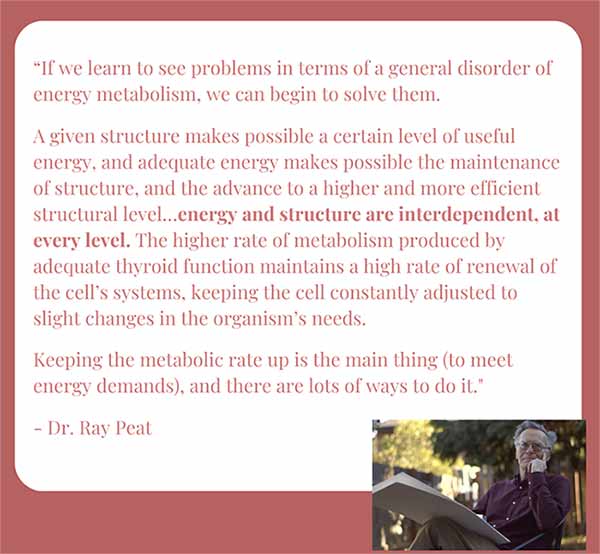
Whether or not excessive gluconeogenesis is a good or bad thing depends on how you define health. Under the “pro metabolic” (aka bioenergetic) lens, a healthy body is really good at converting the food we eat into energy to maximize ATP (cellular energy) production.
A sign of a strong and robust metabolism is a high body temperature, as heat is generated as a byproduct of generating energy. The more energy (ATP) our body produces from the food we eat, the more functions our body can run. The more we will thrive, not just survive.
My personal “light bulb moment” that made me realize low-carb was not serving me well was when I first measured my body temperature — my temp was 96.5 degrees Fahrenheit! (Humans should reach 98.6 deg F mid-day) So my low body temperature was a clear sign that I was surviving in a low energy state, not thriving.
The less ATP our body has, the more “non-essential tasks” (like hair growth, a healthy libido, etc.) will need to be down regulated in order to prioritize the essential tasks to keep us alive.
Characteristics of a Thriving Body
A thriving body will thus have the following characteristics:
High body temps (waking temps high 97s/low 98s – reaching 98.6 deg F. mid-day)
Daily poop(s)
Strong libido and hormone production
Good sleep
Strong hair and nails
High T3, low TSH and low rT3 (reverse T3)
Good energy
If you have these things, GREAT! Don’t change a thing! But many people on low-carb diets DO NOT and their thyroid hormone status is hindered. And this is not always due to the thyroid gland itself. The thyroid actually produces very little of the active thyroid hormones. It mainly produces the precursors.
The liver is responsible for producing most of the active thyroid hormone (T3) by converting T4 into T3. Cortisol, which can be chronically elevated on a low-carb diet, blocks that conversion.4 And even without cortisol, not consuming many carbs leads to low T3 production5 since T3 production is dependent on liver glucose and glycogen status.6 In clinical studies a calorie restricted, low-carb diet depresses T3 levels similar to starvation, where a calorie restricted diet with carbs does not.7
And some low-carb advocates will argue that you don’t need as much active thyroid hormone (T3). Well, low T3 will lead to low hypothyroid symptoms, regardless of the diet you’re on. Thyroid health and the state of your metabolism go hand in hand since the thyroid is the master metabolism regulator.8 Thyroid hormone T3 is inextricably related to cellular CO2 production and metabolic rate.9
Yes, our thyroid & body can function with lower T3, but I would argue that it is not optimal. There are SO many benefits to having more active thyroid hormone (T3).10 The thyroid’s hormones regulate vital bodily functions such as respiration, heart rate, muscle strength, body temperature, digestion, the conversion of beta-carotene to Vitamin A, and the conversion of cholesterol to downstream steroid hormones and protective hormones.
So, it makes sense why the liver would reduce T3 levels with a low-carb diet. Why would your body produce a hormone (T3) that increases your metabolism and makes you burn more energy when it doesn’t have enough glucose coming in? Let’s now dive into just two concerns about long-term reliance on excessive gluconeogenesis (required on low-carb diets).
Gluconeogenesis Is Inefficient and Requires a Lot of Energy
Overall, six ATP worth of energy is invested to produce one molecule of glucose, which gives us only two ATP when broken down through glycolysis. It’s like trading $6 bills for $2 bills.
“One of the most pervasive themes in biology is the drive to conserve energy. That we will spend this much energy synthesizing glucose is a testament to how essential it is to our life and well being.” Chris Masterjohn, Ph.D.
This is expensive and not efficient, using up valuable energy reserves slowly over time — why would our body choose this pathway unless it absolutely needs to? And since gluconeogenesis largely occurs in the liver, why would we want to burden the liver even more when it already has over 500 functions and is busy detoxing for us?
Most people are in a low energy state to begin with — why dig ourselves into a deeper hole? Wouldn’t we want to choose a path were more ATP is generated so that our bodies have the energy to perform more functions?
Gluconeogenesis Is Regulated by Stress Hormones
“Gluconeogenesis is stimulated by the diabetogenic hormones (glucagon, growth hormone, epinephrine, and cortisol).”11
While there are some studies showing that fat adapted athletes do not have higher blood cortisol levels, we have to remember that tissue and blood levels of cortisol can be different,12 and it is hard to easily measure tissue levels of cortisol.
“Since gluconeogenesis is an extremely expensive investment with a negative return, it makes sense that the body would regulate it as a stress response, and thus place it under control by cortisol.” Chris Masterjohn, Ph.D.
Elevated stress hormones will be very catabolic in the long run. Meaning, muscles can get wasted away slowly over time. I was certainly in denial at the time, but my lifting numbers (squat and deadlift weights) and muscle mass went DOWN while I went low/zero-carb for an extended period of time.
“But what about *insert muscular low-carb person*?” For these individuals you may idolize that eat zero-carb and strength train — you have to ask yourself, did those individuals build their muscle mass before switching to this no carb lifestyle? And are they now just maintaining or very slowly losing muscle over time? Have you seen DEXA scans before and after their dietary switch?
Dr. Peter Attia (who used to be a proponent of keto and fasting), noticed for himself and a number of his patients who were strength training and consuming low-carb diets experience ‘body recomposition gone wrong’ (through DEXA scans).
Over time (over a few years), himself and his patients maintained their weight. But in the background, they were losing muscle tissue (due to excessive gluconeogenesis) and increasing fat mass. This is not what we want!
Can you gain muscle on a low-carb/zero-carb diet — sure! There are always exceptions! But why would you choose the harder path? (If this was a better way to build muscle, trust me, bodybuilders would be keto or zero-carb. But they aren’t.)
This type of zero-carb muscle building approach is such a delicate balance of your fat and protein macros. You need to consume high fat to provide energy and get you into ketosis. But if you don’t consume enough protein, your body will break down your muscle tissue at higher rates to get ahold of some amino acids. But too high of protein will kick you out of ketosis due to higher rates of gluconeogenesis. WHY NOT JUST GIVE THE BODY WHAT IT NEEDS? (Carbs)
Because many people are convinced that a low-carb state is somehow optimal and improves metabolic flexibility and is required to lose weight (not true). I get it — I was deep into that ideology! AND many people have damaged glucose metabolisms — so avoiding the use of the damaged machinery can feel good in the short-term.
So, avoiding the use of the “damaged machinery” can feel good in the short-term. But continuously restricting carbs is avoiding the use of a damaged glucose metabolism. It isn’t fixing it. And there are tremendous health benefits to improving your glucose metabolism!
Of course, transitioning from a crappy standard American diet filled with processed food and PUFAs to a whole food, low/zero-carb approach will bring tremendous benefits. And again, if you are doing well — don’t change a thing!
How Can I Add Carbs Back In?
Always start slow! If you haven’t consumed carbs in a long time and add them in abruptly, how can you expect your body to know what to do with them? Start with one source that you enjoy and digest well, and slowly increase the amount of it you consume over time.
As you slowly increase your carbs, it can help to slightly reduce fat consumption in parallel. The goal is to get to a place where you can consume carbs and moderate fat levels (more of a mixed diet), but that requires a well-functioning glucose metabolic machinery.
Tracking this data using an app like Cronometer can really help you move the needle forward with your health. In parallel, track your body temperature to see what foods (and amounts) are raising your body temperature (and metabolism) over time. This type of an experiment allows you to take a “metabolism focused” approach instead of a fear-based, restrictive approach.
Calories in vs. calories out still matters when it comes to fat loss phases and long-term health — but when you have a better metabolism, the calories OUT side of the equation increases — the body uses more of the food we consume to generate energy, instead of storing it as body fat. Meaning, you can eat more calories while maintaining (or even losing) weight, making weight maintenance a lot more sustainable.
My personal experience: After about 1.5 years of taking a low-carb approach, I finally “woke up” that I was driving myself into the ground. It felt good, until it didn’t.I became irritable, developed more and more food sensitivities, was losing hair, had no libido, lost strength and muscle mass and more.
Excessively relying on gluconeogenesis down regulated my metabolism and thyroid health over time. And under the “bioenergetic lens” — that is just surviving, not thriving. Short-term band-aid solution, not long-term, sustainable health. Making slow dietary changes while monitoring my body temperature and pulse was key to helping me get out of a low-metabolic state. I now consume over 3,000 calories as a 135-pound woman!
In Summary
If we understand how our physiology works, why not give it what it needs? Gluconeogenesis is an inefficient and “expensive” process that uses up valuable energy when the process is unregulated. Not consuming carbs may “work” and provide digestive relief (relative to a diet filled with hard-to-digest carbs and high amounts of PUFAs).
But at what cost? What processes and functions will get down regulated to allow for this excessive gluconeogenesis? Sleep problems? Digestive issues? Hair loss? Hormonal problems? Low libido? Low energy? Skin issues?
If what you are doing now is working for you (high body temps, good sleep, good poops, strong libido and hormones, good skin and hair health, and are happy/treat people kindly) — don’t change a thing. But if you are pushing a diet ideology that has led you on a hamster wheel of weight, binge, and health cycles — don’t be afraid to step outside of your comfort zone and try something new.
“Think, perceive, act.” ~ Dr. Ray Peat
If you are looking for more assistance in improving your metabolism, adding carbs back into your diet without weight gain, and reversing out of a low-carb diet — my sister and I teach you how to do so in our in-depth course called Rooted in Resilience, along with a ton of free downloads and information on our website, www.armstrongsisters.com.
We have both been through all the diet fads and extremes out there — and all they did was lower our metabolisms in the long run. So, it is our goal to provide you with the educational tools so that you can have FOOD EDUCATION and EMPOWERMENT and not FOOD FEAR. Because understanding human physiology and energy metabolism helps YOU better cut through the noise of all the conflicting health information out there.
Learning about energy metabolism was one of the reasons we wanted to start a farm and be involved in food production. The types of fat you eat can hinder how you utilize carbs, as PUFAs (polyunsaturated fatty acids) hinder your ability to properly utilize carbs.13 For example, PUFAs negatively inhibit cytochrome C oxidase activity,14 a vital enzyme required for proper carb metabolism.
And when it comes to animal fats, what your food eats, matters, as the types of fat in poultry and pork products are impacted by the types of fat in their diet. So, if fed a diet rich in PUFAs, the amount of PUFAs in the eggs, chicken, and pork fat increases. Video Link
The types of fat you eat can impact how you utilize carbs, as PUFAs can hinder proper carb utilization. And when it comes to animal fats, what your food eats, matters. (If their diet is high in PUFAs, the final product will contain more PUFAs). With the current agriculture system, knowing where your food comes from is vital. The article was written by Ashley Armstrong, who is passionate about providing the highest quality food possible.
Armstrong also co-founded Nourish Cooperative which ships the best low PUFA pork, beef, cheese & A2 dairy and traditional sourdough to all 50 states. They are also close to accepting new members to the farm cooperative — join the waitlist here: nourishcooperative.com.
In the video segment above, Ashley reflects on the timeline of her decision to invest her free time into regenerative farming, considering how just a few years ago, her health was far from ideal. She struggled with mitochondrial energy production, and her body was in a low thyroid state. Your body prioritizes energy for essential tasks, and decision-making requires significant energy.
Your brain consumes about 20% of your body’s energy despite being only 2% of its weight. Ashley simply would not have had enough cellular energy to supply her brain to make a decision like she did unless she improved her health. Factors like excess linoleic acid, estrogen and endotoxins were depleting her cellular energy, which is crucial for making energy-intensive decisions.
Her transformation underscores the power of nurturing your health to gain the energy necessary for making significant life changes. Avoiding dietary pitfalls like seed oils played a key role in this journey, enabling her to tap into a newfound capacity for brave decisions — a testament to the profound impact of regaining cellular energy on her ability to navigate life’s choices.
It is my sincere desire and hope that you consider her journey to inspire and empower you to make similar choices in your own life and reclaim the Joy that you deserve. Imagine experiencing the nearly limitless Joy that Ashley has with her 1,000 chickens and four livestock guard dogs below.
AUTOPSY REVEALS MULTIPLE BORRELIA SPECIES IN BRAIN OF MAN WITH CHRONIC LYME DISEASE
Several post-mortem studies have demonstrated the presence of Borrelia spirochetes in the brain and central nervous system of patients with a history of Lyme disease. In this case report, investigators add to the growing evidence that Borrelia spirochete can reside in brain tissue even after prolonged antibiotic treatment.
The patient underwent repeated testing with “borderline positivity for Borrelia infection, followed by the prescription of several antibiotics, which provided no clinical improvements, followed by hospitalization at psychiatric clinics,” the authors state.
CASE REPORT
The 28-year-old patient visited his physician in 2004 after developing an erythema migrans (EM) rash. Subsequently, he was diagnosed with Lyme disease and treated with antibiotics.
However, his condition worsened and he began exhibiting neurological symptoms, including “brain fog,” reduced psychomotor performance and difficulties with concentration and processing of visual and auditory stimuli.
“Here we report the case of a patient who, after being infected by Borrelia and treated with antibiotics continuously, progressed toward neurologic/psychiatric symptoms over the subsequent 13 years.”
In 2017, test results were positive for Borrelia with both IgG and IgM anti-Borrelia antibodies in serum. Several months later, he was admitted to the Psychiatric Department of the University Hospital Olomouc in the Czech Republic.
On February 2018, testing revealed borderline positivity for Borrelia-specific IgM and strong positivity for IgG.
The IgM immunoblot was positive for the presence of OspC from B. afzelii, B. garinii, and B. burgdorferi s.s., and the IgG immunoblot was borderline positive for VlsE from B. afzelii, B. garinii, and B. burgdorferi s.s.
The patient was prescribed a combination of antibiotics which included: minocycline, azithromycin, and hydroxychloroquine.
Spirochetes found in brain tissue of Lyme disease patient
Seven months later, he was hospitalized again and diagnosed with schizotypal personality disorder and somatoform disorder and discharged.
One year later, the patient committed suicide.
“The patient left behind a letter expressing the urgent demand for scientists to analyze his brain for the presence of [Lyme disease] spirochetes.”
An autopsy was conducted.
“PCR analysis was performed on different parts of the brain to determine if Borrelia could be detected in the brain,” the authors state.
Testing confirmed the presence of DNA in 2 spirochete species – B. burgdorferi and B. garinii.
Each Borrelia species, however, was found in different parts of the brain.
“Even though both spirochete species were simultaneously present in human brain tissue, the brain regions where the two species were detected were different and non-overlapping,” the authors explain.
B. burgdorferi was detected in the temporal right lobe, choroid plexus, occipital lobe and parietal lobe. B. garinii DNA was found in the basal ganglia and cerebellum.
Authors conclude:
“Our results confirmed the presence of two species of spirochetes from the B. burgdorferi sensu lato complex, B. garinii and B. burgdorferi s.s., in different areas of the human brain.”
“Importantly, the DNAs of the two spirochete species were detected in distinct areas of the brain; in no case did we find infection with both in the same brain region.”
“The detection of intact spirochetes in autopsy brain specimens of humans after extended treatments and those with a diverse history of disease manifestations, including widely recognized neurocognitive disorders, anxiety, depression, memory loss, brain atrophy, and progressive dementia, illustrates that persistent Borrelia infection can lead to a persistent disorder of the central nervous system (CNS) and the development of [Lyme neuroborreliosis].”
Golovchenko M, Opelka J, Vancova M, Sehadova H, Kralikova V, Dobias M, Raska M, Krupka M, Sloupenska K, Rudenko N. Concurrent Infection of the Human Brain with Multiple Borrelia Species. Int J Mol Sci. 2023 Nov 29;24(23):16906. doi: 10.3390/ijms242316906. PMID: 38069228; PMCID: PMC10707132.
_______________
**Comment**
It’s all right here in purple crayon, yet crickets from public health and mainstream medicine.
Gov. Gretchen Whitmer’s administration has declared an “extraordinary animal health emergency” and imposed “the most comprehensive measures in the country” to combat highly pathogenic avian influenza.
“Producers must immediately implement robust biosecurity practices and create emergency preparedness plans and this order starts to address these on-farm risks,” Michigan Department of Agriculture and Rural Development Director Tim Boring said statement last week.
“Implementing these measures must be the highest priority for every farm and agriculture worker,” he said. “Working together, we can combat HPAI and reduce the long-term impacts on our dynamic food and agriculture industry.”
The “Determination of Extraordinary Emergency, HPAI Risk Reduction Response Order” signed by Boring on Wednesday imposes a series of biosecurity practices on all Michigan dairy farms and commercial poultry operations.
Those measures include a biosecurity manager for every farm, a secure perimeter around poultry, cleaning and disinfection for people and vehicles, a log of all people and vehicles that enter farms, isolation of lactating cows until 30 days after the last HPAI case, and isolation of poultry “until such a time there are no new cases of HPAI in domestic poultry in the State of Michigan for at least 30 consecutive days.”
“This is an active and ongoing threat to both dairy and poultry operations across the state,” Boring told Bridge Michigan. (See link for article)
_______________
**Comment**
Research since has shown government-imposed mask mandates, social distancing, and other COVID precautions didn’t “make any difference” in stopping COVID transmission, Tom Jefferson, an epidemiologist with the British nonprofit Cochrane, told The New York Times last year. “There’s no evidence that many of these things make any difference,” he said.
“Those skeptics who were furiously mocked as cranks and occasionally censored as ‘misinformers’ for opposing mandates were right,” the Times reported. “The mainstream experts and pundits who supported mandates were wrong.”
Wisconsin makes the map again as we are home to the most notorious virologist on the planet doing the most dangerous lab work in the world. Yoshihiro Kawaoka at the University of Wisconsin at Madison creates diseases far more deadly than COVID-19. His experiments (and lab safety breaches) have been so scary that they triggered an Obama Administration moratorium. Since the Trump Administration lifted the moratorium, Kawaoka has resumed the very same work. Source
Jay R Lucker, Department of Communication Sciences & Disorders, School of Communication, 4th and Bryant Streets, Howard University, NW, Washington, DC 20059, USA, Tel: 301-254-8583
ABSTRACT
Four cases of children with Lyme disease having auditory hypersensitivity are presented. Auditory testing revealed no consistent pattern of problems except for the low loudness discomfort levels (LDL) found. Medical professionals who see children with Lyme disease should consider audiological testing to include LDL measures. Treatments for auditory hypersensitivity are discussed.