**UPDATE**

Please watch this insightful and informative 10 minute interview with Dr. Peter McCullough, cardiologist and author of the study below in which he delineates the data from autopsies performed on those who got the COVID shot showing definitive proof the shots are causing death.

https://thevaccinereaction.org/2023/07/meta-review-of-autopsies-finds-link-between-covid-shots-and-death/

Meta Review of Autopsies Finds Link Between COVID Shots and Death

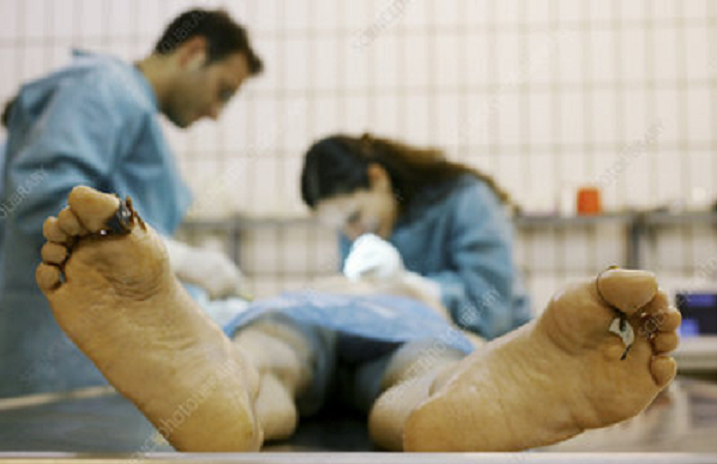
autopsy

An independent meta review of autopsies on people who died after COVID-19 vaccination, published as a preprint in The Lancet online on July 5, 2023, found that 74 percent of the deaths were causally related to the shots. The review included 44 published papers that contained 325 autopsy cases and one necropsy case. According to one of the study’s co-authors, cardiologist Peter McCullough, MD, MPH of the Wellness Company, the review is the “final retort” to, “you cannot prove the vaccine caused the death.”1

Other co-authors of the study include doctors from Alberta (Canada) Health Services, the University of Michigan School of Public Health, Yale University School of Public Health and the Wellness Company, as well as a former senior COVID pandemic advisor to the U.S. Secretary of Health and Human Services (HHS).1

The most implicated organ system in COVID vaccine-associated death was the cardiovascular system (53 percent), followed by the hematological (blood) system (17 percent), the respiratory system (8 percent) and multiple organ systems (7 percent). The mean time from vaccination to death was 14.3 days, with most deaths occurring within a week from last administration of a shot.1

Most of the deaths occurred among individuals who received Pfizer/BioNTech’s Comirnaty COVID shot (41 percent), followed by Sinovac Biotech’s CoronaVac (37 percent), AstraZeneca/Oxford University’s Vaxzevria (13 percent), Moderna/NIAID’s Spikevax (7 percent), Johnson & Johnson/Janssen’s Ad26.COV2.S (1 percent) and Sinopharm’s BBIBP-CorV (1 percent).1

Call for Research to Explain Mechanisms of Deaths Occurring After COVID Shots

The study’s authors suggest there is a high likelihood of a causal link between COVID shots and the deaths that occurred soon afterward in most cases and that “further urgent investigation is required aimed at confirming our results and further elucidating the mechanisms underlying the described fatal outcomes with the goal of risk mitigation for the large numbers of individuals who have taken one or more COVID-19 vaccines.”1

More than 70 percent of the population of United States is considered to have been “fully vaccinated” for COVID. The U.S. Centers for Disease Control and Prevention (CDC) recommends the shots for anyone over six months old. The agency also recommends COVID shots for pregnant women.2 3

Dr. McCullough stated:

Going forward in response to sudden unexplained deaths reported in the press, it is reasonable to conclude the cause of death is a fatal covid-19 vaccine injury until proven otherwise. Proof the decedent is unvaccinated or an alternative diagnosis is now required for the vaccine to be exonerated. In the absence of this information, medical examiners, coroners, physicians, and government officials should attribute the death to COVID-19 vaccination.4

Sudden Removal of Study by The Lancet ‘Smacks of Raw Censorship’

The preprint of the study was removed from The Lancet less than 24 hours after it was published—prior to the initiation of an anticipated peer review. It was removed with the sole explanation that “the study’s conclusions are not supported by the study methodology.” Dr. McCullough said that the study was removed “after large volume download” from The Lancet’s preprint server.4

Will Jones of The Daily Sceptic wrote:

Without further detail from the Preprints with the Lancet staff who removed the paper it is hard to know what substance the claim that the conclusions are not supported by the methodology really has. A number of the authors of the paper are at the top of their fields so it is hard to imagine that the methodology of their review was really so poor that it warranted removal at initial screening rather than being subject to full critical appraisal. It smacks instead of raw censorship of a paper that failed to toe the official line.5 

Study Methodology is ‘Sound’

Clare Craig, BM, BCh, FRCPath, a diagnostic pathologist and co-chair of the HART (Health Advisory & Recovery Team) pandemic advisory group in the United Kingdom, noted:

It is important that attempts are made to quantify the risk of harm and censorship of these attempts, rather than open scientific critique, does nothing to help reassure people.

The VAERS system [of vaccine adverse event reporting] is designed to alert to potential harms without necessarily being the best way of measuring the extent of those harms. Quantifying the impact of deaths can be done by looking at overall mortality rates in a country, but that is an imperfect system with dubious accuracy.

The alternative approach of auditing deaths through autopsy is sound.5

References

1 Hulscher N, Alexander P et.al. A Systematic Review of Autopsy Findings in Deaths After Covid-19 Vaccination. (available at SSRN) July 5, 2023
2 What’s the nation’s progress on vaccinations? USAFacts.org May 10, 2023.
3 U.S. Centers for Disease Control and Prevention. COVID-19 Vaccines for People Who Would Like to Have a Baby July 14, 2022.
4 McCullough P. COVID-19 Vaccine is the Culprit in Majority Found Dead after Injection. Substack July 5, 2023.
5 Jones W. Lancet Study on Covid Vaccine Autopsies Finds 74% Were Caused by Vaccine—Journal Removes Study Within 24 Hours. The Daily Sceptic July 6, 2023.

______________

**Comment**

The above article only corroborates the current VAERS tally, but ‘the powers that be’ simply don’t care.  Vaers only has about a 1% capture rate so the numbers are horrifically low:

Between Dec. 14, 2020 and June 30, 2023 the following were reported to VAERS:
  • 1,537,131 adverse events
  • 202,684 hospitalizations
  • 66,476 permanent disabilities
  • 37,592 life threatening reactions
  • 35,267 deaths
  • 1,264 birth defects
  • 4,739 fetal deaths
Adverse reactions and deaths after the COVID shots continue to mount.

Fauci, aka Dr. Evil, told the government to tell people not to do autopsies.  Now, finally, a pre-print is attempting to answer the question of why the “vaccinated” are dying within 15 days of COVID infection.  According to Dr. Denis Rancourt, the clot shots have caused the death of 13 million people globally which equates to 1 death for every 2,000 injections.  They are also producing “cancer without tumors,” due to the Spike Protein inducing the Warburg Effect in cells, causing them to overproduce proteins, “clogging” the cell, which in turn causes cancer.

https://thevaccinereaction.org/2023/07/one-in-three-pfizer-vaccine-shots-may-have-been-a-placebo/  Go Here for Video

One In Three Pfizer Vaccine Shots May Have Been A Placebo

There’s new evidence that many of the batches of the Pfizer [COVID-19] vaccine administered to the public, up to the 30 percent, were placebos. And even worse, the evidence points to regulators knowing about it and willingly administering them. Now, either they were actively experimenting on the public or they were covering up for the fact that the vaccines came with numerous side effects.

Study Here:  https://onlinelibrary.wiley.com/doi/10.1111/eci.13998

The study shows that a small percentage of injection batches are responsible for nearly 71% of adverse events.

Lead researcher Dr. Vibeke Manniche states,

“4.2% of the batches are associated with almost 71% of the reported side effects. You would usually expect that if the batches were the same quality…You would expect more or less the same amount of side effects…This is a huge difference between the batches…Why did something change along the way?”

The data only shows results from the Danish vaccine roll out but similar shifts in protocol occurred globally. Why was the vaccine required to be kept at extreme cold temperatures initially and then not? Then there’s the other nasty flies in the ointment of Green Monkey DNA, graphene, and many, many other toxic substances and contaminants, as well as known mRNA instability, which as it turns out probably saved lives.

This article by John Leake, who has vast experience as a crime investigator, details the evil logic of corrupting the process of quality-control by corrupting those at the Paul Ehrlich Institute in Germany since they are responsible for all testing of the Pfizer-BioNTech COVID “vaccine.” The German BioNTech company appears to have a cozy, fraudulent relationship with the German government since Germany is a founding member of the EU.  In evidence of fraud, the institute knew in advance that it wasn’t necessary to perform quality-control tests on the 32.1% of the batches associated with nearly zero side effects.

_______________

As you read the following article, please remember that there are now nearly 100 studies proving the effectiveness of ivermectin for COVID, but ‘the powers that be’ continue to censor this information despite remarkable recoveries of the sickest patients.

The FDA makes sure to post a picture of a horse to push their idea that the drug is a only a “horse de-wormer,” when it is used regularly and safely for decades in humans in Africa for river blindness. Predictably, the parts of Africa using the drug regularly haven’t seen COVID cases, but all sanity and logic have disappeared in the COVID era.  The narrative of a magic-bullet COVID injection must be pushed at all costs despite being controlled by the DOD and described as “counter measures,” and ordered as “prototypes,” clearly proving this is NOT a vaccine.

https://www.theguardian.com/australia-news/2023/may/05/ivermectin-ban-ended-by-australian-regulator-amid-warning-it-should-not-be-used-as-covid-treatment

Ivermectin ban ended by Australian regulator amid warning it should not be used as Covid treatment

The TGA banned off-label prescriptions when floods of people sought out the drug in the mistaken belief it would treat Covid-19.

The Therapeutic Goods Administration has ended a ban on off-label prescriptions of anti-parasitic drug ivermectin, nearly two years after floods of people attempted to procure the drug in the mistaken belief it would treat Covid-19.

The TGA announced on Wednesday it would remove the ban for off-label prescriptions of the drug from 1 June. Off-label prescriptions had been limited to specialists such as dermatologists, gastroenterologists and infectious disease specialists since September 2021.

The decision was made due to what the TGA said was “sufficient evidence that the safety risks to individuals and public health is low” in the “current health climate”.

The high rates of vaccination against Covid-19 in Australia and high hybrid immunity meant that use of the drug by people was “unlikely to now compromise public health” including the risk of potential shortages of the drug for its stated use for treating river blindness, threadworm of the intestines, and scabies.  (See link for article)

https://brownstone.org/articles/pandemic-leaders-were-biodefense-puppets-and-profiteers/

Pandemic Leaders Were Biodefense Puppets and Profiteers

Scandalous incompetence. Profound stupidity. Astounding errors. This is how many analysts – including Dr. Vinay Prasad, Dr. Scott Atlas, and popular Substack commentator eugyppius – explain how leading public health experts could prescribe so many terrible pandemic response policies.

And it’s true: the so-called experts certainly have made themselves look foolish over the last three years: Public health leaders like Rochelle Walensky and Anthony Fauci make false claims, or contradict themselves repeatedly, on subjects related to the pandemic response, while leading scientists, like Peter Hotez in the US and Christian Drosten in Germany, are equally susceptible to such flip-flops and lies. Then there are the internationally renowned medical researchers, like Eric Topol, who repeatedly commit obvious errors in interpreting Covid-related research studies. [ref]

All of these figures publicly and aggressively promoted anti-public health policies, including universal masking, social distancing, mass testing and quarantining of healthy people, lockdowns and vaccine mandates.

It seems like an open-and-shut case: Dumb policies, dumb people in charge of those policies.

This might be true in a few individual cases of public health or medical leaders who really are incapable of understanding even high school level science. However, if we look at leading pandemic public health and medical experts as a group – a group consisting of the most powerful, widely published, and well-paid researchers and scientists in the world – that simple explanation sounds much less convincing.

Even if you believe that most medical researchers are shills for pharmaceutical companies and that scientists rarely break new ground anymore, I think you’d be hard-pressed to claim that they lack basic analytical skills or a solid educational background in the areas they’ve studied. Most doctors and scientists with advanced degrees know how to analyze simple scientific documents and understand basic data.

Additionally, those doctors and public health professionals who were deemed experts during the pandemic were also clever enough to have climbed the academic, scientific, and/or government ladders to the highest levels.

They might be unscrupulous, sycophantic, greedy, or power-mongering. You might think they make bad moral or ethical decisions. But it defies logic to say that every single one of them understands simple scientific data less than, say, someone like me or you. In fact, I find that to be a facile, superficial judgment that does not get to the root cause of their seemingly stupid, incompetent behavior.

Returning to some specific examples, I would argue that it is irrational to conclude, as Dr. Prasad did, that someone like Dr. Topol, Founder and Director of the Scripps Research Translational Institute, who has published over 1,300 peer-reviewed articles and is one of the top 10 most cited researchers in medicine [ref] cannot read research papers “at a high level.” And it is equally unlikely that Anthony Fauci, who managed to ascend and remain atop the highest scientific perch in the federal government for many decades, controlling billions of dollars in research grants [ref], was too dumb to know that masks don’t stop viruses.

There must, therefore, be a different reason why all the top pro-lockdown scientists and public health experts – in perfect lockstep – suddenly started (and continue to this day) to misread studies and advocate policies that they had claimed in the past were unnecessary, making themselves look like fools.

Public health experts were messengers for the biodefense response

The most crucial single fact to know and remember when trying to understand the craziness of Covid times is this:

The public health experts were not responsible for pandemic response policy. The military-intelligence-biodefense leadership was in charge.

In previous articles, I examined in great detail the government documents that show how standard tenets of public health pandemic management were abruptly and secretly thrown out during Covid. The most startling switch was the replacement of the public health agencies by the National Security Council and Department of Homeland Security at the helm of pandemic policy and planning.

As part of the secret switch, all communications – defined in every previous pandemic planning document as the responsibility of the CDC – were taken over by the National Security Council under the auspices of the White House Task Force. The CDC was not even allowed to hold its own press conferences!  (See link for article)

_________________

**Comment**

Yet more proof that COVID madness was NOT a “mistake,” nor were those in leadership roles stupid (although admittedly they looked and sounded very stupid).  Promoting these ideas reinforces that the madness was part of a public health plan.  “Trusted leaders” were puppets for a much deeper and darker agenda run by none other than a national/international cartel which includes the National Security Council under the auspices of the White House Task Force. And now it appears that an Energy & Commerce Investigation shows that key NIH officials including Fauci and 14 others likely served unlawfully as they were not properly reappointed to their positions as required by law.  This raises questions about the legality of billions in federal grants doled out over the past year, including taxpayer funded grants to EcoHealth Alliance and COVID related guidance by Fauci to the White House.

The “public-private partnership” of bioterrorism experts, governments, and “vaccine” developers must end.

For more:

https://www.lymedisease.org/microdosing-psychedelics-lyme/

Can microdoses of psychedelics effectively treat neuro-Lyme?

By Daniel A Kinderlehrer, MD

Those of us dealing with Lyme disease are well aware that most symptoms reside in the musculoskeletal and nervous systems. And for many of us, the worst symptoms in the nervous system are neuropsychiatric. The severity of anxiety, panic attacks, depression, irritability and rage can be overwhelming.

Chronic tick-borne infections can also cause bipolar disease, addiction syndromes, eating disorders, obsessive compulsive disorder and psychosis.1-8 And of course, it is all compounded by impaired sleep, brain fog, fatigue and chronic pain, not to mention physician ignorance.

Neuroinflammation

It turns out that these mental health symptoms are primarily caused by inflammation from infection outside the nervous system.9

For example, kids with PANS—Pediatric Acute-onset Neuropsychiatric Syndrome—have infections in which antibodies to different microbes cross the blood brain barrier and attack the brain, resulting in severe mood and behavioral disturbances.10 A similar process occurs in adults with neuropsychiatric Lyme disease.11-13

There is increasing recognition that many mood disorders are linked to infections and autoimmune disorders, and the common link is neuroinflammation—brain on fire.14

It is no surprise that people with neuropsychiatric Lyme disease have elevated levels of inflammatory mediators including antineuronal antibodies, cytokines, chemokines and inflammatory lipoproteins.9  Think of neuropsychiatric Lyme disease as autoimmune inflammation of the brain. The primary legs of treatment are antimicrobials, psychotropic medications and anti-inflammatory agents. Ideally, an anti-inflammatory agent will decrease inflammation but not suppress immune function.

In March 2023, I published a report describing a patient with long standing Lyme disease, Babesia and Bartonella infections in which the primary symptoms were neuropsychiatric.15 He experienced anxiety with panic attacks, depression with suicidal ideation and sleeplessness.

These symptoms gradually came under control with appropriate treatment, but a change in his regimen resulted in a severe relapse. He could no longer tolerate even low dose antimicrobials without Herxheimer reactions, Zoloft was not helping and he could not tolerate Ativan for anxiety. In fact, any benzodiazepine increased his suicidality. That is when his daughter suggested he try microdosing.

A new approach: psychedelic microdosing

This is from the case study that I published:

After a 40-year prohibition in the US of lysergic acid diethylamide (LSD) and psilocybin, there has been renewed interest in their potential for therapeutic benefit. The preponderance of research in the past two decades has been in controlled clinical settings in which subjects are administered a single high dose of a hallucinogen while under the supervision of a therapist/guide. In 2018 the US Food and Drug Administration categorized psilocybin as ‘a breakthrough therapy’ in the treatment of depression, a designation the agency applies to drugs that in early trials demonstrate substantial improvement over existing treatments.16

There is compelling evidence that psilocybin has potential value in the treatment of some mental health conditions. Multiple studies have documented its effectiveness in patients with depression, anxiety syndromes, end of life anxiety, and suggested benefit in OCD and addiction disorders.17-23

Microdosing is the practice of consuming very low, sub-hallucinogenic doses of a psychedelic substance on a regular basis. The intention of microdosing is to offer similar benefits to full dose psychedelic therapy, but without perceptual distortions, the need for clinical oversight, or the risk of a bad trip.” 24

Microdosing has become increasingly popular. In one online microdosing forum that was begun in 2013, the number of subscribers rose to 40,000 in 2018 and 219,000 in October 2022.25 LSD and psilocybin continue to be listed as schedule I controlled substances, meaning legally they have no accepted therapeutic value. Nevertheless, possession of psilocybin has been decriminalized in many US cities and is on the ballot of many states to be legalized in clinical therapeutic settings; Oregon and Colorado have already done so.26

No longer suicidal

The subject of my case history began microdosing three times weekly at doses one-fiftieth of a typical hallucinogenic journey. Within two days he was no longer suicidal and within two weeks he felt well. He continues to microdose and feels well three years later.

No wonder they call psilocybin magic mushrooms. It is a potent stimulator of serotonin and may also have some influence on dopamine.27 But what may be more crucial is its anti-inflammatory action. It significantly inhibits pro-inflammatory cytokines such as tumor necrosis factor-alpha, interleukins IL-1b, and IL-6, and cyclooxygenase-2 concentrations in human macrophage cells.28-30

It turns out that most mental health disorders are caused by neuroinflammation. That’s right: most patients with anxiety, depression, bipolar disorder and even psychosis have inflammation in their brains driving their mood disorders.31

Neuroinflammation in these patients may be caused by undiagnosed tick-borne infections, but there are multiple other drivers of inflammation. Autoimmune diseases such as lupus, Sjögrens syndrome, rheumatoid arthritis and multiple sclerosis are well documented causes of neuropsychiatric illness.32-37  Stress by itself can result in inflammatory conditions.38 People with childhood histories of adverse events such as physical or sexual abuse have an increased risk of autoimmune problems.39

Patients with PTSD—Post Traumatic Stress Disorder—don’t just have hypervigilance and anxiety disorders. They develop the same nervous, immune and endocrine system dysregulation as patients with persistent tick-borne infections and neuropsychiatric disease.40

The role of genetics

Meanwhile, genetics plays a significant role in the development of autoimmune conditions. Add to this epigenetic transmission that alters gene expression without changing the underlying DNA expression, and allows for trauma to be handed down from one generation to the next41—just ask children and grandchildren of Holocaust survivors.

Microdosing psilocybin holds the potential to help patients suffering from these mental health issues. Numerous studies suggest that microdosing is effective in the treatment of anxiety and depression.42-46 Unfortunately, these studies are not controlled and are reliant on subject reporting—it is impossible to separate benefits from placebo effect. We clearly need better research on microdosing.

Presently Johns Hopkins University is recruiting for a study in which patients with PTLDS—Post Treatment Lyme Disease Syndrome—are treated with full hallucinogenic doses of psilocybin under the supervision of a therapist/guide.47 These ‘journeys’ last four or more hours in controlled settings. I hope this research finds positive benefits of treatment, but full dose psilocybin treatment demands excessive resources that will never be available to most patients with Lyme.

Those of us with “Chronic Lyme” know that PTLDS is actually persistent infection with Borrelia burgdorferi complicated by the existence of co-infections resulting in systemic inflammation—it is an autoimmune illness.48 In a review of the physiological effects of psychedelics, the authors Caitlin Thompson and Attila Szabo “…propose that psychedelics hold the potential to attenuate or even resolve autoimmunity.”

The bottom line is that microdosed psilocybin may be an important adjunct to the treatment of mental illness. It is time that we find the resources to perform properly controlled double-blind investigations into the impact of microdosed psilocybin on patients with neuropsychiatric Lyme disease as well as those suffering from the ever-increasing numbers suffering from mental health disorders.

Click here to read the entire case report.

Dr. Daniel Kinderlehrer is an internal medicine physician in Denver, Colorado, with a practice devoted to treating patients with tick-borne illness. He is the author of  Recovery From Lyme Disease: The Integrative Medicine Guide to the Diagnosis and Treatment of Tick-Borne Illness.

References
  1. Bransfield RC. Neuropsychiatric Lyme Borreliosis: An Overview with a Focus on a Specialty Psychiatrist’s Clinical Practice. Healthcare (Basel). 2018 Aug 25;6(3):104. doi: 10.3390/healthcare6030104. PMID: 30149626; PMCID: PMC6165408.
  2. Bransfield RC. Lyme Disease, comorbid tick-borne diseases, and neuropsychiatric disorders. Psychiatr Times. 2007 Dec 1;24(14):59–61.
  3. Fallon BA, Nields JA, Burrascano JJ, et al. The neuropsychiatric manifestations of Lyme borreliosis. Psychiatr Q. 1992;63(1):95–117.
  4. Fallon BA, Nields JA. Lyme disease: a neuropsychiatric illness. Am J Psychiatry. 1994;151(11):1571–83. doi: 10.1007/BF01064684. PMID: 1438607.
  5. Fallon BA, Kochevar JM, Gaito A, Nields JA. The Underdiagnosis Of Neuropsychiatric Lyme Disease in Children And Adults. Psychiatr Clin N Am. 1998;21(3):693–703. doi: 10.1016/s0193-953x(05)70032-0.
  6. Bransfield RC. Aggressiveness, violence, homicidality, homicide, and Lyme disease. Neuropsychiatr Dis Treat. 2018 Mar 9;14:693-713. doi: 10.2147/NDT.S155143. PMID: 29576731; PMCID: PMC5851570.
  7. Mattingley DW, Koola MM. Association of Lyme Disease and Schizoaffective Disorder, Bipolar Type: Is it Inflammation Mediated? Indian J Psychol Med. 2015 Apr-Jun;37(2):243-6. doi: 10.4103/0253-7176.155660. PMID: 25969618; PMCID: PMC4418265.
  8. Greenberg R. Tick-borne infections and pediatric bipolar disorder.  Psychiatry Brain Res. 2015;22:11. doi: 10.1016/j.npbr.2015.12.025.
  9. Bransfield RC. The psychoimmunology of lyme/tick-borne diseases and its association with neuropsychiatric symptoms. Open Neurol J. 2012;6:88-93. doi: 10.2174/1874205X01206010088. Epub 2012 Oct 5. PMID: 23091569; PMCID: PMC3474947.
  10. Chang K, Frankovich J, Cooperstock M, et al; PANS Collaborative Consortium. Clinical evaluation of youth with pediatric acute-onset neuropsychiatric syndrome (PANS): recommendations from the 2013 PANS Consensus Conference. J Child Adolesc Psychopharmacol. 2015 Feb;25(1):3-13. doi: 10.1089/cap.2014.0084. Epub 2014 Oct 17. PMID: 25325534; PMCID: PMC4340805.
  11. Coughlin JM, Yang T, Rebman AW, et al. Imaging glial activation in patients with post-treatment Lyme disease symptoms: a pilot study using [11C]DPA-713 PET. J Neuroinflammation. 2018 Dec 19;15(1):346.
  12. Chandra A, Wormser GP, Klempner MS, et al. Anti-neural antibody reactivity in patients with a history of Lyme borreliosis and persistent symptoms. Brain Behav Immun. 2010;24(6):1018–24.
  13. Fallon BA, Stobino B, Reim S, Stoner J, Cunningham MW. Anti-lysoganglioside and other anti-neuronal antibodies in post-treatment Lyme disease and erythema migrans after repeat infection. Brain Behav Immun. 2020;2:100015.
  14. Benros ME, Waltoft BL, Nordentoft M, et al. Autoimmune Diseases and Severe Infections as Risk Factors for Mood Disorders: A Nationwide Study. JAMA Psychiatry.2013;70(8):812–820. doi:10.1001/jamapsychiatry.2013.1111.
  15. Kinderlehrer DA. The Effectiveness of Microdosed Psilocybin in the Treatment of Neuropsychiatric Lyme Disease: A Case Study. Int Med Case Rep J. 2023 Mar 3;16:109-115. doi: 10.2147/IMCRJ.S395342. PMID: 36896410; PMCID: PMC9990519.
  16. approval-priority-review/breakthrough-therapy (Accessed October 10, 2022)
  17. Davis AK, Barrett FS, May DG, et al. Effects of Psilocybin-Assisted Therapy on Major Depressive Disorder: A Randomized Clinical Trial. JAMA Psychiatry. 2021 May 1;78(5):481-489. doi: 10.1001/jamapsychiatry.2020.3285. Erratum in: JAMA Psychiatry. 2021 Feb 10;: PMID: 33146667; PMCID: PMC7643046.
  18. Moreno FA, Wiegand CB, Taitano EK, Delgado PL. Safety, tolerability, and efficacy of psilocybin in 9 patients with obsessive-compulsive disorder. J Clin Psychiatry. 2006 Nov;67(11):1735-40. doi: 10.4088/jcp.v67n1110. PMID: 17196053.
  19. Khan AJ, Bradley E, O’Donovan A, Woolley J. Psilocybin for Trauma-Related Disorders. Curr Top Behav Neurosci. 2022;56:319-332. doi: 10.1007/7854_2022_366. PMID: 35711024.
  20. Bogadi M, Kaštelan S. A potential effect of psilocybin on anxiety in neurotic personality structures in adolescents. Croat Med J. 2021 Oct 31;62(5):528-530. doi: 10.3325/cmj.2021.62.528. PMID: 34730895; PMCID: PMC8596485.
  21. Yu CL, Yang FC, Yang SN, et al. Psilocybin for End-of-Life Anxiety Symptoms: A Systematic Review and Meta-Analysis. Psychiatry Investig. 2021 Oct;18(10):958-967. doi: 10.30773/pi.2021.0209. Epub 2021 Oct 8. PMID: 34619818; PMCID: PMC8542741.
  22. Griffiths RR, Johnson MW, Carducci MA, et al. Psilocybin produces substantial and sustained decreases in depression and anxiety in patients with life-threatening cancer: A randomized double-blind trial. J Psychopharmacol. 2016 Dec;30(12):1181-1197. doi: 10.1177/0269881116675513. PMID: 27909165; PMCID: PMC5367557.
  23. Johnson MW, Garcia-Romeu A, Cosimano MP, Griffiths RR. Pilot study of the 5-HT2AR agonist psilocybin in the treatment of tobacco addiction. J Psychopharmacol. 2014;28(11):983-992. doi:1177/0269881114548296.
  24. Hutten NRPW, Mason NL, Dolder PC, Kuypers KPC. Motives and Side-Effects of Microdosing With Psychedelics Among Users. Int J Neuropsychopharmacol. 2019 Jul 1;22(7):426-434. doi: 10.1093/ijnp/pyz029. PMID: 31152167; PMCID: PMC6600464.
  25. https://www.reddit.com/r/microdosing/ (Accessed October 10, 2022)
  26. https://www.pewtrusts.org/en/research-and-analysis/blogs/stateline/2022/07/15/more-states-may-legalize-psychedelic-mushrooms (Accessed October 10, 2022)
  27. Coppola M, Bevione F, Mondola R. Psilocybin for Treating Psychiatric Disorders: A Psychonaut Legend or a Promising Therapeutic Perspective? J Xenobiot. 2022 Feb 7;12(1):41-52. doi: 10.3390/jox12010004. PMID: 35225956; PMCID: PMC8883979.
  28. Nkadimeng SM, Steinmann CML, Eloff JN. Anti-Inflammatory Effects of Four Psilocybin-Containing Magic Mushroom Water Extracts in vitro on 15-Lipoxygenase Activity and on Lipopolysaccharide-Induced Cyclooxygenase-2 and Inflammatory Cytokines in Human U937 Macrophage Cells. J Inflamm Res. 2021 Aug 5;14:3729-3738. doi: 10.2147/JIR.S317182. PMID: 34385833; PMCID: PMC8352634.
  29. Kubera M, Maes M, Kenis G, et al. Effects of serotonin and serotonergic agonists and antagonists on the production of tumor necrosis factor alpha and interleukin-6. Psychiatry Res. 2005 Apr 30;134(3):251-8. doi: 10.1016/j.psychres.2004.01.014. PMID: 15892984.
  30. Flanagan TW, Nichols CD. Psychedelics as anti-inflammatory agents. Int Rev Psychiatry. 2018 Aug;30(4):363-375. doi: 10.1080/09540261.2018.1481827. Epub 2018 Aug 13. PMID: 30102081.
  31. Yuan, N., Chen, Y., Xia, Y. et al.Inflammation-related biomarkers in major psychiatric disorders: a cross-disorder assessment of reproducibility and specificity in 43 meta-analyses. Transl Psychiatry9, 233 (2019). https://doi.org/10.1038/s41398-019-0570-y
  32. Shen CC, Yang AC, Kuo BI, Tsai SJ. Risk of Psychiatric Disorders Following Primary Sjögren Syndrome: A Nationwide Population-based Retrospective Cohort Study. J Rheumatol. 2015 Jul;42(7):1203-8. doi: 10.3899/jrheum.141361. Epub 2015 May 15. PMID: 25979721.
  33. Meszaros ZS, Perl A, Faraone SV. Psychiatric symptoms in systemic lupus erythematosus: a systematic review. J Clin Psychiatry. 2012 Jul;73(7):993-1001. doi: 10.4088/JCP.11r07425. Epub 2012 May 1. PMID: 22687742; PMCID: PMC9903299.
  34. Mura G, Bhat KM, Pisano A, Licci G, Carta M. Psychiatric symptoms and quality of life in systemic sclerosis. Clin Pract Epidemiol Ment Health. 2012;8:30-5. doi: 10.2174/1745017901208010030. Epub 2012 Apr 20. PMID: 22550545; PMCID: PMC3339425.
  35. Bernstein CN, Hitchon CA, Walld R, Bolton JM, Sareen J, Walker JR, Graff LA, Patten SB, Singer A, Lix LM, El-Gabalawy R, Katz A, Fisk JD, Marrie RA; CIHR Team in Defining the Burden and Managing the Effects of Psychiatric Comorbidity in Chronic Immunoinflammatory Disease. Increased Burden of Psychiatric Disorders in Inflammatory Bowel Disease. Inflamm Bowel Dis. 2019 Jan 10;25(2):360-368. doi: 10.1093/ibd/izy235. PMID: 29986021; PMCID: PMC6391845.
  36. Lwin MN, Serhal L, Holroyd C, Edwards CJ. Rheumatoid Arthritis: The Impact of Mental Health on Disease: A Narrative Review. Rheumatol Ther. 2020 Sep;7(3):457-471. doi: 10.1007/s40744-020-00217-4. Epub 2020 Jun 13. PMID: 32535834; PMCID: PMC7410879.
  37. Silveira C, Guedes R, Maia D, Curral R, Coelho R. Neuropsychiatric Symptoms of Multiple Sclerosis: State of the Art. Psychiatry Investig. 2019 Dec;16(12):877-888. doi: 10.30773/pi.2019.0106. Epub 2019 Dec 9. PMID: 31805761; PMCID: PMC6933139.
  38. Calcia MA, Bonsall DR, Bloomfield PS, Selvaraj S, Barichello T, Howes OD. Stress and neuroinflammation: a systematic review of the effects of stress on microglia and the implications for mental illness. Psychopharmacology (Berl). 2016 May;233(9):1637-50. doi: 10.1007/s00213-016-4218-9. Epub 2016 Feb 5. PMID: 26847047; PMCID: PMC4828495.
  39. Dube SR, Fairweather D, Pearson WS, Felitti VJ, Anda RF, Croft JB. Cumulative childhood stress and autoimmune diseases in adults. Psychosom Med. 2009 Feb;71(2):243-50. doi: 10.1097/PSY.0b013e3181907888. Epub 2009 Feb 2. PMID: 19188532; PMCID: PMC3318917.
  40. Bransfield RC. Adverse Childhood Events, Post-Traumatic Stress Disorder, Infectious Encephalopathies and Immune-Mediated Disease. Healthcare (Basel). 2022 Jun 17;10(6):1127. doi: 10.3390/healthcare10061127. PMID: 35742178; PMCID: PMC9222834.
  41. Yehuda R, Lehrner A. Intergenerational transmission of trauma effects: putative role of epigenetic mechanisms. World Psychiatry. 2018 Oct;17(3):243-257. doi: 10.1002/wps.20568. PMID: 30192087; PMCID: PMC6127768.
  42. Rootman JM, Kryskow P, Harvey K, et al. Adults who microdose psychedelics report health related motivations and lower levels of anxiety and depression compared to non-microdosers. Sci Rep. 2021 Nov 18;11(1):22479. doi: 10.1038/s41598-021-01811-4. PMID: 34795334; PMCID: PMC8602275.
  43. Lea T, Amada N, Jungaberle, H. Psychedelic microdosing: A subreddit analysis. Psychoactive Drugs. 2020;52:101-112. https://doi.org/10.1080/ 02791072.2019.1683260.
  44. Lea T, Amada N, Jungaberle H, et al. Perceived outcomes of psychedelic microdosing as self-managed therapies for mental and substance use disorders. Psychopharmacology. 2020;237:1521. https://doi.org/10.1007/s00213-020-05477-0.
  45. FadimanThe psychedelic explorer’s guide: Safe, therapeutic, and sacred journeys.  Simon and Schuster, New York, 2021.
  46. Johnstad PG. Powerful substances in tiny amounts: an interview study of psychedelic microdosing. Nordic Stud Alcohol Drugs. 2018; 35(1):39–51. https://doi.org/10.1177/1455072517753339
  47. https://classic.clinicaltrials.gov/ct2/show/NCT05305105 (Accessed June 30, 2023)
  48. Yehudina Y, Trypilka S. Lyme Borreliosis as a Trigger for Autoimmune Disease. Cureus. 2021 Oct 10;13(10):e18648. doi: 10.7759/cureus.18648. PMID: 34786243; PMCID: PMC8578812.
  49. Thompson C, Szabo A. Psychedelics as a novel approach to treating autoimmune conditions. Immunol Lett. 2020 Dec;228:45-54. doi: 10.1016/j.imlet.2020.10.001. Epub 2020 Oct 7. PMID: 33035575.

https://danielcameronmd.com/young-adults-most-at-risk-for-lyme-carditis/

YOUNG ADULTS MOST AT-RISK FOR LYME CARDITIS

young-adult-lyme-carditis

Cardiac involvement is a rare complication of Lyme disease. But it is estimated that up to 10% of patients in the U.S. with untreated Lyme disease go on to develop Lyme carditis, according to the authors of a recent study. And, young adults are most at-risk.

Lyme carditis often presents with non-specific symptoms, such as lightheadedness, syncope, dyspnea, palpitations, and chest pain, the authors explain. While an estimated 30% of patients exhibit no symptoms.

The most common clinical manifestation “is AV block, which can be acute in onset and can rapidly progress to complete heart block,” writes Carnazzo.

In their article, “Lyme disease presenting as complete heart block in a young man: Case report and review of pathogenesis,” Carnazzo et al. discuss the case of a young man with complete heart block as a complication of Lyme disease, who presented with symptoms months after several tick bites.¹

Interestingly, young adults, particularly males, are most at-risk for developing Lyme carditis, the authors point out.

“Clinical suspicion for Lyme carditis should be high for young patients with unexplained high grade heart block, particularly in Lyme disease endemic areas.”

Their case report describes a 37-year-old man who lived in northwestern Wisconsin. He presented to the emergency department with two episodes of syncope without prodromal symptoms which had occurred over a 5-day period.

“During these days, he had increasingly frequent episodes of dizziness and near-syncope,” writes Carnazzo.

“He also reported fever, chills, muscle aches, and bilateral lower extremity erythematous rash that had developed 3 weeks earlier that had resolved by the time of presentation.”

Two months before his symptoms began, the patient had removed several ticks from his left thigh and groin.

“Lyme carditis can be difficult to recognize in cases where classic signs of Lyme disease are not obvious upon patient presentation and EM rash or tick bite difficult to recall.”

An electrocardiogram (ECG) revealed complete heart block, so a temporary pacemaker was inserted.

The man was diagnosed with Lyme carditis after he tested positive for B. burgdorferi on Western blot and treated successfully with IV ceftriaxone.

After 9 days, the heart block had completely resolved.

The authors conclude:

  • “It is important for clinicians to be familiar with the presentation and treatment of this infection that is now being observed in a wider geographic distribution so as to avoid serious long-term complications…”
  • “Timely diagnosis and treatment of heart block due to Lyme carditis can lead to immediate and life-saving temporary pacing during initiation of antibiotic therapy, while avoiding unnecessary permanent pacemaker placement.”
  • “Patients presenting with AV block should be asked about possible tick exposure, history of erythema migrans rash, recent travel to a high incidence Lyme disease area and other constitutional symptoms of Lyme disease like fever, fatigue, malaise, chills, muscle and joint pain.”
References:
  1. Carnazzo MC, Scholin C, Shweta F, Calvin AD. Lyme disease presenting as complete heart block in a young man: Case report and review of pathogenesis. IDCases. 2023 May 12;32:e01799. doi: 10.1016/j.idcr.2023.e01799. PMID: 37234726; PMCID: PMC10205533.

__________________

**Comment**

Take all percentages regarding Lyme/MSIDS with a grain of salt.  In fact, they should just stop giving them.  Since testing misses a vast majority of cases (studies have shown anywhere between 50-85% are missed), throwing percentages out is mere conjecture.  Most patients are initially mis or undiagnosed and that is a fact.  Therefore, there are probably far more cases of Lyme carditis that are not even attributed to tick-borne illness.

For more:

And now that more than 70% have been “fully vaccinated” for COVID, the plot thickens as the clot-shots are known to cause a multitude of heart and other organ problems.

**UPDATE**

Dr. Peter McCullough states that each year there are a few cases of malaria but travel history and contact tracing are never precise enough to determine where it came from.  He too finds the timing of a malaria “come back” and a new mRNA-based “vaccine” for malaria uncanny.  He warns:  “So next time you hear about an old disease making a comeback, look for some new profitable drug or vaccine on the horizon and be suspicious of a false medical scare to juice up investor interest.”

I couldn’t agree more.

https://nypost.com/2023/06/26/malaria-found-in-us-for-first-time-in-20-years/

Malaria found in US for first time in 20 years, alarming officials

Five new cases of malaria — one in Texas and four in Florida — are alarming officials because they were locally acquired, meaning a mosquito in the US was carrying the parasite.

That hasn’t happened since 2003 in Palm Beach County, Florida, according to the Centers for Disease and Prevention.

Almost all cases of malaria now seen in the US are from people who traveled outside the country, where they were exposed to disease-carrying mosquitoes.

But these five new cases — seen in people who hadn’t traveled abroad — raise fears that local mosquitoes could be spreading the disease to other people.

“It’s always worrisome that you have local transmission in an area,” Estelle Martin, an entomologist at the University of Florida who researches mosquito-borne diseases, told Vox.

Malaria spreads when a person carrying the parasite gets bit by a mosquito. The parasite develops inside the mosquito, which then bites another person — or several other people, infecting them with the parasite.  (See link for article)

_________________

SUMMARY:

  • Predictably, the article makes sure to let the reader know a magic bullet”vaccine” is available, but doesn’t mention the fact that these current malaria cases come less than 2 years after the WHO’s recommendation for widespread use of RTS,S/AS01 (Mosquirix), the first malaria vaccine for children.  History is filled with examples of vaccine-derived disease as well as “vaccine” reactivation of disease, which are rarely discussed or even mentioned, but happen frequently in Lyme/MSIDS patients and in others with chronic conditions or impaired immune systems (which now includes nearly everyone on planet earth).
  • Also, predictably, the article blames a “warming” climate and refuses to mention the prominent and dangerous role of climate engineering.  Please remember researchers must tout the accepted “climate change” narrative to get government grants, so truth simply doesn’t matter.
  • The article predictably doesn’t mention the thousands of GMO mosquitoes utilizing CRISPR technology that are being released, “coincidentally” in Florida – of which nobody has a clue about the long-term effects and dangers of.  It simply isn’t discussed.  They are also now attempting to use the same CRISPR technology in mice to supposedly curb Lyme disease.  Please watch Dr. Jane Ruby expose how HCQ is the prevention and treatment for all forms of malaria but how the ‘powers that be’ are using a ‘slight of hand,’ to dismiss it.
  • Journalists place information in specific places, with the most important details in the beginning of the article, knowing that many will never read the the entire piece.  In this case, after they prominently display the “warming climate,” clap-trap they finally mention at the end of the article that migration is probably the more likely culprit.  This deflection technique is also used with ticks and Lyme/MSIDS in that that they prominently display and quickly blame the climate and either flat-out deny or mention as a last resort the role of migrating birds and other animals as well as the fact our government has been experimenting on ticks and dropping them out of airplanes for decades.  These inconvenient truths would detract from the end goal of prolific “climate change” propaganda which must be pushed at all costs no matter the lunacy and illogic, leaving truth nowhere to be found

For more:

Similarly to how Lyme is a cousin to syphilis, Babesia, a common tick-borne infection suffered by Lyme/MSIDS patients, is a cousin to malaria.  Both tick-borne illnesses have been improved utilizing meds that treat their cousins and bizarrely enough, malaria was actually used to treat advanced syphilis. Out of nine advanced syphilis patients, six recovered after being inoculated with malaria.  Tens of thousands with neurosyphilis would be eventually be treated at special pyrotherapy asylums using malaria.

Roughly 50% of patients responded to the treatment, presenting with an acute reduction in their neurological symptoms and able to resume their normal lives, freed from the asylum. Of that number, another 50% experienced a full remission. Though the data is incomplete, it is believed that 15% of all patients treated with fever therapy died from complications of the vivax malaria infection (7).  Source