Archive for the ‘Ticks’ Category

How to Co-Exist With Wisconsin’s Ticks

https://mywisconsinwoods.org/2020/05/27/how-to-co-exist-with-wisconsins-ticks/

By Denise Thornton

If you plan to be out in the woods or live next to woods, don’t be too quick to trade long pants and long sleeves for shorts and a tee shirt as the weather warms. You need to protect yourself from the ticks that are starting to emerge. Tick bites are possible year-round, but ticks are most active April through September.

Many types of ticks never feed on people. In Wisconsin, the two most common ticks that do are the wood tick, which is not a health concern here, and the black-legged tick (Ixodes scapularis), commonly known as the deer tick, which can transmit several serious diseases including Lyme disease and, more recently, anaplasmosis, which can start with symptoms like fever and nausea and in some cases, progress to organ failure.
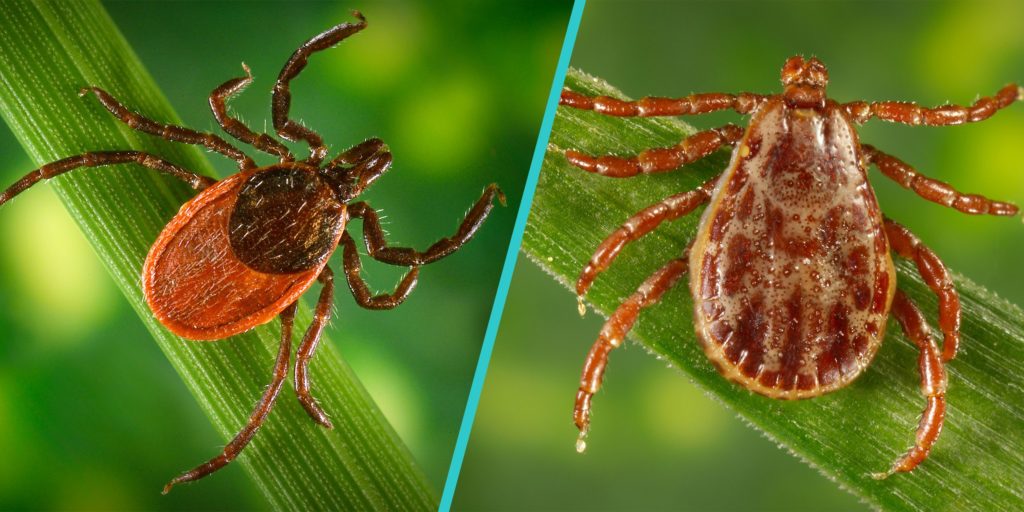
Deer tick (left) and Wood tick (right). Photo courtesy of prevention.com

Wisconsin is Tick Heaven

The Upper Midwest and the northeastern states are hardest hit by Lyme disease, and the numbers in Wisconsin are rising. According to the Wisconsin Department of Health Services, Wisconsin had 3,105 estimated cases in 2018.

Once considered to be a north woods hazard, deer ticks are now found in every county of the state. Deer are an important blood source for adult ticks, and in 2018 overwinter deer densities in the state varied from three to over 60 per square mile. The abundant woodlands interspersed with agriculture throughout much of central and southwestern Wisconsin creates high quality deer habitat.

“There’s been a change in the past 25 years,” says Dr. Susan Paskewitz, chair of the UW-Madison Department of Entomology. Ticks thrive in moist, shady forested environments, and love our increasingly mild winters. “We find them in pine forests, mixed forests and deciduous forests.”

Paskewitz has sampled along the woody edges and out into the yard in neighborhoods in Eau Claire and near Delton.

“Of 90 houses tested, by the end of June, 80 percent of them had at least one deer tick in the area we were sampling. Most were within three to six feet of the woods,” Paskewitz continued, “but a few were found in bright, open, mowed lawn. I don’t think they live long there, but they were making their way out there, so if you are walking out to get your mail without your shoes on, you might pick up that particular tick.”  (See link for article)

____________________

**Comment**

They say a picture‘s worth a thousand words.  The picture of this tick in the gum line in the mouth of a dog shows how durable and tenacious ticks are.

A few points for consideration:

  • Migrating birds, rodents, deer, lizards, and human movement are transporting ticks everywhere.  For far too long doctors have been looking at maps to diagnose people.  Trust me, ticks are virtually everywhere and adapt to weather conditions quite easily.
  • If I’ve written this once, I’ve written it 1,000 times – many people never see the tick or the rash and research shows the rash is highly variable – certainly not a sure thing.  
  • For more on tick prevention:  https://madisonarealymesupportgroup.com/2019/04/12/tick-prevention-2019/  I’m happy to report I saw some controlled burning in ditches as I was driving North today.  This has proven to reduce tick populations significantly.  I wish more of this was happening.
  • Regarding the section on if you find a tick bite: while it’s true that removing the tick as soon as possible is step #1, step #2 is getting prompt treatment as the “wait and see” approach has doomed patients to decades of suffering.  Demand immediate prophylactic treatment for each and every tick bite.  Trust me – whatever mild side effects and inconvenience a month or two’s worth of doxycycline can cause is nothing compared to the pain and suffering of a chronic, relapsing infection.
  • Testing for all tick-borne illnesses is abysmal.  Lyme is just the tip of the spear.  Ticks are literal garbage cans full of numerous pathogens they can transmit in just one bite.  The only infections listed in this article were Lyme disease, Anaplasmosis, and Babesia, when there are 19 and counting infections ticks can transmit.  Research has shown being infected with more than one pathogen causes more severe illness for a longer duration.  It is imperative that treatment includes medications that focus on each pathogen.  For the mounting list of tick-borne pathogens:
    • Babesiosis
    • Bartonellosis
    • Borrelia miyamotoi
    • Bourbon Virus
    • Colorado Tick Fever
    • Crimean-Congo hemorrhagic Fever
    • Ehrlichiosis/Anaplasmosis
    • Heartland Virus
    • Meat Allergy/Alpha Gal
    • Pacific Coast Tick Fever: Richettsia philipii
    • Powassan Encephalitis
    • Q Fever
    • Rickettsia parkeri Richettsiosis
    • Rocky Mountain Spotted Fever (RMSF)
    • SFTS: Severe Fever with Thrombocytopenia Syndrome
    • STARI: Southern Tick-Associated Rash Illness
    • Tickborne meningoencephalitis
    • Tick Paralysis
    • Tularemia
  • While the wood tick and deer tick are the most common ticks in Wisconsin, they are hardly the only ticks we must be concerned about.  Go here for more on the various types of ticks and the diseases they carry. The Lone Star tick has been found in Wisconsin and one allergist in MN states he diagnoses approximately 1 patient per month with Alpha-gal allergy – some patients hailing from WI.  Wisconsin is a hot-spot for Powassan virus, and we recently had our first death due to Rocky Mountain Spotted Fever. It would be a huge mistake to believe you only have to worry about Lyme, Anaplasmosis, and Babesia in Wisconsin.  Nearly every patient I work with also has Bartonella – a tenacious pathogen that isn’t even on most doctors’ radars, and Mycoplasma is very common.
  • Most articles such as these don’t tell you what to do once you’ve become infected. Optimally, you would be prepared before this ever happened by finding the Lyme literate doctors (LLMD) in your state.  The best way to do this is to contact your local Lyme support group. There is also a tab on the right side of this website called, “Find a Lyme Support Group.”  There is also another tab slightly down from that in which you can contact ILADS directly for doctors in your area.  Read this if you don’t know what a LLMD is.  LLMDs are specially trained in tick-borne illness and know how to diagnose patients clinically.  This is crucial because current 2-tiered CDC testing misses anywhere from 70-85% of cases or more.  You truly can not trust testing.  They also know how to treat this complex illness that typically is far more than just Lyme.

May Lyme Awareness Talk, 2021

http://

May 5, 2021

Lyme Awareness Talk

According the the Centers for Disease Control and Prevention (CDC), the average number of Lyme disease cases has more than doubled over the last decade.  In this presentation, Alicia Cashman from the Madison Lyme Support Group discusses tick-born illness, why it’s so difficult to obtain help, symptoms, prevention, and real life experience of patients.  The program was made possible through funding from the Friends of the Oregon Library.

Slide 1: Lyme Disease a 21st Century Pandemic
Slide 2: Why should we care about Lyme disease:
Slide 3: The History of Lyme disease:
Slide 4:  What is Lyme disease?
  • The CDC/NIH/IDSA accepted narrative
  • Reality
Slide 5: Pleomorphism (Lyme shape-shifts)
Slide 6: Video of a spirochetal cluster grown from a sick patient’s blood
Slide 7: Polymicrobialism (There are often other infections involved)
Slide 8:  How is Lyme Transmitted?
  • The CDC accepted narrative
  • Reality
Slide 9:  Congenital Lyme – is real
Slide 10: How is Lyme diagnosed?
Slide 11:  Symptoms of Lyme disease
  • CDC accepted narrative
  • Reality
Slide 12: Lyme disease signs and symptoms explained by Dr. Aucott of Johns Hopkins
  • Patients can jump to stage 3 quickly and bypass the other stages.  I give the example of the little girl who went out to play, got a tick bite above her eye and within 4-6 hours couldn’t walk or talk.
  • Many never see the tick or the rash
  • While the rash is diagnostic for Lyme (if you have the rash, you have Lyme – no testing required), you may still be infected even if you don’t have the rash. Most doctors are uneducated, don’t know what the rash looks like, and mistakenly tell people they got a spider or other bug bite.  The rash can also be irregular: https://madisonarealymesupportgroup.com/2020/07/18/misdiagnosis-of-lyme-caused-rash-can-have-potentially-fatal-consequences/
Slide 13: Why are definitions important?
  • Organism
  • Transmission
  • Treatment
Slide 14:  Tick Prevention
Slide 15: Willy Burgdorfer, the “discoverer” of Lyme
Slide 16: New Treatments for Lyme disease
Please remember that most patients are infected with numerous infections.  Treatment should reflect this as research shows patients fighting numerous infections simultaneously have more severe symptoms for a much longer duration.
Slide 17: Hollywood Stars infected with Lyme

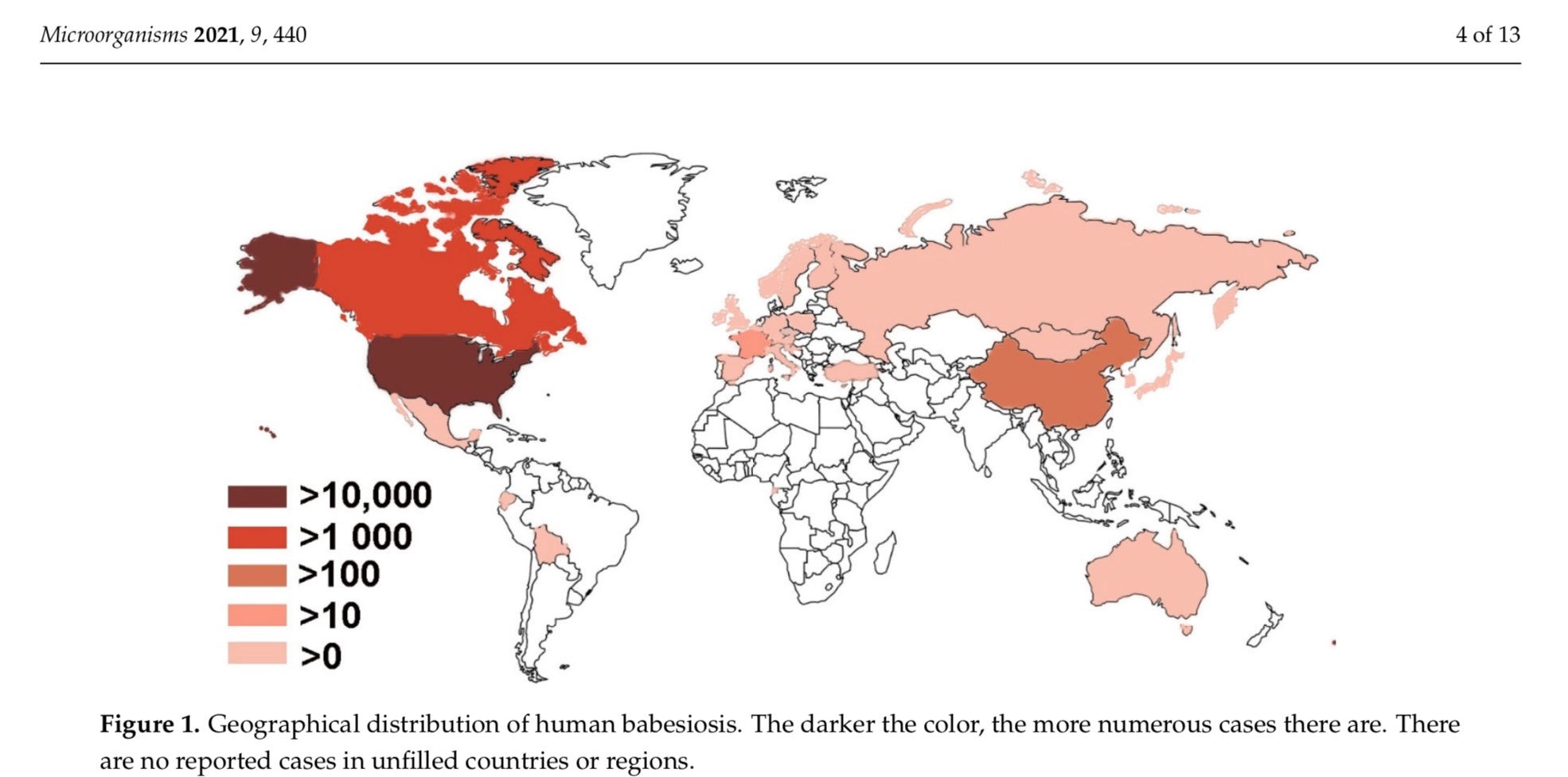
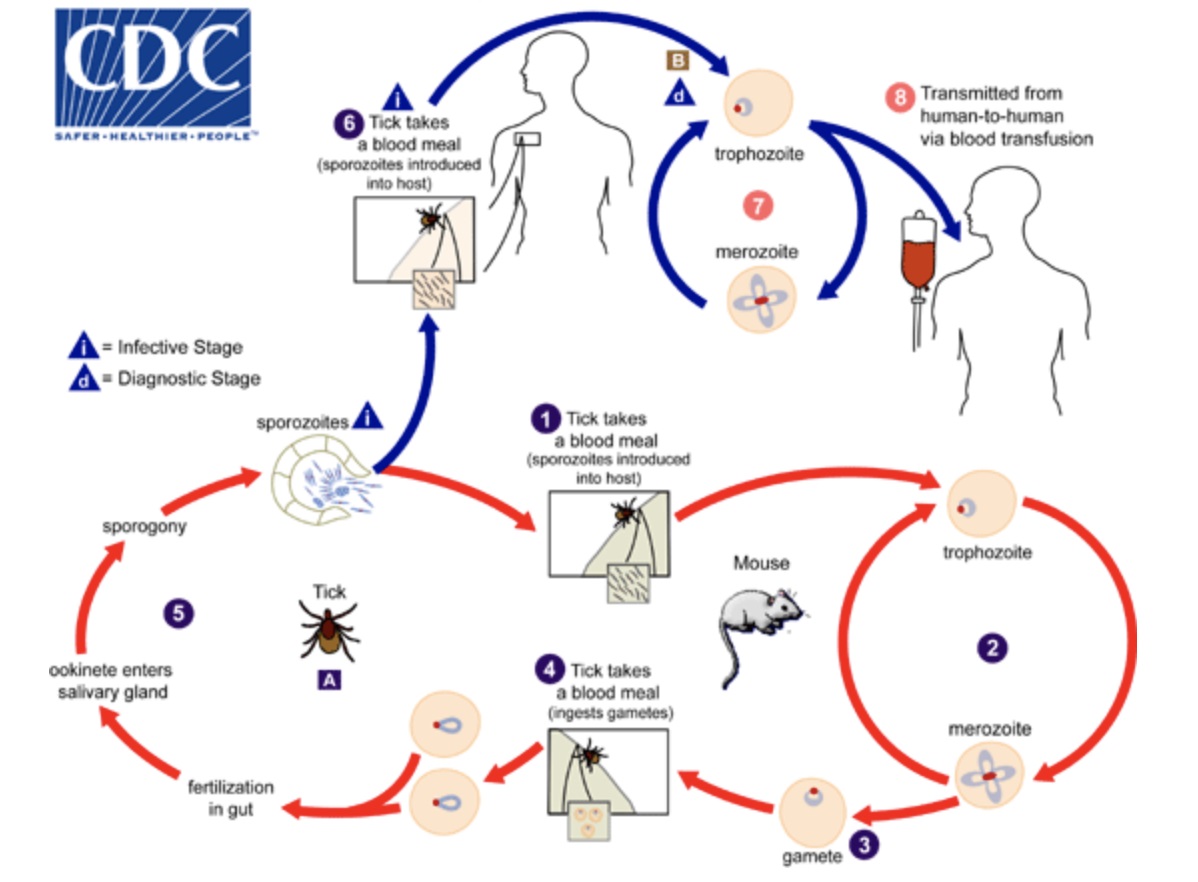
North America is “Ground Zero” For Babesiosis

https://www.lymedisease.org/ground-zero-babesiosis/

By Lonnie Marcum

12 APR 2021

LYME SCI: North America is “ground zero” for babesiosis

 
Please don’t make the mistake of limiting these various strains of Babesia or ANY tick-borne illness to certain geographical locations.  Migrating birds are dropping ticks all of the world with abandon – including places they’ve never been before.  For far too long, doctors have looked at geographic maps to diagnose people.  This has caused untold suffering and harm  and must stop.
 
 
Recently, this article came out on Jonh’s Hopkins finding 5 herbs that work in vitro for Babesia.  Please see my comment after the article about the need for caution as what is found in vitro often does not translate out into the body.  Previous work on Stevia is a perfect example.  Here’s another good article on the topic as well.
 
Again – not trying to be a “Debbie Downer” just realistic and wary.  


7 Things You Need to Know About Protecting Your Pet From Insect-Borne Diseases

https://www.vetmed.wisc.edu/7-things-to-know-about-protecting-your-pet-from-insect-borne-diseases/

7 THINGS YOU NEED TO KNOW ABOUT PROTECTING YOUR PET FROM INSECT-BORNE DISEASES

woman with dog outsideAs the weather warms here in Wisconsin, many pet owners will be spending increasing amounts of time outdoors with their pets. With recommendations from UW Veterinary Care’s Primary Care service, here’s what you need to know to keep your pet safe while enjoying the sunshine.

  1. Insect prevention should take place year-round, not just in the warmer months.

Although insects and arachnids such as mosquitos and ticks are not typically active during the winter months in Wisconsin, several tick species can become active when the temperature is above freezing. During springtime temperature fluctuations, it is difficult to know when to begin preventative treatment. Instead, a much safer option is opting for year-round preventive therapies to ensure that your pet is adequately protected.

  1. Several types of bugs and parasites can transmit disease to your pet.

cat on leash outside

These include mosquitos (which can transmit heartworm), ticks (which can transmit Lyme disease, anaplasmosis or ehrlichiosis) and fleas (which can transmit tapeworms). Additionally, several critters can cause generalized itchiness to your pet, including mites, lice and fleas.

  1. There are many different preventative treatment options for protecting your pet from insect-borne diseases.

Your vet can help you to find the best treatment option for your pets. Preventative treatments range from monthly pills to flea and tick collars to yearly injections, depending on the target species and the pet owner’s preference.

  1. Some pets are at a higher risk for contracting an insect-borne disease than others.

Pets that spend a lot of time outdoors, such as hunting dogs, or pets that live in high-risk counties in Wisconsin are more likely to contract an insect-borne disease. You can visit the Companion Animal Parasite Council parasite prevalence maps to learn more about disease prevalence where you live or where you will be traveling.

  1. Visually searching for ticks on your pet should not be a substitute for preventative therapy.
Report Tick Encounters
Help prevent tick encounters and tick-borne diseases with The Tick App, developed as part of a collaborative research study between the Midwest and Northeast Centers of Excellence in Vector-Borne Disease. By sharing when and where you encounter ticks, you will help researchers understand how and where people are exposed and design better prevention strategies. The app also provides information on tick identification, safely removing ticks, preventing tick bites and more.

Even though it is important to search for and remove ticks from your pet during the summer high season, this does not replace preventative tick therapies. Nymphal or immature ticks can spread Lyme disease, and at about one millimeter in size (similar to a poppy seed) they are difficult to see with the naked eye.

  1. Preventative treatment options are safe for your pet.

If your pet has underlying health issues, be sure to discuss treatment options with your vet. For most pets, however, preventative treatment is much safer and less invasive than treating your pet for insect-borne diseases.

  1. Your pet should still be screened for insect-transmitted diseases every year or two, depending on your preventative treatment method.

This will ensure that the disease is diagnosed and treated sooner rather than later. If your pet is displaying symptoms such as coughing, difficulty breathing, lethargy or joint pain, be sure to see your veterinarian, as these can be signs of an insect-borne disease.

Maddie Arthur

_______________________

For more:

4 Tips to Avoid Ticks in the Yard & Garden

https://globallymealliance.org/4-tips-to-avoid-ticks-and-lyme-disease-in-the-garden/

By Richard Gillespie

In spring and through much of the year, you may find yourself exercising your green thumbs in your garden. The last thing you want is to have a thumb, ankle, or some other body part bitten by a tick — especially one carrying Lyme disease.

While blacklegged ticks — sometimes called “deer ticks” — migrate most easily through forests and along rivers, they can also find their way into your garden and pose a threat to you and your pets.

While the world focuses on COVID-19, it’s important not to forget other health threats lurking in our communities. One of the most worrisome is Lyme disease. The only thing you need to distance yourself from, to avoid this deadly disease is blacklegged ticks.

Here are four ways you can reduce your risk of encountering ticks in your garden and around your yard as spring approaches and you head outdoors.

1. REMOVE TICK HIDING PLACES

Rake the leaves and other debris that accumulated over the winter. Clear brush and dead grass from along fences and beneath shrubs and hedges. Weed the garden and mow the lawn often, because ticks thrive in long grass and shaded areas.
Stack wood neatly and away from the garden to discourage both ticks and the rodents that carry them. Get rid of old, worn furniture or clutter, so ticks have fewer places to hide.

2. FENCE OUT TICKS

If your garden or yard is inviting to deer, stray dogs, rabbits, and raccoons, fence it off. All of these animals are carriers of ticks, so a fence will help to keep these pests out of your garden too.

Fences make good neighbors. Fences also can protect your garden and you from ticks catching a ride on creatures that would otherwise feast on your lettuce and other tempting greenery.

3. BUILD BARRIERS TO GARDENS AND PATIOS

Place 3-foot barriers of gravel or wood chips between your yard and any adjacent wooded area to prevent ticks from crawling onto your property. It’s also a good idea to put up a barrier between your deck or patio and the garden.
You can protect your kids by building their playgrounds away from the trees and garden edges. (You’ll also protect the garden from the roughhousing.) Keep in mind: More than half of Lyme Disease victims are children.

4. REPELLENTS (CHEMICAL AND NATURAL) FOR THE GARDEN

Apply pesticide at the start of spring to prevent ticks and other pests, but it’s crucial you follow label instructions to avoid killing beneficial insects. Chiggers, wolf spiders, and several varieties of beetles prey on ticks.

It’s worth noting, too, that a CDC study found that while pesticides kill ticks in yards, they do not reduce the rate of Lyme disease infection in humans.

Natural tick repellants include garlic, sage, mint, lavender, beautyberry, rosemary, and marigolds. These plants also help keep the mosquito and flea population in your garden in check. Plant these in the garden and around your deck and walkways to discourage ticks.

TICKS ARE SMALL BUT FIERCE

Ten varieties of ticks are common in the U.S. Unfortunately, the blacklegged tick is hard to spot because it’s tiny – only about the size of a sesame seed. They have orange bodies with a black shield and black legs.

Like other ticks, blacklegged ticks wait on leaves or blades of grass with front legs outstretched. When a person or animal brushes by, they quickly grab hold and find a place on the body to dig in.

The Centers for Disease Control and Prevention (CDC) estimates as many as 476,000 people contract Lyme Disease each year. The infection causes rashes, fever, headache, and fatigue. If left untreated, it can lead to neurological disorders, paralysis, and even death.

HOW TO PROTECT YOURSELF FROM TICKS CARRYING DISEASE

Blacklegged deer ticks and western blacklegged ticks are the only ticks known to transmit Lyme disease to humans. They can also transmit at least five other diseases that are harmful to people and animals. In fact, all ticks common in the U.S. can pass along pathogens that make people and animals sick – or kill them.

That’s plenty of reason to follow these four steps to ensure your garden and yard don’t become hazardous to your health.

***

For more on Lyme disease prevention, click here.


Richard Gillespie is an exterminator whose interest in household and landscape pests began as a child, when he would crank up the radio to hear “I Don’t Like Spiders and Snakes.” He prides himself on practicing humane and eco-friendly pest control, unless he finds a rat. Then, all bets are off.