Avoid Tick Bites & Info on Repellents
https://rawlsmd.com/health-articles/effective-tick-repellents-lyme-season?
How to Avoid Tick Bites + the Most Effective Tick Repellents for Lyme Season
by Dr. Bill Rawls
Updated 5/9/22
After a winter mixed with snowstorms, sleet, rain, and variable temperatures across the country, we’re all feeling pretty excited about the arrival of spring and summer. But whether winter in your region was colder, warmer, or wetter than usual, you’d still better prepare for the same aftermath: an explosion of activity in our bug populations, including the number of ticks.
In fact, pest control experts are predicting this season will likely be as bad or worse than previous years throughout many parts of the country, citing such tick-welcoming factors as trash and debris pileups, a surge of construction sites, and an expansion of outdoor dining spaces as reasons for the increase.
Another spike in the bug population is particularly disconcerting given that, between 2004 and 2016, the number of reported cases of disease from tick, mosquito, and flea bites had already tripled, according to the Centers for Disease Control and Prevention (CDC). So is our only option to spend the summer month indoors, hidden away from nature?

While the numbers are concerning, you don’t have to let them deter you from enjoying the great outdoors this season. Instead, add some natural and effective tick repellants and avoidance techniques to your tick bite prevention plan so that you can soak up the healing power of the outdoors and protect yourself from Lyme disease and other tick-borne illnesses at the same time.
Tick Avoidance Tricks
The best way to ensure you don’t get bit by a tick is to eliminate close encounters altogether. While that’s not always 100% possible, taking these steps will minimize contact significantly.

1. Wear Protective Clothing.
Before you venture outdoors, pull on a light-colored, long-sleeved shirt and pants that extend all the way down to your feet — especially if you plan on enjoying a wooded area. Long sleeves and pants will act as a barrier to your skin, while light-colored clothing will help you spot ticks more easily.

2. Stay on the Trail.
Whether you’re hiking, biking, or jogging outside, stick to a well-managed path or trail. Ticks are less likely to hang out in sunny, open spaces with minimal leaf litter or brush to conceal them.

3. Perform Regular Self-Checks.
Even the quickest physical contact with vegetation is enough to pick up a tiny hitchhiker. So if you have a close brush with nature, stop and check for ticks. Remember that some ticks are smaller than a pinhead – they can be extremely difficult to spot – so pull out your reading glasses if you have to.

4. Don’t Overlook Your Pets.
Ticks and other blood-sucking insects can also pass on harmful diseases to our furry friends. Have your pets regularly treated to reduce ticks and fleas. When your dog comes inside after running through the yard, check them thoroughly for ticks. Remember: Ticks like to hide in stealthy spots, so check your dog’s gums, ears, toes, tail, groin, and around the collar, along with the rest of the fur.

5. Maintain Your Yard.
Ticks love to hang out in tall grass, so be sure to keep your lawn trimmed this spring and summer. They also enjoy moist, shaded woodpiles. If you stack firewood in your yard, for instance, make sure it’s in a spot that gets some sun to help keep it dry.
You can also use wood to your advantage. Ticks don’t enjoy crossing over rough surfaces, so use wood chips or gravel to create a 3-foot-wide barrier between your lawn and any wooded areas. It’s not foolproof, but it will go a long way toward keeping ticks out of your yard.

6. Replace Deer-Friendly Plants.
As enjoyable as seeing deer in your backyard might be, they often carry Lyme-bearing ticks. Consider removing plants that attract deer if you can, including apple, pear, and cherry trees, as well as rhododendrons, rose bushes, pansies, daisies, lilies, tulips, and black-eyed Susans. Instead, you can replace them with plants that are not typically deer favorites, such as ornamental grass, red osier dogwood shrub, lavender, yarrow, dwarf aster, and creeping juniper groundcover.
Natural Tick Repellents

Most natural tick repellents are made with essential oils, a non-toxic alternative to synthetic insecticides and repellents that can cause skin irritation, dizziness, and disorientation when applied incorrectly. You can make your own natural solutions or buy them ready made online or in many health stores. Here are some chemical-free options for both homemade and store-bought blends you can feel good about:
1. DIY Blends
Rose-Geranium Oil
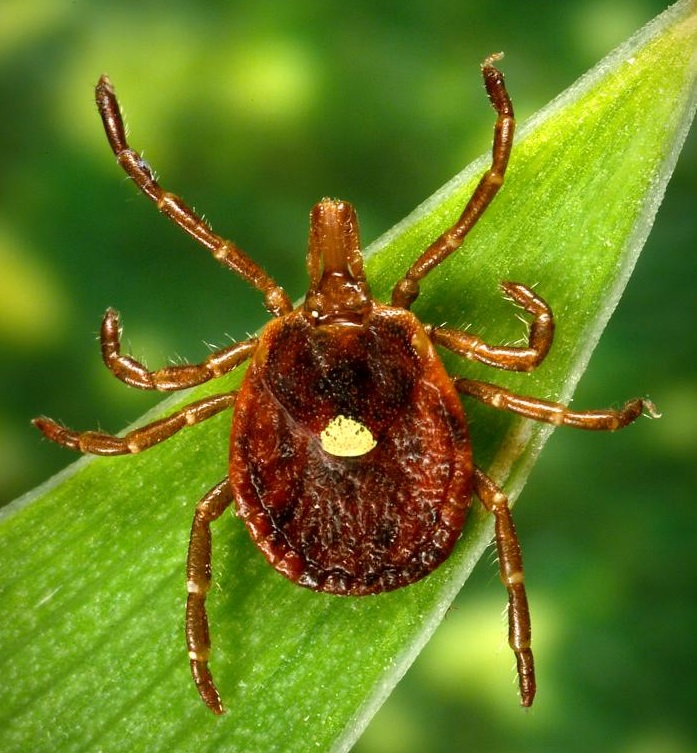
This essential oil was shown to be highly effective at deterring Lone Star ticks in a study published in the Journal of Agricultural and Food Chemistry. Combine equal parts rose-geranium oil and coconut oil, and apply it regularly to your arms, neck, waist, and ankles.
Oil of Lemon Eucalyptus
Some research suggests that a 30% lemon eucalyptus oil preparation can be as effective as DEET in preventing both mosquito and tick bites. To make your own, mix together 30 drops of oil of lemon eucalyptus with 4 ounces of witch hazel (you can also use apple cider vinegar or vodka). Some people also add a teaspoon of vanilla, which may further repel ticks.
Other Essential Oils
Research also suggests clove, thyme, citronella, and oregano compare favorably with DEET, but they must be reapplied more frequently than chemical tick repellants. Combine them with equal parts water or alcohol, shake, and apply.
2. Store-Bought Blends
Murphy’s Naturals Lemon Eucalyptus Oil Insect Repellent: Made with Citriodiol, a clinically proven 30% lemon eucalyptus oil preparation, it should be applied several times a day when spending time outdoors. Citriodiol is the only plant-based ingredient recommended by the CDC for repelling insects.
YAYA Organics Tick Ban: This tick repellent contains 100% plant-based ingredients. It’s full of essential oils that drive away ticks, including geranium, cedar, peppermint, and thyme.
Wondercide Flea, Tick & Mosquito Control for Pets and Home: Use this spray safely in your home or on your pets to help keep your living space tick-free. Wondercide ingredients are 100% naturally derived, including organic, therapeutic-grade essential oils.
3. Chemical Tick Repellants
While botanically-based bug repellants have a lower risk of unpleasant side effects, you may find they are not as effective as chemically-based ones. Below are three chemical tick repellent options that are known to work well.
DEET
DEET is the active ingredient in many popular tick and mosquito repellants, and it may be used on your clothing or skin. Although it’s considered the most effective chemical repellent, it can irritate the skin or cause rashes in some people. If you have a sensitivity to DEET, one of the other natural or chemical tick repellents may be a better option for you.
Permethrin
Apply permethrin as directed on the product to your clothing, socks, shoes, and outdoor gear. Note that permethrin isn’t for use on your skin. The chemical repellant is a non-staining, odorless, water-based substance that dries and bonds to cloth fiber. It resists degradation by sunlight, heat, and water. As a synthetic form of natural pyrethrin — a compound in chrysanthemum flowers that’s toxic to insects — permethrin specifically targets the insects’ nervous system and has low toxicity to mammals.
Picaridin
This synthetic compound is made to resemble piperine, a natural component of plants that is used to produce black pepper. Some studies show that picaridin can deliver long-lasting tick protection.
Self-Check and Tick Removal Steps
When prevention doesn’t work, diligent self-checks can help you detect and remove ticks from your body as quickly as possible and reduce the risk of contracting troublemaking microbes. Follow these four steps after you spend time gardening, hiking, picnicking, or enjoying any outdoor activity.

- Start with a thorough tick-check on your clothes. If they’re all clear, toss your clothes into the dryer and tumble dry on high heat for at least 10 minutes. Or, wash them in hot water. The high heat will kill any tiny ticks you might have missed.
- Before you get dressed again, conduct a full-body check. Ticks prefer warm, moist places, so be sure to check your armpits, in and around your ears, the back of your knees, between your legs, and around your hairline. If you have time, jump in the shower for a final tick check and rinse off.
- If you do find a tick, remove it immediately. Use fine-tipped tweezers to grab the tick’s mouthparts as close to the skin’s surface as possible. Don’t twist or jerk the tick — this can cause parts of the insect to break off and remain in the skin. Instead, pull upward with a steady, even motion.
- After removing the tick, thoroughly cleanse the bite area using rubbing alcohol, an iodine scrub, or soap and water, and wash your hands. If you wish to get the tick tested for harmful microbes, place it in a jar or plastic bag with a moist cotton ball and send it to a testing lab, such IGenex, Ticknology, or TickReport. To dispose of the tick, submerge it in alcohol, then flush it down the toilet or place it in a sealed bag or container in the trash.
Even with speedy removal, contact your healthcare provider about the bite. Because Lyme disease testing can be inaccurate in the early stages, some physicians may wish to treat you with a preventative course of antibiotics rather than adopt a wait-and-see approach. Note: Not everyone who contracts Lyme disease develops the classic bull’s-eye rash, but if you do, that’s the telltale sign you’ve contracted the tick-borne illness and should seek treatment.
Finally, remember that maintaining a strong immune system is key to fending off any tick-borne illness: Utilizing a comprehensive herbal therapy protocol, following a healthy and plant-heavy diet, staying physically active, and minimizing toxin exposure and stress is your absolute best recipe for optimizing your health and wellness.
Dr. Rawls is a physician who overcame Lyme disease through natural herbal therapy. You can learn more about Lyme disease in Dr. Rawls’ new best selling book, Unlocking Lyme. You can also learn about Dr. Rawls’ personal journey in overcoming Lyme disease and fibromyalgia in his popular blog post, My Chronic Lyme Journey. Learn About Dr. Rawls’ Herbal Protocol »
1. Mosquito & Tick Season in NYC. MMPC website. https://www.mandmpestcontrol.com/mosquito-tick-season-in-nyc-2022/
2. Illnesses on the rise. Centers for Disease Control and Prevention website. https://www.cdc.gov/vitalsigns/vector-borne/index.html#:~:text=The%20number%20of%20reported%20cases,disease%20epidemics%20happen%20more%20frequently
3. Gardulf A, Wohlfart I, Gustafson R. A prospective cross-over field trial shows protection of lemon eucalyptus extract against tick bites. J Med Entomol. 2004 Nov;41(6):1064-7. doi: 10.1603/0022-2585-41.6.1064
4. Onyett H; Canadian Paediatric Society, Infectious Diseases and Immunization Committee. Preventing mosquito and tick bites: A Canadian update. Paediatr Child Health. 2014;19(6):326-332
5. Soutar O, Cohen F, Wall R. Essential oils as tick repellents on clothing. Exp Appl Acarol. 2019 Oct;79(2):209-219. doi: 10.1007/s10493-019-00422-z
6. Štefanidesová K, Škultéty Ľ, Sparagano OAE, Špitalská E. The repellent efficacy of eleven essential oils against adult Dermacentor reticulatus ticks. Ticks Tick Borne Dis. 2017 Aug;8(5):780-786. doi: 10.1016/j.ttbdis.2017.06.003
7. Tabanca N, Wang M, Avonto C, Chittiboyina AG, Parcher JF, Carroll JF, Kramer M, Khan IA. Bioactivity-guided investigation of geranium essential oils as natural tick repellents. J Agric Food Chem. 2013 May 1;61(17):4101-7. doi: 10.1021/jf400246a
- https://madisonarealymesupportgroup.com/2019/04/12/tick-prevention-2019/
- https://madisonarealymesupportgroup.com/2017/05/18/results-of-three-pesticides-on-ticks/
- https://madisonarealymesupportgroup.com/2021/07/29/how-to-protect-yourself-from-ticks-with-permethrin-treated-clothing/
- https://madisonarealymesupportgroup.com/2019/06/16/study-shows-effectiveness-of-factory-treated-permethrin-impregnated-clothing-works/
- https://madisonarealymesupportgroup.com/2018/05/27/study-conforms-permethrin-causes-ticks-to-drop-off-clothing/