Archive for the ‘Lyme’ Category

Dr. Gatti is Back: New Paper Shows Metals and Parasites in Plasma From a Treated Lyme/MSIDS Patient & That DFPP With Chelating Agents Might Detox These Microparticles

https://popularrationalism.substack.com/p/pollutants-in-human-plasma-found

Pollutants in Human Plasma Found via Double-Filtration Plasmapheresis Plasma Exchange

Studies in toxicology usually study urine, feces, and other secretions and measure indirectly. Dr. Gatti, whose lab was raided for reporting detection of nanoparticles in vaccines, has a new study.

Does everyone remember Drs. Gatti and Montanari?  We flew them in from Italy in 2017 to the IPAK Vaccine Safety Conference in Pittsburgh, PA? Probably not.

To help you remember:  https://www.ageofautism.com/2018/02/the-european-medicines-agency-attacked-gatti-and-montanari-last-year-in-british-medical-journal.html

and

Earlier this year, Dr. Gatti let me know they are back up and running.

The new study is of pollutants and toxins found in the extract of eluate from double-filtration plasmapheresis plasma exchange.

The new study, by Dr. Gatti and Dr. Felix Scholkmann, is entitled:

Particles in the Eluate from Double Filtration Plasmapheresis—A Case Study Using Field Emission Scanning Electron Microscopy/Energy-Dispersive X-ray Spectroscopy (FE-SEM/EDX)

By using plasmapheresis, they found

“aflatoxin B1, chromium, lead, cadmium, arsenic, lindane, cobalt, polycyclic-aromatic-hydrocarbons, disulfoton and aluminium (listed in descending concentration).”

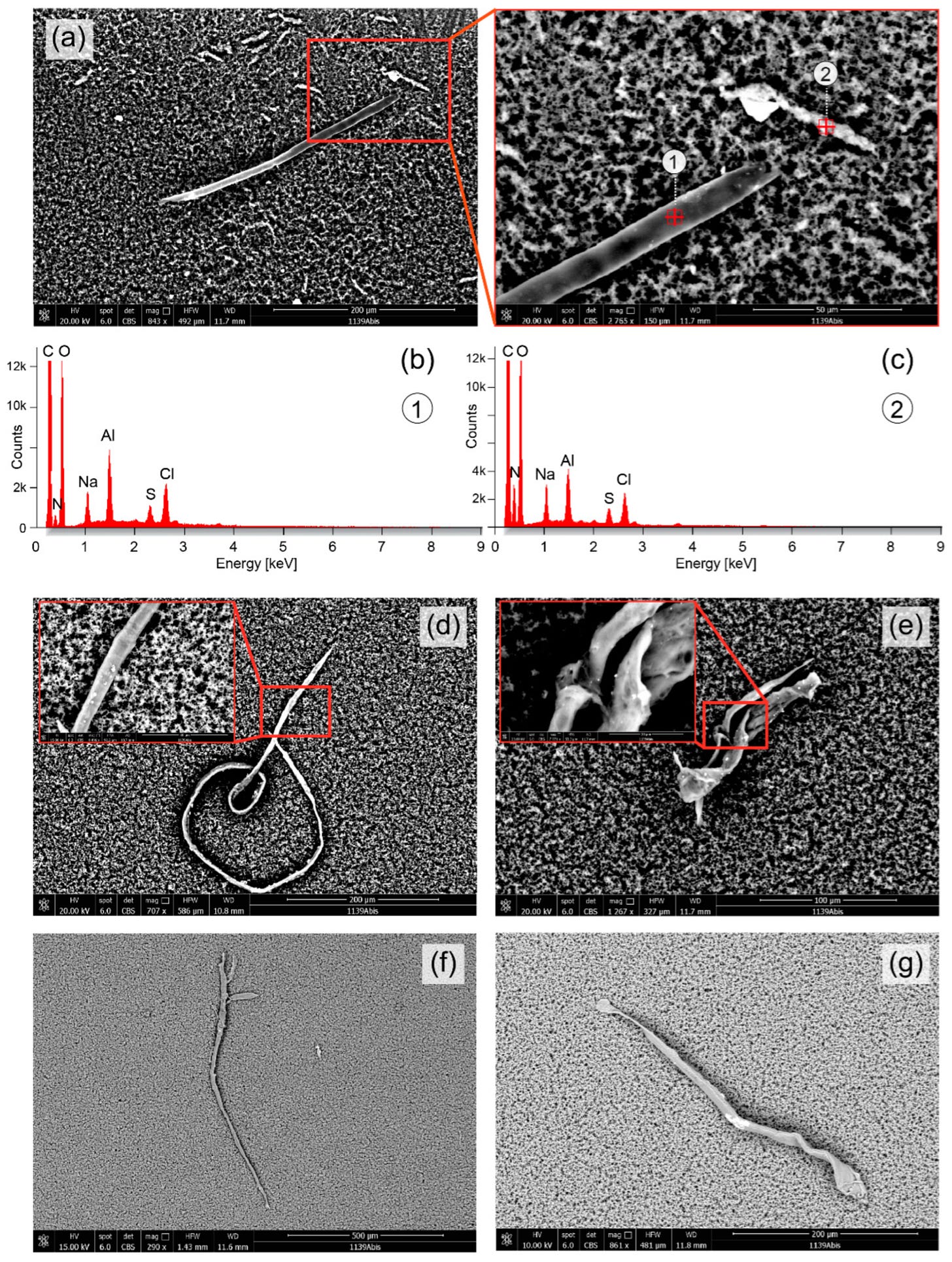
They also found unknown thread-like objects.

Makes me wonder if we should all detox this way once a year?

Dr. Gatti, congratulations on your new study and on surviving the attack on your lab by Italian authorities.

It should be possible to estimate the blood and body levels of compounds to which we are exposed, say, before and after vaccination.

Citation:

Scholkmann, Felix, and Antonietta M. Gatti. 2022. “Particles in the Eluate from Double Filtration Plasmapheresis—A Case Study Using Field Emission Scanning Electron Microscopy/Energy-Dispersive X-ray Spectroscopy (FE-SEM/EDX)” Compounds 2, no. 4: 367-377. https://doi.org/10.3390/compounds2040030

_______________

**Comment**

Plasmapheresis or plasma exchange, around since the 50’s, has been used to treat autoimmune conditions, blood disorders, viral infections, chronic inflammation, pulmonary fibrosis, MS, Graves’ disease, Myasthenia gravis, transverse myelitis, HIV-related neuropathy, cancer, and even Lyme/MSIDS. Plasma is extracted from your blood, treated, and then put back into the body.

The limitation of this study is it was on a singular patient who had been treated for the following chronic infections: 

  • Borrelia afzelii
  • Borrelia burgdorferi (CH)
  • Borrelia burgdorferi (USA)
  • Borrelia garinii
  • Chlamydia pneumoniae
  • Babesia divergens
  • Bartonella henselae
  • Rickettsia Helvetica
  • Rickettsia conorii
  • Rickettsia helvetica

The thread-like object in Figure 4d, however, has a similar morphology and size as a thread-like parasitic nematode (roundworm) of the superfamiliy Filarioridea. Ticks can be also infected with these filarial nematodes [59,60].

Excerpt:

The pollution of nano- and microparticles is an emerging health concern [32,61] and novel ways of quantifying the individual exposure as well as methods to remove these particles from the body are of imminent interest for preventing and treating human diseases. DFPP, possibly in combination with the application of chelating agents, might be a powerful way to remove these nano- and microparticles from the body. The analysis of the eluate with FE-SEM/EDX seems be a useful approach to proof this possibility.
In summary, our analysis of the eluate obtained from a DFPP application revealed particles and objects in the nm and µm range of different shape and chemical composition. Our study is the first to date to investigate the composition of an eluate obtained by DFPP with FE-SEM/EDX.
IMO, while plasmapheresis might certainly help Lyme/MSIDS, the organism(s) often don’t remain in the blood for long but migrate to immunopriviledged sites like the brain, synovial fluid, spine, and organs.  This is the problem with all treatments, and testing which rely on delivery via blood, and perfectly illustrates why the current CDC monotherapy is an absolute joke.  Further, it doesn’t take into account the relapsing nature of these pathogens which change forms in the body.  Savvy treatment purposely cycles antimicrobials which helps address these complex issues, which mainstream medicine/research is completely oblivious about.
This clearly illustrates why we should not give another dime to corrupt public health/research because insanity is doing the same thing over and over but expecting different results.
For more:

Infected During Basic Training, Vet Urges “Real” Funding for Lyme Disease

https://www.lymedisease.org/lyme-infected-during-basic-training/

Infected during basic training, vet urges “real” funding for Lyme disease

Paul Owen gave the following public comments to the federal Tick-Borne Disease Working Group on November 21, 2022.

Thank you for having me today and thank you for hearing my story. I am a father, husband, friend, voter in Ohio, software executive, former NCAA sprinter turned ultra-marathon runner and a US Army Veteran.

I am now also, not by choice, but by circumstance, a Lyme warrior and advocate for the Lyme and tick-borne illness community.

My own Lyme journey, unbeknownst to me, started in 1989, during Army Basic Combat Training at Ft Dix, New Jersey. I was bitten by three ticks. In my subsequent 7 years of service, tick bites were a common occurrence, including at Ft Leonard Wood, Missouri.

As a young soldier, I thought nothing of the small pests and was not trained to treat them as a threat. This just was not the priority or the science of the day. I never got sick from the bites. I never saw an unusual rash. I drove on like every other soldier. In short, those bites were non-eventful.

It was not until after a shoulder surgery in 2015 that the effects of the tick bites became clear. On a Saturday morning, I ran and won a 5k. On Monday morning, I could not walk up my own stairs. There were the literally hundreds of tests. From spinal taps, to sleep tests, to blood tests, to liver tests, brain scans, endoscopy, you name it. The results were always ‘normal’ and conducted by either general practitioners or by specialist referral.

Seven-year headache

Over the next 7+ years, symptoms have only worsened, to include extreme headache for the entire time (yes, that is a 7+ year headache), tremors, extreme fatigue, memory loss, getting ‘lost’ on routine errands like picking up the kids from school, almost weekly localized seizures, loss of hearing and extreme, prolonged and consistent pain in joints and connective tissues. All of which are common in Lyme and other tick-borne disease patients. In short, these diseases torture everyday people for months, years and decades.

Also, over that period of time, I have tried every bespoke treatment from each of these specialists. I have spent tens of thousands of dollars out of pocket for treatments, co-pays on doctors and tests.

The costs of this epidemic on families, the economy and military readiness are incalculable. Tick-borne diseases affect millions in the United States (and around the world). Over 400,000 are added to that list every year.This is exacerbated by the denial of insurance or even the existence of the problem. This not only causes great financial hardship for American families, but also a drain on the economy In addition, military personnel are some of the more vulnerable to tick-borne disease by the nature of their environments.

What needs to be done

First, we need to mandate the recognition of and clinical diagnosis of Lyme disease. The testing is widely known not to be accurate. These symptoms are real and in no other environment would we say that the symptoms do not justify the diagnosis. Failure to come up with a test does not justify the denial of a diagnosis or treatment. It’s nonsensical.

Second, insurance needs to be mandated to cover the costs of this disease like any other. That will have the effect of driving costs down, expanding the research and improving the overall health and well being of both civilian and military populations.

Lastly, we need REAL funding to create reliable testing and treatments. I’m not talking about millions, or tens of millions, or even hundreds of millions. This is an epidemic as serious as COVID, breast cancer, and AIDS–and should be funded as such with billions in research on testing and cures.

Finally, I want to thank the working group for your tireless efforts to champion this cause and to inform Congress on solutions and prioritizing this epidemic. Thank you for your time.

_______________

**Comment**

Similarly to the beliefs of this patient, the answer does not lie in giving more funding to agencies that have done nothing but further the misery of Lyme/MSIDS patients for over 40 years.

And, contrary to this excellent, “must see” video, the answer also does not lie in “medical consensus,” as this information was published nearly 4 years ago with ZERO change in this highly sought after “consensus.”  The pervasive propaganda about Lyme/MSIDS is so complete that about the only hope for truth is that the deniers contract it, so they personally fully grasp the deception; however, even that doesn’t assure understanding as thousands are coming down with COVID, experiencing adverse reactions, and even dying after getting the COVID gene therapy injections and people are still rolling up their sleeves for more!  The disconnect is surreal, but there you have it:

A lie can travel halfway around the world while the truth is putting on its shoes.

Genes As Biomarkers for Chronic Lyme?

https://www.lymedisease.org/35-genes-biomarkers-lyme/

Could these 35 genes be used as biomarkers for chronic Lyme?

Nov. 15, 2022

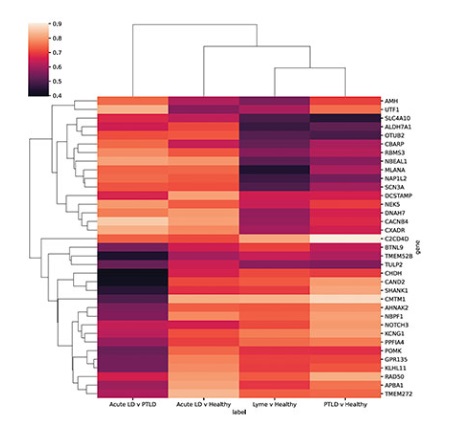
Researchers at the Icahn School of Medicine at Mount Sinai in New York have identified 35 genes that are particularly highly expressed in people with long-term Lyme disease.

These genes could potentially be used as biomarkers to diagnose patients with the condition, which is otherwise difficult to diagnose and treat.

The findings, published November 15 in the journal Cell Reports Medicine, may also lead to new therapeutic targets.

The study is the first to use transcriptomics as a blood test to measure RNA levels in patients with long-term Lyme disease.

Lyme disease is a tick-borne illness that is not well understood. Approximately 30,000 diagnosed cases are reported to the CDC each year, but the estimated real number is closer to 476,000 cases, carrying an annual healthcare cost of about $1 billion in the United States. While most patients are diagnosed and treated with antibiotics at the earliest stages of Lyme disease, about 20 percent of the patients develop long-term complications, which could include arthritis, neurologic symptoms, and/or heart problems.

“We wanted to understand whether there is a specific immune response that can be detected in the blood of patients with long-term Lyme disease to develop better diagnostics for this debilitating disease. There still remains a critical unmet need, as this disease so often goes undiagnosed or misdiagnosed,” said Avi Ma’ayan, PhD, Professor, Pharmacological Sciences, and Director of the Mount Sinai Center for Bioinformatics at Icahn Mount Sinai, and senior author of the paper. “Not enough is understood about the molecular mechanisms of long-term Lyme disease.”

Image above: Researchers at Icahn Mount Sinai in New York identified 35 genes that could be used as biomarkers to potentially diagnose patients with long-term Lyme disease. Image credit: Cell Reports Medicine

As part of the study, RNA sequencing was conducted using blood samples from 152 patients with symptoms of post-treatment Lyme disease to measure their immune response.

Differences in gene expression

Combined with RNA sequencing data from 72 patients with acute Lyme disease and 44 uninfected controls, the investigators observed differences in gene expression. They found that most of the post-treatment Lyme disease patients had a distinctive inflammatory signature compared with the acute Lyme disease group.

In addition, by analyzing the differentially expressed genes in this study along with genes that are differentially expressed due to other infections from other published studies, the researchers identified a subset of genes that were highly expressed, which have not been previously established for this Lyme-associated inflammatory response.

Using a type of artificial intelligence called machine learning, the researchers further reduced the group of genes to establish an mRNA biomarker set capable of distinguishing healthy patients from those with acute or post-treatment Lyme disease. A gene panel that measures the expression of the genes the investigators identified could be developed as a diagnostic to test for Lyme.

A new diagnostic for Lyme?

“We should not underestimate the value of using omics technologies, including transcriptomics, to measure RNA levels to detect the presence of many complex diseases, like Lyme disease. A diagnostic for Lyme disease may not be a panacea but could represent meaningful progress toward a more reliable diagnosis and, as a result, potentially better management of this disease,” said Dr. Ma’ayan.

Next, the investigators plan to repeat the study using data from single-cell transcriptomics and whole blood, apply the machine learning approach to other complex diseases that are difficult to diagnose, and develop the diagnostic gene panel and test it on samples from patients.

The paper is titled “Gene set predictor for post-treatment Lyme Disease.” Additional co-authors are Daniel J.B. Clarke, MS (Icahn Mount Sinai, New York), and Alison W. Rebman, MPH, Jinshui Fan, MD, PhD, Mark J. Soloski, PhD, and John N. Aucott, MD, all from Johns Hopkins University of Medicine in Baltimore.

The project was partially supported by funds from the Cohen Lyme & Tickborne Disease Initiative and the National Institutes of Health.

SOURCE: MountSinai.org

Study Shows Expanding Tick Populations in Colorado

https://www.lymedisease.org/study-ticks-colorado/

Study shows expanding tick populations in Colorado

A new study published in the peer-reviewed journal Ticks and Tick-borne Diseases shows that ticks capable of carrying diseases pose an emerging threat in Colorado.

The results demonstrate that American dog ticks are present in 16 Colorado counties where they had not been previously identified by the CDC.

Furthermore, Rocky Mountain wood ticks are found in 38 of the 64 Colorado counties, whereas they had only been identified in 33 previously.

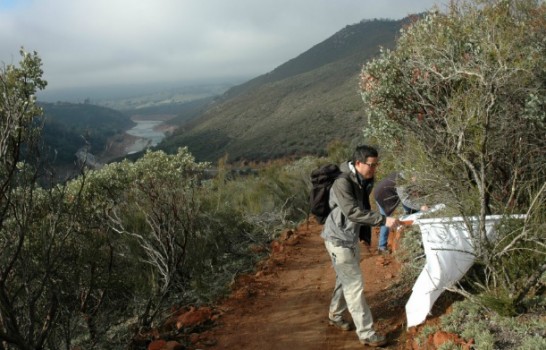
The study leveraged several sources for the study, including ticks collected by citizen scientists as part of a free tick testing program offered by the Bay Area Lyme Foundation.

“The critical takeaway from this study is that Coloradans need to take preventative measures against ticks when outdoors, such as tick checks, and doctors should be more vigilant for symptoms of tick-borne diseases including those carried by Rocky Mountain wood ticks and American dog ticks,” said Linda Giampa, executive director, Bay Area Lyme Foundation.

Citizen science

“This ecology study illustrates the power of leveraging citizen science, and we are grateful for the more than 20,000 ticks that were submitted to our national program and made this study possible.”

Conducted by researchers from Colorado State University and funded by the Bay Area Lyme Foundation, the study aimed to quantify the current county-level distribution of Rocky Mountain wood ticks, Dermacentor andersoni, and American dog ticks, Dermacentor variabilis.

The study evaluated data from ticks collected by citizen scientists and evaluated  at Northern Arizona University as part of Bay Area Lyme Foundation’s Free Tick Testing program, distribution data from the Colorado Department of Public Health and the Environment, veterinary surveillance at Oklahoma State University, and literature data.

“It was interesting to us to see American dog ticks in unexpected counties in Colorado which appear to be invading from nearby states or traveling with people and pets. And also to show that Rocky Mountain wood ticks appear, for the most part, to inhabit counties at higher elevations than American dog ticks,” said co-author Daniel Salkeld, PhD, Colorado State University.

A red flag

“This study is a red flag that, on the county-level, it is necessary to increase tick surveillance locally, and, on an individual level, to take precautions and know the symptoms of tick-borne diseases.”

Rocky Mountain wood ticks and American dog ticks are both known carriers of Rickettsia rickettsii, which causes Rocky Mountain spotted fever, a disease that is on the rise in the US. They also carry Francisella tularensis which causes tularemia, a potentially life-threatening disease that has seen a spike in incidence in recent data.

According to this study, both species of tick were found on humans and dogs. Rocky Mountain wood ticks appear to be more attracted to humans, with this tick representing 58% of ticks attached to humans, compared to the American dog tick, which represented 92% of ticks attached to dogs.

“The citizen science approach has been critical to supporting our efforts as widespread active surveillance programs in Colorado have had difficulty due to the state’s diverse terrain and no Colorado counties regularly conduct these,” said lead author Elizabeth Freeman, MPH, Colorado State University.

More surveillance needed

“With the knowledge that there is a risk of encountering both the Rocky Mountain wood tick and American dog tick in Colorado, there should be more motivation to further enhance surveillance studies to fully understand the public’s risk of disease.”

Citizen scientists collected and provided the ticks evaluated in the study as part of Bay Area Lyme Foundation’s Free Tick Testing program, which collected more than 20,400 ticks, of which 8,954 are Ixodes ticks capable of carrying the most common tick-borne pathogens.

This new study expands on previous research identifying ticks capable of carrying Lyme and other tick-borne diseases in 83 counties (in 24 states) where these ticks had not been previously recorded.

Some of the new county reports are likely due to travel-associated exposures (e.g., Montana), but many counties, such as those in Colorado, are in close proximity to previously known locations, illustrating either spreading range of ticks or the need for expanded on-the-ground surveillance.

The research was conducted through a partnership between Bay Area Lyme Foundation, Northern Arizona University, Colorado State University and the Translational Genomics Research Institute (TGen).

Interactive maps show the distribution by county of the tick species collected, including western blacklegged tick, blacklegged tick, American dog tick, lone star tick. Prevalence of Rocky Mountain wood ticks in this study were not previously evaluated and reported.

Ticks sent to the initiative from January 2016 through August 2019 were tested free of charge. These data were categorized, mapped, and recorded, as well as provided to the submitter. Ticks were submitted from every state except Alaska. The program received a six-fold increase in tick submissions over initial estimates, representing unprecedented national coordination of a ‘citizen science’ effort and diagnostic investigation.

Click here to read the study.

SOURCE: Bay Area Lyme Foundation

________________

For more:

I am ever grateful they did not blame the climate.  Independent research has shown the climate is a nothing burger when it comes to tick and disease proliferation despite the continued narrative by corrupt science, politics, and climate alarmists.

Experts continue to speak out to deaf ears.

What This Boy Learned Young About His Mom’s Chronic Lyme Disease

https://www.lymedisease.org/boy-mom-chronic-lyme-disease/

What this boy learned young about his mom’s chronic Lyme disease

It can be tough to be a kid when your mom has chronic Lyme disease. Jessica Devine and her 14 year old son Parker know all about that.

Jessica was bitten by a tick and started having serious health issues when Parker was four years old. She recently posted the following on Facebook:

When he was 6, I remember being home alone with him and was about to have a seizure. I had to guide my little boy in the dark to take a flashlight and go next door to where my parents lived (in the country—so scarier) to get help. He was so brave!

He used to keep checking on me when I would have to take supervised baths wearing a bathing suit so he knew to go get help if I needed it.

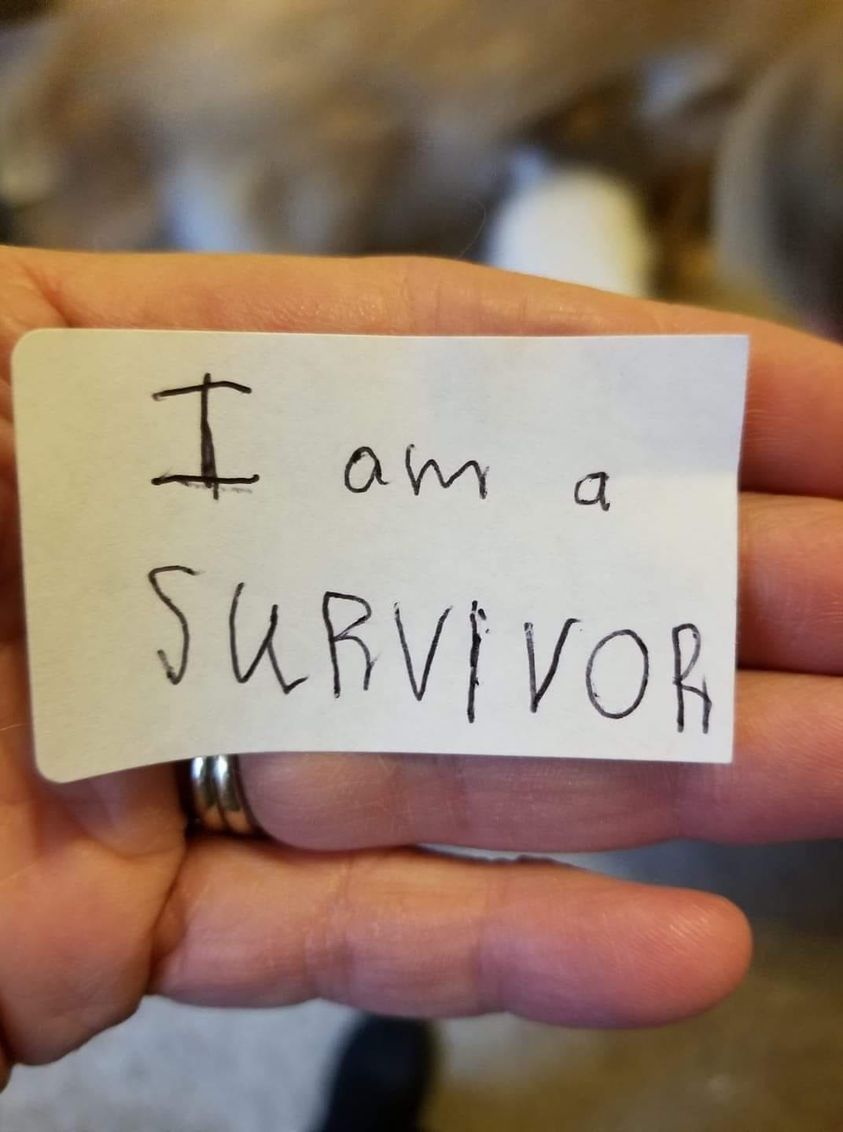
He knew what things to grab for me when I couldn’t help myself. I have a video when he was 8 and he could name all of my co-infections. I was shocked he paid that much attention. He would make me bracelets that said “brave” on them. Instead of placing “kick me” stickers on my back, he would write I AM A SURVIVOR.

He has witnessed some awful stuff as a child of a parent with Lyme. He is beyond special. Kind and compassionate and ALWAYS the first to know if something is wrong with me, even now at almost 14 years old. I cherish who he is.

His assignment for school was to write a poem. Last night he said “Mom, can you come to my room?” So I followed him, sat down, and he read me this poem. I was speechless and cried. We hugged a long time.

LIME

I hate Limes…
just the word makes me sick.
They don’t taste necessarily bad but,
they just… I don’t know…
but I do know that I hate them…
They are like budget lemons. Too scared to
be sour enough. Always, “Lemon-lime Drink”
Why not “Lemon Drink” or “Lime Drink”?
Just make up your mind already!
The color isn’t even that nice, it’s the color of barf.

A Lime is the broken alarm clock that needs an alarm clock to wake up on time.
A Lime feels like a glass of lukewarm water on a hot summer day.
A Lime is the friend in the group that is just there for the popularity…
and that it is what makes it petty.
It doesn’t try to get better… it just tears down everything around it.
Trying desperately to “get what it wants”
What is it trying to do then huh?

It ain’t trying to do anything? But it takes the lives of so many… so many…
INNOCENT PEOPLE
Who have nothing but hope and those like them.
BECAUSE THE DOCTORS DENY THEIR PROBLEMS ARE REAL
They deny that the Limes are there because they hide.
And because the doctors “aren’t good enough to look”
And those innocent people usually can’t even find the Limes until it is
TOO LATE.

But I guess I am lucky because I get to hate limes.
Me and my loved ones are here on this planet long enough to hate those limes.
And even though I am just one small piece of hope in the big picture,
It still hurts to hear when people so young are challenged so fast.
And sometimes the survivors need to help those who can’t help themselves.
Together.
Because they have hope,
because they have knowledge,
and because they have love…
Did I mention that I hate Lyme?

~Parker Devine

Jessica contracted Lyme disease while living in California. She now lives in Washington state and runs the RISE ABOVE LYME support group on Facebook.

TOUCHED BY LYME is written by Dorothy Kupcha Leland, President of LymeDisease.org. She is co-author of When Your Child Has Lyme Disease: A Parent’s Survival Guide. Contact her at dleland@lymedisease.org.

_________________

**Comment**

Like so many patients, Jessica refuses to stay down but turns Lyme into Lymeaid by educating those in the state of California where she lives.  And like so many children of parents with Lyme/MSIDS, Parker has chosen to be a voice in the darkness.