http://wwwnc.cdc.gov/eid/article/18/10/12-0621_article POW is a single-stranded RNA virus in the genus Flavivirus of the Flaviviridae family. There is substantial serologic cross-reaction with other flaviviruses (dengue, St. Louis encephalitis, yellow fever, Japanese B encephalitis, West Nile virus). RNA viruses generally have high mutation rates. Both prototypic (POWV) and deer tick virus (DTV) genotypes exist and are cousins to the tick-borne encephalitis virus causing significant illness in Europe. All sequenced strains in Minnesota are of the DTV genotype.
https://www.dhs.wisconsin.gov/tickborne/powa-april-2010-wmj.pdf Presence of POW-lineage viruses has been well documented in at least 38 mammal species including small and medium sized wild animals (rodents, woodchucks, skunks) and domestic animals (dogs, cats), with several species of ticks proven to be vectors at this time. Human infection with Powassan Virus has been documented in North America and Russia.
Selection bias in identifying the infection may exist, diminishing the reported incidence to only patients with severe disease.
http://www.cdc.gov/mmwr/preview/mmwrhtml/mm5035a4.htm Because of the lack of awareness and the need for specialized laboratory tests to confirm diagnosis, the frequency of POW encephalitis may be greater than previously suspected.POW encephalitis should be included in the differential diagnosis of all encephalitis cases occurring in the northern United States, especially the Northeast. Laboratory tests for POW virus infection are not commercially available but can be requested through state public health laboratories for testing at CDC; however, Coppe Laboratories, right here in Waukesha, Wisconsin, has a direct and indirect test for Powassan virus. It requires a simple blood draw. http://wisconsinwoodlands.org/study-of-wisconsin-ticks/ In this article Coppe Lab collected more than 2,000 ticks and found borrelia(the causative agent in Lyme Disease) in more than half as well as a high number of POW/deer tick viruses in ticks of hyper-endemic regions of NW Wisconsin, and that ticks carrying disease are in almost every county in WI.
The virus is becoming more common in humans and appears to differ from Lyme Disease (borrelia) in that it is transmitted much more quickly (within minutes) and fatally (10-15% of cases), with 60% of patients who survive have permanent neurological dysfunction; however, please know that there is disagreement in the medical community on transmission times and much remains unclear. It is warned that only a single strain of POW has been used to determine vector competence or transmission time or viral amount to cause clinical illness. http://labs.russell.wisc.edu/wisconsin-ticks/powassan-virus/
https://wwwnc.cdc.gov/eid/article/23/8/16-1971_article A study in Marshfield, WI showed that when 95 patients were tested for suspected tick-borne disease, 66% showed evidence of current or prior Lyme infection. Of those patients, 17% had serologic evidence of acute POWV infection, demonstrating that POWV may affect more patients than we know.
The biggest challenge in addressing the Powassan infection will be distinguishing it from Lyme disease. The similarity of their etiology and symptomatology is extraordinary. If symptoms exacerbate rapidly, then that may be the critical sign that a Powassan virus is present.
http://naturalsociety.com/powassan-virus-ticks-now-carrying-virus-worse-than-lyme-disease/ The Powassan virus attacks the nervous system and can infect the brain causing inflammation (encephalitis). It can also affect the lining of the brain (meningitis). Symptoms vary widely from none to death. http://wwwnc.cdc.gov/eid/article/18/10/12-0621_article Patients with POW infection typically exhibit encephalitis after an incubation period of 1–4 weeks.Fever and headache are common. Mental status changes, cerebellar symptoms (trouble with motor control, attention, and language), and weakness or paralysis in half of the body (reported in 50% of cases) are also common and may be severe. Results of CSF testing and brain imaging are generally consistent with viral encephalitis. Reverse transcription PCR of CSF, serologic testing of CSF, and serologic testing of serum are the preferred diagnostic tests, but they are not widely available. Pathogenesis is due to lymphocytic infiltration of perivascular neuronal tissue with a predilection for gray matter, including thalamus, midbrain, and cerebellum. Other symptoms include but are not limited to: fever, headache, vomiting, weakness, and memory loss.
http://wwwnc.cdc.gov/eid/article/18/10/12-0621_article Case Report: On May 30, 2011 a 67-year-old woman from Aitkin, Minnesota checked into the Abbott Northwestern Hospital in Minneapolis, complaining of dizziness, high fever, chills, nausea and malaise, as well as intermittent confusion with slurred speech. As an avid gardener and hiker, the woman had been exposed to a number of vectors endemic to her area, such as deer ticks and mosquitos. She also had a long history of medical issues, including colon cancer, hypertension, cutaneous lupus, and a remote cerebral aneurysm, which was treated surgically.Although the patient was alert upon arrival at the medical facility, by the next day her condition severely deteriorated. Within hours she became unresponsive. Over night her breathing stopped completely and she required intubation. The patient remained in her comatose state for nearly two weeks before the medical ventilator was removed and she died. It was not until after the patient’s death that serological testing was able to identify Powassan Virus (POWV) as the disease agent.
Arbovirus Infection MnLA Jan 2016-3 Very informative slide presentation by Dr. David Baewer, Chief Medical Officer, Coppe Laboratories, Waukesha, Wisconsin.
Please discuss all treatment options with your health care professional
Antibiotics are not effective against viruses, and no effective anti-viral drugs have been discovered for POW, hence there is no specific treatment; however, there is much that can be done to improve the immune system, thereby, lessoning the effects of the virus, as well as taking medications to reduce brain swelling, respiratory support, and IV fluids.
http://health-truth.com/our-program/health-articles/chronic-fatigue-syndrome/how-to-conquer-the-viral-bacterial-syndrome/ According to Michael Biamonte, C.C.D., the immune system uses nutrients from food to manufacture substances that attack and kill viruses. Viruses help bacteria by invading the cells in an area, and if the immune system is too weak, bacteria begin to swarm the damaged cells invaded by the virus. As the virus begins to die having gone through its life cycle, the bacteria then start a secondary infection. For an MSIDS (multi systemic infectious disease syndrome) patient, they might be fighting borrelia (Lyme), Babesia, Bartonella, and many more pathogens, on top of viruses. This makes their disease much more complex.
Biomonte says to avoid sugar as it reduces the number of white bloods cells which fight off infection. He states that garlic is the most effective food against all infections as well as Echinacea, Zinc, water-soluble vitamin A, protein (stimulates the adrenal and thyroid), and eggs (containlarge quantities of lecithin).
http://science.howstuffworks.com/life/cellular-microscopic/light-virus.htm Interestingly, a study done at Arizona State and Johns Hopkins shows strong, quick blasts of purple light from a low power laser can kill viruses by vibrating and damaging their outer shells, but unlike other treatments doesn’t cause mutatations leading to viral resistance. Blood UV radiation, similarly to the laser, also kills viruses by breaking down their cell walls.
Anti-virals:
Green Tea
Licorice (glycyrrhizin)
Pau D-Arco
Olive Leaf
Elderberry
Zinc
Garlic
Echinacea
St. John’s Wort
Coconut oil
Eucalyptus oil
Vitamin C
Due to space constraints this article will ONLY cover the treatment of borrelia, the causative agent of Lyme Disease. To see treatments for the various co-infections, type Bartonella, Babesia, Mycoplasma, Parasites, Toxoplasmosis, or Powassan Virus treatment into the search bar for those articles. I hope to add to this list in the future. Please know a tick’s gut is often filled with 19 and counting pathogens with the potential to infect you with only one bite. This is an important but overlooked issue as many of these pathogens will not respond to doxycycline – the drug of choice for most uneducated general practitioners following the CDC/IDSA treatment guidelines.
Current research indicates many are infected with more than Lyme: Key quote:
“Our findings recognize that microbial infections in patients suffering from TBDs do not follow the one microbe, one disease Germ Theory as 65% of the TBD patients produce immune responses to various microbes.”
I believe that two reasons keeping many from improving are due to polymicrobialism (infection with more than one pathogen) and pleomorphism (the ability of many pathogens to shape-shift which helps them evade and survive treatment).
Mainstream medicine does not acknowledge these issues for Lyme/MSIDS and pretty much throws doxycycline at it which is adkin to throwing sand into the ocean.
Lyme Disease or borreliosis is caused by a Gram-negative bacterium belonging to the class of Spirochaetes, which have flagella allowing it to migrate through fluids and burrow through tissues, making it highly invasive. Borrelia burgdorferi is known for its outer surface proteins OspA and OspC which have a role in transmission into the host cell, whose metabolism is limited requiring Bb to rely on its host for energy precursors. Bb is slow growing, with a doubling time of 12-18 hours, unlike Strep or Staph which doubles every 20-30 minutes, which factors into the difficulty of diagnosis. This also necessitates longer treatment time for Bb as most antibiotics kill bacteria only when they divide. There are at least 37 known species, 12 of which are Lyme Disease related to date, and an unknown number of genomic strains; however, these numbers are constantly changing due to greater strain diversity than previously thought. Further complicating things, the strains differ in clinical symptoms and/or presentation as well as geographic distribution; however, again, to put Bb strain diversity into a geographical box is a huge mistake as the bird, reptile, fox, rodents, and humans are never confined to one location and migrate freely. Further complicating things, borrelia exists in four different forms. These are the spirochete, L-form (lives in cells), microscopic cyst form (non cell wall), as well as biofilm (a protective colony) The form can change shape whenever it feels threatened and can lie dormant until conditions are beneficial. Source
This is another important point because effective treatment will address ALL of these forms as well as any coinfections. Doxycycline, again, the drug of choice for most uneducated GP’s only addresses two forms of borrelia and won’t touch many of the coinfections at all. Many practitioners feel biofilmneeds to be addressed with biofilm busters. (Things like garlic, NAC, xylitol, coffee, cranberry, enzymes, chelation, & more)
Another very real issue that few are acknowledging is the fact the non-cell wall form can lie dormant for an opportune time to emerge. There is a link between Lyme/MSIDS and dementia, Alzheimer’s, MS, Autism, PANS, and other autoimmuneconditions.
Lyme Disease (LD) is the most common vector borne disease in the U.S with the CDC estimating that there are at least 476,000 – 547,000 new cases of LD diagnosed yearly, with actual infection rates much higher.
This 2022 article statesat least 1 in 7 people globally have had or have Lyme disease.
http://www.cdc.gov/media/releases/2013/p0819-lyme-disease.html “We know that routine surveillance only gives us part of the picture, and that the true number of illnesses is much greater,” said Paul Mead, M.D., M.P.H, chief of epidemiology and surveillance for CDC’s Lyme disease program. “This new preliminary estimate confirms that Lyme disease is a tremendous public health problem in the United States, and clearly highlights the urgent need for prevention.”
Testing, by the way, is abysmal for ALL Tick borne infections including Lyme, and a clinical diagnosis is required. Current testing doesn’t measure actual pathogens but an antibody response to infection. They also are blood tests which are problematic due to borrelia’s preference for tissues allowing it to evade the immune system. The CDC’s current two-tiered testing (ELISA followed by the Western Blot) is highly insensitive. The fact that over 300,000 new cases a year are recorded bely the fact that these arbitrary and stringent tests miss over half or more of all cases. It’s a no-brainer that actual infection rates are much higher.
It’s important to see a Lyme literate doctor (LLMD) because they are educated in the nuances of testing and treatment. Many of these doctors use IGeneX lab tests and do a provocative antibiotics protocol developed by Dr. Alfred Miller to help borrelia be more detectable.
For 21 days take (this will require a prescription from a treating physician):
Azithromycin orally 500 mg once a day
Flagyl orally 500 mg daily after you eat. You can substitute Tinidazole or Tindamax if Flagyl causes gastrointestinal symptoms.
There are over 300 strains of Bb worldwide and 100 strains in the U.S. to date. Please note that the current two-tiered testing only uses ONE strain. To get a positive would be akin to winning the Lottery.
It has since been determined that Lyme disease (named for the town in which it was first identified) can be caused by any number of different species in the genus Borrelia, such as: B. andersonii, B. japonica, B. valaisiana, B. lusitanie, B. turdae. B. tunakii, B. bissettii, and B. lonestari, and the most recent discovery of B. mayonii.
If you’ve been bitten by a tick, please utilize this great resource.
Most experts agree that prompt treatment is key to regaining your health. Taking a “wait and see” approach has been maiming people and needs to end. ILADS recommends treating immediately after a tick-bite with at least 20 days of doxycycline, and refutes the notion that one or two doses will prevent illness.
Borrelia inhabits the lumen of a tick’s digestive tract. The disease is transmitted to humans from a tick bite when the bacteria migrates up to the ticks salivary glands, and through the opening created by the tick. Ticks increase salivation during gorging, prompting the migration of the saliva from the digestive tract. Because migration from the gut takes a few days, transmission of the disease usually does not happen until after the first 24 hours of attachment. Please keep in mind; however, if spirochetes are in the tick’s salivary glands, theoretically, transmission could happen immediately despite the common CDC rhetoric that a tick must be attached for 36 to 48 hours or more.
Great video on transmission time by Lyme Action Network explains that mimimum attachment time has NEVER been established.
In this article we learn of a little girl that within 4-6 hours of tick bite developed facial palsy and couldn’t walk or talk.
Clinical diagnosis must consider any skin rash, regardless of its resemblance to the bull’s-eye. Many people never recall a rash or tick bite. “Researchers note that multiple textbooks and websites prominently feature the bull’s-eye image as a visual representation of Lyme disease.” They write, “This emphasis on target-like lesions may have inadvertently contributed to an underappreciation for atypical skin lesions caused by Lyme disease.” — Some Visible Signs of Lyme Disease Are Easily Missed or Mistaken, Science Daily, Apr 22, 2013.
This article shows that the percentages seeing the rash range from 27-80%, hardly a sure thing, but a rash is diagnostic for Lyme disease – no testing required.Read comment after article
An excellent primer on LD by Lyme Action Network (Approx. 5 min)
It’s highly likely that ticks are not the sole perp
The CDC states there is NO EVIDENCE that Bb is sexually transmitted and that congenital transmission (mother to fetus) is extremely rare, despite the fact Bb is a cousin to Syphilis, is in the spirochete family, and has been found in semen and vaginal secretions:
They also emphatically state pets cannot spread the disease to their owners and that you can not become infected by air, food, water, or bites of other insects. Please glance at the following animal studies on Bb before you believe everything you are told:
Listen to this brief 3 min Youtube of Dr. Lida Mattman, an expert on cell wall deficient forms, and her belief that Bb is spread by numerous routes other than ticks. Mattman isolated living Borrelia spirochetes in mosquitoes, fleas, mites, semen, urine, blood, plasma and Cerebral Spinal Fluid. With her colleague JoAnne Whittacker, Mattman did groundbreaking work on Lyme testing. Her Gold Standard Culture Method has disappeared thanks to the concerted suppression on microscopy. In 2004 she already claimed that she could not find any uninfected blood in the USA anymore. She studied borrelia for decades and was nominated for the Nobel Prize.
Excellent video explaining the horrible testing, possible biowarfare agentsincluding Lyme Disease (Bb), lab workers becoming infected at work, Plum Island’s work with ticks, the anti-trust investigation with testimony at 18:50 by Dr. Phillip in case after case for persistent (chronic) Lyme, at 35:30 clips of pathologist Alan MacDonald who’s getting 100% positive Bb in autopsies of Alzheimer patients, testimony of a woman who miscarried due to Bb, and much more).
Why the CDC continues to make such bold claims is foreign to me when there is so much at stake and much that is unknown or unproven. Prudence would err on the side of caution. Just a year ago a doctor showed up in an airport donning a hazmat suit and sign that read, “The CDC is lying!”
The box of myths the CDC, NIH, and ISDA has conveniently thrown all of the factors of this complex illness(es) into are already beginning to claw their way out with a new species of Bb and Bartonella being “discovered” just this past week. I predict much more yet to come.
Because testing is so abysmal, many Lyme literate doctors use the Horowitz questionnaire that you can print, fill out and take to your doctor.
If you have a preponderance of symptoms it’s highly likely you are infected.
Excellent, excellent article by Global Lyme Alliance on why Lyme is hard to diagnose and treat.
And lastly, for a fantastic overview, listen to Dr. Burrascano on the history of Lyme, and important considerations in treatment. He reveals a lot of information that doctors are oblivious to.
Support the body through detoxification & protect the gut (no sugar diet & probiotics are a must)
Cycle treatment. This means, once you are symptom-free for 2-4 months, stop treatment. If symptoms return, retreat according to symptoms. Burrascano has found that it typically takes 3-4 Cycles before a person remains symptom-free. The 3rd cycle often yields the worst herx in his experience, although he admits this hasn’t worked for everyone.
FOR EDUCATIONAL PURPOSES ONLY. PLEASE DISCUSS ALL TREATMENT OPTIONS WITH YOUR HEALTH PROFESSIONAL.
Antibiotic Treatment
A successful treatment should treat all three forms of borrelia. There is disparity between LLMD’s as to the timing of this but many state you should treat all three forms at the same time. However, at the first treatment take care to avoid an intense die-off reaction by starting one prescription antibiotic only. Too much inflammation is unhelpful.
Singleton states there are five classes of antibiotics commonly used for Lyme Disease (borrelia).
Tetracyclines are commonly used due to their ability to penetrate cell walls.
doxycycline (100-300mg twice a day with food, but not with dairy or minerals)
minocycline (100mg) twice a day. Both of these must produce high blood levels and may require monitoring. If they are not tolerated due to side effects, doxy may be administered intravenously and the dosage for that is 300-400mg once a day. *NOT TO BE USED IN PREGNANT AND BREASTFEEDING WOMEN OR CHILDREN 8 AND UNDER (current information debunks this – talk to your doctor) *SPACE ANTACIDS, DAIRY, AND IRON AN HOUR OR MORE AWAY FROM TETRACYCLINES *Notify your LLMD if you experience a severely unrelenting headache upon taking a dose
Macrolides and Ketolides, similar to Tetracyclines penetrate cell walls and tissues.
Telithromycin (800mg/day) – need to check electrocardiogram and liver function regularly
Clarithromycin (1,000mg/day)
Azithromycin (250-600mg/day) IV dose: (500mg/day) *Blood tests are needed to monitor liver function and white blood cell count. *Macrolides can interfere with other drugs. Make sure to talk to your doctor and pharmacist about other medications you are taking prior to beginning macrolide treatment.
Cephalosporins ideally should be combined with antibiotic classes that target the L-form of borrelia and, ideally, the cystic form also.
Ceftin (500mg 2X/day – some require higher dosages)
Omnicef (600mg daily)
Rocephin (IV) 1-2gms every eight hours and Claforan (IV)- 2gms daily – high blood levels need to be reached and levels should be measured regularly. *Regular blood testing should be done to detect any adverse reactions. Ceftriaxone can cause gallstones, which can be prevented by using ursodiol.
*People allergic to penicillins are also allergic to cephalosporins.
Penicillins also should be combined with other antibiotic classes that target the L-form (such as macrolides & Ketolides) and cystic form (Metronidizole).
amoxicillin (1,000-2,000mg every eight hours) sometimes combined with probenecid (500mg) or
Augmentin helps to keep blood levels high.
IV penicillin (1,200,000 units 2-3X/week). The LA form of Bicilin is more effective but painful than the CR form *NEVER USE IF ALLERGIC TO PENICILLINS
Metronidazole kills borrelia in the cystic form. Use in combination with one or more of the above classes to kill all three forms.
Metronidazole (250-500mg 2-3X/day)
*Do NOT use Tetracyclines with metro because they inhibit metro’s effectiveness)
*Do NOT use if on blood-thinning medications
*Do NOT use if pregnant
*Do Not use alcohol while on this medication
Tinidazole does this as well. Please see Dr. Eva Sapi’s work.Metronidazole led to reduction of spirochetal structures by ~90% and round body forms by ~80%. Tigecycline and tinidazole treatment reduced both spirochetal and round body forms by ~80%–90%. In terms of qualitative effects, only tinidazole reduced viable organisms by ~90%. Following treatment with the other antibiotics, viable organisms were detected in 70%–85% of the biofilm-like colonies.
I must also add that for those with significant neuro issues, antibiotics that cross the blood/brain barrier are imperative. One that worked for me was minocycline.
According to Ross, a successful borrelia treatment needs to boost the immune system, kill the infections, protect and repair the negative effects upon the body, and speed recovery.
He recommends staying on each of the natural medicines until you have marked improvement, then you can stop all naturals but probiotics, curcumin, ashwagandha, and a good multi-vitamin.
SLEEP:
L-Theanine 100mg 1-6 pills a night an hour before bedtime. Do not exceed 1200mg a day, and/or
Herbal Combinations 1-4 pills one hour before bed (valerian, hops, yam, wild lettuce, l-theanine, and others)
Prescription: Zolpidem (Ambien) 10mg 1 pill 30 min before bed (use if you have trouble getting to sleep as it is short acting), and/or Clonazepam (Klonopin) 1 mg .5-2 pills 30 min to 1 hour before bed. (use if you have trouble staying asleep). If you have both getting to sleep and staying asleep issues, try Ambien first.
CYTOKINE CONTROL: (At the beginning of treatment and when you change antibiotics, an excessive amount of cytokines are made making you feel worse.)
Curcumin 500mg 1 pill 3X/day
Good multi vitamin
ADAPTOGEN: (based on animal studies, adaptogens improve energy, immune function, and adrenal/thyroid function)
Ashwagandha 400mg 1-2 pills am and 1-2 pills between 1-2pm. Taking late will disturb sleep.
HORMONES: A person could have normal range testing for each of the hormones but still have clinically low hormones. Because of the unreliability of testing, treatment for low hormones should occur if there are clinical symptoms of low hormones as long as treatment does not increase hormone levels above the upper end of normal. Hormones provide many functions in the body. Proper levels improve energy and help the immune system to work more effectively.
ADRENAL INSUFFICIENCY:
Symptoms: fatigue, recurrent infections, poor recovery from infections, low blood sugar with shakiness and irritability relieved by eating, low blood pressure and dizziness on standing, afternoon crashing, and sugar cravings.
Naturals – Ashwagandha (same dosage and timing as listed above in Adaptogen)
Prescription – Cortef 5mg 1-2 pills am and 1-2 pills from 1-2pm. Taking late will disturb sleep.
LOW THYROID:
Symptoms: Low thyroid: fatigue, achiness, low body temperatures averaging below 98.0 F, cold intolerance, weight gain, constipation, and changes in menstrual periods.
Naturals – good multivitamin to provide essential micronutrients for the thyroid
Prescription – Desiccated Thyroid 1/2 grain or Armour Thyroid 1/2 grain. 1 pill in the morning 30 min before anything else but water (empty stomach). Increase every 3-4 weeks by 1/2 grain if low thyroid symptoms persist.
According to Ross, “Low hormones occur often in chronic Lyme disease. Inflammatory cytokines made by white blood cells to fight Lyme decrease the effective functioning of an area of the brain called the hypothalamus and pituitary. This part of the brain produces chemicals that induce sleep and that regulate hormonal systems. Normally this part of the brain releases messengers such as thyroid stimulating hormone (TSH), adrenocorticotropin hormone (ACTH), and follicle stimulating hormone (FSH) to stimulate the thyroid, adrenal glands, and sex hormone organs respectively. Because of the dysfunction caused by the cytokines, these regulatory messengers are released based on an incorrect interpretation by the brain of the hormone environment. Thus measurements of these messengers is an unreliable way to determine the hormone status. Another way to check hormone status is to measure the actual hormone levels like T4/T3 (thyroid), or cortisol/dhea (adrenals), or estrogen/progesterone/testosterone (sex hormones). These tests give a broad range of normal, however.”
It has been my personal experience that most general practitioners do not think for themselves when it comes to hormones. Similarly to how they hide behind the CDC guidelines, they hide behind test results and refuse to diagnose and treat patients clinically.
For excellent information on thyroid disorders please watch: Dr. Brownstein.
ESSENTIAL MICRONUTRIENTS:
Multivitamin: Use a vitamin that has numerous amino acids, antioxidants, minerals, and various vitamin Bs including b12 and folate. He prefers vitamin powders from Thorne and Integrative Therapeutics.
YEAST:
Probiotics – use a product shown to repopulate the intestines in scientific studies. Take at least 10 billion live cultures 1 hour away from antibiotics. During an active yeast infection consider increasing to 20 billion cultures one time a day or divided in to two doses.
Antifungals:
Natural medicine: Herbal Combinations. 2 pills 2 times a day. (Common herbs found individually or mixed together include: pau d’arco, caprilic acid, rosemary oil, thyme oil, garlic, and grapefruit seed extract.) Will take 3-4 months to get yeast overgrowth under control.
Prescription medicine: Nystatin 500,000IU 2 pills 2 times a day.
*You may add Fluconazole (Diflucan) 200mg 1 time daily for 30 days combined with nystatin for prevent drug resistance for a yeast overgrowth problem.
BORRELIA TREATMENT:
(Take either the naturals or the prescriptions, but not both together at the beginning; however, you may do so later on)
First Month
Naturals (work 85-90% of the time)
Otoba Bark Extract and Cat’s Claw 5 drops 2X/day of each and increase every 2 days by 1 drop per dose till taking 30 drops 2X/day. Take on an empty stomach. Do not take 30 min before through 2 hours after having food, medicines, or supplements. If you Herx, do not advance dosage until it decreases.
Prescriptions
Doxycycline 100mg 2 pills 2X/day or 4 pills 1X/day. Take with food to prevent nausea. Do not take with calcium supplements or dairy or milk substitutes like rice milk. OR
Clarithromycin (Biaxin) 500mg 1 pill 2X/day
*Both of these antibiotics treat the L-form and the spirochete form. B. After First Month
Naturals
Remain on same as they kill all 3 forms of Lyme.
Prescriptions Work with LLMD to add additional antibiotics to treat all 3 forms of Lyme. You need to add an antibiotic to kill the cyst form of Lyme.
DETOXIFICATION:
Eat organic
Avoid gluten, alcohol and tobacco, and synthetic scents
Lower stress
Multivitamin to support liver detox
Drink good water (1/2 of your ideal body weight in lbs. as ounces)
2-3 servings of beans, legumes, or whole grains/day. Fiber helps you detox.
Exercise – at a tolerable level *Special Considerations for 6 months & beyond:
Detox treatments for MTHFR methylation defect, lyme and mold biotoxins, and heavy metals
Biofilm treatments
Chronic viral infection treatments
Autoimmune illness treatment such as Low Dose Naltrexone (LDN)
Yeast treatments
(Ups and downs in treatment is normal; however, if there is a significant decline after you are doing better, consider yeast (increased sugar cravings, intestinal gassiness or bloating, recent vaginal yeast infection, oral yeast, and/or vaginal or rectal itching), or a co-infection such as Bartonella, Babesia, or Mycoplasma. Please do Dr. Schaller’s checklists for these coinfections and discuss these possibilities with your health care professional)
Dr. Horowitz’s Lyme Treatment:
(Derived from his book Why Can’t I Get Better? Solving the Mystery of Lyme and Chronic Disease)
Combine antibiotics to address the 3 forms. Use enzymes to address biofilms, and continue until patient is symptom-free for 2 months.
Cell Wall form:
amoxicillin (500-875mg 2-3X/day) with probenecid 500mg 1X/day with meals. He states to check the peak (12-15 is optimal) and trough levels which may necessitate increasing the dose. Avoid probenecid if there is a sulfa sensitivity or use with caution if has kidney stones.
Augmentin (875-1,000mg 1-2X/day) alone or with amoxicillin.
IM Bicillin 1.2 million units 2-4X/week. Use Emla or lidocaine cream 1 hour prior to injection & massage area 2-3 minutes after and repeat several times per day.
Ceftin (500mg 1-2X/day)
Omnicef (300mg 1-2X/day)
Cedax (400mg 1-2X/day)
Suprax (400mg 1-2X/day)
*For those with significant CNS disease, or who have failed oral medications:
IV Rocephin (2g daily 5-7days/week, up to 2g every 12 pulsed 4-5 days/week). Use Actigall (300mg) 1X/day to prevent sludge and gallstones. Check CBC and CMP with liver functions every two weeks and use liver support (NAC, ALA, Hepa #2, milk thistle) as necessary.
IV Claforan (2g every 8-12 hours) may used instead of Rocephin if there are gallbladder problems. Check blood work as with Rocephin.
IV vancomycin (1-1.25gm/every 12 hours)
IV Primazin (500mg every 6 hours)
IV Cleocin (600mg every 8 hours or 900mg every 12 hours)
Cystic Forms: (also known as L forms, S-forms, spheroplasts, and non cell wall forms)
Plaquenil
Grapefruit seed extract (use when can’t take plaquenil or when have yeast issues)
Flagyl – pulse either several days in a row per week or two weeks on, two weeks off
Tindamax – pulse same as Flagyl
*Avoid alcohol when taking Flagyl and Tindamax
*Horowitz uses high doses of B6 and B12 and nystatin to decrease side effects
Intracellular Forms: Macrolides
Zithromax (250mg 1X/week with meals.
Biaxin or Biaxin XL (250mg 1X/day)
Tetracyclines: (Do not mix with dairy, antacids, or vitamins and minerals, avoid direct sunlight, and do not lie down within an hour of ingestion to avoid reflux esophagitis)
Doxycycline (100mg 2X/day with meals)
Minocycline (50-100mg 2X/day)
Tetracycline 250mg or 500mg 1-2 g per day total, 2X/day
Quinolones: (Do not use if pregnant, do not mix with antacids, or vitamins with minerals)
Cipro (500mg 2X/day)
Levaquine (500mg 1X/day)
Avelox (400mg daily)
Factive (320 daily)
*Check QT interval on Quinolones as well as drug interactions
*Advise patients of tendon issues and do not exercise vigorously. Discontinue if tendon pain starts. Take ALA, curcurmin, and magnesium to decrease side-effects.
*Consider pulsing these in 5 day cycles to reduce tendon damage.
Rifampin: (150mg to 300mg 2X/day) Do not use if pregnant. Use with another intracellular to avoid resistance.
**Update**
Dr. Horowitz has recently added Mycobacterium drugs (used for leprosy) on his most treatment resistant patients. Horowitz reports that the Dapsone and PZA protocols have been the most effective treatment additions for resistant Lyme and autoimmune symptoms, with PZA being the most effective for dermatological manifestations of Bahcet’s and arthritic/granulomatous changes.
Double-dose Dapsone Combination Therapy study: Case study of 3 patients with relapsing and remitting Lyme disease as well as a retrospective chart review of 37 additional patients undergoing DDD CT therapy (40 patients in total) was also performed, which demonstrated tick-borne symptom improvements in 98% of patients, with 45% remaining in remission for 1 year or longer.
For an excellent interview with Dr. Horowitz: https://on-lyme.org/en/sufferers/lyme-stories/item/255-is-there-hope-for-lyme-patients-interview-with-dr-richard-horowitzTakeaway: I do not have to put a PICC-line in or use IV ceftriaxone in many of these people because the dapsone protocol combined with doxycycline and rifampin is turning out to be an excellent protocol. It gets good penetration into the central nervous system. Many of my patient’s symptoms are getting better with this protocol, including resistant fatigue, joint/muscle and nerve pain, memory and concentration problems, as well as their sleep and mood disorders. Here he discusses this therapy and its effectiveness on biofilm.
Please remember that you can jump immediately to late disseminated Lyme without noticing any of the previous stages and while the literature often categorizes these stages with time frames, it is often the case that reality is far different. He also goes into co-infection treatment as well.
I can’t overemphasize the need to consider the coinfections that typically come with Lyme (borrelia). This fact is not being considered by mainstream medicine, to the detriment of patients. All the doxy in the world thrown like napalm is not going to cure this. For instance, if a person has parasitic involvement, they will need anti-parasitic medications. Some patients have nematode (worm) involvement which requires anthelmintics such as Ivermectin and Albenza. Research has shown that spirochetes have hidden in worms to go undetected. Until the worms are killed, the spirochetes can’t be touched by antibiotics. Borrelia is considered a stealth organism – quite adept at hiding within the human body.
Recently, due to its success for COVID, some are claimingivermectin with doxycyline‘cures’ Lyme disease. While doxy has been proven to be a good front-line drug for Lyme as well as numerous coinfections, as stated before, it alone is insufficient for treating this. Ivermectin, on the other hand, while a great anti-viral, and proven anthelmintic (dewormer), to my knowledge has no mode of action against gram negative bacteria – not to mention other parasites that typically come with this. Upon reflection, one possible mode of action is due to the fact since ivermectin kills worms, and borrelia has been found hiding in worms, perhaps killing the worms is exposing the spirochetes to the doxycycline to finally be killed or disabled, allowing for the immune system to do its work.
Dr. Makis Protocol for Tick-borne infections (TBIs):
24 mg of Ivermectin per day for 2 weeks
222 mg of Fenbendazole per day for 2 weeks.
If still seeing symptoms, do another regiment of:
36 mg of Ivermectin per day for 2 weeks
444 mg of Fenbendazole per day for 2 weeks.
One patient did 24 mg of Ivermectin and 300 mg of Fenbendazole per day for 2 weeks successfully and didn’t require the larger doses.
Personally, I will add that I too do not require high doses of ivermectin for COVID. 12mg for 5 days does the trick every time. My husband takes 24-36mg for COVID.
One of the most difficult issues is Lyme/MSIDS tricks the immune system into inaction. Ivermectin theoretically could be removing a hiding place for borrelia. I will be interested in following patients who are using ivermectin for tick-borne infections (TBIs). My son is one of them as he recently contracted STARI from a lone star tick. He was treated with minocycline(easier on the gut than doxycyline and crosses the blood, brain, barrier more effectively, is neuroprotective, anti-inflammatory, inhibits malignant cell growth, and more), diflucan(for any candida),pulsed tinidazole(only antibiotic with 90% effectiveness against viable forms of borrelia. Take for two successive days.), and EBOO, which not only is an antimicrobial but oxygenates the entire body assisting the immune system and detoxification. He also did red light therapy and frequent saunas.
Alternative Treatments
The Cowden Protocol:https://www.youtube.com/watch?v=DLuQk5Zs2Fo and http://www.nutramedix.ec/ns/lyme-protocol (PDF’s and videos to watch)
This herbal program utilizes 14 different Nutramedix products including 6 Microbial Defense herbals that are taken rotationally over at least 6 months. Richard Horowitz, MD in New York State has found the Cowden Support Program to be effective in markedly improving the condition of 70-80% of the advanced Lyme Borreliosis patients with co-infections over 4 to 6 months’ time, even if the patients had previously failed to improve on multiple courses of antibiotics.
Master Herbalist Stephen Buhner’s Herbal Protocol: http://buhnerhealinglyme.com (Please check this website for updates on treatments)
Japanese knotweed – Source Naturals Resveratrol with 500mg Polygonum cuspidatum per tablet) 1-4 tablets 3-4X/day for 8-12 months or for tincture dosage:
150lb – 1 tsp 3X/day
100lb – 2/3 tsp 3X/day
60lb – 1/3 tsp 3X/day
30lb – 1/5 tsp 3X/day
Cat’s claw (Uncaria tomentosa) Raintree brand, 1-4 tablets 3-4X/day for 2-3 months, then 2-3 capsules 3X/day or for tincture dosage: same as knotweed above.
Eleuthero (Eleutherococcus senticosus) HerbPharm tincture, 1/2 to 1 tsp upon rising and at lunch for all weights.
Astragalus (Astragalus membranaceus) 1,000mg daily (not to be used in chronic Lyme) or for tincture dosage: same as knotweed except for:
60lb – 1/2 tsp 3X/day
30lb – 1/3 tsp 3X/day
Ashwagandha (withania) 1,000g at night before bed for sleep issues and brain fog.
If you have questions, you may post them to Stephen at: www.PlanetThrive.com/category/experts/buhner/. I highly recommend all of Stephen’s books.
As to duration of treatment – this varies highly; however, according to the most experienced Lyme literate doctor in the state of Wisconsin, treatment cases in the 70’s resolved within a month to a year, while current cases are taking three and more years. Many LLMD’s (Lyme literate doctors) recommend a maintenance program for life.
I know this is overwhelming. Take a deep breath and put one foot in front of the other. One day at a time. Trust me, before long you will be a quasi expert in all things TBI (tick borne infections).
You do need to get to an LLMD(Lyme literate doctor). Regular practitioners at this point do not believe in the severity and complexity of MSIDS(multi systemic infectious disease syndrome or Lyme with friends). They will not treat you properly with various and extended antibiotics and/or naturals. Research shows that most are infected with more than borrelia, the causative agent of LD, and have various coinfections such as Bartonella and Babesia complicating our cases. According to Horowitz, research shows that a person with both Babesia and borrelia are three times sicker than if they just had LD. This is important to acknowledge and frankly, most GP’s are clueless on all of this. These stealth pathogens are experts at fooling your immune system and they work symbiotically together and actually morph inside your body by changing their outer surface proteins to be different than when they entered.
Realize you have a lot to learn. Learn it. Then, be your own advocate. This is not going to be a sprint, and it’s far from fun. It’s going to be a marathon, so strap yourself in for a wild ride. If you are able, get to a Lyme Support Group to learn and be around others on the same journey. We learn from each other. If you aren’t able to get to a physical support group, I highly recommend getting on an on-line support group. You can ask questions and read others’ experiences. On the right hand side of the website, scroll down until you see “On-line Support Groups.” Click and join. Also, if you want to receive an email each time I post educational materials or meeting times for the Madison Lyme Support Group, pop me an email, I’ll send you an invite, and you will get an email directly to you when I post. This is convenient because I always send reminders for meeting times! You can also type in words in the search bar for articles to help you learn. For instance, from here, I’d recommend “Tips for Newbies,” as this complex is far different than anything you’ve experienced. Also, if you are struggling with cognitive and/or psychological issues, please type “Psychological Aspects of Lyme,” into the search bar.
No, you aren’t crazy, you have a brain infection which makes you feel crazy. Treatment will resolve these issues.
http://www.betterhealthguy.com/images/stories/PDF/PHA/2009_07.pdf There are over 100 known species of Mycoplasma with 6 known to be troublesome to humans. They lack a cell wall making many antibiotics ineffective. They prefer low oxygen environments and live inside cells which evade the immune system – creating openings within the membrane walls of cells, entering the Mitochondria. They will cause programmed cell death (Apoptosis) to enter again into the bloodstream carrying a small part of the host cell, triggering immune cells to release an antigen not against Mycoplasma but against the host cell which causes an auto-immune response (pain and inflammation). They have an affinity for mucus membrane systems and cilia and create nutrient starvation in the host which results in a wide range of symptoms such as profound fatigue, and joint and muscle pain. Since there are no antigens of the actual Mycoplasma, antigen tests are useless. They have been implicated as either a causative factor or key co-factor in over 150 neurodegenerative and immune-suppressive diseases. They utilize lipids for their nutrients – primarily cholesterol in the human body.
They are obtained by fluid exchange and are airborne pathogens. Ninety percent of evaluated ALS patients had Myco and 100% of ALS patients with Gulf War Syndrome had Myco and nearly all of those were the specifically weaponized strain of M. Fermentansincognitus. Dr. Garth Nicholson, PhD, states that since mycoplasma sequence associated with the various Gulf syndrome symptoms is quite infectious, prolonged contact, or even casual contact with infected persons can facilitate its dissemination.
For more information on Dr. Garth Nicolson’s work with Myco read: https://madisonarealymesupportgroup.wordpress.com/2015/08/12/connecting-dots-mycoplasma/ (In a nutshell, nearly an entire town in Texas became ill with a weaponized version of Myco after an experiment on prison inmates. Private autopsies were performed on these prisoners at a Army base and then were sent to a private crematory at a secret location – all of which is against state law. Genes part of the HIV-1 envelope were found in these Mycoplasmas, which means that a person may not get HIV but they may get some of the symptoms. It is also important to note that while military personnel were likely exposed to the Mycoplasmas from weapons in the Gulf War, they were also exposed through vaccinations. Nicholson had tremendous pressure put on him and his lab was threatened with being shut down frequently. All of this is explained in the book Project Day Lily.)
You will hear different statistics on the prevalence of the various coinfections, but according to Nicholson, Mycoplasma is the number one Lyme co-infection. Similar to borrelia, the causative agent of Lyme Disease, Myco can persist despite treatment.
These treatments are for educational purposes only. Please discuss all treatments with your health professional.
Nicholson’s Treatment Protocol:
A 6 month treatment with no break followed by several 6-week on, 2 week off antibiotic cycles. Antibiotics include: Doxycycline, Azithromycin, Minocycline, or Clarithromycin, with combinations often required as well as switching the antibiotics at least once. The addition of Flagyl may benefit as well. Some doctors have suggested antivirals as Myco also has viral characteristics.
Nicholson also suggests oxidative therapies, NT Factor, Mycoplasma-specific transfer factors, Raintree Myco, Raintree A-F, and Raintree Immune Support. Since the frequencies for Mycoplasma are too similar to normal cellular frequencies he does not recommend Rife therapy. Anything that strengthens the immune system is helpful and might include chelation of heavy metals, probiotics, a no sugar, no gluten diet, well as various various supplements – making sure they are absorbed well.
Dr. Horowtiz’s Treatment Protocol: (Author of Why Can’t I Get Better? Solving the Mystery of Lyme and Chronic Disease) Combination antibiotic therapy with at least two intracellular antibiotics as he found patients still testing positive after almost one year of continuous single-drug therapy.
He also recommends NT factor to repair mitochondrial damage, acetyl-L-carnitine, CoQ10, NADH, and occasionally D-ribose (but not for patients with metabolic syndrome and diabetes who have elevated levels of glycation).
http://hosted-p0.vresp.com/175362/db7324bdfd/ARCHIVE
According to Michael Biamonte, Dr. of Nutripathy, and New York State certified Clinical Nutritionist, who also founded of the Biamonte Center for Clinical Nutrition, cause of Mycoplasma infection can be due to adrenal hormone instability which can result from a poorly functioning adrenal gland, stress, and fluctuating cortisol and epinephrine levels. Particularly in the case of Mycoplasma pneumonia, the most common atypical bacteria that causes chronic respiratory conditions, the bacteria’s toxins trigger cytokines which combine with free radicals to cause inflammation and disruption of tissue and cell structure in the respiratory tract. This particular Myco strain has been associated with bronchial asthma and COPD.
For Mycoplasma pneumonia he recommends Wei Laboratories’ClearLung, Jade, Java, and NewBase to clear the infection. He states patients can experience improvement with one day of treatment and total symptom elimination with three days of treatment. Three to four weeks are required for significant improvement and six weeks to three months for sustained results.
Mycoplasma fermentans, the one Nicholson has predominantly studied, mostly affects muscles and joints causing fibromyalgia and chronic fatigue syndrome along with other neurodegenerative diseases. Symptoms include aches and pains, coldness and heaviness in parts of the body, muscle spasms, joint stiffness, balance problems, night sweats, fever, headaches, sleep problems, loss of concentration and memory, depression, and irritability.
For fermentans he recommends two phases of treatment: Phase I clears extracellular bacteria and removing cold damp using Fibromin A. Brown, Hepavin, Levera, LC Balancer, Xcel, Bi and KS help reduce liver and kidney inflammation. Symptom improvement is also 3 three days, with 1-2 weeks of treatment for significant improvement. Phase II clears intracellular bacteria, B. Brown, LC Balancer, Sona, Breez, and BI improve liver and lymph node function. Patients can experience pain reduction in three days with two-six weeks needed for significant improvement.
Mycoplasma genitalium usually infects the urinary tract causing urethritis in men with symptoms of discharge from the penis with burning upon urination. In women it can cause cervicitis, endometriosis, and salpingitis. It can cause infertility in both men and women and plays a role in urogenital tract cancers.
Treatment of M. genitalium requires Mycocin, Brown, Hepavin, Sissy, and BI. Patients can have improvement in three days with two-six weeks for significant improvement.
After removing the infection he recommends two-six weeks of Cellgen, Harmonin, and Cortigen to improve the underlying adrenal hormone issues and to prevent reinfection.
Suggested Usage at Full Dose:
ClearLung: 50mL, 2 times/day or 2 capsules, 3 times/day Newbase: 2 capsules, 3 times a day. Java: 2 capsules, 2 times a day Jade: 2 capsules, 3 times a day Fibromin A: 2 capsules, 3 times a day Fibromin B: 2 capsules, 3 times a day Mycocin: 2 capsules, 3 times a day Wei Laboratories, Inc. Toll-free 1-888-919-1188, 408-970-8700, Fax 408-844-9450
Serrapeptase: 1 cap daily on empty stomach to break Myco cell walls
Raintree Nutrition Myco Formula
Cryptolepis – 1 tsp 3X/day (woodlandessence.com)
Gluten-free, sugar-free, nut and seed free, and any oils derived from them free diet
Bee pollen – 1 Tbsp every morning
To help adrenals and energy: Muscle Tone Formula – 1 dropperful 3X/day (woodlandessence.com)
Low energy: eleutherococcus tincture – 1 tsp am and noonish (HerbPharm brand only)
Multi-vitamin plus extra C, D, E, CoQ-10, beta-carotene, quercetin, folic acid, bioflavoids, and biotin.
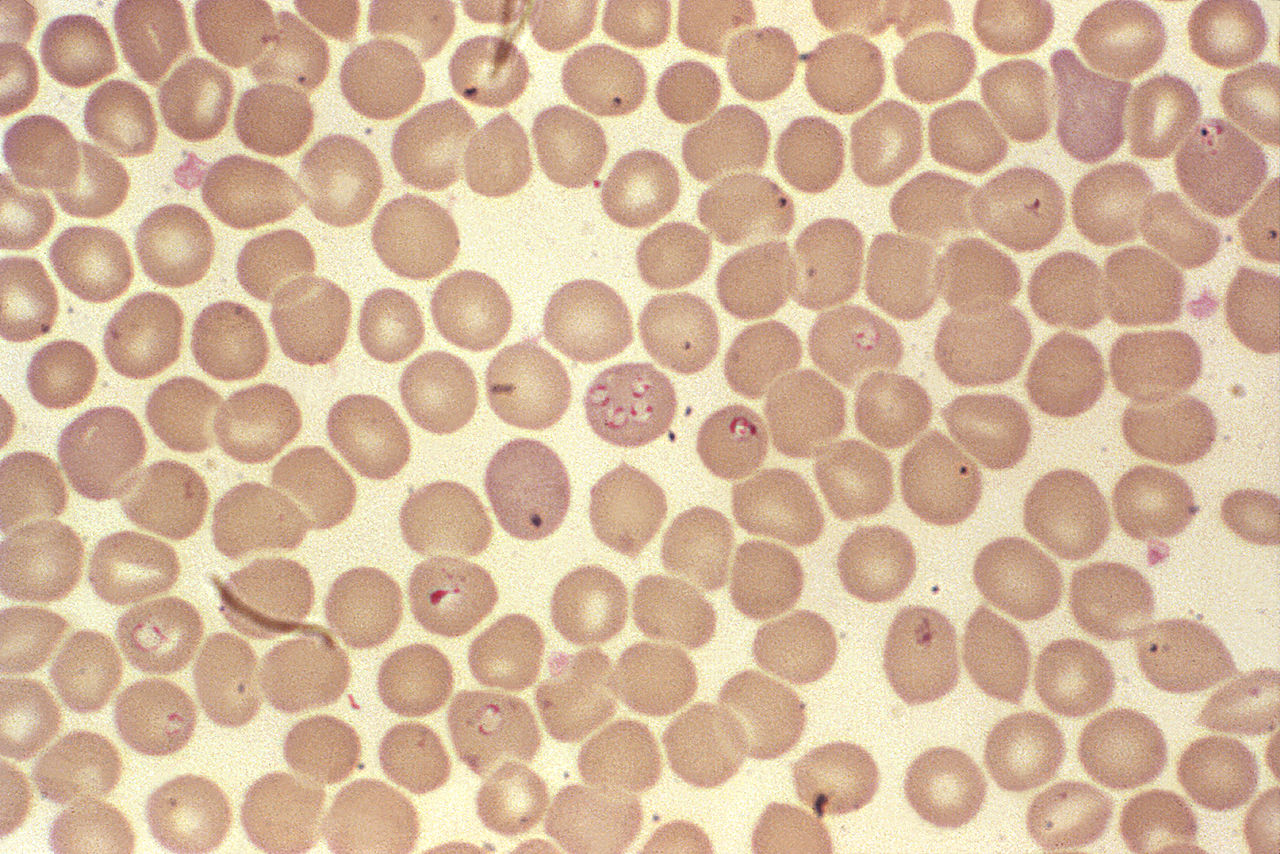
Photo Credit: Content Providers(s): CDC/ Steven Glenn; Laboratory & Consultation Division – This media comes from the Centers for Disease Control and Prevention’s Public Health Image Library (PHIL), with identification number #5943.
Approx. 2 min. Published on May 8, 2012 Brittany Goff found out that not only was she suffering from Lyme disease, she also had Babesiosis, a parasite that invades red blood cells.
Approx. 2:50 min on Jul 28, 2009 This 3 minute video demonstrates the life cycle of Babesia microti, starting in the blood of white-footed mice. Follow the parasite as it is ingested by deer ticks, and finally is transmitted to humans through tick saliva. Special thanks to Rick Smith at The University of Rhode Island for narration; Rick’s brother was recently diagnosed with Lyme disease.
Babesia is a genus of protozoan that enters red blood cells at the sporozoite state causing a parasitic, hemolytic disease. Over 100 species have been identified but only a few have been documented to infect humans, although Dr. Schaller states that there are new Babesia species emerging every one to four months with a new protozoan that while it looks like Babesia, when genetically sequenced, isn’t – it’s a new infection entirely called FL1953 or Protomyxzoa Rheumatica. Horowitz says studies are showing a worldwide epidemic of babesiosis, and similar to Lyme, can persist. http://www.ncbi.nlm.nih.gov/pmc/articles/PMC1925019/http://lymebytes.blogspot.com/2011/09/bartonella-and-babesia-symptom.html
http://www.lymediseaseblog.com/babesia-common-lyme-disease-coinfection/ In the red blood cell, the protozoa continue to split until the cell bursts and releases the micro-organisms into the blood where the freed protozoa find new red blood cells to keep producing. This causes decreased oxygen, and hemoglobin is released into the blood plasma which can cause jaundice. Broken cell fragments can start to accumulate which can cause serious hyper coagulation (thick blood).Proper treatment needs to address these issues to be effective.
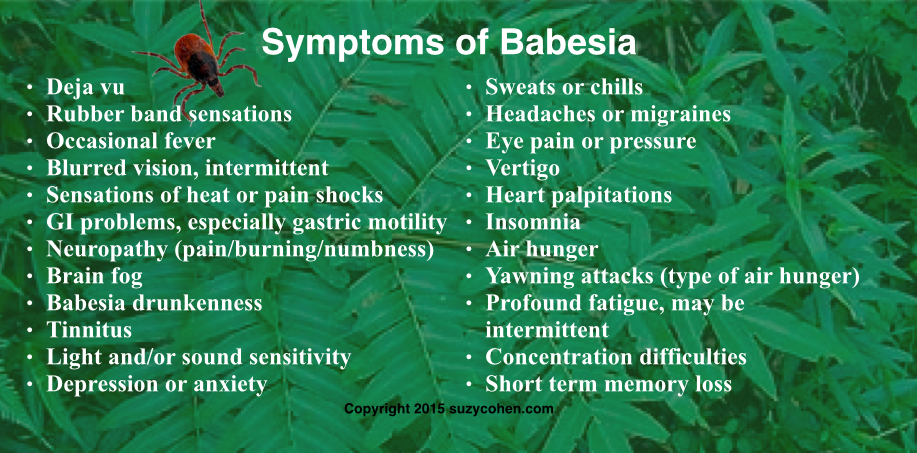
*Irregular and/or high fever and chills in some patients
*Severe fatigue and lethargy
*Global headaches, like a hat is too tight (severe pressure-like headaches – sometimes in ears
*Eye pain
* Sensitivity to light, touch, sound, or smells
*Body aches, muscle pain
*Fevers of up to 104 degrees
*Chills, sweats, especially night sweats
*Breathing problems, “air hunger” or shortness of breath, or frequent sighing
*Occasional dry cough
*Chest pain
*Poor balance
*Encephalopathy (brain disease, damage or malfunction)
*Hemolytic anemia (red blood cells burst apart)
*Hypercoagulation (thick blood often requiring a blood thinner as the patient can’t get enough oxygen which can cause fatigue not to mention the inability to get nutrients and antimicrobials where they need to go) http://www.anapsid.org/cnd/diffdx/hypercoagulation.html
*jaundice
*hemoglobinuria (free hemoglobin in the urine – resulting in a reddish-yellow to fairly dark red color)
*Mood disorders such as depression, mood swings, and anxiety are worsened
*Flushing
*Nightmares and/or vivid dreams
*Insomnia
*Loss of Appetite
*Abdominal pain
*Enlarged liver
*Swollen spleen
Going back to 1998, it was known that when a patient has Lyme and Babesia, Lyme is found three-times more frequently in the blood, causing greater symptoms, disease severity, and duration of illness: https://reference.medscape.com/medline/abstract/8637139
The number of symptoms and duration of illness in patients with concurrent Lyme disease and babesiosis are greater than in patients with either infection alone
http://www.lymepa.org/c07%20Lyme%20disease%20and%20Babesiosis%20coinfection.pdfIt also suggests a synergistic inflammatory response to both a parasitemia and an increased spirochetemia. In addition, babesial infection enhances Lyme disease myocarditis in mice, which suggests that coinfection might also synergize spirochete-induced lesions in human joints, heart, and nerves.
Telling quote:
Persistent and debilitating fatigue characterized coinfection.
Animal studies also show enhanced severity with Lyme & Babesia
https://www.sciencedirect.com/science/article/abs/pii/S0020751918302406 Similar to humans, B. microti coinfection appears to enhance the severity of Lyme disease-like symptoms in mice. Coinfected mice have lower peak B. microti parasitaemia compared to mice infected with B. microti alone, which may reflect attenuation of babesiosis symptoms reported in some human coinfections. These findings suggest that B. burgdorferi coinfection attenuates parasite growth while B. microti presence exacerbates Lyme disease-like symptoms in mice.
Dr. Horowitz warns that due to this immune suppression, patients with Rheumatoid Arthritis or Lupus and are on immunosuppressant drugs, if they have Babesia, could get much worse. The strain, B. divergens, causes a higher mortality rate and more severe symptoms, and if left untreated, this strain can develop into shock-like symptoms with pulmonary edema and renal failure.
The challenge with diagnosis, as always, is the testing which is poor as these organisms are not often found in high enough numbers in the blood, as well as people present subclinically. In other words, their Lyme case is more severe and they have malarial-type symptoms, but they can’t find Babesia in the blood in a Giemsa stain. It takes a trained eye to identify Babesia, which produces a Maltese Cross form, which may or may not be present in a particular smear. Also, doctors have been taught that besides the day and night sweats and chills, patients are supposed to get hemolytic anemia and their liver functions go up or their platelet count might go down (thrombocytopenia). The fly in the ointment is that only certain strains of Babesia do this. Many strains do not cause these symptoms – but doctors aren’t educated on these finer points. Also, to hide from the immune system, the various species produce offspring that have different exterior proteins, or genotypes.http://www.townsendletter.com/July2015/babesia0715_2.html According to Schaller, there is immense variation and pre-2015 treatments were “weak and showed ignorance of the power of Babesia – it is vastly harder to kill than malaria.”
According to Dr. Horowitz there is a form of Babesia called ARDS, acute respiratory distress syndrome, or adult respiratory distress syndrome. There are cases of folks with this in the hospital who were given steroids, which suppress the immune system, and have died. (Steroids suppress the immune system and are NOT to be given when a person has a raging infection such as Babesia, Lyme, or other TBI) https://madisonarealymesupportgroup.com/2019/01/11/22-with-babesia-8-develop-acute-respiratory-distress-syndrome-3-die/
The challenge with treatment is most doctors are under the impression that 10 days of an antimalarial will cure babesiosis. Horowitz states that Babesia is one of the most dangerous and tenacious co-infections he deals with and treats for 9-12 months.
Babesia Treatment: (FOR EDUCATIONAL PURPOSES ONLY. PLEASE DISCUSS ALL TREATMENTS WITH YOUR MEDICAL PROFESSIONAL)
In order to beat Babesia it is important to improve the immune system, correct sleep issues, supplement any imbalances with vitamins, minerals, bioidentical hormones, remove yeast, and decrease pain.
Standard treatment used to be clindamycin and quinine for seven days – the same treatment for malaria; however the side effects are as bad as the disease and due to the need to often treat for months rather than days, new regimens were discovered out of necessity. Also, length of treatment for Babesia is similar to all the other tick borne infections and can take much longer than the 7-10 day course the CDC specifies. In fact Buhner (2015) states, “Failure to treat for longer than 7-10 days risks disease recurrence, often with worsening symptoms, including death.”
The most recent research shows that the antimalarial drug Tafenoquine & the anti-fungal/anti-parasite drug Atovaquone achieves radical cure and confers sterile immunity in experimental models of human Babesiosis. Two points to keep in mind: 1) this work was done on cultured human cells in a petri dish and then in a mouse model. The jury’s out on how it performs in actual humans. 2) Babesia rarely comes alone and patients typically have other pathogens requiring different medications for a longer period of time.
According to Dr. Marty Ross, Babesia treatment requires four to five months – one month longer than the average length of time a red blood cells lives after it is made by the bone marrow. And similarly to his Bartonella treatment he has three tiers of treatment, each with varying success. Horowitz advises 9 months to a year of treatment.
Also in this update he addresses Babesia microtispecifically and that tafenoquine, a newer anti-malaria medication approved in 2018 has good effects against in the lab and in a recent case report.
He also states that research on those who have Babesia WITH Lyme is nonexistent. Most LLMD’s treat Babesia for 3 weeks on and one week off treatment.
Tier 1: (85% success rate)
Atovaquone/proquannil 250mg/100mg. Start atovaqune/proquanil at 2 pills 2X/day for 3 days then decrease to 1 pill 2 times a day. Combine with one of the following:
*azithromycin (Zithromax) 500mg 1 time a day,
*clarithromycin (Biaxin) 500mg 1 pill 2 times a day,
*doxycycline 100mg 2 pills 2 X/day, or *minocycline 100mg 1 pill 2 times a day.
In addition if these combinations are not working he sometimes adds:
*sulfamethoxazole/trimethoprim 800mg/160mg (Bactrim DS or Septra DS) 1 pill 2 times a day to create a 4 drug regimen. (Atovaqone/proquanil (Malarone) is two drugs in one pill)
Atovaquone Combination
Atovaquone (Mepron) 750mg/5ml 5ml two times a day. In 1 to 2 months if night sweats or other babesia symptoms are not improving then increase the dose to 10ml two times a day. Combine it with one of the following:
*azithromycin (Zithromax) 500mg 1 time a day,
*clarithromycin (Biaxin) 500mg 1 pill 2 times a day,
*doxycline 100mg 2 pills 2X/day, or
*minocycline 100mg 1 pill 2 times a day.
In addition if these are not working he sometimes adds:
*sulfamethoxazole/trimethoprim 800mg/160mg (Bactrim DS or Septra DS) 1 pill 2 times a day to create a 4 drug regimen. (Atovaquone/proquanil (Malarone is two drugs in one pill)
*Atovaquone can cause temporary liver damage. Blood tests for liver function must be used regularly. Some recommend omitting CoQ10, ALA, and vitamin E because they are fat soluble antioxidants that some think neutralize the pro-oxidance effects of atovaqyone against Babesia. Some doctors disagree with this. Be sure to take atovaquone with enough fat to avoid nausea or diarrhea and to increase absorption. Choices include cheeses, avocados, nuts, nut butters, oils, and yogurt.
**Update** Here’s a 2002 study showing that doxycycline and artemisinin may together work synergistically against malaria. The authors speculate that much of the problem with drug resistance in malaria is due to the long half-life of many drugs and that drugs with a short half-life like art and doxy (or its derivatives) would be advantageous. Doxy and art work more slowly and that is helpful with slow growing and dividing pathogens like malaria and quite possibly Babesia. Please remember this study is in vitro:https://www.ncbi.nlm.nih.gov/pmc/articles/PMC126969/
Tier Two: (75-80% success rate)
Artemisinin 100mg. Start with 2-3 pills 2 or 3X/day for 3 days then take 11 days off. Continue this 14 day cycle. The goal is to take 5 pills 3X/day on the 3 days the medication is taken. Ross states that there is an enzyme in the intestine that destroys Artemisinin if it is used longer than 3 days. He also combines it with atovaquone, atovaquone/proquanil, or mefloquine if it is not working well.
Mefloquine 250mg (Lariam) – start at 1 pill daily for 5 days and then take 1 pill every 5 days. Since Mefloquine is stored in fat, it only needs to be taken every 5 days after the initial daily dose.
Combine it with one of the following:
*azithromycin (Zithromax) 500mg daily,
*clarithromycin (Biaxin) 500mg 1 pill 2 times daily,
*doxycycline 100mg 2 pills 2 times a day, or
*minocycline 100mg 1 pill 2 times a day.
If those combinations are not working he sometimes adds:
*sulfamethoxazole/trimethoprim 800mg/160mg (Bactrim DS or Septra DS) 1 pill 2 times a day to create a 4 drug regimen. (Atovaquone/proquanil (Malarone is two drugs in one pill).
*Mefloquine can cause depression, hallucinations, or psychosis. Ross only uses it if there aren’t other affordable options.
Cryptolepis, according to Ross, works about 75% of the time. Take 5ml 3 times a day.
Artemether/lumefantrine 20mg/120mg (Coartem) – take 4 pills 2X/day for 3 days. On the first day take the second dose 8 hours after the first dose. On the 2nd day and 3rd day take each dose 12 hours apart. The 1st dose of the day on all three days should be at the same time. Coartem can be repeated every 2, 3, or 4 weeks. He usually starts every 2 weeks and increases the time between each cycle as long as symptoms do not return on the off antibiotic days.
Tier Three: (Success 75-85%)
Nitazoxanide 500mg (Alinia) 1 pill 2X/day.
Clindamycin 300mg (Cleocin) and either Hdroxychloraquine 200mg (Plaquenil) or Quinine Sulfate 324mg
Option 1: Clindamycin 300mg 2 pills 3 times a day and Quinine Sufate 324mg 2 pills 2X/day. If muffled hearing or other neurologic symptoms other than ringing in the ears develop, then decrease the quinine sulfate to 1 pill 2 times a day.
Option 2: Clindamycin 300mg 2 pills 3X/day and Plaquinil 200mg 1 pill 2 times a day.
Relapse Prevention:
In Ross’ experience, 95% of people with Babesia and Lyme can be cured of it; however, some do relapse. If a person recovers but then relapses, he will put the patient on a preventative program.
Option 1: Atovaquone/Proquanil 250mg/100mg (Malarone) 1 pill daily.
Option 2: Cryptolepis 5ml 3X/day for 2 or 3 weeks on each 4 weeks. Find the frequency that works best.
Option 3: Artemisinin 100mg 2 or 3 pills 3 times a day for 3 days in a row of each 14 days. Repeat cycle continuously.
Dr. Horowitz’s Latest treatments for Babesia:(Horowitz. “Why Can’t I Get Better? Solving the Mystery of Lyme and Chronic Disease.” 2013, pp, 468-469)
Mepron 750mg 1-2 tsp 2X/day, with high fat meal and Zithromax 500mg daily (or Biaxin 500mg 2X/day), Plaquenil 200mg 2X/day, and nystatin tablets 500,000 U 2X/day.
Septra DS one 2X/day may be added if resistant (only if not allergic to sulfa) or if Bartonella is involved. Antimalarial herbs such as artemisinin (approx 1 3X/day), cryptolepis (1 tsp 3X/day – lower if sensitive, 3X/day), or neem (30 drops 3-4X/day) may be layered onto this regimen, again if a case is resistant. Dosing varies by weight. These herbs are typically used one at a time and may be rotated.
Malarone 4 tablets a day for three days as a loading dose, followed by one tablet two times per day. Some with severe symptoms require two tablets 2X/day – Horowitz has not seen adverse effects with this higher dosage. Malarone may be used alone but Mepron should always be used with a macrolide to prevent drug resistance.
Patients who fail Mepron or Malarone should be rotated to clindamycin. Cleocin 300mg, 2 2X-3X/day with plaquenil 200mg, 1 2X/day, Zithromax 250 mg 2X/day, and nystatin 500,000 U 2X/day +/- Septra DS 1 2X/day is one effective combination. Mepron, Malarone, and/or herbs can be layered onto this regimen for severe symptoms or resistance.
Coartem can be used alone or with Daraprim 25mg, 2 daily for three days in the severely ill and/or in combination with doxycycline.
*He recommends lowering the parasitic load by rotating the drug regimens.
*Another “standard,” used by LLMD’s is using a three weeks on, one week off Babesia medications.
http://aac.asm.org/content/48/1/236.full.pdf
Similarly with Bartonella, some respond miraculously to Heparin, which is a blood thinner. In the above link, heparin was found to inhibit Babesia growth. Horowitz also found it helps clear the parasites from the body.
*According to Buhner, (2015) Babesia infection depletes the body of arginine. Supplementing with L-arginine counters this, but it also helps the endothelial cells to produce NO (nitric oxide), a potent innate antimicrobial substance. He states that studies have shown that just supplementing with L-arginine in itself will reduce or eliminate Babesia.
http://buhnerhealinglyme.com Master Herbalist, Stephen Buhner’s Babesia protocol: take 1/4-1/2 tsp of each 3X/day (Source: Woodland Essence)
Sida acuta
Cryptolepis
Alchornea cordifolia or
C.S.A. Formula (Crypto, Sida, and Alchorn blend) – 1/4-1/2tsp 3X/day
*You can also add Artemisinin tablets to hit all angles
**Artemisinin has been found to fight Mycobacterium tuberculosis by attacking a molecule called heme found in the Mtb oxygen sensor which stops the disease’s ability to sense how much oxygen it is getting, prohibiting it from becoming dormant in response to a low oxygen environment. The use of Artemisinin for Mtb is hoped to shorten the course of therapy because it can clear out the dormant, hard-to-kill bacteria. http://www.nature.com/nchembio/journal/vaop/ncurrent/full/nchembio.2259.html
https://www.springboard4health.com/notebook/nutrients_artemisinin.html Dr. Rowan reports that Chinese researchers claim Artemesia’s success against Malaria is due to a peroxide linkage in its active molecule which kills the malarial parasite due to the excess iron that accumulates in the parasite which eventually become free, allowing the artemisinin to work like a bomb against the parasite. Dr. Singh found 100% of breast cancer cells in vitro were killed in hours by Artemesia: https://www.spandidos-publications.com/10.3892/ijo.18.4.767
Artemisinin has anticancer activity in a wide variety of laboratory cultured cancer cells, but shows no resistance.
Read the Dr. Rowan’s springboard link above for more information about cancer therapies. He recommends the Allergy Research Brandof Artemisininhttp://www.allergyresearchgroup.com/quality-artemisinin, which is what my husband and I used with great success against Babesia along with Mepron and Azithromycin. http://www.nejm.org/doi/full/10.1056/NEJM200011163432004. Even though it appears to have cured Babesia in 3 months (no parasites seen in microscopy) in the research, it is a tenacious pathogen which Dr. Horowitz says is the worst coinfection he deals with. Since it is persistent many recommend treatment of 9 months to a year.
We used the 3 weeks on, 1 week off approach. I too recommend the Allergy Research Brand of Artemisinin (I have no financial interests). It’s very powerful. We took 500mg twice a day. I had herxes that felt like heart-attacks and it gives you a metallic taste in your mouth. We did pulse ART MWF so it gave me a chance to recover in between doses and boy was I thankful for that.
Along with the pulsed artemisinin, we took Mepron daily750mg 1-2 tsp 2X/day, with a high fat meal as well as pulsed an intracellular drug that worked against both Babesia as well as Lyme. We also pulsed in Tinidazole on TH and FR as well as diflucan 1-2 times a week to mop up any yeast.
Regarding Tinidazole:https://www.dovepress.com/evaluation-of-in-vitro-antibiotic-susceptibility-of-different-morpholo-peer-reviewed-article-IDRMetronidazole led to reduction of spirochetal structures by ~90% and round body forms by ~80%. Tigecycline and tinidazole treatment reduced both spirochetal and round body forms by ~80%–90%.In terms of qualitative effects, only tinidazole reduced viable organisms by ~90%. Following treatment with the other antibiotics, viable organisms were detected in 70%–85% of the biofilm-like colonies.
For a great article on air-hunger, a common Babesia symptom: https://madisonarealymesupportgroup.com/2018/03/22/what-is-air-hunger-anyway/ My husband and I also had chest pressure/pain and dizziness. I felt like a vice was squeezing me like a giant bear hug around my arms and chest. (Imagine someone picking you up by grabbing around your arms and lifting you up – only it never let up)
Babesia is no simple pathogen and coupled with Lyme and/or other coinfections like Bartonella, Mycoplasma, and various viruses it’s one tough mother. I want to offer hope here as both my husband and I treated this for a solid year and have NO Babesia symptoms. We have been symptom-free from Babesia for years now with no relapses. Experience has shown me that Dr. Horowitz is spot on by stating Babesia needs a solid 9-12 months of treatment. I’ve also heard that once you start treating for it, you should continue until you are finished because stopping part way through makes it tougher to treat in the future.
In order to come up with the best strategy it’s first important to know thy enemy.
http://townsendletter.com/July2015/bartonellosis0715_3.html Fifteen species of gram-negative aerobic Bartonella are known to infect humans; however Dr. Ricardo Maggi’s statement is quite telling, “This case reinforces the hypothesis that any Bartonella species can cause human infection.”
http://www.medicinenet.com/script/main/art.asp?articlekey=5848 History records one strain, Bartonella quintana, as causing Trench Fever, a major problem in the military that often resembled typhoid and influenza; however, urban trench fever still occurs in the homeless, alcoholics, and in injection drug users. The unusual rickettsial organism multiplies in the gut of the body louse and is spread by rubbing infected louse feces into dry skin or eyes. http://www.nejm.org/doi/full/10.1056/NEJM199901213400303 Among the homeless in France, B. quintana infections presented with nonspecific symptoms or no symptoms. It hasalso been found responsible for a disease called bacillary angiomatosis(purple lesions on or under the skin, subcutaneous tissue, bone, or other organs) in people infected with HIV and the immunocompromised and for infection of the heart and great vessels (endocarditis) with bloodstream infection (B. henselae can do this as well & importantly can cause subacute endocarditis – infection of heart valves, which is often negative upon culturing). Trench fever is also called Wolhynia fever, shin bone fever, quintan fever, five-day fever, Meuse fever, His’ disease, His-Werner disease, Werner-His disease. Symptoms of Trench Fever: Fever that comes and goes in a 5-day cycle, headache, pain behind the eyes, pain in the shin bones, general body aches, classic rash – pink-red patches and small bumps that appear and disappear, usually on the chest, as the fever comes and goes.
http://www.scielo.br/scielo.php?script=sci_arttext&pid=S1413-86702008000200013 Another strain, B. henselae causes Cat Scratch disease, has caused aseptic meningitis(often viruses that cause inflammation of the lining of the brain), neuroretinitis(inflammation of the retina and optic nerve), and regional lymphadenopathy(swollen lymph node(s) in one local area) in one patient. Others have had vision problems, headaches, resistant neurological deficits, and seizures. Bacillary peliosis causes vascular lesions in the liver and spleen.
While swollen lymph nodes (lymphadenitis) is considered a hallmark symptom, this study https://www.ncbi.nlm.nih.gov/pubmed/26551620, looking at 100 cases of confirmed B. henselae infection found that nearly half lacked the typical abscesses only identifiable by microscopy but rather mimicked other reactive (acute or chronic) infectious lymphademopathies.
https://www.ncbi.nlm.nih.gov/pmc/articles/PMC4835656/#__ffn_sectitle Here a 6 year old had fevers up to 101, a dry cough, intermittent periumbilical abdominal pain, and night sweats. Misdiagnosed with a urinary tract infection, only to return to the ER with persistent fevers and cough. She was sent home after a chest radiograph showed perihilar peribronchial thickening and was told she had atypical pneumonia. Back to the ER she went with persistent fevers. Upon hospital admittance tests discovered an echogenic liver and enlarged spleen with lesions as well as a positive Bartonella henselae titer. Previously a kitten had scratched her on her chest.
Bartonella has an affinity for endothelial cells, red blood cells, microglial cells, macrophages, and CD34 progenitor cells hindering nutrient, oxygen, and antibiotic delivery to tissues. This causes fatigue, pain, and cognitive and mood issues. They hide in red blood cells to evade the immune system and utilize hemin, and can cause persistent infection, with some species actually deforming red blood cells. Some remain in the cells for the life of the cell while others kill the cell outright. Every 3-6 days there is a new infection wave.
Various strains have been found in eye fluid, the heart(myocarditis and endocarditis), and cysts, and can infect by nearly anything puncturing the skin and exchanging bodily fluids – including needles. Evidence also suggests congenital transmission.
https://wwwnc.cdc.gov/eid/article/22/3/15-0269_article This article identified 6 species in patients with chronic, subjective symptoms who were bitten by ticks. While three strains were B. henselae (Cat scratch fever), 3 were associated with animal infections (B. doshiae, B. schoenbuchensis, and B. tribocorum). They also found hemangioendothelioma(vascular tumors) in 2 case patients. The authors stated that Bartonella spp. may be the cause of unclear and undiagnosed chronic illness in humans previously bitten by ticks.
Dr. Ed Breitschwerdt, professor of internal medicine at North Carolina State University, discusses recent research into the Bartonella bacteria. Animals and humans can both become infected with the bacteria from insect bites. It may be possible for an infected mother to pass the bacteria to her unborn child in utero, the professor has found. To download a transcript of the complete 25-minute interview in PDF format, visit http://ncsu.edu/project/nsaudiovideo/…
Published on Oct 15, 2014
Dr. Breitschwerdt talked about Bartonella at the NorVect conference 2014. This is an excerpt of his presentation: Bartonellosis: A One Health Approach to An Emerging Infectious Disease.
https://www.youtube.com/watch?v=2s2o_oPGYM8 Approx. 12.30 min
Published on Oct 14, 2015
Dr. Mozayeni talks about Bartonella as one of the major co-infections of Lyme disease. It’s more prevalent than Lyme, as there are many more ways to contract the disease (eg. flees, cats). In a study, that Dr. Breitschwerdt and Mozayeni published in The Journal of Emerging Diseases, about 60% of Lyme patients tested positive for Bartonella. Dr. Mozayeni also talks about the importance of looking at Biofilm when treating Lyme, Bartonella etc. as biofilm can harbor many of these microbes and be the cause of many symptoms.
Symptoms are largely associated with where the blood flow is compromised. The reason many have pain in the soles of their feet is due to inflammation caused by microvascular trauma. It has been known to cause cysts around dental roots leading to chronic and hard to diagnose head and face pain as well as root canals. This microvascular trauma is also to blame for brain issues causing psychological issues such as anxiety, anger, and suicidal thoughts, since the small vessel disease affects executive function. A cog is literally caught in the wheel. As neurotransmitters become depleted due to overstimulation, depression rears its ugly head. A vicious cycle ensues.
Due to the cyclical nature of Bartonella and that it exists in very low amounts in human blood, blood tests are unreliable. It also has a long division time between 22-24 hours and requires a special growth environment. There is a Triple Draw through Galaxy which collects blood over 8 days to maximize the test, stating a 90% reduction in false negatives.
http://townsendletter.com/July2015/bartonellosis0715_3.html Mode of Transmission: Arthropod vectors including fleas and flea feces, biting flies such as sand flies and horn flies, the human body louse, mosquitoes, and ticks; through bites and scratches of reservoir hosts; and potentially from needles and syringes in the drug addicted. Needle stick transmission to veterinarians has been reported. There is documentation that cats have received it through blood transfusion. 3.2% of blood donors in Brazil were found to carry Bartonella in their blood. Bartonella DNA has been found in dust mites. Those with arthropod exposure have an increased risk, as well as those working and living with pets that have arthropod exposure. 28% of veterinarians tested positively for Bartonella compared with 0% of controls. About half of all cats may be infected with Bartonella – as high as 80% in feral cats and near 40% of domestic cats. In various studies dogs have close to a 50% rate as well. Evidence now suggests it may be transmitted congenitally from mother to child – potentially leading to birth defects.
Bartonella Treatment: This is for educational purposes only. Please discuss treatment options with your health care practitioner.
The predominant antimicrobial drugs for Bartonella are intracellular; however, while reducing symptoms there are relapses. According to IDSA, the best drugs are erythromycin and doxycycline with clarithromycin or azithromycin as alternatives. A combination therapy of doxy and rifampin is preferred for those with CNS involvement and those with repeated relapses may need indefinite treatment.
Also, due to the nature of the organism some have responded miraculously to blood thinners such as heparin or Lovenox – or other agents that reduce clot formation, including alkalinizers such as apple cider vinegar, vegetables and vitamin C. Reducing the stickiness of the blood by taking fish oil or a low-dose baby aspirin also may help. Boluoke, lumbrokinase, serrapeptase, Wobenzym, and InflaQuell may also help.
The following have been found to be helpful:
doxycycline
erythromycin
rifampin
doxy with rifampin
doxy with gentamycin
gentamicin and ceftriazone with or without doxy, chloramphenicol, ciprofloxacin, or streptomycin
azithromycin or doxy combined with rifampin, clarithromycin, or a fluoroquinolone
According to Dr. Ross one needs to correct sleep, decrease inflammation, improve the immune system, correct hormonal imbalances, provide nutrients, and remove yeast in order to beat Bartonella. He also feels it is best to use antibiotic combinations as do Drs. Horowitz and Jemsek. Ross has three tiers, with tier 1 working 90% of the time, tier 2 at about 80%, and tier 3 (herbs) working 70%of the time or less (Dr. Horowitz has found this to be true of herbs as well).
**UPDATE 2022**
Dr. Ross’s Bartonella treatment update includes information about:
fluconazole (Diflucan) or itraconazole (Sporonax) to kill persisters and growing bartonella
liposomal Cinnamon, Clove and Oregano Oil to kill bartonella persisters which is better than oregano oil alone
lumbrokinase to treat Bartonella-fibrin nests.
Tier 1: Rifampin 300 mg 2 pills 1 time a day with one of the following:
Minocycline 100mg 1 pill 2 times a day
bactrim DS 1 pill 2 times a day or
azithromycin 500mg 1 pill per day
Doxycycline 100mg 1 or 2 times a day can be substituted for the mino but rifampin decreases doxy levels in the blood. Clarithromycin 500mg 1 pill 2 times a day can be substituted for azith but rifampin also decreases clarith blood levels.
Levofloxacin 500mg 1 pill 2 times a day or ciprofloxacin 500mg 1 pill 2 times a day with one of the following:
minocycline 100mg 1 pill 2 times a day,
doxycycline 100mg 1 to 2 pills 2 times a day, or
bactrim DS 1 pill 2 times a day
Clarith and azith are not used with flouroquinolones because they may cause heart rhythm problems.
Clarithromycin 500mg 1 pill 2 times a day and Bactrim DS 1 pill 2 times a day
Tier 2:Clarithromycin 500mg 1 pill two times a day, or
Azithromycin 500mg 1 pill two times a day Combine these with a tetracycline:
doxycycline 100mg 1 or two pills 2 times a day,
minocycline 100mg 1 pill 2 times a day, or
tetracycline 500mg 1 pill 3 times a day
Tier 3: Start Houttuynia at 5 drops 2 times a day and increase daily by 1 drop per dose till at 30 drops 2 times a day. Take Sida Acuta concurrently at 1/4tsp 2 times a day and after 1 week if tolerating, increase to 1/2 tsp 3 times a day.
According to Ross, treatment requires 4-6 months with an exception of levofloxacin which usually requires 1-3 months. Treat until most symptoms are resolved. His experience is that 95% recover from Bartonella when using the immune supports and either tier one or two.
*Long-term tendon damage and ruptures, retinal detachment, and other symptoms have been connected with fluoroquinolones – resulting in fluoroquinolone toxicity syndrome – or being “floxed,” however, one of the most experienced LLMD’s in Wisconsin has noted that he has used these drugs for over 30 years without this ever happening. The fluoroquinolones are made with fluoride and go deep into muscle tissue, which is what makes them so effective. Often, the best usage is using a fluoroquinolone that paves the way for other antibiotics to do their jobs better.
Dr. Singleton also reports that in his experience tendonitis is rare, but if it happens – stop – until symptoms are resolved and then restart in a few days at a lower dose. He also suggests putting the patient on 600-1,000mg of magnesium for a few weeks prior to treatment with a fluoroquinolone to prepare tendons and muscles and to continue taking through treatment, separating it by three or more hours. And, as always, drink plenty of water to help the body detox.
*Many react strongly to Rifampin, perhaps due to a rapid metabolism of sterol hormones, which causes severe symptoms with low adrenals and low cortisol. In the very ill, Dr. Mozanyeni starts with herbal antimicrobials and assists the adrenals until the patient is able to tolerate antibiotics. When the antibiotic regimen is finished he puts them back on more natural antimicrobials if treatment is needed long term.
Dr. Mozanyeni uses clarithromcin or azithromycin, later adding rifampinwith clarithromycin. If a patient is on meds that impact rifampin, he may then use Mycobutin. He has not found the need to use IV therapies except in cases where patients can not take pills. He has noted that antibiotics used for Lyme may push Bartonella further into cells making treatment more challenging.
While the current drugs for treating bartonellosis, include rifampin, erythromycin, azithromycin, doxycycline, and ciprofloxacin, they had very low minimal inhibitory concentration (MIC) against growing B. henselae, they had relatively poor activity against stationary phase B. henselae, except aminoglycosides
aminoglycosides (gentamicin and streptomycin, amikacin, kanamycin)
amifostine (Ethyol)
antiviral Lopinavir/ritonavir
colistin
nitroxoline
nitrofurantoin
verteporfin
pentamidine
berberine
aprepitant
olsalazine
clinafloxacin
clofoctol
Pyrvinium pamoate, daptomycin, methylene blue, clotrimazole, and gentamicin and streptomycin at their respective maximum drug concentration in serum (Cmax) had the capacity to completely eradicate stationary phase B. henselae after 3-day drug exposure in subculture studies.
The identified FDA-approved agents with activity against stationary phase B. henselae should facilitate development of more effective treatments for persistent Bartonella infections.
**Personal experiment**
As my husband and I have always relapsed with Bartonella symptoms and have always responded to and herxed from the combined usage of rifampin and clarithromycin. While I did not record the exact dosages, I found this which is near to if not identical to our protocol. Rifampin (10-20mg per kg per day) or 300mg – 600mg twice a day and Clarithromycin – 500mg twice a day. Following this protocol for 2-3 months sets us right every, single time – in fact, even better than we were previously.
Keep in mind this protocol for a Bartonella relapse came after intensive combination therapy for FIVE, long years. We treated for Lyme and focused on Babesia for an entire year. Rotating, pulsing many antibiotics, taking numerous herbs, doing ozone, having mercury amalgams removed, focusing on the gut, addressing inflammation, etc. were all a part of what we did. Nothing about it was simple or easy!
I also decided to try Berberine when I developed severe lower back pain out of the blue. I tried numerous combinations but after further reading about MIC levels, I decided upon 500mg three times a day to keep it in the blood stream. I’m happy to report I herxed immediately and later had the direct response of diminished pain. Time will tell but Berberine appears to help substantially. Please see: https://draxe.com/nutrition/berberine/, https://articles.mercola.com/sites/articles/archive/2015/06/22/berberine-benefits.aspx
Master Herbalist, Stephen Buhner’s Bartonella protocol – research is ongoing, but this is the most up to date. The following herbs are to be taken for 30 days. If the symptoms come back when the protocol is stopped the dosage was probably not high enough – so the protocol should be modified and continued until the blood cell infection is gone. He recommends Woodland Essence for all the tinctures. Remember – herb dosages are extremely individual.
Sida acuta tincture – 1/4tsp 3Xday
Hawthorn tincture, same
Japanese knotweed, same (or 2 capsules 3Xday from Green Dragon Botanicals)
EGCG (green tea extract) 400mg/day – approximately 4 cups of green tea
Houttuynia 1 Tbs daily (Yu Xing Cao – 1st Chinese Herbs, powder – use Lyme code at checkout for 10% off) L-arginine 5000 mg daily in divided doses Milk Thistle seed, standardized, 1200 mg daily
PLEASE NOTE: If you have active herpes, chicken pox, or shingles DO NOT USE L-arginine.

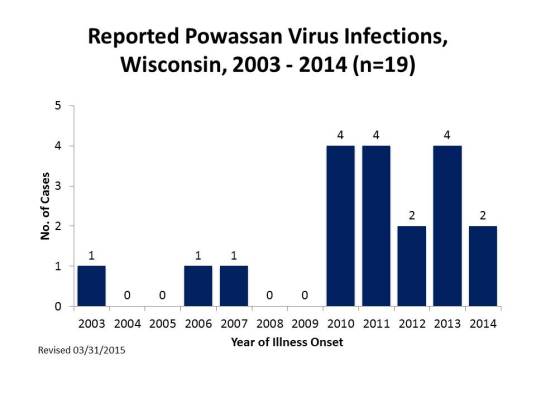
 Graphic from Lymestats.org


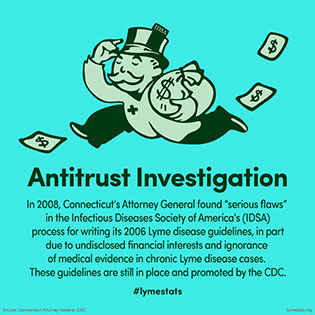




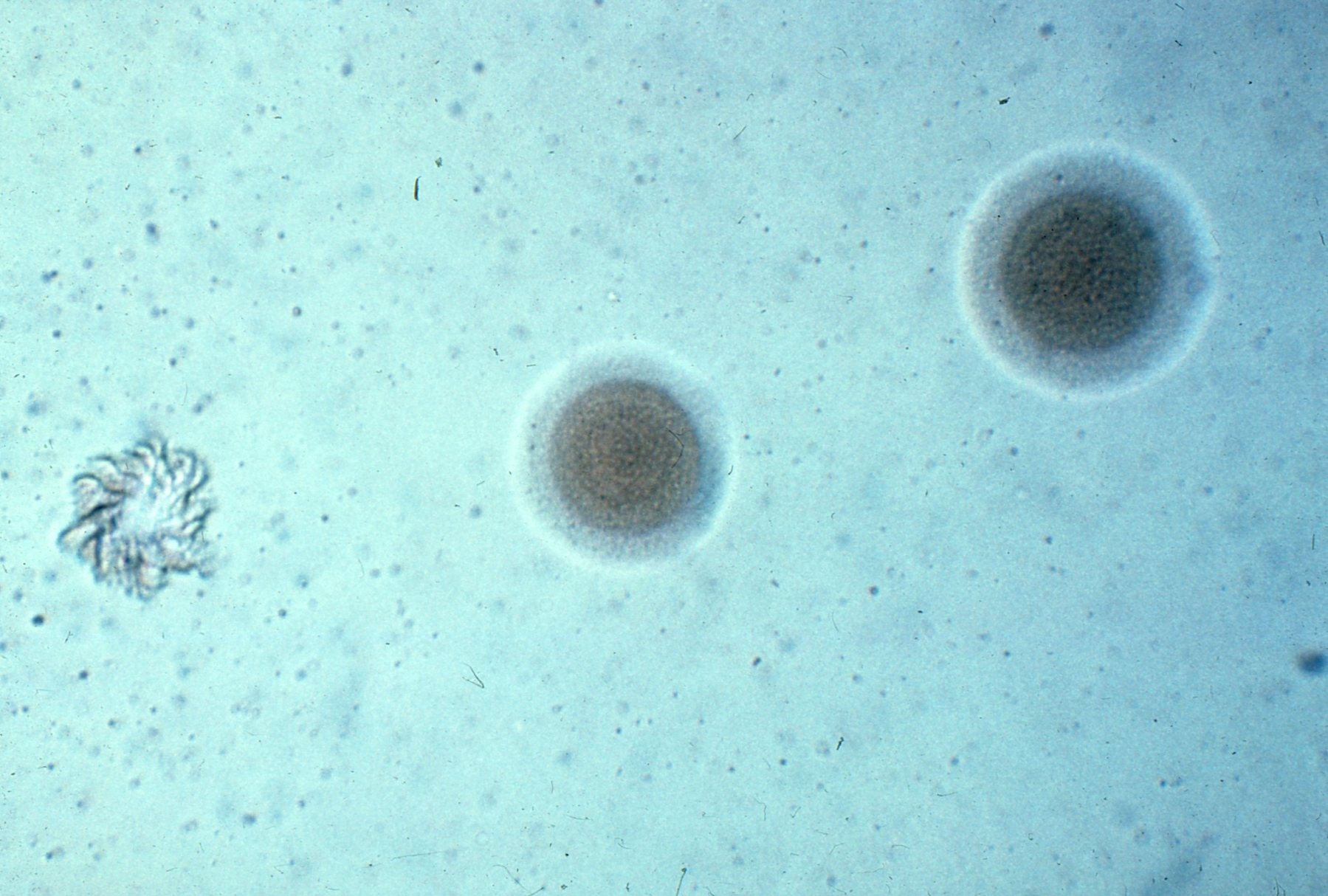 Mycoplasma pneumoniae. Photomicrograph, unstained. Note two isolated colonies adjacent to a single classical artifact, a ‘pseudocolony’ (750X) Submitted by Garth Hogan, November 12, 2009