Archive for the ‘Herbs’ Category

On-line Health Talk Reminder

Free on-line Chronic Lyme Disease Summit from Monday April 4-11, 2016.


https://madisonarealymesupportgroup.wordpress.com/2016/02/23/health-talks-on-line/  Info here.

http://chroniclymediseasesummit.com  Click on this link to register.

Why Docs Miss Lyme/MSIDS & Info on Wobenzym For Inflammation

https://www.envita.com/lyme-disease/is-fibromyalgia-the-real-diagnosis/

https://www.envita.com/lyme-disease/new-envita-study-explains-how-lyme-disease-evades-the-immune-system-forms-biofilm/

Is it fibromyalgia, Lupus, Chronic Fatigue, MS, or MSIDS?

The Envita Center has found by using detailed testing and a decade of experience that over 80% of the patients labeled with autoimmune diseases also have viral, bacterial, fungal, and parasitic infections, along with tick-borne infections like chronic Lyme disease complex or MSIDS (multi systemic infectious disease syndrome). To complicate matters, it is not uncommon for patients to also have chemical sensitivities or heavy metals toxicity.

These patients are sent to psychiatrists and prescribed psych meds instead of treating the root cause of the problem.

Why?

“Most physicians are not trained to look for latent infections in a ten minute office appointment.”

Due to a multitude of symptoms these patients are labeled as “hypochondriacs,”  because they suffer with multiple issues including but not limited to depression, short-term memory loss, possible autoimmune diseases, digestive problems, migrating joint pain, and hormonal imbalances.
Doctors coin these folks “difficult,” because nothing seems to work. In the case of fibromyalgia, the sequence of symptoms used to diagnosis it are: key trigger points, depression, and sleep disturbances. There is a reason that these are never present in a textbook manner. In fact, most patients have even more symptoms than what is covered in the basic diagnostic write-up for fibromyalgia and chronic fatigue syndromes; however, when a proper infectious work-up is conducted alongside chemical toxicity and heavy metal screening, the complete symptom picture for each patient becomes clear, which should lead to treating the real pathology that is causing the symptoms, instead of just masking the pain.

“There are no simple treatments or testing solutions in the conventional model. However, once Cymbalta, the anti-depressant, came to market with a target for fibromyalgia patients, doctors started to recognize and “treat” the condition.”

“The pharmaceutical drug model drives the healthcare industry and ignores the necessary personalized diagnostics and treatment to take care of the cause of the disease.”

Most fibromyalgia patients have lymphocytosis. This occurs when infection has penetrated into the lymphatic system and deep into the connective tissue or even the nervous system.
The infection itself is protected by layers of biofilm communities. When the infection is found by conventional methods, prescribed antibiotics, will only provide temporary action against the bacteria. These cases need specialized testing with LLMD’s (Lyme literate medical doctors) and an integrative approach to help patients reach proper health by treating the cause of the disease, not just the symptoms.

Imbalances in key hormones like testosterone, thyroid, and cortisol are seen regularly in fibromyalgia, chronic fatigue, and MSIDS patients due to constant competition occurring at the receptors sites on their cells for hormones and neurotransmitters versus the neurotoxin.  These patients start to see improvement once put on “bio-identical hormones,” but will not fully improve unless the infections, lack of sleep, and inflammation are treated.

For more information on bio-identical hormones, please listen to PhD, Kathy Lynch of Women’s International Pharmacy: https://madisonarealymesupportgroup.wordpress.com/2015/06/10/audio-on-hormones-and-adrenal-support/

Most of these patients have latent infections that are found deep in connective tissue, muscle, digestive tract, and nervous system including the brain.

The brain and spinal cord make up the central nervous system. Stimuli comes from the peripheral nervous system, which then comes back to the cord. The stimulus can become interrupted when nerve compression occurs, especially in the neck regions. This also impairs and delays the healing process for patients. The discs of the spine often become degenerative in fibromyalgia patients because of the infection. This occurs when the infection has impacted the disc. If you look closely, the patient’s pain is often found in the muscle and soft tissue regions and not really in the joint because of the neurotoxin impacting nerve innervation to muscle.

For more information on how chiropractic care can help with this, please read:  https://madisonarealymesupportgroup.wordpress.com/2016/02/28/chiropractic-care-and-msids/  and come hear Dr. Isom speak at our next Lyme Support Meeting https://madisonarealymesupportgroup.wordpress.com/2016/03/22/dr-isom-to-speak-4916/

Once a person has gone through a treatment that addresses all of these pieces of the puzzle and they are symptom-free for 3 months or have stopped herxing for 3 months, whatever symptoms remain could be due to inflammation which can cause lingering pain and other symptoms.  Some find help taking systemic enzymes which are unlike NSAIDS which can cause kidney and liver issues.

Please discuss all treatment and supplement options with your health care professional I am not a distributor and do not receive monies from any company.  The following information is just my experience that I hope will help someone else out there.

http://wobenzymps.net

It was found that when some Olympic teams used Wobenzym injuries were reduced by as much as 50% and that healing was enhanced after injury. Also, surgeons routinely prescribe it to prevent bruising and edema and the associated pain for their post-surgical patients.

Wobenzym n works by breaking down and destroying harmful proteins, known as Circulating Immune Complexes (CICs) which cause most joint inflammation.  http://n.wobenzymonline.com/wobenzym-research  Wobenzym must be taken on an empty stomach.  http://www.antiaging-systems.com/153-wobenzym

*On a personal note – my husband and I both tried WobenzymN when we are in treatment for MSIDS with no effect.  Once we went off all antibiotics as we hadn’t herxed in 3 months, we started a capsulated herbal program  https://vitalplan.com/shop/restore-program for maintenance and to rebuild our bodies.  During this time I still had excruciating pain in my spine, neck, and head.  To rule out Chiari, I got a brain MRI (with and without contrast) and a cervical MRI.  Just as was pointed out by Envita 4 paragraphs back, I was told I had Degenerative disk disease in the cervical spine, most pronounced at C3-4 with (sic) moderate left foraminal narrowing due to facet arthropathy and normal MRI brain, in particular, there are no features of Arnold-Chiari type 1 malformation. There are no abnormal signal characteristics seen on T2 or FLAIR imaging.”

For information on Chiari go to:  https://madisonarealymesupportgroup.wordpress.com/2016/04/02/chiari/

A bit of degenerative disk disease shouldn’t have caused the grueling pain I was experiencing.  I remembered we had some WobenzymN in the drawer from the past (expired by 2 years!) and decided to give it a another try.  I’m glad I did as it has taken nearly all pain away.

My theory is that it didn’t work earlier due to the pain being from an active infection.  Since I believe I’m on top of the infections what is currently driving inflammation and pain is a autoimmune response that needs dampening down.  Go here for two chiropractors who are saying the same thing: https://madisonarealymesupportgroup.wordpress.com/2016/03/09/ld-needs-a-new-approach/

**Update** 

Eventually that horrific pain returned.  Instead of increasing the Wobenzym, I decided to try MSM.  Within 3 days 70% of the pain was gone.  Within a month, 100% of the pain was gone.  I take 1/4 tsp of MSM (OptiMSM patent) powder in about 4 oz of water twice a day.  I’ve also made a home made MSM cream for topical pain.  For more on DMSO & MSM:  https://madisonarealymesupportgroup.com/2018/03/02/dmso-msm-for-lyme-msids/  (Depending upon the size of the area, I take about 1 tsp of the cream and add about 10 drops 99% DMSO to it, mix it, and apply to clean, dry skin.  It MUST completely dry before you let anything touch it.  DMSO is a carrier and will take anything else into your body so no clothing, dyes, perfumes – anything can touch your skin before it’s dried)  Please read the article in the link to be informed.  DMSO is powerful stuff but you need to understand it.

Here’s more on Wobenzym or Systemic/Proteolytic Enzymes:   https://madisonarealymesupportgroup.com/2016/04/22/systemic-enzymes/

https://madisonarealymesupportgroup.com/2018/03/05/how-proteolytic-enzymes-may-help-lyme-msids/

https://madisonarealymesupportgroup.com/2018/01/03/the-invisible-universe-of-the-human-microbiome-msm/

Another item on the list to try is LDN for pain, inflammation, sleep, and immune function: https://madisonarealymesupportgroup.com/2016/12/18/ldn/

The brand I use is found here (again, I’m not a distributor): https://madisonarealymesupportgroup.com/2019/01/16/ldn-cbd/

Combating Viruses


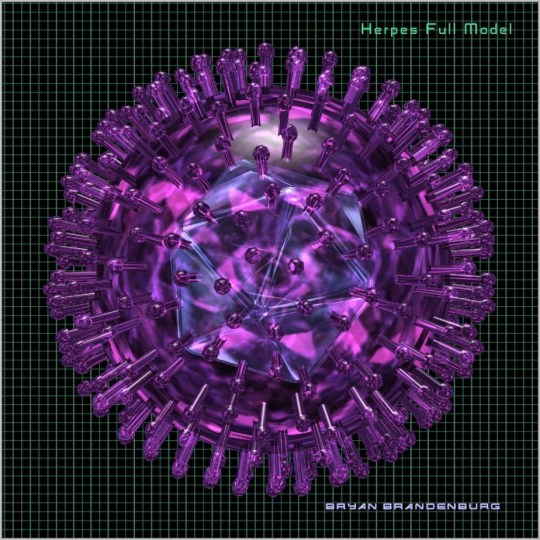
herpes-simplex-virus-01a-924x924

3-D animation by Bryan Brandenburg.  March 9, 2013

<a href=http://www.bryanmbrandenburg.com>Courtesy of Bryan Brandenburg </a>

http://science.howstuffworks.com/life/cellular-microscopic/virus-human.htm  A virus is a tiny particle – about 1,000 times smaller than bacteria and must be viewed using an electron microscope. It consists of:
Nucleic acid – set of genetic instructions, either DNA or RNA, either single-stranded or double-stranded (see How Cells Work for details on DNA and RNA)
Coat of protein – surrounds the DNA or RNA to protect it
Lipid membrane – surrounds the protein coat (found only in some viruses, including influenza; these types of viruses are called enveloped viruses as opposed to naked viruses)

Viruses are all over the place, just waiting for a host cell to survive and proliferate. They enter through our nose, mouth, or breaks in the skin. Once they’ve infiltrated, they take over the host cell and make copies of viral genetic instructions to make new viruses. Then they either break the cell open, destroying it or they pinch out and break away with a piece of the cell membrane surrounding them, but not destroying the host cell. Once freed, they attack other cells, and spread quickly.

When you catch a cold here’s what happens:
*An infected person sneezes near you.
*You inhale the virus particle, and it attaches to cells lining the sinuses in your nose.
*The virus attacks the cells lining the sinuses and rapidly reproduces new viruses.
*The host cells break, and new viruses spread into your bloodstream and lungs.
*Viruses in nasal fluid drips down your throat giving you a sore throat.
*Viruses in your bloodstream can attack muscle cells and give you muscle aches.

The immune system finally responds producing chemicals which cause you to have a fever. This fever helps by slowing down the rate of viral reproduction and continues until the viruses are eliminated; however, if you sneeze, you can spread it into the environment where they again lie in wait for another host.  This is why it’s wisest to not use fever reducers unless absolutely needed.  By using a fever reducer you are eliminating one of the most powerful interventions against viruses in your own body.

In viruses like herpes and HIV; however, they mix their genetic code into the host cell’s genetic instructions so when the host call reproduces, the new instructions get copied into the his cell’s offspring. These particular host cells can go through many rounds of reproduction and then some environmental or predetermined genetic signal will wake up the “sleeping” viral instructions that now take over the host’s machinery and make new viruses.
Some routes of viral transport:
*Carriers such as mosquitoes, fleas, and ticks
*The air
*Body fluids such as sailva, sweat, mucus, blood, semen, vaginal secretions
*Surfaces on which bodily fluids have dried

What helps?
Interestingly, viruses often change slightly, changing their genetic instructions and altering their protein coat, making vaccines ineffective. Vaccine proponents will say this is why they must continually make new vaccines. Those opposed to vaccines will say this is why they rarely work. Just like MSIDS (multi systemic infectious disease syndrome or Lyme with friends) there is a schism in the medical community over vaccines.

To read more on vaccines, please go here and be informed:  https://madisonarealymesupportgroup.wordpress.com/2015/06/19/a-word-on-vaccines/ and https://madisonarealymesupportgroup.wordpress.com/2015/07/15/vaccines-continued/ and https://madisonarealymesupportgroup.wordpress.com/2016/03/19/a-dozen-collapse-after-vaccine/

To combat viruses, we must look at the immune system and make ourselves tough targets.  http://health-truth.com/our-program/health-articles/chronic-fatigue-syndrome/how-to-conquer-the-viral-bacterial-syndrome/

According to Michael Biamonte, C.C.D., the immune system uses nutrients from food to manufacture substances that attack and kill viruses. Viruses help bacteria by invading the cells in an area, and if the immune system is too weak, bacteria begin to swarm the  damaged cells invaded by the virus. As the virus begins to die having gone through it life cycle, the bacteria then start a secondary infection. For an MSIDS (multi systemic infectious disease syndrome) patient, they might be fighting borrelia (Lyme), Babesia, Bartonella, and many more pathogens, on top of viruses. This makes their illness much more complex.

Biomonte says to avoid sugar as it reduces the number of white bloods cells which fight off infection. He states that garlic is the most effective food against all infections as well as Echinacea, Zinc, water-soluble vitamin A, protein (stimulates the adrenal and thyroid), and eggs (contain large quantities of lecithin).

http://science.howstuffworks.com/life/cellular-microscopic/light-virus.htm  Interestingly, a study done at Arizona State and Johns Hopkins shows strong, quick blasts of purple light from a low power laser can kill viruses by vibrating and damaging their outer shells, but unlike other treatments doesn’t cause mutations leading to viral resistance. Blood UV radiation, similarly to the laser, also kills viruses by breaking down their cell walls.

Anti-virals:
Green Tea
Licorice (glycyrrhizin)
Pau D-Arco
Olive Leaf
Elderberry
Zinc
Garlic
Echinacea
St. John’s Wort
Coconut oil
Eucalyptus oil
Vitamin C

Blood UV

Ozone

Monolaurin

Always check with your health care professional before starting any supplement.

wellnessresources.com.http://www.wellnessresources.com/health/articles/monolaurin_a_natural_immune_boosting_powerhouse/  Written by Byron J. Richards, Board Certified Clinical Nutritionist

“Monolaurin a 12-carbon long fatty acid, derived from coconut oil but prepared into a mono-ester of lauric acid, is another anti-viral with decades of research showing the germ-killing and disinfectant properties of this natural compound. Monolaurin is a component of breast milk, part of Mother Nature’s immune support that is passed from mother to child.

Research dating back 30 years first identified that the 12 carbon fatty acid2 of monolaurin was highly effective at combating gram positive bacteria and yeasts (like Candida albicans). The Candida killing ability of monolaurin3 has been established. The most research has been done on gram positive bacteria, as the compound can be used to reduce infections on poultry and help clean equipment involved in the production of food. And monolaurin is effective against many viruses. The nutrient has been in widespread use as an immune support dietary supplement for several decades.

Monolaurin has been found to incorporate itself into the cell membrane of gram positive bacteria and have the net effect of disturbing the integrity of its cell membrane, blocking replication and making it an easier enemy for your immune system to take care of. 

In 1992 University of Minnesota researchers demonstrated an additional way that monolaurin helps, showing that it could reduce the toxicityof Staphylococcus gram positive bacteria. More recently, another gram positive bacteria, Bacillus anthracis, has been thrust into public attention by the threat of its use in bioterrorism. Like many bacteria, it’s severity of infection is based on how much toxin it can produce. In 2005 the University of Minnesota researchers this time demonstrated that monolaurin inhibited the genes that enabled anthrax to generate toxins. In 2006 research they showed the mechanism of reducing gram positive infection toxicity applied to many organisms, indicating that monolaurin is likely to help reduce the toxicity of any gram positive infection by making it less severe. This research also found that healthy cells were made stronger by monolaurin, also helping them combat the toxicity.
Monolaurin has demonstrated some ability to help regulate gram negative bacteria, one of which is the common intestinal inhabitant known as Helicobacter pylori (H. pylori). If H. pylori starts getting out of balance and turns hostile, like a bad gang in the neighborhood, then a lot of stomach distress can follow. Researchers have shown that monolaurin has a direct and potent germ killing effect on H. pyloria, regardless of stomach pH. The H. pyloria germ killing ability of monolaurin has been confirmed by a second group of researchers. Exactly how monolaurin is able to kill these gram negative bacteria has not been identified.
Research has shown that monolaurin is not effective against most gram negative bacteria like Salmonella or E. coli, which have a different kind of outer cell membrane than gram positive bacteria. In contrast to this general finding, one study of bacteria cultured from the skin of children found that monolaurin inhibited the growth of gram positive and gram negative bacteria.
It has been generally observed that no gram positive bacteria are resistant to monolaurin. However, a recent study demonstrated that various super strains of gram positive Vancomycin Resistant Enterococcus (VRE) have developed partial (up to 70%) resistance to monolaurin. VRE is especially problematic to those with weak immunity. It is unknown if monolaurin is effective or not against Methicillin-resistant Staphylococcus aureus (MRSA). A detailed analysis in the VRE study showed that the mutated enterococcus bacteria had learned to tighten their cell walls, making it more difficult for monolaurin to get a toehold (the same problem antibiotics were having). Monolaurin has been shown to reduce the toxicity of gram positive infections, and has been shown to help Vancomycin work better against these super strains – meaning that monolaurin used along with appropriate medical care may produce a superior result.

Monolaurin and Viruses
Monolaurin is one of the most popular nutrients to assist in combating various viruses. It is believed to work by interacting with the lipids and phospholipids that form the envelope of the virus, causing it to weaken or disintegrate.  Research suggests that monolaurin exerts some degree of immune support for the following viruses:

• Human immunodeficiency virus HIV-1, HIV+ *Measles virus
 *Herpes simplex virus-1
 *Herpes simplex virus-2
 *Herpes viridae (all)
 *Human lymphotropic viruses (type 1)
 *Vesicular stomatitis virus
 *Visna virus
 *Cytomegalovirus
 *Epstein-Barr virus
 *Influenza virus
*Pneumonovirus
 *Sarcoma virus
 *Syncytial virus

One study showed that while monolaurin was effective against Cytomegalovirus it was not effective against rhinoviruses, the cause of the common cold.  There are many anecdotal reports of monolaurin helping combat the flu.  

Many of the types of viruses monolaurin helps are those that can be chronic low grade infections that deplete energy on a regular basis and flare up when you are stressed or down. If you have ever had a bad bug and never really got your energy back then monolaurin may help your immune system clean up the problem – even years later. Many find it useful for recurring mouth sores that are herpes-based problems.
The new discovery that many lipid coated viruses can live in your stored fat and disturb your metabolism, promoting obesity, opens the door for the use of monolaurin to assist weight management – though no specific studies have been done on this topic.
In summary, monolaurin is a nutritional fatty acid that is non toxic to humans and a friendly nutrient for human cell health. In contrast, it can be a knock out punch for gram positive bacteria and a number of difficult viral problems. It can also help to keep normal inhabitants of your digestive tract, such as H. Pylori and Candida albicans, in a better state of healthy balance.”

MSIDS sufferers need as many tools as possible in their toolbox as our bodies are in a war. Thankfully we have many aids at our disposal to assist our bodies along the way.

Health Talks On-Line

The Chronic Lyme Disease Summit is online and FREE from April 4-11, 2016!

http://chroniclymediseasesummit.com  You must register by going to this link.

Speakers:

Sally Schutz, MD: Mitochondrial Dysfunction

Kenneth Stoller, MD, FACHM:  Brain Conditions Have Infection with Them

Niki Gratrix, BA, Dip, ION, mBANT, CNHC:  The Role of Stress and Emotional Trauma with Lyme Disease

Trudy Scott, CN:  Tryptophan and GABA to Ease the Anxiety and Panic Attacks

Dean Martens, CH:  Energy Medicine

Fran Sussman:  A Unique Approach to Addressing Lyme Disease

Shiroko Sokitch, MD:  A Chinese Medicine Approach to Lyme Disease

Trina Hammack, FDN-P, CBT, CHC:  Energy Medicine and Its Role in Overcoming Lyme and Cancer

Trevor Cates, ND:  The Magic Mirror of the Skin

Laura Ricci, PT, DPT, WHNC:  Pelvic Floor Pain and Its Relation to Lyme Disease

Michael Acanfora, DC:  Lyme Disease and Trigeminal Neuralgia Connection

Scott Forsgren:  Recovering from the Many Layers of Lyme

Jason West, DC, NMD, FIAMA, DBDCN:  IV Vitamin C Treatment for Lyme Disease

Kevin Conners, DPSc, FICT, FAARFM:  3 Phases of Lyme and Rife Technology

Robby Besner, BS:  The Applied Science of Infrared Technology

Bradley Bush, ND:  A Lab Test That Actually Works for Detecting Lyme Disease

Connie Bennett:  Sugar and Lyme Disease

Raj Patel, MD:  Mold and Lyme Disease

B.J. Hardick, DC:  Nutrition Plan Steps Critical in a Bio-Detox

Jack Tips, PhD, CHom, CCN:  The Gut Microbiome and Lyme Disease

Shayne Morris, PhD, MBA, CNS:  Biofilm, Bugs and Phage (Bacteriophage)

Kate Hope, MS, CGP:  Using the GAPS™ Diet as Nutritional Therapy for Lyme Disease

Nikolas HedBerg, DC, DABCI, DACBN, BCNP:  A Ketogenic Diet’s Role with Lyme Disease

Jimmy Moore:  A Practical Approach to Nutritional Ketosis

Dietitian Cassie, RD, LD:  Food and Nutrition as They Relate to Lyme Disease

Peter Osborne, DC, DACBN, PScD:  Grainflammation (Grains = Inflammation)

Lee Cowden, MD:  A Comprehensive Look at Lyme Disease

Richard Horowitz, MD:  MSIDS Model and Its Role in Driving Inflammation

Connie Strasheim:  Lyme Disease and Cancer

Jay Davidson, DC, PScD:  Heavy Metal Detoxification and Lyme Disease

David Minkoff, MD:  Comprehensive Lyme Treatment Strategies

http://healthtalksonline.com/event-calendar/  Calendar of other free talks


Powassan Virus

http://www.cmaj.ca/content/161/11/1419.short  The Powassan Virus was discovered in Powassan, Ontario in 1958 when a 5-year-old boy died of severe encephalitis.

https://www.youtube.com/watch?v=4gKNa6JBeH8  A brief explanation by Dr. Michael Smith.  (approx. 1 min)

http://wwwnc.cdc.gov/eid/article/18/10/12-0621_article   POW is a single-stranded RNA virus in the genus Flavivirus of the Flaviviridae family. There is substantial serologic cross-reaction with other flaviviruses (dengue, St. Louis encephalitis, yellow fever, Japanese B encephalitis, West Nile virus). RNA viruses generally have high mutation rates. Both prototypic (POWV) and deer tick virus (DTV) genotypes exist and are cousins to the tick-borne encephalitis virus causing significant illness in Europe. All sequenced strains in Minnesota are of the DTV genotype.

https://www.dhs.wisconsin.gov/tickborne/powa-april-2010-wmj.pdf  Presence of POW-lineage viruses has been well documented in at least 38 mammal species including small and medium sized wild animals (rodents, woodchucks, skunks) and domestic animals (dogs, cats), with several species of ticks proven to be vectors at this time. Human infection with Powassan Virus has been documented in North America and Russia.

Selection bias in identifying the infection may exist, diminishing the reported incidence to only patients with severe disease.

http://www.cdc.gov/mmwr/preview/mmwrhtml/mm5035a4.htm   Because of the lack of awareness and the need for specialized laboratory tests to confirm diagnosis, the frequency of POW encephalitis may be greater than previously suspected. POW encephalitis should be included in the differential diagnosis of all encephalitis cases occurring in the northern United States, especially the Northeast. Laboratory tests for POW virus infection are not commercially available but can be requested through state public health laboratories for testing at CDC; however, Coppe Laboratories, right here in Waukesha, Wisconsin, has a direct and indirect test for Powassan virus. It requires a simple blood draw.   http://wisconsinwoodlands.org/study-of-wisconsin-ticks/  In this article Coppe Lab collected more than 2,000 ticks and found borrelia (the causative agent in Lyme Disease) in more than half as well as a high number of POW/deer tick viruses in ticks of hyper-endemic regions of NW Wisconsin, and that ticks carrying disease are in almost every county in WI.

reported-powassan-virus-infections-2003-2014

Graph taken from:

https://www.dhs.wisconsin.gov/tickborne/powassan.htm

The virus is becoming more common in humans and appears to differ from Lyme Disease (borrelia) in that it is transmitted much more quickly (within minutes) and fatally (10-15% of cases), with 60% of patients who survive have permanent neurological dysfunction; however, please know that there is disagreement in the medical community on transmission times and much remains unclear. It is warned that only a single strain of POW has been used to determine vector competence or transmission time or viral amount to cause clinical illness. http://labs.russell.wisc.edu/wisconsin-ticks/powassan-virus/

https://wwwnc.cdc.gov/eid/article/23/8/16-1971_article  A study in Marshfield, WI showed that when 95 patients were tested for suspected tick-borne disease, 66% showed evidence of current or prior Lyme infection.  Of those patients, 17% had serologic evidence of acute POWV infection, demonstrating that POWV may affect more patients than we know.

The biggest challenge in addressing the Powassan infection will be distinguishing it from Lyme disease. The similarity of their etiology and symptomatology is extraordinary. If symptoms exacerbate rapidly, then that may be the critical sign that a Powassan virus is present.  

http://naturalsociety.com/powassan-virus-ticks-now-carrying-virus-worse-than-lyme-disease/  The Powassan virus attacks the nervous system and can infect the brain causing inflammation (encephalitis). It can also affect the lining of the brain (meningitis). Symptoms vary widely from none to deathhttp://wwwnc.cdc.gov/eid/article/18/10/12-0621_article  Patients with POW infection typically exhibit encephalitis after an incubation period of 1–4 weeks. Fever and headache are common.  Mental status changes, cerebellar symptoms (trouble with motor control, attention, and language), and weakness or paralysis in half of the body (reported in 50% of cases) are also common and may be severe. Results of CSF testing and brain imaging are generally consistent with viral encephalitis. Reverse transcription PCR of CSF, serologic testing of CSF, and serologic testing of serum are the preferred diagnostic tests, but they are not widely available. Pathogenesis is due to lymphocytic infiltration of perivascular neuronal tissue with a predilection for gray matter, including thalamus, midbrain, and cerebellum. Other symptoms include but are not limited to:  fever, headache, vomiting, weakness, and memory loss.

http://www.caryinstitute.org/newsroom/more-tickborne-diseases-other-lyme-maybe-just-don-t-go-outside  In this case a high school student was mildly ill for several weeks with a cough, but then collapsed and died.

http://wwwnc.cdc.gov/eid/article/18/10/12-0621_article
Case Report:  On May 30, 2011 a 67-year-old woman from Aitkin, Minnesota checked into the Abbott Northwestern Hospital in Minneapolis, complaining of dizziness, high fever, chills, nausea and malaise, as well as intermittent confusion with slurred speech.  As an avid gardener and hiker, the woman had been exposed to a number of vectors endemic to her area, such as deer ticks and mosquitos. She also had a long history of medical issues, including colon cancer, hypertension, cutaneous lupus, and a remote cerebral aneurysm, which was treated surgically.  Although the patient was alert upon arrival at the medical facility, by the next day her condition severely deteriorated. Within hours she became unresponsive. Over night her breathing stopped completely and she required intubation. The patient remained in her comatose state for nearly two weeks before the medical ventilator was removed and she died. It was not until after the patient’s death that serological testing was able to identify Powassan Virus (POWV) as the disease agent.

https://www.lymedisease.org/lyme-sci-powassan-update/  Powassan Virus put North Carolina Senator Kay Hagan into a 43-day coma, and while recovering she has difficulty speaking and is still unable to walk.

Arbovirus Infection MnLA Jan 2016-3  Very informative slide presentation by Dr. David Baewer, Chief Medical Officer, Coppe Laboratories, Waukesha, Wisconsin.

For an excellent article on how viruses work:
http://science.howstuffworks.com/life/cellular-microscopic/virus-human.htm

Please discuss all treatment options with your health care professional

Antibiotics are not effective against viruses, and no effective anti-viral drugs have been discovered for POW, hence there is no specific treatment; however, there is much that can be done to improve the immune system, thereby, lessoning the effects of the virus, as well as taking medications to reduce brain swelling, respiratory support, and IV fluids. 

http://health-truth.com/our-program/health-articles/chronic-fatigue-syndrome/how-to-conquer-the-viral-bacterial-syndrome/  According to Michael Biamonte, C.C.D., the immune system uses nutrients from food to manufacture substances that attack and kill viruses. Viruses help bacteria by invading the cells in an area, and if the immune system is too weak, bacteria begin to swarm the damaged cells invaded by the virus. As the virus begins to die having gone through its life cycle, the bacteria then start a secondary infection. For an MSIDS (multi systemic infectious disease syndrome) patient, they might be fighting borrelia (Lyme), Babesia, Bartonella, and many more pathogens, on top of viruses. This makes their disease much more complex.

27_sugar316x316Graphic from Lymestats.org

Biomonte says to avoid sugar as it reduces the number of white bloods cells which fight off infection. He states that garlic is the most effective food against all infections as well as Echinacea, Zinc, water-soluble vitamin A, protein (stimulates the adrenal and thyroid), and eggs (contain large quantities of lecithin).

http://science.howstuffworks.com/life/cellular-microscopic/light-virus.htm  Interestingly, a study done at Arizona State and Johns Hopkins shows strong, quick blasts of purple light from a low power laser can kill viruses by vibrating and damaging their outer shells, but unlike other treatments doesn’t cause mutatations leading to viral resistance. Blood UV radiation, similarly to the laser, also kills viruses by breaking down their cell walls.

Anti-virals:

Green Tea
Licorice (glycyrrhizin)
Pau D-Arco
Olive Leaf
Elderberry
Zinc
Garlic
Echinacea
St. John’s Wort
Coconut oil
Eucalyptus oil
Vitamin C

Monolaurin

More on Powassan:  https://madisonarealymesupportgroup.com/2017/06/28/powassan-can-kill/

https://madisonarealymesupportgroup.com/2017/05/05/powassan-another-reason-to-avoid-ticks/

https://madisonarealymesupportgroup.com/2017/04/20/first-case-of-powassan-in-connecticut-in-a-five-month-old-baby/

https://madisonarealymesupportgroup.com/2017/05/18/powassan-and-bb-infection-in-wisconsin-and-u-s-tick-populations/