Archive for the ‘Herbs’ Category

Tips for Newbies

gallery-thumbnails.php       Helpful Hints for Successful Treatment

Treating Lyme Disease or MSIDS (multi systemic infectious disease syndrome) is unlike treating for common diseases such as bronchitis where you start feeling better upon taking antibiotics.  It is my experience that your best bet for appropriate treatment is to get to a Lyme literate doctor who is educated on the complexity of diagnosing and treating Lyme/MSIDS.

With MSIDS, antibiotics kill the pathogens leaving them floating around in your blood stream for your immune system to finally notice. This causes a herxheimer reaction in which your body starts attacking itself and is a type of autoimmune response.

Detoxing these dead pathogens is paramount for successful treatment and the following have had success:

Sweating. Your skin is the largest organ and sweating causes impurities to get out of the body. There are many ways to sweat including hot baths. Putting things like epsom salts in the bath also will give your body needed magnesium which can help with muscle pain.  https://madisonarealymesupportgroup.com/2017/09/29/epsom-salts-for-lymemsids/  Some like to use hydrogen peroxide and/or baking soda. Depending upon tub size a cup of any of these agents is a good place to start. Make sure the water isn’t hot enough to burn but warm enough for sweating. Also, drink plenty of good filtered water during the bath.  Other baths:

  • Apple Cider Bath:  Add 2 Cups of apple cider vinegar to bath.
  • Epsom Salt Bath:  Dissolve 1 Cup Epsom Salts
  • Clay Bath:  1/2 C Bentonite clay, 1/2 C Epsom Salts, 1 Tablespoon yellow root powder
  • Essential Oil Bath:  Add 5 drops lemongrass or coriander to bath with sea salt or 1/2 C epsom Salts.

Saunas are good as well, particularly infared. Exercise is another way to sweat just make sure you don’t overdo it as fighting MSIDS is taxing enough. Walking is safe, effective, free, and gets you outside in the fresh air and sunshine. If you haven’t exercised much, start by going around the block. As you develop more stamina, go further.  Patients have used things like the Biomat successfully as well.  https://www.biomat.com

One word of caution: start slowly and see how you respond.  For some, these hot baths wipe them out.  If this is a problem for you – perhaps do it at night before bedtime.  Also, be careful you aren’t dizzy as you don’t want to slip and fall.  It’s wisest to have someone close by in case you need help.

Drink plenty of fluids, particularly water. Some have squeezed lemon juice into their water for taste and its tonic properties. Coffee and green tea have great properties as well – just don’t overdo the caffeine.

Coffee Enemas and Colonics:  https://madisonarealymesupportgroup.com/2016/06/06/the-coffee-enema/  Anything which helps move toxins out of the body is beneficial.  Many find coffee enemas and colonics extremely helpful while in treatment.  I’ve done both and can attest to the benefits.  In the link above, there are tools to help make this simpler for you as you probably won’t keep these things up unless it’s simple.  Some use a bulb syringe for quick application, others use the stainless steel bucket as in the video.

Herbs. Parsley is a wonderful herb for detoxing as well as milk thistle (detoxes the liver). Nutrimedix has a line of herbs, also sold on Amazon, such as Burbur, Parsley, and Pinella. For more information on these herbs and their properties go to: http://www.nutramedix.ec/ns/lyme-protocol.  You can click on the herb and will get a video and pdf with valuable information.  Master Herbalist, Stephen Buhner, has also written many excellent books on treating MSIDS with herbs.  You can use these alone or in conjunction with antibiotics.   http://buhnerhealinglyme.com

Alpha Lipoic Acid (ALA):  Found in every cell of the body, it chelates and neutralizes harmful chemicals and increases the formation of glutathione which helps remove them.  Some warn to not use unless you’ve had your mercury (silver) fillings removed:  https://www.healthnutnews.com/vaccine-detoxes-for-adults/

Fiber: a roto-rooter for the colon, it cleans and absorbs toxins.  Celery and other green leafy vegetables do wonders as well as plain psyllium husk fiber.  Check ingredients as you don’t want added sugar and colors.

Chelation. At some point in your treatment you may want to consider chelating as it removes heavy metals from your body which very well might stand in the way of healing.

Dry Skin Brushing. Get a natural bristle brush to clear pores of debris. It will also stimulate the lymphatic system which harnesses toxins. Start at your feet and move toward your heart by making wide sweeping motions, overlapping the areas as you brush.

Jump on a Trampoline. This will also move your lymphatic system.  Don’t do this if you have dizziness.

Eat plenty of Cruciferous Veggies. Kale, Collard, and Cabbage increase the detox activity of cells in the liver. Steam for 2 -4 min to keep the living enzymes then add sea salt, black pepper, diced avocado and extra virgin olive oil.

Ozone. Blood ozone with or without UV light puts valuable oxygen into your body much like exercise does but even more effectively. This will help every cell in your body do what it’s designed to do and will help with detoxification as well.

NUCCA Chiropractic Care:  https://nucca.org/what-is-nucca/

When the craniocervical junction (head and neck) is compromised, the NUCCA process works to reduce interference to the nervous system using a precise, gentle, non-invasive spinal adjusting technique. By using precise and objective x-rays of the head and neck, along with mathematical measurement analysis, NUCCA doctors are able to establish a misalignment pattern unique to every person.  There is no twisting, cracking, or popping.  Being out of alignment means dysfunction to the central nervous system.  To find a doctor:  https://nucca.org/search/

Massage:  There are numerous types of massage to consider.  Do what feels best to your body.  Due to the fact many of these pathogens love muscle and tendon tissue, you may find massage painful.  Tell your practitioner you are a Lyme/MSIDS patient and that you may need to go slowly to work up to the full strength of the massage.  Some find lymphatic massage particularly helpful as it gets the lymph moving to assist the body in detoxing.

Cupping:  Cupping is a technique often used with massage to help the body detox.  The practitioner puts cups along the muscles of the spine which pulls the fascia away from muscle tissue allowing blood to flow better.  Along with better blood flow you get better circulation of oxygen, treatment, and valuable nutrients.

Raindrop Technique:  Using essential oils and massage, the practitioner applies specific EO’s onto the spine and feet allowing the body to detox better.  Many of these EO’s are also antimicrobial in nature and are being directly absorbed into the blood stream, particularly in the spine where many pathogens hide.

Accupuncture:  This Chinese medicine technique uses needles to help the body be stronger.

Accupressure:  Using similar technique as acupuncture, there are no needles involved in accupressure.

For more ideas: http://www.tiredoflyme.com/detox-methods.html  Chris, the author of the website Tired of Lyme, has far more examples and has asked folks to rate their favorite detox methods.  Please add your own experiences, and always remember that what worked for one person may not work for another, which is why you sometimes need to keep experimenting to find what works for you.

Unless you have an acute case (a recent tick bite), treatment may take anywhere from months to years. This is important from many aspects.

  1. Now is the time for pristine health habits. You might need help with your diet so you can heal. Many have allergies, food and or chemical sensitivities and/or leaky gut which need to be addressed so you can heal.  Most literature states to avoid sugar, gluten, and alcohol as well as anything that causes allergy type symptoms.
  2. You may need treatment to help you sleep. One of the hallmark symptoms of MSIDS is fatigue and sleep issues. Many have insomnia which leads to extreme day-time fatigue. If this is a problem, make sure you discuss this with your doctor.  Many have found help with the use of things like Gabapentin, LDN (low dose naltrexone) https://madisonarealymesupportgroup.com/2016/12/18/ldn/, natural progesterone, Valerian Root, and other sleep aids.  Without sleep you will not heal.
  3. You need to fix the imbalances in your body. Based on your exams, Many LLMD’s will order lab work to determine your body’s weaknesses and imbalances. Many need to go on thyroid medication and perhaps low dose hydrocortisone and/or other bioidentical hormone supplementation as MSIDS often puts the body into adrenal fatigue.  It is quite common to be low in Magnesium which is an important major mineral responsible for some 350 biochemical reactions in your body (it also helps sleep).  Your lab results will indicate what you need; however, here’s a great article showing you what to look for.  One possible sign is constipation.  http://articles.mercola.com/sites/articles/archive/2015/01/19/magnesium-deficiency.aspx You may be tempted to opt out of this part of treatment due to cost.  Don’t.  Your body needs all the support it can receive as it is in a major war.
  4. Now is NOT the time for vaccinations.  Despite what you hear in the media about immunizations, there is another side to the coin and you need to do your own research to determine what is best for you – particularly since your immune system is compromised due to a serious infection(s). Every single MSIDS patient I know who got vaccinated had a relapse or worsened.  For starters, read: https://madisonarealymesupportgroup.wordpress.com/2015/06/19/a-word-on-vaccines/  https://madisonarealymesupportgroup.wordpress.com/2015/07/15/vaccines-continued/  https://madisonarealymesupportgroup.wordpress.com/2016/02/05/zika-sexually-transmitted/
  5. You probably will need emotional support. Another unfortunate thing that happens to MSIDS sufferers is isolation. People don’t understand what you are going through or don’t believe it. Frankly, I wouldn’t believe it myself if I hadn’t lived it!  Sometimes these people are in your own family leaving you with a great sense of loss and helplessness. Often you just need someone to understand. There are many excellent support groups here in Wisconsin. Trust me, we get it.  If you would like to become a “follower,” to this website, clicking the blue “follow” button, and you will receive an email each time I post.  I do post M-F typically 3-4 articles a day.  Delete what doesn’t interest you and read what does.  Learning about Lyme/MSIDS is like receiving information via fire-hose.  There’s a lot to know as it is imperative you are a partner in your own healing. If there isn’t a support group in your area, start one!

A few words about treatment

Each LLMD has their own approach to treatment.  You will find each practitioner quite passionate about their regimen.  This is one of the challenges as a patient; to find a practitioner you agree with as treatment is highly variable.  It is not uncommon to change doctors sometime in treatment.  Often people start out very inexperienced and desperate.  As time progresses you become more knowledgable and develop an opinion of your own about treatment.  There is nothing wrong with changing doctors; however, we hope to help explain the various doctors and their approaches to you at meetings so you can make an informed decision at the onset.  And if you live in a state other than Wisconsin, please contact your local support group for important and helpful information regarding doctors, fees, approach, etc.  Feel free to ask questions as someone in the group probably has experience one way or the other.  Also, it has been a goal of mine to post the talks given by these WI LLMD’s so you can see them for yourself firsthand.  If you type the doctor’s name in the search bar you will be directed to their talk to the group.

Some doctors use a straight antibiotic approach, some pulse, some use ozone or herbal products, or a combination of all these approaches.  Some put high value on diet, chelation, ozone, and other supportive measures, where others don’t even discuss these options.  Whatever approach your doctor takes, quality pro and prebiotics are extremely important for your GI tract.  As antibiotics take a toll on your GI, and since treatment is usually months to years long, it is quite easy to develop Candida, or yeast issues.  Some doctors sell these products right in their offices, where others just tell you to find good quality sources.  This again is an area where the support group can help you find good sources as there is much experience within the group as to what works and what doesn’t.  Also, these same folks usually have found the cheapest sources as finances become a top priority as well.

It is daunting in the beginning of treatment to keep all of the various meds and supplements in order – particularly the timing of them.  It is important to separate your antibiotics from your pro and prebiotics as well as your supplements.  Take your morning probiotic when you first wake, giving it at least 30 minutes to an hour before you take your antibiotics. If you are taking thyroid and hydrocortisone, you may take that with your morning probiotic. Try and take your evening antibiotics early enough that you have a number of hours before taking your evening probiotics and/or prebiotics before bedtime.  Supplements also need to be separated from antibiotics by a number of hours as they will interfere with absorption.  Feel free to ask these types of questions at the support meeting as folks have been doing this for years and have it nailed down.  And of course run everything by your doctor and even a pharmacist who is privy to everything you are taking.  Pharmacists can give very helpful information about drugs and their interactions.  Here’s a nifty site you can type in all your meds for yourself to see possible interactions:  http://www.rxlist.com/drug-interaction-checker.htm

Herxing may be felt within minutes to days of taking antibiotics. Common symptoms include: increased fatigue, muscle or joint pain, rashes, sight, sound, or touch sensitivity, irritability, dizziness, insomnia, cramping, night sweats, hyper or hypotension, headaches, swollen glands, chills or fever, nausea, bloating, constipation or diarrhea, low grade fever or feverish feeling without fever, heart palpitations, facial palsy, confusion, ringing in the ears, uncoordinated movement, and severe itching.  (Although herxing can manifest in a thousand different ways). Go here for some of the more bizarre symptoms.

While herxing is never fun, you can relish the fact you are killing pathogens.  If the herxes are too strong; however, you need to communicate that with your doctor.  Sometimes people need to slow treatment down or even stop altogether until their body detoxes properly.

To make your appointments are as efficient as possible I highly recommend getting a month-at-a-glance calendar that has lines for writing on it.  On a daily basis you should log your major symptoms and changes down.  Appointments with LLMD’s are typically only every 2-3 months – a long time to have to try and remember symptoms.  By keeping a daily tally, you can write/type up an executive summary with the main symptoms for your doctor to look at during your appointment.  This will help you stay focused on how treatment is affecting you.  I had to do this for myself and my husband and I found this practice indispensable.  Some of you are having to track multiple people!  This will definitely make your life easier and your time with your doctor more fruitful. Remember, there aren’t any accurate tests for any of this.  Symptomology is key for proper treatment, but you need to have a way to remember them in order to be properly treated!

Then there’s the issue of coinfections.  Remember, Lyme is typically just the tip of the spear and there are many other pathogens ticks can transmit.  In the beginning it is common to perhaps have only a few major symptoms.  As you begin treating you may notice that some symptoms wax, wane or entirely disappear or entirely new ones will crop up out of the blue.  This is horribly frustrating as it is one of the hardest aspects of treatment.  No two patients look alike (although there are often similarities) and no two patients respond identically to treatment.  It’s hard enough just to keep track of what your own body is going through on a daily basis!  Over time you will notice trends and you will become experienced, but in the beginning it’s a wild ride.  Hang on and don’t let go!

Lastly, be gentle with yourself. Remember your body is in a battle and you will feel it physically, mentally, emotionally, and spiritually. While many will not be able to see this battle going on externally, I guarantee you will feel it internally. It’s also important to remember that once Lyme/MSIDS is in the brain it can cause a whole host of psychiatric symptoms that are not well acknowledged, understood, or discussed. For instance, I spoke with a patient who got lost on the way to work and had to return home.  He took this road for some 20 years but his brain couldn’t remember how to get there.  Yes, it can get pretty crazy.

Remind yourself and your loved ones often to treat the sick person gently.

Here’s to the beginning of a journey, with many pilgrims walking the same, albeit slightly different path.


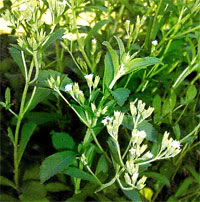
Stevia and Bb


Stevia[URL=http://media.photobucket.com/user/cintaherbal/media/Stevia.jpg.html][IMG]http://i605.photobucket.com/albums/tt140/cintaherbal/Stevia.jpg[/IMG][/URL]


http://doi.org/10.1556/1886.2015.00031

Abstract

“Lyme Disease is a tick-bourne multi systemic disease caused by Borrelia burgdorferi (Bb).  Administering antibiotics is the primary treatment for this disease; however, relapse often occurs when antibiotic treatment is discontinued.  The reason for the relapse remains unknown, but recent studies suggested the possibilities of the presence of antibiotic resistant Borrelia persister cells and biofilms.

In this study, we evaluated the effectiveness of whole leaf Stevia extract against B. burgdorferi spirochetes, persisters, and biofilm forms in vitro.  The susceptibility of the different forms was evaluated by various quantitative techniques in addition to different microscopy methods.  The effectiveness of Stevia was compared to doxycycline, cefoperazone, daptomycin, and their combinations.  Our results demonstrated that Stevia had significant effect in eliminating B. burgdorferi spirochetes and persisters.  Subculture experiments with Stevia and antibiotics treated cells were established for 1 and 14 days yielding, no and 10% viable cells, respectively compared to the above-mentioned antibiotics and antibiotic combination.  When Stevia and the three antibiotics were tested against attached biofilms, Stevia significantly reduced B. burgdorferi forms.  Results from this study suggest that a natural product such as Stevia leaf extract could be considered as an effective agent against B. burgdorferi.”


Nobel Prize awarded to Doctors Who Discovered Artemisinin and Ivermectin

http://articles.mercola.com/sites/articles/archive/2015/10/31/parasite-fighting-therapies.aspx?e_cid=20151031Z1_DNL_art_2&utm_source=dnl&utm_medium=email&utm_content=art2&utm_campaign=20151031Z1&et_cid=DM89176&et_rid=1195196480

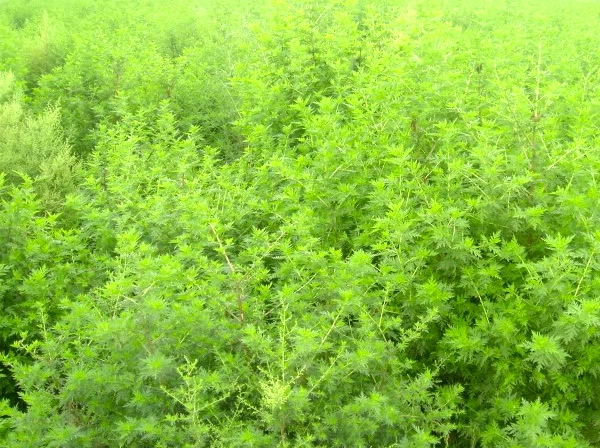
Caythanhhaohoavang-nguyenlieuchinhdechietxuatArtemisinin

The 2015 Nobel Prize in Physiology or Medicine has been jointly awarded to Drs. Youyou Tu, William C. Campbell, and Satoshi Omura for their discoveries of Artemisinin and Avermectin, natural substances that treat parasitic diseases.

Campbell from Duke University and Omura of Kitasato University in Japan are sharing half of the $960,000 Nobel Prize award to develop Avermectin which has greatly reduced lymphatic filariasis which causes chronic swelling and “elephantiasis,” and river blindness – both caused by parasitic worms. The purified version was named Avermectin and was later developed into the anti-parasitic drug Ivermectin which is used in both animals and humans to treat a variety of parasites.

Youyou Tu, a pharmacologist turned to traditional Chinese herbal medicine when chloroquine’s effectiveness was waning with malaria on the rise. She had to go back to the ancient literature to successfully extract the active component from Artemisia annua. Artemisinin is able to rapidly kill malaria parasites at an early stage of development and is highly effective in both animals and humans. When used in combination therapy, Artemisinin is estimated to reduce malaria deaths by more than 20 percent overall and more than 30 percent in children which amounts to more than 100,000 lives saved each year in Africa alone.

Dr. Klinghardt addresses parasitic infections first in his MISIDS patients by giving them wormwood (Artemisinin), phospholipids, vitamin C, and various herbs.

Also, eating raw garlic that has been smashed first to activate the beneficial properties and raw pumpkin seeds may also help. Maintaining a health GI is paramount and using fermented foods and taking high-quality pro and prebiotics may help to prevent and eradicate parasitic infections.

Barberry: Friend or Foe?

21664

http://phys.org/news/2012-02-japanese-barberry-tick-borne-diseases.html
According to assistant extension professor in the Department of Extension in the College of Agriculture and Natural Resources, Tom Worthley, if the shrub Japanese Barberry (Berberis thunbergii) is controlled there will be less tick-bourn infections, or TBI’s.

Introduced into the US in 1875 as a hardy plant that is attractive, it was deemed a problem child in the 80’s when it started spreading, crowding out native plants, and providing perfect conditions for earth worms. After the worms ate the litter layer, gullies formed, causing erosion, and negative soil chemistry.

But the kicker, Worthley states, is that ticks love the humid conditions caused by the Barberry. And, since the Barberry is now considered an invasive, it is found everywhere – including the woods. It is also listed as the “least wanted,” by the Plant Conservation Alliance’s Alien Plant Working Group.

http://www.outsideonline.com/1915071/rise-tick?page=all
When Scott Williams, wildlife biologist from the Connecticut Agricultural Experiment Station in New Haven, tested the Japanese barberry with humidity sensors, it tested humid enough for tick questing and mating for 23-24 hours a day. They also made a map showing the distribution of the shrub and overlaid a Lyme disease distribution map over it. They are remarkably similar.

But all characters in a good play have many sides.

http://www.raysahelian.com/barberry.html
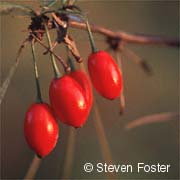
According to Ray Sahelian, M.D., the delinquent Barberry has the alkaloid Berberine which has a strong history of use in both Indian and Chinese medicine and is found in the roots, rhizomes, and stems. The same substance found in Goldenseal, Coptis or golden thread, and the Oregon Grape, is even stronger in Barberry according to some experts. It also has carbohydrates, organic acids, vitamins, poliphenolic compounds, pectin, tannin, and minerals. The berries have been made into jam and for cooking.  Its wood and its root have a distinctive electric yellow color.

http://www.dcnr.state.pa.us/cs/groups/public/documents/document/dcnr_010260.pdf  Berberis thunbergii or Japanese barberry is a species in cultivation and can be identified due to its flowers being produced in umbels (think umbrella shaped), and has very poor tasting berries, while Berberis vulgarism or European barberry grows wild in much of Europe and West Asia and can be identified by its flowers being produced in racemes and produces large crops of edible berries rich in vitamin C, but has a very sharp acidic flavor and is used by locals similarly to how citrus peel might be used. It is the vulgarism species used predominantly in herbal medicine.

But wait, there’s More.

http://m.phys.org/news/2014-03-intelligent-assumed.html
German researchers have discovered that the vulgarism species can make complex decisions. In a nutshell, it can abort its own seeds to prevent parasite infestation, particularly of the tephritid fruit fly, while its relative, the Oregon Grape, has no such capability. It even appears able to anticipate. The researchers found that if the infested fruit contains two seeds, then in 75 percent of the cases, the plants will abort the infested seeds, in order to save the second intact seed. If the fruit only contains one seed, then the plant will only abort the infested seed in 5 percent of the cases, perhaps speculating that the larva could still possibly die naturally.

There are differences between the two species but they both have antibacterial, antiseptic, and anti-cancer attributes, and both contain Berberine, universally present in rhizomes of Berberis species. Since it is not appreciably absorbed by the body, it is used orally in the treatment of various enteric infections, especially bacterial dysentery.

http://www.pfaf.org/user/Plant.aspx?LatinName=Berberis+vulgaris
The vulgarism species is rated higher medicinally, and is also an astringent, antispasmodic, diuretic, expectorant, laxative, purgative, stomachic (kills intestinal bugs including candida and C. difficile), refrigerant, and useful for TB, diarrhea, and as a tonic for the gallbladder to improve the flow of bile. A tincture of the root bark, about 6% berberine, has been used in the treatment of rheumatism and sciatica. It has also been used against malaria, as well as for opium and morphine withdrawal.

According to Master Herbalist, Steven Buhner (2015), Berberine is a very strong antibacterial and is active against a large number of resistant and nonresistant bacteria. Similar to garlic, he feels it is not systemic and potent enough to work as a primary treatment for Babesia, but it is effective against numerous strains of Mycoplasmas due to the fact most of it is excreted in the kidneys, urinary passages, and bowels. Only a tiny fraction of Berberine is systemic as the body considers it a toxin and is one of those herbs that should not be taken over long periods of time. But, probably, the greatest benefit is it is found to be synergistic with pharmaceuticals by increasing their activity and effectiveness. (2013).

Barberry is perhaps another one of those invasives that needs a second glance. MSIDS sufferers have found many plants considered pests by the experts to be quite helpful in their treatment. A mug-shot lineup would include Japanese Knotweed, the greater celandine, bidens, sida, kudzu, isatis, houttuynina, Eleutherococcus spinosus, teasel, and the thorny delinquent, barberry shrub.

Buhner states some of the most helpful herbs are scattered everywhere and that instead of eradicating them we should be asking why they are here.  I couldn’t agree more.

Perhaps we can work out a deal with the DNR to harvest a portion of these invasives and give them to sick patients!

For more information go to:  http://umm.edu/health/medical/altmed/herb/barberry

Herxheimer Die-Off Reaction Explained

With most infections, people feel better after starting treatment.  Often within 24 – 48 hours there is sweet relief of symptoms.  MSIDS (multi systemic infectious disease syndrome) is unique in that you often feel worse after starting treatment.  The following article written by Marty Ross, MD, explains why.

http://www.treatlyme.net/treat-lyme-book/herxheimer-die-off-reaction-inflammation-run-amok  Written by November 7, 2014

“If you feel worse after herbal anti-microbials or prescriptive antibiotics to treat Lyme are started it is likely you are having a Herxheimer die-off reaction.”

A die-off reaction, also called a Herxheimer reaction, can occur when treating the Lyme germ, some co-infections, and yeast. It occurs as bacteria or yeast die during antibiotic treatment. It is common to have Herxheimer die-off reactions when starting herbal anti-microbials or antibiotics when treating Lyme. These reactions can also occur when new antibiotics are introduced into a treatment.

In a die-off reaction, there is a release of toxins, proteins, and oxidizing agents that results in an increase in inflammatory cytokines such as tumor necrosis factor alpha, interleukin-6, and interleukin-8.

The symptoms of a die-off reaction are generally a worsening of the underlying symptoms of Lyme disease and its associated infections. A majority of Lyme disease symptoms are actually excess inflammatory cytokine symptoms. So in a die-off reaction there is a worsening of many Lyme disease symptoms including: fatigue, brain-fog, muscle and nerve pain, chills and sweats, and/or memory and thinking.

Cytokines: The Good and The Bad

Good: Cytokines are proteins made by various types of white blood cells to fight infections. They perform a number of functions that include:

  • making antibodies work more effectively,
  • increasing active white blood cells to fight infections,
  • recruiting white blood cells to the location of an infection,
  • turning on white blood cells to fight infections, and
  • decreasing viral and bacterial replication.

Bad: Too many cytokines:

  • suppress the immune system,
  • cause pain,
  • decrease hormone production from organs like the thyroid and the adrenal glands,
  • disturb sleep,
  • decrease brain function,
  • increase fatigue and tiredness,
  • waste muscles,
  • cause depression, and
  • decrease the function of various organs throughout the body resulting in many other symptoms and medical problems.

Cytokines: How They are Made

Cytokines are made when immune cells are stimulated by germs, oxidizing agents, cytokines, toxins, and other agents. Once the immune cells are stimulated an intracellular messenger called NF-kB causes genetic programming for the production of cytokines and the turning on of white blood cells to fight infections. Within the white blood cell cytokines are then produced in chemical reactions which require enzymes called kinases.

Cytokines in Lyme: What’s the Problem?

Cytokines are good, right? Well yes and no.

In the right amount they promote healing. In excess, they are harmful. The problem in chronic Lyme and associated diseases is that they are made in excess. This occurs even more so in a Herxheimer die-off reaction.

How to treat a Herxheimer Die-Off Reaction

To treat Herxheimer die-off reactions there are a number of interventions to:

  • lower oxidizing agents,
  • decrease NF-kB genetic programming of cells,
  • block kinase enzymes,
  • block inflammatory prostaglandins triggered by cytokines,
  • promote liver detoxification, and
  • lower blood acid levels.

Based on the work of Martin Pall, PhD, it is critcal to lower oxidizing agents that trigger cytokine production. Ecklonia cava extract derived from sea weed is a potent oral anti-oxidant which seems to have greater affect than other ones. In addition to this, alpha lipoic acid (ALA)n-acetyl cysteine (NAC), and glutathione are helpful. Glutathione and its precursor building blocks ALA and NAC also support liver removal of toxins. In addition the antioxidants quercetin and curcumin decrease NF-kB induced genetic signals to produce cytokines and block the production of inflammation prostaglandins. Quercetin also blocks kinase enzymes required in the production of cytokines. Blocking kinases with quercetin interferes with the cytokine production line. Prostaglandins are inflammation and pain chemicals that are triggered by inflammatory cytokines.

My Recommendations

Step 1: The Beginning of Treatment to Prevent Herxheimer Die-off Reactions.

Use a good multivitamin that includes alpha lipoic acid n-acetyl cysteine, antioxidants, and other micronutrients that decreases oxidizing agents and supports liver detoxification. I prefer multivitamin products in powder form made by Thorne or Integrative Therapeutics.

  • Curcumin 500mg 1 pill 3 times a day.
  • Multivitamin. Use multivitamin powders by Thorne or Integrative Therapeutics. Use as directed on the product label.

Step 2: Moderate Herxheimer Die-off Reactions.

For more severe cases add oral glutathione while continuing the multivitamin and curcumin. Glutathione is also a great choice if there is nerve pain or numbness. If the addition of glutathione is not effective than add ecklonia cava and consider adding quercetin. You can use all four. This combination works to block the cytokine production line and decreases oxidizing agents that trigger production. These treatments can take 1-2 weeks for maximum effect.

  • Glutathione (as oral liposomal glutathione) 500mg 1 or 2 times a day.
  • Quercetin 250mg 2 pills 3 times a day.
  • Ecklonia Cava 400mg 2 pills 2 to 3 times a day

If glutathione is not tolerated then work with one or a combination of the following anti-oxidants that are used to make glutathione.

  • Alpha Lipoic Acid 350mg 1 pill 2 times a day.
  • N-Acetyl Cysteine 500mg 1 pill 3 times a day.

Step 3: Severe Herxheimer Die-off Reactions.

For severe die-off reactions use IV glutathione as a potent antioxidant and to support liver detoxification. This is administered in an integrative medicine physician’s office. Another option is to use glutathione in a nebulizer. Glutathione IV is stronger than glutathione by nebulizer in my experience. Using a nebulizer you breath in a fine mist of the glutathione which is absorbed into the blood throught the blood vessels in the lungs. Sometimes I will start a person with four IV glutathione treatments and then change to glutathione by nebulizer to continue the treatment.

  • Glutathione IV 1200mg to 2500mg 2 times a week for a minimum of four treatments. If it helps but there are still improvements with the last treatment, consider weakly treatments until improvements plateau. You will likely feel more tired after the first treatment.
  • Glutathione by nebulizer 200mg/ml 2ml 2 times a day for adults. Children can take 100mg/ml 1ml to 2ml 2 times a day.

In addition to Ross’s suggestions, there are other methods that can help you detox which should lessen your herxes:

  1.  Take hot epsom salt baths and basically anything that makes you sweat.  Your skin is your largest organ and you can sweat toxins out.  In as hot of water as you can stand, put 1-2 Cups of Epsom Salts and try and get as much of your body to soak in the water.  Make sure you don’t burn your skin and drink plenty of good quality water.  Some people add in 1 Cup of hydrogen peroxide and a half a box of baking soda as well.  It is all helpful.  Light exercise in which you break a sweat is helpful too, but make sure your doctor is in agreement and don’t overdo it.  Walking is free and gets you out in the fresh air and sunshine – all of which are healing.  Infrared saunas, hot tubs, Biomats, anything that makes you sweat will help you detox.  https://madisonarealymesupportgroup.com/2018/06/01/yes-you-do-sweat-out-toxins/
  2. Drink lemon water.  Lemon water helps reduce inflammation by decreasing acidity and by removing uric acid from your joints.  It encourages healthy digestion by loosening toxins in your digestive tract and relieves heartburn, burping, and bloating.  It contains pectin fiber which assists in fighting off cravings and enhances enzyme function which stimulates your liver and detoxes your blood.  Lemon juice is full of Vitamin C which beefs up your immune system and it is higher in potassium than apples or grapes.  It diminishes viral infections and sore throats.  If you weigh less than 150, squeeze half a lemon in to a glass of water and drink.  If over 150lbs, use an entire lemon’s juice.  According to Dr. Sara Solomon, rinse your mouth out with water immediately after drinking lemon water as it is tough on enamel.  Do NOT brush your teeth for 60 minutes because acid leaves the enamel softened and more prone to erosion during brushing. Also, chemical reactions increase with temperature so drink it at room temperature.  http://www.drsarasolomon.com/hot-lemon-water-and-enamel-erosion/
  3. Colon Cleanses.  Since 60-70% of our immune system is in our gut, keeping this pathway going is crucial.  Some use Bentonite, psyllium husk powder (plain, no sugar or additives), chlorella, herbal bowel cleanses, coffee enemas, colonics, pro and prebiotics, Slippery elm, marshmallow root, aloe vera, plain yogurt or kefir, kombucha and fermented foods, garlic and onions, and anything else that heals leaky gut syndrome and strengthens your gut flora.  Most improve considerably by going on a no sugar no gluten diet.  Some have to remove dairy as well as any other foods that cause allergy type symptoms. (Often colonic practitioners will add anti-parasitic and/or other essential oils if you ask)
  4. Detoxing herbs:  Some have found major relief by using milk thistle, pinella, burbur, parsley, nettle, andrographis, dandelion root, and other herbs that help them detox.  http://www.nutramedix.ec/ns/lyme-protocol  When you click this link you will see the herbs used in the Cowden protocol.  Scroll down to the herbs listed in green and then read up and even watch a short video explaining the herbs that have “detox” listed after them.  If you had to pick one herb it would be Japanese Knotweed.  According to Master Herbalist, Stephen Buhner, it crosses the blood-brain barrier and is a drug and herb synergist, facilitating the movement of other herbs and drugs into hard to reach places.  It modulates and enhances immune function, is active against a number of gram-negative and gram-positive bacteria including leptospira and Treponema denticola spirochetes, is anti-inflammatory for both arthritic and bacterial inflammations, protects the body against endotoxin damage, helps reduce herxes, and protects the heart by increasing blood flow.  A very helpful, common, invasive ditch weed indeed!
  5. Diet.  Besides avoiding food allergens which cause leaky gut syndrome, many have found help by avoiding inflammatory foods.  Gluten, casein (found in dairy), and sugar cause inflammation and can make everything worse.  Eat foods high in nutrients and fiber.  Many do very well vegetable juicing which cleanses the body but makes the blood alkaline which promotes healing and prevents Herxes.  Notice I didn’t say “fruit” juicing.  Breaking down fruit and taking away it’s fiber content in juicing will spike insulin and therefore cause inflammation.  Use veggies instead.  Also, make sure you get plenty of good Omega 3 fats.  Most of us need fish oil, as well as cod liver or krill oil for vitamin D3 as we Northerners are typically abysmally low in D3 which can only be increased by getting sun onto the skin which then causes our body to make it.  Since the sun angle is so much lower here we need to supplement.  You should have your vitamin D levels checked at least yearly.
  6. Stimulate the Lymphatic System.  Exercise is listed above under sweating, but it also should be mentioned that movement causes lymph drainage, which is quite helpful in detoxing.  Jumping on a trampoline or just doing jumping jacks will assist in this.  Getting a Swedish massage feels great and also gets the lymph system working.  There is actually something called “Lymph drainage massage.”  Dry brushing does this as well.  Purchase a soft, natural brush, preferably with a long handle to reach everywhere and begin brushing at your feet and moving in long sweeping motions toward your heart, making sure to brush several times in each area, overlapping as you go.  Follow this up with your detox bath listed above, sipping on your lemon water and you really will get things moving and detoxing all in one fell swoop.
  7. Heavy Metal Detoxing.  Metals compromise our immune system and inhibit enzyme systems vital to cellular function so it only makes sense to eliminate them.  Some doctors use IV methods while others use zeolite, chlorella, citrus pectin, or HMD (a synergistic blend of chlorella growth factor, coriandrum stadium and a homaccord of chlorella pyrenoidosa).  You should also consider getting any mercury amalgams removed as mercury can cause a wide range of serious health problems, but make sure you get a qualified biological dentist who uses the correct procedures.

For more:  https://madisonarealymesupportgroup.com/2017/06/28/jarisch-herxheimer-a-review/

https://www.lymedisease.org/lymesci-herxing/

https://madisonarealymesupportgroup.com/2015/12/06/tips-for-newbies/

https://madisonarealymesupportgroup.com/2018/02/24/top-3-lyme-detox-myths-busted-dr-rawls/