https://healthimpactnews.com/2022/almost-3000-increase-in-eye-disorders-following-covid-19-vaccines/

Almost 3,000% Increase in Eye Disorders Following COVID-19 Vaccines
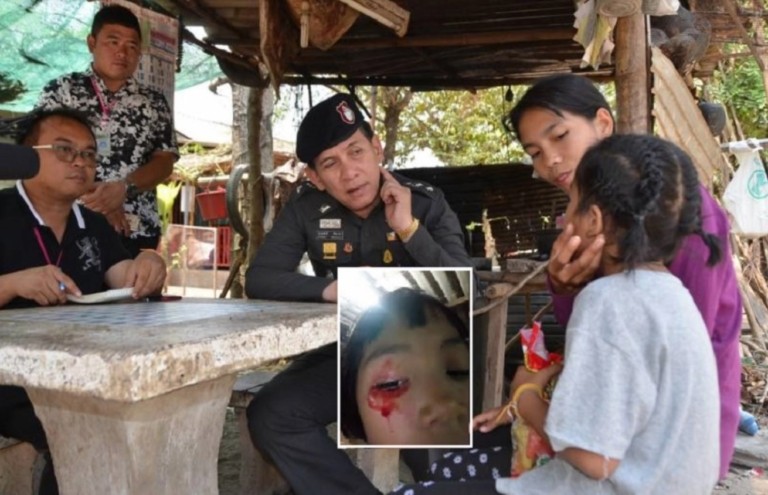
7-Year-Old Girl Oozes Blood from Eye After Receiving Pfizer COVID-19 Vaccine in Thailand. (Source.)

by Brian Shilhavy
Editor, Health Impact News

June 21, 2022

A case study was published earlier this month in the Journal Français d’Ophtalmologie reporting an anterior uveitis case that developed after the first dose of COVID-19 vaccine in a 54-year-old female.

Bilateral anterior uveitis after BNT162b2 mRNA vaccine: Case report

A 54-year-old female patient, who did not have any disease other than diabetes mellitus, had complaints of redness, blurred vision, eye and headache that started in both eyes 3 days after the first dose of BNT162b2 mRNA (Pfizer-BioNTech) vaccine. Three days later, she was referred to our clinic.

She had the best corrected visual acuity of 5/20 on the snellen chart in both eyes. Conjunctiva of both eyes were hyperemic, corneal epithelial edema and keratic prepitates were observed in the lower quadrant. There was intense reaction in the anterior chamber and posterior synechia in the right eye. Intraocular pressure values were 60 mmHg in the right and 55 mmHg in the left with the Goldman applanation tonometer. Corneal edema was attributed to high intraocular pressure.

The patient was hospitalized and necessary blood tests were taken. (Full study.)

We have previously reported on a case of a 7-year-old girl in Thailand who began oozing blood from her eyes and skin after receiving the Pfizer mRNA vaccine. Her case was published in CTN News, which reported:

According to the Multidisciplinary Digital Publishing Institute MDPI, there have been recent reports of hemorrhage, blood clots, and thrombocytopenia following the administration of mRNA COVID-19 vaccines that have raised concerns over the safety of genetic vaccines for people with pre-existing coagulation disorders or those on certain medications. (Full article.)

With the dangerous COVID-19 mRNA shots now being extended to babies and toddlers, I decided to search the Government VAERS (Vaccine Adverse Reporting System) database for cases filed for various eye disorders. The list of eye disorders that I searched can be seen here. They are:

  • Abnormal sensation in eye
  • Abscess of eyelid
  • Autoimmune eye disorder
  • Binocular eye movement disorder
  • Decreased eye contact
  • Eye allergy
  • Eye contusion
  • Eye discharge
  • Eye disorder
  • Eye haemangioma
  • Eye haematoma
  • Eye haemorrhage
  • Eye infection
  • Eye infection bacterial
  • Eye infection fungal
  • Eye infection intraocular
  • Eye infection staphylococcal
  • Eye infection toxoplasmal
  • Eye infection viral
  • Eye inflammation
  • Eye injury
  • Eye irritation
  • Eyelid abrasion
  • Eyelid bleeding
  • Eyelid boil
  • Eyelid contusion
  • Eyelid cyst
  • Eyelid disorder
  • Eyelid function disorder
  • Eyelid haematoma
  • Eyelid infection
  • Eyelid injury
  • Eyelid irritation
  • Eyelid margin crusting
  • Eyelid pain
  • Eyelid tumour
  • Eyelid vascular disorder
  • Eye movement disorder
  • Eye pain
  • Eye pruritus
  • Eye rolling
  • Eyes sunken
  • Eye swelling
  • Eye ulcer
  • Floppy eyelid syndrome
  • Glassy eyes

For the past 18 months since the COVID-19 vaccines were given emergency use authorizations, there have been 17,858 cases of eye disorders reported, including 59 deaths, 1,232 permanent disabilities, 2,882 ER visits, and 1,466 hospitalizations, with 307 life threatening events. (Source.)

That’s an average of 992 cases of eye disorders reported each month following COVID-19 vaccine injections, and this is most certainly NOT an exhaustive list of eye disorders.

But it does give us a sub-set of data to compare to all other FDA-approved vaccines for the previous 30 years (360 months) prior to the roll out of the COVID-19 vaccines.

Using this exact same set of eye disorders, we find 11,898 cases filed for eye disorders over the course of 30 years following all other FDA-approved vaccines, which averages out to 33 cases a month. (Source.)

So that is a 2,902% increase in eye disorders following the very dangerous COVID-19 vaccines, which the health “authorities” now want parents to inject into their babies.

__________________

**Comment**

Oozing blood after these shots is also documented here, and German physicians showed alarming footage and slides of multiple vaxxed patients’ blood after the shots.  Also, listen to an important podcast where Dr. Jane Ruby explains embalmers are finding white, fibrous substances in the vasculature of the vaxxed.  Scroll to 9:00 to listen and see pictures.

Way back in 2020 I posted a video of Italian pathologists who performed more than 50 autopsies and who explain COVID patients are not dying from interstitial pneumonia (why ventilators don’t work and actually do more harm) but from DIC (disseminated intravascular coagulation) a medical term for blood clotting causing lack of oxygen. Chinese researchers performed 74 autopsies and confirmed this.  Interestingly, Dr. Fauci told the government, “Don’t do autopsies,” so little has been studied and revealed in the U.S.  This article explains how a German pathologist who stated that 30-40% of vaxxed autopsies died from the ‘vaccine’ went oddly silent and suddenly stopped doing autopsies.

Autopsies are key for discovery.

“You can not find that for which you do not look.” ~ Dr. Ryan Cole

The Italian pathologists state in the video:

SARS, COVID2 was invented in a British lab (Pirbright Institute) from a U.S. patent(Bickerton et al.) which has 4 genetic inserts:
  • HIV
  • Malaria
  • TB
  • most likely Dengue or Zika, which most likely were carried out in the biosafety lab in Wuhan China, and then escaped or were released.

Of these diseases Malaria, Dengue, Zika, and HIV can cause Thrombocytopenia, which means decreased platelets and formation of micro clots or thrombus, which produces purpuric lesions on the skin, which results in red dots on the limbs, that have been reported in some patients asymptomatic but infected with COVID-19 – mainly in young people, and the worst cases are capable of inducing coagulation, Disseminated Intravascular, which is a systemic event triggered by damage in the blood vessels, caused by inflammation.This has two consequences:

  • Severe, localized micro thrombus formation OR
  • Generalized or localized bleeding

Dr. Hoffe used D-dimer tests on his vaxxed patients complaining of breathlessness, and found that 62% showed microscopic blood clots, with capillaries plugging up which will eventually lead to a serous cardiovascular event.  This also helps explain why embalmers are now finding arteries filled with blood clots, why many are needing leg amputations after the shots, and how Chinese cupping on those who got the shots shows blood like jelly.  Within this article is a video showing pictures from embalmers of “biostructures” within the vaxxed vascular systems. Evidently these are not clots but appear to be some sort of organic crystals and extremely thin wires.

These blood clots are found mainly in the lungs, heart, brain and kidney. It is feasible that many died of hemorrhagic vascular brain ischemia, others with kidney failure, and others with heart disease such as myocardial infarction or failure of cardiac dilation of the heart.

This also explains why hydroxychlorquine (HCQ), an antimalarial (along with zinc)is working, as well as Azithromycin as it stops the growth of bacteria like TB.  HCQ also prevents the virus from binding to hemoglobin.
Dr. Haridopolos (FL Board of Medicine) states the following about hydroxychloroquine:
  • alkalizes the blood, reducing the virus’ ability to replicate
  • causes 02 to dissociate from hemoglobin, similarly as carbon monoxide replaces the 02 molecule
  • reduces cytokine storm


This article explains how the shots cause thrombocytopenia (low platelets) caused by antibodies against the toxic spike protein, resulting in depletion of platelets which can lead to DIC which eventually exhausts the coagulation system which will result in hemorrhaging, and explains why people are bleeding out their eyes, nose, skin, etc. This article reveals there is graphene hydroxide (extremely sharp carbon molecule which is not found in nature and is NOT biodegradable and stays in the body) in the injections which act as nano-razors and cut the epithelial lining of recipients’ veins. This too can exhaust the coagulation system.

Twelve scientists wrote about this to EU regulators in March 2021, asking them to address these safety concerns or halt the ‘vaccines.’ Crickets.

But, you are soundly warned.


https://www.lymedisease.org/lyme-disability-insurance-claims/

10 tips for Lyme disability insurance claims

by Jennifer Hess, Esq., Partner at Riemer Hess LLC

Obtaining disability insurance benefits for Lyme disease is no easy feat. Insurance companies unreasonably scrutinize Lyme disability claims – often denying claims by dismissing symptoms as “unsupported” or “exaggerated.”

This incredibly unfair practice is designed to increase insurer profits at the expense of people disabled by Lyme disease. The only way to increase your chances of approval is with careful preparation, strategic planning and sufficient evidence supporting your disability.

Below are our top 10 tips to help you obtain disability benefits for Lyme disease.

1. Secure the support and cooperation of your doctor

Before filing your disability claim, talk to your doctor to confirm that they not only believe you are disabled, but also that they will participate in the disability claim process. The process will require your doctor’s time and efforts to complete forms and respond to inquiries from the insurance company. If your doctor isn’t willing to cooperate in support of your claim, the insurance company will automatically assume that your claim is not legitimate

2. Ask your doctor to supplement the claim forms with a letter

Standard disability claim forms contain traps designed to help the insurance companies deny claims. For example, the claim form may only prompt your doctor about physical symptoms even though you might experience other disabling symptoms, such as cognitive difficulties. Unless your doctor supplements the form with more information, the insurance company will receive an incomplete picture of your condition.

Thankfully, your doctor is not limited to the forms provided by your insurance company. You can ask your doctor to supplement the forms with a detailed letter.

The letter should explain the nature, frequency, and duration of your Lyme disease symptoms, while also explaining how these symptoms impact your ability to work. Other pertinent information, such as lab results or abnormal clinical findings, can add further valuable support.

3. Undergo a functional capacity evaluation, neuropsychological evaluation, or cardiopulmonary exercise testing

Insurance companies always want to see objective proof of your disability, where possible. Testing that your doctor recommends for treatment purposes may be helpful to your disability claim.

However, there may be other tests available to substantiate your disability claim with the goal of measuring your symptoms’ impact on your physical functions rather than as treatment. These tests include the following:

Functional Capacity Evaluation If your Lyme disease causes physical symptoms such as stiffness or muscle weakness, consider undergoing a functional capacity evaluation (also known as an “FCE”). An FCE is a series of tests, practices, and clinical observations that objectively measure your physical ability to perform work-related activities. These activities include: sitting; standing; walking; lifting/carrying; pushing/pulling; performing gross or fine manipulations (for example, typing); and many other occupational functions.

Neuropsychological Evaluation If your Lyme disease causes cognitive symptoms such as brain fog, consider undergoing a neuropsychological evaluation. This is an in-depth assessment of how well your brain functions with respect to certain skills and abilities. It involves testing your performance in the areas of: reading; language; memory; attention/concentration; processing speed; learning; reasoning; problem solving; and more.

Cardiopulmonary Exercise Test If your Lyme disease causes significant physical fatigue and exertional intolerance, consider undergoing a cardiopulmonary exercise test (also known as a “CPET”). A CPET is a highly specialized stress test that objectively measures your ability to exercise and physically exert yourself.

Each of the above-noted tests may be used as acceptable proof of a Lyme disability. However, the insurance company will want to see that the testing included measures to ensure that you consistently put forth maximum efforts (known as “validity testing”), and that you passed all such measures. If you don’t satisfy validity measures, the insurance company will dismiss the results as unreliable and invalid.

4. Explain how your Lyme symptoms impact your ability to work

You will need to complete forms and talk to the insurance company representative about how your Lyme disease impacts your ability to work. This is your opportunity to tell your story. Do so by listing each of your symptoms and describing how each impacts your ability to perform the specific duties of your occupation. Where possible, provide everyday examples and be sure to describe any work activities that exacerbate your symptoms. Don’t forget to detail the non-exertional demands of your work, such as performing analytical thinking.

If your symptoms unpredictably fluctuate in nature or severity, be sure to detail that as well. The ability to maintain a normal work schedule on a consistent, reliable, and sustained basis is a requirement of any gainful employment. If your fluctuating symptoms prevent you from meeting that requirement, the insurance company should find that you are disabled.

5. Keep a Lyme symptom diary or journal

A symptom diary or journal can help demonstrate the nature, frequency, and duration of your Lyme disease symptoms. A contemporaneous, daily log of your symptoms is ideal.

For example, if you had joint pain on Tuesday, you should put that in your diary. If you could not get out of bed on Wednesday,you also should put that in your diary. The more specific your diary entries are, the better. Specificity helps the insurer view and evaluate your symptoms in context – making it easier to prove your Lyme disease disability claim.

Consider giving your doctor a copy of your Lyme disease symptom diary to put in your file. This will better enable your doctor to evaluate the full spectrum of your symptoms, rather than just the ones that you remember to report during your visit. This also can help your doctor keep better treatment notes that accurately reflect the totality of your symptoms.

6. Don’t forget to document any co-morbid conditions contributing to your disability

If you have any medical conditions other than Lyme disease contributing to your inability to work, be sure to document them. Co-morbid diagnoses can have a major impact on your disability, whether tick-related (for example, Babesiosis) or not (for example, rheumatoid arthritis). Gather documentation from the doctors that are treating any co-morbid conditions and be sure to explain the impact of such to your disability insurer

7. Gather and neatly organize your evidence with an index

The insurance company will not gather evidence of your disability on your behalf. That responsibility is on you. The more supportive evidence that you can proactively provide, the better.

Gather all medical evidence (for example, testing results, treatment notes, and statements from your doctors), occupational evidence (for example, a job description and a statement written by you detailing how you cannot perform the demands of your work), and anything else that might support your claim.

There is no limit on what you can submit, so feel free to get creative. You can submit photographs, witness statements from co-workers or friends, or even work performance evaluations.

Neatly organize, label, and index the evidence. This will help ensure that nothing goes unseen or unreviewed.

In addition to the testing detailed above, you’ll want to get the results of any serological testing. This is laboratory blood testing that typically involves two tiers to identify Lyme antibodies: (1) the “EIA” (enzyme immunoassay) or sometimes an “IFA” (indirect immunofluorescence assay); and (2) an immunoblot test, commonly referred to as the “Western Blot” test.

The Western Blot is arguably a more reliable indicator of Lyme, but it is not necessary to make a diagnosis. Although serological testing is not necessary to diagnosis Lyme disease, positive results will be helpful for your disability claim. Even if the results are not positive, the insurer will still want to see that you have had this testing done.

8. Satisfy the deadlines set forth in your disability insurance policy

Your long term disability insurance policy contains deadlines that you must satisfy. If you do not satisfy the deadlines, you will lose your opportunity to pursue your claim.

The two most important deadlines you must meet are “notice of claim” (the date by which you must notify the insurer that you intend to file a claim) and “proof of claim” (the date by which you must submit your supportive evidence).

These deadlines can be surprisingly short. For example, the deadline to file notice of claim could be as short as 7 days after the onset of your disability.

Always check your long term disability policy and be sure to keep proof of your submissions to demonstrate timeliness.

9. Receive consistent and frequent treatment while your disability claim is pending

You must continue to receive medical treatment for Lyme while your disability claim is pending. This is because most disability insurance policies require that you are under the continuous care of an appropriately qualified medical provider to be eligible for benefits.Consistent and frequent treatment is ideal, but you should always talk to your doctor about what frequency they deem appropriate.

Eventually, your insurer will want to see those updated treatment records to evaluate how you are doing.

10. Cooperate with the insurance company’s investigation within reason

Disability insurers have a right to investigate your claim, and they generally obligate you to cooperate with this process. As part of the investigation, your disability insurer might want to interview you or talk to your doctors.

Your disability insurer also might demand that you submit to a so-called “independent” medical examination by one of their doctors. The more supportive information that you can proactively throw at the insurer to support your claim, the less likely it is that the insurer will ask for more information during the investigation process. It is always best to proactively submit as much supportive evidence as possible.

Conclusion

The success of your Lyme disability insurance claim will boil down to careful, strategic planning and sufficient evidence. Without this, your chances of securing disability insurance benefits will substantially decrease. Always seek help from a disability insurance attorney who has relevant experience with Lyme disease.

Jennifer L. Hess is an attorney partner at Riemer Hess LLC in New York City, a law firm focusing on disability insurance claims. For more educational information about proving Lyme disability insurance claims, visit their FAQ Center page, “Is Lyme Disease a Disability?”

________________

For more:

https://danielcameronmd.com/knee-swelling-child-lyme-disease/

Unilateral knee swelling in a child due to Lyme disease

swollen-knee-lyme-disease

In their case report, “Pediatric unilateral knee swelling: a case report of a complicated differential diagnosis and often overlooked cause,” Guardado et al. describe a 3-year-old girl who presented to a hospital in Pennsylvania after two weeks of limping from a swollen right knee.¹

According to the authors, “The mother initially denied history of a tick bite, yet after focused questioning, the mother stated that the child had ticks on her approximately 9 months ago.”

Unfortunately, the child was not taken to her clinician because she did not develop any skin rashes which could indicate Lyme disease.

The child demonstrated right knee effusion with signs of crepitus and decreased range of motion secondary to swelling, the authors explain. “In addition, she had an unsteady gait without joint tenderness, crepitus, or overlying skin pathology.”

A Western blot test for Lyme disease was positive.

“Lyme arthritis is a diagnosis that is often missed, even in children, who are the population with the highest incidence of Lyme disease,” the authors point out.

“When this diagnosis is missed, it can result in long-term morbidity, which is generally refractory to intravenous antibiotic therapy, oftentimes requiring synovectomy.”

The child had a complete resolution of symptoms following a 2-day treatment with IV Rocephin and 21 days of oral amoxicillin.

“This case demonstrates the importance of including Lyme arthritis as part of the differential diagnosis of joint swelling regardless of the recollection of a tick bite,” the authors suggest.

Furthermore, the case raises awareness of mono- or oligoarticular arthritis as one of the signs of Lyme disease.

Related Articles:

For a refresher on the mounting list of adverse reactions and deaths reported after COVID shots see:  https://madisonarealymesupportgroup.com/2020/12/21/warning-3150-injuries-in-1st-week-of-covid-vaccines-among-american-healthcare-workers-pregnant-women-included/

https://childrenshealthdefense.org/defender/cdc-vaers-covid-vaccine-safety

CDC Admits It Never Monitored VAERS for COVID Vaccine Safety Signals

In response to a Freedom of Information Request submitted by Children’s Health Defense, the Centers for Disease Control and Prevention last week admitted it never analyzed the Vaccine Adverse Event Reporting System for safety signals for COVID-19 vaccines.

In a stunning development, the Centers for Disease Control and Prevention (CDC) last week admitted — despite assurances to the contrary — the agency never analyzed the Vaccine Adverse Event Reporting System (VAERS) for safety signals for COVID-19 vaccines.

The admission was revealed in response to a Freedom of Information Act (FOIA) request submitted by Children’s Health Defense (CHD).

In September 2021, I published an article in The Defender in which I used the CDC’s published methodology to analyze VAERS for safety signals from COVID-19 vaccines.

The signals were loud and clear, leading me to wonder “why is nobody listening?”

Instead, I should have asked, “Is anybody even looking for them?”

After that article was published, I urged CHD’s legal team to submit a FOIA request to the CDC about its VAERS monitoring activities.

Since CDC officials stated publicly that “COVID-19 vaccine safety monitoring is the most robust in U.S. history,” I had assumed that at the very least, CDC officials were monitoring VAERS using the methods they described in a briefing document posted on the CDC website in January 2021 (and updated in February 2022, with minor changes).

I was wrong.

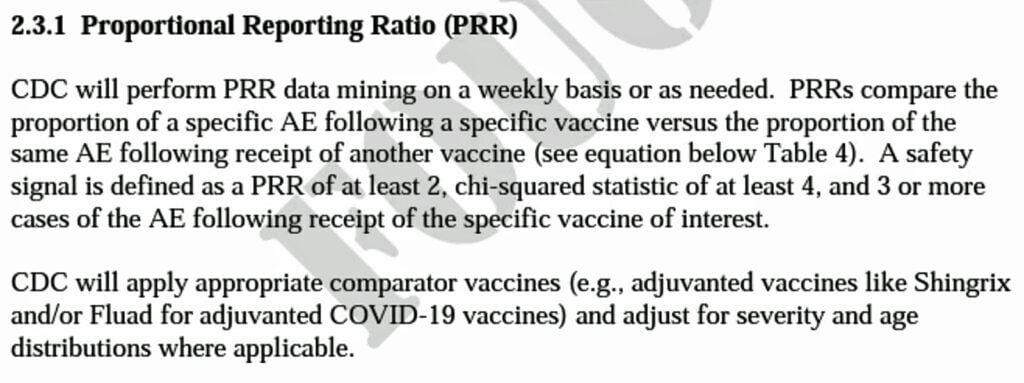
The lynchpin of their safety monitoring was to mine VAERS data for safety signals by calculating what are known as proportional reporting ratios (PRR’s).

This is a method of comparing the proportion of different types of adverse events reported for a new vaccine to the proportion of those events reported for an older, established vaccine.

If the new vaccine shows a significantly higher reporting rate of a particular adverse event relative to the old one, it counts as a safety signal that should then trigger a more thorough investigation.

The briefing document states, “CDC will perform PRR data mining on a weekly basis or as needed.”

proportional reporting ratio prr

And yet, in the agency’s response to the FOIA request, it wrote that “no PRRs were conducted by CDC. Furthermore, data mining is outside of the agency’s purview.”

The agency suggested contacting the U.S. Food and Drug Administration (FDA), which was supposed to perform a different type of data mining, according to the briefing document.

cdc chd letter

CDC officials repeatedly claimed they have not seen safety signals in VAERS.

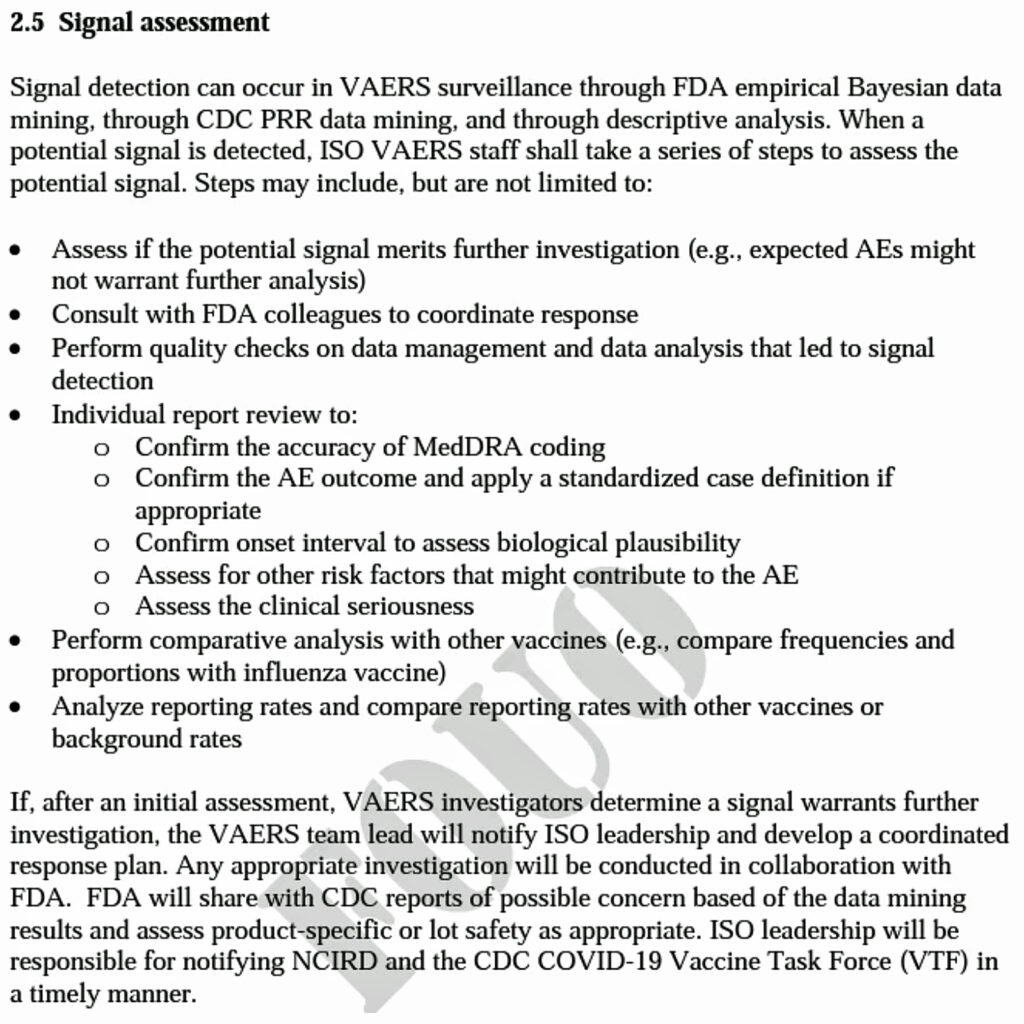
signal assessmentFor example, on April 27, 2021, CDC Director Dr. Rochelle Walensky stated the CDC did not see any signals related to heart inflammation.

But a PRR calculation I did using the number of myo/pericarditis reports listed in the first table produced by the CDC obtained via the FOIA request reveals clear and unambiguous safety signals relative to the comparator vaccines mentioned in the briefing document (i.e., flu vaccines, FLUAD and Shingrix).

The table is dated April 2, 2021, almost four weeks before she made those remarks.

In fact, among the 15 adverse events for adults included in that week’s tabulations, PRRs I calculated also show loud-and-clear safety signals for acute myocardial infarction, anaphylaxis, appendicitis, Bell’s palsy, coagulopathy, multisystem inflammatory syndrome in adults (MIS-A), stroke and death.

The actual monitoring the CDC did diverges from the one promised in the briefing document in other ways.

For example, the CDC never created tables of the top 25 adverse events reported in the previous week, tables comparing different vaccine manufacturers, or tables of auto-immune diseases.

And it only began monitoring in early April 2021, even though reports from COVID-19 vaccines had been flooding VAERS since mid-December of the previous year.

To be clear, VAERS is not the only database the CDC uses to monitor COVID-19 vaccine safety.

For example, the CDC sponsored several studies of COVID-19 safety using the Vaccine Safety Datalink (VSD), which is comprised of millions of medical records from HMO’s across several states.

Those studies do not raise many safety concerns. However, they make many questionable methodological choices.

To give one example, a major safety study based on VSD data published in September 2021, in “JAMA,” compares adverse event rates that occur within 1-21 days of vaccination to the rate of occurrence from 22 to 42 days after vaccination.

It makes no comparison between vaccinated and unvaccinated individuals, or before vaccination versus after in the same individuals.

Moreover, the VSD is far from infallible, having failed initially to detect the increase in myocarditis rates.

In contrast, although calculating PRR’s is a blunt pharmacovigilance tool and far from perfect, it nevertheless has the advantage of being straightforward and difficult to manipulate with statistical sleight of hand.

PRRs are one of the oldest, most basic and most well-established tools of pharmacovigilance. The calculations are so straightforward that the CDC automated it several years ago, so it could have been done at the press of a button.

It simply beggars belief that the CDC failed to do this simple calculation. Even now, a paper published by CDC staff in March on the safety of the mRNA COVID-19 vaccines remains purely descriptive with no PRR calculation.

Meanwhile, a study published by a researcher not affiliated with the CDC in February in “Frontiers in Public Health” analyzes VAERS and EudraVigilance data using a method similar to PRRs, revealing clear and concerning safety signals.

And while it is true that VAERS is not the only database the CDC can use to monitor COVID-19 vaccine safety, it is of critical importance because it can reveal signals much faster than any other method — if anybody cares to look for them.

It remains to be seen if the FDA was properly monitoring VAERS. That will be the subject of a future FOIA request.

But even if it was, it doesn’t change the fact that the CDC completely failed in its promise to monitor VAERS for safety signals.

The views and opinions expressed in this article are those of the authors and do not necessarily reflect the views of Children’s Health Defense.

___________________

**Comment**

Yet another reason not to trust the CDC, besides the fact it’s deleting VAERS reports.

___________________

https://childrenshealthdefense.org/defender/pfizer-covid-vaccine-trials-adverse-events-shots-fda-eua-documents

Pfizer Classified Almost All Severe Adverse Events During COVID Vaccine Trials ‘Not Related to Shots’

The case reports included in Pfizer clinical trial documents, released June 1 by the U.S. Food and Drug Administration, reveal a trend of classifying almost all adverse events — and in particular severe adverse events — as being “not related” to the vaccine.

The latest release by the U.S. Food and Drug Administration (FDA) of Pfizer-BioNTech COVID-19 vaccine documents reveals numerous instances of participants who sustained severe adverse events during Phase 3 trials. Some of these participants withdrew from the trials, some were dropped and some died.  (See link for article)

___________________

A few examples of deaths & severe reactions in the Pfizer trials that were classified as “not related” to the ‘vaccine’:

  • Female in her 50’s, died of myocardial infarction
  • Female in her 50’s died of cardiac arrest
  • A male in his mid-60’s died of myocardial infarction
  • A teen, female was diagnosed with lower extremity deep vein thrombosis which was ongoing as of March, 2021
  • Male in mid-70’s diagnosed with COVID, abdominal adhesions, altered mental status, acute hypoxic respiratory failure and required hospitalization.  He also had congestive heart failure after shot
  • Male in mid-70’s got pneumonia and peripheral edema and was hospitalized
  • Male in early 40’s got chronic myelogenous leukemia and was ongoing as of March, 2021
  • Female in her mid-40s diagnosed with kidney stones requiring hospitalization. Also diagnosed with COVID
  • Female in her late 50s suffered acute exacerbation of asthma requiring hospitalization and had a blood pressure of 183/130 and a heart rate of 98 beats per minute
  • Male in his late 20s sustained a bilateral pulmonary embolism requiring hospitalization with symptoms ongoing as of March, 2021
Many serious adverse events and deaths were listed in a separate, massive document, exceeding 2,500 pages.

Not ONE of the events, classified as toxicity level 4 – the highest and most serious level, were classified as being related to “vaccination.”

Level 4 events listed in the document include but are not limited to the following, many of which occurred in multiple patients:

  • Acute cholecystitis
  • Acute respiratory failure
  • Adrenal carcinoma
  • Anaphylactic shock
  • Aortic valve incompetence
  • Appendicitis
  • Arrhythmia, supraventricular
  • Arteriosclerosis
  • Brain abscess
  • Cardiac arrest
  • Chronic myeloid leukemia
  • Complicated appendicitis/acute appendicitis with necrosis
  • Congenital heart disease/heart anomaly
  • Coronary artery occlusion
  • COVID-19 illness
  • Deep vein thrombosis
  • Diverticulitis
  • Hemiplegic migraine
  • Hemorrhagic stroke
  • Interstitial lung disease
  • Myocardial infarction
  • Orthostatic hypotension/possible postural hypotension
  • Osteoarthritis
  • Pericolic abscess
  • Peritoneal abscess
  • Renal colic
  • Ruptured diverticulum
  • Small bowel obstruction/small intestinal obstruction
  • Spontaneous coronary artery dissection
  • Subarachnoid hemorrhage
  • Suicidal ideation (and suicidal ideation with attempt)
  • Syncope
  • Type 2 diabetes
  • Worsening of abdominal pain
  • An “unevaluable event/“unknown of unknown origin”

Only a small number of toxicity level 3 adverse events were indicated as having been “related” to vaccination. Such adverse events included but are not limited to the following, some of which occurred in multiple trial participants:

  • Arthralgia
  • Blood glucose increase/glucose spike
  • Deafness/hearing loss
  • Dyspepsia
  • Hypotension
  • Lymph node pain
  • Lymphadenopathy/lymph node swelling
  • Musculoskeletal chest pain (non-cardiac)
  • Neutropenia
  • Pain in fingers/bilateral hands
  • Pruritus
  • Pyrexia/febrile syndrome
  • Severe headache
  • Shoulder injury related to vaccine administration
  • Sleep disorder/sleep disturbance
  • Tachycardia
  • Urticaria
  • Ventricular arrhythmia
  • Vertigo

The other little dirty secret are the patients who discontinued the trial due to the following adverse events which was released in an additional document.  

  • Acute myocardial infarction
  • Amnesia
  • Anorexia
  • Atrial fibrillation
  • Cerebral infarction
  • Congestive cardiac failure
  • Coronary artery disease
  • Deafness (unilateral)
  • Depression
  • Diabetic foot
  • Diverticular perforation
  • Exposure during pregnancy
  • Eye pain
  • Gait instability
  • Gastric adenocarcinoma
  • Gastrointestinal hemorrhage
  • Hypertension
  • Irregular heart rate
  • Loss of taste and smell
  • Myalgia
  • Paraparesis
  • Parkinsonism
  • Presyncope
  • Pulmonary embolism
  • Pyrexia
  • Swelling face
  • Tachycardia
  • Transient ischaemic attack
  • Urticaria
  • Vaccine allergy
  • Vertigo

Lastly, a federal judge found the Pfizer-BioNTech and Pfizer Comirnaty vaccines are legally distinct.

This document states that trial participants were administered one of two candidate vaccines, labeled BNT162b1 and BNT162b2 (the latter of which ultimately received an EUA from the FDA), or a placebo. A variety of dosage levels were also tested, ranging from 10 μg to 100 μg for BNT162b1, and 10 μg to 30 μg for BNT162b2.

In Phase 1 of Study BNT162-01, the clinical review reports that “40% to 45% of participants who received BNT162b1 and BNT162b2 across age groups and across dose levels reported one or more AEs [adverse events] from Dose 1 through 28 days (i.e., 1 month) after Dose 2.”

In what will turn out to be a general pattern throughout the clinical review, we are told that “most AEs were considered by the investigator as not related to study intervention and mild to moderate in severity, and all AEs were reported as resolved.”

Please read the entire article for yourself to discover the unethical and fraudulent way these trials are run, and that despite the incidence of severe adverse events including death, Pfizer concluded the shots were ‘safe and well-tolerated.’

https://www.axios.com/2022/06/03/monkeypox-vaccine-treatments

Monkeypox treatments and vaccines shipped to states as U.S. cases rise

June 3, 2022

Herb Scribner

Excerpts:

The U.S. government is shipping drugs and vaccines to combat the monkeypox virus to eight states that have requested them, Centers for Disease Control and Prevention officials said in a briefing Friday.

Driving the news: There have been at least 20 cases of monkeypox in the United States across 11 states, and those numbers are expected to rise, the CDC said.

  • States have received the Jynneos vaccine, which is given to prevent monkeypox and smallpox.
  • Officials said one state asked for the ACAM2000 vaccine, which is distributed post-exposure. (This is an older generation vaccine that comes with significant side-effects including myocarditis and pericarditis in 1 in 175 adults. Please also note these are side-effects caused by the COVID injections as well.)
    • Serious health problems, including those that are life-threatening, can also occur in unvaccinated people who are accidentally infected by someone who has recently received the vaccine. In particular, unvaccinated people who are pregnant, or have problems with their heart or immune system, or have skin problems like eczema, dermatitis, psoriasis, and have close contact with a vaccine recipient are at an increased risk for serious problems if they become infected with the vaccine virus, either by being vaccinated, or by being in close contact with a person who was vaccinated. It is very important for the ACAM2000 recipient to properly care for the vaccination site to prevent the virus in the vaccine from spreading and infecting another part of the body and other people.

___________________

**Comment**

I read the story twice and could not find the “drugs” or “treatments” mentioned but only “vaccines,” the new supposed magic bullet cure for all disease being peddled by our government:

  • that has a cozy relationship with Sanofi, the patent holder of ACAM2000 and who also just happens to be one of the companies selected for Operation Warp Speed that supplies the U.S. government with COVID shots and who received $2.1 BILLION for development.
  • that conveniently gave $44 MILLION in 2019 to Bavarian Nordic, the company the Jynneos vaccine has been a part of since 2021, and who has a “long-standing collaboration with the U.S. government.”  Additional options on the contract are valued at $180 MILLION.

Many are even questioning whether this is truly monkeypox or in fact shingles which is a known side-effect of the COVID “vaccines” and the fact there’s been a sudden 5,000% increase in shingles which can hardly be coincidental. 

____________________

https://palexander.substack.com/p/smallpox-vaccine-to-prevent-monkey?

Smallpox vaccine to prevent monkeypox (MONEYpox) could cause global smallpox (vaccinia) epidemic; I warn, don’t be stupid, understand you have damaged immune systems of (b)illions with COVID vaccines

Experts are saying smallpox vax 85% effective in monkey pox; this is NOT good news, for millions/billions are now immunocompromised from COVID vax; CDC sounds alarm for gay-bisexual men

Important excerpts:

COVID vaccinated persons have depressed subverted immune systems (documented) and thus are at risk for latent and existing pathogen (and cancers), that would not have infected them prior. Very valid to conjecture on this that it is the COVID vaccine and what it has done immune system wise, that has caused monkey pox to emerge in Europe and North America. COVID vaccinated persons could be at dramatic risk to monkeypox and a host of other pathogen/virus.

Next, it is true that persons under 40 years old do not have the smallpox vaccine (a vaccine that has had a questionable history as to safety), yet the real issue is the catastrophic outcome should we vaccinate millions and millions with smallpox vaccine who have subverted immune systems now due the the sub-optimal non-sterilizing COVID vaccine. I warn, by taking people who have compromised immunity as are COVID vaccinated persons (e.g. increased risk of infection and are getting infected post vaccine), and as such immunocompromised, and you give them the smallpox vaccine for monkeypox (orthopoxvirus) prevention, you could create devastation.

The smallpox vaccine can potentially then drive cases of smallpox as well as vaccinia in subverted immunity, immunocompromised COVID vaccinated persons, including among young people and children. This is at present a theoretical risk, but can become a reality if how I explained it above is so.