https://articles.mercola.com/sites/articles/archive/2022/09/16/chronic-active-toxoplasmosis

By Dr. Mercola

Sept. 16, 2022

Story at-a-glance

  • At least one third of all people on Earth are infected with the parasite Toxoplasma gondii, averaging from 11-20% in the United States to 50% and higher in some Western European countries
  • The parasite has been implicated in ocular issues, schizophrenia, epilepsy, Alzheimer’s disease and various other neurological disorders, as well as in heart disease, pneumonia, recurrent headaches, even cancer; it is also known for causing psychological changes in its hosts
  • While the official word is that most toxoplasma infections are harmless and asymptomatic, the impact of the parasite could be much more devastating than the current mainstream medical convention presumes; it may also be cross-reacting with the spike protein and possibly contributing to the mystery of “long COVID”
  • According to recent research and clinical evidence, toxoplasma tissue cysts, previously considered harmless in immunocompetent patients, are capable of causing major health issues without converting to the cell-blasting form
  • Commonly used antibody tests can only detect antibodies for the “tachyzoite” (cell-blasting) form of the parasite but not the “bradyzoite” (tissue cyst) form
  • Dr Uwe Auf der Straße in Germany has done an important clinical investigation of the parasite, and his findings could shed light on “mystery” symptoms in many patients

Toxoplasma gondii, an intracellular protozoan organism, is a very “successful” parasite with extremely diverse host base and sophisticated, almost diabolical, methods of survival and proliferation.

It is found worldwide and is capable of infecting most warm-blooded animals as intermediate hosts, including people. It has also been found in some cold-blooded animals, such as fish. Its final hosts, inside which the parasites can sexually reproduce, are felines, including domestic cats. In the environment, toxoplasma can be found in soil, water, and other substances that have come in contact with the parasite, such as fertilizers.

At the moment, the predominant medical opinion is that at least one third of all people on Earth are in some way infected with this parasite1,2 averaging from 11-20% in the United States to 50% or higher in a number of Western European countries, for example in Germany.3 In Germany, the frequency of positive Toxoplasma detection increases from about 20% in the group of 18-29 year-olds, up to 77% in the group of 70-79 year-olds and for over 79 year-olds the frequency is 84%.4

The commonly known infection routes for people are eating uncooked meat, drinking contaminated water, or accidentally ingesting the parasite after cleaning a cat litter box.

While the official word is that most infections are harmless and asymptomatic, the impact of the parasite could be much more devastating than the current mainstream medical convention gives it credit for.

A few physicians and researchers who have been looking into Toxoplasma are challenging the conventional view on several counts. And while a number of “bombshell” scientific works on the topic have been published, the new discoveries have not yet made their way into the everyday medical practice.

It is extremely important that more doctors and researchers look into this right now — especially given the fact that an encounter with the spike protein has been shown to amplify latent or slow-developing biological malfunctions in people, and thus it is possible that “spike protein assisted” Toxoplasma may be wreaking havoc in many unsuspecting patients and contributing significantly to the mysterious “long COVID” or its injection-induced manifestation.

Toxoplasma Life Cycle

With a degree of oversimplification, there are three main forms in which this parasite exists during different phases of its life cycle. They are known as oocysts (eggs), tachyzoites (the actively proliferating adult form), and bradyzoites (tissue cysts).

The sexual reproduction of Toxoplasma gondii occurs within feline hosts. The cycle starts when the host ingests oocysts (“eggs”) or eats an animal infected with bradyzoites (tissue cysts).

Upon ingestion of the cysts, their protective wall is dissolved by proteolytic enzymes in the stomach and small intestine to release bradyzoites. The free bradyzoites then penetrate epithelial cells lining the small intestine where they proliferate to form new generations that can undergo sexual and asexual cycles. Following fertilization of the female gametes, a wall starts to form around the oocysts. The oocysts are then released to the environment along with feces.

Depending on the environment, it usually takes several days for the oocysts in feces to become infectious. Infectious oocysts can survive for up to several years in soil etc., until they are ingested by an intermediate host. Once they are ingested, their protective shield is also dissolved by proteolytic enzymes thus releasing the eggs into the intestine of the intermediate host.

They then penetrate epithelial cells lining the small intestine where they undergo a form of asexual reproduction to form tachyzoites. The newly formed tachyzoites then spread and actively penetrate other cells of the intermediate host where they are surrounded by a parasitophorous vacuole protecting them from the hosts’ immune system.5

The interesting thing about the parasitophorous vacuole is that the parasite uses a part of the membrane of the invaded host cell’s to form it, with the purpose of “hiding” from the host’s immune system.6

From there tachyzoites disseminate throughout the body and reach immunologically protected sites including brain, retina and fetus. In vitro studies revealed that tachyzoites can invade astrocytes, microglia and neurons of the mouse brain with subsequent formation of tissue cysts within these cells.7,8,9,10,11

As they continue dividing, tachyzoites ultimately cause the cell to break, releasing as many as 32 tachyzoites that then infect new cells. However, that activity usually attracts the attention of the immune system, which ultimately slows down tachyzoite multiplication. In response, the tachyzoites convert into bradyzoites (tissue cysts).12

In doing so, they change their surface structure nearly completely, which is a “major factor in the parasite’s strategy of survival” since the host’s immune system identifies microorganisms according to their surface structure, and by modifying its surface structure, toxoplasma increases its chance of successfully tricking the host’s immune system.13,14,15

The tissue cysts are common in a number of body tissues and organs including the eyes, cardiac muscle, neural tissue, and various visceral organs where they can last for the hosts’ entire lifetime.16

Houston, We Have a Problem

The general medical consensus (challenged by a small group of doctor and researchers) is that while the most active form of Toxoplasma, known as “tachyzoites” (the one that multiplies very fast and blasts host cells), can cause significant health issues, predominantly in immunocompromised hosts, the tissue cyst form (“bradyzoites”) is mostly innocuous, and, once the parasite succumbs to the attack by the host’s immune system and retreats into its tissue cysts, it just quietly sits inside those intracellular cysts and does very little.

Per mainstream medial convention, the vulnerable demographics are immunocompromised patients who can succumb to acute toxoplasmosis and develop potentially lethal inflammation of the brain (or become victims of a “reactivation,” where tissue cysts convert back to the fast-proliferating form, to the same effect), and newly infected pregnant women.

However, recent research has shown that bradyzoites, the toxoplasma tissue cysts, are not innocuous at all, and that they do reproduce inside the cysts and can cause inflammation and other issues without converting to tachyzoites, including in otherwise immunocompetent patients.

What complicates the issue even further is that nearly all commercially available tests (antibody blood tests and even PCR tests), are specific to the cell-blasting tachyzoite form of toxoplasma and do not detect the presence of tissue cysts.

And if that is the case — we are looking at a potentially large number of people ailing from “chronic active toxoplasma” that cannot be diagnosed by any of the commonly used methods. As a result — especially given that toxoplasma loves living in the brain — their very real and possibly exhausting physical disease may be classified or psychosomatic or straight out psychiatric.

They could be suffering from slow-developing brain inflammation, autism-like symptoms, dementia-like symptoms, or even pulmonary and heart issues — and the doctors might not even be looking in the direction of toxoplasma or ruling it out, based on negative antibodies.

(In its active form, the parasite has been implicated in ocular issues,17 heart disease,18 pneumonia,19 recurrent headaches,20,21 even cancer22 — as well as in addiction, schizophrenia, epilepsy, Alzheimer’s disease, and various neurological disorders.23,24,25 And even in its latent form, it is believed to cause psychological changes in its hosts, ranging from entrepreneurial26 to suicidal tendencies.27

Among the researchers doing groundbreaking research in Toxoplasma are Dr. Jaroslav Flegr in the Czech Republic, Dr. Robert Yolken and Dr. Vernon Carruthers in the U.S., Dr Uwe Auf der Straße in Germany, and others.

The Work of Dr. Uwe Auf der Straße in Germany

Dr Uwe Auf der Straße is a GP in Germany and the author of the book titled, “Shadow Disease Chronic Active Toxoplasmosis.”28 Here is what he has to say about the “limits of our current laboratory medicine”:

“The current medical opinion is still that a negative IgM excludes an active toxoplasmosis and thus the need of a therapy. Due to research having hinted repeatedly of a significant effect of bradyzoite activity, and due to my own observations, I definitely cannot agree with that.

Tests only react to tachyzoite-specific antibodies and the sensitivity of a standard test system in case of an initial infection is only 81.8%.29 Basic research has done further substantial work which questions the accuracy of Toxoplasma antibody assays.

‘The currently available solid phase immunoassays were developed in the 1970’s to detect strains which were circulating at that time and there are strong indications, that … standard assays may substantially underestimate the prevalence of Toxoplasma infection in a population and its effect on health and disease.’30

Further it has been proven that, in cases of a Toxoplasma infection, tachyzoite–specific IgG, IgM and even PCR can render negative results.31,32,33

In a chronic active course of the disease, reliability of our currently used lab methods has not been proven and these are most likely not suitable to detect Bradyzoites or their activity, let alone the cyst burden.

Research still focuses predominantly on acute rather than chronic toxoplasmosis and it is only a general assumption, that cases with chronically active courses of the disease as presented here could be diagnosed by using the usual antibody assays – to my knowledge this has never been proven.

The number of Toxoplasma carriers without detectable tachyzoites antibodies, who can potentially become ill from a chronic active toxoplasmosis based on an increased activity within the cysts is unclear.

From my observations it can be assumed that the number is significant, otherwise there would not appear so many younger patients in my case collection (about 40%), who suffer from a chronic active toxoplasmosis without any detectable tachyzoite antibodies.

If the immune system ceases to produce Tachyzoite antibodies after some years, the disease will no longer be detectable in the blood. This does not mean that the Toxoplasma in the cysts are inactive.

There are numerous indications that an increased activity in the cysts can trigger a symptomatic illness, since, contrary to older assumptions, bradyzoites do not rest, but can be active and can reproduce and cause illness. This refers to the findings of Fergusson et al. (1989), McLeod et al. (2008) and Watts et al (2015).”34,35,36

Dr. Uwe Auf der Straße has observed that there was no significant difference in observed symptoms between his patients with positive antibody tests and his patients with negative antibody tests in whom he suspected chronic active toxoplasmosis, based on the preliminary diagnostic method he developed and ruling out other illnesses that can produce similar symptoms. (He also took into consideration their positive reaction to toxoplasma therapy.)

“I am convinced that a significant activity within the cysts, predominantly of the bradyzoites, is the decisive reason for the illness in both groups of patients who all have inconspicuous IgM values with regards to tachyzoites, and whose IgG values, if indeed there are any, don’t show any direct correlation to the severity of the illness.

The clinical pictures in both groups are identical, and the toxoplasmosis therapy is even more effective in group B [negative antibody tests]. The bradyzoites, the activity of which we cannot measure, are currently underrated strongly, and our established laboratory values produce only a pretended security.

It is difficult to develop reliable bradyzoite-specific tests, since bradyzoites reveal themselves only rarely to the immune system and only lead to a limited antibody production.”37

“Thankfully, basic research has begun to address this problem, and there are new and promising methods being developed, with the aim of getting a grip on this problem and reveal hitherto not detectable toxoplasma presence and even to determine the cyst burden.”38

Toxoplasma and the Mind

According to Kathleen McAuliffe, author of the book “This Is Your Brain on Parasites,”39 researchers have noticed a strong correlation between toxoplasma infection and schizophrenia and other mental disorders in humans. She also notes studies where anti-psychotic drugs inhibited toxoplasma in vitro.

In fact, the mind-controlling ability is Toxoplasma’s “trademark.” I wrote about it earlier in the article titled, “Don’t Underestimate Mind-Controlling Parasites.”

To quote Dr. Uwe Auf der Straße again, whose book I can’t recommend enough, “symptoms comprise an increased risk for the occurrence of schizophrenia40,41,42,43 psychoses44 or aggressive behaviour, also a doubling of the risk for accidents in cases where Toxoplasma antibodies have been detected.45

Explanations for that may point to the mentioned behavioural changes and the decreasing psychomotor resilience46 due to Toxoplasma infections. It is scary that even an increase in the number of attempted suicides has been correlated with antibody detection in toxoplasmosis.”47,48

“It fits this bill that toxoplasmosis infected rats are known to lose all fear of cats. They literally seek them out in broad daylight, to be eaten in the end, a behaviour that is very advantageous for the spreading of Toxoplasma, but not so good for the rat. The consequence is clear.

When the host is ‘ripe’ and contains many bradyzoite – cysts, it is simply more useful for the parasite when dead instead of alive, particularly if the death is caused by a cat. Death by car accident or suicide are thus somehow “inappropriate”, but can be regarded as a somewhat macabre continuation of such behavioural disturbances in the present.”

Many Tricks of Toxoplasma

The tricks of this parasite are endless. For example, it knows how to hijack the host’s macrophages — and instead of being destroyed by a macrophage,49 take over it and use it as a temporary home to transform into the active form and then use it as a cab to travel around the host’s body!

According to the accepted view, the release of actual “eggs” from the ingested oocysts into the host’s system happens due to the processes in the host’s digestive system. However, a study came out showing that the process can happen in the absence of digestive factors, and that the parasite can not only survive but also transform into its most active form inside macrophages, after being “eaten”:

“Our results show that the oocyst internalization kinetics can vary among a given population of macrophages, but similar processes and dynamics could be observed. Most of the cells manipulate oocysts for ~15 min before internalizing them in typically 30 min … Liberated sporozoites within macrophages then differentiate into tachyzoites within 4-6 h following oocyst-macrophage contact.”

Another paper, titled, “Inhibition of nitric oxide production of activated mice peritoneal macrophages is independent of the Toxoplasma gondii strain,” shows that Toxoplasma is capable of inhibiting nitric oxide production. Nitric oxide, that plays an important role in immune response50,51 and is frequently mentioned in the context of COVID.

It’s an “enzyme that is expressed in activated macrophages, generates nitric oxide (NO) from the amino acid L-arginine, and thereby contributes to the control of replication or killing of intracellular microbial pathogens.”52

The overall mechanism that the parasite uses to invade host cells is beyond of the scope of this article but if you are curious, you can check out the paper titled, “How does Toxoplasma gondii invade host cells?” If you want to learn more about how it modulates host cell’s responses, there is another technical paper titled, “Toxoplasma gondii Modulates the Host Cell Responses: An Overview of Apoptosis Pathways.”

And if you want to learn more about Toxoplasma and brain blood barrier, you can read this paper, “Toxoplasma gondii and the blood-brain barrier.”

Toxoplasma and the Spike Protein: A Possible Connection?

According to Dr. Uwe Auf der Straße, a patient could be potentially simultaneously infected with Toxoplasma and with one or more other pathogens, some of the them kicking in as opportunistic infections.

In that case, the clinical picture may be even more confusing, and the condition of the patient may be more severe, even though Toxoplasma is capable of causing enough trouble if it manages to sufficiently proliferate — whether in its active form or inside the tissue cysts — all on its own.

Dr. Uwe Auf der Straße’s book was published in 2019, so there is nothing about COVID in the book — but it is not illogical to presume that when a person with latent or relatively slowly developing Toxoplasma encounters the spike protein, whether it’s from infection or from the COVID injection, it may create a “perfect storm” and kick Toxoplasma in high gear, creating debilitating and/or mysterious symptoms, resulting in vaccine injury or “long COVID.”53

If the percentage of people with chronic active Toxoplasma is as high as Dr. Uwe Auf der Straße suspects, it is also not illogical to assume that due to the deficiencies in the current diagnostic standards and tools, a lot of people suffering from chronic active Toxoplasma may not be properly diagnosed, and their maladies may be attributed to psychosomatic factors or remain a medical mystery.

An additional complication is that “atypical mixed forms of the known Toxoplasma strains, which are significantly more aggressive than the previously known Toxoplasma strains have been detected in Germany, and this might happen worldwide.”54,55,56

Anecdotally, per Dr. Uwe Auf der Straße, patients with chronic active toxoplasma could experience increased irritability where they “blow up” out of nowhere even though they realize that there is no good reason and don’t feel good about being so irritable — as well as anxiety or depression, with men more prone to irritability, and women more prone to anxiety and depression.

At the same time, also anecdotally, increased irritability has been observed in some recipients of the COVID injection. And while there can be lots of factors causing mood changes, it could be something to look into.

Curiously, there is an overlap between the list of natural remedies that have been studied as potentially treatments against toxoplasma and showed improvements — and the list of “alternative” COVID and “long COVID” treatments.57,58,59,60 Due to the tremendous complexity of the issue and the fact that myriads of factors impact our immune response and reactions to treatments, further investigation of the correlation by honest and curious is urgently needed.

Conventional toxoplasma treatments are considered effective in treating tachyzoites but there is no known conventional treatment for the tissue cyst form.61

Better Diagnostics: Some Hope

According to Dr Uwe Auf der Straße, in his practice, he found one particular testing method to be more reliable than the conventional ones:

“The Lymphocyte-Transformation-Test (LTT) has made my work on Toxoplasmosis easier in the last months, but is not (yet) used for the diagnose of toxoplasmosis on a wider scale. By means of this test, we can detect activity of our immune system’s T-lymphocytes, which react specifically towards certain pathogens.

While the immune system is dealing with certain pathogens, T-lymphocytes become specifically reactive to this pathogen, and the intensity of this reactivity can be measured pathogen-specifically.”

“This is measurable for about 4 weeks, and thus the LTT mirrors the current activity of pathogens. A more than threefold elevated stimulating index (SI) indicates, that specific T-cells are present in the blood and thus an active confrontation of the immune system and the tested germ takes place.

A validation concerning chronic active toxoplasmosis has not yet been performed, but according to both Dr. Hopf-Seidel and my own experiences with patients suffering from a chronic active toxoplasmosis, it is most likely more sensitive than the Toxoplasma IgM.”

Dr Uwe Auf der Straße also speaks highly of the work of Dr. Yolken’s team:

“I consider a new approach of the scientific group led by Professor Yolken in Baltimore to be promising. A paper on this approach has been published in June, 2018.62 The scientists used a known detection method (a Western blot test) for the detection of Toxoplasma proteins, which also give proof of the presence of Toxoplasma.

Of 25 patients, who were suffering from severe psychic disorders, 3 patients (8.2%) were diagnosed as positive with Toxoplasma IgG. Four times as many, 12 patients (35.3%) were then diagnosed with Toxoplasma by detection of Toxoplasma protein in their blood.

The detection of these proteins seems to offer a significantly more sensitive method to diagnose toxoplasmosis than the usual available antibody tests. Until this can be used as a routine procedure, the tests will have to be examined in further studies.”

“The same group of scientists is currently developing another highly-sensitive method, which can detect Toxoplasma cysts in every stage of the disease. This concerns the MAG1 antigen, which occurs in great numbers inside the bradyzoite cysts and in their outer membrane. Antibodies which are directed against this MAG1 antigen can be detected in the laboratory.

The scientist could prove in mice that the amount of MAG1 antibodies detectable in the blood showed a significant correlation to the amount of bradyzoite cysts inside the brain. It was also shown that in case of negative MAG1 antibody detection, no bradyzoite cysts were found.

This marker could possibly be used as a scale for a chronic infection and for the burden with bradyzoite cysts in the future. This would be a huge step for laboratory diagnostics and for affected patients even more so.”

“Another approach is that clues for a disturbed metabolism in patients with Chronic Fatigue Syndrome (CFS) are being investigated intensively. In 2016 it was proven that CFS patients share anomalies in 20 metabolic pathways of their mitochondria.63 One might picture mitochondria best as our cells’ power plants.

The intensity of the illness in CFS patients negatively impacts the activity of the metabolic pathways and the quantity of metabolites, which result from the mitochondria’s work. This “shutdown” of the metabolism has been interpreted as a shifting of the mitochondrial metabolism into “survival mode.”

Toxoplasma can also very severely affect the mitochondria,64 and the intensity of affliction is probably related to the strain of Toxoplasma which has infected the patient.65 It would be of utmost interest if the deviations in mitochondria metabolism during a chronic active toxoplasmosis might resemble those detected in ME/CFS patients, as there is strong overlap in the symptoms of both diseases. They might even be identical in some cases.”

Conclusion

It is possible that due to imperfect diagnostics and insufficient understanding of this parasite in the medical community, a lot of people with chronic active toxoplasma remain undiagnosed or diagnosed incorrectly, and suffer profoundly from the lack of proper treatment.

It is also possible that Toxoplasma is a significant factor, contributing to complications from spike protein toxicity. I believe that understanding this issue is important. It requires time and attention of researchers and doctors, and my prayer is for solid knowledge to come, and for the “mystery” suffering to end.

About the Author

To find more of Tessa Lena’s work, be sure to check out her bio, Tessa Fights Robots.

___________________

For more:

Toxoplasmosis causes many mental issues and psychiatrist E. Fuller Torry believes that 75% of schizophrenia is associated with infections, with Toxo a significant portion.  https://madisonarealymesupportgroup.com/2016/05/21/toxoplasmosis/

**UPDATE*

57 top scientists and doctors have also just issued a report calling for a stop on all COVID injections:  60a5ff1fd9f50f42f696aec6_23 Fifty Seven Top Scientists and Doctors

https://thenewamerican.com/live-wcfh-covid-2022/  Video Here

Speaking from London on September 27, Consultant Cardiologist Dr. Aseem Malhotra, once a proponent of Covid vaccination, now presents findings that have convinced him that the mRNA vaccination campaign should be halted.

“There has been a rise in out of hospital cardiac arrests and heart attacks linked to Pfizer’s Covid-19 mRNA vaccine with plausible biological mechanisms of harm,” Dr. Malhotra said, according to a press release from the World Council for Health.

Moreover, Dr. Malhotra said, “Pharmacovigilance systems and real-world safety data, coupled with plausible mechanisms of harm, are deeply concerning, especially in relation to cardiovascular safety.”

Dr. Malhotra’s findings have been published in The Journal of Insulin Resistance. In the paper, Dr. Malhotra notes that there has been “a significant rise in cardiac arrest calls to ambulances in England” in 2021 and that “similar data” was found in Israel “in the 16-39-year-old age group.”

Additionally, he found that “in the non-elderly population the “number needed to treat” to prevent a single death runs into the thousands.” He concludes: “It cannot be said that the consent to receive these agents was fully informed, as is required ethically and legally. A pause and reappraisal of global vaccination policies for COVID-19 is long overdue.”

Dr. Malhotra’s findings have been released to international acclaim.

“Dr. Aseem Malhotra has written detailed narrative review of the literature on the uses and abuses of the mRNA covid vaccines,” said Stanford University professor of medicine and epidemiology Jay Bhattarcharya.

“These papers should be considered carefully by all public health authorities who seek to adopt principles of evidence-based medicine in their recommendations to the public regarding the covid mRNA vaccines,” Bhattarcharya continued.

Sherif Sultan, Professor of vascular surgery and President of the International vascular society also emphasized the importance of Malhotra’s work.

“These findings raise concerns regarding vaccine-induced undetected severe cardiovascular side effects and underscore the established causal relationship between vaccines and myocarditis, a frequent cause of unexpected cardiac arrest in young individuals,” Sultan said.Sultan concluded:

“Doctor Aseem Malhotra’s literature review and analysis is a cause for global concern.”
Leading scientists say the paper is important.

He also wrote “Curing the Pandemic of Misinformation on COVID-19 mRNA Vaccines Through Read Evidence-Based Medicine” Part 1 and Part 2.

http://  Approx. 4 Min

Sept. 26, 2022

Curing the Pandemic of Misinformation on COVID Injections

This 11 minute interview with Dr. Malhotra also discusses his paper but in the beginning of the video he states some very important things:

“You need to understand that the current system is encouraging good people to do bad things. And the root of this problem are big, very powerful corporations that have too much influence on government, on health care, on media, and their primary responsibility is to produce profit for their shareholders, not to give you the best treatment….these corporations, unfortunately, and the way that they go about their business, by misleading people, by their business model being fraud, they act like psychopaths, and they are a psychopathic entity….the conclusion is that we have a psychopathic entity influencing health policy, and that needs to stop and it needs to stop now. ~ Dr. Aseem Malhotra

Paul Offit, a Top “Vaccine” Expert is Warning Healthy Young People to Not Get the COVID Booster.

http://  Approx. 24 min

Sept. 22, 2022

Dr. Vinay Prasad goes over a Lancet study that looks at myocarditis in young people 90 days after onset after the mRNA COVID shots.

For more:

http://

Sept. 19. 2022

Another safe, effective, cheap drug effective against COVID yet highly censored and maligned is ivermectin.  Mikki Willis, creator of the Plandemic series, recently created a 14 minute documentary on the effectiveness of ivermectin and the sordid backstory.
____________________
The ‘powers that be’ have chosen ineffective and toxic remdesivir to be given in hospitals, which have become the modern day killing fields.  Now, a group of attorneys are suing hospitals who capitulated due to the CARES Act which gives kick backs to hospitals for using the drug and ventilation (which also didn’t work but caused great harm), as well as mandating the experimental mRNA gene therapy injection for all their employees.

https://merylnass.substack.com/p/how-a-false-hydroxychloroquine-narrative

How a false hydroxychloroquine narrative was created, and much more

This is the most important article I ever wrote, because it cracks open the plandemic nut. Perhaps more appropriate, it lances the pandemic boil so all can see/smell the putridness inside.

I began writing on this subject on my blog in May 2020 and kept adding items. Because I only had 1,000 subscribers when I posted it to Substack in March, I am posting it again for the other 12,000 plus.

It is remarkable that a large series of events taking place over the past months produced a unified message about hydroxychloroquine (HCQ), and produced similar policies about the drug in the US, Canada, Australia, NZ and western Europe.  The message is that generic, inexpensive hydroxychloroquine (costing only $1.00 to produce a full course) is dangerous and should not be used to treat a potentially fatal disease, Covid-19, for which there are no (other) reliable treatments.

Hydroxychloroquine has been used safely for 65 years in many millions of patients.  And so the message was crafted that the drug is safe for its other uses, but dangerous when used for Covid-19.  It doesn’t make sense, but it seems to have worked.

In the US, “Never Trump” morphed into “Never Hydroxychloroquine,” and the result for the pandemic is “Never Over.”  But while anti-Trump spin is what characterized suppression strategies in the US, the frauds perpetrated about hydroxychloroquine and the pandemic include most western countries.

Why do I say “Never Over”?  I am expanding on this claim with a), b), c) on August 30. Later in the paper additional evidence is provided.

a) Because if people were treated with HCQ at the onset of their illness, over 99% would quickly resolve the infection, avoiding progression to the late stage disease characterized by cytokine storm, thrombophilia and organ failure. Despite claims to the contrary, this treatment is very safe.  (Yet outpatient treatment is banned in many US states.) UPDATE Jan 15: The CDC forgot to rewrite its guidance on malaria and hydroxychloroquine during Covid.  CDC says hydroxychloroquine “can be safely taken by pregnant women and nursing mothers…”  Only “when it is used at higher doses for many years, a rare eye condition called retinopathy has occurred.”

b) If people were treated prophylactically with this drug (using only 2 tablets weekly) as is done in some areas and in some occupational groups in India, there would probably be at least 50% fewer cases after exposure. (Such treatment is currently banned in much of the US, including in my state of Maine.)

c) Protocols for in-hospital treatment (that were unknown during the initial peak of illness in the US and Europe) using HCQ and individually selected blood thinners, steroids, vitamins, zinc and other drugs such as used at NYU, have significantly reduced mortality of the very small number of people who might still progress to a serious illness. (The FDA, however, recommends against the use of HCQ outside of clinical trials, and the CDC and NIH recommend against it.)

If we followed a), b) and c) the result would be much briefer periods of infectiousness, lower viral loads, less severe illness and considerably less transmission.  The R zero (average number of people each case infects) would drop below one and the pandemic would soon die out.

Were acts to suppress the use of HCQ carefully orchestrated?  You decide.

Might these events have been planned to keep the pandemic going?  To sell expensive drugs and vaccines to a captive population?   Could these acts result in prolonged economic and social hardship, eventually transferring wealth from the middle class to the very rich?  Are these events evidence of a conspiracy?

Here is a list of what happened, in no special order. Please help add to this list if you know of other actions I should include.  This will be a living document, added to as new information becomes available.

I have penned this as if it is the “To Do” list of items to be accomplished by those who pull the strings.  The items on the list have already been carried out.  One wonders what else might be on their list, yet to be carried out, for this pandemic.  (See link for article)


**Comment**

Dr. Nass goes through the COVID debacle step by step on how the ‘powers that be’ suppressed cheap, effective, safe COVID treatments so the public appeared to have no choice but to submit to an experimental gene therapy never before used in humans.  It worked.  The indoctrination is complete and the division has never been greater.

She also goes through the fraudulent studies being used to this day to malign these treatments.  All the studies are fundamentally flawed and designed for a pre-determined outcome. She goes through crazy examples being used to paint treatments as dangerous (one guy used HCQ in the form of fish tank cleaner and subsequently died).  She demonstrates the complicity of medical journals who simply rode out controversy but never admitted fault, but further served to muddy the waters.  Then, journals didn’t tell the media that data were fabricated and the study fraudulent, which further propagated the lie.

She demonstrates how federal agencies like the FDA and CDC:
  • march in lockstep by making unsubstantiated and false claims (often based upon models), and restricting the use of these treatments to clinical trials which are virtually impossible to enroll in or use excessive doses
  • avoid funding clinical trails to test drug combinations like HCQ with zinc, azithromycin, or with both
  • create a NIH Guidelines committee for Covid treatment recommendations, in which 16 members have or had financial entanglements with Gilead, maker of Remdesivir, whom were appointed by the Co-Chairs.  Two of the three Co-Chairs are also financially entangled with Gilead.  The NIH treatment guidelines summary cherry picks the literature to claim HCQ provides no benefit.
  • frighten doctors so they don’t prescribe hydroxychloroquine, because prescribing outside the new NIH “standard of care” leaves them open to both malpractice lawsuits and potential loss of license.  This should ring a bell with Lyme/MSIDS patients as this has been done in Lymeland for over 40 years.
  • suddenly, and without precedent, require lab monitoring when using HCQ making it hard to use in outpatients.
  • use the WHO to pressure governments & professional societies to stop doctors from using HCQ
  • convince the public that COVID will be long-lasting
  • prevent COVID tests from other countries and fail to produce a valid test making it impossible to track anything
  • lie about COVID severity when it mattered
  • destroy the reputation of respected doctors who stood in their way
  • collude with social media to ban content that doesn’t agree with their accepted narrative
  • stop manufacturers from supplying the drug and turn them into surveillance/enforcement arms by having them collect information on all off-label use of hydroxychloroquine in New Zealand and Australia
  • attempt to retract published papers that provide evidence to support use of HCQ for COVID
  • have ‘bought’ scientists conceal their financial conflicts of interest in their HCQ clinical trials and publications as well as in the guidelines they produce
  • get their experimental, unlicensed drugs tested, much more expeditiously and cheaply than under ordinary circumstances, on Covid patients in large clinical trials
  • have a research organization with big Pharma members (A.O.K.I.) pressure the Russian Ministry of Health to remove HCQ from its treatment guidelines
  • stop the use of HCQ due to a fabricated study in countries with high COVID mortality
  • get state Pharmacy Boards to refuse to dispense HCQ outside of clinical trials
  • again collude with social media and mainstream media to ban and malign doctors giving a press conference about HCQ and then ban comments about the ban. Take down the doctor’s website as well.
  • have Dr. Fauci discredit published observational studies that show benefit using HCQ
  • censure and oust a state legislator because she credited HCQ for saving her life
  • cause articles favorable to HCQ to disappear.  Here is a brief description of the article:
    • Prodromos et al., Preprint, doi:10.13140/RG.2.2.29781.65765 (meta analysis)  Hydroxychloroquine is Effective and Safe for the Treatment of COVID-19, and May be Universally Effective When Used Early Before Hospitalization: A Systematic Review  Meta analysis of 41 studies concluding: “HCQ has been shown to have consistent clinical efficacy for COVID-19 when it is used early in the outpatient setting, and in general would appear to work better the earlier it is used. Overall HCQ is effective against COVID-19. There is no credible evidence that HCQ results in worsening of COVID-19. HCQ has been shown to be safe for the treatment of COVID-19 when responsibly used.”
  • blame the pandemic on humans damaging nature and climate change: Cell, in the final paragraph, on September 3 by Fauci and Morens:

“The COVID-19 pandemic is yet another reminder, added to the rapidly growing archive of historical reminders, that in a human-dominated world, in which our human activities represent aggressive, damaging, and unbalanced interactions with nature, we will increasingly provoke new disease emergences. We remain at risk for the foreseeable future. COVID-19 is among the most vivid wake-up calls in over a century. It should force us to begin to think in earnest and collectively about living in more thoughtful and creative harmony with nature, even as we plan for nature’s inevitable, and always unexpected, surprises.”

  • attempt to expunge official info that HCQ is safe but forget to remove malaria treatment guidance which still tells the truth but might disappear shortly:  CDC’s guidance states,

“Who can take hydroxychloroquine? Hydroxychloroquine can be prescribed to adults and children of all ages. It can also be safely taken by pregnant women and nursing mothers.

What are the potential side effects of hydroxychloroquine? Hydroxychloroquine is a relatively well tolerated medicine. The most common adverse reactions reported are stomach pain, nausea, vomiting, and headache. These side effects can often be lessened by taking hydroxychloroquine with food. Hydroxychloroquine may also cause itching in some people. All medicines may have some side effects. Minor side effects such as nausea, occasional vomiting, or diarrhea usually do not require stopping the antimalarial drug. If you cannot tolerate your antimalarial drug, see your health care provider; other antimalarial drugs are available. 

How long is it safe to use hydroxychloroquine? CDC has no limits on the use of hydroxychloroquine for the prevention of malaria. When hydroxychloroquine is used at higher doses for many years, a rare eye condition called retinopathy has occurred. People who take hydroxychloroquine for more than five years should get regular eye exams.

Overdose of antimalarial drugs, particularly hydroxychloroquine, can be fatal

  • collude with the Bill and Melinda Gates Foundation to smear HCQ by funding another paper (despite dozens of studies to the contrary) where HCQ actually did help, but the authors massaged the data to remove statistical significance… and shut the trial down prematurely.  Dr. Nass’s analysis is here.

https://www.lymedisease.org/misdiagnosed-lyme-joint-surgeries/

Unrecognized Lyme disease leads to 16 joint surgeries

Sept. 19, 2022

By Meghan Holohan
Today.com

When Meghan Bradshaw began fainting and experiencing joint pain, she visited many doctors. At first, they suspected that she might have a vitamin D deficiency or that she was anemic.

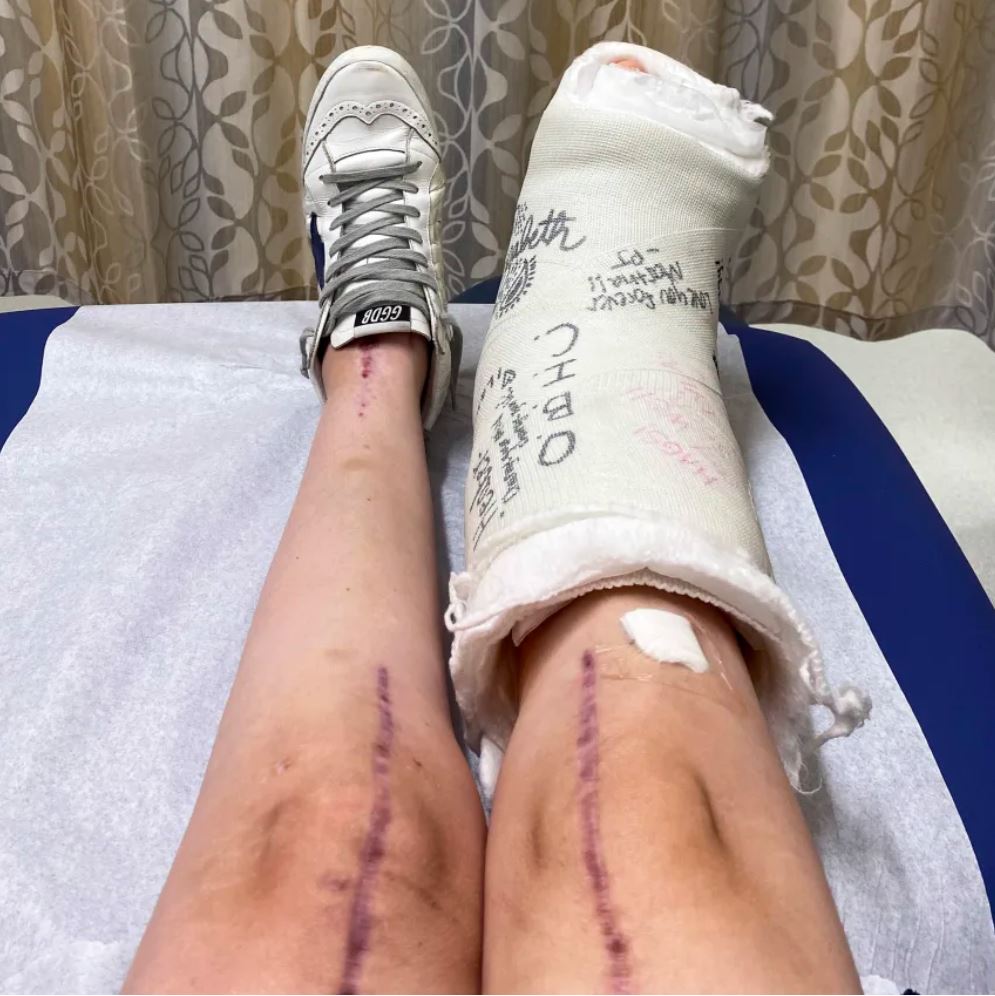
By her early 20s, her symptoms became “debilitating” and she passionately searched for answers. After years of being misdiagnosed, she learned she has Lyme disease, which caused arthritis, leading to 16 joint surgeries before the age of 30.

Meghan Bradshaw has had the joints in her lower extremities completely replaced. A late diagnosis of Lyme arthritis plus a connective tissue disorder likely contributed to the severity of her joint deterioration and the need for so many joint replacements before turning 30. (Courtesy Meghan Bradshaw)

“While it’s extreme, my story really highlights a lot of the things that other people experience, like delayed diagnosis and misdiagnosis and having a general unawareness of the dangers of ticks,” the 29-year-old told TODAY.

READ MORE

https://www.insider.com/young-woman-needed-16-joint-surgeries-lyme-disease-2022-9

___________________

Important quote:

When Lyme disease goes untreated, the chance of developing arthritis increases. Lyme arthritis often starts in the knee, Gaston said.

“About 60% will end up with some arthritis,” Gaston said.

Yep. 

I am currently dealing with this now.

While I am not a doctor, it is my experience and opinion that the quicker you deal with this inflammation/pain the better.  Allowing this process to fester could lead to irreversible damage.  The root, of course, is inflammation which must be addressed and dealt with.

Things that have helped tremendously:
  • MSM & DMSO
  • Proteolytic/Systemic enzymes
  • LDN
  • CBD
  • Niacinamide/vitamin C protocol
  • Curcumin
  • Diet can have a huge impact.  Gluten was my problem, but never appeared to be a problem before.  Removing it has made all the difference. I’m not celiac.  Some also struggle with dairy or the nightshade plants as well as alcohol and sugar.  Do an elimination diet to determine if getting rid of these things can help you.
  • Staying hydrated with water
  • Various laser therapies
  • Heat therapies
  • Massage therapy
  • Chiropractic care
  • If you are willing to spend $50, you may want to read a brief testimonial from someone who used  “The Arthritis Strategy” by Shelly Manning.  While I have not used it myself, it appears to be sound advice – although as always “buyer beware.”  It’s always wise to run things by your LLMD to make sure.  What’s nice about this is it’s about a month long strategy that will educate you fairly quickly on the things you can tangibly do yourself that could make a world of difference.  Sometimes it’s overwhelming to attack all these issues on your own.  With this strategy, you will have someone who has been there, giving you advice that worked for them.

You can also check out these resources:

https://takecontrol.substack.com/p/curcumin-helps-patient-recovery

Curcumin Helps Patient Recovery

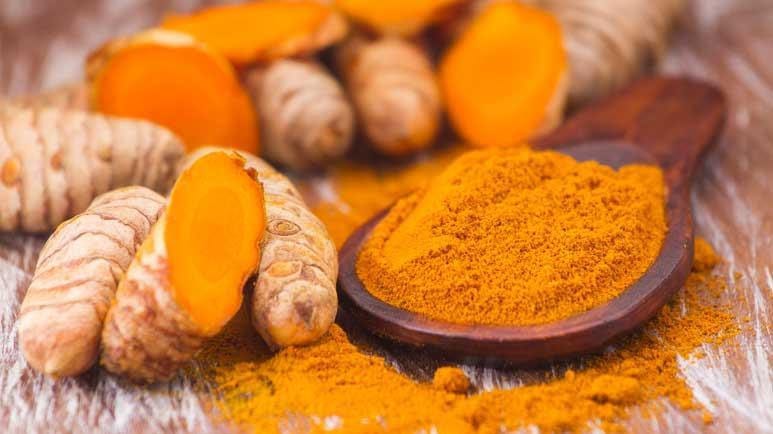
Curcumin, the pigment that lends turmeric its yellow-orange color, has been recognized for millennia as a healing spice.

curcumin helps patient recovery

STORY AT-A-GLANCE

  • Studies show curcumin’s ability to repair and regenerate damage caused by strokes, enhancing verbal, visual and memory abilities and improving patients’ attention spans and other brain functions
  • Studies show that people who eat lots of curcumin-containing foods show fewer incidences of Alzheimer’s disease and sharper cognitive function and suggest meaningful cognitive benefits over time
  • Researchers have found several powerful health effects from curcumin, the active compound in the spice turmeric, particularly in relation to treating and preventing several common disorders
  • Eating foods and spices such as turmeric, which have high amounts of antioxidant compounds, may increase cognitive and mitochondrial function and mood, while decreasing depression caused by brain inflammation
  • Because the curcumin in turmeric is poorly absorbed through your gastrointestinal tract, it’s more effective to use a high-quality bioavailable curcumin extract

For those who appreciate the unique spiciness of turmeric, it’s serendipitous to learn there are several layers of extraordinary health benefits included with the active ingredient known as curcumin. One of the latest was revealed in a study in which scientists tested the powerful compound for its effects on heart failure patients.

Heart failure, experienced by over 6 million people in the U.S., weakens your heart and affects its ability to pump sufficient oxygen. Patients no longer have the ability to participate in activities and exercise like they once did, which could be described as life altering.

Heart failure is also described as chronic, progressive and incurable, although a change in lifestyle, such as eating a balanced, healthy diet and performing regular exercise can decrease feelings of fatigue and enhance their mood enough to help people resume their lives to a large degree.

Research published in the Journal of Applied Physiology reports that curcumin may help patients with chronic heart failure by increasing skeletal muscle strength, endurance and exercise capacity. Although mice were the subjects used in the trial, the scientists are hopeful their research can eventually be translated to human patients in a clinical setting.

Turmeric is in the same botanical family as ginger, another powerful spice with proven, health-beneficial compounds. With that in mind, corresponding study author Dr. Lie Gao, assistant professor of cellular and integrative physiology at the University of Nebraska Medical Center (UNMC), notes:

“This study showed an important proof of principle. Some foods and spices, such as broccoli and turmeric, contain a rich supply of antioxidant compounds. Consumption of these foods or spices may improve skeletal muscle health. For patients with stable heart failure that have limited ability to exercise, compounds like these may be beneficial.”

Interestingly, previous studies proposed that targeting skeletal muscle with antioxidants may be advantageous for heart failure patients, but Gao states that it’s not possible to use curcumin on humans because of the high amounts it would take.

Gao then suggests that “other antioxidants” such as dimethyl fumarate, a drug currently popular for treating multiple sclerosis, could be used for its health-improving benefits. That said, curcumin is one of hundreds of plant-based nutriments, from carrots to tobacco, to be unapologetically sourced and manufactured into pharmaceuticals.

Curcumin: Gingery, Earthy, Healing

Curcumin, taken from the underground rhizome of the plant, is the pigment that gives curry its bright yellow hue, explaining why turmeric is an ingredient used to complement and color stir-fries and sautéed root vegetables, rice, scrambled eggs and braised greens such as kale and collards.

In just the past few years, queries about the spice touted to have a “cult following” have increased exponentially, according to The Guardian. It’s showing up in foods like smoothies and the trendy turmeric latte known as golden milk, a potent blend of organic turmeric powder and coconut milk and/or virgin coconut oil.

Optional flavor additions include vanilla, raw honey or stevia, a stick of ginger and/or cinnamon, and sometimes a healthy dash of black or white pepper. The addition of ghee is used to soothe a sore throat.

In fact, the use of black pepper in golden milk is supported by a study in which the “curcuminoid-piperine combination” addressed the symptoms of metabolic syndrome in 117 study subjects who exhibited both oxidative stress and inflammation. According to the randomized, controlled trial and updated meta-analysis,7 oxidative and inflammatory status showed significant improvement, even with short-term curcumin supplementation.

Tellingly, turmeric is called the “spice of life” in India. Golden milk is becoming increasingly popular not just as a pleasant, warming drink for cool autumn evenings, but as a sleep aid for people who struggle with insomnia. Further, curcumin has been identified as a substance that’s safe, effective and natural.

A plethora of studies point to the anti-inflammatory properties of curcumin (Curcuma longa) and reveal more than 160 separate physiological and cell-signaling pathways, positively influencing arthritic conditions, cancer, obesity, inflammatory bowel disease, and, more recently, metabolic syndrome and dementia.

Studies Reveal Curcumin’s Powerful Potential for Your Brain

In another study from mid-2018, scientists at Texas A&M endeavored to relieve patients suffering from Gulf War illness (GWI), characterized by “substantially declined neurogenesis, chronic low-grade inflammation, increased oxidative stress and mitochondrial dysfunction in the hippocampus.” In the animal study, GWI rats treated with curcumin (CUR) maintained better memory and mood function. In addition:

“Enhanced neurogenesis, restrained inflammation and oxidative stress with normalized mitochondrial respiration may underlie better memory and mood function mediated by CUR treatment.”

The scientists wrote that their use of curcumin was due to its long-recognized ability to positively influence several aspects of brain health. The rats in the study were exposed to low doses of DEET, or N-diethyl-m-toluamide, a common insect repellant, and other chemicals related to GWI, such as pyridostigmine bromide and permethrin. They were also subjected to restraint for five minutes daily for a period of 28 days.

Even more recently, another study shows that chronic neuropathic pain and the cognitive impairment that accompanies it can be addressed with the antinociceptive (reduced sensitivity to painful stimuli) and neuroprotective application of curcumin, demonstrated using rats in a lab setting subjected to cobra venom.

Interestingly, the rats exhibited improvements in spatial learning and memory deficits, as well as increased exploratory activities due to the ability of curcumin to reverse the damage done to hippocampal neurons and synapses. Scientists concluded that curcumin can “alleviate pain, improve spatial learning and memory deficits, and treat chronic neuropathic pain-induced cognitive deficits.”

Mood and Memory Enhancement via Curcumin

The inflammatory and antioxidant properties of curcumin to improve memory and mood were again confirmed when UCLA published results of a double-blind, placebo-controlled 18-month trial in the American Journal of Geriatric Psychology, in which 90 milligrams (mg) of a bioavailable form of curcumin, taken twice a day, “led to significant memory and attention benefits” in people with mild memory loss.

Curcumin has been suggested as the explanation for why senior citizens in India, whose regular diets include generous amounts of curcumin-containing foods, show both a lower incidence of Alzheimer’s disease and sharper cognitive function. Further, the study “results suggest that taking this relatively safe form of curcumin could provide meaningful cognitive benefits over the years.”

Gary Small, director of the University’s Semel Institute for Neuroscience and Human Behavior and the study’s first author, notes that while the mechanisms behind curcumin’s brain benefits aren’t yet known definitively, they might be due to its inhibitory effect on brain inflammation, which has been associated with both major depression and Alzheimer’s disease.

Forty people, including healthy people without dementia as well as those with the characteristic “microscopic plaques and tangles” of Alzheimer’s, ranging in age from 51 to 84 years, participated in the study. Scientists took standardized cognitive assessments at the beginning of the study as well as at six-month intervals, and participants’ curcumin levels were checked in their blood after 18 months. Further:

“Thirty of the volunteers underwent positron emission tomography, or PET scans, to determine the levels of amyloid and tau in their brains at the start of the study and after 18 months. The people who took curcumin experienced significant improvements in their memory and attention abilities, while the subjects who received placebo did not …

In memory tests, the people taking curcumin improved by 28 percent over the 18 months. Those taking curcumin also had mild improvements in mood, and their brain PET scans showed significantly less amyloid and tau signals in the amygdala and hypothalamus than those who took placebos.”

The participants’ amygdala and hypothalamus — regions of the brain known to control several memory and emotional functions, which were positively influenced by the curcumin — were defined as critical areas of the brain.

Curcumin Is Used to Alleviate Stroke Damage

Still another study, this one presented at an American Heart Association International Stroke Conference, uncovered curcumin’s ability to repair damage caused by strokes, which have been called “brain attacks” caused when a blood clot blocks an artery or blood vessel, effectively cutting off blood flow and triggering brain cell death and sometimes brain damage and even death.

Stroke symptoms include an inability for individuals to walk due to a loss of balance, a sudden, severe headache, difficulty seeing, weakness, often on one side only, and sudden confusion. It’s crucial to know that the longer your brain goes without oxygen, the greater your risk of lasting damage.

A drug used on stroke victims, referred to as “clot-busting,” the current and most common intervention, is a synthetic contrast to the curcumin-hybrid known as CNB-001, which repairs damage sustained at the molecular level by the lack of oxygen.

Besides crossing the blood-brain barrier, CNB-001 works by influencing the mechanism responsible for the regeneration of brain cells and offers future stroke victims new hope for more complete recovery.

This is a specific example of a time when a drug can both save your life and prevent the very frequent and devastating outcomes of a stroke. Incidentally, medical intervention is crucial to help prevent such damage from stroke, but must be obtained within 60 minutes.

Curcumin to Help Prevent Cancer

Curcumin has been identified as one of the most powerful chemopreventive and anticancer agents, and recognized for its wide spectrum of pharmacological properties and inhibitory effects on metabolic enzymes, according to PubChem, which notes its wound healing and antimicrobial effects, and states:

“Curcumin blocks the formation of reactive-oxygen species, possesses anti-inflammatory properties as a result of inhibition of cyclooxygenases (COX) and other enzymes involved in inflammation; and disrupts cell signal transduction by various mechanisms including inhibition of protein kinase C.

These effects may play a role in the agent’s observed antineoplastic properties, which include inhibition of tumor cell proliferation and suppression of chemically induced carcinogenesis and tumor growth in animal models of cancer.”

The same study shows curcumin as able to suppress cancer proliferation and apoptosis (programmed cell death), thereby acting as a chemopreventive agent in skin, colon and stomach cancers. Other studies using animal models list breast, bladder, brain, esophageal, kidney, liver, lung, pancreas and prostate cancers, and more.

Significantly, the active elements in curcumin attack cancer while leaving healthy cells untouched. For the purpose of disease intervention, while turmeric is available in powdered form, it contains very little of the active compounds in curcumin, or only about a 3 percent curcumin concentration.

Because it’s not easily absorbed through your gastrointestinal tract, it’s more effective to use a high-quality bioavailable curcumin extract, according to a 2013 study. A typical anticancer dose is just under 1 teaspoon of curcumin extract three or four times daily.

Subscribe to Mercola Newsletter

Disclaimer: The entire contents of this website are based upon the opinions of Dr. Mercola, unless otherwise noted. Individual articles are based upon the opinions of the respective author, who retains copyright as marked.

The information on this website is not intended to replace a one-on-one relationship with a qualified health care professional and is not intended as medical advice. It is intended as a sharing of knowledge and information from the research and experience of Dr. Mercola and his community. Dr. Mercola encourages you to make your own health care decisions based upon your research and in partnership with a qualified health care professional. The subscription fee being requested is for access to the articles and information posted on this site, and is not being paid for any individual medical advice.

If you are pregnant, nursing, taking medication, or have a medical condition, consult your health care professional before using products based on this content.

___________________

**Comment**

I recently added this form of curcumin to my regimen for arthritis pain.  I was pain free after one pill which is hard to even believe to me.  (I do not receive any payment from this or any supplement company)

I also use many other things for inflammation/pain as well.  I’ve found that all of these things have some benefit.