Archive for the ‘Ticks’ Category

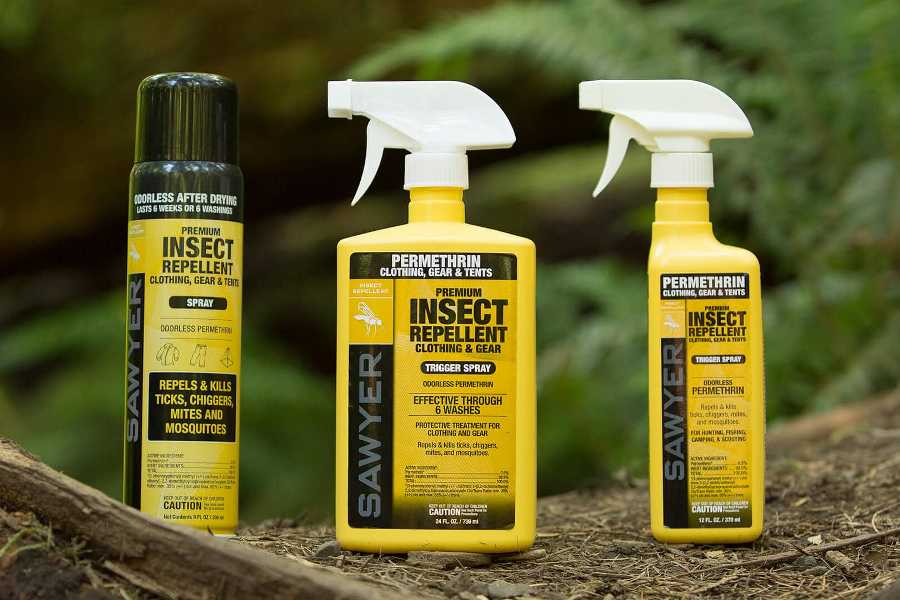
How to Protect Yourself From Ticks With Permethrin-Treated Clothing

https://danielcameronmd.com/permethrin-treated-clothing-causes-hot-foot-effect-ticks/

How to protect yourself from ticks with Permethrin-treated clothing

how-to-protect-yourself-from-ticks

Several studies have found that wearing permethrin-treated clothing can reduce the risk of tick bites. But very few studies have looked at the behavior of a tick when it comes in contact with permethrin-treated clothing. Does it climb onto the insecticide-soaked textile or avoid it entirely? Does permethrin actually kill ticks?

By Dr. Cameron

As more individuals begin to venture outside with warmer weather, there are often concerns over how to protect yourself from ticks. Researchers have examined not only the effectiveness of various repellents and protective clothing but also the behavior of individuals who are more likely to encounter ticks.

Researchers in Indiana looked at the protective measures used by recreational hikers in their state. Surprisingly, they found that only 9.5% of hikers used a tick repellent, even fewer (3.4%) wore protective clothing and only 2 individuals “indicated that they took a shower post-recreation and used that activity to search for tick bites.” [1]

Ultrasonic device

Meanwhile, investigators in Australia recently studied the efficacy of ultrasonic pest repellent devices against the Australian paralysis tick, Ixodes holocyclus. “As more than 80% of the ticks were not repelled within the confined area, this level of repellency is clearly insufficient to provide adequate protection from a potential tick bite,” they conclude. [2]

Permethrin-treated clothing

Several studies have looked at Permethrin-treated clothing in repelling ticks.  Sullivan et al. recruited state and county park employees from North Carolina to wear long-lasting Permethrin-impregnated (LLPI) clothing. The authors found that the clothing “retained Permethrin and bioactivity against ticks after three months of use in real-world conditions.” [3]

A study in Rhode Island aimed to provide insight as to how to protect yourself from ticks by examining Permethrin-treated footwear. The authors found that people wearing sneakers and socks treated with Permethrin were 73.6 times less likely to have a tick bite than those wearing untreated footwear. [4]

Researchers found “people wearing sneakers and socks treated with Permethrin were 73.6 times less likely to have a tick bite than those wearing untreated footwear.”

Meanwhile, another study explored the behavior of ticks when they encounter Permethrin-treated clothing. How do ticks react? Using a model that mimicked a pant leg or the arm of a long-sleeved shirt, scientists studied the behavior and fate of ticks when exposed to Permethrin-treated clothing. [5]

“Ticks approaching a textile impregnated with a strong non-contact spatial repellent (DEET) very rarely made physical contact with the treated textile,” according to Eisen and colleagues from the Division of Vector-Borne Diseases, National Center for Emerging and Zoonotic Infectious Diseases at the Centers for Disease Control and Prevention. [4]

Tick behavior when exposed to Permethrin

However, Permethrin-treated textiles did not repel ticks without contact, as seen with DEET. In fact, the majority (88%) of nymphal ticks chose to move onto Permethrin-treated textile versus DEET-treated textile.

After coming in contact with the treated clothing, the ticks dislodged through a “hot-foot” effect.

“Ticks readily walked onto a Permethrin-treated textile…. but laboratory-reared ticks became visibly agitated, displaying a hot-foot effect, and escaped contact with the Permethrin-treated textile by tumbling downwards until they dislodged themselves completely from a textile-covered assay card.”

Unfortunately, field-collected ticks were hardier than laboratory-reared ticks and able to sustain longer contact with the treated textile. The authors postulated that field-collected ticks have been exposed to highly variable temperatures and humidity conditions which may result in slower absorption of Permethrin.

“However, by 1 and 24 hours post-exposure very few ticks displayed normal movement, thus presenting minimal risk to bite, regardless of whether they were reared in the laboratory or collected in the field.”

“Contact with Permethrin-treated textiles negatively impacts the vigor and behavior of nymphal ticks for >24 hours,” according to Eisen, “with outcomes ranging from complete lack of movement to impaired movement and unwillingness of ticks displaying normal movement to ascend onto a human finger.”

One day after exposure, a majority of ticks were completely motionless. The remaining ticks were able to recover. “Ticks having recovered normal movement 1 day after exposure in our study most often ascended onto a finger when given the opportunity (and presumably also were capable of biting),” Eisen points out.

“In a real-life scenario, prolonged periods of time where ticks having fallen off a human host after contact with Permethrin-treated textile are unable to move will undoubtedly increase the risk of mortality due to desiccation or predation.”

“A scenario more difficult to address in a bioassay is when a tick makes initial contact with bare skin and subsequently approaches loose-fitting summer-weight Permethrin treated garments, such as shorts or a T-shirt,” states Eisen.

“In this case, the tick may walk underneath the treated textile and be contacted primarily from the dorsal side as the person moves and the clothing comes in and out of contact with the tick and the person’s skin.”

Permethrin is acutely toxic in high doses. The authors did not address the potential toxicity of Permethrin to humans. “Acute signs of toxicity to the central nervous system include incoordination, ataxia, hyperactivity, convulsions, and finally prostration, paralysis, and death,” according to a review by the National Research Council (US) Subcommittee to Review Permethrin Toxicity from Military Uniforms. [6]

Note: Users have been advised not to inhale Permethrin when treating clothes and not to apply Permethrin to the skin.

Article Updated: June 1, 2021

References:
  1. Anderson KR, Blekking J, Omodior O. Tick trails: the role of online recreational trail reviews in identifying risk factors and behavioral recommendations associated with tick encounters in Indiana. BMC Public Health. 2021;21(1):908. Published 2021 May 13. doi:10.1186/s12889-021-10940-4
  2. Panthawong A, Doggett SL, Chareonviriyaphap T. The Efficacy of Ultrasonic Pest Repellent Devices against the Australian Paralysis Tick, Ixodes holocyclus (Acari: Ixodidae). Insects. 2021;12(5):400. Published 2021 Apr 30. doi:10.3390/insects12050400
  3. Sullivan KM, Poffley A, Funkhouser S, et al. Bioabsorption and effectiveness of long-lasting permethrin-treated uniforms over three months among North Carolina outdoor workers. Parasit Vectors. 2019;12(1):52. Published 2019 Jan 23. doi:10.1186/s13071-019-3314-1
  4. Tick Encounter. https://www.tickencounter.org/prevention/permethrin
  5. Eisen L, Rose D, Prose R, et al. Bioassays to evaluate non-contact spatial repellency, contact irritancy, and acute toxicity of permethrin-treated clothing against nymphal Ixodes scapularis ticks. Ticks Tick Borne Dis. 2017.
  6. Health Effects of Permethrin-Impregnated Army Battle-Dress Uniforms (1994) by National Research Council. 1994. Washington, DC: The National Academies Press. https://doi.org/10.17226/9274. at https://www.nap.edu/catalog/9274/health-effects-of-permethrin-impregnated-army-battle-dress-uniforms. Last accessed 8/12/17.

For more:

How Prevalent is Bartonella?

https://www.lymedisease.org/bartonella-prevalent-lyme-disease/

How prevalent is Bartonella in people who have Lyme disease?

July 15, 2022

By Lonnie Marcum

At a meeting of the federal Tick-Borne Disease Working Group on March 1, Ben Beard, PhD of the CDC made a highly significant statement that passed without remark at the time.

Beard’s statement was in reply to a comment by Monica Embers, PhD, also a member of the working group. Embers noted that several slides from Beard’s Clinical Presentation and Pathogenesis subcommittee mentioned neuropsychiatric illness and neuropathic manifestations of Lyme disease.

“We’re seeing a lot more neuropsychiatric disease associated with Bartonella,” said Embers. “I’m wanting to hear more about your thought process and your recommendation with respect to bartonellosis?”

Bartonella’s “significant impact”

Beard replied:

“In my view Bartonella is ubiquitous. There are multiple different Bartonella species. A lot of people are exposed to cats and fleas, and Bartonella henselae–or cat scratch disease–is pretty common. Our group looked at it as an illness that is associated with people with other tick-borne illnesses. Not necessarily agreeing that it’s tick-borne—for me the jury is still out for that—but I’m perfectly convinced that it is very common, and that it may be confounding the diagnosis, and that it is an important co-infection. We need not get side-tracked on whether or not it’s tick-borne. We need to agree that it’s a common infection, commonly seen in patients with other illnesses, and it can have a significant impact on clinical outcome and presentation.”

This is actually a showstopper of a comment.
The CDC has long declined to categorize bartonellosis as tick-borne and has not considered it a co-infection of Lyme.

Even today, the CDC website states: “Ticks may carry some species of Bartonella bacteria, but there is currently no causal evidence that ticks can transmit Bartonella infection to people through their bites.”

Yet, as Beard observed, Bartonella is very common in people with Lyme disease.

What the data says

In MyLymeData, LymeDisease.org’s patient-led research project, 60% of patients with chronic symptoms of Lyme disease report co-infections. A previously published LymeDisease.org survey of over 3,000 patients found that over 50% had co-infections, with 30% of patients reporting two or more. Bartonella (28%) was the second most commonly reported co-infection associated with chronic Lyme disease. (Johnson, L., et al., 2014)

Bartonella does not respond to standard treatment for Lyme disease, and it is notoriously difficult to detect through standard tests. Moreover, Bartonella is not included in standard surveillance testing for ticks, and cases of the disease are not tracked by the CDC

Which leads me to the elephant in the room: nobody knows how many cases of bartonellosis there are in the US—or anywhere else for that matter.

What is bartonellosis?

Bartonellosis is caused by one of many species of the bacterium Bartonella. It is harbored in wild and domestic animals, and can be transmitted to humans through a number of different pathways including fleas, flies, lice, animal bites, animal scratches, ticks, bedbugs, and possibly through maternal fetal transmission. (Maggi RG, et al., 2015; Reis C, et al., 2011)

First identified in 1990, Bartonella henselae bacteria is the most common cause of bartonellosis in humans. Bartonella henselae infection, also called cat scratch disease, is frequently caused by flea bites or the scratch of an infected cat. The primary reservoirs for B. henselae across the world are domestic and stray cats, and the primary vector is the cat flea (ctenophalides felis). (Breitschwerdt, E.B., 2017)

Prior to 1990, there were only two diseases known to be caused by Bartonella bacteria. One was “Carrion’s disease,” endemic to parts of South America, caused by Bartonella bacilliformis. The other was “trench fever,” which infected many soldiers during World War I, caused by Bartonella quintana.  Though the illness was first described in 1915, Bartonella quintana was not  molecularly identified as its cause until 1961. (Breitschwerdt, E.B., 2017)

We now know that these bacteria have been infecting humans for thousands of years. Researchers discovered Bartonella quintana in a 4,000-year-old human tooth in France. (Drancourt M., et al., 2005)

Today, at least 40 different species of Bartonella have been identified.  About half of them are known to cause symptoms in humans or animals.

Bartonella is a stealth pathogen

At a recent conference, Dr. Ed Breitschwerdt, DVM, a leading expert in the field,  explained how Bartonella can invade and “literally affect every system in the body.” This includes the: cutaneous, muscular, skeletal, endocrine, cardiovascular and nervous systems.

He reviewed several recent studies implicating Bartonella infection in the brain in relation to several neuropsychiatric and autoimmune manifestations.

According to Breitschwerdt, these bacteria are extremely difficult to find in humans because they are slow growing and can hide within cells.

He explained how Bartonella, which are intracellular bacteria, have the ability to:

  • invade red blood cells, wall themselves off, and hide from the immune system (immune evasion)
  • migrate into the nervous system via macrophages (Trojan horse)
  • penetrate the blood brain barrier via endothelial cells and pericytes
  • persist within the brain via microglial cells.

Considering the number of different species and different methods of contracting Bartonella, Dr. Breitschwerdt ponders, “Is Bartonellosis a modern-day hidden epidemic?” (Breitschwerdt E.B., 2014)

Symptoms of bartonellosis

The symptoms of bartonellosis can range from mild to life-threatening, depending on the Bartonella species and the health of those infected. Furthermore, a growing body of evidence links Bartonella to neuropsychological symptoms.

The most commonly reported neurological symptoms include sleep disorders, mental confusion, memory loss, brain fog, irritability, rage, anxiety, panic attacks, depression, migraines, tremors, hallucinations, psychosis and postural orthostatic tachycardia (POTS).

Additional symptoms common to bartonellosis are swollen lymph nodes (especially around the head, neck and arm pits), bone pain (especially shins), pain in the soles of the feet, low grade fever in the morning, night sweats, tender nodules along the extremities, gastrointestinal pain, and skin markings (striae) that resemble stretch marks.

The table below lists the known species of Bartonella associated with human disease, the most common symptoms as well as the reservoir host and vector.

bartonella symptoms

How a stealth pathogen may prolong your chronic illness

In individuals with strong immune systems, Bartonella infection is often mild or asymptomatic. However, in those with an impaired immune system, Bartonella can wreak havoc on the body.

In fact, Bartonella henselae was discovered in the 1990s during the AIDS epidemic. Because  the HIV virus causes an acquired immune deficiency, these patients were extremely susceptible to new infections and reactivation of latent infections. In this patient population, Bartonella caused a distinctive skin lesion called bacillary angiomatosis (BA), and a type of liver disease called peliosis hepatis. (Breitschwerdt, E.B., 2017)

Advanced, disseminated disease is more likely to occur in immunocompromised patients or those taking immunosuppressive drugs. Without proper treatment, the infection can spread systemically throughout the body. The result is sometimes fatal.

When the co-infection becomes the main infection

Data from multiple animal studies shows that Borrelia burgdorferi suppresses the immune system. (Buffen K, et al., 2016; Tracy KE, Baumgarth N., 2017)

This makes me wonder. How many people with chronic Lyme disease had a latent Bartonella infection that was re-activated when their immune system became impaired?

I believe this was the case with my daughter. We live on a farm with lots of animals, including cats. Veterinarians, cat owners, and people who live or work on farms are at increased risk for Bartonella.

It wasn’t until my child became deathly ill after contracting Ehrlichia chaffeensis that her Bartonella symptoms began.

The symptoms that stood out were the constant migraine/headache, memory loss, bone pain, painful soles of feet, relapsing fever, insomnia, nighttime hallucinations that made everything look like Whoville, POTS, skin marks (striae) that resembled stretch marks, swollen lymph nodes, and an immune system so impaired it led to a temporary misdiagnosis of HIV. What a horrific experience for all of us!

Diagnosis & Treatment

Because  Bartonella may hide inside of cells and only emerge periodically, you may need to test multiple times to find a confirmatory diagnosis. And in patients who are immunocompromised, the test may not turn positive until after treatment has begun.

Research led by Ricardo Maggi, Ed Breitschwerdt and colleagues has led to the development of a new digital PCR that is much more sensitive to Bartonella. Even still, Dr. Maggi recommends running multiple types of tests (IFA serology, PCR, culture, and microscopy).

According to Dr. Joseph Burrascano, one should consider bartonellosis when symptoms persist after treatment for Lyme disease. Especially when the neurological symptoms are out of proportion to the common symptoms of disseminated Lyme disease.

Just as with Lyme disease, the longer Bartonella goes untreated, the more difficult it is to treat.  Furthermore, the standard treatment for Lyme (doxycycline) is ineffective against Bart. As Dr. Breitschwerdt famously said, “You cannot float humans or horses in enough doxycycline to kill this bacteria.”

According to the CDC: “A number of antibiotics are effective against Bartonella infections, including azithromycin, penicillins, tetracyclines, cephalosporins, aminoglycosides, and macrolides. More than one antibiotic is often used. Consult with an expert in infectious diseases regarding treatment options.”

Dr. Burrascano says, treating Bartonella-like organisms “can be difficult, as drug resistance can rapidly develop to macrolides and fluoroquinolones when used as a single agent and solo courses of tetracyclines are ineffective.”

Moving forward with Bartonella research

In 2021, a new Bartonella Research Consortium was formed with a $4.8 million grant from The Steven & Alexandra Cohen Foundation.

The consortium includes Ed Breitschwerdt and Ricardo Maggi of North Carolina State University, Monica Embers of Tulane University, and Timothy Haystead of Duke University, who is continuing the work of the late Dr. Neal Spector.

The team is actively working towards creating a targeted treatment for bartonellosis and quickly getting the drug to the marketplace for use in both animals and humans.

It’s time medicine moves beyond the one-pathogen-one-disease model. Let’s face it, ticks are full of toxic soup. Because each pathogen interacts with the host in unique ways, extensive research is needed to understand all factors surrounding co-infections and Lyme disease. (Moutailler S, et al., 2016)

Understanding the complex nature of these pathogens, how they impact the immune system, and how other bacterial and viral factors shape illness, will be key in improving public health. (Cheslock, M. A., & Embers, M. E., 2019)

It’s time for the CDC, NIH, HHS, the Tick-Borne Disease Working Group and other researchers to start looking deeper into the prevalence of Bartonella infections–not just in patients with Lyme disease but in all patients with poorly-defined chronic illnesses.

Resources

More information about testing/diagnosis of Bartonellosis see:

Free Bartonella CME Course:

LymeSci is written by Lonnie Marcum, a Licensed Physical Therapist and mother of a daughter with Lyme. She has served two terms on a subcommittee of the federal Tick-Borne Disease Working Group. Follow her on Twitter: @LonnieRhea  Email her at: lmarcum@lymedisease.org.

___________________

**Comment**

Excellently written.  Bartonella is a real problem out here, but the CDC is just sipping on margaritas.

For more:

Tick Week News Coverage From Maine TV Station

https://www.lymedisease.org/tick-week-news-center-maine-2022/

“Tick Week” news coverage from Maine TV station

July 11-15 was “Tick Week” at News Center Maine, an NBC-affiliated TV station in Portland, Maine.

Reporter Vivian Leigh filed daily stories related to such topics as Pfizer’s Lyme disease vaccine, a proposed preventative shot for Lyme, a Maine family’s challenges dealing with Lyme-related PANS, and how winter ticks are causing the demise of many moose in the state.

Monday, July 11:

Two vaccines against Lyme inch closer to reality

Tuesday, July 12:

Preventative shot against Lyme could hit the market in 2024

Wednesday, July 13

‘It was like my child disappeared’: Tick bite triggers PANS in 7-year-old girl

Thursday, July 14

Winter ticks are a growing threat to moose calves in Maine

Friday, July 15

“We are getting a positive Lyme test every day”: Maine experts see spike in dog infections

How Ticks Ambush & Give You Lyme/MSIDS

https://www.lymedisease.org/ticks-ambush-lyme-disease-healy/

Precisely how do ticks ambush you–and give you Lyme disease?

John Eoin Healy, PhD, now retired from University College Cork, Ireland, has been researching tick biology for over 40 years. In the following article and video, he explains how questing ticks make contact with unsuspecting people and animals.

by John Eoin Healy, PhD

Various estimates indicate that up to 60% of people who contract Lyme borreliosis (Lyme disease) have no recollection of being bitten by a tick.

For those concerned about Lyme disease risk, it may be useful to explain how ticks make contact with and attach to host animals i.e. birds and mammals, including unfortunate humans.

The species of tick that transmits the Borrelia bacteria that cause Lyme disease are Ixodes ricinus in Europe, and Ixodes scapularis and Ixodes pacificus in North America. These ticks thrive in areas with woodland or heavy vegetation which provide the cool moist conditions that these ticks need to survive.

Their second vital requirement is a sufficient number of host animals (deer, cattle, sheep, goats, small mammals and birds) to ensure that ticks have hosts on which they can feed (that is, suck blood) and then reproduce. Increasing numbers of host animals such as deer will accelerate the growth of tick populations.

Ticks have limited mobility

At the risk of stating the obvious, ticks are wingless and therefore cannot fly. Neither can they run or jump. The species of tick that transmit the Borrelia bacteria that cause Lyme disease move very little laterally on the ground, that is, in the horizontal plane.

When a blood-fed larva (the first active life stage) drops from the skin of a bird or mammal, it moves directly downwards with the prospect of finding humid vegetation. There, it undergoes digestion and it moults into the next active life stage, the nymph.

If the larva happens to drop from its host onto a dry path or other unsuitable terrain, then it will most likely desiccate and die.

In the event of success, the emerged nymph will begin to seek a host. It does this by climbing vertically on whatever vegetation happens to be in the immediate vicinity.

Ticks don’t choose their location

Sometimes one may hear someone say, “Long grass is the only place you will find ticks” or, “Stay away from ferns – always ticks there” or some such warning, as if ticks choose the vegetation that they will climb. Ticks have no say in the matter – they simply climb whatever vegetational structure is available to them at the location that the previous life stage dropped from its host.

The behaviour and movements of host bird and mammal species dictate where ticks are deposited. So, a blood-fed larva will give rise to an emerging nymph, and a blood-fed nymph will produce an adult male or female. And of course, a blood-fed female will produce up to 2,000 eggs from which larvae will hatch.

I have conducted mass releases of paint-marked adult ticks in a prepared “arena” in a woodland clearing and then observed what happened. I found that the vast majority of individual ticks moved less than 2 metres from their release point, although a small number managed to travel 4 to 5 metres within 4 days.

The most interesting finding was that the majority of ticks somehow managed to locate vertical vegetation to climb within a short radius from the point of release.

Ticks have a finite fuel supply

Ticks waiting for a host to appear.

Ticks limit their horizontal movement for a very good reason – an economic one. A blood-fed larva that drops from a host has a finite energy supply of fat. Think of it as a full fuel tank. The more a tick moves, the more fuel it burns.

If it runs out of fuel before making contact with a host, then life ends for that particular tick. So, ticks have evolved a strategy to conserve their energy supplies by minimizing their movement. They climb vertically and wait … and wait … and wait.

Usually, they will position themselves at or close to the tip of a structure, whether it be a leaf, twig, bracken, grass or rush stem. Ticks can be found on vegetation from a few centimetres to almost 2 metres above ground level. When no hosts are nearby, ticks can assume a resting or “quiescent” position with front legs folded.

In the event of ticks becoming dehydrated, they will move downward into the moist vegetation mat to replenish their bodily water content, before climbing vertically once more.

Ambushing a host

Image shows a nymph and an adult female questing – front legs extended and raised. Another female is in the quiescent pose.

Ticks can detect the presence of a potential host by temperature, carbon dioxide and by various odours released from the skin of the host. Each of the front pair of legs has a specialised organ which is loaded with sensory cells for this purpose.

Once a tick detects the presence of a host animal, its behaviour changes. It will begin to move and adopt what is termed the “questing” pose.

A questing tick waves its front legs about as its scans the local atmosphere. It is most likely that it has the capability to determine the direction and distance from the approaching host although this has not been proven.

In a video clip which I shot in an infested woodland location, you can see how easily an adult female tick latches onto my finger.

The tick was initially in a quiescent position (saving energy) until I began to move my hand close to the rush stem on which it sat. Sensing my hand, and therefore a possible blood meal, it begins to quest as the video shows.

Note the ambushing strategy that this species has evolved – it doesn’t hunt its victim, it waits for the victim to pass close by. The smaller nymph behaves in exactly the same way.

I focused on an adult female for this video rather than a nymph simply because its size made it easier to capture on camera.

The video shows how easy it is for a tick to “jump on board” a passing human. The slightest brush of a hand, arm or leg against infested vegetation is all that is necessary.

Of course, ticks will also cling onto clothing and burrow through to the skin where they will penetrate and begin to suck blood. Bare wrists, arms and legs are the most vulnerable body parts so there is very good reason to use an appropriate tick repellent on these areas.

Light-coloured clothing makes visual detection of ticks much easier. And it is very important that clothing should be of a close weave as ticks will find this much more difficult to penetrate. I would also recommend that socks and walking boots/shoes be sprayed with repellent.

A note on adult and nymph ticks

The Ixodes ticks species that transmit Lyme disease have three active life stages – larva, nymph and adult. The general view among Lyme/tick specialists is that larvae carry very little Borrelia and so present a minimal risk to humans. Adult male ticks do not feed and so cannot transmit bacteria.

Nymphs pose the real threat. An unfed nymph is approximately 1.5 mm in size and weighs around 0.2 mg. In contrast, an unfed adult female can be 3.5 mm in length and 2 mg in weight – 10 times the weight of a nymph.

A person is much more likely to see and feel an adult tick on the skin than detect the smaller nymph. And once a tick has attached and has begun to suck blood, the smaller nymph may remain undetected for long enough to pass Borrelia into the unsuspecting victim. And of course, the small physical size and weight of the nymph explains why so many Lyme disease victims cannot recollect being bitten by a tick.

Dr. Healy’s expertise lies in the area of tick ecology, genetics, behavior and Borrelia infection rates. He has published in all of these fields. Click here for a list of his publications.

_________________

**Comment**

While ticks can’t fly, they can blow in the wind.  I’ve seen it.

Also, ticks can transmit 19 pathogens and countingfar more than just Lyme.

And minimum attachment time has never been determined which means nobody has a clue how little of time it takes for a tick to transmit diseases to you.  Treat each tick bite as seriously as a heart attack.

UW-Stevens Point Researchers Use DNA to Link Lyme Disease, Infected Ticks

https://www.uwsp.edu/news/uptick-uwsp-researchers-use-dna-to-link-lyme-disease-infected-ticks/

Uptick: UWSP researchers use DNA to link Lyme disease, infected ticks

May 26, 2022
Molecular biology students use white flags to collect deer ticks for research on pathogens they carry.

Diane Caporale has collected thousands of ticks during her career as a biology professor and researcher. Since moving to Wisconsin 1999, she has had help. Nearly 500 students in her molecular biology courses at UW-Stevens Point have collected ticks each year from 2000-2020.

Tick surveillance is useful for predicting human disease risk. What’s especially significant about Caporale’s research is its duration. This is the first continuous surveillance of tick-borne pathogens for two decades in the nation. “It’s been quite an enormous, exciting project,” she said.

“It was started in 2000 — before I was born — so it’s kind of crazy the amount of time this has been going on,” said Cody Korth, a student researcher in her lab.

Caporale first began collecting ticks in the Northeast, where she grew up.

When she was asked to develop a molecular biology course at UW-Stevens Point, it was an opportunity to broaden her research into tick-borne diseases. During the first week of October each year since 2000, her molecular biology students collect blacklegged ticks (Ixodes scapularis). It gives students the opportunity to use DNA as a tool to forecast the incidence of disease.

Blacklegged (or deer) ticks carry three pathogens that can cause human disease. Caporale’s students analyzed all three: Borrelia burgdorferi, the bacterium responsible for Lyme disease; Anaplasma phagocytophilum, a bacterium that causes Anaplasmosis; and Babesia microti, a protozoan that causes Babesiosis. The latter presents with malaria-like symptoms, while the others have flu-like symptoms.

Caporale and her students conducted research in what is known as a microgeographic region that is also convenient to campus: the Schmeeckle Reserve trail around Lake Joanis. They use white flannel flags to collect the ticks – a total of 2,008 in 21 years.

The students extracted DNA and analyzed it for the presence of three pathogens that cause human diseases, then sequenced the DNA to learn what percentage of ticks were infected with one, two or all three pathogens, said McKenzi Fernholz, who took molecular biology in 2019.

Cody Korth and McKenzi Fernholz are student researchers in Biology Professor Diane Caporale’s lab at UW-Stevens Point, analyzing 20 years of data on ticks.

They found each pathogen became more prevalent over time. In 2000, Borrelia burgdorferi, which causes Lyme disease, was found in just the northwest segment of the trail. Seven years later, it reached detectable levels around the perimeter of the lake. The number of ticks with Borrelia peaked in 2015, which was also a year when a high number of ticks were infected with more than one pathogen.

Anaplasma was first detected in 2004 in the southeast segment. It reached detectable levels all around the lake within four years. Babesia was first detected in 2007 in the southwest region. It took eight years to reach detectable levels around the lake.

The highest number of infected ticks – 56%  — was recorded in 2014.

An increase in the number of infected ticks in one year was related to an increase in tick-borne illness, notably Lyme disease, the following year, Korth said. The students compared their data with human disease statistics from Portage County and state public health units.

“If it’s increasing here, it’s increasing elsewhere,” said Caporale, who has also researched ticks in the Kettle Moraine area, Colfax and Whitewater. Overall, cases of Lyme disease oscillate, she said.

Caporale’s students also monitored rainfall each June, average winter temperature in December through February and snow depth for conditions that favor ticks. More eggs hatched when rainfall was higher the prior year, and more snow increased the chance of winter survival, Caporale said.

Tick numbers around Lake Joanis dropped significantly in 2017. That summer, strong winds downed numerous trees on the north end of the trail. When trees were removed, so was refuge for white-footed mice, the main reservoir for these pathogens. Also, invasive buckthorn – a preferred vegetation for ticks – was removed or treated with herbicide. In fall 2021 no ticks were found along the lake trail where extensive restoration occurred. Students did find ticks around the Schmeeckle Reserve Visitor Center carrying Borrelia and Anaplasma.

As independent study researchers in Caporale’s lab, Fernholz and Korth analyzed all the sequenced DNA data collected over the 21 years and determined trends in tick infection rates. They developed graphs and charts to display the results and presented them at the College of Letters and Science research symposium earlier this month. The results will be submitted for publication this summer.

It’s interesting to observe the correlation between infection rates in ticks and humans, Korth said, which means that tick surveillance may be able to predict Lyme disease trends in the following year. “It’s worth the time to take the samples every year because when we compared our tick infection rates to the cases of Lyme disease in humans in Portage County, we saw a one-year difference consistently with pathogen emergence.”

Korth, a biochemistry major from Marshfield, enjoys doing research independently in the lab and said it’s helped him develop critical thinking and problem-solving skills outside of the classroom. “Research is why I came to UW-Stevens Point. I was pleased with how easy it was to get involved.”

​Doing undergraduate research with Caporale helped Fernholz, of West Salem, realize she wants to pursue a career in research. “It allowed me to get a sense of what a career in molecular biology research would be like.” A biochemistry and Spanish major, she graduated in May.

Helping students learn research techniques and be inspired to pursue research careers is a proud legacy for Caporale, who will retire in August.

For more: