Archive for the ‘Inflammation’ Category

Do Remnants of Lyme Bacteria Cause Ongoing Brain Inflammation?

https://www.lymedisease.org/tulane-kyme-brain-inflammation/

Do remnants of Lyme bacteria cause ongoing brain inflammation?

By Leslie Tate, Tulane University

Jan. 30. 2022

Even after antibiotic treatment, some Lyme disease patients suffer from an array of symptoms including neurological issues that greatly diminish their quality of life.

Brain scans of these patients show persistent neuroinflammation, but the cause has been unclear.

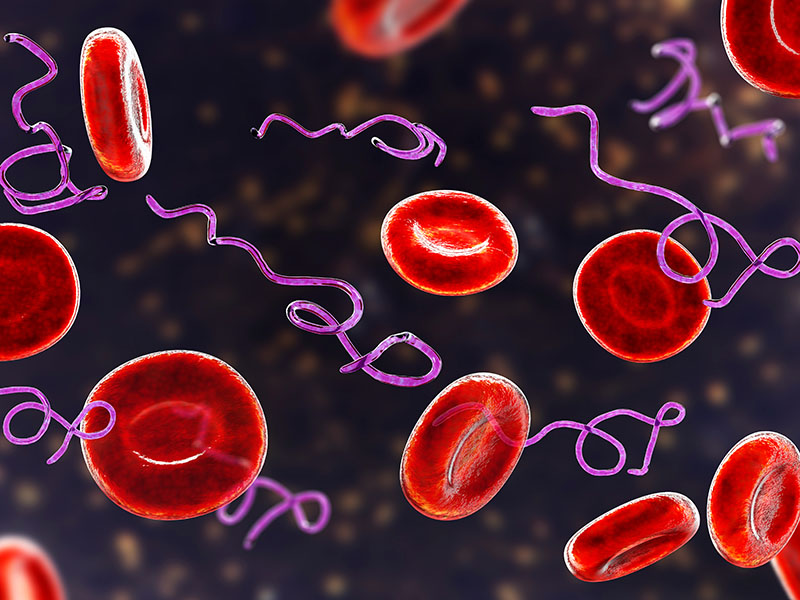
Tulane University researchers have discovered that remnants of B. burgdorferi, the bacteria that causes Lyme disease, may contribute to inflammation in both the central and peripheral nervous systems.

These remnants are significantly more inflammatory than live, intact bacteria. Their results were published in Scientific Reports.

Lead researcher Geetha Parthasarathy, PhD, assistant professor of immunology at the Tulane National Primate Research Center, explored the effects of B. burgdorferi remnants on nervous system tissue using a nonhuman primate model, investigating the effects on both the frontal cortex and dorsal root ganglion.

Inflammatory markers

Inflammatory markers in these areas were several times higher in samples exposed to remnants of B. burgdorferi than in samples exposed to live bacteria, and several times higher in the frontal cortex than the dorsal root ganglion. The bacterial remnants also caused cell death in brain neurons.

“As neuroinflammation is the basis of many neurological disorders, lingering inflammation in the brain due to these unresolved fragments could cause long term health consequences,” Parthasarathy said.

Scientists still don’t know how B. burgdorferi spirochetes find their way into brain tissue.

In longstanding or persistent Lyme disease infections, bacterial spirochetes may harbor inside major organs, including the heart and brain, where they could continue to wreak havoc over time. Antibiotics may kill the bacteria in these organs, but remnants could remain if the body cannot adequately eliminate them.

Parthasarathy said the findings may explain some of the neurological symptoms and conditions that patients with persistent Lyme infections can experience.

She plans future studies to investigate new anti-inflammatory therapies for antibiotic-resistant neuroinflammation and to explore why the body may not be clearing these bacterial remnants.

This study was funded by the Bay Area Lyme Foundation

SOURCE OF PRESS RELEASE: Tulane University

What Can Chronic Lyme Disease Teach Us About Long COVID?

https://www.lymedisease.org/kinderlehrer-lyme-long-covid/

What can chronic Lyme disease teach us about long COVID?

By Daniel Kinderlehrer, MD

One-third of patients who were sick with COVID-19 have come down with chronic symptoms, now known as long COVID or long hauler syndrome or post-COVID syndrome.1

For the most part, these are people who had mild SARS-CoV-2 infections. And although vaccinations mostly protect patients from serious illness and death, recent data suggests that breakthrough cases of vaccinated people who catch the virus are at the same risk of developing long COVID as the unvaccinated.2 As yet, we don’t have data on the Omicron variant and long COVID.

Distressingly familiar symptoms

The symptoms of long COVID are distressingly familiar to patients who suffer from persistent illness with Lyme disease: severe fatigue, muscle aches and joint pains, impaired cognition (“brain fog”), insomnia, headaches, sleep disorders, cough and shortness of breath, palpitations and lightheadedness.3,4 Many patients have also reported mood issues with anxiety, depression, and even psychosis.3-5

Like the condition we call chronic Lyme, long COVID can be totally disabling, with people exhausted or short of breath after walking across the room. Sometimes these symptoms last a few months, but some folks are still ill for over a year without respite. There are now reported suicides among those who were suffering from long COVID.6

Those of us who are treating patients with chronic tick-borne infections witness these same symptoms every day in our patients. It is likely that these disorders have similar pathogenesis.

In patients with chronic Lyme, the issue is not microbes invading tissue, the way we imagine a strep throat or a wound infection, essentially disrupting cellular hardware.

Chaos in the immune system

Instead, these patients have a software or regulatory problem. Chaos in the immune system leads to immune suppression, autoimmunity and systemic inflammation;7,8 hormonal imbalances lead to fatigue and decreased resistance to infection;9 disorders of the nervous system results in impaired cognition, sleep disorders, and neuropsychiatric symptoms.10

No matter the cause, chronic inflammation has severe consequences. It often results in dysautonomia: disorder in the autonomic nervous system (ANS). In a healthy individual, the ANS employs the sympathetic arm (mostly stimulatory), with the parasympathetic (calming), to keep us well-balanced, in homeostasis.

But when the ANS is inflamed and out of balance, the result is fluctuations in pulse and blood pressure—with palpitations, lightheadedness and passing out. Dysautonomia can also trigger a myriad of other symptoms including shortness of breath, heat and cold intolerance, sweats and anxiety.11

Further downstream effects of systemic inflammation manifest as sensitivity syndromes, particularly to foods and mold. Mast cells are primitive white blood cells that evolved to protect our mucous membranes from invasion. When they become trigger-happy, they discharge histamine and a squadron of other inflammatory mediators called cytokines.

Mast cells

This is called mast cell activation syndrome. MCAS causes an array of symptoms including hives, flushing, itching, swelling, headaches, brain fog and pain syndromes. The cytokines released by MCAS stimulate the vagus nerve (the tenth cranial nerve), which can worsen symptoms of dysautonomia, impair cognition, and trigger neuropsychiatric symptoms, gastrointestinal syndromes, and breathing problems.12

And compounding the felony, the vagus nerve can further trigger mast cells to degranulate and release their inflammatory messengers.13 It’s a self-perpetuating cycle that leads to even more inflammation, disabling symptoms, and disability.

Patients with chronic Lyme frequently have endocrine issues. The most common are dysregulation of the adrenal glands and abnormal thyroid metabolism. Not only will these contribute to fatigue, but also to immune suppression.14,15

Meanwhile, immune suppression can result in activation of previously dormant viral infections like Epstein-Barr virus, which in turn contributes to fatigue, pain and inflammation.16

In addition, chronic inflammation and infection can result in hyperviscosity issues, in which “thick blood” slows circulation, reducing delivery of oxygen and nutrients to cells.17

Finally, chronic inflammation results in oxidative stress, in which highly reactive molecules called free radicals interfere with normal metabolism, like mitochondrial function.18 Mitochondria are the energy producing organelles in each of our cells, and mitochondrial dysfunction can result in debilitating fatigue.

These same issues are present in the unfortunate thousands of people suffering from long COVID.

Similarities between chronic Lyme and long COVID

In its acute stages, SARS-CoV-2 can invade tissues and cause life-threatening organ damage. But in its chronic stage, the pathophysiology appears similar to chronic Lyme—targeting software, not hardware. The result is pandemonium in our regulatory systems, with immune, endocrine, and nervous system dysfunction, and all the downstream issues associated with chronic inflammation.

As with patients with chronic Lyme, those with long COVID suffer from autoimmune inflammation. Antibodies to SARS-CoV-2 cross-react with multiple tissues including the gut, lung, heart and brain.19 There are now reports of SARS-CoV-2 infection resulting in PANS, Pediatric Acute-onset Neuropsychiatric Syndrome—autoimmune inflammation of the brain resulting in severe mood and behavioral symptoms in children and adolescents.20

According to most clinical descriptions of long COVID patients, the majority suffer from severe dysautonomia, with wild fluctuations in pulse and blood pressure.21 In addition, many patients have evidence of adrenal insufficiency and thyroid dysregulation, with elevations in thyroid antibodies and increased reverse T3.22-24

And, consistent with their excess inflammation and hyperreactive state, many long COVID patients have developed food sensitivities and suffer from excessive mast cell activation.25 And no surprise, SARS-CoV-2 infection creates oxidative stress that impairs mitochondrial function.26

SARS-CoV-2 can also result in hyperviscosity syndromes, sometimes severe enough to require anticoagulation.27

Latent viruses re-emerge

As with chronic Lyme, immune dysregulation promoted by SARS-CoV-2 infection can result in reactivation of latent viruses. Researchers in the United States and Turkey found that two-thirds of patients with long COVID had a reactivated Epstein-Barr virus infection compared to only 10% of controls.28

Here is something to think about: How many patients with long COVID actually have chronic Lyme that was activated by the viral insult? This has been reported to me by my colleagues. The two microbes most associated with this activation phenomenon are Bartonella and Mycoplasma, both capable of causing serious autoimmune problems.29,30 And some folks suffering from chronic Lyme have relapsed after getting COVID-19.

In other words, it’s complicated. Inflammation is widespread and there are imbalances throughout the body. There is no single intervention that can heal those who suffer from long COVID.

Medical detective work needed

Long COVID patients require careful medical detective work that uncovers the underlying imbalances. Interventions include decreasing inflammation; normalizing endocrine function; stabilizing the autonomic nervous system; supporting mitochondrial function; uncovering sensitivity syndromes; addressing mast cell activation syndrome and vagal nerve dysfunction; and treating reactivated infections.

One more thought. It is now clear that some patients with long COVID improve when they are vaccinated.31 This suggests that these folks may still have active infection with the corona virus. We know that SARS-CoV-2 has the capacity to disable and evade the immune response,32 and some patients do not successfully clear the virus over long periods of time.33,34

As we learn more, it may be appropriate to treat persistent SARS-CoV-2 infection in patients with long COVID with anti-viral drugs that are now becoming available. While the Infectious Disease Society of America maintains otherwise, there is a wealth of data and clinical experience that antibiotics are effective in treating patients with chronic Lyme.33

The good news is that we have been largely successful treating our patients with chronic Lyme. Ninety percent of my patients get 80 to 100% better, even after being ill for years. It’s a careful process that involves detective work, trial and error, curiosity and determination. Let’s hope the same is true for those with long COVID.

Dr. Daniel Kinderlehrer is an internal medicine physician in Denver, Colorado, with a practice devoted to treating patients with tick-borne illness. He is the author of  Recovery From Lyme Disease: The Integrative Medicine Guide to the Diagnosis and Treatment of Tick-Borne Illness.

References

  1. Logue JK, Franko NM, McCulloch DJ, et al. Sequelae in Adults at 6 Months After COVID-19 Infection. JAMA Netw Open.2021;4(2):e210830.
  2. https://www.medrxiv.org/content/10.1101/2021.10.26.21265508v1 (Accessed November 9, 2021)
  3. https://www.mayoclinic.org/diseases-conditions/coronavirus/in-depth/coronavirus-long-term-effects/art-20490351#:~:text=Long%2Dterm%20effects%20COVID,within%20a%20few%20weeks. (Accessed November 30, 2021)
  4. Taquet M, Dercon Q, Luciano S, Geddes JR, Husain M, Harrison PJ. Incidence, co-occurrence, and evolution of long-COVID features: A 6-month retrospective cohort study of 273,618 survivors of COVID-19. PLoS Med. 2021;18(9):e1003773. doi:10.1371/journal.pmed.1003773
  5. Varatharaj A, Thomas N, Ellul MA, et al. Neurological and neuropsychiatric complications of COVID-19 in 153 patients: a UK-wide surveillance study [published correction appears in Lancet Psychiatry. 2020 Jul 14;:]. Lancet Psychiatry. 2020;7(10):875-882. doi:10.1016/S2215-0366(20)30287-X
  6. Sher L. Post-COVID syndrome and suicide risk. QJM. 2021;114(2):95-98. doi:10.1093/qjmed/hcab007
  7. Singh SK, Girschick HJ. Lyme borreliosis: from infection to autoimmunity. Clin Microbiol Infect. 2004;10(7):598-614. doi:10.1111/j.1469-0691.2004.00895.x
  8. Lochhead RB, Strle K, Arvikar SL, Weis JJ, Steere AC. Lyme arthritis: linking infection, inflammation and autoimmunity. Nat Rev Rheumatol. 2021;17(8):449-461. doi:10.1038/s41584-021-00648-5
  9. Silverman MN, Heim CM, Nater UM, Marques AH, Sternberg EM. Neuroendocrine and immune contributors to fatigue. PM R. 2010;2(5):338-346. doi:10.1016/j.pmrj.2010.04.008
  10. Pegah Touradji, John N Aucott, Ting Yang, Alison W Rebman, Kathleen T Bechtold, Cognitive Decline in Post-treatment Lyme Disease Syndrome, Arch Clin Neuropsychol. 2019;34(4):455–465, https://doi.org/10.1093/arclin/acy051
  11. https://www.ninds.nih.gov/Disorders/All-Disorders/Dysautonomia-Information-Page (Accessed November 30, 2021)
  12. Aken C. Mast cell activation syndromes. J Allergy Clin Immunol. 2017;140:349-55.
  13. Stead RH, Colley EC, Wang B, et al. Vagal influences over mast cells. Auton Neurosci. 2006;125(1-2):53-61. doi:10.1016/j.autneu.2006.01.002
  14. Bancos I, Hazeldine J, Chortis V, et al. Primary adrenal insufficiency is associated with impaired natural killer cell function: a potential link to increased mortality. Eur J Endocrinol. 2017;176(4):471-480. doi:10.1530/EJE-16-0969
  15. Schoenfeld PS, Myers JW, Myers L, LaRocque JC. Suppression of cell-mediated immunity in hypothyroidism. South Med J. 1995;88(3):347–349.
  16. Koester TM, Meece JK, Fritsche TR, Frost HM. Infectious Mononucleosis and Lyme Disease as Confounding Diagnoses: A Report of 2 Cases. Clin Med Res. 2018;16(3-4):66-68.
  17. Sloop GD, De Mast Q, Pop G, Weidman JJ, St Cyr JA. The Role of Blood Viscosity in Infectious Diseases. Cureus. 2020;12(2):e7090.
  18. Peacock BN, Gherezghiher TB, Hilario JD, Kellermann GH. New insights into Lyme disease. Redox Biol. 2015;5:66-70.
  19. Taefehshokr N, Taefehshokr S, Hemmat N, Heit, B. Covid-19: perspectives on innate immune evasion.  Immunol.2020;11:580641.
  20. Pavone P, Ceccarelli M, Marino S, Caruso D, Falsaperla R, Berretta M, Rullo EV, Nunnari G. SARS-CoV-2 related paediatric acute-onset neuropsychiatric syndrome. Lancet Child Adolesc Health. 2021 Jun;5(6):e19-e21.
  21. Barizien, N., Le Guen, M., Russel, S. et al.Clinical characterization of dysautonomia in long COVID-19 patients. Sci Rep. 2021;11:14042. https://doi.org/10.1038/s41598-021-93546-5
  22. Akbas MA, Akbas N. Adrenal Insufficiency in the Covid-19 Era. Am J Physiol Endocrinol Metab 320: E784–E785, 2021.
  23. Lui DTW, Lee CH, Chow WS, et al. Long COVID in Patients With Mild to Moderate Disease: Do Thyroid Function and Autoimmunity Play a Role?. Endocr Pract. 2021;27(9):894-902.
  24. Khoo B, Tan T, Clarke SA, et al. Thyroid Function Before, During, and After COVID-19, J Clin Endocrinol Metab. 2021;106(2):e803-e811.
  25. Afrin LB, Weinstock LB, Molderings GJ. Covid-19 hyperinflammation and post-Covid-19 illness may be rooted in mast cell activation syndrome. Int J Infect Dis. 2020 Nov;100:327-332.
  26. Wood E, Hall KH, Tate W. Role of mitochondria, oxidative stress and the response to antioxidants in myalgic encephalomyelitis/chronic fatigue syndrome: A possible approach to SARS-CoV-2 ‘long-haulers’?.Chronic Dis Transl Med. 2021;7(1):14-26.
  27. Maier CL, Truong AD, Auld SC, Polly DM, Tanksley CL, Duncan A. COVID-19-associated hyperviscosity: a link between inflammation and thrombophilia?. Lancet. 2020;395(10239):1758-1759.
  28. Gold JE, Okyay RA, Licht WE, Hurley DJ. Investigation of Long COVID Prevalence and Its Relationship to Epstein-Barr Virus Reactivation. Pathogens. 2021;10(6):763.
  29. Kinderlehrer DA. Is Bartonella a Cause of Primary Sclerosing Cholangitis? A Case Study. Gastrointest Disord. 2020;2(1):48-57.
  30. Biberfeld G. Autoimmune reactions associated with Mycoplasma pneumoniae infection. Zentralbl Bakteriol Orig A. 1979;245(1-2):144-149.
  31. https://www.yalemedicine.org/news/vaccines-long-covid (Accessed January 21, 2022)
  32. Taefehshokr N, Taefehshokr S, Hemmat N, Heit, B. Covid-19: perspectives on innate immune evasion.  Immunol.2020;11:580641.
  33. Vibholm LK, Nielsen SSF, Pahus MH, et al. SARS-CoV-2 persistence is associated with antigen-specific CD8 T-cell responses. EBioMedicine. 2021;64:103230.
  34. Sun J, Xiao J, Sun R, et al. Prolonged Persistence of SARS-CoV-2 RNA in Body Fluids. Emerg Infect Dis. 2020;26(8):1834-1838.
  35. Kinderlehrer, D.A. Recovery From Lyme Disease: The Integrative Medicine Guide to Diagnosing and Treating Tick-Borne Illness, Skyhorse Publishing, 2021, p.15-30.

_________________

Go here to read about a Lyme patient’s journey with COVID.

I beg you to do your homework before agreeing to be a lab rat in an ongoing experiment. Lyme/MSIDS patients are disadvantaged as their bodies are already fighting an epic war. Adding an experimental, fast-tracked, gene therapy injection that doesn’t protect you from getting COVID or stop you from transmitting it is questionable at best and unbelievably dangerous at worst. Further, it’s been proven time and time again that natural immunity is far superior to an injection that only works on certain variants, and poorly at that.

And of course, the BIG elephant in the room is that there are effective, cheap, successful treatments for COVID – thereby nullifying the need for a “vaccine”. The reason the EUA for these injections is still in play is due to the censorship and banning of effective treatments, and the horrific conflicts of interest in public health.

Neuropathogenicity of Non-Viable Borrelia burgdorferi Ex Vivo

https://www.nature.com/articles/s41598-021-03837

Neuropathogenicity of non-viable Borrelia burgdorferi ex vivo

Geetha ParthasarathyShiva Kumar Goud Gadila

Abstract

Even after appropriate treatment, a proportion of Lyme disease patients suffer from a constellation of symptoms, collectively called Post-Treatment Lyme Disease Syndrome (PTLDS). Brain PET scan of patients with PTLDS have demonstrated likely glial activation indicating persistent neuroinflammatory processes.

It is possible that unresolved bacterial remnants can continue to cause neuroinflammation.

In previous studies, we have shown that non-viable Borrelia burgdorferi can induce neuroinflammation and apoptosis in an oligodendrocyte cell line.

In this follow-up study, we analyze the effect of sonicated remnants of B. burgdorferi on primary rhesus frontal cortex (FC) and dorsal root ganglion (DRG) explants. Five FC and three DRG tissue fragments from rhesus macaques were exposed to sonicated B. burgdorferi and analyzed for 26 inflammatory mediators. Live bacteria and medium alone served as positive and negative control, respectively. Tissues were also analyzed for cell types mediating inflammation and overall apoptotic changes.

Non-viable B. burgdorferi induced significant levels of several inflammatory mediators in both FC and DRG, similar to live bacteria. However, the levels induced by non-viable B. burgdorferi was often (several fold) higher than those induced by live ones, especially for IL-6, CXCL8 and CCL2. This effect was also more profound in the FC than in the DRG. Although the levels often differed, both live and dead fragments induced the same mediators, with significant overlap between FC and DRG. In the FC, immunohistochemical staining for several inflammatory mediators showed the presence of multiple mediators in astrocytes, followed by microglia and oligodendrocytes, in response to bacterial remnants. Staining was also seen in endothelial cells. In the DRG, chemokine/cytokine staining was predominantly seen in S100 positive (glial) cells. B. burgdorferi remnants also induced significant levels of apoptosis in both the FC and DRG. Apoptosis was confined to S100 + cells in the DRG while distinct neuronal apoptosis was also detected in most FC tissues in response to sonicated bacteria.

Non-viable B. burgdorferi can continue to be neuropathogenic to both CNS and PNS tissues with effects likely more profound in the former. Persistence of remnant-induced neuroinflammatory processes can lead to long term health consequences.

_______________

**Comment**

An important work for sure which shows even non-viable pathogen remnants cause health problems in patients.  The fact remains; however, that unresolved infections CAN ALSO cause major health problems in patients, yet is not politically correct and therefore researched by those espousing with the current accepted narrative.

FDA’s Suspicious Timing on ‘Wanting More Information’ on NAC – Which Helps COVID & Lyme/MSIDS

https://articles.mercola.com/sites/articles/archive/2021/12/15/fda-wants-more-information-on-nac

FDA Wants More Info on NAC

Analysis by Dr. Joseph Mercola Fact Checked
n acetylcysteine

Story at-a-glance

  • The Council for Responsible Nutrition (CRN) and the Natural Products Association (NPA) have filed separate citizen petitions with the FDA requesting that the agency reverse their position on NAC; the agency is now asking for more information on the 58-year-old supplement
  • According to some legal experts, the actions taken by the FDA are not legal under U.S. code Title 21. The FDA has used the exclusion provision three other times, all of which financially benefited the pharmaceutical industry
  • While past actions may have opened the door to the most recent attack against NAC, it is not difficult to understand why the FDA chooses now to target NAC, when it has demonstrated effective action against COVID-19
  • Evidence suggests those with a glutathione deficiency have worse outcomes with COVID-19. NAC is a precursor to glutathione and may help lower the risk of severe disease
  • NAC can be part of your early at-home treatment that is crucial to lowering the severity of the illness and reducing the risk of long-haul symptoms

N-acetylcysteine (NAC) is a powerful antioxidant that was approved as a drug in September 1963.1 Since that time it’s been used as a nutritional supplement that is not found in natural sources.2 NAC contains the amino acid cysteine, which is a precursor to glutathione, also called “the master antioxidant.”3

Glutathione is made of three amino acids — glutamic acid, glycine and cysteine.4 However, NAC is only available in supplement form. The precursors to NAC can be found in foods that are high in cysteine, which include pork, beef, chicken, eggs, dates and sunflower seeds.5

NAC is used in prescription form as an antidote for acetaminophen-induced hepatotoxicity.6 It is also a powerful mucolytic agent for use in upper respiratory conditions. Memorial Sloan-Kettering7 also lists uses in the treatment of depression, precancers, HIV and AIDS, and to alleviate cancer treatment side effects.

In 2020, NAC made the news when the FDA decided over-the-counter sales of this compound, which at that time had been available for 57 years, should require a physician’s prescription going forward. The FDA issued warning letters8 to seven companies the agency said were illegally selling hangover products. By May 2021, Amazon, which also owns Whole Foods, decided to remove any supplements containing NAC.9

FDA Requests More Information on NAC

As Natural Products Insider reports, the letters warned that NAC could not be “lawfully marketed in dietary supplements because it was first studied as a drug in 1963.”10 The Council for Responsible Nutrition (CRN) sent a letter in December 2020 to the FDA’s Office of Dietary Supplement Programs describing the position as “legally invalid.”11

The CRN and the Natural Products Association (NPA) filed separate citizen petitions with the FDA. The CRN letter in December 2020 challenged the FDA’s determination that NAC should be precluded from supplementary use.12 They then filed a citizen position petition June 1, 2021, requesting the FDA reverse their position and outlining why this sudden policy change is “legally invalid on multiple grounds.”13

The NPA filed a separate citizen petition with the FDA14 requesting that the agency not exclude NAC as a dietary supplement or, alternatively, that the Department of Health and Human Services (HHS) issue a regulation finding NAC is lawful in supplements. While the HHS has the authority, it has not been used in the 27 years since the law giving the HHS such power was enacted in 1994.

November 24, 2021, the FDA announced they were requesting more information about how NAC has been marketed as a dietary supplement.15 Natural Products Insider reports that this was encouraging to some in the industry as it signaled the FDA was open to the idea of issuing the regulation that NAC is a lawful ingredient in supplements.16 The FDA called this:17

“… tentative responses to both citizen petitions, requesting additional information from the petitioners … and noting that the agency needs additional time to carefully and thoroughly review the complex questions posed in these petitions.”

The FDA18 also requested information and data on the date that NAC was first marketed as a dietary supplement, reports of adverse events and details on how the products are marketed and sold. The data are requested by January 25, 2022. Steve Mister, president and CEO of CRN said in a statement:19

“The provisions of the Dietary Supplement Health and Education Act of 1994 (DSHEA) may not be interpreted retroactively to remove ingredients that were lawfully marketed in 1994 and have enjoyed a long history of safe use since then. The delay in clearing up the status of NAC by asking for more data and refusing to admit its error disregards the law and disserves consumers who use NAC.

This is not a complicated determination for the FDA to make. DSHEA makes clear that ingredients in use as dietary supplement ingredients prior to its enactment are grandfathered into the supplement marketplace. Thus, pharmaceutical manufacturers could not have had any expectation of exclusivity in the years prior to the creation of this provision of the law.

Given the long history of safe use of NAC, FDA cannot now try to establish a safety concern in order to award this ingredient exclusively to drug makers.”

FDA First Used Legally Questionable Drug Exclusion Provision

U.S. code Title 21,20 specifically defines what a dietary supplement is and is not. According to experts, the actions of the FDA in banning the sale of NAC and finding it a “medication” is illegal under the law. Attorney Stan Soper21 writes that under Title 21 §321 paragraph (ff)(3)(b)10 the actions of the FDA do not meet the Drug Exclusion Provision.

According to Soper,22 the exclusion provision has only been invoked a few times, specifically when used to keep red yeast rice, vitamin B6 and cannabidiol (CBD) from being sold as supplements. In each of these cases there was a potential pharmaceutical financial loss that triggered the assertion the supplement was illegal.

In the case of red yeast rice, it contains a naturally occurring substance that acts in a similar manner to Lovastatin, a statin medication.23 In 2005, drug manufacturer Biostratum filed an investigational new drug (IND) application with the FDA to use vitamin B6 in the treatment of diabetic kidney disease.

Their argument was there was “no evidence that it was marketed as a dietary supplement or food prior to its IND and Phase II investigations.”24 In 2009 the FDA declared vitamin B6 was not a dietary supplement despite documentation that it had been sold as such before the IND application.

The FDA has also invoked the Drug Exclusion Provision against CBD, warning that it is not a legal dietary supplement since there was no meaningful evidence it was marketed as such before drug investigations were approved for Sativex and Epidiolex, which are drugs that contain CBD.

After the 2018 Farm Bill was signed legalizing hemp, then-FDA secretary Dr. Scott Gottlieb made the statement that it was illegal to introduce CBD into the food supply or market it as a supplement.25 Soper postulates26 that the use of the Drug Exclusion Provision against CBD may have opened the door for the FDA to use it against NAC.

Why Take Aim at NAC?

In the citizen petition27 sent to the FDA June 1, 2021, CRN argued that the FDA failed to sufficiently explain this sudden change in policy on NAC, thus “rendering it arbitrary and capricious.” According to CRN, before the seven warning letters in July 2020, “it was FDA’s longstanding policy to permit the marketing of dietary supplements containing NAC.”

Even though the agency had reviewed more than 100 notification structure/function claims for NAC-containing supplements over the years, they never raised the drug exclusion clause. In one response to a petition for a qualified health claim, the FDA had even stated that NAC was considered a dietary supplement.

While the Drug Exclusion Provision on CBD may have opened the door, it still raises the question of why the FDA chose now to target NAC. Historically the provision was used inappropriately to protect the finances of pharmaceutical companies. That is also likely the root of the motivation to ban NAC as a supplement.

As pulmonologist Dr. Roger Seheult succinctly explains in the MedCram video below, NAC is a crucial chemical compound necessary to reduce the oxidative stress associated with severe COVID-19 infections and thus may significantly impact the sales of antiviral drugs. And, as I and other health experts have pointed out in the past, without severe disease, is there truly a need for a vaccine?

Glutathione Depletion Worsens COVID-19 Outcomes

Researchers have been studying NAC since it was discovered. In 2010,28 researchers found that it could inhibit the expression of proinflammatory cytokines in cells that were infected with highly pathogenic H5N1 influenza virus. These same proinflammatory cytokines play a crucial role in severe COVID-19.

Researchers have confirmed that in severe cases, cytokine levels are elevated and once they reach excessive levels it triggers a cytokine storm.29 This causes significant tissue damage that NAC may be able to inhibit. In one 2020 paper,30 the authors describe a case of COVID-19 in a patient with glucose-6-phosphate dehydrogenase (G6PD) deficiency.

This is a genetic disorder that can lead to hemolytic anemia31 and depletes glutathione,32 increasing the risk for human coronavirus infections such as the common cold. NAC was given to the G6PD-deficient patient and nine other COVID patients on ventilators. The NAC “elicited clinical improvement and markedly reduced CRP in all patients.”33

Other published papers have since demonstrated there is a potential use of NAC in the treatment of COVID-19.34,35,36 One 2021 study37 compared consecutive patients hospitalized with moderate or severe COVID-19 pneumonia.

One group received only standard care and the other group received 600 mg of NAC twice daily for 14 days. There were 42 in the NAC group and 40 in the control group. Treatment with NAC led to lower rates of severe respiratory failure and significantly lower mortality rates.

Early at Home Treatment Is Crucial

NAC is only one in a line of treatment modalities that have proven to be successful but have been vilified by governmental agencies. Since the start of this pandemic, it seems global and national health authorities have done everything in their power to discourage and prevent people from accessing treatments, such as ivermectin38,39,40 and hydroxychloroquine,41,42,43,44 that compete with the COVID jab.

The actions around NAC appear to be yet another shameful attempt to prevent patients from helping themselves. By limiting access to nutritional supplements that have demonstrated the capability of reducing severity of the infection, agencies are essentially boosting the risk that infections progress into more serious cases.

Should you come down with symptoms of COVID-19, early treatment is crucial. Not only can it significantly reduce the length of time that you’re sick, but early treatment will also minimize your risk of long-hauler syndrome,45 which can include symptoms that last much longer than the original infection.46 This can include cough, body aches, difficulty sleeping, headaches and brain fog.

There is also scientific evidence that NAC can improve a variety of lung problems, including pneumonia and acute respiratory distress syndrome (ARDS), common characteristics of COVID-19. For example:

  • Research47 published in 2018 found NAC reduces oxidative and inflammatory damage in patients with community-acquired pneumonia.
  • Another 2018 study48 found NAC improves postoperative lung function in patients undergoing liver transplantation.
  • A 2017 meta-analysis49 found a significant reduction in ICU stays among ARDS patients treated with NAC.
  • NAC is also a well-known mucolytic used to help clear mucus out of the airways of cystic fibrosis patients.50 Some studies also suggest NAC can help reduce symptoms of COPD and prevent exacerbation of the condition.51
– Sources and References

____________________

**UPDATE**

Dr. José Luis Sevillano proposes a preventive treatment for Panamanian colleagues who at a conference were very interested in treating patients with zinc, glutathione, and N-acetylcysteine (NAC).  These antioxidants have been found to help the body detoxify graphene, which experts have discovered in the PCR swabs, face masks, and the COVID injections.  

**Comment**

On a personal note: my husband, infected with Lyme/MSIDS since 2010 or so has struggled with bizarre blood issues including low ferritin, small and too many red blood cells, hypercoagulation, and anemia at one point requiring iron sucrose infusions.  We were both infected with Babesia as well, which is known blood to affect and change blood cells.

Eventually the iron came up and leveled, the hypercoagulation went away (after years of heparin) but the cell count has always been strange, and he has always struggled with fatigue since becoming infected, whereas I have not.  I suspect a glutathione issue and wonder if glutathione IV wouldn’t have helped his severe COVID case as well.  Where IV C, blood ozone, and 4 doses of only 12 mg of ivermectin completely turned me around, he continued to languish while on much higher doses and even HCQ in the mix, and had many symptoms I did not have (severe headaches, skin eruptions, and horrific cough without end).   While I take NAC daily, he does not (which is going to change today!).

NAC and Lyme/MSIDS

This article shows that glutathione metabolism is the most important target of B. burgdorferi infection and is essential for cytokine production, likely through glutathionylation.

This article discusses how Dr. Horowitz, a well-known Lyme literate doctor, published the first study of two COVID patients treated with three natural supplements, hydroxychloroquine, and an antibiotic. At 9 and 11 days into treatment, with both patients seeing gradual but incomplete improvement, a corner turned.  **Horowitz has now substituted ivermectin for HCQ**

The breakthrough came after he increased the dose of glutathione.  Within an hour, both patients were breathing better. “I definitely felt like the edge was taken off my symptoms,” said one of them, David Roth, 53. “I felt it fairly quickly.”

Although anecdotal,” Horowitz said, “I have heard from patients who were on NAC and glutathione when they were exposed to COVID-19, that they did not get sick or test positive for the virus, when others around them did.”  Source

Horowitz protocol for prevention

Top tier:
Glutathione, 250 to 500 mg twice a day
N-acetylcysteine (NAC), 600 mg twice a day
Second tier but makes above even better:
Alpha lipoic acid, 600 mg once to twice a day
Zinc, 40 to 50 mg a day
Icing on the cake:
Curcumin, 1000 mg twice a day
Sulforaphane glucosinolate (broccoli seed extract), 100 mg twice a day
3, 6 Beta glucan, 500 mg to 1000 mg once a day

To treat the infection, Horowitz uses the same supplements as in the prevention protocol but in higher doses. He further adds high-dose Vitamin C and ivermectin, which shows promise for COVID and would have to be prescribed by a physician. (Please read article in full as there are many great suggestions)

I have spoken with other COVID patients, some infected with tick-borne illness and some not, and ALL have responded a bit differently to ivermectin.  I now wonder if the IV C and blood ozone didn’t help me more than I first believed as those things were not used by the other patients.  While I still believe ivermectin to be effective, results will vary from person to person and sometimes it’s a combination of things that support your individual Achilles heel that work best. Once again, independent Lyme literate doctors are going to be a better choice (or independent functional medicine practitioners and the like who actually think for themselves) as mainstream medicine doesn’t have time and doesn’t care about these issues.  They treat everyone with an archaic “one size fits all” approach that hasn’t worked since the beginning of allopathic medicine.

This goes to show that cases will very considerably, just like with Lyme/MSIDS.

How Good Nutrition Can Help You Recover From Lyme Disease

https://www.lymedisease.org/how-good-nutrition-can-help-you-recover-from-lyme-disease/

Focus – Opinions and Features
LymeDisease.org
08 DEC 2021

How good nutrition can help you recover from Lyme disease

By Lindsay Christensen, MS, CNS, LDN, CKNS

Your immune system, brain, and gastrointestinal system, not to mention the rest of your body, require optimal nutrition to function properly.

Improving nutrition can help your body fight Lyme disease, allow your immune system to work optimally and reduce the adverse effects of Lyme disease (and Lyme treatments) on the gut, brain, musculoskeletal system, and hormones.

Unfortunately, nutrition is often placed on the back burner and sometimes wholly overlooked in Lyme disease treatment protocols

Why does nutrition matter for Lyme disease recovery?

Lyme disease, contracted from the bite of an infected tick, is one of the fastest-growing infectious diseases in the United States. At least 476,000 people are diagnosed with and treated for Lyme disease annually in the nation. Up to 1.5 million people in the U.S. may suffer from persistent symptoms of the illness.

I count myself among those 1.5 million people with chronic Lyme disease. After an arduous four-year battle with a mysterious chronic illness, I was diagnosed with Lyme in my early twenties.

However, my journey wasn’t over once I received my Lyme diagnosis. Instead, this was just the beginning of a multi-year trek through countless Lyme disease treatments. While I saw some improvements, it wasn’t until I took my nutrition seriously that I saw significant, sustainable progress in my health.
This led me to pursue my Master of Nutrition in Human Nutrition, become a clinical nutritionist, and ultimately specialize in working with clients who have Lyme disease. I have also written a book called The Lyme Disease 30-Day Meal Plan: Healthy Recipes and Lifestyle Tips to Ease Symptoms.

While nutrition alone cannot cure Lyme disease, it can significantly ease your symptoms, accelerate your healing process, and create a stronger, more resilient body capable of healing from Lyme. In addition, nutritional treatment is a powerful complement to both antibiotic and herbal protocols for Lyme disease.

For the Lyme patient struggling with treatment decisions, chronic fatigue, pain, and brain fog, sorting through nutrition information to figure out what to eat can feel daunting. Let’s discuss five steps you can take starting today to maximize your nutrition and support Lyme disease recovery.

Step 1: Remove inflammatory foods

Infection with Borrelia and co-infections induces a profound inflammatory response in the body. This can affect the gut, joints, brain, cardiovascular system, eyes, and skin.

When working with clients who have Lyme disease, I begin by having them remove the most common dietary inflammatory triggers, including:

  • Processed foods
  • Refined carbohydrates and sugar
  • Industrial seed oils, such as canola, corn, cottonseed, soybean, and safflower oils.

Refined carbohydrates and added sugars, such as cane sugar and high-fructose corn syrup, also promote the growth of inflammatory gut bacteria.

Between 70 and 80 percent of your immune system resides in your gut, so when your gut microbiota is unhealthy, your immune function and thus your ability to combat Lyme disease will suffer. Removing refined carbohydrates and added sugars is essential for reducing inflammation and regulating the immune system in Lyme.

I also find that many of my clients do best avoiding gluten and conventional dairy products from grain-fed, industrially-raised animals, since both of these foods are potent inflammatory triggers.

Step 2: Eat anti-inflammatory foods

In addition to removing inflammatory foods from our diets, we also need to incorporate foods that actively reduce inflammation. Work on including the following anti-inflammatory foods into your diet:

  • Wild-caught seafood

IL-17 is a pro-inflammatory cytokine (an immune signaling molecule) made by the immune system during Lyme infection. However, chronic IL-17 production can promote rampant inflammation and even autoimmunity. Metabolites of omega-3 fatty acids called “specialized pro-resolving mediators” or SPMs, blunt the production of IL-17 and can thus help calm the inflammatory response.

Try to eat several servings of fatty cold-water fish per week to bolster your omega-3 intake. Choose from the “SMASH” seafood, which are low in mercury and high in omega-3’s. SMASH stands for “salmon, mackerel, anchovies, sardines, and herring.”

  • Cruciferous vegetables

Cruciferous vegetables, such as broccoli and cauliflower, contain compounds called glucosinolates that increase the body’s glutathione production.

Glutathione, an antioxidant and immune-signaling molecule, plays a crucial role in the immune response to Borrelia.

  • Blueberries

Borrelia spirochetes stimulate macrophages, including glial cells in the brain, to release the inflammatory cytokines IL-6 and TNF-α. Excessive production of these molecules has neurotoxic effects on the brain.

In animal studies, blueberries have been found to reduce IL-6 and TNF-α production and may thus help protect the brain and dampen overall inflammation.

  • Extra virgin olive oil

Oleuropein, a major component of extra virgin olive oil, also reduces the production of the inflammatory cytokines IL-6 and TNF-α involved in the Lyme-induced inflammatory response. Be sure to choose organic olive oil to avoid consuming pesticide or herbicide residues, which have immune system-disrupting effects.

Step 3: Support your immune system

Your immune system requires an array of nutrients to function at its best. Furthermore, infection and stress deplete the body of critical micronutrients. Let’s take a look at several of the micronutrients needed for a well-functioning immune system:

  • Vitamin D

Vitamin D is frequently low in patients with persistent Lyme disease On top of that, Borrelia burgdorferi directly reduces vitamin D receptor expression in immune cells, increasing the need for vitamin D.

Vitamin D is critical for Lyme disease recovery. Daily sun exposure and the consumption of vitamin D-rich foods, including fatty cold-water fish and pastured egg yolks, support a healthy vitamin D status. However, supplementation is often necessary, especially during the fall and winter months.

  • Vitamin A

Vitamin A is a fat-soluble vitamin (a vitamin that dissolves in fats and oils) that regulates both the innate and adaptive branches of the immune system. The innate immune system is our set of frontline immune defenses, whereas the adaptive immune system is composed of specialized cells that target specific pathogens.

We need both branches of the immune system to battle Lyme, and vitamin A can help. Interestingly, vitamin A deficiency worsens Lyme arthritis in mice, whereas vitamin A replenishment reduces the harmful inflammatory response.

Retinol, the form of vitamin A the immune system requires, is found only in certain animal foods, such as egg yolks and liver. In addition, your body can create retinol from carotenoids, vitamin A precursors in yellow and orange plant foods, such as winter squash and carrots. However, this conversion process is not efficient in many people, necessitating vitamin A intake through animal foods.

  • Zinc

Zinc is the second most abundant micronutrient in our bodies after iron. It plays several roles in the immune system, including supporting the intestinal barrier, the layer of cells that lines the gut and maintains the intestinal immune system.

Zinc also inhibits complement activity. Complement is a part of the immune system that is excessively activated by Lyme infection and contributes to inflammation.

The World Health Organization reports that one-third of the world’s population is at risk for zinc deficiency. Vegans, vegetarians, the elderly, and those with gastrointestinal issues that compromise nutrient absorption are particularly at risk for deficiency. To support your immune system, emphasize foods rich in zinc, including oysters, red meat, organ meats, and poultry.

Step 4: Support your gut health

Many individuals with Lyme disease have gone through multiple rounds of antibiotics. While antibiotics can offer significant benefits to many Lyme sufferers,  they also reduce levels of beneficial microorganisms in the GI tract. This allows less desirable opportunistic and pathogenic organisms, including various yeasts and bacteria, to proliferate.

The resulting imbalance in the gut microbiota can compromise immune function, digestion, and nutrient absorption. Furthermore, preliminary research suggests that Borrelia may directly infect the gastrointestinal tract. It is thus crucial to support the health of your gut if you have Lyme disease.

A growing body of research indicates that diet profoundly impacts gut health. There are certain foods you should prioritize to support your gut health, including:

  • Fiber: Dietary fiber found in vegetables, fruits, nuts, seeds, and legumes supports the growth of beneficial gut bacteria, which positively impact our immune function and digestion.
  • Fermented foods: Fermented foods, such as sauerkraut, kimchi, beet kvass, and yogurt (for those who tolerate dairy products), provide probiotics that support gut health and immune function. Try to consume a serving of fermented foods daily. Remember to rotate fermented foods since each food offers unique probiotic microorganisms and health benefits.
  • Bone broth: Bone broth is a slow-cooked broth made from boiling animal bones and connective tissues in water. It is gelatinous and rich in glycine and proline, amino acids that help create a healthy gut. I encourage my clients with Lyme disease to consume bone broth regularly to support intestinal health.

Step 5: Support your joints and brain

Borrelia can cause extensive damage to collagenous tissues in the body, such as skin, tendons, and ligaments. Vitamin C is a cofactor for enzymes involved in collagen synthesis. Optimize your vitamin C intake by consuming foods such as bell peppers, citrus fruits, berries, and broccoli.

The brain is severely affected in many cases of chronic Lyme disease, referred to as “neuroborreliosis.” Lyme infection promotes brain inflammation and impairs energy production in neurons, making it difficult to think clearly and maintain a balanced mood.

Vitamin B12 and DHA are two nutrients necessary for healthy brain function. B12 is supplied through meat, poultry, fish, and eggs, while DHA is an omega-3 fatty acid that we can consume through seafood, such as wild salmon and sardines.

There are many other nutritional factors that can support healthy brain function in Lyme disease, but vitamin B12 and DHA intakes are two of the most important.

Try a recipe from my book

Sesame Chicken Salad

This refreshing salad manages to be both sweet and savory, with a lovely crunch thanks to the addition of slivered almonds. It requires very little prep time, especially if you make the shredded chicken ahead of time in a slow cooker.

The short amount of prep time required is perfect it you’re short on time or energy for cooking. This salad contains several functional food ingredients beneficial for those with Lyme disease, including vitamin C-rich oranges and lime juice, folate-rich leafy greens, and anti-inflammatory extra-virgin olive oil.

Prep Time: 10 minutes

Dairy-Free, Gluten-Free

Ingredients:

FOR THE SALAD:

  • 3 cups mixed greens
  • 4 ounces cooked chicken breast
  • 2 tablespoons slivered almonds
  • ½ cup sliced cucumber
  • 1 cup fresh orange segments
  • 2 scallions, chopped

FOR THE DRESSING

  • 1 tablespoon toasted sesame seeds
  • 1 teaspoon peeled and grated fresh ginger root
  • 2 tablespoons tamari sauce (be sure to select gluten-free tamari sauce)
  • 2 tablespoons rice vinegar
  • 1 tablespoon honey
  • 1 scallion, finely chopped
  • Juice of ½ lime
  • 1/3 cup extra-virgin olive oil
  • ¼ cup freshly squeezed orange juice
  • 2 teaspoons toasted sesame oil
  1. In a large mixing bowl, combine the greens, chicken, almonds, cucumber, orange, and scallions.
  2. In a glass jar or other lidded container, combine the sesame seeds, ginger, tamari sauce, rice vinegar, honey, scallions, lime juice, olive oil, orange juice, and sesame oil. Cover and shake well.
  3. Add the dressing to the salad and gently toss to coat.
  4. Serve immediately or refrigerate the salad and dressing in separate airtight containers for up to 2 days.

Lindsay Christensen has a Master of Science in Human Nutrition and is a Certified Nutrition Specialist and Licensed Dietitian Nutritionist. In her private clinical nutrition practice, Ascent to Health, she specializes in nutrition care for individuals with Lyme disease and other environmental illnesses.

For more: