Archive for the ‘Inflammation’ Category

How Good Nutrition Can Help You Recover From Lyme Disease

https://www.lymedisease.org/how-good-nutrition-can-help-you-recover-from-lyme-disease/

Focus – Opinions and Features
LymeDisease.org
08 DEC 2021

How good nutrition can help you recover from Lyme disease

By Lindsay Christensen, MS, CNS, LDN, CKNS

Your immune system, brain, and gastrointestinal system, not to mention the rest of your body, require optimal nutrition to function properly.

Improving nutrition can help your body fight Lyme disease, allow your immune system to work optimally and reduce the adverse effects of Lyme disease (and Lyme treatments) on the gut, brain, musculoskeletal system, and hormones.

Unfortunately, nutrition is often placed on the back burner and sometimes wholly overlooked in Lyme disease treatment protocols

Why does nutrition matter for Lyme disease recovery?

Lyme disease, contracted from the bite of an infected tick, is one of the fastest-growing infectious diseases in the United States. At least 476,000 people are diagnosed with and treated for Lyme disease annually in the nation. Up to 1.5 million people in the U.S. may suffer from persistent symptoms of the illness.

I count myself among those 1.5 million people with chronic Lyme disease. After an arduous four-year battle with a mysterious chronic illness, I was diagnosed with Lyme in my early twenties.

However, my journey wasn’t over once I received my Lyme diagnosis. Instead, this was just the beginning of a multi-year trek through countless Lyme disease treatments. While I saw some improvements, it wasn’t until I took my nutrition seriously that I saw significant, sustainable progress in my health.

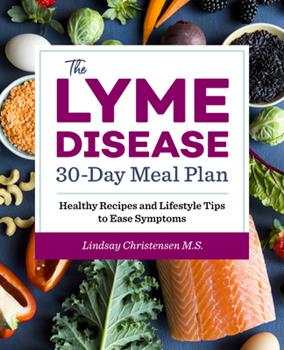
This led me to pursue my Master of Nutrition in Human Nutrition, become a clinical nutritionist, and ultimately specialize in working with clients who have Lyme disease. I have also written a book called The Lyme Disease 30-Day Meal Plan: Healthy Recipes and Lifestyle Tips to Ease Symptoms.

While nutrition alone cannot cure Lyme disease, it can significantly ease your symptoms, accelerate your healing process, and create a stronger, more resilient body capable of healing from Lyme. In addition, nutritional treatment is a powerful complement to both antibiotic and herbal protocols for Lyme disease.

For the Lyme patient struggling with treatment decisions, chronic fatigue, pain, and brain fog, sorting through nutrition information to figure out what to eat can feel daunting. Let’s discuss five steps you can take starting today to maximize your nutrition and support Lyme disease recovery.

Step 1: Remove inflammatory foods

Infection with Borrelia and co-infections induces a profound inflammatory response in the body. This can affect the gut, joints, brain, cardiovascular system, eyes, and skin.

When working with clients who have Lyme disease, I begin by having them remove the most common dietary inflammatory triggers, including:

  • Processed foods
  • Refined carbohydrates and sugar
  • Industrial seed oils, such as canola, corn, cottonseed, soybean, and safflower oils.

Refined carbohydrates and added sugars, such as cane sugar and high-fructose corn syrup, also promote the growth of inflammatory gut bacteria.

Between 70 and 80 percent of your immune system resides in your gut, so when your gut microbiota is unhealthy, your immune function and thus your ability to combat Lyme disease will suffer. Removing refined carbohydrates and added sugars is essential for reducing inflammation and regulating the immune system in Lyme.

I also find that many of my clients do best avoiding gluten and conventional dairy products from grain-fed, industrially-raised animals, since both of these foods are potent inflammatory triggers.

Step 2: Eat anti-inflammatory foods

In addition to removing inflammatory foods from our diets, we also need to incorporate foods that actively reduce inflammation. Work on including the following anti-inflammatory foods into your diet:

  • Wild-caught seafood

IL-17 is a pro-inflammatory cytokine (an immune signaling molecule) made by the immune system during Lyme infection. However, chronic IL-17 production can promote rampant inflammation and even autoimmunity. Metabolites of omega-3 fatty acids called “specialized pro-resolving mediators” or SPMs, blunt the production of IL-17 and can thus help calm the inflammatory response.

Try to eat several servings of fatty cold-water fish per week to bolster your omega-3 intake. Choose from the “SMASH” seafood, which are low in mercury and high in omega-3’s. SMASH stands for “salmon, mackerel, anchovies, sardines, and herring.”

  • Cruciferous vegetables

Cruciferous vegetables, such as broccoli and cauliflower, contain compounds called glucosinolates that increase the body’s glutathione production.

Glutathione, an antioxidant and immune-signaling molecule, plays a crucial role in the immune response to Borrelia.

  • Blueberries

Borrelia spirochetes stimulate macrophages, including glial cells in the brain, to release the inflammatory cytokines IL-6 and TNF-α. Excessive production of these molecules has neurotoxic effects on the brain.

In animal studies, blueberries have been found to reduce IL-6 and TNF-α production and may thus help protect the brain and dampen overall inflammation.

  • Extra virgin olive oil

Oleuropein, a major component of extra virgin olive oil, also reduces the production of the inflammatory cytokines IL-6 and TNF-α involved in the Lyme-induced inflammatory response. Be sure to choose organic olive oil to avoid consuming pesticide or herbicide residues, which have immune system-disrupting effects.

Step 3: Support your immune system

Your immune system requires an array of nutrients to function at its best. Furthermore, infection and stress deplete the body of critical micronutrients. Let’s take a look at several of the micronutrients needed for a well-functioning immune system:

  • Vitamin D

Vitamin D is frequently low in patients with persistent Lyme disease On top of that, Borrelia burgdorferi directly reduces vitamin D receptor expression in immune cells, increasing the need for vitamin D.

Vitamin D is critical for Lyme disease recovery. Daily sun exposure and the consumption of vitamin D-rich foods, including fatty cold-water fish and pastured egg yolks, support a healthy vitamin D status. However, supplementation is often necessary, especially during the fall and winter months.

  • Vitamin A

Vitamin A is a fat-soluble vitamin (a vitamin that dissolves in fats and oils) that regulates both the innate and adaptive branches of the immune system. The innate immune system is our set of frontline immune defenses, whereas the adaptive immune system is composed of specialized cells that target specific pathogens.

We need both branches of the immune system to battle Lyme, and vitamin A can help. Interestingly, vitamin A deficiency worsens Lyme arthritis in mice, whereas vitamin A replenishment reduces the harmful inflammatory response.

Retinol, the form of vitamin A the immune system requires, is found only in certain animal foods, such as egg yolks and liver. In addition, your body can create retinol from carotenoids, vitamin A precursors in yellow and orange plant foods, such as winter squash and carrots. However, this conversion process is not efficient in many people, necessitating vitamin A intake through animal foods.

  • Zinc

Zinc is the second most abundant micronutrient in our bodies after iron. It plays several roles in the immune system, including supporting the intestinal barrier, the layer of cells that lines the gut and maintains the intestinal immune system.

Zinc also inhibits complement activity. Complement is a part of the immune system that is excessively activated by Lyme infection and contributes to inflammation.

The World Health Organization reports that one-third of the world’s population is at risk for zinc deficiency. Vegans, vegetarians, the elderly, and those with gastrointestinal issues that compromise nutrient absorption are particularly at risk for deficiency. To support your immune system, emphasize foods rich in zinc, including oysters, red meat, organ meats, and poultry.

Step 4: Support your gut health

Many individuals with Lyme disease have gone through multiple rounds of antibiotics. While antibiotics can offer significant benefits to many Lyme sufferers,  they also reduce levels of beneficial microorganisms in the GI tract. This allows less desirable opportunistic and pathogenic organisms, including various yeasts and bacteria, to proliferate.

The resulting imbalance in the gut microbiota can compromise immune function, digestion, and nutrient absorption. Furthermore, preliminary research suggests that Borrelia may directly infect the gastrointestinal tract. It is thus crucial to support the health of your gut if you have Lyme disease.

A growing body of research indicates that diet profoundly impacts gut health. There are certain foods you should prioritize to support your gut health, including:

  • Fiber: Dietary fiber found in vegetables, fruits, nuts, seeds, and legumes supports the growth of beneficial gut bacteria, which positively impact our immune function and digestion.
  • Fermented foods: Fermented foods, such as sauerkraut, kimchi, beet kvass, and yogurt (for those who tolerate dairy products), provide probiotics that support gut health and immune function. Try to consume a serving of fermented foods daily. Remember to rotate fermented foods since each food offers unique probiotic microorganisms and health benefits.
  • Bone broth: Bone broth is a slow-cooked broth made from boiling animal bones and connective tissues in water. It is gelatinous and rich in glycine and proline, amino acids that help create a healthy gut. I encourage my clients with Lyme disease to consume bone broth regularly to support intestinal health.

Step 5: Support your joints and brain

Borrelia can cause extensive damage to collagenous tissues in the body, such as skin, tendons, and ligaments. Vitamin C is a cofactor for enzymes involved in collagen synthesis. Optimize your vitamin C intake by consuming foods such as bell peppers, citrus fruits, berries, and broccoli.

The brain is severely affected in many cases of chronic Lyme disease, referred to as “neuroborreliosis.” Lyme infection promotes brain inflammation and impairs energy production in neurons, making it difficult to think clearly and maintain a balanced mood.

Vitamin B12 and DHA are two nutrients necessary for healthy brain function. B12 is supplied through meat, poultry, fish, and eggs, while DHA is an omega-3 fatty acid that we can consume through seafood, such as wild salmon and sardines.

There are many other nutritional factors that can support healthy brain function in Lyme disease, but vitamin B12 and DHA intakes are two of the most important.

Try a recipe from my book

Sesame Chicken Salad

This refreshing salad manages to be both sweet and savory, with a lovely crunch thanks to the addition of slivered almonds. It requires very little prep time, especially if you make the shredded chicken ahead of time in a slow cooker.

The short amount of prep time required is perfect it you’re short on time or energy for cooking. This salad contains several functional food ingredients beneficial for those with Lyme disease, including vitamin C-rich oranges and lime juice, folate-rich leafy greens, and anti-inflammatory extra-virgin olive oil.

Prep Time: 10 minutes

Dairy-Free, Gluten-Free

Ingredients:

FOR THE SALAD:

  • 3 cups mixed greens
  • 4 ounces cooked chicken breast
  • 2 tablespoons slivered almonds
  • ½ cup sliced cucumber
  • 1 cup fresh orange segments
  • 2 scallions, chopped

FOR THE DRESSING

  • 1 tablespoon toasted sesame seeds
  • 1 teaspoon peeled and grated fresh ginger root
  • 2 tablespoons tamari sauce (be sure to select gluten-free tamari sauce)
  • 2 tablespoons rice vinegar
  • 1 tablespoon honey
  • 1 scallion, finely chopped
  • Juice of ½ lime
  • 1/3 cup extra-virgin olive oil
  • ¼ cup freshly squeezed orange juice
  • 2 teaspoons toasted sesame oil
  1. In a large mixing bowl, combine the greens, chicken, almonds, cucumber, orange, and scallions.
  2. In a glass jar or other lidded container, combine the sesame seeds, ginger, tamari sauce, rice vinegar, honey, scallions, lime juice, olive oil, orange juice, and sesame oil. Cover and shake well.
  3. Add the dressing to the salad and gently toss to coat.
  4. Serve immediately or refrigerate the salad and dressing in separate airtight containers for up to 2 days.

Lindsay Christensen has a Master of Science in Human Nutrition and is a Certified Nutrition Specialist and Licensed Dietitian Nutritionist. In her private clinical nutrition practice, Ascent to Health, she specializes in nutrition care for individuals with Lyme disease and other environmental illnesses.

For more:

American Heart Association Publishes Data Doctor Claims is the ‘Death Toll’ For COVID Jabs

https://healthimpactnews.com/2021/american-heart-association-journal-publishes-data-that-uk-medical-doctor-claims-are-proof-that-covid-19-vaccines-are-murder/

American Heart Association Journal Publishes Data that UK Medical Doctor Claims are “Proof” that COVID-19 Vaccines are “Murder”

Nov. 23, 2021

by Brian Shilhavy
Editor, Health Impact News

The American Heart Association Journal, Circulation, has just published an abstract on mRNA COVID-19 shots that UK medical doctor Vernon Coleman has stated: Finally! Medical Proof the Covid Jab is “Murder”

Here is the Abstract:

Abstract

Our group has been using the PLUS Cardiac Test (GD Biosciences, Inc, Irvine, CA) a clinically validated measurement of multiple protein biomarkers which generates a score predicting the 5 yr risk (percentage chance) of a new Acute Coronary Syndrome (ACS). The score is based on changes from the norm of multiple protein biomarkers including IL-16, a proinflammatory cytokine, soluble Fas, an inducer of apoptosis, and Hepatocyte Growth Factor (HGF)which serves as a marker for chemotaxis of T-cells into epithelium and cardiac tissue, among other markers. Elevation above the norm increases the PULS score, while decreases below the norm lowers the PULS score. The score has been measured every 3-6 months in our patient population for 8 years. Recently, with the advent of the mRNA COVID 19 vaccines (vac) by Moderna and Pfizer, dramatic changes in the PULS score became apparent in most patients. This report summarizes those results. A total of 566 pts, aged 28 to 97, M:F ratio 1:1 seen in a preventive cardiology practice had a new PULS test drawn from 2 to 10 weeks following the 2nd COVID shot and was compared to the previous PULS score drawn 3 to 5 months previously pre- shot.

  • Baseline IL-16 increased from 35=/-20 above the norm to 82 =/- 75 above the norm post-vac
  • sFas increased from 22+/- 15 above the norm to 46=/-24 above the norm post-vac
  • HGF increased from 42+/-12 above the norm to 86+/-31 above the norm post-vac

These changes resulted in an increase of the PULS score from 11% 5 yr ACS risk to 25% 5 yr ACS risk. At the time of this report, these changes persist for at least 2.5 months post second dose of vac. We conclude that the mRNA vacs dramatically increase inflammation on the endothelium and T cell infiltration of cardiac muscle and may account for the observations of increased thrombosis, cardiomyopathy, and other vascular events following vaccination.

Here is the video and Dr. Vernon Coleman’s comments:

It’s the 22nd November 2021 and this is the moment when the jabbing has to stop.

A couple of hours ago Darren Smith, the editor of the excellent The Light Paper, sent me a paper from the medical journal Circulation which proves that the covid-19 jabbing experiment has to stop today. I believe that any doctor or nurse who gives one of the mRNA covid jabs after today will in due course be struck off the appropriate register and arrested.

The journal Circulation is a well-respected publication. It’s 71-years-old, its articles are peer reviewed and in one survey it was rated the world’s no 1 journal in the cardiac and cardiovascular system category.

I’m going to quote the final sentence of the abstract which appears at the beginning of the article. This is all I, you – or anyone else – needs to know.

`We conclude that the mRNA vacs dramatically increase inflammation on the endothelium and T cell infiltration of cardiac muscle and may account for the observations of increased thrombosis, cardiomyopathy and other vascular events following vaccination.’

That’s it. That’s the death bell for the covid-19 mRNA jabs.

The endothelium is a layer of cells lining blood vessels and lymphatic vessels. T cells are a type of white cell.

We always knew these jabs were experimental. My video in December 2020, just under a year ago, warned about these specific risks. I read out a list of possible adverse events published officially by the American Government.

But now we have the proof of the link.

The mRNA jab is, remember, known not to stop people catching covid. And it is known not to stop people spreading it. I don’t believe anyone disputes these facts.

And yet vast numbers of deaths and serious injuries have occurred among people who have been jabbed. Look at the item entitled ‘Updated: how many are the vaccines killing?’ on my websites.

Now we have the evidence to stop the jabbing programmes.

In the study quoted in Circulation, a total of 566 patients aged 28 to 97 were tested. They were equally divided among men and women.

‘At the time of this report,’ says the author, ‘these changes persist for at least 2.5 months post second dose of vaccine.’

At the very least, the use of these jabs must stop now. Immediately, until more long-term tests are done.

If there were any journalists left in the mainstream media, this news would be lead item on all TV and radio programmes and be on the front pages of all newspapers.

Thank heavens for free speech platforms such as BNT which enables me to bring you this news.

I’ve said for a year that this jab was an experiment – certain to kill and injure.

We’ve always known that to experiment on people without their full consent and understanding – after disclosing all the risks and potential side effects – is a crime.

Now the evidence exists that must stop this experiment.

If the covid jab experiment continues after today then we know for absolute sure that this is not a medical treatment, it is a cull.

Please share this video immediately with everyone you know.

Thank you.

For more:

How to Get Unstuck With the Lyme Recovery Roadmap

https://rawlsmd.com/health-articles/how-to-get-unstuck-with-the-lyme-recovery-roadmap

How to Get Unstuck with the Lyme Recovery Roadmap

by Dr. Bill Rawls
Updated 10/15/21

During your Lyme disease recovery, it’s not unusual to find yourself stuck from time to time, not knowing what to do to further heal and reduce undesirable symptoms. To overcome this all too common circumstance and experience progress again, you’ll want to pay careful attention to potential obstacles that can impede wellness and remove them.

While eliminating microbes and reducing symptoms are crucial pieces of the recovery puzzle, there’s always more to the story. The biggest reasons symptoms occur in the first place are because our bodies’ cells aren’t getting enough nutrients, oxygen, or water, and the waste and toxin removal mechanisms are compromised. Ultimately, getting well is a matter of minimizing the factors that are disrupting the health of your cells to the best of your ability.

Building a Strong Foundation of Natural Support

So then, what direction do you go in if you need to get unstuck? Start by building a strong foundation in your Lyme disease recovery.

key steps in building your foundation: suppress microbes, protect cells, inhibit inflammation, cellular connectivity, good flow

The bedrock of any comprehensive natural protocol should contain these three critical elements: antimicrobial herbs, immune-modulating herbs, and methylation and cellular support.

antimicrobial, immune-modulating, and methylation and cellular support

While many herbs have the potential to be of benefit to your recovery from chronic Lyme disease, certain ones rise to the top because they tackle the myriad of cellular stress factors you endure, helping to quell an environment where chronic illness flourishes.

My preferred herbs and supplements from the 3 categories above include:

1. Antimicrobial Herbs to Suppress Microbes

Many herbs have antimicrobial effects against borrelia, bartonella, babesia, mycoplasma, and more. In fact, recent research from Johns Hopkins University has shown that herbal therapy may be more effective at combating borrelia and babesia than medications. The following is a list of herbs to help form the basis of your Lyme protocol.

antimicrobial herbs andrographis, berberine, cats claw, sarsaparilla, garlic, and more

2. Immune-Modulating Herbs

Herbs with immune-modulating properties help to normalize the functions of the immune system, inhibiting dysfunctional chemical messengers called cytokines and restoring the immune system’s communication pathways.

Medicinal mushrooms, in particular, are a great way to modulate the immune system, but other herbs are helpful as well.

immune-modulating herbs reishi mushroom, cordyceps, rehmannia extract, and chinese skullcap

3. Methylation + Cellular Support

Finally, combining herbs with supplements that address methylation — the body’s biochemical process that switches on and off genes, regulates metabolism, mood, detoxification, and more — will amp up the cellular protection.

methylation and cellular support: activated b vitamins, glutathione, alpha lipoic acid, and more

Removing the Obstacles to Healing

When trying to remove obstacles to healing, it’s vital to understand this: It’s generally not one factor but multiple factors that set the stage for chronic immune dysfunction associated with stealth infections and chronic illness. Besides microbes, other stress factors compounding the problem include:

  • Unnatural diet
  • Toxic environment
  • Chronic Stress
  • Sedentary lifestyle

Let’s take a look at each of these obstacles, how they impact healing, and what we can do about them:

1. Poor Diet

The foods you eat equate to fuel for the body so that you have the energy you need to repair tissues and curb inflammation. Without sufficient nutrients, the opposite is true: your body is starved of the nourishment it needs to restore itself. And while the occasional slip-up might not be enough to through your recovery completely off track, repeatedly consuming foods devoid of nutrients presents significant challenges for the body.

excess carbohydrates leads to increased insulin levels, insulin resistance, immune suppression, and more

evaluate your diet with the self-assessment tool to determine if it's an obstacle to healing
answering no to one or more items in the diet assessment suggests diet is an obstacle to healing

General Diet Guidelines

To keep your diet as nutrient-dense as possible, consider the following guidelines.

general diet guidelines cook your vegetables, avoid fried foods, minimize carbohydrates, and chew your food

Some foods are problematic for many people because they contribute to food allergies, sensitivities, digestive issues, or increase the body’s toxic burden. Foods to consider nixing from your diet altogether are as follows:

foods to eliminate include lectins, dairy, alcohol, artificial preservatives, and artificial sweeteners

2. Toxins

Toxins are present in the foods you eat, the air you breathe, personal care products, household cleaners, and more. Toxins can have a profound influence on the body.

toxins compromise cellular energy production, disrupt hormones, promote inflammation, and more

evaluate your environment with the self-assessment tool to determine if it's an obstacle to healing
answering no to one or more items in the toxin assessment suggests toxins are an obstacle to healing

Although toxins can come from a variety of sources, you’re probably most familiar with mold and its mycotoxins. Unfortunately, mold exposure can curtail your efforts to get well — regardless of whether it’s “toxic” or even whether you’re allergic to mold. More than 50% of homes and more than 85% of commercial buildings in the U.S. have water damage and mold, even if you can’t see or smell it outright. Symptoms can range from mildly disruptive to serious and truly life-threatening. To clean up mold and your environment, put these tips into action:

eliminate mold by removing visible signs of it and cleaning heating units and air conditioners
eat organic food, filter your water, replace HVAC filters, and quit smoking to minimize other toxins

3. Stress

Chronic stress is very pervasive in modern life. Often people suffering from stress don’t realize that their symptoms are stress-related. Stress has the potential to disrupt all normal functions of the body and mind.

stress disrupts functions of the body like digestion, immune system, daily maintenance, and tissue repair

evaluate your stress levels with the self-assessment tool to determine if it is an obstacle to healing
answering no to one or more items in the stress assessment suggests stress is an obstacle to healing

Stress sends the sympathetic nervous system — the part of the nervous system associated with the “fight or flight” response — into overdrive, leading to issues like poor sleep, feelings of irritability or anxiousness, increased pain levels, among others. Since you can’t outrun stress, learning to manage it is one of the best steps you can take for your health.

dedicate time to stress relief by mediating, gardening, walking, or using herbs to support the stress response

dedicate time to improving sleep by taking a hot bath, blocking out excess light, and sleeping in a cool room

4. Inactivity

If you’re highly symptomatic or experiencing a relapse, moving your body might be the last thing you want to do. But even gentle, restorative exercise (restorative yoga, qigong, taking a stroll, doing leisurely laps in the pool) can help counter the pitfalls of being too sedentary.

inactivity decreases blood flow, increases toxin retention, disrupts immune function, and zaps energy

evaluate your activity level with the self-assessment tool to determine if it's an obstacle to healing
answering no to one or more items in the activity assessment suggests inactivity is an obstacle to healing

if you have limited activity levels, consider gentle exercises like restorative yoga, pilates, or qigong

if you are bedridden, avoid exercise until you feel ready or consider using an infrared sauna

What if Symptoms Persist?

Sometimes, you can do all the right things and still wind up perplexed as to what’s going on or what to do next. The good news, however, is there are still several options to consider.

First, do you need to add additional herbal support to combat coinfections? Some herbs to think about include:

if symptoms persist, try additional herbal support like cryptolepis, black walnut, neem, or red root

Second, do you need the assistance of a heroic therapy — more potent interventions for when you feel like nothing else is moving the needle? For Lyme disease, the ones you’re most apt to be prescribed or recommended are:

heroic therapies are more potent interventions like antibiotics, rife machines, ozone, and hyperthermia therapy

Wellness is Within Reach

Treating Lyme disease requires persistence as you slowly chip away at layers of dysfunction and cellular stress factors. While it can be overwhelming, whenever you get stuck, go back to the basics and look for the areas where you might have gotten off track.

self check-ins are crucial each week to make sure you're staying on track toward your goal of healing

Review this recovery roadmap, and do weekly self check-ins. Remain consistent with your protocol and celebrate all of your healing milestones — no matter how big or small they are. Soon, you’ll find yourself turning the corner.

Dr. Rawls is a physician who overcame Lyme disease through natural herbal therapy. You can learn more about Lyme disease in Dr. Rawls’ new best selling book, Unlocking Lyme.
You can also learn about Dr. Rawls’ personal journey in overcoming Lyme disease and fibromyalgia in his popular blog post, My Chronic Lyme Journey.

________________

**Comment**

If you are a newbie, or even an “advanced” patient, this article may really stress you out as there’s so much to learn, consider, and address.  The intent is never to overwhelm, but to enlighten as this is probably the toughest thing to treat and encompasses every bodily system.  Please, just learn what you can and take one thing at a time.  Most things cost money and time and patients are typically short on both so don’t beat up on yourself. 

Can Lyme Disease Cause Leukemia?

https://www.medicalnewstoday.com/articles/can-lyme-disease-cause-leukemia#having-lyme-disease-and-leukemia

Can Lyme disease cause leukemia?

Medically reviewed by Faith Selchick, DNP, AOCNP, Nursing, Oncology
Written by Mathieu Rees
September 8, 2021

Leukemias are cancers that involve certain cells of the body’s blood, bone marrow, or immune system. Lyme disease is a bacterial infection that people can catch from tick bites. Although these conditions are very different, certain connections may exist between them.

As a 2021 reviewTrusted Source explains, leukemias are cancers that develop from certain cells called leukocytes. When someone has leukemia, some of their leukocytes grow and divide in an uncontrolled fashion. Doctors can classify such cancers according to whether they affect myeloid or lymphoid cells. These cells are kinds of leukocytes.

As the review notes, there are many possible genetic and environmental causes of leukemia.

Lyme disease is the resultTrusted Source of Borrelia burgdorferi bacteria. These bacteria can make their way into a person’s body via tick bites. Ticks are small arachnids that feed on blood, and that can carry B. burgdorferi bacteria.

This article will look into the possibility that Lyme disease is a risk factor of leukemia. It will also look into what it is like to have both conditions at the same time, and at whether Lyme disease could mask or be mistaken for leukemia.  (See link for article)

_____________

Summary:

  • some evidence showsTrusted Source that Lyme disease may increase a person’s risk for another type of blood cancer called lymphoma. This may be because of the inflammation that Lyme disease causes in the body.
  • evidenceTrusted Source that Lyme disease is a risk factor of lymphomas. But this risk is small, and the link is not clear.
  • American Cancer Society (ACS)Trusted Source notes that some people with a B. burgdorferi infection, which causes Lyme disease, developed skin lymphomas in Europe. But the ACS emphasizes that most individuals with Lyme disease will not develop skin lymphomas.
  • ScientistsTrusted Source believe that bacterial infections such as Lyme disease could increase a person’s cancer risk by causing inflammation in the body. Up to 25%Trusted Source of cancer causes may include infections and inflammation.
  • The article erroneously states that those with the EM rash are more likely to have a more “developed” form of Lyme.  In fact, I would state it’s probably just the opposite.
  • The article further erroneously states 10-14 days of doxycycline is the treatment, which case after case and study after study has proven this to be insufficient.
  • The article also erroneously states 70-80% get the EM rash when in fact the percentages are highly variable and many never get a rash at all.
  • Some with leukemia develop a skin rash that is different than the EM rash.  See top link for pictures of both.

TMJ Arthritis Triggered by Lyme Disease

https://danielcameronmd.com/tmj-arthritis-triggered-by-lyme-disease/

TMJ arthritis triggered by Lyme disease

woman with TMJ from Lyme disease holding her jaw

A case report by Weise and colleagues demonstrates that Lyme disease can induce temporomandibular joint (TMJ) pain and may be misdiagnosed as a common temporomandibular disorder (TMD).

In the article, “Acute arthritis of the right temporomandibular joint due to Lyme disease: a case report and literature review,” the authors describe a 25-year-old patient who presented to a medical center with acute pain in the right temporomandibular joint and mouth opening disorders.¹

Over a 5-year period, the woman’s distal bite was treated with removable and fixed orthodontic appliances. Three months after the first symptoms, “the patient developed increasing pain in the right TMJ, increasing active mouth opening restriction to 20 mm and a habitual deviation of the lower jaw to the left.”

The patient was initially diagnosed with a total ventral deviation of the discus on the right side without reduction. Treatment with anti-inflammatory medications, a bite splint and a corticosteroid injection, however, were not effective and the woman’s symptoms continued.

Although the patient did not recall a tick bite or EM rash, testing for Lyme disease was positive and she was diagnosed with Lyme arthritis affecting the right temporomandibular joint.

“Early interdisciplinary diagnosis of Lyme disease and early antibiotic therapy are essential to avoid misdiagnosis and unnecessary, sometimes invasive, therapies.”

The patient was prescribed a 3-week course of Cefuroxime. After one week of antibiotic treatment, her symptoms improved.

“It can be assumed that there must have been an infection with Borrelia in the right temporomandibular joint for a longer period of time before the symptoms occurred.”

Lyme disease presenting with TMJ “very often is misinterpreted as a temporomandibular disorder,” the authors state.

“In the case of unclear TMJ problems and when the TMD treatment is not successful,” the authors stress, “the possibility of a [Lyme disease] infection should definitely be considered as a differential diagnosis.”

_______________

**Comment**

This condition is extremely painful.  I’ve had it.

A Lyme disease infection should definitely be considered as a differential diagnosis when ANY joint becomes painful and inflamed, particularly when there’s a fever present.

For more: