Page Navigation:
An Introduction to Lab Testing
Lyme disease tests can serve as valuable resources for the diagnosis and treatment of tick-borne disease. But it’s important not to get too hung up on the results.
The problem of chronic Lyme disease, can’t be solved exclusively by looking at lab results, which is something I know from personal experience. In fact, becoming overly obsessed with lab results can hinder the recovery process.
Lab work provides a snapshot of what’s going on inside your body. But multiple other factors — including your symptoms, the length of time you’ve had them, and clinical presentation, as well as the environments in which you live, work, and travel — all factor into making an accurate diagnosis.
Furthermore, the human body is an immensely complex biological machine, with millions of different biochemical functions happening simultaneously. Lab tests provide an ever-so-small glimpse at certain key functions of different systems in the body. From those indicators, determinations can be made about how well the body is functioning and whether illness is present.
Laboratory assessment, however, is far from absolute. Because the human body is so complex, the ability of lab testing to predict a specific chronic illness, such as one from a tick-borne disease, is often limited. All labs are subject to variability and different interpretations.
There are literally thousands of different lab tests that can be performed, but only a fraction of them are well understood. Many should be left for research purposes only. Problems arise when doctors order obscure tests that are still poorly understood. Before you have labs drawn, ask your doctor to explain the purpose of each test and why they would be helpful in addressing your health situation.
The information provided by labs is only valuable if it is put to good use. Millions of dollars are wasted every year on labs, with the resulting information never used. Before you have labs drawn, ask yourself and your doctor: “Will the information from this lab — or any other diagnostic test — influence my approach to getting well?” If the answer is no, then you may want to reconsider having that particular test performed.
For chronic illnesses like chronic Lyme disease, fibromyalgia, and chronic fatigue syndrome, general lab evaluations are usually unremarkable. In these cases, the greatest value of labs is ruling out the possibility of a more threatening condition. Mildly abnormal labs generally return to normal as your health improves.
The following is a guide to the labs that I’ve found to be most valuable in evaluating chronic illnesses like chronic Lyme and fibromyalgia. It is, by no means, an absolute or exclusive list.
Basic Lab Tests Everyone Needs

There are certain basic tests and a few specialized ones that have great value. These are the tests that everyone who suspects they have Lyme should consider getting. In addition to taking a detailed medical history, the following list of labs can be ordered by any healthcare provider. Typically, these tests are covered by health insurance.
Complete Blood Count (CBC with Differential)
This test measures cellular components of blood:
- White Blood Cell count (WBC): Low WBC (< 4,000) can indicate chronic infection with a virus or low-virulence bacteria such as mycoplasma, but it can also occur in healthy people. Elevated WBC (>11,500) can indicate an active infection.
- Differential (diff): This measures different types and ratios of white blood cells present. Sometimes, it can be helpful for defining a particular type of infection (bacteria vs. viral vs. parasite), but it is not always absolute.
- Hemoglobin (Hb): Anemia is indicated by Hb < 12.0. Anemia can be caused by blood loss due to factors like heavy periods, inadequate production of red blood cells (RBCs), and increased destruction of RBCs from malaria, babesia, bartonella, or other infections. Hb levels > 16.0 can be associated with smoking, living at altitude, and excessive iron stores in the body (hemochromatosis).
Blood Chemistries
These are a measure of common chemical components of the body, including:
- Electrolytes: Sodium, potassium, chloride, CO2; these are generally normal, unless you are really sick.
- Liver function: Abnormal values suggest an elevated rate of liver compromise, possibly from toxins or viruses such as hepatitis. Elevated bilirubin suggests increased breakdown and turnover of red blood cells (babesia, bartonella). Certain low-virulence microbes (bartonella) destroy red blood cells.
- Kidney function: BUN (blood urea nitrogen) and creatinine screen for kidney disease.
Glucose Metabolism
Excessive carbohydrate consumption is a major system disrupter that must be controlled before recovery is possible. Three primary tests — fasting blood glucose, hemoglobin A1c, and fasting insulin — define insulin resistance and abnormal glucose metabolism:
- Fasting blood glucose: Levels >100 mg/dl suggest pre-diabetes. Levels >126 mg/dl suggest overt diabetes.
- Fasting insulin: Levels defined as elevated suggest insulin resistance (normal range varies depending on the lab). Insulin resistance is a factor contributing to immune dysfunction and hormone imbalances.
- Hemoglobin A1c (HbA1c): HbA1c measures the cumulative damage done by excessive carbohydrate consumption. Ideal is 4.8-5.2%. Levels > 5.6% indicate pre-diabetes. Levels > 6.4% indicate overt diabetes.
Minerals
Magnesium and calcium are the primary minerals measured:
- Magnesium: Magnesium levels are often low during chronic illness. Aggressive magnesium supplements, however, can often worsen Lyme symptoms. Generally, magnesium levels will return to normal as health improves.
- Calcium: Persistently elevated calcium levels can indicate the presence of a small benign tumor producing excessive parathyroid hormone (PTH). Symptoms can mimic fibromyalgia and chronic Lyme. Follow-up testing should include PTH levels.
Thyroid Function
Complete thyroid function should include thyroid stimulating hormone (TSH), free T4, free T3, and thyroid antibodies. Illnesses associated with chronic immune dysfunction are commonly associated with abnormal thyroid function. Correcting abnormal thyroid function can accelerate recovery. Testing for thyroid antibodies (TPO and thyroglobulin) is important to identify Hashimoto’s disease, a form of autoimmune thyroid dysfunction.
Lipid Panel
This is a basic evaluation for cardiovascular risk. Cholesterol commonly increases with age and/or a decline in liver function. Cholesterol can be lowered by following specific nutritional guidelines. Significantly elevated cholesterol, however, should be addressed by your healthcare provider and may require medication.
Autoimmune Testing
Chronic immune dysfunction and stealth microbes like borrelia play a major role in autoimmunity. The type of autoimmune illness that occurs is related to the factors that disrupt immune function, the person’s genetics, and the spectrum of stealth microbes.
Though diagnosis of specific autoimmune illnesses is complex and requires extensive testing, basic screening for autoimmunity can be done with two tests:
- Rheumatoid factor: A standard test, it reveals if severe arthritis is present
- ANA titer: Positive in many types of autoimmune disease
C-Reactive Protein (CRP)
CRP is a measure of inflammation. It is probably more valuable for monitoring health habits than anything else. High levels (>10) correlate with poor health habits and increased risk of disease.
Normal CRP levels, however, are often present in individuals who follow good dietary habits and yet still suffer from a chronic illness.
Vitamin D
Vitamin D is not only important for healthy bones, but also very important for normal immune function. There are several forms of vitamin D; calcidiol (25 OH vitamin D) is the most commonly measured form in blood tests.
Both normal ranges for blood levels of vitamin D and indications for supplementation are controversial, and various medical organizations and nonprofit groups don’t seem close to reaching a consensus just yet. For example, the Institute of Medicine (IOM) considers up to 4,000 IU of vitamin D3 a safe dosage for most adults. But the Endocrine Society suggests a safe dose for most adults can go all the way up to 10,000 IU.
With the differing viewpoints, how do you know what to do? For starters, know that levels of >40 ng/ml have been associated with reduced risk for many cancers and for chronic disease in general. And achieving consistent vitamin D levels of >40 ng/ml is also important for Lyme disease, chronic fatigue syndrome, and fibromyalgia recovery.
Ultimately, the best way to stay on top of your vitamin D levels is to work with your healthcare provider to determine which dose is right for you. Ideally, have your levels checked every six months.
Vitamin B12
Low B12 levels (normal ranges vary between labs) can be a sign of low intake (sometimes seen in vegetarians), but more commonly it’s a sign of inadequate absorption and gastric dysfunction. Vitamin B12 generally increases spontaneously with improved health habits, but in the short term, B12 injections or sublingual (under the tongue) supplements can improve energy levels. Activated forms like methylcobalamin or hydroxocobalamin of B12 are better absorbed orally than the more common inactive form, cyanocobalamin, used in most multivitamin products.
Ferritin
Ferritin measures iron stores. Low ferritin levels can indicate low stores of iron in the body, which can be associated with fatigue. High ferritin levels indicate abnormal retention of iron in the body (called hemochromatosis), which can be associated with liver damage and nonspecific symptoms. High levels can also be associated with autoimmunity and chronic infection.
Urinalysis
Test strips for urine testing can be obtained online without a prescription. Here’s what they measure for:
- pH: Urine pH should be consistently alkaline, reflecting high consumption of vegetables and fruit. A normal range is 4.5 to 7.8.
- WBCs, nitrites: These tests show evidence of a urinary tract infection.
- Protein: Elevated levels can indicate kidney disease.
- Bilirubin: Elevated levels show increased turnover or destruction of red blood cells.
Mold and Mycotoxins
Evaluation for mold is indicated anytime there is any suspicion of mold. It is possibly the most important evaluation you can do. Mycotoxins (mold toxins) are potent immune disruptors and cause a wide spectrum of nonspecific symptoms, including a chronic inflammatory response, neurological symptoms, and persistent insomnia. If mold sensitivity is an issue, the only option for complete relief is eradicating mold from your environment.
The first step in evaluating for mold is using your nose and eyes to search for it. Moisture is necessary for mold to grow. Mold, however, can be hidden in walls, crawl spaces, attics, and more. It is possible to test for mold with simple kits that can be ordered online. It is also possible to test for mycotoxins in urine or the potential for mold exposure through blood tests. Ones that could potentially be useful include:
- HLA-DR: This genetic blood test determines whether a person has the genes that trigger the immune system to properly recognize and excrete mycotoxins from the body.
- C4a: C4a is a complement protein known as an anaphylatoxin, a substance that creates a response similar to an allergic reaction. It also executes tasks related to the immune system and inflammation. An elevated C4a may be present in individuals who have been exposed to mycotoxins. Note that C4a levels may also be elevated in patients with Lyme disease and lupus.
- MSH (Melanocyte-Stimulating Hormone): The hormone MSH is produced in the hypothalamus and the pituitary gland. It regulates neuroimmune pathways, including melatonin, cortisol, cytokines, sex hormones, and the integrity of mucous membranes. Among mold patients who developed Chronic Inflammatory Response Syndrome (CIRS), 95% have decreased MSH functioning.
- VCS (Visual Contrast Sensitivity): A VCS test measures your ability to detect changes in visual contrast, a function that may be impaired in individuals who have been exposed to biotoxins. The test is available online or can be completed in a doctor’s office.
However, with or without testing, the solution to a mold problem is completely avoiding mold. Testing may only be needed if you’re not getting better within weeks or months after complete elimination of the mold problem.
Advanced Laboratory Testing

The following tests are discussed because they are often recommended, but they seldom influence the status of recovery. These tests should be reserved for special circumstances or when recovery is not progressing, but not performed routinely.
Omega-3/Omega-6 Ratio
The ratio of omega-3 fatty acids to omega-6 fatty acids is a marker for balance of inflammatory factors in the body. Proper diet and supplementation generally result in satisfactory omega fatty acid ratios.
Cytokine Testing (Th1/Th2)
Cytokines are the messengers of the immune system. Cells of the immune system use cytokines to signal to each other and pass directions. Stealth microbes manipulate cytokines to generate inflammation and redirect immune functions in favor of the microbe.
Though the immune system and its interactions with different microbes is extremely complex (still beyond our complete understanding), effort has been made to simplify immune functions into two pathways important for chronic illnesses associated with stealth microbes. Below, “Th” stands for T helper cells:
- Th1 pathway: Associated with cell-mediated immunity and intracellular pathogens. When the Th1 pathway is overactive, it’s associated with inflammation and autoimmunity.
- Th2 pathway: Associated with antibody-mediated immunity and extracellular parasites. When overactive, the Th2 pathway is associated with asthma and allergies.
This is, of course, an oversimplification of a very complex process. In general, chronic Lyme and other illnesses associated with chronic immune dysfunction and stealth microbes are Th1 dominant.
Many herbs help balance this dysfunction by reducing overactive cytokines associated with inflammation and enhancing antibody and functional cell mediated immunity. A few herbs that stimulate Th1 functions (astragalus, echinacea) should be avoided during the early stages of recovery. Generally, measuring cytokines is unnecessary for recovery.
Adrenal Hormone Testing
Adrenal dysfunction or adrenal fatigue is a given in any chronic illness. Elevated cortisol levels, associated with increased physical and emotional stress, contribute to sleeplessness, stress intolerance, agitation, and anxiety. Prolonged adrenal stress can deplete cortisol, with resulting symptoms of extreme fatigue, total stress intolerance, and excessive sleeping (but sleep is dysfunctional and not restful).
Because adrenal dysfunction is always present in chronic illness and generally normalizes with proper therapy, measurement of adrenal hormone levels is generally not necessary. On rare occasions when a patient is not improving, measurement of cortisol can be beneficial.
- Salivary cortisol: Measured four times over 24 hours, it’s the best measure of adrenal function, but symptoms are often a better guide.
- Dehydroepiandrosterone sulphate (DHEAS): DHEAS measures adrenal function; high levels indicate excessive function, and low levels indicate inadequate function. This test is often performed, but it is not as reliable as cortisol measurement (which is also usually unnecessary, as symptoms are generally adequate to evaluate adrenal function). It is useful in only select circumstances.
Reproductive Hormones
Menopause can exacerbate the symptoms of any chronic illness. Though usually obvious (with the absence of periods), menopause can be confirmed by an elevated pituitary hormone called FSH: levels >25 indicate menopause. Other hormone levels, including estrogen and progesterone, are generally not necessary to measure, but may be recommended by your healthcare provider. In men with fatigue, total and free testosterone are sometimes indicated.
- Female: Salivary or blood E1, E2, E3, free testosterone, progesterone, FSH (screening FSH, Estradiol levels)
- Male: Free testosterone, total testosterone
Testing for Toxins
Build-up of heavy metals and other toxins can be a hidden factor in chronic illness. However, every person living on the planet today is carrying some heavy metals, and no one really knows how much is enough to cause disease. The biggest source of concern is amalgam dental fillings (though recent opinions are suggesting that amalgam fillings do not shed as much mercury as once thought).
A healthful diet and lifestyle along with key supplements will generally reduce heavy metals in the body. Save heavy metal testing for last on the list; if you are still not getting better, ask your doctor about testing.
- Hair samples: This is the least reliable method of testing for heavy metals.
- Blood test: It’s valuable only for testing acute exposure.
- 24-hour urine after DMSA: This is the most accurate assessment. Urine is collected for 24 hours after use of 100 mg of DMSA (Dimercaptosuccinic acid, a chelation medication) to pull heavy metals out of tissues.
The presence of organic toxins (pesticides, plastic residues) is almost a given and can be addressed with dietary and lifestyle modifications. Chlorella is excellent for pulling organic toxins out of the body.
Food Sensitivities
Chronic gastrointestinal dysfunction is often associated with sensitivities to commonly consumed foods (which is not the same as food allergies, like a peanut allergy). Symptoms associated with food sensitivities are commonly delayed for 1-2 days after the food is consumed. Typical symptoms include fatigue, joint pain, muscle pain, and general achiness — in fact, food sensitivities alone can be the root of many symptoms.
- Food sensitivities are best determined by an elimination diet — a diet designed to selectively eliminate and identify problem foods.
- Problem foods can also be delineated with specific IgG and IgA testing. Currently, there are several food sensitivity tests on the market, and many of them can be customized to test a range of foods, preservatives, medications, and more, and some can be delivered to your home. Depending on the company used and number of items tested, prices vary from just under $200 to several hundreds of dollars.
Comprehensive Stool Analysis
Stool analysis is valuable for defining gastrointestinal dysfunction and diagnosing parasites and yeast overgrowth. This expensive test is generally reserved for extreme cases when dietary modifications and supplements are not enough to overcome gastrointestinal problems. It is rarely necessary.
Folate and Methylation
There are about 40 different genetic mutations that can affect MTHFR, a gene that plays an important role in the body’s ability to use folate or folic acid. About 40% of the population has one abnormal gene and are moderately affected. About 12% of the population has two abnormal genes and is more significantly affected.
Problems associated with MTHFR mutations include elevated risk of stroke and heart attack, increased cancer risk, defects in embryo development (spinal tube defects), and neurological symptoms including insomnia, irritability, depression, brain fog, neuropathy (burning tingling feet and hands), and restless legs syndrome. It also can be a factor in recovery from fibromyalgia and Lyme disease.
For folks who want the technical details:
MTHFR is a gene that codes for an enzyme called methylenetetrahydrofolate reductase. This enzyme is vital for creating 5-methyltetrahydrofolate, an essential substance for converting the amino acid homocysteine into the amino acid methionine.
Methionine is essential for amino acid synthesis, formation of glutathione (an important intracellular antioxidant), formation of DNA, and detoxification. Methionine is also important for formation of SAMe, which plays a key role in metabolism of dopamine, serotonin, and melatonin. Without this important enzyme, all these pathways are blocked.
Testing for MTHFR mutations involves a simple blood test or DNA cheek swab that costs about $100 to $200; the blood test may be covered by insurance. Checking for elevations of homocysteine and RBC folate in the blood is an indirect way to check for the problem.
The best solution for elevated levels is getting plenty of natural 5-methyltetrahydrofolate (methylfolate for short). Leafy greens are a great source, but if you have a mutation, supplementing is a good idea. Folic acid, found in most multivitamin products, will not work because it must be converted by the deficient enzyme.
You must supplement with 5-methyltetrahydrofolate; 400-800 micrograms daily is generally adequate for anyone with a single mutation (especially if you eat plenty of leafy greens). If you have a double mutation, it is a good idea to take an extra 400-800 micrograms. For additional benefit, you can add 400-800 mg of SAMe daily, in the evening. SAMe supports detoxification and can improve sleep.
Chemical components called “methyl groups” that are essential for proper detoxification can also be supplied by vitamins B6 and B12. It is, however, important to get the activated forms of these important vitamins. The activated form of vitamin B6 is pyridoxal 5-phosphate, and the active form of vitamin B12 is methylcobalamin.
Healthful diet and adequate supplementation of methyl donors is generally adequate for recovery. MTHFR testing is only necessary if recovery is not progressing.
In my medical practice, I had the fortune of working with a lab that measured MTHFR for no charge. For the five years it was available, I tested all my patients. Surprisingly, I found it played a more minor role in recovery than I expected. I had chronic Lyme sufferers who were severely symptomatic who had no mutations, and perfectly healthy people who had double mutations.
Testing Beyond the Lab

Certain types of symptoms require evaluation by diagnostic procedures conducted by specialists in their respective fields. These symptoms include:
- Neurological symptoms: Severe neurological symptoms are evaluated with a nerve conduction test and MRI of the brain to assess the nervous system. The purpose is ruling out multiple sclerosis.
- Cardiac symptoms: Heart symptoms like chest pain and irregular heartbeat are evaluated by EKG and Holter monitor (a wearable device for tracking your heart rhythm). Findings may lead to cardiac catheterization.
- GI symptoms: Stomach pain and symptoms are often evaluated by an upper endoscopy. Lower intestinal and colon symptoms are evaluated by colonoscopy. Routine colon cancer screening with colonoscopy is recommended every 10 years for everyone over 50.
Testing for Microbes

Testing for microbes in chronic illness is often like opening up a can of worms. Detection of a microbe in the body is only as good as the technology, and right now, the technology for diagnosing borrelia and other low-virulence stealth microbes is fair at best (they’re called “stealth” microbes for a reason).
And that’s for the species of microbes we know about. Research continues to press on in the search for stealth microbes that play a role in Lyme disease, including new forms of borrelia.
The long and the short of it is, all ticks carry potentially pathogenic microbes. If you have ever been bitten by a tick, you have been exposed to microbes, and you likely harbor one or more stealth microbes in your body. If you have all the signs and symptoms of chronic Lyme disease, then the chances that you are carrying some species of borrelia is high — no matter what the testing shows.
When you consider that borrelia has been prevalent in ticks worldwide for thousands of years, and that asymptomatic carriers are extremely common, borrelia is probably much more prevalent than is widely accepted.
The other side of the story is that as testing gets better and better, it will likely reveal that many healthy people have borrelia, and that everyone harbors some stealth microbes — Lyme coinfections like mycoplasma, bartonella, chlamydia, and many others are remarkably common.
The key to being healthy is robust immune function.
When you start seeing chronic Lyme disease for what it is — chronic immune dysfunction, with a pot of stealth microbes boiling over — the compulsion to test for specific microbes becomes less relevant. There are always possibilities that can’t be accounted for.
When I evaluate a person with possible chronic Lyme disease, it’s easier to just assume that borrelia and other stealth microbes are present. This allows me to have less reliance on unreliable lab results.
To Test or Not To Test

Our ability to test for microbes species is limited to a small piece of a much larger pie of unknowns. The total microbiome of the body consists of many thousands of microbe species; who knows how many of them are stealth microbes or opportunistic pathogens. A comprehensive herbal protocol covers for most possibilities, both known and unknown.
Which brings up the question: “Why test at all?”
Frankly, the most pressing reason to test is academic — that “need to know” quality that we all share as humans.
If you choose a conventional route of therapy, however, testing will likely be necessary. In fact, many doctors will not consider writing a prescription until testing is done and results are available. Considering the extreme limitations of the present state of testing for stealth microbes, it is one of the major drawbacks to pursuing a conventional route of therapy.
If you choose a natural route of therapy, testing is much less necessary. A comprehensive herbal protocol covers for borrelia and most other possibilities (without the toxicity associated with drugs and synthetic antibiotics). Many people have gotten well without doing any testing at all.
The biggest reason to test is if you are not improving. Sometimes testing can uncover the presence of other vector-borne diseases (babesia, ehrlichia, rickettsia, anaplasma), or viral reactivation of a herpes-type virus for which a prescription antimicrobial may provide benefit.
That nagging need to know, however, is a fundamental characteristic of human nature. “Could there be something present that could be easily treated?” is a question that often lingers in the back of everyone’s mind. Before proceeding any further, however, know that testing for microbes can unnecessarily complicate your recovery.
There are no absolutes when it comes to stealth microbes. A negative test does not rule out the possibility of a certain microbe being present or the possibility of other microbes being present. Diagnosis should not rely on labs alone. It’s a matter of adding up all the clues, including the symptom profile, prevalence of possible microbes in the geographic area, and any other factors that may be helpful in making the diagnosis.
If you decide to do lab testing, the place to start is with labs covered by your medical insurance. Insurance policies are highly variable, however, and it is up to you (not your doctor) to find out what is and isn’t covered.
Most healthcare insurance policies will cover testing for borrelia and possible coinfections with in-network labs. Most in-network labs, however, only do basic-level testing, which often carries a low probability of actually diagnosing an offending microbe.
Specialty labs do more advanced and sophisticated lab testing, but are generally not covered by insurance, and they can be pricey. Expense is the primary reason these tests are not covered by insurance. Testing for borrelia alone is not sufficient; if you are going to do testing, you really need to test for all the known possibilities. This can run $1,000 or substantially more.
Because of demand, there is a proliferation of specialty labs doing testing. The oldest and possibly best-known is IGeneX, but there are many new and innovative testing labs coming on the scene. Blood can be drawn at the doctor’s office and sent to a specialty lab, but you will probably be responsible for the bill.
Reasons to Test
Here are some of the more compelling arguments in favor of testing:
- Needing to know
- Some stealth microbes are more virulent than others and respond better to antibiotic therapy; a positive test can help direct therapy.
- Obtaining lab tests for microbes supports research and increases the knowledge base of stealth microbes.
- Financial support for labs and institutions doing testing.
- Testing for a specific microbe is primarily valuable for acute symptoms after a tick bite.
- Testing for Epstein-Barr virus (EBV), cytomegalovirus (CMV), and other herpes-type viruses (there are eight that commonly infect humans) can be valuable because high titers associated with reactivation of these viruses may respond to antiviral therapy.
Limitations of Testing
Current testing options are indeed limited, and results often don’t contribute to faster or more successful recovery. Here’s a summary of testing limitations:
- Multiple microbes are always present; a positive test for one does not rule out the presence of others.
- During chronic infection, stealth microbes occur in very low concentrations in isolated areas of the body, making diagnosis by any means very challenging.
- Stealth microbes commonly live inside cells, and some can exist in cyst forms (especially when they are under pressure). Both are factors that make diagnosis a real challenge.
- Stealth microbes readily manipulate the immune system — detection depends on antibody production.
- Cross-reactivity with other bacteria is common, including normal flora.
- Most testing is species specific; many species of each type (genera) of microbe are possible, for which there is no available testing.
- Symptoms of chronic Lyme can occur without the presence of borrelia and can be caused by other stealth microbes (though borrelia may be present with a false negative test).
- Everyone harbors stealth microbes; the microbiome is extremely complex.
- The concept of testing for chronic infections with stealth microbes is relatively new; most testing is focused on acute illness.
- False negative rates are high for all forms of testing; false positives are also possible.
- Testing for the many possibilities can run several thousands of dollars, often not covered by insurance.
- A positive test for a specific microbe can provide false peace of mind.
- A negative test does not exclude the presence of a microbe (especially during chronic illness).
Common Types of Testing for Microbes

Testing is getting better, and there are a variety of different ways to test, but none of them are anywhere near 100% accurate. Testing is mostly useful for diagnosing acute illness. This is especially true when symptoms of illness suggest infection with a higher virulence microbe that might respond to acute treatment with antibiotics. New innovations may gradually improve testing for chronic illness associated with stealth microbes.
Direct Testing
Direct testing includes visualizing the microbe directly in tissue or blood samples, or growing the microbe out of tissue or blood samples in a media that is specific for that microbe. Direct testing is not species specific, so any species of the microbe can be diagnosed. Polymerase chain reaction (PCR) tests look directly for the microbe’s DNA and are species specific (uncommon species may be present but will not be diagnosed).
These forms of testing are most useful for diagnosing acute infections. Direct methods are not reliable for chronic infections because stealth microbes occur in such low concentrations in the body during chronic infection, are not present in the blood in high numbers, can occur in dormant or cyst forms, live inside cells, and gravitate toward isolated recesses of the body.
Examples of direct testing:
- Tissue/Blood: Direct visualization
- Tissue/Blood Culture: Uses culture media specific for the microbe to grow the microbe in culture
- Polymerase Chain Reaction (PCR): Direct detection of microbe DNA in tissues, blood, and urine
Indirect Testing (Serology)
Indirect testing relies on antibody production to the microbe (serology). Evidence of acute infection is best evaluated with IgM antibodies and late acute or chronic infection with IgG antibodies. Some testing regimens require serial titers (testing at different time intervals) to distinguish between acute and chronic infections.
Different types of serology are available for different microbes. Accuracy for testing chronic illness associated with stealth microbes is greatly limited by low concentrations of the microbe in the body with reduced or inadequate antibody response for testing.
Examples of indirect testing include:
- Enzyme-Linked Immunoassay (ELISA test, EIA): It measures antibodies in the patient’s serum that are specific to microbial antigens (part of the microbe) by using labeled enzymes to bind the antibodies for measurement.
- Immunofluorescence Assay (IFA): This test utilizes fluorescent dyes to identify the presence of microbe-specific antibodies in the patient’s serum.
- Western Blot: Detects antibodies to multiple different microbial antigens by measuring different protein bands. Collectively, the presence of multiple bands allows diagnosis of infection with a specific microbe. A Western Blot is more sensitive than ELISA for borrelia.
Diagnosing Borrelia
The stealth nature of Borrelia burgdorferi makes it very difficult to diagnose. Developing tests to detect it is a real challenge because it:
- Stays deep in tissues
- Has the ability to live inside cells (intracellular)
- Has elaborate ways of tricking the immune system
- Changes its genetic signature readily
- Doesn’t require high concentrations of microbes to cause illness
In the United States, mainstream Lyme testing is specific for Borrelia burgdorferi, but there are presently 21 other species of Borrelia that can cause Lyme disease. In Europe, two other species of borrelia — Borrelia afzelii and Borrelia garinii — are more common than Borrelia burgdorferi as a cause of Lyme disease.
Because of the mobility of people, different borrelia species are circulating around the world. This contributes to another layer of difficulty in diagnosis. It is becoming evidence that other species are much more common than once thought.

Download this Chart & 2021 Lyme Testing Guide
Including the Lyme Diagnostics Comparison Chart
By providing your email address, you agree to receive additional content from RawlsMD and Vital Plan. Your personal information will be kept confidential and never be sold to third parties.
Bull’s-Eye Rash (Erythema Migrans)
The classic bull’s-eye rash is signified by redness extending outward from the tick bite site with an outer, more prominent red ring. Symptoms of Lyme disease associated with a history of tick bite and bull’s-eye rash are the most reliable way to diagnose infection with borrelia, but even that is far from absolute.
There are likely other types of microbes that can cause a bull’s-eye rash. Only ⅓ of people with Lyme disease will have bull’s-eye rash, and only 10% of bull’s-eye rashes are associated with the presence of borrelia in the blood.
Blood/Tissue Culture
The most definitive test for proving the presence of a microbe is growing it in a lab from a tissue or blood sample. Because borrelia exists in such low concentrations in blood and tissues, and because borrelia is so difficult to grow under artificial conditions, cultures are generally not useful for diagnosing Lyme disease.
EIA tests (ELISA and ELFA)
This tests the host for antibodies produced against borrelia. It is recommended as a screening test for Lyme disease. The Centers for Disease Control (CDC) defines this test as an important screening test for Lyme disease. But in clinical practice, most healthcare providers who treat Lyme disease find that this Lyme disease test has poor predictive value and limited usefulness. It has no value for diagnosing chronic Lyme.
PCR for B. burgdorferi
Short for Polymerase Chain Reaction, a PCR tests directly for borrelia DNA in the host’s blood, tissues, or urine. Historically, PCR has had limited accuracy, but improvements in technique are allowing PCR for microbial DNA to be the future of testing. At some point, it may be possible to define a person’s entire microbiome.
For now, testing is available for the most common species of borrelia and many common species of coinfections with other stealth microbes. Testing is most accurate during acute infection, and much less accurate during chronic infection.
Again, the bottom line is that if you have many or most symptoms of chronic Lyme disease, then you are likely harboring at least one species of borrelia and several other species of stealth microbes — no matter what the testing shows.
Many companies are offering microbial DNA testing, but a few are taking the lead. DNA Connexions tests DNA in either blood or urine specimens for three species of borrelia and several of the most common coinfections. Testing kits are available online.
Western Blot
The Western Blot for Borrelia burgdorferi relies on production of antibodies by the host’s immune system for different parts (antigens) of the bacteria. Antibody production does not occur until the body’s secondary defense kicks in, and it’s dependent on the host’s ability to mount an immune response.
The Western Blot test may provide a more accurate diagnosis of Lyme disease than most of the other available tests, but testing is more valuable for the late acute than chronic illness. In addition, the test is oriented toward diagnosis of Borrelia burgdorferi, and not other species of borrelia that may cause Lyme disease.
Because borrelia shares antigens with other bacteria, multiple positive antibodies (called bands) are required for a true positive test. Western blot is performed for both IgM and IgG antibodies in an effort to separate acute from chronic illness.
IgM antibodies show acute Lyme disease. IgM testing can be positive as early as one week after infection, and remains positive for six to eight weeks after initial exposure. CDC guidelines require two positive bands out of three (23-25, 39, 41). IGeneX labs add three extra bands (31, 38, 83-93), the first two of which were removed from the CDC criteria during the development of an unsuccessful vaccine and were never replaced.
The IgG antibody is typically present a few months following initial infection. IgG antibodies are more indicative of chronic disease. CDC guidelines require five positive bands out of 10 (18, 23-25, 28, 30, 39, 41, 45, 58, 66, 83-93). The IGeneX criteria is two bands out of six (18, 23-25, 28, 30, 39, 41, 45, 58, 66, 83-93). Band 41 is specific for the flagella (tail) of spirochetes (corkscrew bacteria), but is not absolutely specific for borrelia.
Acute viral infections can cause false positive results. Data reported from IGeneX supports that some Lyme patients may have only restricted IgM response to Borrelia burgdorferi. Because Lyme patients have different immune systems, only approximately 70% of those with Lyme disease will generate a positive Western Blot. Patients who test positive for rheumatoid factor or Epstein-Barr virus may have false negative tests.
IGeneX Western Blot is around $125. IGeneX is now offering PCR testing for Borrelia miyamotoi (associated with relapsing fever) for $265, as well as immunofluorescence testing (FISH) for babesia, anaplasma, ehrlichia, and rickettsia.
Aperiomics
Aperiomics testing uses metagenomic sequencing with blood samples, tissue swabs, urine specimens, or fecal samples to identify every known bacteria, virus, fungus, and parasite — their database alone contains more than 37,000 microorganisms.
This test helps target which pathogens may be causing your symptoms. For example, if you have an ongoing gastrointestinal problem, and treatments haven’t brought you relief, you might benefit from the fecal testing kit, which could identify one or more pathogens responsible for making you ill.
Also, Aperiomics tests for Lyme disease and coinfections, but it will likely come with a hefty price tag. Since stealth microbes often hide in various tissues throughout the body, the company recommends testing kits that collect blood, swab, urine, and fecal samples, which can cost upwards of $2700. However, if your symptoms are more specific, you may be able to do less testing, and ultimately, save some money.
Although it’s tempting to gain as much information as you can about what’s making you feel ill, remember that no test is completely definitive, and the results might not change the trajectory of your treatment. Before you splurge on costly testing, talk with your healthcare provider about how new information can be used to advance your recovery.
Direct Tick Testing
If you actually kept the tick that bit you, it is possible to have the tick checked for certain microbes. The testing, however, does not check for all possibilities. Tic-Kit will check the tick for borrelia, bartonella, babesia, and ehrlichia.
Also, IGenex has a tick-test kit, which looks for pathogens like borrelia, tick-borne relapsing fever (TBRF), babesia, anaplasma, ehrlichia, bartonella, and rickettsia.
Finally, local or state agencies, such as universities, may offer tick testing at little to no cost as part of research and data collection projects.
STARI
The bite of the Lone Star tick is associated with a Lyme-like illness named STARI (southern tick-associated rash illness). STARI can be associated with a bull’s-eye rash and all the symptoms of Lyme disease, but tests for borrelia are always negative. The cause of STARI is presently unknown, but another form of borrelia is suspected.
Testing and Diagnosing Coinfections and Related Microbes

There are quite a few microbes spread by blood-sucking insects (ticks, mosquitoes, fleas, lice, chiggers, biting flies, scabies) that have stealth characteristics similar to those of Borrelia burgdorferi; some we know about, and others still waiting to be discovered.
They all have stealth characteristics and the ability to infect and thrive inside cells. They are masters of evading the immune system, and can be even harder to diagnose than borrelia. Symptoms profiles are similar to borrelia and related mostly to stimulation of cytokine cascades, not concentrations of microbes. Though they each have slightly different strategies, their motive is the same: complete a lifecycle stage within the host and move on.
The primary known players in chronic Lyme include mycoplasma, bartonella, and chlamydia species. The most well-known species of babesia, anaplasma, ehrlichia, and rickettsia are more apt to cause acute illness and less apt to be associated with chronic illness, but research is discovering lesser known and lesser virulent species of these microbes that are associated with chronic Lyme. Reactivation of herpes-type viruses is common in chronic Lyme.
Though testing is possible for some species of these microbes, when a natural route of recovery is chosen, extensive testing is not necessary and can actually be very misleading.
Mycoplasma
Diagnosis of mycoplasma is challenging, especially if it’s a chronic infection. Most commonly, amplified Polymerase Chain Reaction (PCR) tests are used for diagnosis, which look at a blood sample for DNA that is specific to the microbe.
PCR is species specific and focused on diagnosing acute respiratory or genital mycoplasma infections. When testing for mycoplasma, ask to be tested for all the possible species (M. fermentans, M. genitalium, M. penetrans, M. hominis, M. pneumoniae, M. synoviae, Ureaplasma urealyticum). Note that 75% of acute infections show cold agglutinins (clumping of red blood cells).
Serial titers testing for antibodies with enzyme-linked immunosorbent assays can be used to test for acute infection. Persistent elevated titer may indicate a chronic infection or an asymptomatic carrier, but in general, chronic infection with mycoplasma is difficult to diagnose. A low WBC count is found in 25% of chronic infections.
Bartonella
The best test for bartonella is an amplified version of PCR called ePCR by Galaxy Diagnostics. The company, located in Research Triangle, North Carolina, offers both ePCR and serology testing for bartonella. Standard PCR for bartonella costs $260; ePCR costs $650 or more.
Testing is species specific; the most common species are included in the testing protocol. The company also offers standard PCR for anaplasma, babesia, ehrlichia, and rickettsia (the most common species) for $230 each (or $615 for a total tick panel).
Note that if you have private insurance, you will be asked to pre-pay for the test, which you may submit to your insurance carrier for reimbursement. Galaxy Diagnostics is a Medicare provider, so you will not need to pay upfront. However, if Medicare denies the claim, you’ll be responsible to pick up the cost of the test.
Babesia
An Indirect Immunofluorescent Assay (IFA) tests for IgG and IgM antibodies produced by the body against babesia. Diagnosis relies on a four-fold rise in antibody titer over several weeks. The first sample should be taken as early in the disease process as possible, and the second sample taken two to four weeks later.
A PCR (Polymerase Chain Reaction) detects microbial DNA in a blood sample. IGeneX uses an amplified version of PCR and FISH together for improved accuracy of testing for B. microti and B. ducani.
Ehrlichia, Anaplasma, and Rickettsia
These microbes have the potential to cause severe illness; therapy should not await laboratory diagnosis if acute infection with any of these microbes is suspected. Blood can be drawn when therapy is initiated to confirm the infection.
The most accurate test is serial serology using Indirect Immunofluorescent Assay (IFA). Diagnosis relies on a four-fold rise in antibody titer over several weeks. The first sample should be taken as early in the disease process as possible, and the second sample taken two to four weeks later.
PCR is 60-85% effective for diagnosing ehrlichia and 70-90% effective for diagnosing anaplasma, but it’s less valuable for diagnosing Rocky Mountain spotted fever (RMSF). Accuracy for diagnosing chronic infection is unknown. There are many new species of these microbes being discovered for which routine testing is not yet available.
Chlamydia
Pelvic infection associated with C. trachomatis is diagnosed by vaginal swab in females (either patient or clinician collected) and urine sample in males. Nucleic acid amplification tests (NAATs) are the most sensitive. Yearly screening for females under age 25 is recommended by the CDC.
Testing for C. pneumoniae (respiratory infection) is performed with PCR specific for C. pneumoniae DNA from a blood sample. Present testing includes only the two most common species out of nine known species.
Viruses
The list of viruses that can cause chronic infection with chronic reactions in the human body is long. A partial list includes Epstein-Barr virus (EBV), cytomegalovirus (CMV), HSV-1, HSV-2, herpes zoster virus, HHV-6a, HHV-6b, HHV-7, parvovirus B-19, adenoviruses, and hepatitis B and C.
Reactivation of dormant viruses is commonly associated with immune dysfunction that occurs with fibromyalgia, Lyme disease, and similar chronic illnesses. Testing for specific viral reactivation is generally not necessary, but if you are interested, the best source of information about testing is Lab Tests Online.
The two most common reactivated viruses associated with chronic flu-like symptoms include Epstein-Barr virus and cytomegalovirus.
Epstein-Barr Virus (EBV)
To evaluate acute and chronic infection for EBV, four antibodies are commonly tested including viral capsid antigen (VCA) IgG, VCA IgM, D early antigen (EA-D), and Epstein-Barr nuclear antigen (EBNA). Here’s how to interpret results:
-
- The presence of VCA IgG antibodies indicates recent or past EBV infection.
- The presence of VCA IgM antibodies and the absence of antibodies to EBNA indicates recent infection.
- The presence of antibodies to EBNA indicates infection sometime in the past.
Antibodies to EBNA develop six to eight weeks after the time of infection and are present for life.
- The presence of VCA-IgG, EA-D, and EBNA may indicate reactivation of the virus.
Cytomegalovirus (CMV)
To evaluate acute and chronic CMV infection, a blood sample is tested for IgG and IgM antibodies to CMV. Here’s how to interpret findings:
- The presence of CMV IgM indicates a recent active infection.
- The presence of both CMV IgM and CMV IgG can indicate active primary infection or reactivation of dormant virus.
- The presence of CMV IgG only indicates past exposure.
Intestinal Parasites
Intestinal parasites are common in third world countries where sanitation and waste disposal systems are poor, but much less common in developed countries. Parasite eggs are consumed with contaminated food, hatch inside the body, go through a lifecycle, lay eggs, and then die. The eggs do not hatch inside the body, but are shed in feces. Chronic parasite re-infestation requires continual consumption of contaminated food.
People in developed countries do occasionally consume parasite eggs from eating raw foods and can occasionally harbor very low levels of parasites, but rarely enough to cause symptoms of infestation. Infections are always self-limited unless contaminated food is again consumed.
Testing is rarely indicated. Testing stool for eggs and parasites is not very sensitive and is almost always negative unless infestation is large.
Transmission of Vector-Borne Diseases: How Stealth Microbes Make Their Way

Different stealth microbes have different transmission routes. Knowing the mode of transmission can sometimes be helpful in diagnosis. Many of them can be transmitted by ticks. For borrelia, STARI, babesia, ehrlichia, and anaplasma, this is a major route of transmission.
If the type of tick is known, sometimes it can be helpful in defining types of microbes present. This is not absolute, however. Most tick-borne microbes can be spread by a variety of ticks.
In addition, many stealth microbes are also spread by other biting insects (mosquitoes, fleas, lice, biting flies, chiggers), sexual contact, blood transfusions, and some by air droplets. Mycoplasma and bartonella are more commonly spread by other means and can already be present but silent at the time of infection with a different tick-borne microbe. Mycoplasma and bartonella are probably more common in individuals diagnosed with fibromyalgia and chronic fatigue (along with other stealth microbes).
Here are some common microbe-tick connections:
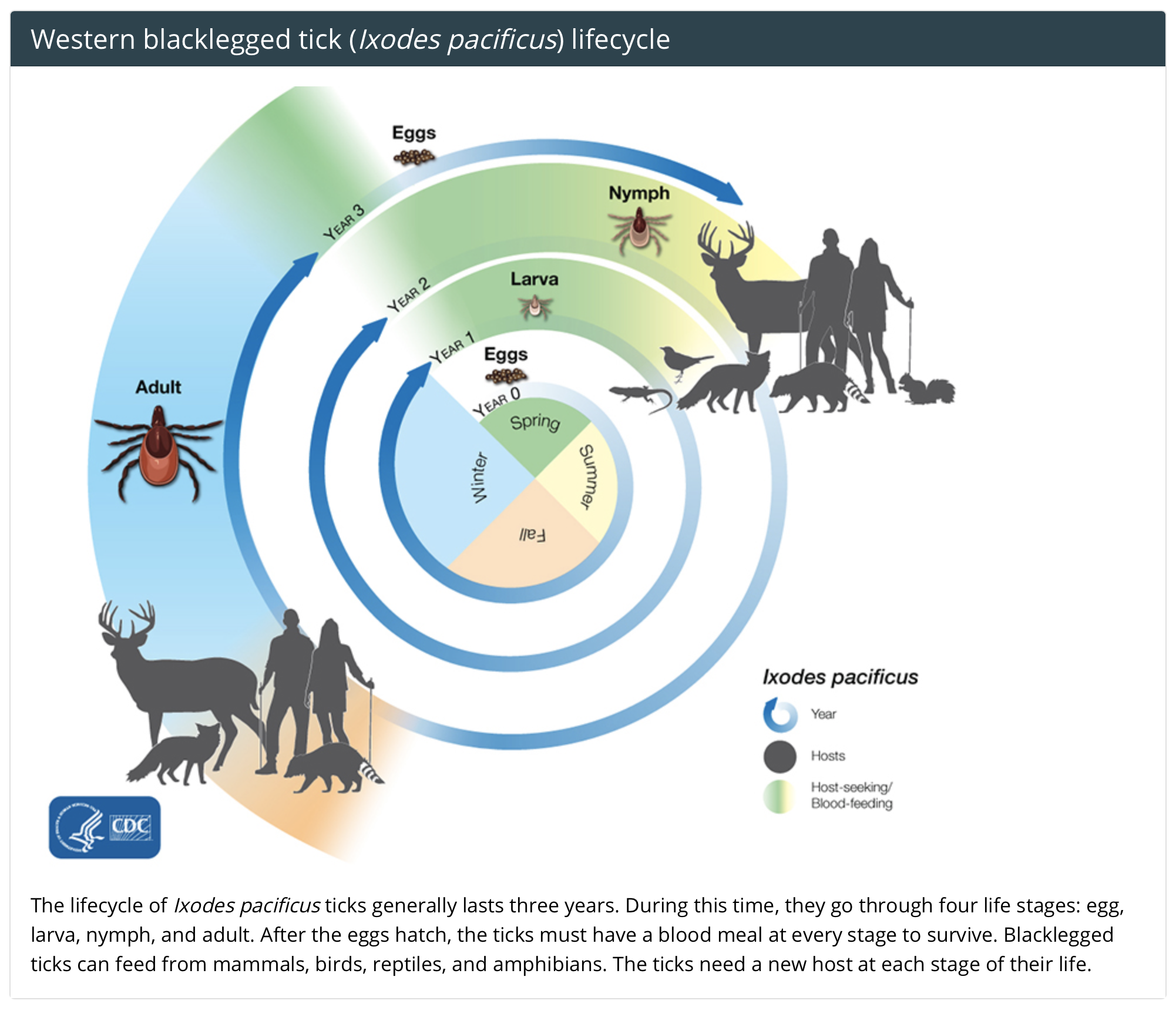
- Borrelia: The black-legged deer tick (Ixodes scapularis), most common in the Northeastern, Mid-Atlantic, and North-Central U.S., and the western black-legged tick (Ixodes pacificus) on the Pacific U.S. coast
- STARI: The Lone Star tick (Amblyomma americanum), most common in the Southern U.S. extending out to Oklahoma and Texas, and in the Mid-Atlantic extending up into Northeastern U.S.
- Mycoplasma: Mostly passed via respiratory and sexual transmission, but mycoplasma can be spread by biting insects, including ticks (probably numerous species). Numerous species of mycoplasma are widely distributed worldwide. Mycoplasma may be a primary factor in fibromyalgia, chronic fatigue syndrome, and autoimmune disease.
- Bartonella: Most commonly associated with a scratch of an infected animal (cat, dog), bartonella can also be spread by fleas and lice. Ticks are a vector, but specific tick species have not been specified. Bartonella may be a primary factor in fibromyalgia and chronic fatigue.
- Babesia: Black-legged deer ticks (Ixodes scapularis), most common in New England (Maine, Vermont, New Hampshire, Massachusetts, Connecticut, and Rhode Island), New York, New Jersey, Wisconsin, Minnesota, but spreading southward. Also present in the Southeastern U.S., with Georgia as the epicenter.
- Ehrlichia: Most common in Northeast and Southeast U.S., it’s most concentrated in a band stretching from North Carolina to Oklahoma (South, South-central, Southeast), which is the distribution of the Lone Star tick (Amblyomma americanum). Ehrlichia is also transmitted by black-legged (Ixodes scapularis) and western black-legged (Ixodes pacificus) ticks, along with other tick species worldwide.
- Anaplasma: Black-legged tick (Ixodes scapularis) in the Northeast and Upper Midwest and western black-legged tick (Ixodes pacificus) in northern California.
- Rickettsia (Rocky Mountain spotted fever): American dog tick (Dermacentor variabilis), which has the most common distribution in the mid-states east of the Rockies; Rocky Mountain wood tick (Dermacentor andersoni); and brown dog tick (Rhipicephalus sanguineus), which is commonly found in Arizona. But RMSF is widely distributed across the U.S. and can occur in any state.
Hallmark Signs and Symptoms of Infection

Chronic infection with any stealth microbe is associated with nonspecific symptoms (it is their very nature). Even the symptoms that are considered classic for a particular microbe do not always occur. There are numerous species and strains of all of the different microbes, each of which have slightly different characteristics. If a classic symptom is present, however, it may help with diagnosis and treatment.
- Borrelia: Microbes bore into areas of the body with collagen (skin, joints, brain) leading to a bull’s-eye rash (in 1/3 of cases), migrating arthritis, and brain fog
- STARI: Probably another species of borrelia with the same characteristics as Lyme; symptoms include bull’s-eye rash (in 1/3 of cases) and migrating arthritis
- Mycoplasma: Infect tissues that line areas in the body leading to initial respiratory or pelvic symptoms (depending on infection site), fatigue, and intestinal issues
- Bartonella: Infect white blood cells and cells lining blood vessels and scavenge red blood cells for food; can result in bone pain from infection in bone marrow and pain in the soles of feet (from damage to blood vessels when walking)
- Babesia: Infect red blood cells, liver, spleen; symptoms can include relapsing high fevers with drenching sweats and liver/spleen enlargement
- Ehrlichia/Anaplasma: Infect specific types of white blood cells; symptoms can include high fever, headache, and muscle pain. It is mostly associated with acute disease; chronic disease is not as common
- Rickettsia (Rocky Mountain spotted fever): Infect cells that line blood vessels, causing severe vasculitis. Symptoms can include high fever, spotted rash (90% of cases), and severe swelling in the extremities. It is mostly associated with acute disease; chronic disease is not common
- Chlamydia: Chlamydia trachomatis can be spread by ticks, but is more commonly spread by sexual contact or respiratory infection. It can, however, be present at the time of infection with other microbes by tick bite. It is a common stealth microbe associated with chronic fatigue. It also has possible links to multiple sclerosis. Chlamydia is spread as a sexually transmitted disease and has been associated with chronic pelvic pain in women, infertility, and chronic fatigue. Chlamydia pneumoniae, which is associated with acute respiratory infection, has also been associated with chronic fatigue
Where to Get Lyme Disease Tests
Locating a healthcare provider who’s knowledgeable about Lyme disease to order the appropriate labs and test kits can be very overwhelming. You may find that you need more than one practitioner to help you. For starters, if you have a relationship with a primary care physician (PCP), even one who might not understand Lyme, they can order the routine lab tests so that you’re more likely to get them reimbursed by your health insurance.
The specialized test kits, such as coinfection panels, mycotoxin tests, or food sensitivities, will often be ordered by a Lyme-literate medical doctor (LLMD) or a functional medicine doctor who has some familiarity with Lyme. Ultimately, you’ll want to find a doctor you can trust, so they can identify the cause of your symptoms and how to help you on the road to recovery.
Dr. Rawls’ understanding of the treatment of Lyme disease, coinfections, and the value of diagnostic testing comes from his medical expertise as a doctor, as well as his personal experience as a Lyme sufferer. To learn more about Dr. Rawls, read his post about his chronic Lyme disease journey and his book Unlocking Lyme.
Dr. Rawls is a physician who overcame Lyme disease through natural herbal therapy. You can learn more about Lyme disease in Dr. Rawls’ new best selling book, Unlocking Lyme. You can also learn about Dr. Rawls’ personal journey in overcoming Lyme disease and fibromyalgia in his popular blog post, My Chronic Lyme Journey.
REFERENCES
1. Abbas AK, Lichtman AH.
Basic Immunology: Functions and Disorders of the Immune System. Philadelphia, PA Saunders/Elsevier. 2011.
2. Barbour AG, Hayes SF. Biology of Borrelia Species.
Microbiology Reviews. 1986;50(4):381-400.
3. Bralley A, Lord RS.
Laboratory Evaluations in Molecular Medicine. Institute for Advances in Molecular Medicine. 2001.
4. Castro C, Gourley M. Diagnostic Testing and Interpretation of Tests for Autoimmunity.
Journal of Allergy and Clinical Immunology. 2010 Feb; 125(2 Suppl 2): S238–S247. doi:
10.1016/j.jaci.2009.09.041
5. Lab Tests Online. American Association of Clinical Chemistry website.
https://labtestsonline.org/
6. Murray PR, Rosenthal KS, Pfaller MA.
Medical Microbiology. 8th ed. Philadelphia, PA. Elsevier. 2015.









 Madison Area Lyme Support Group