https://academic.oup.com/jme/advance-article/doi/10.1093/jme/tjab115/6312693#

Spray and Pour-On Acaricides Killed Tennessee (United States) Field-Collected Haemaphysalis longicornis Nymphs (Acari: Ixodidae) in Laboratory Bioassays

Journal of Medical Entomology, tjab115, https://doi.org/10.1093/jme/tjab115
Published:  01 July 2021

Abstract

Haemaphysalis longicornis Neumann (Asian longhorned tick) is an exotic and invasive tick species presenting a health and economic threat to the United States (U.S.) cattle industry due to its ability to transmit pathogens and infest hosts in large numbers. The objective of this study was to evaluate available products at causing H. longicornis mortality in a laboratory bioassay. The efficacy of products was evaluated at label rates using H. longicornis nymphs collected from a cattle farm in eastern Tennessee in two different bioassays (spray or dip) against untreated controls. After exposure, ticks were transferred to clean petri dishes and checked for mortality at 0, 1, 2, 3, 4, 21, 24, and 48 h post exposure. No mortality occurred in the untreated controls, whereas all treated ticks were dead within 24 h of exposure (P < 0.0001). These findings support the hypothesis that currently available spray and pour-on products are effective at causing H. longicornis mortality. We conclude that these acaricides can be used as a component to prevent H. longicornis dispersal and for control in the U.S.

https://entomologytoday.org/2021/08/05/acaricides-effective-invasive-asian-longhorned-tick/

Commonly Used Acaricides Found Effective on Invasive Tick

Haemaphysalis longicornis tick

The Asian longhorned tick (Haemaphysalis longicornis), an invasive species in the U.S., is a threat to cattle and other livestock. A new study finds several pesticides used to manage other tick species are equally effective against the new arrival. (Photo by danabarb via iNaturalist, CC BY-NC 4.0)

By Andrew Porterfield

The Asian longhorned tick (Haemaphysalis longicornis), a long-time cattle parasite in Asia, New Zealand and Australia, was discovered in the U.S. on a sheep in New Jersey in 2017, though the tick may have been in the country years earlier. Like too many invasive exotic species, it spread quickly and is now found in several eastern U.S. states. Also like invasive, exotic species, there is always a risk that it could evade eradication methods used on other ticks.

(See link for article)

__________________

Important excerpt:

None of the ticks in a control group were killed, while all treated ticks were dead within 24 hours. “It was surprising that products used in this study caused mortality so quickly after the ticks were exposed,” says Butler.

For more:

https://news.ncsu.edu/2021/07/mosquito-resistant-clothing-prevents-bites-in-trials/

Mosquito-Resistant Clothing Prevents Bites in Trials

Bite-resistant textiles
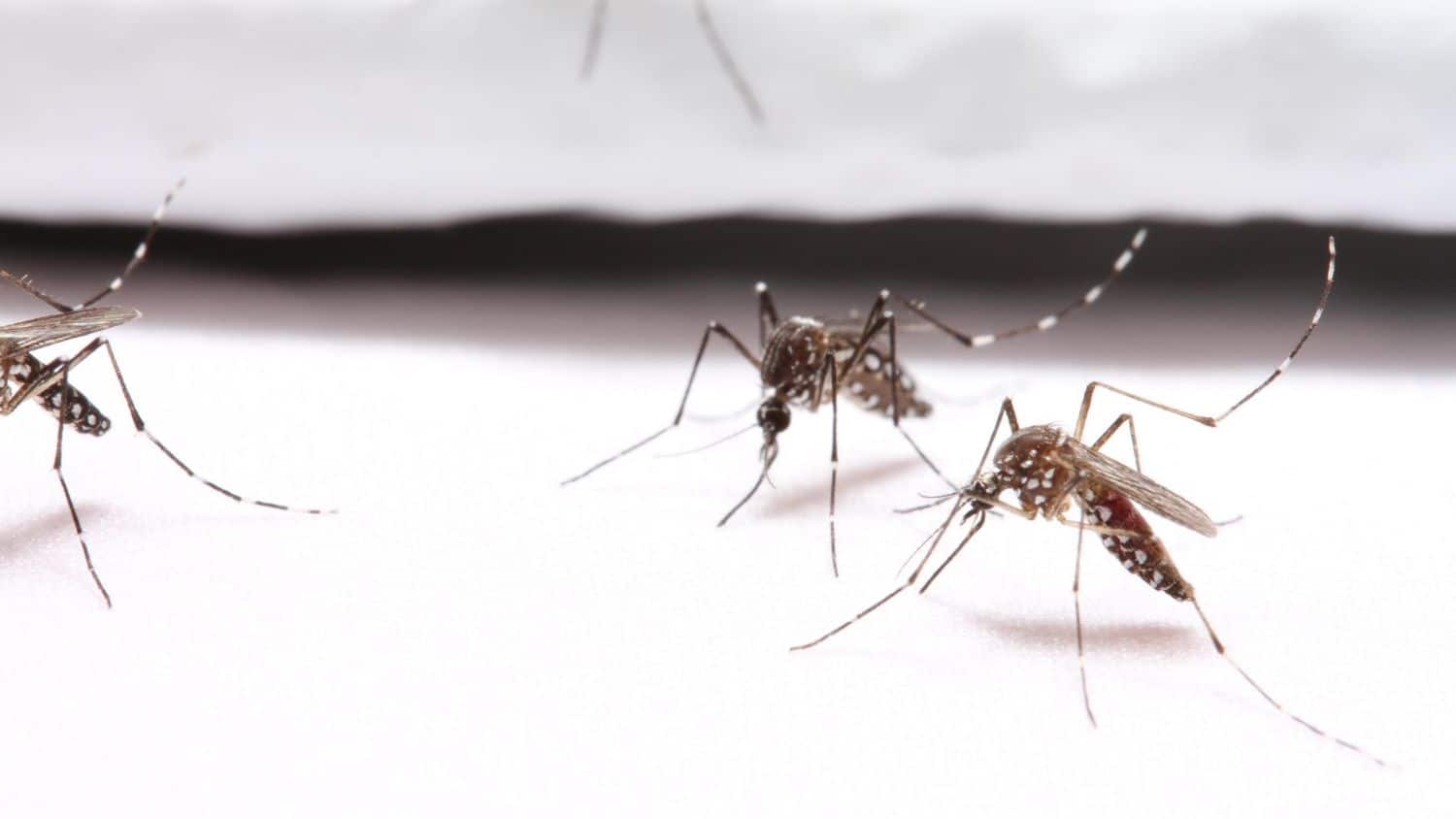
Mosquitoes landing on bite-resistant fabric during an in vivo bioassay in which they fail to probe through the fabric due to its small pore size. The proboscis bends when mosquitoes try to push through the fabric. Credit: Matt Bertone.
FOR IMMEDIATE RELEASE
R. Michael Roe
Grayson Cave
Laura Oleniacz, NC State News Services

North Carolina State University researchers have created insecticide-free, mosquito-resistant clothing using textile materials they confirmed to be bite-proof in experiments with live mosquitoes. They developed the materials using a computational model of their own design, which describes the biting behavior of Aedes aegypti, the mosquito that carries viruses that cause human diseases like Zika, Dengue fever and yellow fever.

Ultimately, the researchers reported in the journal Insects that they were able to prevent 100 percent of bites when a volunteer wore their clothing – a base layer undergarment and a combat shirt initially designed for the military – in a cage with 200 live, disease-free mosquitoes. Vector Textiles, an NC State startup company, has licensed the related patent rights and intends to make clothing for commercial sale in the United States.

The researchers think their computational model could be used more widely to develop clothing to reduce transmission of diseases.

“The fabric is proven to work – that’s the great thing we discovered,” said study co-author Andre West, associate professor of fashion and textile design at NC State and director of Zeis Textiles Extension for Economic Development. “To me, that’s revolutionary. We found we can prevent the mosquito from pushing through the fabric, while others were thick enough to prevent it from reaching the skin.”

To develop the computational model to design textile materials that could prevent A. aegypti bites, researchers investigated the dimensions of the head, antenna and mouth of A. aegypti, and the mechanics of how it bites. Then, they used the model to predict textile materials that would prevent bites, depending on their thickness and pore size. Researchers said they believe the materials could be effective against other mosquito species in addition to A. aegypti because of similarities in biology and biting behavior.

“There are different uses for clothing,” said the study’s first author Kun Luan, postdoctoral research scholar of forest biomaterials at NC State. “The idea is to have a model that will cover all possible garments that a person would ever want.”

To test the accuracy of their model, the researchers tested the materials predicted to be bite-proof. In experiments with live, disease-free mosquitoes, the researchers surrounded a blood reservoir with plastic materials made according to parameters predicted by the model. They then counted how many mosquitoes became engorged with blood.

One material they initially tested was very thin – less than one millimeter thick – but had a very small pore size to prevent the mosquito from sticking its mouth parts, or proboscis, through the material. Another material had a medium pore size to prevent the mosquito from inserting its head through the textile far enough to reach the skin; and a third material had larger pores, but was sufficiently thick that the mosquito’s mouth still couldn’t reach the skin.

In a subsequent test, the researchers chose a series of knitted and woven fabrics that met the bite-proof parameters determined by the model, and validated they worked in experiments using both the blood reservoir and human volunteers. The researchers tested the number of bites received by volunteers when study participants inserted an arm covered by a protective sleeve into a mosquito cage. The researchers also compared the fabrics’ ability to prevent bites and repel mosquitoes to fabrics treated with an insecticide.

From what they learned in early experiments, researchers developed the bite-resistant, form-fitting undergarment made with a thin material, as well as a long-sleeved shirt, which was initially envisioned as a combat shirt for the military.

When a volunteer wore the garments sitting for 10 minutes and standing for 10 minutes in a walk-in cage with 200 hungry mosquitos, the volunteer found the combat shirt was 100 percent effective at preventing bites. In the first trial testing the base layer, the volunteer received bites on the back and shoulders – seven bites for 200 mosquitoes. The researchers attributed the bites to the fabric stretching and deforming, so they doubled the material layer around the shoulders, and were ultimately able to prevent 100 percent of bites. They also tested the clothing for comfort, and to see how well it trapped heat and released moisture.

“The final garments that were produced were 100 percent bite-resistant,” said Michael Roe, William Neal Reynolds Distinguished Professor of Entomology at NC State. “Everyday clothing you wear in the summer is not bite-resistant to mosquitoes. Our work has shown that it doesn’t have to be that way. Clothes that you wear every day can be made bite-resistant. Ultimately, the idea is to have a model that will cover all possible garments that person would ever want – both for the military as well as for private use.”

The study, “Mosquito-textile physics: A mathematical roadmap to insecticide-free, bite-proof clothing for everyday life,” was published online July 13, 2021, in the journal Insects. It was authored by Luan, Roe, West, Charles Apperson, Marian McCord, Emiel DenHartog, Quan Shi, Nicholas Travanty, Robert Mitchell, Grayson Cave, John Strider and Youngxin Wang from NC State University and Isa Bettermann, Florian Neumann and Tobias Beck from Aachen University, Germany. The study was supported by the National Science Foundation, the Department of Defense Deployed War Fighter Program, Natick Contracting Division of the U.S. Department of Defense, the Chancellor’s Innovation Fund at NC State, the Southeast Center for Agricultural Health and Injury Prevention, PILOTS and the NC Agriculture Research Experiment Station.

-oleniacz-

Note to editors: The abstract follows.

“Mosquito-textile physics: A mathematical roadmap to insecticide-free, bite-proof clothing for everyday life”

Authors: Kun Luan, Andre J. West, Marian G. McCord, Emiel DenHartog, Quan Shi, Isa Bettermann, Jiayin Li, Nicholas V. Travanty, Robert D. Mitchell III, Grayson L. Cave, John B. Strider, Yongxin Wang, Florian Neumann, Tobias Beck, Charles S. Apperson and R. Michael Roe.

Published online in Insects on July 13, 2021.

DOI: 10.3390/insects12070636

Abstract: Garments treated with chemical insecticides are commonly used to prevent mosquito bites. Resistance to insecticides, however, is threatening the efficacy of this technology, and people are increasingly concerned about the potential health impacts of wearing insecticide-treated clothing. Here, we report a mathematical model for fabric barriers that resist bites from

Aedes aegypti mosquitoes based on textile physical structure and no insecticides. The model was derived from mosquito morphometrics and analysis of mosquito biting behavior. Precision polypropylene plates were first used to simulate woven and knitted fabrics for model validation.

Then based on model predictions, prototype knitted textiles and garments were developed that prevented mosquito biting and were tested for comfort. Our predictive model can be used to develop additional textiles in the future for garments that are highly bite-resistant to mosquitoes.

_____________________

For more:

**UPDATE Feb. 21, 2022**

It’s gotten so bad, state attorney generals have had to call out the FDA, CDC, Fauci, and the media for ‘fueling confusion and misinformation’ by interfering with the treatment of COVID patients.  Both Nebraska and Oklahoma doctors are now free to prescribe off-label medications such as ivermectin and HCQ for COVID without fear of disciplinary action from corrupt groups like the AMA and state medical boards.

This legal action needs to happen in each and every state in the U.S.

https://www.bitchute.com/video/cv86JlBir91g/  Video Here Approx. 25 Min.

The Story of Ivermectin & COVID-19

The story of the powerful players colluding together to suppress any knowledge of a drug that could end the pandemic

This “must see” video not only goes through Ivermectin research but reveals the players censoring it, while pushing their own lucrative drug Remdesivir which doesn’t work.

The story is actually a familiar one to Lyme/MSIDS patients.

Regarding COVID, a similar smear campaign occurred over hydroxychloroquine (HCQ) in which a fraudulent study had to be retracted from a prestigious science journal. Currently, the FDA , DOJ, AMA, APhA, ASHP are trying to ban any treatments that help with COVID, but support mandated COVID injections, despite the record-breaking adverse reactions such as antibody dependent enhancement, microclotting, risk of prion and parkinson’s disease, and deaths. These injections are less than 1% effective when absolute risk is taken into account. Conflict-riddled ‘authorities’ are completely ignoring natural immunity, and have manipulated data to blame the pandemic on the unvaccinated when it is the “vaccinated” who are driving COVID to mutate and causing the explosion in ‘break-through cases‘ resulting in hospitalization and death, which have been vastly underreported.

  • The author points out that Fauci made the unusual move of announcing at a press conference from the White House in April, 2020 that the anti-viral Remdesivir for COVID diminishes time to recovery.  He doesn’t discuss mortality at all. 
  • NIAID (where Fauci works) actually paid for the NIH study he alludes to.  Being fully aware of the study he also knew that midway through it the primary end-point was changed from mortality to time to recovery. This was obviously done because researchers saw that remdesivir had no significant impact on mortality. Changing endpoints midway in a study should raise a lot of red-flags.
  • Meanwhile, using evidence based on much larger studies, the WHO did not recommend remdesivir as they stated that there is no evidence that it improves survival or any other metric in patients.
  • ‘Slight of hand’ statistical trickery such as:
    • changing study end points
    • using non-infection efficacy numbers
    • and omitting absolute risk are continually being used to mislead the public into believing the accepted narrative that HCQ and Ivermectin are ineffective and/or dangerous, but that the COVID-19 injections are safe and effective.
  • Remdesivir is manufactured by Gilead Sciences, a California-based company which has been accused of bioterrorism.
  • The video then explains how at least 7 members of the COVID-19 treatment panel have financial ties to Gilead Sciences.
  • The three co-chairs who select the other panel members do not disclose financial ties to Gilead, but two of the chairs both receive financial support from Gilead. The third co-chair was one of the authors of the NIAID funded remdesivir study.  His name is not listed as a study author, you have to dig for it by looking at the financial disclosure form of conflicts of interest.
  • These conflict-riddled panelists push the drug they make money from but know full well it has no effect on COVID-19 survival. This is professional negligence of the worst sort that has potentially resulted in millions of deaths globally.
  • They choose to suppress ivermectin with study after study proving its effectiveness on mortality, and push their own ineffective drug.
  • Similarly to how Sweden has acted as a placebo arm in this vast evil experiment by refusing to lock down and force masks, resulting in ZERO COVID deaths, the state of Uttar Pradesh, India, which has about 70% of the U.S. population, chose to authorize ivermectin for those testing positive, for their primary contacts and for health care workers. Ivermectin brought COVID deaths down to ZERO.
  • Ivermectin could have ended the pandemic LAST SUMMER.
  • The suppression and censorship of Ivermectin is a crime.
Spread the word.  Effective treatments are purposely being withheld from the public causing needless deaths.

https://www.lymedisease.org/shea-physical-therapists-lyme/

Teaching physical therapists when and how to suspect Lyme disease

By Jennifer Shea, PT, ATC-R

I practiced physical therapy for many years prior to becoming ill with Lyme disease and babesiosis. My education included a course in clinical pathology and a unit on infectious disease.

Less than one page in my medical textbooks was devoted to Lyme disease. The text described an acute flu-like illness experienced by individuals following a tick bite.

Key diagnostic features included a bull’s eye rash, facial nerve palsy and a swollen knee. Treatment consisted of a short course of doxycycline. It all seemed pretty straight forward. It wasn’t until I contracted the disease myself that I began to understand its elusive nature.

Unrecognized Lyme disease?

Reflecting back on my career, I recall several patients whom I treated that likely had Lyme disease and/or co-infections. I failed to recognize it at the time.

One patient had been diagnosed with fibromyalgia. As I examined her, she couldn’t tolerate even the lightest touch due to skin sensitivity. She reported profound weakness, fatigue, muscle twitching, and wandering joint pain.

In an effort to improve her strength and endurance, I developed a treatment plan involving gentle aquatic exercise. The water would provide resistance she could tolerate, and the buoyancy could be used to our advantage. She appeared to do well at our first session but chose not to return. She explained that despite the gentleness of the intervention, she experienced overwhelming fatigue and malaise after any type of exercise.

Another patient came to the clinic with a diagnosis of neck pain. Patients can often associate the onset of symptoms with a precipitating event, but this patient’s pain came on gradually and without apparent cause. X-ray and MRI results were normal except for mild age-related changes. The location of her pain shifted randomly, moving from the upper to the lower neck region appearing on the right one day and the left another.

Typically, patients experience symptoms that improve or worsen in a predictable pattern associated with posture, repeated movements, or activities, but this patient’s symptoms fit no such pattern. She experienced numbness and tingling that migrated. During several treatment sessions, she complained of intense headaches and felt generally unwell due to a virus she recently caught that she “just couldn’t shake.” Whenever she appeared to improve in response to treatment, she would regress for reasons unknown.

Horowitz symptom questionnaire

I’ll never know if those patients had Lyme disease. At the time, I didn’t know enough about the disease to consider it as a possible underlying cause for their symptoms.

Today I am alert to its varied manifestations and have the benefit of using a tool called the Horowitz Multiple Systemic Infectious Diseases Syndrome Questionnaire to help sort things out.

The Horotwitz questionnaire has been shown to be a valid, efficient, and low-cost screening tool to assist practitioners in deciding if additional testing is needed to distinguish between Lyme disease and other illnesses. The results of a 2017 study showed that this questionnaire accurately differentiated those with Lyme disease from healthy individuals. It can be used by medical practitioners or laypersons.

According to the CDC, some 476,000 individuals in the United States are diagnosed and treated for Lyme disease annually. According to MyLymeData, most patients see more than four physicians prior to being diagnosed, and 36% do not receive a diagnosis before at least six years of illness.

It’s reasonable to assume that many individuals with Lyme disease who have not yet been diagnosed seek physical therapy services to address the manifestations of the infection. Given that early treatment is associated with better outcomes, raising awareness among health care professionals is imperative.

It’s also important to make people aware of the limitations of diagnostic testing and that they have a choice when seeking treatment. They can choose to be treated under the guidelines set forth by the Infectious Diseases Society of America or those established by the International Lyme and Associated Diseases Society.

Early diagnosis is critical

To that end, I wrote an article that was recently published in Physical Therapy Journal to guide physical therapists in the recognition and referral of individuals with suspected Lyme disease. I hope that by educating physical therapists about the disease, many individuals will be diagnosed sooner than they might be otherwise.

Click here to read the article in Physical Therapy Journal.

Click here for the Horowitz Questionnaire: MSIDS-QUESTIONNAIRE-FINALR

Jennifer Shea, PT, ATC-R is a retired adjunct faculty member of Springfield College in Massachusetts.

References

Shea J. Physical therapist recognition and referral of individuals with suspected Lyme disease. Physical therapy. 2021;101(8). doi:10.1093/ptj/pzab128

Horowitz RI. Horowitz Lyme Questionnaire. CanGetBetter. Accessed February 12, 2021. https://cangetbetter.com/wp-content/uploads/2021/02/MSIDS-QUESTIONNAIRE-FINALR.pdf

Citera M, Freeman PR, Horowitz RI. Empirical validation of the Horowitz multiple systemic infectious disease syndrome questionnaire for suspected Lyme disease. Int J  Gen Med. 2017;10:249-273. doi: 10.2147/IJGM.S140224

_________________

**Comment**

While treatment wasn’t the focus of this article, please understand it would be very unwise to “choose” IDSA Lyme treatment, as you will be given an insufficient course of doxycycline. This abysmal, monotherapy has shown to fail in nearly every antibiotic study ever done for the simple reasons that Lyme is a persistent, stealthy pathogen, and it rarely comes alone. 

Far wiser, is to locate a Lyme literate doctor specifically trained in tick-borne illness who appreciates and understands the complexities of treating this monster. These doctors diagnose and treat clinically based upon symptoms, not an antiquated, faulty test that misses anywhere from 50-90% of cases.

If you are new to this game, please read the sordid back-story and why there is polarization within the medical community on nearly every aspect of the illness. 

WARNING: Regarding tick-borne illness, all you will get from mainstream medicine is heartache, abuse, and poverty.

**UPDATE**

https://biocidin.zoom.us/webinar/register/1716288132197/WN_clZPZbBtSiuPaQ0-zz_Qxw?utm_campaign=webinar-lyme- Register Here

Lyme and Mold: Guiding the Complex Patient
Join us Wednesday, Sept. 8, at 11 am PT and listen in as Dr. Jocelyn Strand, Biocidin’s Director of Clinical Education, talks with Tom Moorcroft, DO.Dr. Tom is a member of the ILADS Evidence-Based Lyme and Coinfections Fundamentals Program working group and a trainer of healthcare providers.

He will share proven strategies gleaned from over a decade of supporting some of the most sensitive patients with Lyme and other chronic issues. These include:

• Investigating and addressing physical triggers
• Patient-centered treatment of mind, body, and spirit
• Combining conventional therapies with simple, natural interventions

Don’t miss this discussion as Dr. Tom shares his experience and wisdom for supporting the healing journey for even our most complex patients!

Time:  Sep 8, 2021 11:00 AM in Pacific Time (US and Canada)

https://rawlsmd.com/health-articles/lyme-disease-chronic-inflammatory-response-syndrome

Mold + Chronic Inflammatory Response Syndrome (CIRS): What is It + Ways to Get Relief

Mold + Chronic Inflammatory Response Syndrome (CIRS): What is It + Ways to Get Relief

by Jenny Lelwica Buttaccio
Updated 7/20/21

If your recovery from Lyme disease has been fraught with many twists and turns despite multiple trips to doctors, numerous treatments, and your best efforts — you might feel yourself becoming increasingly more frustrated. Thankfully, there are always new avenues to explore for finding relief, including a lesser-known condition you might not yet have heard of: Chronic Inflammatory Response Syndrome (CIRS).

Named by Dr. Richie Shoemaker, MD, a researcher and retired family physician from Pocomoke City, MD, CIRS is a biotoxin illness — meaning, an illness caused by chemical toxins released by certain living organisms — and it could play a critical role in why some patients remain ill despite months or years of treatment for chronic Lyme disease.

But because the symptoms associated with CIRS overlap with many other health conditions, including Lyme disease and other tick-borne diseases, it makes identifying the illness challenging for healthcare providers and adds layers to the problems that most patients already face when trying to obtain an accurate diagnosis.

Learn more about CIRS below, including its history, symptoms, testing, and treatment, to determine if this condition might be impeding your recovery and what to do about it.

The History of CIRS

The majority of our understanding of CIRS comes to the medical community by way of Dr. Shoemaker. He began his foray into the world of biotoxin illness in 1997 near an unincorporated community in Shelltown, MD. There, he linked a group of acutely ill individuals to water contaminated with a bacterial exotoxin (a biotoxin that damages cells in the body) from Pfiesteria, a dinoflagellate or single-cell aquatic organism.

Young black woman suffering from headache or migraine after waking up in morning. Stressed lady sitting in bed with painful face expression feeling terrible hangover, unpleasant weakness, dizziness

The affected individuals exhibited symptoms like headaches, memory loss, digestive disturbances, and skin lesions, according to a case report in the Maryland Medical Journal. The toxins produced by the dinoflagellate had been responsible for killing billions of fish in North Carolina’s estuaries, but whether or not it had contributed to illness in humans had largely remained controversial prior to Dr. Shoemaker’s findings.

Through his practice-based studies, a clinical picture of illness emerged, with the affected patients having a reduced capacity to clear biotoxins from their bodies, a heightened inflammatory response, and multi-systemic involvement. Dr. Shoemaker named the constellation of symptoms Chronic Inflammatory Response Syndrome. Through the years, he discovered other biotoxin illness in people who have had exposure to the following:

  1. Water-damaged buildings (WDB): WDBs are often hotspots for mold, even if you can’t see it or smell it. Though the exact prevalence of mold-infested buildings isn’t known, approximately 50% of homes and 85% of commercial buildings have sustained some water damage and mold.
  2. Organisms in the water: We already mentioned the discovery of the toxic dinoflagellate Pfiesteria, which laid the foundation for CIRS. However, another compound produced by dinoflagellates called ciguatera, as well as toxins from blue-green algae known as cyanobacteria, may be problematic for some people, too.
  3. Spiders: The poisonous venom from recluse spider bites, namely Mediterranean and brown, have been known to cause CIRS.

Of the above, mold is the most well-known biotoxin discussed in the chronic illness community. “Approximately, 25% of Americans carry a gene called HLA-DR (human leukocyte antigen) that makes it more difficult for them to excrete the toxic metabolites produced by a variety of different molds or other biotoxins,” says Dr. Bill Rawls, MD, Medical Director of RawlsMD and Vital Plan. Furthermore, the population of people with the genetic variant is more likely to develop CIRS because their bodies are unable to recognize toxins as foreign invaders, so they don’t produce the antibodies needed to remove these toxic substances.

But CIRS isn’t usually caused by one event alone, such as mold. Like many complex health conditions, there may be several components that overwhelm the body, such as multiple biotoxin exposures, untreated or stealth microbes, environmental toxins, and genetic variants.

<img class=”lazyload” src=”data:;base64,” alt=”Molecular level representation of virus, bacteria or disease.” data-orig-src=”https://rawlsmd.com/wp-content/uploads/2020/07/biotoxin-cirs-lyme-disease-infection.jpg&#8221; />

For instance, if you’re already battling Lyme disease, your body is inundated with other kinds of toxins called endotoxins, which are pieces of dead bacteria that also cause an immune response, systemic inflammation, and can lead to a Herxheimer reaction. But unlike the exotoxin from Pfiesteria, endotoxins don’t damage cells directly.

Both exotoxins and endotoxins often get lumped together under the biotoxin umbrella, but they are quite different, notes Dr. Rawls, and they aren’t cleared from the body in the same manner. But ultimately, a body that is overrun with a multitude of toxins from various sources can reach a tipping point, and a person may encounter symptoms that don’t resolve with treatment.

The Primary Symptoms of CIRS

The symptoms of CIRS exist on a spectrum. Some individuals experience mild illness, while others are debilitated — which, as mentioned, is more likely to happen when Lyme disease is in the mix, burdening the immune system and stressing your cells.

<img class=”lazyload” src=”data:;base64,” alt=”Unhappy tired depressed mature woman sitting at home on the floor. Health problems of middle-aged women, mental health, covid coronavirus consequences” data-orig-src=”https://rawlsmd.com/wp-content/uploads/2021/07/CIRS-middle-aged-woman-sick-symptomatic.jpg&#8221; />

CIRS can affect several systems of the body, including neuroimmune, vascular, and endocrine systems. In addition to Lyme disease, the syndrome may mimic or overlap with other conditions, such as ME/CFS (myalgic encephalomyelitis/chronic fatigue syndrome), ulcerative colitis, fibromyalgia, and multiple sclerosis.

There are dozens of symptoms associated with CIRS, many of which will likely sound familiar to you. The most common ones include:

  • Cognitive problems with memory, concentration, and focus
  • Brain fog
  • Confusion
  • Headaches
  • Vertigo and dizziness
  • Fatigue and post-exertional malaise (PEM)
  • Muscle aches and joint pain
  • Abdominal cramping
  • Diarrhea
  • Shortness of breath
  • Sensitivity to light
  • Changes in mood
  • Sinus problems
  • Cough

How to Test for CIRS

<img class=”lazyload” src=”data:;base64,” alt=”Close up of female scientist sampling blood in test tubes while working on research in laboratory” data-orig-src=”https://rawlsmd.com/wp-content/uploads/2020/07/testing-chronic-Inflammatory-response-syndrome.jpg&#8221; />

Because the symptoms of CIRS are similar to those of other illnesses, your doctor will likely gather a detailed history of your potential exposure to mold or other biotoxins and perform a physical exam, as well as order tests to evaluate biomarkers that correlate with a mold and biotoxin illness.

Although many lab tests exist in the world of mold and biotoxin illness, is it a requirement to do all of them?

Not necessarily, says Dr. Rawls. It’s important to determine whether the information you might get from these labs will influence your decision-making. “Labs can provide valuable information, but in my opinion, about 75% of labs ordered by physicians probably won’t change the outcomes or management of the illness.”

Before allowing tests to be done, Dr. Rawls suggests always defining with your healthcare provider exactly how much a test will cost, whether it’s covered by insurance, and how the information obtained by a test will influence how you treat your condition. “Remember, you should always have the final say so.”

If you decide to move forward with testing, potential labs might include:

  1. HLA-DR: This genetic blood test determines whether a person has the genes that trigger the immune system to properly recognize and excrete mold and biotoxins from the body.
  2. VCS (Visual Contrast Sensitivity): A VCS test measures your ability to detect changes in visual contrast, a function that may be impaired in individuals who have been exposed to mold and biotoxins. The test is available online or can be completed in a doctor’s office.
  3. MSH (Melanocyte-Stimulating Hormone): The hormone MSH is produced in the hypothalamus and the pituitary gland. It regulates neuroimmune pathways, including melatonin, cortisol, cytokines, sex hormones, and the integrity of mucous membranes. Among CIRS-mold patients, 95% have decreased MSH functioning.
  4. TGF-beta-1 (Transforming Growth Factor Beta-1): TGF-beta-1 is an inflammatory cytokine marker that affects the functions of immune cells. It may be elevated in people with CIRS, causing a host of neurologic and autoimmune-type symptoms.
  5. VEGF (Vascular Endothelial Growth Factor): VEGF measures oxygen delivery capabilities throughout the body’s tissues. In the presence of CIRS, a state of low oxygen may ensue (hypoxia), resulting in increased fatigue, poor stamina, and PEM.
  6. C4a: C4a is a complement protein known as an anaphylatoxin, a substance that creates a response similar to an allergic reaction. It also executes tasks related to the immune system and inflammation. An elevated C4a may be present in individuals who have been exposed to mold or biotoxins. However, note that C4a levels aren’t exclusive to mold or biotoxins — levels may also be elevated in patients with Lyme disease and lupus.
  7. VIP (Vasoactive Intestinal Peptide): VIP is a peptide that regulates the immune response, inflammatory cytokines, and pulmonary arterial pressure. Low levels may be seen in people with mold and biotoxin illness. Symptoms of low VIP levels can include shortness of breath and exercise intolerance.
  8. MARCoNS (Multiple Antibiotic Resistant Coagulase Negative Staphylococcus): MARCoNs is a type of bacteria that resides deep in the nasal cavity and may pose a risk to people with mold and biotoxin illness. MARCoNs may suppress MSH levels, further hindering neuroimmune pathways. Testing for MARCoNs involves a nasal culture in the back of the nose.
  9. ADH (Antidiuretic Hormone): ADH manages the body’s fluid levels by balancing salt and water. ADH dysregulation may occur in people with mold and biotoxin illness, resulting in symptoms like excessive thirst, urinary frequency, fluid retention, and more.
  10. MMP-9 (Matrix Metalloproteinase-9): An enzyme, MMP-9, may increase in response to higher levels of cytokines in the body. A prolonged increase in MMP-9 may result in damage to certain tissues in the body.

Indeed, this is an expansive (and overwhelming) list of tests. “Labs can be extremely expensive,” says Dr. Rawls, “So your money might be better spent on therapies that have a high potential to help you feel better than labs that have a marginal impact on the outcomes or management of your illness.”

Thankfully, nowadays, most Lyme-literate medical doctors (LLMD) and many integrative physicians have at least a basic knowledge of mold and biotoxin illness and likely have established a set of biomarkers they prefer to use to evaluate for CIRS that might help trim the cost.

Top Treatment Options for CIRS

Treatment for CIRS requires an individualized, multi-faceted approach aimed at removing mold and biotoxins from the body, quieting inflammation, and assisting the body with cellular and tissue repair. Here are the best therapies to consider.

1. Remove or Remediate Biotoxins from Your Environment.

<img class=”lazyload” src=”data:;base64,” alt=”Woman holds ventilation grill with dust filter to clean it. Dirty and dusty white plastic, harmful for health. Cleaning lady with disguised expression, blurred, in protective rubber gloves and uniform” data-orig-src=”https://rawlsmd.com/wp-content/uploads/2021/07/mold-cirs-air-filter-change-purify.jpg&#8221; />

If you’ve been diagnosed with CIRS, a first key step is eliminating troublesome mold and biotoxins in your environment to nip the trigger for your symptoms in the bud. “The solution to a mold problem is avoiding it as best you can,” advises Dr. Rawls.

The reason? If someone living in a dwelling with mold issues is chronically ill with Lyme disease or another illness, then the likelihood that person is mold sensitive is quite high. “Though there is a higher incidence of mycotoxin sensitivity in HLA-DR positive individuals, it still occurs in individuals who are HLA-DR negative,” explains Dr. Rawls. “Either way, the solution is the same: Eliminate exposure to mold.”

If you know or suspect you’re contending with mold, the best course of action is to consult with a professional to safely remove or remediate it — tackling it on your own increases your exposure and often leads to a worsening of symptoms. In addition to selecting a professional you can trust, here are some things you can try:

  1. Use a HEPA air purifier in the areas of your home where you spend the most time. The bedroom is a good place to start.
  2. Use dehumidifiers and air conditioners to maintain low humidity levels. Mold flourishes when humidity is greater than 50%, so aim to keep levels between 30% and 50%.
  3. Heating and air conditioning units can contain hidden sources of mold. Regularly inspect them, and if mold is present, have them cleaned.
  4. Remove rugs or carpets in rooms known to contain high levels of moisture, such as bathrooms or the basement.
  5. Keep your kitchen, bathroom, and laundry rooms well ventilated.
  6. If you have an attic, make sure the space is dry and doesn’t contain moisture.

2. Use Binding Agents to Remove Biotoxins from Your Body.

“I must reiterate that with mold issues and mycotoxin sensitivity, the most important aspect of management is mitigating your exposure,” says Dr. Rawls. “In my clinical experience, symptoms generally start resolving within weeks of exposure elimination. With that said, binding agents may be helpful in severe cases for those who are not getting well after the threat has been removed.”

For this, Dr. Shoemaker uses medications like cholestyramine (CSM) or Welchol (for sensitive individuals). Though CSM and Welchol are cholesterol-lowering medications, they have a unique structure that binds to biotoxins and removes them via the digestive tract.

<img class=”lazyload” src=”data:;base64,” alt=”image split into four sections. Okra pepsin, bentonite clay, activated charcoal, chlorella” data-orig-src=”https://rawlsmd.com/wp-content/uploads/2021/07/okra-pepsin-bentonite-clay-charcoal-chlorella-1.png&#8221; />

Some healthcare providers may also recommend gentler, natural binders like okra pepsin, bentonite clay, activated charcoal, and chlorella, depending on the type of mold or biotoxin you’ve come in contact with. But it’s important to know that binders absorb more than biotoxins — they’ll also mop up supplements, medications, and herbal therapies. To avoid this, you’ll generally want to take binders two hours before or after the other elements of your treatment protocol.

Typically, binders are taken until you have an improvement in test results like VCS, MSH, or a negative MARCoNS culture. Note that some people may experience constipation when taking activated charcoal or other toxin binders. If this happens to you, increasing your intake of magnesium, especially magnesium glycinate or citrate, can be useful to keep the digestive tract moving.

3. Eat a Healthy Diet

A nutritious diet is a mainstay of any smart recovery plan, but knowing what to eat can be a challenge. One simple rule of thumb: “The majority of your diet should be plant-based foods, especially vegetables,” says Dr. Rawls. “Vegetables contain nutrients and antioxidants to feed the beneficial flora of your gut and reduce inflammation, as well as crucial fiber to aid in toxin removal.”

<img class=”lazyload” src=”data:;base64,” alt=”Healthy food background, spinach, quinoa, apple, blueberry, asparagus, turmeric, red currant, broccoli, mung bean, walnuts, grapefruit, ginger, avocado, almond, green peas and goji, top view” data-orig-src=”https://rawlsmd.com/wp-content/uploads/2020/07/vegetables-healthy-eating-fiber.jpg&#8221; />

To combat runaway inflammation, be sure to eliminate sugar, gluten, processed carbohydrates, or foods you have a known allergy to. Instead, you’ll want to stock up on healthy fats and proteins — foods like eggs, wild-caught salmon, chicken, olive oil, avocados, and ghee. In general, “If you pick up a food package and can’t pronounce the ingredients listed on the label, that product is better left on the shelf,” says Dr. Rawls.

Finally, if you’re taking certain binders, they may come with specific dietary requirements for maximum effectiveness. For instance, a low-amylose diet is recommended when taking CSM or Welchol; amylose is a digestion-resistant polysaccharide found in legumes, starchy fruits and vegetables, and whole grains.

4. Include Beneficial Adjunct Therapies.

<img class=”lazyload” src=”data:;base64,” alt=”CIRS therapy sauna yoga supplements outside” data-orig-src=”https://rawlsmd.com/wp-content/uploads/2020/07/CIRS-therapy-sauna-yoga-supplements-outside.jpg&#8221; />

Various therapies can support the body’s efforts to eliminate biotoxins and reduce symptoms. There’s no one-size-fits-all approach to healing, but options that are often beneficial to patients include:

  • Herbal therapy: Herbal remedies like allicin (from garlic), curcumin, and glutathione help to lessen inflammation and normalize immune function. Antimicrobial herbs like cat’s claw, andrographis, and Japanese knotweed can help suppress stealth microbes that might be overtaxing your immune system.
  • Heat therapy: Infrared sauna use increases circulation, quells inflammation, and oxygenates tissues.
  • Time outdoors: Going outside offers breaks from continuous exposure to indoor mold and access to some fresh air. Some patients with mold or biotoxin illness practice extreme mold avoidance where they live or spend a substantial amount of time in drier climates such as the desert. For many people, this may not be a viable option, but spending extra time outside whenever possible can greatly benefit you as you heal.
  • Mind-body exercises: Yoga, Pilates, and tai chi can dial down an overactive sympathetic nervous system. These therapeutic movements help set the stage for more healing without pushing yourself to the max — which can leave your body more vulnerable to illness, not less.

The Bottom Line

Healing from CIRS takes time because, like Lyme disease, there are many layers to peel away. The good news is that as you sort through the different areas of dysfunction and take a comprehensive approach to recovery, you’ll begin to notice an increase in energy, clearer thinking, less pain, and a reduction in other debilitating symptoms. With time and patience, most people reach a state of better health — and that’s worth waiting for!

Dr. Rawls is a physician who overcame Lyme disease through natural herbal therapy. You can learn more about Lyme disease in Dr. Rawls’ new best selling book, Unlocking Lyme.  You can also learn about Dr. Rawls’ personal journey in overcoming Lyme disease and fibromyalgia in his popular blog post, My Chronic Lyme Journey.

REFERENCES
1. Berndtson K. Chronic Inflammatory Response Syndrome: Overview, Diagnosis, and Treatment. 2013. Available at https://www.survivingmold.com/docs/Berndtson_essay_2_CIRS.pdfhttps://www.survivingmold.com/docs/Berndtson_essay_2_CIRS.pdf
2. Gunn SR, Gunn GG, Mueller FW. Reversal of Refractory Ulcerative Colitis and Severe Chronic Fatigue Syndrome Symptoms Arising from Immune Disturbance in an HLA-DR/DQ Genetically Susceptible Individual with Multiple Biotoxin Exposures. Am J Case Rep. 2016;17:320-325. Published 2016 May 11. doi: 10.12659/ajcr.896949
3. Prevalence of Building Dampness. Indoor Air Quality Scientific Findings Resource Bank website. https://iaqscience.lbl.gov/dampness-prevalence
4. Shoemaker RC. Diagnosis of Pfiesteria-human illness syndrome. Md Med J. 1997;46(10):521-523.
5. Shoemaker RC. Surviving Mold: Life in the Era of Dangerous Buildings. Otter Bay Books; 2011.
6. Stricker RB, Savely VR, Motanya NC, Giclas PC. Complement split products c3a and c4a in chronic lyme disease. Scand J Immunol. 2009;69(1):64-69. doi: 10.1111/j.1365-3083.2008.02191.x
______________________
For more: