Archive for the ‘Ticks’ Category

Hunterdon Health Participates in Lyme Disease Vaccine Study – Buyer Beware!

https://www.tapinto.net/towns/flemington-slash-raritan/sections/health-and-wellness/articles/hunterdon-health-participates-in-lyme-disease-vaccine-study

Hunterdon Health Participates in Lyme Disease Vaccine Study

Lyme disease is a tick-borne illness that can cause serious long-term symptoms if untreated.  For people who live in areas where ticks are common, a preventative vaccine would be better than current measures like insect repellants and checking for ticks.  This clinical trial will evaluate if an investigational vaccine is safe and effective for preventing Lyme disease in people 18 years and older.  By choosing to volunteer, you will represent others like you – in age, race, ethnicity and from communities like ours.

Who may participate:

Healthy adults (18 years of age and older) who live in places or participate in activities that increase their risk for Lyme disease.  (See link for article)

_______________

**Comment**

New Jersey typically ranks in the top three states for Lyme disease.  In other words, nearly the entire state is filled with people carrying borrelia in their bodies – along with other pathogens.

I’m opposed to a Lyme disease “vaccine” for anyone, but injecting a population with borrelia antibodies already present in their bodies, that many are able to suppress and live harmoniously with, is not only dangerous but stupid.  The main action of a vaccine is to lower the immune system so that it mounts an effective immune response to whatever it is being injected with.  This, right here, is why many are forever negatively affected.

The Lyme “vaccine” as well as Lyme testing – has a long and sordid backstory, which really got the entire disease on the wrong foot from the get-go, and it’s been a crazy-train ever since with no hope of straightening out unless infected patients do the work themselves.  The government is not our answer – which means government funded research isn’t our answer either.  Both are hopelessly corrupt.

Because borrelia and the other stealth pathogens which often come with it don’t hang around in the blood for long testing has been a bust since they are blood tests.  A Lyme “vaccine,” has also been a bust because it didn’t confer immunity, gave people Lyme-like symptoms, and utilized OspA, the known ingredient that can cause auto-immunity in some.  Four people actually died after it.

How do you vaccinate for something that changes?  And how do you vaccinate for a disease that is typically caused by multiple pathogens all working symbiotically together?  And how do you vaccinate for something that is able to shape-shift and survive the immune system and treatment?

Until ‘the powers that be’ recognize these simple truths, we are left to ride on the crazy-train.

For more:

  • The article then glorifies Klempner’s Lyme PrEP, which we keep being told isn’t a vaccine but a monoclonal antibody “preventative treatment,” that directly gives you the antibody.  What they fail to mention is Lymerix as well as Lyme PrEP both use OspA  – the very antigen of Lyme disease that is blamed for causing devastating Lyme-like symptoms. They erroneously state it’s “just antibodies.”  If only it were that simple.  Antibodies, as stated previously, are not always harmless. Watch this brief video to understand the interplay between antigens and antibodies.
  • Klempner was also the trial administrator of the Connaught OspA Lyme vaccine in the 1990s, and is quite aware of the adverse effects of injecting OspA into people.  He also was an author of the 2006 IDSA guidelines that were the subject of an investigation by Senator Richard Blumenthal which exposed undisclosed financial conflicts in many of the panelists as well as the fact they simply ignored alternative medical opinion (which is happening again with COVID). Those guidelines relied heavily on his 2001 “retreatment” study in which most of the participants had not been treated in the first place. 
  • To state that Lyme patients and advocates do not trust Klempner would be the understatement of the year and further, I’m with Lyme advocate Carl Tuttle: we don’t want any Lyme vaccines until the issue of chronic/persistent infection is acknowledged. As you can see from this article, there are those who still believe what we are suffering from is a “scam that should be condemned”.
  • They then mention Sam Telford, also part of the Lyme Cabal, who blames the spread of deer, and suburbanization in America, never once mentioning experimentation on ticks by infecting them with numerous pathogens and releasing them, in fact dropping them, from airplanes.  Telford, a professor of infectious disease and global health at Tufts University, helped discover the mechanism that led to the development of Lymerix and ran one of the clinical trials that tested it. He is now part of a group of biotech professionals who have formed an alliance and want to bring back the vaccine. This article, written by a doctor, methodically records the devastation Lymerix caused but which is completely ignored by Cabalists like Telford who continue to state Lymerix was “effective.” Telford, a Chronic Lyme denialist, teaches biosecurity, specializes in the bioweapon Tularemia, and was the director of a bio-level 3 lab in Groton, Massachusetts that works on dangerous, tickborne diseases on the government’s select agent list.  He’s funded by the NIH and the military-industrial complex.
If that isn’t enough to get you running the other direction, I don’t know what will.

Review: Borrelia Miyamotoi

https://danielcameronmd.com/review-borrelia-miyamotoi/

REVIEW: BORRELIA MIYAMOTOI

borrelia-miyamotoi

Borrelia miyamotoi is an emerging tick-borne illness that is transmitted by the deer tick. The most common symptoms of a B. miyamotoi infection include fever, fatigue, headache, chills, myalgia, arthralgia, and nausea.

In their article, “Human Borrelia miyamotoi Infection in North America,” Burde and colleagues discuss the frequency and location of infection in ticks and people, clinical presentation and complications, diagnosis, treatment, and prevention.

Prevalence of B. miyamotoi

B. miyamotoi-infected ticks have been reported throughout the northeastern, northern Midwestern, and western United States. They’ve also been detected in all Canadian provinces except Newfoundland and Labrador.

The prevalence of Borrelia miyamotoi infections is difficult to determine, since the illness is not nationally reportable in the U.S. but reportable in only a few states including Connecticut, Maine, Massachusetts, Minnesota, New Jersey, Vermont, and Wisconsin. And, confirmation of the diagnosis depends upon laboratory testing, which is not always available.

Furthermore, diagnosis can be challenging. “The discrepancy between diagnosed and undiagnosed infection is probably even greater for B. miyamotoi, a tick-borne disease that lacks an easily identifiable clinical marker, such as the erythema migrans rash, and is less well known by health care workers and the general public,” the authors write.

Transmission

B. miyamotoi can be transmitted to humans through the bite of an infected black-legged (deer) tick. Several studies have found that it may be transmitted through blood transfusions, as well.

The B. miyamotoi pathogen can be transmitted from an infected female tick to her eggs, which may result in some larval ticks harboring the infection and transmitting it to a host. “Other larvae become infected after taking a blood meal on an infected mouse reservoir host, molt to the nymphal stage, and then transmit infection to another mouse or human,” they write.

Symptoms & Treatment

B. miyamotoi symptoms can be non-specific and an individual may appear to have a viral-like illness with fever, chills, headache, myalgia, fatigue, arthralgia, and gastrointestinal complaints, according to the authors.

“The most striking clinical feature of B. miyamotoi is relapsing fever with an initial febrile episode followed by a period of wellness and then one or more additional febrile episodes,” the authors write.

Some studies have found that the “average time between relapses was 9 days with a range of 2 days to 2 weeks.”

However, not all individuals develop relapsing fever. “In the largest case series of B. miyamotoi cases in the US, only 2 of 51 cases (4%) developed relapsing fever.”

READ: Don’t Rely on Relapsing Fever to Diagnose B. miyamotoi 

Treatment of B. miyamotoi disease typically involves using the same antibiotics to treat Lyme disease: doxycycline, tetracycline, erythromycin, penicillin, and ceftriaxone. However, there have been no trials to evaluate the effectiveness of these treatments.

Co-infections worsen disease

Co-infections can worsen the illness. There have been reported cases of B. miyamotoi co-infection with B. burgdorferi and/or Babesia microti.

“Previous studies have found that coinfection of B. burgdorferi with either Babesia microti or with Anaplasma phagocytophilum are often associated with more severe disease compared with that caused by B. burgdorferi infection alone,” the authors write.

Testing for the infection can include blood smear, polymerase chain reaction (PCR), and/or antibody detection.

Authors’ Conclude:

“The possibility of B. miyamotoi infection should be considered in any patient with a febrile illness who resides in or has recently traveled to a region where Lyme disease is endemic, especially during the late spring, summer, or early fall.”

References:
  1. Burde J, Bloch EM, Kelly JR, Krause PJ. Human Borrelia miyamotoi Infection in North America. Pathogens. 2023 Apr 3;12(4):553. doi: 10.3390/pathogens12040553. PMID: 37111439; PMCID: PMC10145171.

_______________

For more:

Since Borrelia miyamotoi is not a reportable illness to the CDC, no one has any clue about prevalence but reports are coming in continually that it’s highly likely to be a much bigger problem than ‘authorities’ believe.
It was recently discovered that:

Also, Borrelia miyamotoi has been in California ticks for a long time:

https://madisonarealymesupportgroup.com/2018/02/15/b-miyamotoi-in-ca-ticks-for-a-long-time/

The following case shows how you can become infected while traveling:  https://madisonarealymesupportgroup.com/2020/10/24/a-case-of-borrelia-miyamotoi/

Analysis of Bacteria in Tropical Cattle Tick

https://link.springer.com/article/10.1007/s10493-023-00851-x

ResearchPublished: 

Analysis of the bacterial community in female Rhipicephalus microplus ticks from selected provinces in Luzon, Philippines, using next-generation sequencing

Sheane Andrea V. HernandezSaubel Ezrael A. Salamat & Remil L. Galay

Abstract

Analysis of the tick microbiome can help understand tick–symbiont interactions and identify undiscovered pathogens, which may aid in implementing control of ticks and tick-borne diseases. The tropical cattle tick Rhipicephalus microplus is a widespread ectoparasite of cattle in the Philippines, negatively affecting animal productivity and health. This study characterized the bacterial community of R. microplus from Luzon, Philippines, through next-generation sequencing of 16s rRNA. DNA was extracted from 45 partially engorged female ticks from nine provinces. The DNA samples were pooled per province and then sequenced and analyzed using an open-source bioinformatics platform. In total, 667 operational taxonomic units (OTUs) were identified. The ticks in all nine provinces were found to have CoxiellaCorynebacteriumStaphylococcus, and Acinetobacter. Basic local alignment search tool (BLAST) analysis revealed the presence of known pathogens of cattle, such as BartonellaEhrlichia minasensis, and Dermatophilus congolensis. The tick samples from Laguna, Quezon, and Batangas had the most diverse bacterial species, whereas the tick samples from Ilocos Norte had the lowest diversity. Similarities in the composition of the bacterial community in ticks from provinces near each other were also observed. This is the first study on metagenomic analysis of cattle ticks in the Philippines, providing new insights that may be useful for controlling ticks and tick-borne diseases.

For more:

The Lyme Disease Vaccine – Separating Fact And Fiction

https://www.lymedisease.org/lyme-vaccine-fact-vs-myth/

The Lyme disease vaccine–separating fact and fiction

By Lonnie Marcum

Aug. 29, 2023

The latest version of a Lyme disease vaccine, “VLA15” made by Pfizer and Valneva, is in phase 3 clinical trials and is due to hit the market in 2026.

A recent Bloomberg article reviews some of the history of the previous failed Lyme vaccine called LYMErix. However, they missed some critical elements of how and why LYMErix was pulled from the market 20 years ago—and believe me, it wasn’t anti-vaxxer conspiracy theories.

Let me be clear, I am not anti-vaccine. In fact, because I’ve worked in various aspects of healthcare for the past 30 years, I am fully vaccinated against most everything. There is no doubt, a vaccine that protects against Lyme disease would be highly valuable. Better yet, a vaccine that would protect against all tick-borne diseases.

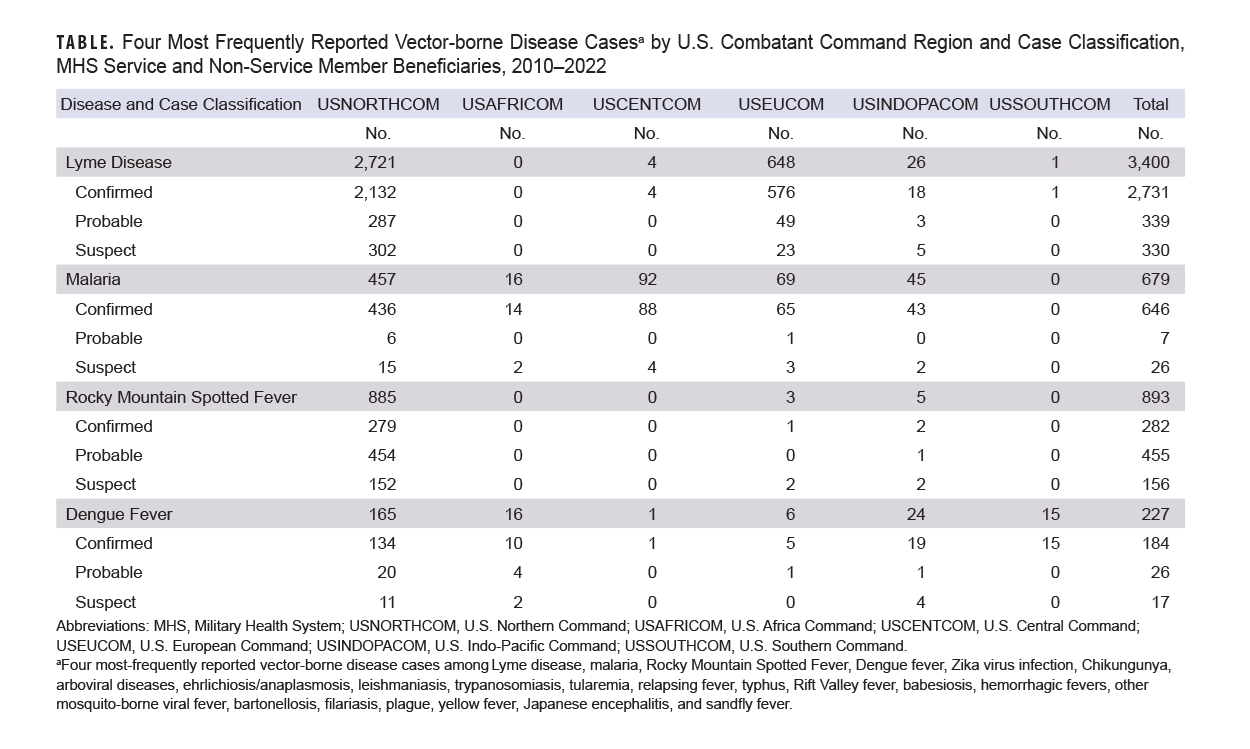
According to the Centers for Disease Control (CDC), the incidence of reported vector-borne diseases (caused by ticks, mosquitos, and fleas) tripled during 2004-2016, with 75% of those infections coming from ticks. Lyme disease accounted for 82% of the tick-borne disease reports and is overall one of the top three “nationally notifiable” infectious diseases in the United States. (Rosenberg 2018)

The “discovery” of Lyme disease

In fact, evidence of Borrelia was found  in 5,300-year-old human remains from Europe (Keller 2012) and in fossilized 15-20 million-year-old amber from the Dominican Republic. Thus, disease caused by Borrelia, aka Lyme disease, is not a new phenomenon. (Poinar 2015)

However, it wasn’t until 1977 that Dr. Allen Steere first described an “epidemic” of arthritis occurring in patients living in Lyme, Connecticut. By 1982, researchers had identified a spirochete in blood samples from those patients and determined it to be the cause of this cluster of illnesses.

The bacterium was later named Borrelia burgdorferi after Wilhelm “Willy” Burgdorfer, the scientist who identified it. The illness was named Lyme disease, after the community in which it was discovered. (Burgdorfer 1982)

Complex bacteria

Borrelia burgdorferi is one of the most complex bacteria known to man. Its unique genomic structure contributes greatly to its ability to survive and maintain an extremely difficult life cycle that alternates between warm-blooded animals and cold-blooded ticks. (Brock 1994; Porcella 2001)

While there are many similarities between Borrelia and other spirochetes (eg. Leptospira, Treponema) the primary difference is their genomic structure. Where Treponema contains only one linear chromosome, Borrelia contains one linear chromosome, plus 21 extrachromosomal elements, including 12 linear and nine  circular plasmids—by far the largest number of plasmids ever found in any bacterium. (Frasier 1997)

It’s now known that Lyme disease can be caused by different strains and species of Borrelia bacteria, though most commonly by Borrelia burgdorferi in the US and Borrelia afzelii or Borrelia garinii in Europe. (Cutler 2016)

Today there are five known subspecies of Lyme disease causing Borrelia burgdorferi and over 52 species of Borrelia worldwide. Twenty-one species belong to the Lyme disease group and 29 are members of the relapsing fever group.

Furthermore, each of those species can develop genetic variants or subtypes.  In all, there are over 300 known strains of Borrelia worldwide, with over 100 found in the US alone. (Cerer 2016)

How do you develop a vaccine to protect against 300 strains of Borrelia?

Challenges of making a Lyme vaccine

Because of their genetic complexity, all Borrelia can alter their outer surface proteins when conditions change—a process known as antigenic variation. This complexity allows Borrelia to adapt to a variety of hosts, avoid immune detection, widely disseminate throughout the body, and support chronic or persistent infection. Borrelia has also been shown to survive standard antibiotic therapy in several animal and primate studies. (Hodzic, Barthold 2014; Elsner, Baumgarth 2015; Embers 2017)

Many of the reasons we do not have a vaccine for Lyme disease are the same reasons we do not have vaccines for other complex bacterial diseases like syphilis and tuberculosis.

The demise of LYMErix

The first vaccine for Lyme disease, drugmaker SmithKline Beecham’s LYMErix, was FDA-approved in 1998. In 2002, shortly after Lyme Disease Association President Pat Smith and others met with the FDA to discuss reports of adverse reactions to the vaccine, the manufacturer withdrew LYMErix from the market.

On that January day in 2002, Donald H Marks, MD, PhD, presented evidence of adverse events associated with the LYMErix vaccine. These included long-lasting arthritis and complicated neurological problems.

Dr. Marks has decades of clinical practice, research, and regulatory affairs experience in the pharmaceutical industry. While serving as director of clinical research at Aventis Pasteur, a pharmaceutical company, he oversaw its OspA Lyme disease vaccine program which was stopped due to adverse events.

In compelling testimony, Marks told the FDA, “The Company (the vaccine maker) dismissed the significance” and did not inform physicians of the potential for adverse events. “As a result of these actions, GPs in the US were kept in the dark about the life-threatening side effect of Lymerix.

Furthermore, Marks told FDA officials, “In my opinion, there is sufficient evidence that Lymerix is causally related to severe rheumatologic, neurologic, autoimmune, and other adverse events in some individuals. This evidence is such as to warrant a significantly heightened degree of warnings and possible limitations or removal from marketing of Lymerix.”

One month later, February 2002, SmithKline Beecham (now GlaxoSmithKline) withdrew LYMErix from the market claiming poor sales potential.

See the full LYMErix Safety Data Reported to the Vaccine Adverse Event Reporting System (VAERS) here.

Lyme vaccine fact check

Fact: LYMErix did not provide immunity to humans. The LYMErix vaccine was derived from a single outer-surface protein of Borrelia burgdorferi known as OspA. The vaccine relied on the tick to feed on the vaccinated human, ingest a human byproduct of the vaccine (OspA antigen), that would then kill the Borrelia spirochete in the midgut of the tick. In order to work, this process needed to take place prior to the tick injecting the live spirochetes into the human—a process that the makers of LYMErix admitted was only partially successful. (Sheller 2013)

The new Lyme vaccine, VLA15, also uses the OspA protein, with some structures removed to reduce the number of adverse reactions, in theory.

Fact: LYMErix required patient/doctor compliance and had limited effectiveness. The LYMErix vaccine required three doses within a 12-month period in order to obtain enough OspA antigen to kill the Borrelia in the tick. The vaccine was reported to be 50% effective after the second dose and only 73-78% effective after the third dose. (Smith 2022) Meaning 20% of people who were fully vaccinated could still acquire Lyme disease.

Unfortunately, there were no studies to show what would happen to a patient if they were bitten by an infected tick during the LYMErix vaccine series, and there were no studies demonstrating whether or not the vaccine would provide long-term protection.

The new VLA15 vaccine will also require three doses within a nine-month period followed by annual boosters.

Fact: LYMErix caused auto-immune reactions in some people.  Just prior to FDA approval of LYMErix, Dr. Allen Steere and others published research describing potential auto-immune responses to OspA in a subset of patients who are born with a genetic defect known as HLA-DR4. Approximately 30% of the population carries HLA-DR4 genetic defects. (Gross 1998)

We do not yet know if the VLA15 OspA vaccine will cause the same adverse reactions as the LYMErix. (Comstedt 2017)

Fact: LYMErix caused adverse events that ranged from mild to life-threatening illness, including symptoms of Lyme disease. In the FDA’s 2001 Safety Data Report there were 1,048 reports of injury following the vaccine, including four deaths, and 85 serious events. (Ball 2001; Latov 2004; Rose 2001)

The VAERS data is not available for VLA15. Pfizer states, “The VLA15-221 trial is ongoing to assess the safety and immunogenicity of VLA15 in a pediatric population aged 5 years and above.”

Fact: LYMErix caused hyper immune reactions in some people. A subset of the vaccinated population had extreme immune responses to the vaccine, causing them to test positive for Lyme disease. Using the currently available test, there was no way to determine if the patient had contracted a new case of Lyme, reactivated a subclinical infection, or if they were having an auto-immune reaction to the vaccine. Note: 20-30% of the vaccinated had no protection from Lyme. (Fawcett 2001)

Fact: LYMErix caused severe neurological complications in some patients. These may have been related to asymptomatic pre-existing Lyme disease infections and/or HLA-DR defects. (Marks  2011)

Dr. Marks told the FDA in 2002:

  • “Many of these people may have had prior exposure and clinical or subclinical infection. In these cases, Lymerix could be triggering or reactivating the damage caused by old and presumably cured Lyme disease.”
  • “Pattern of symptoms experienced after Lymerix mimicked pattern of prior infections in many individuals. In these patients, Lymerix-related symptoms seemed to respond to antibiotics, as did the initial infection, bolstering the theory of disease reactivation.”

Fact: LYMErix resulted in multiple class-action lawsuits. After reports of injury the FDA requested GlaxoSmithKline, the makers of LYMErix, to expedite the reporting of their Phase IV trial, including all adverse events. Shortly after a study was published documenting injury, LYMErix was pulled off the market citing “poor sales.” (Stricker, Johnson 2014)

The challenge of establishing trust

Because the history of the previous Lyme vaccine is so muddied, Pfizer will face an uphill battle establishing trust amongst the Lyme community for its new vaccine. As LymeDisease.org’s Lorraine Johnson points out, “without transparency about the issues with the past vaccinethere would be no trust in the patient community for a new vaccine.”

As Pat Smith says in the recent Bloomberg article, “We are interested in the possibility of a vaccine. The issue is the safety and efficacy.”

One way we might get that trust is for Pfizer and Valneva to make their VAERS data easily available for all to see!

In March 2020, I submitted written comments to the federal Tick-borne Disease Working Group on the history of the Lyme vaccine along with my suggestions on how to move forward. You can see those comments here.

And in July 2019, I composed a long thread on Twitter pointing out Myth vs Fact on the LYMErix vaccine in response to an article in The Guardian that got several details wrong. You can see that thread here.

LymeSci is written by Lonnie Marcum, a Licensed Physical Therapist and mother of a daughter with Lyme. She served two terms on a subcommittee of the federal Tick-Borne Disease Working Group. Follow her on Twitter: @LonnieRhea  Email her at: lmarcum@lymedisease.org.

References

1      Ball R. (2001) Powerpoint on the Lymerix Vaccine, LYMErix® Safety Data Reported to the Vaccine Adverse Event Reporting System (VAERS), https://www.lymediseaseassociation.org/images/NewDirectory/Government/Vaccines/2001_fda_powerpoint_RobertBall.pdf

2      Brock TD, et al. (1994) Biology of Microorganisms, 7th ed. Prentice Hall, NJ, USA. Introduction to Spirochètes. University of California Museum of Paleontology.

3      Burgdorfer W, Barbour AG, Hayes SF, Benach JL, Grunwaldt E, Davis JP. (1982). Lyme disease-a tick-borne spirochetosis? Science, 216(4552), 1317-1319.

4      Cerar T, et al. (2016) Differences in Genotype, Clinical Features, and Inflammatory Potential of Borrelia burgdorferi sensu stricto Strains from Europe and the United States. Emerging Infectious Diseases. 2016,22(5):818-827. doi:10.3201/eid2005.151806

5      Comstedt P, et al. (2017) The novel Lyme borreliosis vaccine VLA15 shows broad protection against Borrelia species expressing six different OspA serotypes. Plos. https://doi.org/10.1371/journal.pone.0184357

6      Cutler SJ, Ruzic-Sabljic E, Potkonjak A (2016). “Emerging borreliae – Expanding beyond Lyme borreliosis”. Molecular and Cellular Probes. doi:10.1016/j.mcp.2016.08.003. PMID 27523487.

7      Eisen RJ, Kugeler KJ, Eisen L, Beard CB, & Paddock CD. (2017) Tick-Borne Zoonoses in the United States: Persistent and Emerging Threats to Human Health. ILAR J, 1-17. doi:10.1093/ilar/ilx005

8      Elsner R, Hastey CJ, Baumgarth N. (2015) Suppression of long-lived immunity following Borrelia burgdorferi induced Lyme disease. PloS Pathogens, 11: e1004976.

9      Embers M, et al. (2017) Variable manifestations, diverse seroreactivity and post-treatment persistence in non-human primates exposed to Borrelia burgdorferi by tick feeding. PlosOne, https://doi.org/10.1371/journal.pone.0189071

10    Embers M, Narasimhan S. (2013) Vaccination against Lyme disease: past, present, and future. Frontiers in Cellular and Infection Microbiology 3(6):6 · DOI: 10.3389/fcimb.2013.00006

11    Fawcett PT, Rose CD, et al. (2001) Effect of Immunization with Recombinant OspA on Serologic Tests for Lyme Borreliosis. Clin Vaccine Immunol vol 8, no 1 79-84 doi: 10.1128/CDLI.8.1.79-84.2001

12    Frasier CM, et al. (1997) Genomic sequence of a Lyme disease spirochaete, Borrelia. Nature volume 390, pages 580–586

13    Gomes-Solecki, M. (2014) Blocking pathogen transmission at the source: reservoir targeted OspA-based vaccines against Borrelia burgdorferi. Front Cell Infect Microbiol. 2014; 4: 136 doi: 10.3389/fcimb.2014.00136

14    Gross DM, et al. (1998) Identification of LFA-1 as a Candidate Autoantigen in Treatment-Resistant Lyme Arthritis Science  31 Jul 1998: DOI: 10.1126/science.281.5377.703

15    Hodzic E, Imai D, Feng S, Barthold SW. (2014) Resurgence of persisting non-cultivable Borrelia burgdorferi following antibiotic treatment in mice. PLoS One, Jan 23;9(1):e86907. doi:  10.1371/journal.pone.0086907.

16    Hu LT, et al. (2006) Protective efficacy of an oral vaccine to reduce carriage of Borrelia burgdorferi (strain N40) in mouse tick reservoirs. Vaccine. doi:  10.1016/j.vaccine.2005.10.044

17    Keller A, Graefen A, et al (2012) New insights into the Tyrolean Iceman’s origin and phenotype as inferred by whole-genome sequencing. Nature Communications vol 3, Article number 698

18    Latov N, et al. Neuropathy and cognitive impairment following vaccination with the OspA protein of Borrelia burgdorferi. J Peripher Nerv Syst. 2004 Sep;9(3):165-7. DOI: 10.1111/j.1085-9489.2004.09306.x

19    Marconi RT, et al. (2017) Identification of a defined linear epitope in OspA protein of the Lyme disease spirochetes that elicitis bactericidal antibody responses: Implications for vaccine development. Science Direct. https://doi.org/10.1016/j.vaccine.2017.04.079

20   Marks DH. Neurological complications of vaccination with outer surface protein A (OspA). Int J Risk Saf Med 2011; 23: 89–96.

21    Poinar G. (2015) Spirochete-like cells in a Dominican amber Ambylomma tick (Arachnida: Ixodidae) Historical Biology. Jan 2014, Volume 27,2015-Issue 5

22    Porcella SF, Schwan TG. (2001) Borrelia burgdorferi and Treponema pallidum: a comparison of functional genomics, environmental adaptations, and pathogenic mechanisms. J. Clin Invest, 10.1172/JCI12484

23    Rose CD, Fawcett PT, Gibney KM. (2001) Arthritis following recombinant outer surface protein A vaccination for Lyme disease. J Rheumatol. Nov;28(11):2555-7.

24    Rosenberg R, et al. (2018) Vital Signs: Trends in Reported Vectorborne Disease Cases — United States and Territories, 2004–2016 Weekly / 67(17);496–501

25    Sheller S. (2013) “It’s Time to Develop a Vaccine for Lyme Disease, Doctor Says” Op-Ed. Philladelphia Enquirer. https://www.lymediseaseassociation.org/images/NewDirectory/Government/Vaccines/2013_LymeOp_Ed_Sheller.pdf

26    Stricker R, Johnson L. (2014) The Lancet. Lyme disease vaccination: safety first. DOI: https://doi.org/10.1016/S1473-3099(13)70319-0

27    Smith P, Gaito A, Marks, DH. (2002) Transcript of FDA Lymerix meeting, Bethesda, MD. https://www.lymediseaseassociation.org/about-lyme/controversy/vaccine/261-lymerix-meeting

28    Sprong H, Seemann I, et al. (2014) ANTIDotE: anti-tick vaccines to prevent tick-borne diseases in Europe. Parasites and Vectors. https://doi.org/10.1186/1756-3305-7-77

Investigation: 80% of Carbon Offset Schemes ‘Likely Junk Or Worthless’ But in the Global Plan

UPDATE:

Go here to watch an informative video on the staggering amount of energy and resources required to build a single wind turbine. According to this, there are 75,633 turbines covering 45 states plus Guam and Puerto Rico.  Recently there’s been a slow down due to defects that according to manufacturers can affect up to 30% of turbines which can cause anything from fires to complete breakdowns where they fall to the ground.

The following information is imperative to understand as it is continually being woven into tick and medical research, despite independent research showing ticks are ecoadaptive and not reliant upon the environment/weather.  Biased, faulty, tick research continues to be done and is all built upon the house of cards of faulty modeling.  Researchers continue to fudge numbers and corrupt data as well as provide no data only narrative.

https://childrenshealthdefense.org/defender/corporate-carbon-offset-schemes-junk-worthless-cd/

Investigation: Most Corporate Carbon Offset Schemes ‘Likely Junk or Worthless’

According to a joint report by the watchdog group Corporate Accountability and The Guardian, nearly 80% of the top 50 global carbon offset projects claiming to compensate for corporate CO2 emissions exaggerate the benefits or shift their greenhouse gas burden elsewhere.

By Jake Johnson

joint investigation published Tuesday by the watchdog group Corporate Accountability and The Guardian finds that nearly 80% of the leading carbon offset schemes backed by corporations and governments in a purported attempt to reduce planet-warming pollution should be deemed “likely junk or worthless.”

Carbon offset projects are billed as a way for corporations, governmental bodies and individuals to compensate for their emissions footprints by investing in efforts to curb pollution elsewhere.

Environmentalists have long warned that carbon offset schemes — part of the so-called voluntary carbon market (VCM) — are a way for fossil fuel companies such as Chevron to justify continued oil and gas extraction.

Citing the emissions trading database AlliedOffsets, The Guardian noted Tuesday that “the 50 most popular global projects include forestry schemes, hydroelectric dams, solar and wind farms, waste disposal, and greener household appliances schemes across 20 (mostly) developing countries.”  (See link for article)

__________________

https://media.mercola.com/ImageServer/Public/2023/October/PDF/global-government-goal-of-billionaires-pdf.pdf

Why a Global Government Is the Ultimate Goal of Billionaires

Analysis by Dr. Joseph Mercola

Oct. 6, 2023

STORY AT-A-GLANCE

  • The European Union’s “Energy Performance of Buildings Directive” — the legislative instrument that dictates the energy performance standards for buildings within the EU — will be used to achieve a massive wealth transfer scheme
  • By 2030, the EU must meet a minimum 55% reduction of greenhouse gas emissions. By 2050, they want every building — commercial, public and residential — in the EU to meet zero-emission standards. To achieve that, they will impose a slew of new renewal energy requirements on homeowners
  • For example, heating systems that use fossil fuels are to be completely phased out of existence by 2035. Homeowners will be required to install new “green,” presumably electric, heating systems — and pay for it out of pocket. The cost for these new energy requirements are estimated to be around 100,000 euros for a residential house
  • The goal is to force people out of their homes. If you cannot afford the required upgrades, you’ll be forced to sell your home. Asset management companies will then buy them and turn them into rentals
  • September 20, 2023, the U.N. General Assembly (UNGA) president approved a declaration on pandemic prevention, which assigns pandemic authority to the WHO, without a full assembly vote and over the objections of 11 member states. The objections should have prevented a consensus adoption the declaration, but the U.N. is skirting the rules by having the UNGA president, rather than the General Assembly, approve the declaration

http://  Approx. 7 Min

How They Plan to Take Your House: Agenda 2023 Wealth Transfer

Bull-Hansen, best-selling Norwegian novelist

  • In the U.S., BlackRock and Vanguard started bulk-buying residential homes in earnest in early 2021, which they then rent out rather than resell, thereby eroding middle class homeownership. They also artificially drove up home prices by paying above-asking price, thereby pushing homeownership further out of reach.
  • The price of rent has also skyrocketed, and renters will have to pay even more after these energy upgrades. So, not only is homeownership something many young people can no longer achieve, many can’t even afford to rent, and are forced to live with their parents or multiple roommates. We can eventually expect the number of homeless to skyrocket as well.
  • As noted by Bull-Hansen, the elimination of personal property ownership is all part of the World Economic Forum’s (WEF) Great Reset agenda, Agenda 2030 and the United Nations Sustainable Development Goals. These are just different names for the same overarching plan.
  • The WEF’s “8 Predictions for the World in 2030” video, in which they cheerfully declared that by 2030 “you will own nothing,” spelled out many of the aspects of this global plan, including the goal to eliminate personal ownership rights. “All products will become services,” the WEF explains on its website.
  • If you go along with these “green” proposals then you are actively choosing poverty and slavery for yourself and your descendants.
  • If we agree to pay the price now, and refuse en masse, this globalist power grab will absolutely fail. They cannot do it without mass obedience.
  • Go here to read the June 5, 2023, UN document spelling out its commitment to make the WHO the central global governance body. The final text of this document was published September 1, 2023, and in that version, all of the headings have been removed, but the overall intent to make the WHO a de facto governing body for the world remains unchanged.
  • The final text of the UN’s “Political Declaration” even declares that health is an indicator of “sustainable development,” thereby directly linking the WHO’s pandemic authority to the UN’s Sustainable Development Goals and Agenda 2030.
  • The declaration makes the COVID-19 power grabs permanent and calls for universal vaccination, increased surveillance, vaccine passports, social media censorship, and an “integrated One Health approach,” which will end up governing all aspects of human life.

For more: