Archive for the ‘Lyme’ Category

Study: Public Health vs Reality Regarding TBDs

https://www.mdpi.com/2227-9032/10/7/1178

Neurological Pain, Psychological Symptoms, and Diagnostic Struggles among Patients with Tick-Borne Diseases

1School of Economic, Political & Policy Sciences, University of Texas at Dallas, Richardson, TX 75080, USA
2Laboratory for Human Neurobiology, Boston University School of Medicine, Boston, MA 02118, USA
3Center for Science, Technology, and Innovation Policy, George Mason University, Fairfax, VA 22030, USA
*Author to whom correspondence should be addressed.
Academic Editor: Raphael B. Stricker
Healthcare 2022, 10(7), 1178; https://doi.org/10.3390/healthcare10071178
Received: 3 June 2022 / Revised: 20 June 2022 / Accepted: 21 June 2022 / Published: 23 June 2022
(This article belongs to the Section Preventive Medicine)
Public health reports contain limited information regarding the psychological and neurological symptoms of tick-borne diseases (TBDs). Employing a mixed-method approach, this analysis triangulates three sources of symptomology and provides a comparison of official public health information, case reports, medical literature, and the self-reported symptoms of patients with Lyme disease and other TBDs.
  • Out of the fifteen neuropsychiatric symptoms reported in the medical literature for common TBDs, headaches and fatigue and/or malaise are the only two symptoms fully recognized by public health officials.
  • Lyme disease is the least recognized by public health officials for presenting with neuropsychiatric symptoms
  • Only headaches and fatigue are recognized as overlapping symptoms of Lyme disease
  • Comparisons from a patient symptoms survey indicate that self-reports of TBDs and the associated symptoms align with medical and case reports.
    • anxiety
    • depression
    • panic attacks
    • hallucinations
    • delusions
    • pain—ranging from headaches to neck stiffness and arthritis—are common among patients who report a TBD diagnosis.

Given the multitude of non-specific patient symptoms, and the number and range of neuropsychiatric presentations that do not align with public health guidance, this study indicates the need for a revised approach to TBD diagnosis and for improved communication from official public health sources regarding the wide range of associated symptoms. View Full-Text

Methylene Blue – Magic Bullet?

https://www.betterhealthguy.com/episode166  (Transcript Here)

http://

Why You Should Listen

In this episode, you will learn about the potential applications of the “magic bullet” methylene blue.

Watch The Show

Listen To The Show

Find The Show

About My Guest

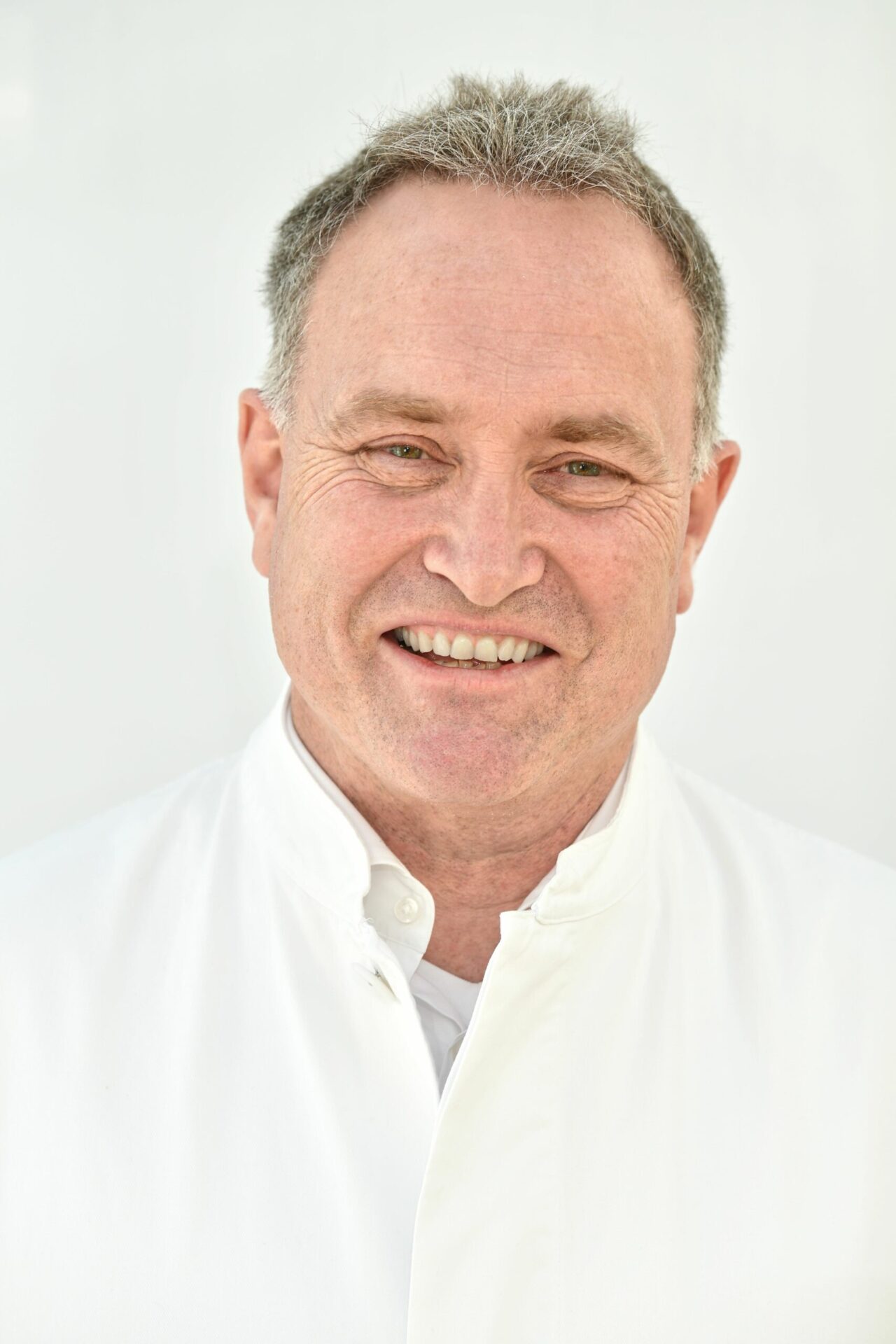
My guest for this episode is Dr. John Lieurance.  John Lieurance, ND, DC is a naturopath and chiropractic neurologist who has been in private practice for 27 years.  He directs Advanced Rejuvenation, a multi-disciplinary clinic, with a focus on alternative and regenerative medicine, naturopathic medicine, functional neurology functional cranial release, Lumomed, Lyme disease, mold illness, and many other neurological conditions such as Parkinson’s, Alzheimer’s, degenerative neurological disease, and inner ear conditions.  He travels internationally teaching other doctors.  Dr. Lieurance founded UltimateCellularReset.com, a web based educational portal, which sends out weekly videos on health and wellness tools for overcoming disease and fostering longevity and vitality.  He has been featured in many podcasts and documentaries.  He is the author of the 5-star book Melatonin: Miracle Molecule available on Amazon and at MelatoninBook.com.

Key Takeaways

  • What is the history of methylene blue in medicine?
  • Can methylene blue be helpful in addressing vector-borne infections such as Borrelia, Bartonella, and Babesia?
  • Does methylene blue have virucidal properties?
  • How might methylene blue be helpful in chronic UTIs and interstitial cystitis?
  • What effect of methylene blue on biofilms and the organisms within them?
  • What role does methylene blue play in the electron transport chain?
  • How might methylene blue be anti-inflammatory and neuroprotective?
  • Might methylene blue have a role as a cognitive enhancer?
  • What is the role of methylene blue in concussions and TBIs?
  • Can methylene blue play a role in improving depression?
  • Can methylene blue lead to detoxification reactions? Are binders and drainage support recommended?
  • How might methylene blue support autophagy or the body’s janitorial service?
  • How might nano silver, nano gold, or red light therapy potentize the effects of methylene blue?
  • Should ascorbic acid be taken with methylene blue?
  • Should CoQ10 be avoided with methylene blue?
  • Should methylene blue be used daily or pulsed?
  • Can methylene blue be used with psychedelic interventions?
Connect With My Guest

http://UltimateCellularReset.com

Related Resources

eBook: Methylene Blue: Magic Bullet: The Ultimate Supplement for Mitochondrial Support!
Use code BETTERHEALTH to get your free PDF version of the book

MitoZen
Use code BETTERHEALTH to get 5% off

Functional Cranial Release

___________________

**Comment**

I’ve had my eye on MB since this came out:  https://madisonarealymesupportgroup.com/2019/05/05/good-news-for-bartonella-patients-identification-of-fda-approved-drugs-with-higher-activity-than-current-front-line-drugs/

I’ve just forwarded to my LLMD for his perusal but would love to consider this if I relapse again with Bartonella.  As you all know, antibiotics have blow-back and although Clarithromycin/rifampin get us back to rights each and every time we take it, the old gut is not tolerating this treatment for very long.  I’m always looking for a “plan B” as you never know when the proverbial “shoe will drop” making life miserable again.

You can get the FREE downloadable “Methylene Blue & Metabolic Medicine: The ‘Magic Bullet’ & Futuristic Medicine” by clicking on the top link, and typing in BETTERHEALTH in the coupon code.

https://www.ultimatecellularreset.com/  Go here for research, articles, videos as well as for more information about Dr. John and the Florida clinic.

http://  (Approx. 33 Min)

March 6, 2020

Irish Rep Criticizes Minister of Health Regarding Lyme Disease

https://www.independent.ie/regionals/kerryman/news/cllr-maura-healy-rae-says-lyme-disease-sufferers-failed-by-the-state-

Cllr Maura Healy-Rae says Lyme disease sufferers failed by the state

Stephen Donnelly

Cllr Maura Healy-Rae has questioned whether the current diagnosis and treatment of chronic Lyme disease in Ireland is suitable to tackle what, for many people, is a debilitating illness.

The Kilgarvan-based Independent representative was referring to a letter sent by the Minister for Health Stephen Donnelly to Kerry County Council in March.

In the letter, the Minister stated that Infectious Diseases clinics in Ireland are available to patients, and there is no need for Irish residents to travel to other countries for diagnosis or treatment.

Cllr Healy-Rae criticised this, saying the comments have infuriated sufferers of the disease and that it shows a lack understanding on Minister Donnelly and his Department’s part.

Cllr Healy-Rae said testing in Ireland is only able to diagnose those who are recently infected but not those who have been infected over a longer period.

She explained how these tests screen for antibodies. But as chronic Lyme-disease sufferers have suppressed immune systems, their system often does not produce detectable antibodies.

(See link for article)

__________________

**Comment**

And herein lies one of the foibles in Lymeland – faulty and arbitrary testing perimeters based on antibodies for a stealth pathogen that hides, evades, morphs, and suppresses the immune system – creating a perfect formula for misdiagnosis, which is exactly what has gone on for over 40 years.

The article delineates how the Irish have to travel to Germany for better testing and treatment – another phenomenon in Lymeland – having to travel great distances to get any help at all.

The rep also points out the the “intensive” treatment required is not even available in Ireland – another issue felt globally in Lymeland.

The rep asks a beautiful question that has been asked for decades:

Why would patients go to such lengths by spending so much money and traveling such distances if they didn’t need to?

According to the CDC, AMA, FDA, NIAID, NIH, IDSA, and other bought out agencies, we are all hypochondriacs simply imagining our illness.

Ms. Healy-Rae’s Facebook page has numerous articles detailing the plight of Lyme/MSIDS patients.

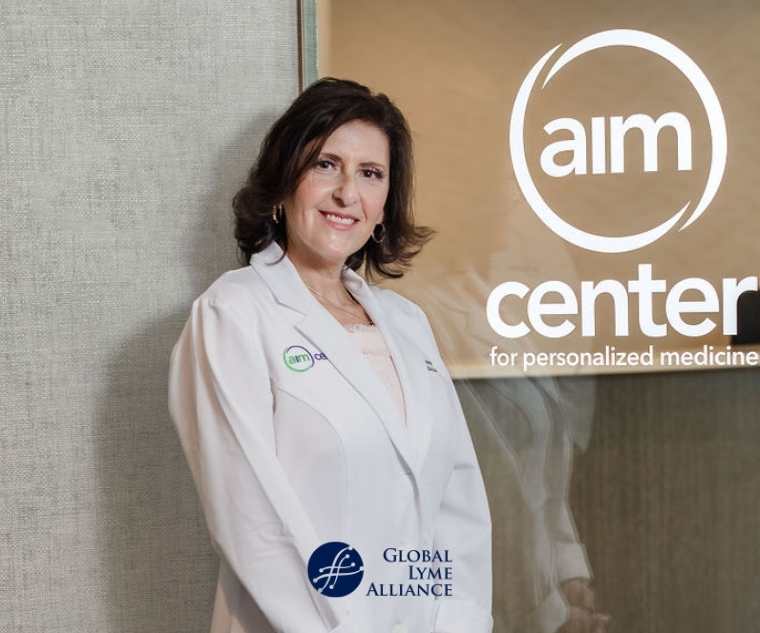
Ask A Lyme Doctor: Q & A With Dr. Tania Dempsey

https://www.globallymealliance.org/blog/dr.-tanya-dempsey-questions?

Dr. Tania Dempsey is an expert in chronic disease, autoimmune disorders and mast cell activation syndrome. In this blog, she is answering Lyme related questions that GLA followers submitted via social media.
Are you seeing cases where Covid has re-activated Lyme or ignited new auto-immune diseases or mast cell activation syndrome? -Kimberly H.

We are just at the beginning of really understanding how COVID interacts with our immune system. Since there are few studies that have been published that give us complete clarity on this, much of what I discuss is based on my experience with my patients. What seems clear to me is there is often some sort of vulnerability or predisposition in the patient, like an autoimmune potential, underlying dysfunctional mast cells, or a history of chronic infections, that leads to the complications that we are seeing post-COVID. I have not yet seen post-COVID patients who did not have some hint of an underlying issue prior to COVID. I have patients who have a history of Lyme disease that is well controlled for a number of years but after COVID they see a recurrence in the symptoms that pre-dated their Lyme treatment. Some of these patients have new symptoms and I postulate that it could be related to their underlying old infection that reactivated in a new location in their body or the new symptoms represent a worsening of their immune dysfunction. COVID seems to both stimulate and suppress the immune system, depending on the timing of the infection and on the susceptibility of the person. If the patient has a history of Lyme disease that is chronic/persistent, we know that their immune system continues to be affected. The vast majority of Chronic Lyme patients (in my practice) have underlying dysfunction of their mast cells, even if they have not been formally diagnosed with mast cell activation syndrome. Many of them had a predisposition before being infected with Lyme, which was worsened by the infection. Since infections of various kinds are known to trigger mast cells, chronic infection can cause chronic mast cell activation that then can be triggered further by a new infection, such as COVID. The relationship between mast cells and other immune cells has been well described and MCAS can be a driver of the development of autoimmunity.

How should I deal with post Lyme flare ups? -Debra C.

There are three main scenarios that I see as contributors for “post-Lyme flares”.

  1. Mast Cell Activation Syndrome (MCAS) is a leading culprit for increased symptoms after Lyme treatment. Whether there is underlying primary MCAS or secondary MCAS triggered by the infection, mast cells often continue to be dysfunctional even after the infection is cleared. Mast Cell Targeted Therapy can be very helpful in stabilizing mast cells, minimizing mediator release and thereby minimizing inflammation.
  2. Another important possibility to consider when patients have flares of symptoms after treatment for Lyme, is the presence of “co-infections.” Treating Lyme can make room for other infections to reactivate, like viruses (EBV, HHV-6, etc), Babesia, Bartonella, and many other microbes. It is important to look for other infections while treating Lyme, so as to not miss the need for other types of treatment.
  3. Persister Lyme is a major cause of  “Post-Lyme flares.” The bacteria that causes Lyme, Borrelia Burgdorferi, can exist in a slow-growing, persister form that is resistant to antibiotics and other anti-microbial treatment. Even aggressive treatment for Lyme disease can leave behind these persister organisms that can continue to wreak havoc on the body.
What are the best current treatment for “stubborn” Bartonella? -Deb T.

Bartonella is probably one of the most difficult chronic infections that I’ve had to treat in my practice. It is necessary to use a multi-pronged approach in treatment of Bartonella. Some patients have other co-infections, which complicates the treatment as well. While I don’t think there is a “best” treatment for Bartonella yet, in my practice what I have found helpful is a combination of modalities, which could include SOT therapy (Supportive Oligonucleotide Technique), Ozone therapy, Herbal protocols and/or Antibiotics, and other therapies.

GLA is currently fundraising for The Bartonella Discovery Program, a research project bringing together some of the top researchers world-wide who are experts on Bartonellosis. These researchers will learn more about the bacteria and which treatments are most likely to cure patients.

How do you heal the nervous system after neurological Lyme and Bartonella ravage it? -Katie M.

Healing the nervous system after Lyme, Bartonella or other infections is a complicated process.  Reducing inflammation, not just by treating the infections, but also by targeting the immune cells that can continue to cause inflammation, is key. We have a considerable amount of evidence that mast cells in the central nervous system are in constant communication with other immune cells like astrocytes and microglial cells and together can be a major driver of neuroinflammation. There is no cure for neuroinflammation but there are a vast number of drugs and natural treatments that have been studied and some show promise in reducing the neuroinflammatory process. Some strategies include mast cell targeted therapy, treatment with natural compounds such as proresolving mediators (SPMs), PEA (palmitoylethinolamide), resveratrol, turmeric, and others, and various drugs like low-dose naltrexone, minocycline, NSAIDS, and steroids. Treatment needs to be individualized and other confounding medical conditions should be taken into account when choosing a protocol against neuroinflammation.

The above material is provided for information purposes only. The material (a) is not nor should be considered, or used as a substitute for, medical advice, diagnosis, or treatment, nor (b) does it necessarily represent endorsement by or an official position of Global Lyme Alliance, Inc. or any of its directors, officers, advisors or volunteers. Advice on the testing, treatment or care of an individual patient should be obtained through consultation with a physician who has examined that patient or is familiar with that patient’s medical history.
GLA Contributor

Dr. Tania Dempsey

GLA Contributor

*Opinions expressed by contributors are their own. Dr. Tania Dempsey is an expert in chronic disease, autoimmune disorders and mast cell activation syndrome. She received her MD from The Johns Hopkins University School of Medicine and her BS degree from Cornell University. Dr. Dempsey completed her Residency at NYU Medical Center/ Bellevue Hospital. She is Board Certified in Internal Medicine and a Diplomate of the American Board of Integrative and Holistic Medicine. Dr. Dempsey opened the AIM Center for Personalized Medicine, where she currently practices.

Email: info@aimcenterpm.com

For more:

Upcoming July 12 AONM Webinar: Potential Connection Between Lyme and Breast Cancer

https://aonm.org/upcoming_events/

AONM Webinar with Dr. Eva Sapi

TITLE:  Potential Connection of Borrelia Infection and Breast Cancer

DATE:  12TH JULY 2022

TIME: 19:00 BST (British Summer Time)

20:00 CEST (Central European Summer Time), 14:00 EDT (Eastern Daylight Time USA)

DESCRIPTION:

Borrelia burgdorferi, the causative agent of Lyme disease, is known to be able to disseminate and colonise various organs and tissues of its hosts, which is very crucial for its pathogenicity and survival.

Recent studies have shown the presence of Borrelial DNA in various kinds of breast cancer tissues with poor prognosis which raises the question about whether B. burgdorferi could play a role in tumour development.

In this webinar, recent research data will be discussed on the potential role of B. burgdorferi in breast cancer.

Please join us at 7.00pm (UK) on Tuesday 12th JULY. The webinar is free of charge. There will also be ample time for questions. We look forward to seeing you there!

The webinar will be live, and a recording will be available shortly after broadcast.

Please Register Here: https://us02web.zoom.us/webinar/register/WN_Q-sHmlu0QK6LsFx024wQNw

AONM Webinar with Dr. Armin Schwarzbach

TITLE:  The Growing Evidence Between Infections and Cancer 

DATE:  28 July 2022 

TIME:  19:00 BST (British Summer Time)

20:00 CEST (Central European Summer Time)

14:00 EDT (Eastern Daylight Time USA)

DESCRIPTION:

There is significant research to suggest that infections contribute to the forming of, or even cause Cancers. In this fascinating Webinar Dr. Schwarzbach will present evidence that will substantiate this claim. The potential behind such findings are huge for patients worldwide regarding not only unrealised and future therapeutic interventions, but also the prevention of Cancers.

Please join us at 7.00pm (UK) on Tuesday 12th JULY. The webinar is free of charge. There will also be ample time for questions. We look forward to seeing you there!

The webinar will be live, and a recording will be available shortly after broadcast.

Please Register Here: https://us02web.zoom.us/webinar/register/WN_d-WiN6srSsOOPJZlHa32AA

For more: