Author Archive

What it Means For a Patient to Be Heard

https://www.globallymealliance.org/blog/what-it-means-for-a-patient-to-be-heard

What it Means for a Patient to Be Heard

Dec. 15, 2021

A friend experiencing unusual fatigue finally went to see a doctor recently. “I was so nervous,” she told me. “I was afraid he wouldn’t believe me.”

As a patient with several chronic illnesses that took years to diagnose, I knew exactly how my friend felt. Before being accurately diagnosed with chronic active Epstein Barr virus, Lyme disease, babesiosis, ehrlichiosis, and possible bartonella, I’d been passed off by countless medical practitioners who couldn’t figure out the derivation of my nebulous symptoms including bone-crushing exhaustion, migraine headaches, brain fog, insomnia, and hallucinogenic nightmares. I became so used to hearing, “Well, your bloodwork looks normal, so there’s nothing wrong with you” and “You must just be stressed/depressed/run down,” that I began to question my understanding of my own body. I started to think maybe I was just crazy.

Over the years, I continued to seek answers for the increasing physical symptoms I experienced, but began arriving in doctor’s offices not just nervous, like my friend, but defensive. As women, our fear and defensiveness were not unfounded; a study entitled “The Girl Who Cried Pain: A Bias Against Women in the Treatment of Pain” shows that women are more likely to have their pain characterized as “emotional,” “psychogenic,” and “not real.”[i] And regardless of gender, a 2019 study in the Journal of Internal Medicine found that the average amount of time it takes a doctor to interrupt a patient is 11 seconds[ii]. Within 11 seconds, a doctor is already placing a patient into a cookie-cutter box, not hearing important details that could help them make an accurate diagnosis.

To her great surprise, my friend had a different experience with her recent doctor visit. “Not only did he listen,” she told me, “but he was compassionate.” After hearing my friend explain that her fatigue was not normal sleepiness, that she was feeling sick all the time and was sick of it, the doctor said, “That sounds awful. I’m so sorry you’re experiencing that. Let’s try to figure out what’s going on.”

Before even getting a diagnosis—and not knowing if she would even get one—my friend got something else she really needed: validation. In order to trust her doctor, she needed to know that he believed her.

I felt the same way when, years after my symptoms began, I went to see a naturopathic physician. Before the appointment, I wrote out my entire medical history, and carried it like a shield against my chest when I entered the office. That doctor read my entire written account. He underlined points. He jotted notes in the margins. He stopped to ask clarifying questions. He made me feel heard before he even really spoke.

The naturopathic physician was only able to figure out a portion of my diagnosis—chronic active Epstein Barr virus—but he still sticks out as one of the best practitioners I saw, because he didn’t write me off. He wanted to work with me to get me back to health, even if he didn’t have all the answers. In fact, when he suspected underlying tick-borne infection when I presented with erythema migrans (EM) rashes on my elbows a year after first seeing him, he admitted that such an infection was out of his wheelhouse, and sent me instead to a Lyme Literate Medical Doctor (LLMD). Rather than put the responsibility on me when he couldn’t solve the problem, this doctor sent me to someone who could. Unlike so many physicians I’d seen before him, his hubris did not cloud his Hippocratic Oath to first do no harm.

Being heard is critical to all patients, especially those with diseases like Lyme that are steeped in controversy and misunderstanding. These patients need first and foremost for their suffering to be acknowledged—and not just by physicians. Many Lyme warriors fight to be believed by family members, friends, and coworkers. Patients don’t need people to be fully Lyme literate, or to have the magic answer. We just need people to try to understand. To listen. To offer compassion. To take our hands and offer to walk with us, even if we’re not sure of the destination.

[i] Hoffmann, Diane E. and Tarzian, Anita J., The Girl Who Cried Pain: A Bias Against Women in the Treatment of Pain (2001). Available at SSRN: https://ssrn.com/abstract=383803 or http://dx.doi.org/10.2139/ssrn.383803

[ii] Singh Ospina, N., Phillips, K.A., Rodriguez-Gutierrez, R. et al. Eliciting the Patient’s Agenda- Secondary Analysis of Recorded Clinical Encounters. J GEN INTERN MED 34, 36–40 (2019). https://doi.org/10.1007/s11606-018-4540-5

Jennifer Crystal

Opinions expressed by contributors are their own. Jennifer Crystal is a writer and educator in Boston. Her work has appeared in local and national publications including Harvard Health Publishing and The Boston Globe. As a GLA columnist for over six years, her work on GLA.org has received mention in publications such as The New Yorker, weatherchannel.com, CQ Researcher, and ProHealth.com. Jennifer is a patient advocate who has dealt with chronic illness, including Lyme and other tick-borne infections. Her memoir about her medical journey is forthcoming. Contact her via email below.

Email: lymewarriorjennifercrystal@gmail.com

Omicron in CA: How a Wisconsin Wedding With “Vaccinated” Led to Outbreak

https://abc7news.com/omicron-us-cases-wisconsin-wedding-covid-outbreak-coronavirus-oakland  News story Here

Omicron in Oakland: How a Wisconsin wedding with vaccinated people led to outbreak

An epidemiologist who went to the wedding and got sick herself, has this warning: “We all have COVID fatigue. The virus does not.”

OAKLAND, Calif. (KGO) — There has been a lot of news about a Wisconsin wedding that left 12 people in the East Bay testing positive for COVID-19, many of them with the omicron variant, according to Alameda County Public Health Department.ABC7 News reporter Leslie Brinkley spoke with an epidemiologist who attended the wedding and got sick herself.RELATED: California omicron cases linked to Wisconsin wedding, health officials say

Debra Furr-Holden is the associate Dean of Public Health Integration at Michigan State University.

“I’ll give people a cautionary tale,” she said. “If a group of medical professionals and public health professionals can’t prevent spread at a social gathering, it’s just the luck of the draw for everybody.”

(See link for article and news story)

__________________
**Comment**
This article demonstrates the clear hubris of health “professionals” who believe they can stop a ‘virus.’  You can’t.  A virus must simply run its course.  This is historical knowledge understood by every grandmother since the beginning of time until the world went mad and believed it could control the world.
This article also proves masks are futile against a substance smaller than the holes in the mask.  She obviously is oblivious to the fact the widely-hyped mask study has been proven to be a complete sham.
Everyone at the wedding had a faulty PCR test supposedly proving they were ‘virus’ free, were completely muzzled up, they all like sheep got the experimental mRNA injections – many obtaining boosters as well, and yet as has been proven time and time again – an outbreak occurred.
When is experience going to trump insanity?
Oh, but get this: they took off their masks to eat, drink, and dance.
Is there a magical element here I’m unaware of?  That the ‘virus’ acknowledges there are times to infect and times when it shouldn’t?  This is utter lunacy.
The saddest part of all is this smart epidemiologist believing she was at an event with ‘very responsible people who are very smart.’ 
Perhaps it’s time to redefine what ‘smart’ means.
But it gets even better.
This smart epidemiologist actually isolated from her 3 month old granddaughter when children are nearly impervious to COVID.  In fact, historically, ‘viruses’ don’t go away or weaken until they have gone through the population – particularly the young and healthy which simply deal with it and help the public at large to develop herd immunity.  But that was before the world went mad.
This epidemiologist’s symptoms?  A scratchy throat and bad headache, and she’s fine now.
Then the smart epidemiologist states we have to be more vigilant. 

And how, pray tell are we going to do that when all the smart people supposedly did it all to begin with?

I suggest bubble suits for all to avoid those nasty scratchy throats and headaches.

VAIDS: “Vaccine” Acquired Immune Deficiency Syndrome

https://americasfrontlinedoctors.org/news/post/vaccine-acquired-immune-deficiency-syndrome-vaids-we-should-anticipate-seeing-this-immune-erosion-more-widely/

Vaccine Acquired Immune Deficiency Syndrome (VAIDS): ‘We should anticipate seeing this immune erosion more widely’

Dec 05, 2021

‘If immune erosion occurs after two doses and just a few months, how can we exclude the possibility that effects of an untested “booster” will not erode more rapidly and to a greater extent?’

featured post image

A Lancet study comparing “vaccinated” and unvaccinated people in Sweden was conducted among 1.6 million individuals over nine months. It showed that protection against symptomatic COVID-19 declined with time, such that by six months, some of the more vulnerable “vaccinated” groups were at greater risk than their unvaccinated peers.

Doctors are calling this phenomena in the repeatedly ‘vaccinated’ “immune erosion” or “acquired immune deficiency”, accounting for elevated incidence of myocarditis and other post-vaccine illnesses that either affect them more rapidly, resulting in death, or more slowly, resulting in chronic illness.

COVID “vaccines are not traditional vaccines. Rather, they cause cells to reproduce one portion of the SARS-CoV-2 virus, the spike protein. The “vaccines” thus induce the body to create spike proteins. A person only creates antibodies against this one limited portion (the spike protein) of the virus. This has several downstream deleterious effects.

First, these ‘vaccines’ “mis-train” the immune system to recognize only a small part of the virus (the spike protein). Variants that differ, even slightly, in this protein are able to escape the narrow spectrum of antibodies created by the “vaccines”.

Second, the ‘vaccines’ create “vaccine addicts,” meaning persons become dependent upon regular booster shots, because they have been “vaccinated” only against a tiny portion of a mutating virus. Australian Health Minister Dr. Kerry Chant has stated that COVID will be with us forever and people will “have to get used to” taking endless vaccines. “This will be a regular cycle of vaccination and revaccination.”

Third, the “vaccines” do not prevent infection in the nose and upper airways, and “vaccinated” individuals have been shown to have much higher viral loads in these regions. This leads to the ‘vaccinated’ becoming “super-spreaders” as they carry extremely high viral loads.

In addition, the “vaccinated” become more clinically ill than the unvaccinated. Scotland reported that the infection fatality rate in the “vaccinated” is 3.3 times the unvaccinated, and the risk of death if hospitalized is 2.15 times the unvaccinated.

A June report on Israel’s Channel 12 News revealed that in the months since the vaccines were rolled out, 6,765 people who received both shots had contracted coronavirus, while epidemiological tracing revealed an additional 3,133 people contracted COVID-19 from those “vaccinated” individuals.

Meanwhile, New England Journal of Medicine researchers have found that autoimmune response to the coronavirus spike protein may last indefinitely: “Ab2 antibodies binding to the original receptor on normal cells therefore have the potential to mediate profound effects on the cell that could result in pathologic changes, particularly in the long term — long after the original antigen itself has disappeared.” These antibodies produced against the coronavirus spike protein could be responsible for the current unprecedented wave of myocarditis and neurological illnesses, and even more problems in the future.

Indefinite uncontrolled autoimmune response to the coronavirus spike protein may produce a wave of antibodies called anti-idiotype antibodies or Ab2s that continue to damage human bodies long after clearing either Sars-Cov-2 itself or those spike proteins that the shots cause the body’s cells to produce, explained former New York Times reporter Alex Berenson.

Spike protein antibodies may themselves produce a second wave of antibodies, called anti-idiotype antibodies or Ab2s. Those Ab2s may modulate the immune system’s initial response by binding with and destroying the first wave of antibodies.

“Our immune systems produce these antibodies in response to both ‘vaccination’ and natural infection with COVID,” wrote Berenson. “However – though the researchers do not say so explicitly, possibly because doing so would be politically untenable – spike protein antibody levels are MUCH higher following ‘vaccination’ than infection. Thus the downstream response to ‘vaccination’ may be more severe.”

America’s Frontline Doctors (AFLDS) Chief Science Officer former Pfizer Vice President Michael Yeadon responded to the research: “This is unprecedented. What is happening is not understood. Commentators on Israeli TV have reported that contacts in the Health Ministry have termed this ‘immune erosion’”:

“While some are concerned that blood IgG antibodies fall with time, I am not convinced that this is a relevant measure,” Yeadon continued. “Respiratory virus infection begins in the lungs and nasopharynx. Neither are protected by blood antibodies, which are molecules too large to diffuse into airways tissue. What protects against infection and initial viral replication is secretory IgA antibodies and T-cells in airways, neither of which have been studied in any efficacy trial.

“The empirical data are very worrying. In most countries now, high fractions of the population have been ‘vaccinated’. If the Swedish study is a guide, we should anticipate seeing this immune erosion more widely. The most concerning aspect of that study is that those most in need of protection are those in whom immune erosion is most marked: the elderly, males, and those with comorbidities.

“Some have used the results of this study to support the widespread use of so-called ‘booster’ shots. It has to be said: No one has any safety data about such a plan. If immune erosion occurs after two doses and just a few months, how can we exclude the possibility that effects of an untested ‘booster’ will not erode more rapidly and to a greater extent? And what then would be the response? A fourth injection. Madness.

“It’s long past time when known safe and effective drug treatments be used as the leading response to symptomatic infection (antivirals, corticosteroids, anti-inflammatories).

“In this way, we don’t expose entire populations to experimental medical interventions when only a very small fraction of the population are at notable risk from this virus, which, all hype aside, is by no means exceptional in its lethality compared with numerous others such as seasonal influenza.”

Yeadon concluded: “Europe is all but gone. The lights are going out. Austria and Germany now subject their unvaccinated to house arrest. In Greece, the unvaccinated are subject to escalating fines, non-payment of which is converted into prison time. In Lithuania, the unvaccinated are excluded from society. The booster campaigns are running full-pelt everywhere.

“Someone, somewhere knows what’s going to happen. Will immunity-erosion worsen more speedily and to a greater extent after this untested ‘booster’? The U.K. government has already said that the fourth injection is to take place a mere three months after the third. It’s utter madness. Yet such is the hermetic control of media that nothing much emerges into the public consciousness.”

En español aquí

For more:

MCAS – The Better Approach to Healing Chronic Illnesses

http://

Mast Cell Activation Syndrome – The Better Approach To Healing Chronic Illnesses | Dr. Eric Gordon

Dec 3, 2021
Dr. Eric Gordon joins us to chat about COVID, Lyme Disease, Chronic Fatigue Syndrome, and Mast Cell Activation Syndrome.
⏱ TIMESTAMPS ⏱
  • 00:00 – Intro
  • 01:48 – Dr. Gordon’s journey in medicine
  • 04:17 – What is keeping you ill
  • 10:53 – Public Health vs. Medicine
  • 15:30 – Rebalancing the immune system
  • 21:48 – All about Mast Cell Activation Syndrome
  • 28:01 – Chronic Fatigue Syndrome
  • 32:32 –What your body is telling you
  • 35:27 – How stress makes you sick but also gets you well
Additional Resources 👉 Connect with Dr. Eric Gordon here: https://www.gordonmedical.com/ ———
For more:

Dr. Afrin recently related the story of a patient,

“who in the first year of his life had been perfectly normal and then, within hours of his first DTP vaccine at age one, developed into just a terrible multi-system inflammatory mess, including essentially acute onset autism.” When he was 20 years old, biopsies tested positive for mast cells. He was subsequently treated for MCAS with remarkable improvement.73

Most babies in the U.S. are being given 25 doses of nine different vaccines (or more) by their first birthday and can receive eight or more vaccines simultaneously.74 As mentioned previously, there are ingredients in vaccines that provoke inflammatory responses in the body that involve mast cell activation.75

Although for the past several decades, most pediatricians and public health officials have rejected the possibility of a relationship between vaccination and the development of allergic and autoimmune disorders,76 the apparent increase in mast cell dysregulation in highly vaccinated populations deserves more in-depth investigation.

How Good Nutrition Can Help You Recover From Lyme Disease

https://www.lymedisease.org/how-good-nutrition-can-help-you-recover-from-lyme-disease/

Focus – Opinions and Features
LymeDisease.org
08 DEC 2021

How good nutrition can help you recover from Lyme disease

By Lindsay Christensen, MS, CNS, LDN, CKNS

Your immune system, brain, and gastrointestinal system, not to mention the rest of your body, require optimal nutrition to function properly.

Improving nutrition can help your body fight Lyme disease, allow your immune system to work optimally and reduce the adverse effects of Lyme disease (and Lyme treatments) on the gut, brain, musculoskeletal system, and hormones.

Unfortunately, nutrition is often placed on the back burner and sometimes wholly overlooked in Lyme disease treatment protocols

Why does nutrition matter for Lyme disease recovery?

Lyme disease, contracted from the bite of an infected tick, is one of the fastest-growing infectious diseases in the United States. At least 476,000 people are diagnosed with and treated for Lyme disease annually in the nation. Up to 1.5 million people in the U.S. may suffer from persistent symptoms of the illness.

I count myself among those 1.5 million people with chronic Lyme disease. After an arduous four-year battle with a mysterious chronic illness, I was diagnosed with Lyme in my early twenties.

However, my journey wasn’t over once I received my Lyme diagnosis. Instead, this was just the beginning of a multi-year trek through countless Lyme disease treatments. While I saw some improvements, it wasn’t until I took my nutrition seriously that I saw significant, sustainable progress in my health.
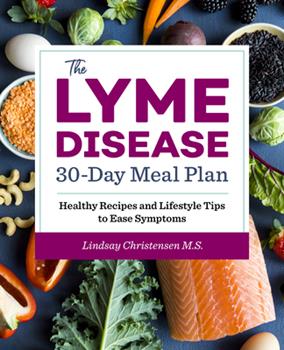
This led me to pursue my Master of Nutrition in Human Nutrition, become a clinical nutritionist, and ultimately specialize in working with clients who have Lyme disease. I have also written a book called The Lyme Disease 30-Day Meal Plan: Healthy Recipes and Lifestyle Tips to Ease Symptoms.

While nutrition alone cannot cure Lyme disease, it can significantly ease your symptoms, accelerate your healing process, and create a stronger, more resilient body capable of healing from Lyme. In addition, nutritional treatment is a powerful complement to both antibiotic and herbal protocols for Lyme disease.

For the Lyme patient struggling with treatment decisions, chronic fatigue, pain, and brain fog, sorting through nutrition information to figure out what to eat can feel daunting. Let’s discuss five steps you can take starting today to maximize your nutrition and support Lyme disease recovery.

Step 1: Remove inflammatory foods

Infection with Borrelia and co-infections induces a profound inflammatory response in the body. This can affect the gut, joints, brain, cardiovascular system, eyes, and skin.

When working with clients who have Lyme disease, I begin by having them remove the most common dietary inflammatory triggers, including:

  • Processed foods
  • Refined carbohydrates and sugar
  • Industrial seed oils, such as canola, corn, cottonseed, soybean, and safflower oils.

Refined carbohydrates and added sugars, such as cane sugar and high-fructose corn syrup, also promote the growth of inflammatory gut bacteria.

Between 70 and 80 percent of your immune system resides in your gut, so when your gut microbiota is unhealthy, your immune function and thus your ability to combat Lyme disease will suffer. Removing refined carbohydrates and added sugars is essential for reducing inflammation and regulating the immune system in Lyme.

I also find that many of my clients do best avoiding gluten and conventional dairy products from grain-fed, industrially-raised animals, since both of these foods are potent inflammatory triggers.

Step 2: Eat anti-inflammatory foods

In addition to removing inflammatory foods from our diets, we also need to incorporate foods that actively reduce inflammation. Work on including the following anti-inflammatory foods into your diet:

  • Wild-caught seafood

IL-17 is a pro-inflammatory cytokine (an immune signaling molecule) made by the immune system during Lyme infection. However, chronic IL-17 production can promote rampant inflammation and even autoimmunity. Metabolites of omega-3 fatty acids called “specialized pro-resolving mediators” or SPMs, blunt the production of IL-17 and can thus help calm the inflammatory response.

Try to eat several servings of fatty cold-water fish per week to bolster your omega-3 intake. Choose from the “SMASH” seafood, which are low in mercury and high in omega-3’s. SMASH stands for “salmon, mackerel, anchovies, sardines, and herring.”

  • Cruciferous vegetables

Cruciferous vegetables, such as broccoli and cauliflower, contain compounds called glucosinolates that increase the body’s glutathione production.

Glutathione, an antioxidant and immune-signaling molecule, plays a crucial role in the immune response to Borrelia.

  • Blueberries

Borrelia spirochetes stimulate macrophages, including glial cells in the brain, to release the inflammatory cytokines IL-6 and TNF-α. Excessive production of these molecules has neurotoxic effects on the brain.

In animal studies, blueberries have been found to reduce IL-6 and TNF-α production and may thus help protect the brain and dampen overall inflammation.

  • Extra virgin olive oil

Oleuropein, a major component of extra virgin olive oil, also reduces the production of the inflammatory cytokines IL-6 and TNF-α involved in the Lyme-induced inflammatory response. Be sure to choose organic olive oil to avoid consuming pesticide or herbicide residues, which have immune system-disrupting effects.

Step 3: Support your immune system

Your immune system requires an array of nutrients to function at its best. Furthermore, infection and stress deplete the body of critical micronutrients. Let’s take a look at several of the micronutrients needed for a well-functioning immune system:

  • Vitamin D

Vitamin D is frequently low in patients with persistent Lyme disease On top of that, Borrelia burgdorferi directly reduces vitamin D receptor expression in immune cells, increasing the need for vitamin D.

Vitamin D is critical for Lyme disease recovery. Daily sun exposure and the consumption of vitamin D-rich foods, including fatty cold-water fish and pastured egg yolks, support a healthy vitamin D status. However, supplementation is often necessary, especially during the fall and winter months.

  • Vitamin A

Vitamin A is a fat-soluble vitamin (a vitamin that dissolves in fats and oils) that regulates both the innate and adaptive branches of the immune system. The innate immune system is our set of frontline immune defenses, whereas the adaptive immune system is composed of specialized cells that target specific pathogens.

We need both branches of the immune system to battle Lyme, and vitamin A can help. Interestingly, vitamin A deficiency worsens Lyme arthritis in mice, whereas vitamin A replenishment reduces the harmful inflammatory response.

Retinol, the form of vitamin A the immune system requires, is found only in certain animal foods, such as egg yolks and liver. In addition, your body can create retinol from carotenoids, vitamin A precursors in yellow and orange plant foods, such as winter squash and carrots. However, this conversion process is not efficient in many people, necessitating vitamin A intake through animal foods.

  • Zinc

Zinc is the second most abundant micronutrient in our bodies after iron. It plays several roles in the immune system, including supporting the intestinal barrier, the layer of cells that lines the gut and maintains the intestinal immune system.

Zinc also inhibits complement activity. Complement is a part of the immune system that is excessively activated by Lyme infection and contributes to inflammation.

The World Health Organization reports that one-third of the world’s population is at risk for zinc deficiency. Vegans, vegetarians, the elderly, and those with gastrointestinal issues that compromise nutrient absorption are particularly at risk for deficiency. To support your immune system, emphasize foods rich in zinc, including oysters, red meat, organ meats, and poultry.

Step 4: Support your gut health

Many individuals with Lyme disease have gone through multiple rounds of antibiotics. While antibiotics can offer significant benefits to many Lyme sufferers,  they also reduce levels of beneficial microorganisms in the GI tract. This allows less desirable opportunistic and pathogenic organisms, including various yeasts and bacteria, to proliferate.

The resulting imbalance in the gut microbiota can compromise immune function, digestion, and nutrient absorption. Furthermore, preliminary research suggests that Borrelia may directly infect the gastrointestinal tract. It is thus crucial to support the health of your gut if you have Lyme disease.

A growing body of research indicates that diet profoundly impacts gut health. There are certain foods you should prioritize to support your gut health, including:

  • Fiber: Dietary fiber found in vegetables, fruits, nuts, seeds, and legumes supports the growth of beneficial gut bacteria, which positively impact our immune function and digestion.
  • Fermented foods: Fermented foods, such as sauerkraut, kimchi, beet kvass, and yogurt (for those who tolerate dairy products), provide probiotics that support gut health and immune function. Try to consume a serving of fermented foods daily. Remember to rotate fermented foods since each food offers unique probiotic microorganisms and health benefits.
  • Bone broth: Bone broth is a slow-cooked broth made from boiling animal bones and connective tissues in water. It is gelatinous and rich in glycine and proline, amino acids that help create a healthy gut. I encourage my clients with Lyme disease to consume bone broth regularly to support intestinal health.

Step 5: Support your joints and brain

Borrelia can cause extensive damage to collagenous tissues in the body, such as skin, tendons, and ligaments. Vitamin C is a cofactor for enzymes involved in collagen synthesis. Optimize your vitamin C intake by consuming foods such as bell peppers, citrus fruits, berries, and broccoli.

The brain is severely affected in many cases of chronic Lyme disease, referred to as “neuroborreliosis.” Lyme infection promotes brain inflammation and impairs energy production in neurons, making it difficult to think clearly and maintain a balanced mood.

Vitamin B12 and DHA are two nutrients necessary for healthy brain function. B12 is supplied through meat, poultry, fish, and eggs, while DHA is an omega-3 fatty acid that we can consume through seafood, such as wild salmon and sardines.

There are many other nutritional factors that can support healthy brain function in Lyme disease, but vitamin B12 and DHA intakes are two of the most important.

Try a recipe from my book

Sesame Chicken Salad

This refreshing salad manages to be both sweet and savory, with a lovely crunch thanks to the addition of slivered almonds. It requires very little prep time, especially if you make the shredded chicken ahead of time in a slow cooker.

The short amount of prep time required is perfect it you’re short on time or energy for cooking. This salad contains several functional food ingredients beneficial for those with Lyme disease, including vitamin C-rich oranges and lime juice, folate-rich leafy greens, and anti-inflammatory extra-virgin olive oil.

Prep Time: 10 minutes

Dairy-Free, Gluten-Free

Ingredients:

FOR THE SALAD:

  • 3 cups mixed greens
  • 4 ounces cooked chicken breast
  • 2 tablespoons slivered almonds
  • ½ cup sliced cucumber
  • 1 cup fresh orange segments
  • 2 scallions, chopped

FOR THE DRESSING

  • 1 tablespoon toasted sesame seeds
  • 1 teaspoon peeled and grated fresh ginger root
  • 2 tablespoons tamari sauce (be sure to select gluten-free tamari sauce)
  • 2 tablespoons rice vinegar
  • 1 tablespoon honey
  • 1 scallion, finely chopped
  • Juice of ½ lime
  • 1/3 cup extra-virgin olive oil
  • ¼ cup freshly squeezed orange juice
  • 2 teaspoons toasted sesame oil
  1. In a large mixing bowl, combine the greens, chicken, almonds, cucumber, orange, and scallions.
  2. In a glass jar or other lidded container, combine the sesame seeds, ginger, tamari sauce, rice vinegar, honey, scallions, lime juice, olive oil, orange juice, and sesame oil. Cover and shake well.
  3. Add the dressing to the salad and gently toss to coat.
  4. Serve immediately or refrigerate the salad and dressing in separate airtight containers for up to 2 days.

Lindsay Christensen has a Master of Science in Human Nutrition and is a Certified Nutrition Specialist and Licensed Dietitian Nutritionist. In her private clinical nutrition practice, Ascent to Health, she specializes in nutrition care for individuals with Lyme disease and other environmental illnesses.

For more: