https://www.lymedisease.org/pediatric-bipolar-disorders/

Pediatric bipolar disorders and tick-borne illnesses

July 23, 2021
By Rosalie Greenberg, MD

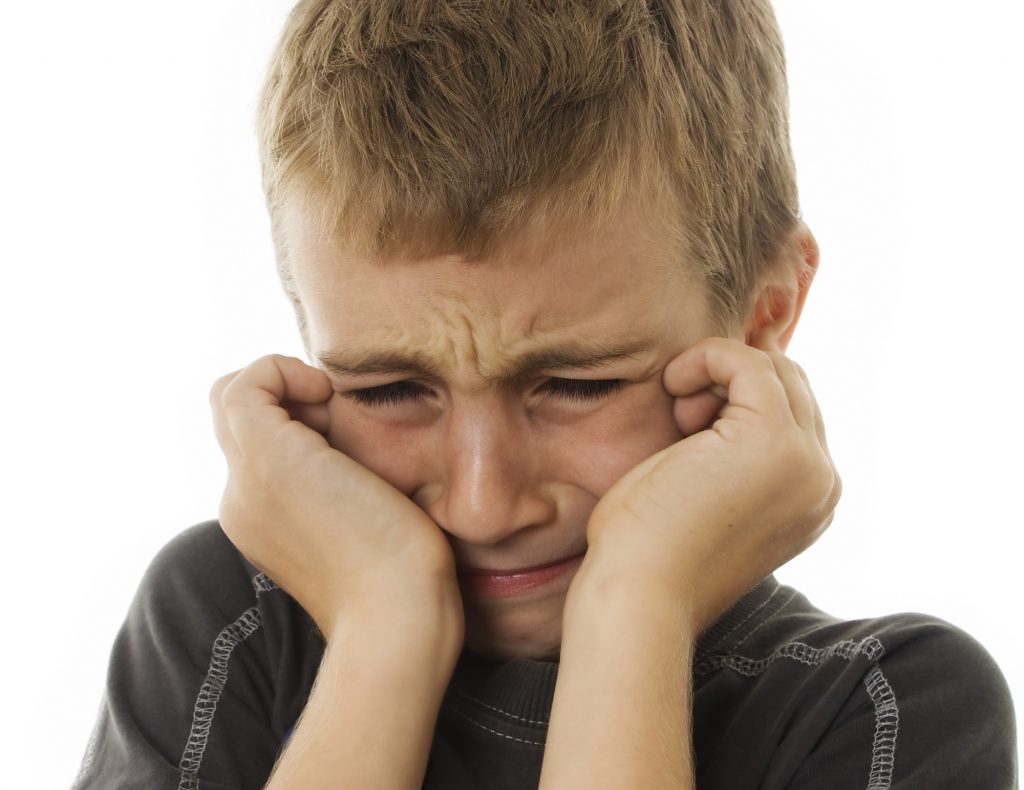
Pediatric Bipolar Disorder (PBD) refers to a child or adolescent experiencing a distinct period of time in which he or she has changes in mood, energy, thought and behavior that can have a significant effect on the youngster’s ability to function.

This diagnosis, like most, is on a spectrum. A young person can have manic episodes with or without depressive episodes. This is called Bipolar I. Or, the child can have episodes of depression with only mild hypomanic episodes (not as severe as mania and which don’t require psychiatric hospitalization.) This is called Bipolar II.

Other Specified or Unspecified Bipolar and Related Disorder are two other categories that are used when the full criteria for the diagnosis are not met. In the past, this was called Bipolar Disorder Not Otherwise Specified (NOS).

Making a diagnosis

The symptoms required to make the diagnosis of a manic episode are the following: a clear period of abnormally elevated or irritable mood and heightened energy or activity lasting at least a week (or less if hospitalized) accompanied by three or more of the symptoms below (four if only irritable):

  • Decreased need for sleep
  • increased self-esteem or grandiosity
  • More talkative or pressured speech
  • Flight of ideas (loosely connected thoughts) or feeling like one has racing thoughts
  • Distractability
  • Increase in goal-directed activity or overall heightened psychomotor agitation
  • Increased impulsivity that can cause excessive involvement in activities that have a high potential for painful consequences

In the majority of cases, the cause of bipolar disorder is uncertain. But it is probably a mixture of genetics, the environment (including exposure to certain infections) and immune system dysfunction.

A few infectious agents have been accepted as being directly associated with bipolar disorder symptoms. Two of these are:

  1. the parasite Toxoplasmosis Gondii which causes toxoplasmosis
  2. the spirochetal (corkscrew shaped) bacteria, Treponema Pallidum which causes syphilis

Of note, both syphilis and Lyme disease (caused by Borrelia burgdorferi), are caused by a spirochete-shaped bacteria and they share a variety of other commonalities.

The Borrelia bacteria has more DNA and is much more complex in composition and function. Individuals who experience late stage, or tertiary, syphilis can exhibit manic-like behavior, which also can be seen at times in those with neurologic Lyme disease.

PANDAS/PANS

For a while, I was looking at new patients for any evidence of Pediatric Autoimmune Neuropsychiatric Disorders Associated with Streptococcal infections (PANDAS) or Pediatric Acute-onset Neuropsychiatric Syndrome (PANS).

The former refers to a group of psychiatric symptoms precipitated by a Group A Beta Hemolytic Streptococcal infection. In the latter, the cause remains unspecified and might include factors such as infections, trauma and environmental toxins.

Because of the similarities I observed between PANDAS/PANS  and PBD, I started to check some of my PBD patients for evidence of infection.

One such patient was P, an 11-year-old, who came to see me following four psychiatric hospitalizations over the course of one year, because of difficulty with mood shifts, oppositional behavior and verbal and physical aggressive outbursts.

He was diagnosed as having PBD, attention-deficit hyperactivity disorder (ADHD) – combined type and oppositional defiant disorder. His difficulties had only mildly improved despite multiple psychiatric medication trials.

I first saw him after his last hospitalization.  At that point, he was no longer acutely dangerous to himself or others but had limited self-control and awareness.

I learned that his family history was strongly positive for bipolar disorder in at least three generations. Alcoholism was present in both maternal and paternal relatives. Furthermore, there were a variety of autoimmune disorders in relatives on both sides of the family tree.

After eight months of medication treatment under my care as an outpatient, he suddenly once again became highly agitated, argumentative and threatening. It was clear that he could not continue to live at home unless his behavior drastically changed

High strep titers

Despite the fact he had been healthy, with no known medical history of a Streptococcal infection (the bacteria responsible for causing strep throat), I decided to check him for evidence of infection causing PANDAS or PANS. To my surprise, his strep titers were quite high and he was subsequently diagnosed with PANDAS.

A few months of treatment with antibiotics eventually resulted in a dramatic change. His mood was happier and more even, he was much less oppositional, more affectionate and he even became a more diligent student.

He was on a low dose antibiotic prophylactically to protect against recurrent streptococcal infection. This protective approach is similar to what occurs in those with rheumatic heart disease.

Over time, P’s negative behavior would return and escalate on occasion if he was exposed to someone who was sick. But his symptoms usually responded quickly with anti-inflammatory treatment or, if needed, a change in antibiotic.

Bartonella

When P was in the 8th grade, he had a severe angry depressive episode. By this time, I had become familiar with tick-borne disorders and their potential neuropsychiatric effects. On testing, he was positive for the bacteria Bartonella henselae.

Once again, proper antibiotic treatment resulted in a significant lessening of his psychiatric symptoms. It is important to note that he also needed an antipsychotic and anticonvulsant for mood maintenance whether or not he was taking antibiotics.

Given the observation that P’s mood and behavior dramatically changed once his infections were identified and properly treated, I decided to screen many of my new patients for evidence of infection.

To my surprise, I found evidence of infections in the majority of those newer patients who underwent blood testing during psychiatric evaluation.

I am known as being an expert in pediatric bipolar disorder, having written Bipolar Kids: Helping Your Child Find Calm in the Mood Storm, as well as having lectured to the public and professionals and written a variety of articles for both groups.

It’s important to keep in mind that my practice is somewhat atypical in that it experiences what is called “a referral bias,” with many parents coming to see me to determine whether or not their child really has bipolar disorder.

Once I kept finding evidence of infections, and often positive mood or behavioral changes when the newly discovered illnesses were addressed, I decided that it was important that I go back and check for infections in my bipolar patients with whom I had worked for years.

Again, I was surprised to find that many of these kids also tested positive for evidence of infection, especially tick-borne illnesses (TBIs).

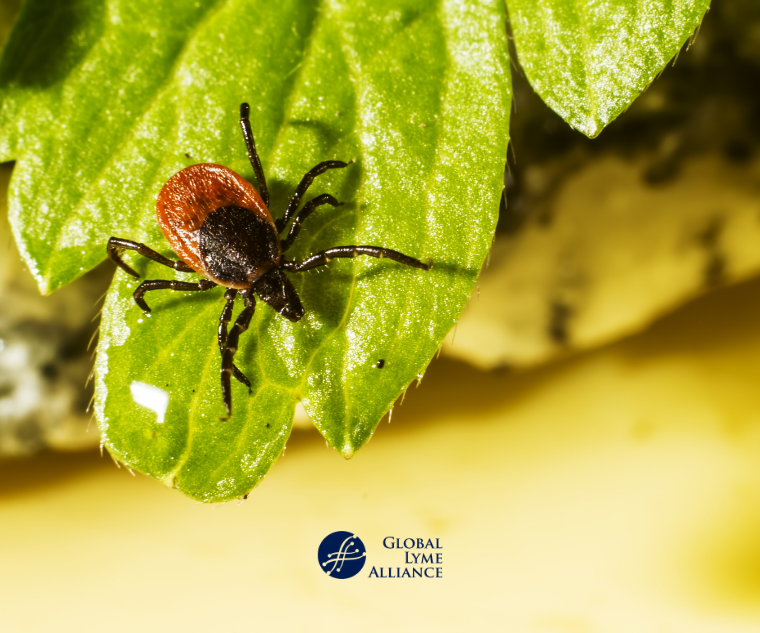
Tick-borne illnesses

Ten years ago, I learned that New Jersey, where my practice is located, is a Lyme-endemic state. But how was it possible that so many of my patients tested positive? Maybe the testing was wrong? I even submitted samples of my own blood to two of the specialty laboratories (Igenex and Galaxy Diagnostics) to check the accuracy of the testing and found the results quite credible for a variety of reasons.

I also noted that as I kept learning more and more about Lyme and the other TBIs at different specialized meetings, I often heard presentations of adult patients who were diagnosed with bipolar disorder and later found to be suffering from some form of tick-borne illness. This sounded just like “my kids.”

With this experience as my background, I decided to do a retrospective chart review to determine the rate of evidence of tick-borne infection exposure in 27 consecutively seen bipolar youth whom I treated between February 2013 and July 2015.

Of the 27, 81% (22/27) were males and 19% (5/27) were females with an average age of 7.3 years. Fifteen of the kids were diagnosed as having Bipolar I (had manic episodes) and 12 had Bipolar II (episodes of depression with periods of hypomania).

Using a variety of different laboratories, blood testing was done to check for evidence of exposure to Group A Beta Hemolytic Streptococcal bacteria, and other infectious agents including Mycoplasma pneumoniae (which can cause walking pneumonia), Borrelia burgdorferi (Lyme disease), Babesia, Bartonella, Anaplasma and Ehrlichia.

24 out of 27 bipolar children had TBIs

In the end, 89% (24/27) showed evidence of exposure to one or more of these pathogens (infectious agents). The frequency of the positive testing results in the 27 bipolar child patients were as follows:

  • Babesia =16
  • Mycoplasma pneumoniae = 11
  • Bartonella = 8
  • Lyme = 6
  • Anaplasma + Ehrlichia = 1

All individuals who had a positive test were recommended to see a doctor familiar with TBIs to determine if the patient should receive the clinical diagnosis and get appropriate treatment.

Twenty-two of the 24 agreed to this assessment. All of those children who followed the recommendation and sought consultation were found by the evaluating physician to meet the clinical criteria for the diagnosis of having TBIs.

In the end, 20/27 or 74% of those with PBD were positive for TBIs by both laboratory testing and clinician assessment. Four of the 27 (23.5%) patients tested were positive for PANDAS. Another important observation is that only three of the 27 with PBD had a known tick bite.

The results are clearly quite provocative. It’s important to keep in mind that the association found between TBIs and PBD does not mean there is a causal relationship. Interestingly, for some children, treatment of their TBIs resulted in variable degrees of improvement of their psychiatric symptoms.

The case of P, presented earlier, is a clear example of how treating the infection improved the child’s mental health. Studies are needed before making a definitive statement regarding the neuropsychological effects of treating underlying infections. It would be wrong to generalize the results from a small, specialized psychiatric practice without more evidential support from other pediatric populations.

“Bipolar-like” symptoms

I also noted that some of the kids in my practice exhibited what I call “bipolar-like” symptoms. They clearly do not fit the full criteria for a bipolar mood disorder. Yet, they exhibit definite elements consistent with a significant amount of mood unsteadiness, especially depression, as well as exhibit similar co-morbidity to youth with PBD.

The potentially accompanying psychiatric illnesses include anxiety disorders (e.g. obsessive-compulsive disorder [OCD] and separation anxiety), ADHD and behavioral disturbances with intense temper outbursts.

I can’t help but wonder how many of these children have been given the diagnosis of Disruptive Mood Dysregulation Disorder (DMDD) by other psychiatrists.

This particular diagnosis was created as a way to help identify children who did not show clear mania or hypomania but who struggle with long standing temper dysregulation, sadness and irritability. Could many of them be in this “bipolar-like “ group? Again, the answer requires more study.

The natural question from these findings for both parents and professionals is: Does treating the TBIs make any difference in how these kids actually end up functioning in real life?

Observations

Without more research, I can only comment about what I have observed in my practice with these children. There appears to be three groups:

  1. Kids who are treated for their bipolar symptoms as well as TBIs who at some point are able to do well once the infections are resolved or at least controlled. Their psychiatric symptoms appear to have been eliminated or significantly lessened enough that over time they can stop all psychiatric medication. This group is fairly small but definitely exists.
  2. Kids who are treated for BPD and TBIs but require less psychiatric medication (yet still need some) when their infections are under better control. One clue that the psychiatric medication can be lowered is the occurrence of side effects from the psychiatric medication (e.g. new onset of lethargy and sleepiness) that were previously not present while the child appeared to benefit from that dose of medication in the past.
  3. Kids who are treated for BPD and TBIs but still require significant doses of psychiatric medications as their infections come under better control.

Therefore treating the underlying psychiatric illness has the potential to change the long-term outcome in some youngsters who manifest bipolar disorder symptoms and were exposed to tick-borne illnesses.

The true prevalence of TBIs in youth who reside in the geographical area where my practice is located is unknown. This data is crucial to be able to interpret properly what I’ve found in my patients.

To what extent do infectious agents and autoimmune processes contribute to the present escalation in child and adolescent mental disorders? The mounting evidence supporting the connections of infections, autoimmune processes and mental disorders appears significant and demand more scientific investigation.

Dr. Rosalie Greenberg is a Board-Certified Adult, Child and Adolescent Psychiatrist, known for her expertise in the diagnosis and management of complex psychiatric problems in children, and pediatric psychopharmacology. For the past few years, she has focused on the psychiatric manifestations of infectious diseases, especially, tick-borne illnesses in children and adolescents. Her website is rosaliegreenbergmd.com.

__________________

For more:

https://anh-usa.org/why-the-fda-is-attacking-nac-supplements/

Why the FDA is Attacking NAC Supplements?

JULY 15, 2021

N-acetyl-L-cysteine (NAC) has been on the market as a supplement for decades—why is the FDA attacking it now? Action Alert!

A few weeks ago, we told you about the FDA’s recent actions threatening NAC supplements—products which the FDA has allowed on the market for decades. The question is, why now, after all these years, is the FDA doing this? Digging a bit deeper, it seems obvious that the FDA is clearing the market of affordable NAC supplements in an effort to eliminate competition for NAC drugs that could be coming to market in the next few years. If our suspicions are correct, this would be another outrageous example of the FDA doing Big Pharma’s dirty work. We cannot let it happen.

To briefly recap how we got here: In a slew of warning letters sent last year, the FDA targeted a number of supplement companies marketing “unapproved” cures for hangovers—which the agency absurdly considers to be a “disease.” Some of these products contain NAC. In the letters to those companies, the FDA states that NAC does not meet the legal definition of a supplement because it was approved as a drug in 1963; according to federal law, any substance approved as a drug before it was sold as a supplement cannot be sold as a supplement. All of this means that the status of NAC as a supplement is currently in dispute.

So, why is the FDA threatening NAC now, during a pandemic when a new FDA commissioner hasn’t even been appointed? For starters, a drug company is investigating NAC as a treatment for a rare genetic disorder that damages the myelin sheath, which insulates nerve cells in the brain. The Phase 1 trial was completed in March 2020.

But that’s just the beginning. A search through the government’s clinical trials database shows considerable interest from the pharmaceutical industry in NAC. There are 17 trials looking at NAC, in both drug and supplement form, in the treatment of COVID. Additionally, there are over 50 trials looking at NAC for a variety of other conditions, including: autism spectrum disorder, obsessive compulsive disorder, alcohol abuse disorder, rhinosinusitis, bronchiolitis, cardiac arrhythmia, and more.

Note that NAC drugs are currently available in generic form since it is off-patent, but a company could bring a new branded NAC drug to market if it was proven effective for an additional indication.

Given these facts, it seems reasonable to assume that the FDA is setting the stage for a new NAC drug to come to market by removing the competition from much cheaper NAC supplements. We called it when the FDA pulled a similar move a few years back when they went after brain health supplements, trying to clear the market for a new Alzheimer’s drug—culminating in the recent approval of an Alzheimer’s treatment that many experts think is not effective. CBD supplements may face a similar fate if Congress does not force the FDA’s hand by legalizing CBD in dietary supplements.

It is critically important to maintain access to affordable NAC supplements. In a recent interview with the Life Extension Foundation, Dr. Daniel Amen noted that NAC “has shown promising results in people with bipolar disorder, schizophrenia, OCD, and addictions. It can also decrease inflammation and may help delay brain atrophy in Alzheimer’s disease.” NAC protects the body from toxins, is a selective immune system enhancer, and helps remove free radicals, which contribute to neurogenerative diseases and aging. In Europe, NAC is a prescription medicine used to reduce congestion.

NAC is also a precursor to glutathione, one of the body’s most important antioxidants. Glutathione plays crucial roles in nutrient metabolism and the regulation of many cellular events (such as gene expression, protein synthesis, cell proliferation, and more); glutathione deficiency contributes to oxidative stress, which is implicated in the development of many diseases: Alzheimer’s, Parkinson’s, liver disease, HIV, heart attack, cancer, stroke, and diabetes.

Note that acetaminophen depletes glutathione, so those who regularly take it should consider, in consultation with an integrative doctor, supplementing with NAC to replenish glutathione levels. In fact, NAC is routinely used in hospitals to counteract acetaminophen toxicity.

NAC is far too important to be threatened by the FDA, especially under such dubious circumstances.

Recently, the FDA announced that, by the end of June 2022, it plans to release drafts or final versions of a number of policies, and among them is the “new dietary ingredient” (NDI) guidance (“new supplement” guidance, in plain English).

It is no exaggeration to say that this is the most dangerous threat to supplements we’ve seen in decades. 

We must continue to vehemently oppose the guidance as currently written and demand that substantial changes are made before the final version is released. It is especially dangerous given that we are in a pandemic situation that is constantly evolving, with scientists warning of viral variants that evade vaccine-induced immunity.

Action Alert! Write to the FDA and tell them not to threaten NAC supplements. Please send your message immediately. 

https://www.medpagetoday.com/special-reports/exclusives/93266

Mayo Physician Fired Over COVID Book

— “I’m still in shock I was terminated for this”
A photo of Steven Weiss, MD, and his book: Carnage in America: COVID-19, Racial Injustice, and the Demise of Donald Trump

After publishing a book about his experience on the front lines during the COVID-19 pandemic, a physician was fired from his position at the Mayo Clinic this month, he confirmed to MedPage Today.

Steven Weiss, MD, an internist who practiced at the clinic’s Eau Claire, Wisconsin location for 32 years, stated that he was terminated because he identified himself as an employee of the Mayo Clinic in his new book, called Carnage in America: COVID-19, Racial Injustice, and the Demise of Donald Trump.

According to a June 4 termination letter shared with MedPage Today, Mayo Clinic administrators told Weiss, 62, that his actions violated the health system’s publishing policy, as he did not submit his manuscript to the institution for review before it was printed.

(See link for article)

______________________

**Comment**

You may not like this doctor’s opinion, you may not even agree with it, but the increasing censorship of medical practitioners spells impending doom for free speech & medicine.

This doctor was fired under a “without cause” provision because there was no misconduct, incompetence, negligence, or violation of his employment contract. He simply was fired for not asking “mother may I,” before writing a book on his medical experience.

You can tell by the statements by the administrators that this was all about their fear that people think they support a certain political party.  Weiss discussed the influence of politics, religion, and culture on Americans’ perception of COVID-19, and faulted the administration at the time for the pandemic response.  While there was some negative information on Mayo, Weiss states, “I offered lavish praise in places, too.”

Expect more of this.

Lyme/MSIDS treating doctors have been persecuted for over 40 years due to the fact they disagree with mainstream medicine’s handling of it. Orders in medicine come from the top down and start with the CDC/IDSA‘s abysmal Lyme treatment guidelines that are ineffective, unscientific, and extremely biased.  Wisconsin doctors have come under scrutiny many times for daring to depart from the accepted narrative that Lyme is hard to get and easy to treat.  The reality of thousands of patients proves this to be nothing more than mythology.

https://lymediseaseassociation.org/blogs/lda-guest-blogs/kenneth-liegner-md-lyme-tbd-where-we-are-2021/

Kenneth Liegner, MD – Lyme & TBD: Where Are We, 2021?

May Awareness LDA Guest Blogger

Dr. Kenneth Liegner, MD

Dr. Kenneth Liegner is a Board Certified Internist with additional training in Pathology and Critical Care Medicine, practicing in Pawling, New York. He has been actively involved in diagnosis and treatment of Lyme disease and related disorders since 1988. He has published articles on Lyme disease in peer-reviewed scientific journals and has presented poster abstracts and talks at national and international conferences on Lyme disease and other tick borne diseases. He has cared for many persons seriously ill with chronic and neurologic Lyme disease. His work has focused on the serious morbidity and (occasional) mortality that can eventuate from this aspect of the illness. He has emphasized the urgent need for widespread clinical availability of improved methods of diagnostic testing and for development of improved methods of treatment for Lyme disease in all its stages. He holds the first United States patent issued proposing application of acaricide to deer for area-wide control of deer-tick populations as a means of reducing the incidence of Lyme disease. He has authored In the Crucible of Chronic Lyme Disease – Collected Writings & Associated Materials, a documentational history of the struggle to characterize the nature of Lyme disease in the late 20th and early 21st centuries, published November 2015 (www.inthecrucibleofchroniclymedisease.com).

He served two terms on the Board of Directors of The International Lyme and Associated Diseases Society (www.ilads.org), is on the Scientific Advisory Board of the Lyme Disease Association (www.lymediseaseassociation.org), and is a member of the American Medical Association (www.ama-assn.org), the Westchester County Medical Society (www,wcms.org), the Medical Society of the State of New York (www.mssny.org) and The American Association of Physicians and Surgeons (www.aapsonline.org). He is on the staff of Northern Westchester Hospital Center in Mount Kisco, New York (Northwell Health System) and the Sharon Hospital in Sharon, Connecticut (Nuvance Health System).

He was the first physician to apply disulfiram in the treatment of Lyme disease and published his experience with his first three patients in the peer-reviewed journal Antibiotics, May 2019 (https://www.mdpi.com/2079-6382/8/2/72) and reported his first 3 years’ experience with the drug in December 2020 (Antibiotics 2020, 9(12), 868; https://doi.org/10.3390/antibiotics9120868)  He was co-author on a landmark pathologic study of tissues from a person with chronic Lyme disease (https://www.mdpi.com/2079-6382/8/4/183) and co-author of the ILADS evidence-based definition of chronic Lyme disease (https://www.mdpi.com/2079-6382/8/4/269).

Lyme & Tick- & Vector-Borne Disease: Where Are We, May 2021?

The COVID-19 Pandemic has overwhelmed the U.S. of A. and the world and has temporarily overshadowed another ‘shadow on the Land’* – the global pandemic of Lyme disease.

As city denizens flee for more rural areas in efforts to minimize the risks of acquiring COVID-19, they may be less mindful of the risks ticks pose. Deer tick bites often go unnoticed, yet they can transmit the agent of Lyme disease and a range of other infectious diseases:  non-Lyme borrelioses (e.g. tick-borne relapsing fever due to the spirochete Borrelia miyamotoi), Powassan virus, anaplasmosis (a Rocky Mountain Spotted Fever-like illness) and babesiosis. Bartonellosis may also occur in persons with Lyme disease (whether tick- or flea-transmitted or due to a cat scratch), complicating the clinical picture.  Onset of Lyme disease can be insidious and tests not always reliable so there can be delays in diagnosis which allow borrelial infections to become deeply entrenched and more difficult to treat.

The HHS Tick-borne Diseases Working Group with very significant input by patients, advocates and some treating clinicians has developed important perspectives to the problems posed by tick-borne infections and is serving to ‘move things forward’.

Although there has been some increased Federal funding for Lyme and other tick-borne diseases recently, as well as influx of funds from charitable foundations and private donors, the total commitment to solving these complex problems had been inadequate: consistent funding for H.I.V./A.I.D.S. greater than $1 billon/year for decades has enabled real progress in diagnosis and therapy.  An infection that was basically a death sentence is now eminently manageable with oral anti-viral agents. Affected individuals can enjoy a good quality of life with a life-span approximating those not infected.  Annual funding for Lyme disease by comparison, has been paltry.

Sadly, despite decades of advocacy we still lack a clinically available, well-validated and reproducible direct detection test for Lyme disease that can measure ‘borrelial load’ (analogous to measures of ‘viral load’ so very useful in the management of H.I.V./A.I.D.S.).

Likewise, attention to the development of improved therapeutics has been grossly inadequate at the Federal level, progress stymied by the damaging dogma: chronic Lyme disease does not exist.

In the past decade and largely due to funding from private foundations and patient advocacy groups, innovative forays in to repurposing of FDA-approved agents already in the United States Pharmacopeia and novel combinations of pharmaceutical as well has herbal-derived principles in vitro have identified promising new approaches which are beginning to be explored clinically, mostly by individual practitioners.

This ought to be vastly expanded and undertaken as systematic and formal clinical trials against ‘comparator’ agents such as ‘standard’ recommended antibiotherapies.  Such trials are costly, however, would lead to more ‘robust’ data that are more than merely ‘anecdotal’.   This merits funding with Federal dollars.  Academic medical centers are well-equipped and well-accustomed to running such randomized controlled trials.  However, such trials could also be undertaken ‘in the community’ through clinicians actually caring for patients with chronic tick-borne illnesses.

I have likened practitioners caring for patients with the ‘big 3’ B’s of tick and vector-borne diseases (Borreliosis, Babesiosis and Bartonellosis) to playing 3 simultaneous games of chess in 3 dimensions against 3 opposing Grandmasters.  It is a great challenge for practitioners.  It is not boring!  But when one successfully enables patients to improve their quality of life and sometimes (with shared decision-making, luck, skill and patient & practitioner perseverance) to make a full or substantial recovery, well, it is very gratifying.

Lots of work remains to be done!  Let us all resolve to do that work!  Let’s cooperate!  Let’s get busy!

*the title of United States Public Health Service Surgeon General (1936-1948) Thomas Parran’s influential book concerning syphilis

Kenneth B. Liegner, M.D.
Pawling, New York
April 29, 2021

___________________

For more:

https://www.globallymealliance.org/blog/5-reasons-you-should-care-about-lyme-disease

“The fact is, everyone should care about Lyme disease. Here are five reasons why.”

May is Lyme Disease Awareness Month. Some people may think, “Oh, I already know about Lyme disease. You only have it if you see a bull’s eye rash.” Or, “I don’t need to worry about Lyme disease, because I don’t live in New England.” These are myths about Lyme disease that are all too commonly heard. The fact is, everyone should care about Lyme disease.

Here are five reasons why:

  1. If you spend time outdoors, you are at risk.

Lyme disease used to be known for its prevalence in New England, as well as the fact that it is carried by deer. Both of those things are still true, but what people don’t always realize is that infected blacklegged ticks that carry Lyme disease are found across the country and world. Some ticks carry other diseases that are endemic to certain areas of the country, such as Heartland virus and Southern Tick-Associated Rash Illness (STARI). Moreover, in addition to deer, ticks also feed on other mammalian hosts such as mice, chipmunks, and birds. They don’t just live in the woods, either. They like to hide in tall grasses, leaf piles and on brush. Anyone who spends time outdoors is at risk for Lyme and other tick-borne diseases, and should take important precautions.

  1. Your children and pets are at high-risk for Lyme disease.

Do you have kids who like to play outside? Do you have pets who run through the woods? They are both at high-risk for contracting Lyme disease—and, your pets can bring ticks into your home, which can then infect you and your family. Children ages 3-14 are at the highest risk for Lyme disease, since they love to roll in the grass, explore in the woods, etc. Complications for both children and pets can be severe if Lyme is not detected and treated immediately. Like adults, children can develop cognitive issues, mood changes, sleep disturbances, and prolonged fatigue that can significantly impact their ability to focus in, or even attend, school. Here are specific prevention measures you can take for your kids and for your pets.

  1. If not treated early, Lyme disease can become seriously debilitating.

Most cases of Lyme disease that are treated immediately can be cleared up with a course of antibiotics, but some 10-20% of patients go on to experience persistent symptoms. And that’s for patients who are lucky enough to see a bull’s eye rash or whose doctor quickly recognizes their clinical symptoms. About 50% of people never see a bull’s eye rash, or any rash at all. Others present nebulous symptoms such as fatigue, or take months to develop other symptoms such as joint and muscle aches, fevers, and neurological impairments, which are often misdiagnosed; Lyme is considered “The Great Imitator” because its symptoms can mirror those of other conditions such as Multiple Sclerosis (MS) and Myalgic Encephalomyelitis/ Chronic Fatigue Syndrome (ME/CFS).

  1. Diagnosis and treatment can be complicated.

Lyme disease testing is notoriously faulty, since it only can detect antibodies against Borrelia burgdorferi (the pathogen that causes Lyme disease), not the bacteria itself. Many patients either get misdiagnosed, as described above, or not diagnosed at all. Their Lyme disease then progresses to later, more complex and systemic stages. It then becomes more difficult to treat. Treatment can also be complicated by co-infections that require different treatment—some doctors don’t know to test for co-infections in addition to Lyme disease—as well as an individual’s immune response. Each person’s case of tick-borne illness is different, and requires an individually tailored protocol.

  1. Ticks DON’T ONLY carry Lyme disease.

As mentioned above, ticks can carry other illnesses, commonly referred to as co-infections. Some of these include babesiosis, anaplasmosis, ehrlichiosis, and possible bartonella. Some require different treatment than Lyme disease (for example, babesiosis is a parasite that is treated with anti-malarial medication). They also can be more difficult to get rid of, even when caught early. If you have Lyme disease and have not been tested for co-infections, you may only be fighting half the battle.

According to the Centers for Disease Control and Prevention (CDC), approximately 476,000 people are diagnosed and treated for Lyme disease every year. That’s more than breast cancer and HIV combined. Lyme and other tick-borne diseases are a serious health threat. The more people are aware of Lyme, the greater chance they’ll have of taking good preventative measures and/or getting accurately and efficiently diagnosed.

Writer

Jennifer Crystal

Opinions expressed by contributors are their own. Jennifer Crystal is a writer and educator in Boston. Her work has appeared in local and national publications including Harvard Health Publishing and The Boston Globe. As a GLA columnist for over six years, her work on GLA.org has received mention in publications such as The New Yorker, weatherchannel.com, CQ Researcher, and ProHealth.com. Jennifer is a patient advocate who has dealt with chronic illness, including Lyme and other tick-borne infections. Her memoir about her medical journey is forthcoming. Contact her via email below.

Email: lymewarriorjennifercrystal@gmail.com

_______________________

**Comment**

Here’s some more reasons why you should care:   https://madisonarealymesupportgroup.com/2020/09/25/why-should-we-care-about-lyme-disease-a-colorful-tale-of-government-conflicts-of-interest-probable-bioweaponization-and-pathogen-complexity/  The information within this article is imperative to understand why patients are not believed, diagnosed, or treated within mainstream medicine unless they are lucky enough to have a bull’s eye rash and a tick dangling off their arm.  (Even then, people are sent home packing and told to “wait and see.”)