I was appointed by Governor Chris Sununu to the NH Lyme Disease Study Commission as a result of HB490.
Next Zoom meeting: Mar 26, 2021 09:00 AM Eastern Time
Our charter is to “study the use and limitations of serological diagnostic tests to determine the presence or absence of Lyme and other tick-borne diseases and the development of appropriate methods to educate physicians and the public with respect to the inconclusive nature of prevailing test methods.”
Here is a statement I read at the end of last Friday’s monthly Lyme Disease Study Group via the Zoom meeting.
Since the last meeting I have sent nine emails with topics to discuss in our meetings. The emails have contained many supporting references to my claim that serology is no better than a coin toss, harm caused by false negative Elisa tests reported to the NH Dept of Health ten years ago, comments from 340 NH residents with many reporting delayed diagnosis due to false negative serology and a list of references identifying seronegative disease. A recent Johns Hopkins study reveals that if you’re not treated within the very narrow widow of 30 days, you run the risk of ending up with chronic Lyme disease [1] and yet humans won’t produce antibodies to the infection for 4-6 weeks after a tick bite. So, by the time serology is positive, if ever, it’s already too late as the spirochete responsible for Lyme disease were just recently identified in the brains of mice one week after infection. [2]
The possibility of missing a timely diagnosis is extremely high in a state with one of the highest rates of Lyme in the country especially in the absence of a bulls-eye rash. This was the case with all Tuttle family members. None of us developed the bulls eye rash, none of us met the strict CDC criteria for positive test results and as I mentioned previously, if we had not met Dr. Sam Donta, none of us would have been treated.
The sobering fact about this travesty is that it has been going on for over three decades and no matter how many complaints are submitted, nothing changes and lives continue to be ruined by an infection misclassified as a simple nuisance disease; “hard to catch and easily treated.” Everyone here is a single tick bite away from experiencing this health disaster as tick-borne disease infection rates in the ticks found in Litchfield for example are as high as 77% as indicated in the 2009 UMass tick study I sent to all of you yesterday. Of course, all these details are well hidden from the public. So I hope that we can make a difference here, get the truth out to the public and save lives that otherwise would have been upended by this life-altering/life threatening infection.
Ben Franklin once said, “Justice won’t be served until those unaffected are as outraged as those who are.”
Summary of emails “Topics for discussion at our next meeting”
———- Original Message ———- From: CARL TUTTLE <runagain@comcast.net> To: wmarshmd@gmail.com (CHAIR) Cc: All members of the Study Commission Date: 02/08/2021 3:20 PM Subject: Summary of emails “Topics for discussion at our next meeting”
To members of the Lyme Study Commission,
I have organized the emails I have sent since our last meeting so that these topics won’t be missed in the upcoming meeting(s)
Next Zoom Meeting: Friday Feb 12, 2021 9:00AM
Summary of emails “Topics for discussion at our next meeting”
#1 Dec 30, 2020
Presentation request
-Amanda Elam, President and CEO of Galaxy Diagnostics has a 20min presentation for the Lyme Study Commission
“Galaxy validation data (unpublished) shows that the Nanotrap® Urine Test will often confirm active infection in patients with negative TTT (Two-Tiered Testing) results.” #2 Jan 14, 2021
-2005 Johns Hopkins Study: Serology no better than a coin toss -2016 Meta-analysis of test accuracy: Serology no better than a coin toss -2020 Johns Hopkins study: Treatment Delays of 30 Days associated with chronic Lyme disease -1998 Dennis Parenti’s vaccine presentation: Seronegative Lyme. At 36% is a common presentation
#3 Jan 15, 2021
-1995 Seronegative Chronic Relapsing Neuroborreliosis: The patient never had detectable free antibodies to B. burgdorferi in serum or spinal fluid -2010 Registered Complaint to the NH Dept of Health: Identifying five NH cases where a FALSE negative Elisa led to patient harm (Willful neglect?)
#4 Jan 17, 2021
-Comments from 344 individuals living in New Hampshire: Individuals in bold lettering have been adversely affected by faulty/misleading Lyme disease testing #5 Jan 20, 2021
-Not Using Ivermectin, One Year In, Is Unethical And Immoral: Used as an example of mismanagement of an epidemic as we have experienced with Lyme disease
#6 Jan 25, 2021
-Dr. Kenneth Liegner’s communication with public health officials at the CDC regarding patient harm to Jennifer Lilly from the faulty two-tiered serology test for Lyme disease. -Includes many references to poor performance of serologic testing
#7 Jan 30, 2021
-Letter addressed to Rochelle Walensky, MD Director of the CDC: includes references to seronegative Lyme disease and evidence of persistent infection through culture performed by the Centers for Disease Control at Fort Collins, Colorado
#8 Feb 3, 2021
-PDF file identifying Seronegativity in Lyme borreliosis and Other Spirochetal Infections 16 September 2003: “If false results are to be feared, it is the false negative result which holds the greatest peril for the patient.”
#9 Feb 5, 2021
-Study published this month identifying the spirochete responsible for Lyme disease in the brains of mice one week after infection. Lyme tests won’t be positive for 4-6 weeks after a tick bite (if you actually do produce antibodies) and you’ll miss the narrow window of opportunity for successful short-term treatment. Now you’ve gone past that thirty day mark that Johns Hopkins has recently identified as problematic as these patients end up with chronic Lyme disease. Serology is an inappropriate diagnostic tool for this life-altering/life-threatening infection.
ACCORDING TO WHAT WE HEAR FROM OFFICIALS AND THE MAINSTREAM MEDIA, THE NEW VARIANTS ARE THE MOST DANGEROUS AND UNPREDICTABLE BEINGS SINCE OSAMA BIN LADEN.
Everyone needs to stay safe from these invisible but murderously mighty microbes by shunning contact with the unwashed, unmasked and unvaccinated.
But is that drastic approach — which is accompanied by severe curtailment of civil liberties and constitutional rights — warranted?
It turns out that the case for the variants’ contagiousness and dangerousness centres largely on the theoretical effects of just one change said to stem from a mutation in the virus’s genes.
And, as I’ll show in this article, that case is very shaky.
I also have an accompanying nine-minute ‘explainer’ video (Highly recommend. Please see link at top of page)
That one change is known as N501Y — scientific shorthand for the substitution of one protein building block (amino acid) for another at position 501 in the part of the virus called the spike protein.
Specifically, position 501 lies in the portion of the spike protein that’s responsible for the intimate coupling between the virus and cells that lets the virus slip inside and multiply.
[Note that any such amino-acid switcheroo is correctly called a change, not a mutation. Mutations occur only in genes. For some reason many scientists and scribes who ought to know better are mistakenly calling N501Y and other amino-acid changes ‘mutations.’ ]
On top of that, the South African variant is being reported as evading immunity and B.1.1.7 sharing this escape route. And scientists are depicting new variants with N501Y on board as spreading very fast. Some say they make herd immunity impossible, so every single person on earth has to be vaccinated. The models also suggest B.1.1.7 is up to 91% deadlier than the regular novel coronavirus.
(Yet so far it seems the main basis for officials saying it’s more deadly is shown in the minutes of the Jan. 21, 2021 meeting of an influential UK committee called New and Emerging Respiratory Virus Threats Advisory Group [NERVTAG ]. There, they cite modeling papers which haven’t yet been published – which means that until they’re published there’s no way to check their work.)
THREE NON-PEER-REVIEWED THEORETICAL-MODELING PAPERS WHICH CATAPULTED VARIANTS INTO THE SPOTLIGHT
Public-health officials, politicians and the mainstream media around the world turned their collective headlights on the variants right after the publication of three theoretical-modeling papers on B.1.1.7, a variant originating in the U.K. The first was a Technical Briefing by Public Health England published Dec. 21 (it’s the first of an ongoing series of reports on the variant authored by people working at the agency and at other institutions), the second a paper published Dec. 23 by a mathematical-modeling group at the London School of Hygiene and Tropical Medicine, and the third a theoretical-modeling manuscript posted Dec. 31 by a large group of UK scientists.
None of the three papers was checked over for accuracy by objective observers – a process called ‘peer review.’ Nonetheless, all three were portrayed as solid science by many scientists, politicians, public-health officials and the press.
(I reached out for comment to Public Health England, as well as to the first author of the second paper Nicholas Davies, and to the London School of Hygiene and Tropical Medicine. The only reply I received was from a media-relations person at Public Health England; she told me no one was available for an interview.)
(Neil Ferguson was a co-author of the first and third papers. The UK government has relied on Ferguson’s mathematical modeling for many years. This is despite his work turning out to be highly inaccurate time after time. He also supposedly stepped down from his government-advisory role last May after being caught secretly meeting with his married lover during a time when it was illegal to make contact with anyone outside of one’s household, thanks in large part to his modelling. But he was quickly restored to positions of influence. In an article and accompanying video coming out next week, I describe the connections and conflicts of interest surrounding Ferguson and the modeling papers’ other authors.)
WHAT EFFECT IS N501Y SAID TO HAVE?
In N501Y, the amino acid that’s swapped out at position 501 in the spike protein is asparagine; by scientific convention it’s represented by the letter ‘N.’ The amino acid that’s swapped in in its place is tyrosine, and it’s represented by the letter ‘Y.’ Hence ‘N501Y.’
Position 501 in the amino-acid sequence sits in the part of the spike protein that protrudes from the surface of the virus. Specifically, it’s said to lie in the region of the spike protein that latches or ‘binds’ to the mechanism that is the gatekeeper for whether the virus can enter the cell. That gate-keeping mechanism is known as the ‘ACE2 receptor.’
This region of the spike protein – known as the ‘receptor binding domain’ (RBD) — binds to the gate keeping mechanism, the ACE2 receptor. When the RBD and the ACE2 receptor bind, the cell membrane, which is the circular barrier between the area outside the cell and the cell contents, opens up and allows the virus to enter.
N501Y is posited to make the spike protein bind tighter to the ACE2 receptor. Influential theoreticians have performed mathematical modeling based on this hypothesis. This modeling suggests that this tighter binding allows the virus to enter more easily, and that therefore this makes the virus more transmissible.
Yet as far as I’ve been able to find, there is still no concrete, direct proof of this. And note that epidemiological data cannot be used to definitively detect the effect of an amino-acid in a virus. Only experiments involving direct observation of the virus’s interaction with the body can determine that.
The main evidence that the top three theoretical-models cite as proof of stronger bonding between the N501Y form of the novel coronavirus and the RBD is from just three scientific manuscripts, and these describe experiments with the virus in mice or petri dishes, not observation of whether in fact the variants are truly more contagious or more deadly.
DETAILS OF THE THREE PAPERS THAT UNDERPIN THE ASSERTION THAT N501Y BOLSTERS CONTAGIOUSNESS
One of those three papers was published Sept. 25, 2020, in Science. It describe experiments involving involving six rounds of division of the virus in mice.
The researchers found a large amount of the virus in the mice lungs right from the first round of division. Based on this, they pronounced the virus to have “enhanced infectivity.” However, they didn’t actually test whether the virus is more transmissible/contagious – that is, whether it moves from mouse to mouse more easily.
They performed ‘deep sequencing’ and reported that they found the N501Y change in the ‘mouse-adapted’ virus. Next they did ‘structural remodeling’ on it and wrote that this analysis…
suggested that the N501Y substitution in the RBD of SARS-CoV[-2] S protein increased the binding affinity of the protein to mouse ACE2.
All of this is very different than direct observations of the variant virus’s behaviour in mice or humans.
The second paper was posted on bioRχiv on Dec. 21, 2020. It describes an “engineered decoy receptor for SARS-CoV-2.” The complicated series of molecular-biological manoeuvers in vitro were performed that is hard to follow and understand – there is no ‘Methods’ section laying out the details and sequence of what they did; rather, the researchers’ approach to their experiments is scattered across all sections of the paper including in the accompanying Supplementary Material. This is many steps removed from real-life situations. The authors conclude from their manoeuvers that laboratory-mutated novel coronavirus with the N501Y mutation seems to bind more tightly to their ‘engineered decoy’ form of the RBD receptor than the RBD receptor that normally occurs in nature. (The idea, it seems, is that this ‘engineered decoy’ could be injected into people with the goal of getting the new variant to bind to it rather than to cells, thereby stopping it from gaining entry into cells and reproducing.)
bioRχiv is an online-only journal. (It’s pronounced ‘bioarchive’; that’s because the Greek letter χ is pronounced ‘kai.’ I presume the letter χ is used in the journal’s title because the χ2 [‘chi-square’] test is a widely used form of statistical analysis in scientific papers.) The journal has the tagline ‘The Preprint Server for Biology.’ ‘Preprint’ means non-peer-reviewed. bioRχiv focuses entirely on Covid-19-papers and is sponsored by the Chan Zuckerberg Initiative. It has a sister publication medRχiv that also focuses on Covid-19,
The Initiative is the creation of Facebook head Mark Zuckerberg and his wife Priscilla Chan. Facebook has been among the very active censors of information including scientific papers that diverge from the official narrative about Covid.
Like the other two papers, it is extremely removed from direct observation of the virus’s behaviour in live animals or humans. In fact, the third paper doesn’t even use human or animal cells. It involves a ‘yeast-surface-display platform’ as a basis for performing ‘deep mutational scanning’ of the novel coronavirus’s RBD. That ‘platform’ is an artificial structure the paper’s authors constructed for measuring binding between antibodies and various RBD regions containing an array of mutations.
According to this paper, the N501Y amino-acid change results in stronger binding of the virus to the RBD.
However, the papers’ authors state in the last section of their paper that:
It is important to remember that our maps define biochemical phenotypes of the RBD, not how these phenotypes relate to viral fitness. There are many complexities in the relationship between biochemical phenotypes of yeast-displayed RBD and viral fitness.
Translation: “Just because our biochemistry experiments showed that the presence of N501Y or other changes in the RBD seems to make the RBD bind tighter to the ACE2 receptor, we don’t know whether any of these changes make the virus more ‘fit’/transmissible.”
The virus already has a ‘good enough’ ability to bind to ACE2. There’s no reason to believe that going beyond that level will make it more pathogenic or transmissible…[b]ut the RBD may be able to tolerate a number of mutations.
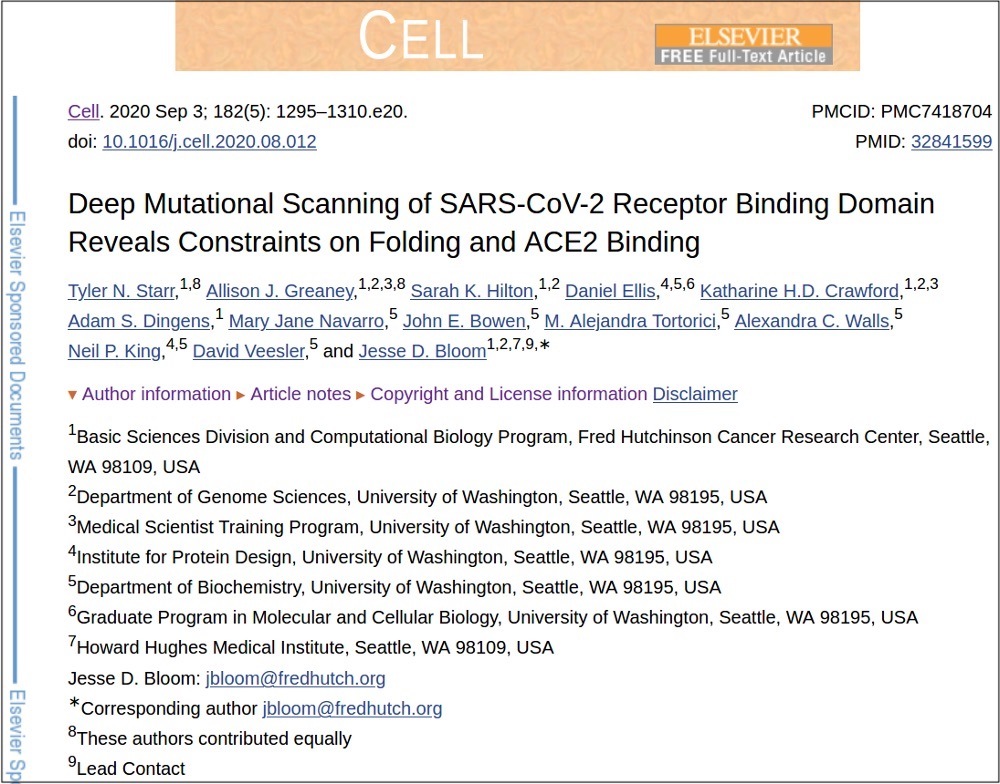
As another note, the third paper was first published in bioRχiv and then published three months later in the peer-reviewed journal Cell. In Cell the paper is labelled ‘Elsevier-Sponsored Documents’ (see image below) (Elsevier is the publishing empire that owns Cell, among hundreds of other journals). I couldn’t find anything online about what ‘Sponsored’ means, nor about what or who sponsored this particular paper; and I couldn’t find any other papers with this designation. So I emailed Cell’s PR manager John Caputo on the evening of Jan. 18 and followed up by leaving him a voicemail message on Jan. 19. I haven’t heard back from him.
‘Deep Mutational Scanning of SARS-CoV-2 Receptor Binding Domain Reveals Constraints on Folding and ACE2 Binding’ (Tyler N. Starr et al.)
A BRIEF WORD ABOUT ANOTHER AMINO-ACID CHANGE IN B.1.1.7
I’ll quickly turn to another of the key changes said to be present in B.1.1.7. This change, the deletion of three amino acids was described in a paper published on the website of medRχiv on November 13, 2020. (Earlier in this article I mention that medRχiv is a creation of the Chan Zuckerberg Initiative.)
The mutation purportedly makes B.1.1.7 invisible to one of the three key functions of the polymerase chain reaction (PCR) test. That function is detection of the gene that has the genetic code for one of the two main spike proteins on the outer surface of the novel coronavirus.
However, that conclusion is based on only sequencing of the virus in a mere six people who tested positive for the novel coronavirus. On top of that, the paper was not subjected to scrutiny by other scientists (a process known as ‘peer review’) before it was published.
In addition, the Covid diagnoses of those six people were themselves determined by PCR. And PCR has been shown to have a very high rate of false positives — that is, to very frequently give a positive result in people who in fact do not harbour the novel coronavirus at all.
The authors of that paper themselves conclude that:
this result should be interpreted with caution. As a limited number of samples with the S-negative profile [i.e., tests that were positive for two of the three portions of the PCR test but not for the third, S-gene, portion] were sequenced, we could not exclude the presence of other S mutations associated with this profile…. Moreover we could not determine whether the deletion affected the primer or other probe-binding region as their coordinates were not available.
It’s a good bet that similar sleights of hand are behind the new wave of papers and headlines focusing on the amino-acid change dubbed E484K.
WHAT’S THE LESSON FROM ALL THIS?
That the pronouncements about the dire danger posed by the new variants aren’t based on solid science.
They appear to be aimed more at scaring the public into submitting to harsher and longer restrictions than helping to create truly evidence-based policies.
So follow the golden rules. Read the primary scientific-paper sources. Analyze them and think for yourself. Don’t let your reasoning be swept away by the 24-7, fear-filled news cycle.
Rosemary Frei has an MSc in molecular biology from the Faculty of Medicine at the University of Calgary, was a freelance medical writer and journalist for 22 years and now is an independent investigative journalist. You can watch her June 15 interview on The Corbett Report, read her other Off-Guardian articles follow her on Twitter and read her website here.
Dr. Brooke Herndon of Dartmouth-Hitchcock Medical Center, shown at left this month, was told last spring that she appeared to have whooping cough.Credit…Jon Gilbert Fox for The New York Times
Dr. Brooke Herndon, an internist at Dartmouth-Hitchcock Medical Center, could not stop coughing. For two weeks starting in mid-April last year, she coughed, seemingly nonstop, followed by another week when she coughed sporadically, annoying, she said, everyone who worked with her.
Before long, Dr. Kathryn Kirkland, an infectious disease specialist at Dartmouth, had a chilling thought: Could she be seeing the start of a whooping cough epidemic? By late April, other health care workers at the hospital were coughing, and severe, intractable coughing is a whooping cough hallmark. And if it was whooping cough, the epidemic had to be contained immediately because the disease could be deadly to babies in the hospital and could lead to pneumonia in the frail and vulnerable adult patients there.
It was the start of a bizarre episode at the medical center: the story of the epidemic that wasn’t. (See link for article)
__________________
**Comment**
Testing fiascos are part and parcel of the CDC’s MO.
By referring to COVID-19 vaccines as “vaccines” rather than gene therapies, the U.S. government is violating its 15 U.S. Code Section 41, which regulates deceptive practices in medical claims
The mRNA injections are gene therapies that do not fulfill a single criteria or definition of a vaccine
COVID-19 “vaccines” do not impart immunity or inhibit transmissibility of the disease. They only are designed to lessen your infection symptoms if or when you get infected. As such, these products do not meet the legal or medical definition of a vaccine
Since a vast majority of people who test positive for SARS-CoV-2 have no symptoms at all, they’ve not even been able to establish a causal link between the virus and the clinical disease
By calling this experimental gene therapy technology a “vaccine,” they are circumventing liability for damages that would otherwise apply
Did you know that mRNA COVID-19 vaccines aren’t vaccines in the medical and legal definition of a vaccine? They do not prevent you from getting the infection, nor do they prevent its spread. They’re really experimental gene therapies.
I discussed this troubling fact in a recent interview with molecular biologist Judy Mikovits, Ph.D. While the Moderna and Pfizer mRNA shots are labeled as “vaccines,” and news agencies and health policy leaders call them that, the actual patents for Pfizer’s and Moderna’s injections more truthfully describe them as “gene therapy,” not vaccines.
Definition of ‘Vaccine’
According to the U.S. Centers for Disease Control and Prevention,1 a vaccine is “a product that stimulates a person’s immune system to produce immunity to a specific disease, protecting the person from that disease.” Immunity, in turn, is defined as “Protection from an infectious disease,” meaning that “If you are immune to a disease, you can be exposed to it without becoming infected.”
Neither Moderna nor Pfizer claim this to be the case for their COVID-19 “vaccines.” In fact, in their clinical trials, they specify that they will not even test for immunity.
Unlike real vaccines, which use an antigen of the disease you’re trying to prevent, the COVID-19 injections contain synthetic RNA fragments encapsulated in a nanolipid carrier compound, the sole purpose of which is to lessen clinical symptoms associated with the S-1 spike protein, not the actual virus.
They do not actually impart immunity or inhibit transmissibility of the disease. In other words, they are not designed to keep you from getting sick with SARS-CoV-2; they only are supposed to lessen your infection symptoms if or when you do get infected.
As such, these products do not meet the legal or medical definition of a vaccine, and as noted by David Martin, Ph.D., in the video above, “The legal ramifications of this deception are immense.”
15 U.S. Code Section 41
As explained by Martin, 15 U.S. Code Section 41 of the Federal Trade Commission Act2 is the law that governs advertising of medical practices. This law, which dictates what you may and may not do in terms of promotion, has for many years been routinely used to shut down alternative health practitioners and companies.
“If this law can be used to shut down people of good will, who are trying to help others,” Martin says, “it certainly should be equally applied when we know deceptive medical practices are being done in the name of public health.”
Per this law, it is unlawful to advertise:
“… that a product or service can prevent, treat, or cure human disease unless you possess competent and reliable scientific evidence, including, when appropriate, well-controlled human clinical studies, substantiating that the claims are true at the time they are made.”3
What Constitutes ‘The Greater Good’?
Martin points to the 1905 Supreme Court ruling in Jacobson vs. Massachusetts,4 which essentially established that collective benefit supersedes individual benefit. To put it bluntly, it argued that it’s acceptable for individuals to be harmed by public health directives provided it benefits the collective.
Now, if vaccination is a public health measure that is supposed to protect and benefit the collective, then it would need to a) ensure that the individual who is vaccinated is rendered immune from the disease in question; and b) that the vaccine inhibits transmission of the disease.
Only if these two outcomes can be scientifically proven can you say that vaccination protects and benefits the collective — the population as a whole. This is where we run into problems with the mRNA “vaccines.”
Moderna’s SEC filings, which Martin claims to have carefully reviewed, specifies and stresses that its technology is a “gene therapy technology.” Originally, its technology was set up to be a cancer treatment, so more specifically, it’s a chemotherapy gene therapy technology.
As noted by Martin, who would raise their hand to receive prophylactic chemotherapy gene therapy for a cancer you do not have and may never be at risk for? In all likelihood, few would jump at such an offer, and for good reason.
Moreover, states and employers would not be able to mandate individuals to receive chemotherapy gene therapy for a cancer they do not have. It simply would not be legal. Yet, they’re proposing that all of humanity be forced to get gene therapy for COVID-19.
COVID-19 Vaccines — A Case of False Advertising
Now, if the COVID-19 vaccine really isn’t a vaccine, why are they calling it that? While the CDC provides a definition of “vaccine,” the CDC is not the actual law. It’s an agency empowered by the law, but it does not create law itself. Interestingly enough, it’s more difficult to find a legal definition of “vaccine,” but there have been a few cases. Martin provides the following examples:
• Iowa code — “Vaccine means a specially prepared antigen administered to a person for the purpose of providing immunity.” Again, the COVID-19 vaccines make no claim of providing immunity. They are only designed to lessen symptoms if and when you get infected.
• Washington state code — “Vaccine means a preparation of a killed or attenuated living microorganism, or fraction thereof …” Since Moderna and Pfizer are using synthetic RNA, they clearly do not meet this definition.
Being a manmade synthetic, the RNA used is not derived from anything that has at one point been alive, be it a whole microorganism or a fraction thereof. The statute continues to specify that a vaccine “upon immunization stimulates immunity that protects us against disease …”
So, in summary, “vaccine” and “immunity” are well-defined terms that do not match the end points specified in COVID-19 vaccine trials. The primary end point in these trials is: “Prevention of symptomatic COVID-19 disease.” Is that the same as “immunity”? No, it is not.
There Are More Problems Than One
But there’s another problem. Martin points out that “COVID-19 disease” has been defined as a series of clinical symptoms. Moreover, there’s no causal link between SARS-CoV-2, the virus, and the set of symptoms known as COVID-19.
How is that, you might ask? It’s simple, really. Since a vast majority of people who test positive for SARS-CoV-2 have no symptoms at all, they’ve not been able to establish a causal link between the virus and the clinical disease.
Here’s yet another problem: The primary end point in the COVID-19 vaccine trials is not an actual vaccine trial end point because, again, vaccine trial end points have to do with immunity and transmission reduction. Neither of those were measured.
What’s more, key secondary end points in Moderna’s trial include “Prevention of severe COVID-19 disease, and prevention of infection by SARS-CoV-2.” However, by its own admission, Moderna did not actually measure infection, stating that it was too “impractical” to do so.
That means there’s no evidence of this gene therapy having an impact on infection, for better or worse. And, if you have no evidence, you cannot fulfill the U.S. Code requirement that states you must have “competent and reliable scientific evidence … substantiating that the claims are true.”
Why Are They Calling Them Vaccines?
As noted by Martin, you cannot have a vaccine that does not meet a single definition of a vaccine. So, again, what would motivate these companies, U.S. health agencies and public health officials like Dr. Anthony Fauci to lie and claim that these gene therapies are in fact vaccines when, clearly, they are not?
If they actually called it what it is, namely “gene therapy chemotherapy,” most people would — wisely — refuse to take it. Perhaps that’s one reason for their false categorization as vaccines. But there may be other reasons as well.
Here, Martin strays into conjecture, as we have no proof of their intentions. He speculates that the reason they’re calling this experimental gene therapy technology a “vaccine” is because by doing so, they can circumvent liability for damages.
As long as the U.S. is under a state of emergency, things like PCR tests and COVID-19 “vaccines” are allowed under emergency use authorization. And as long as the emergency use authorization is in effect, the makers of these experimental gene therapies are not financially liable for any harm that comes from their use.
That is, provided they’re “vaccines.” If these injections are NOT vaccines, then the liability shield falls away, because there is no liability shield for a medical emergency countermeasure that is gene therapy.
So, by maintaining the illusion that COVID-19 is a state of emergency, when in reality it is not, government leaders are providing cover for these gene therapy companies so that they can get immunity from liability.
Under the Cover of ‘Emergency’
As noted by Martin, if state governors were to lift the state of emergency, all of a sudden the use of RT PCR testing would be in violation of 15 U.S. Code FTC Act, as PCR tests are not an approved diagnostic test.
“You cannot diagnose a thing [with something] that cannot diagnose a thing,” Martin says.“That a misrepresentation. That is a deceptive practice under the Federal Trade Commission Act. And they’re liable for deceptive practices.”
Importantly, there’s no waiver of liability under deceptive practices — even under a state of emergency. This would also apply to experimental gene therapies. The only way for these gene therapies to enjoy liability shielding is if they are vaccines developed in response to a public health emergency. There is no such thing as immunity from liability for gene therapies.
Propaganda and Vaccine Rollout Run by Same Company
Martin brings up yet another curious point. The middleman in Operation Warp Speed is a North Carolina defense contractor called ATI. It controls the rollout of the vaccine. But ATI also has another type of contract with the Department of Defense, namely managing propaganda and combating misinformation.
So, the same company in charge of manipulating the media to propagate government propaganda and censor counterviews is the same company in charge of the rollout of “vaccines” that are being unlawfully promoted.
“Listen,” Martin says. “This is a pretty straight-forward situation. You’re being lied to. Your own government is violating its own laws … They have thrown this book [15 U.S. Code Section 41] on more people than we can count.
They have shut down practitioners around the country, time and time again, for violating what are called ‘deceptive practices in medical claims’ … Guess what? They’re doing exactly that thing.”
Martin urges listeners to forward his video to your state attorney, governor, representatives and anyone else that might be in a position to take affirmative action to address and correct this fraud.
Defense contractors are violating FTC law, and gene therapy companies — not vaccine manufacturers — are conducting experimental trials under deceptive medical practices. They’re making claims of being “vaccines” without clinical proof, and must be held accountable for their deceptive marketing and medical practices.
CDC Owns Coronavirus Patents
On a side note, the CDC appears to be neck-deep in this scam pandemic, and is therefore wholly unsuitable to investigate the side effects of these experimental COVID-19 therapies. As noted by Martin, it’s like having a bank robber investigate its own crime.
Details about this came out in the documentary “Plandemic,” in which Martin explained how the CDC has broken the law — in one way or another — related to its patenting of the 2003 SARS virus.
Martin is a national intelligence analyst and founder of IQ100 Index, which developed linguistic genomics, a platform capable of determining the intent of communications. In 1999, IBM digitized 1 million U.S. patents, which allowed Martin’s company to conduct a review of all these patents, sending him down a proverbial “rabbit trail” of corruption.
In 2003, Asia experienced an outbreak of SARS. Almost immediately, scientists began racing to patent the virus. Ultimately, the CDC nabbed ownership of SARS-CoV (the virus responsible for SARS) isolated from humans.
So, the CDC actually owns the entire genetic content of that SARS virus. It’s patented under U.S. patent 7776521. They also own patents for detection methods, and for a kit to measure the virus.
U.S. patent 7279327,5 filed by the University of North Carolina at Chapel Hill, describes methods for producing recombinant coronaviruses. Ralph Baric, Ph.D., a professor of microbiology and immunology who is famous for his chimeric coronavirus research, is listed as one of the three inventors, along with Kristopher Curtis and Boyd Yount.
According to Martin, Fauci, Baric and the CDC “are at the hub” of the whole COVID-19 story. “In 2002, coronaviruses were recognized as an exploitable mechanism for both good and ill,” Martin says, and “Between 2003 and 2017, they [Fauci, Baric and CDC] controlled 100% of the cash flow to build the empire around the industrial complex of coronavirus.”
How the CDC Broke the Law
The key take-home message Martin delivers in “Plandemic” is that there’s a distinct problem with the CDC’s patent on SARS-CoV isolated from humans, because, by law, naturally occurring DNA segments are prohibited from being patented.
The law clearly states that such segments are “not patent eligible merely because it has been isolated.” So, either SARS-CoV was manmade, which would render the patent legal, or it’s natural, thus rendering the patent on it illegal.
However, if the virus was manufactured, then it was created in violation of biological weapons treaties and laws. This includes the Biological Weapons Anti-Terrorism Act of 1989, passed unanimously by both houses of Congress and signed into law by George Bush Sr., which states:6
“Whoever knowingly develops, produces, stockpiles, transfers, acquires, retains, or possesses any biological agent, toxin, or delivery system for use as a weapon, or knowingly assists a foreign state or any organization to do so, shall be fined under this title or imprisoned for life or any term of years, or both. There is extraterritorial Federal jurisdiction over an offense under this section committed by or against a national of the United States.”
So, as noted by Martin in the documentary, regardless of which scenario turns out to be true, the CDC has broken the law one way or another, either by violating biological weapons laws, or by filing an illegal patent. Even more egregious, May 14, 2007, the CDC filed a petition with the patent office to keep their coronavirus patent confidential.
Now, because the CDC owns the patent on SARS-CoV, it has control over who has the ability to make inquiries into the coronavirus. Unless authorized, you cannot look at the virus, you cannot measure it or make tests for it, since they own the entire genome and all the rest.
“By obtaining the patents that restrained anyone from using it, they had the means, the motive, and most of all, they had the monetary gain from turning coronavirus from a pathogen to a profit,” Martin says.
In the lecture above, Dr. Simone Gold — founder of America’s Frontline Doctors, which has been trying to counter the false narrative surrounding hydroxychloroquine — reviews the dangers discovered during previous coronavirus vaccine trials, and the hazards of current mRNA gene therapies, including antibody-dependent immune enhancement.
Antibody-dependent immune enhancement results in more severe disease when you’re exposed to the wild virus, and increases your risk of death. The synthetic RNA and the nanolipid its encased in may also have other, more direct side effects. As explained by Mikovits in our recent interview:
“Normally, messenger RNA is not free in your body because it’s a danger signal. The central dogma of molecular biology is that our genetic code, DNA, is transcribed, written, into the messenger RNA. That messenger RNA is translated into protein, or used in a regulatory capacity … to regulate gene expression in cells.
So, taking a synthetic messenger RNA and making it thermostable — making it not break down — [is problematic]. We have lots of enzymes (RNAses and DNAses) that degrade free RNA and DNA because, again, those are danger signals to your immune system. They literally drive inflammatory diseases.
Now you’ve got PEG, PEGylated and polyethylene glycol, and a lipid nanoparticle that will allow it to enter every cell of the body and change the regulation of our own genes with this synthetic RNA, part of which actually is the message for the gene syncytin …
Syncytin is the endogenous gammaretrovirus envelope that’s encoded in the human genome … We know that if syncytin … is expressed aberrantly in the body, for instance in the brain, which these lipid nanoparticles will go into, then you’ve got multiple sclerosis.
The expression of that gene alone enrages microglia — literally inflames and dysregulates the communication between the brain microglia — which are critical for clearing toxins and pathogens in the brain and the communication with astrocytes.
It dysregulates not only the immune system, but also the endocannabinoid system, which is the dimmer switch on inflammation. We’ve already seen multiple sclerosis as an adverse event in the clinical trials … We also see myalgic encephalomyelitis. Inflammation of the brain and the spinal cord …”
Making matters worse, the synthetic mRNA also has an HIV envelope expressed in it, which can cause immune dysregulation. As we discussed in previous interviews, SARS-CoV-2 has been engineered in the lab with gain-of-function research that included introducing the HIV envelope into the spike protein.
Are You in a High-Risk Group for Side Effects?
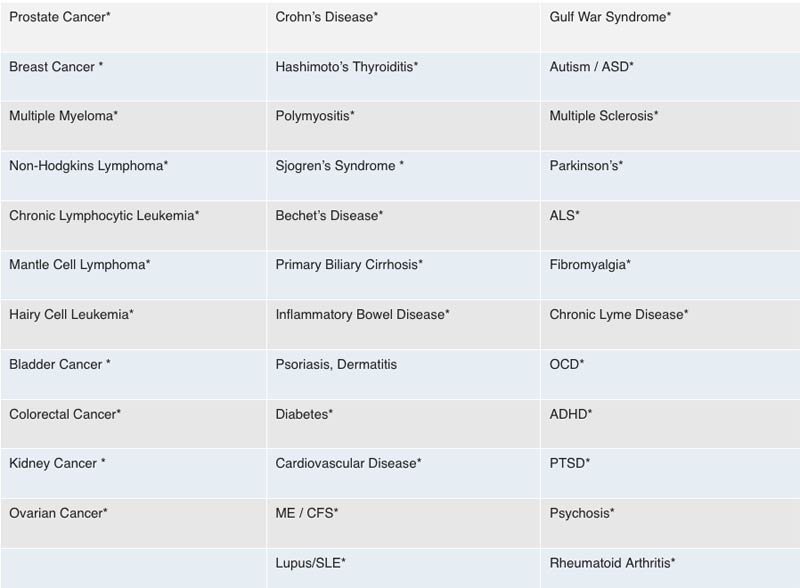
Mikovits’ hypothesis is that those who are most susceptible to severe neurological side effects and death from the COVID-19 vaccines are those who have previously been injected with XMRVs, borrelia, babesia or mycoplasma through contaminated vaccines, resulting in chronic disease, as well as anyone with an inflammatory disease like rheumatoid arthritis, Parkinson’s disease or chronic Lyme disease, for example, and anyone with an acquired immune deficiency from any pathogens and environmental toxins.
The chart below lists 35 diseases that are likely to render you more susceptible to severe side effects or death from COVID-19 gene therapy injections.
Many of the symptoms now being reported are suggestive of neurological damage. They have severe dyskinesia (impairment of voluntary movement), ataxia (lack of muscle control) and intermittent or chronic seizures. Many cases detailed in personal videos on social media are quite shocking. According to Mikovits, these side effects are due to neuroinflammation, a dysregulated innate immune response, and/or a disrupted endocannabinoid system.
Another common side effect from the vaccine we’re seeing is allergic reactions, including anaphylactic shock. A likely culprit in this is PEG (polyethylene glycol), which an estimated 70% of Americans are allergic to.
Experimental Gene Therapy Is a Bad Idea
Circling back to where we began, COVID-19 vaccines are not vaccines. They are experimental gene therapies that are falsely marketed as vaccines, likely to circumvent liability. World governments and global and national health organizations are all complicit in this illegal deception and must be held accountable.
Ask yourself the question Martin asked in his video: Would you agree to take an experimental chemotherapy gene therapy for a cancer you do not have? If the answer is no, then why would you even consider lining up for an experimental gene therapy for COVID-19 — a set of clinical symptoms that haven’t even been causally linked to SARS-CoV-2?
These injections are not vaccines. They do not prevent infection, they do not render you immune, and they do not prevent transmission of the disease. Instead, they alter your genetic coding, turning you into a viral protein factory that has no off-switch. What’s happening here is a medical fraud of unprecedented magnitude, and it really needs to be stopped before it’s too late for a majority of people.
_______________________
**Comment**
Remember, the same people/organizations behind the Lyme/MSIDS fraud are behind the current fraud surrounding COVID. They’ve been committing fraud for over 40 years and they haven’t stopped.
PLEASE NOTE CHRONIC LYME IS LISTED AS HIGH RISK FOR SIDE EFFECTS.
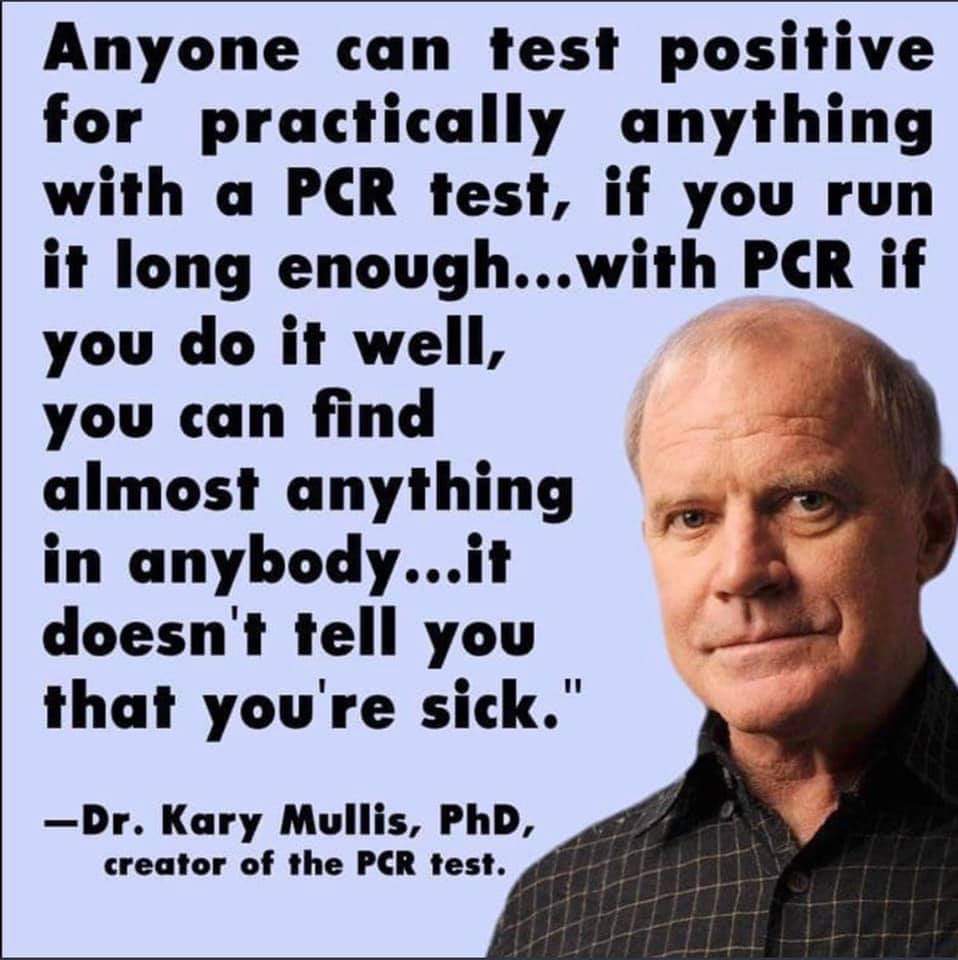
The entire house of cards is built upon faulty testing. Please see the following quote from the creator of the PCR test who states this fact:
It discusses the nanotechnology used in the COVID testing swab:https://www.sciencedirect.com/science/article/abs/pii/S0169409X08002640 (Are we being tested or vaccinated and nano chipped without our knowledge?) A Morgellons patient states that the same silver fibers coming out of her body are found in the COVID test swab. https://www.morgellonsexposed.com A doctor discusses this at about 12:00 (these fibers won’t burn).
Gene editing
At about 17:50 Dr. Lorraine Day states that this genetic modification makes you patentable. She states that the COVID test vaccinates you & hooks you up to the Cloud. The following patents are revealing: https://patents.google.com/patent/US10163055B2/enAbstract: Methods, systems, and products provide interfaces between intrahost networks and interhost networks within biological hosts. Neuroregional translations are performed to route communications to and from the biological hosts. Bioregional translations may also be performed to route communications to and from the biological hosts. Also see: https://madisonarealymesupportgroup.com/2020/04/29/gates-patent-for-body-activity-data-apparatus/Abstract:“Human body activity associated with a task provided to a user(1) may be used in a mining process of a cryptocurrency system. A server may provide a task to a device of a user which is communicatively coupled to the server(2). A sensor communicatively coupled to or comprised in the device(3) of the user may sense body activity of the user. Body activity data may be generated based on the sensed body activity of the user. The cryptocurrency system communicatively coupled to the device of the user may verify if the body activity data satisfies one or more conditions set by the cryptocurrency system(4), and award cryptocurrency to the user whose body activity data is verified.”(5)
Around 29:00 Dr. Martin goes into how the COVID injection is NOT a vaccine but a pathogen creator, and that the use of the term “vaccine” for this is unconscionable. A “packet of technology” is being inserted into the human body.
The Chinese biological lab in Wuhan is owned by GlaxoSmith Kline which merged with and owns 70% controlling stake in Pfizer (a COVID injection manufacturer). Pfizer manages the finances of Black Rock & Black Rock owns stakes in both Pfizer, AstraZeneca, and another company developing a COVID injection. Black Rock also has a partnership with Thompson Reuters, a multimillion dollar national media conglomerate, which essentially controls all the news.
The COVID-19 test kit (902780) was ordered back in 2018 by many countries including the U.S.
There’s an important section on anaphylaxis and a bit of history on Charles Richet’s work found here: https://www.nobelprize.org/prizes/medicine/1913/richet/lecture/ In short, it’s all about the importance of the interval between injections. Experiments by 1902 showed: (1) a subject that had a previous injection is far more sensitive than a new subject; (2) that the symptoms characteristic of the second injection, namely swift and total depression of the nervous system, do not in any way resemble the symptoms characterizing the first injection; (3) a three or four week period must elapse before the anaphylactic state results. This is the period of incubation. This 3 weeks is now what the UK is recommending for the second dose.
This alleged virus has never been isolated, has the same survival rate as the flu, many are asymptomatic or have mild symptoms, and those that die are typically elderly with comorbidities. Also – the seasonal flu has completely disappeared: https://madisonarealymesupportgroup.com/2020/11/03/why-is-cdc-scaring-us-to-death/ Yet our public ‘authorities’ want us to believe that we must get this shot due to some horrific threat.
At about 1:43 Dr. Cowan describes 31 papers from peer-reviewed journals claiming isolation of COVID-19. Here’s another similar article: https://blog.nomorefakenews.com/2020/10/19/dr-tom-cowan-explores-the-covid-virus-invented-out-of-sheer-nonsense/He states there is NOT ONE study proving COVID-19 exists. His explanation needs to be understood and shared. This is the root of the issue scientifically. Please listen to his explanation as he does a fantastic job explaining this to the lay-man.
Borrelia miyamotoi, a bacterium that causes relapsing fever, is found in ixodid ticks throughout the northern hemisphere. The first cases of human infection with B. miyamotoi were identified in 2011. In the eastern USA, blacklegged ticks (Ixodes scapularis) become infected by feeding on an infected vertebrate host, or through transovarial transmission. We surveyed B. miyamotoi prevalence in ticks within forested habitats in Dutchess County, New York, and identified possible reservoir hosts. To assess spatial variation in infection, we collected questing nymphal ticks at > 150 sites. To assess temporal variation in infection, we collected questing nymphs for 8 years at a single study site. We collected questing larval ticks from nine plots to estimate the amount of transovarial transmission. To evaluate potential reservoir hosts, we captured 14 species of mammal and bird hosts naturally infested with larval blacklegged ticks and held these hosts in the laboratory until ticks fed to repletion and molted to nymphs. We determined infection for all ticks using quantitative polymerase chain reaction.
The overall infection prevalence of questing nymphal ticks across all sites was ~ 1%, but prevalence at individual sites was as high as 9.1%.
We detected no significant increase in infection through time.
Only 0.4% of questing larval ticks were infected.
Ticks having fed as larvae from short-tailed shrews, red squirrels, and opossums tended to have higher infection prevalence than did ticks having fed on other hosts.
Further studies of the role of hosts in transmission are warranted. The locally high prevalence of B. miyamotoiin the New York/New England landscape suggests the importance of vigilance by health practitioners and the public.
______________________
**Comment**
A perfect example of how there can be high infection rates in humans but low infection rates in ticks.