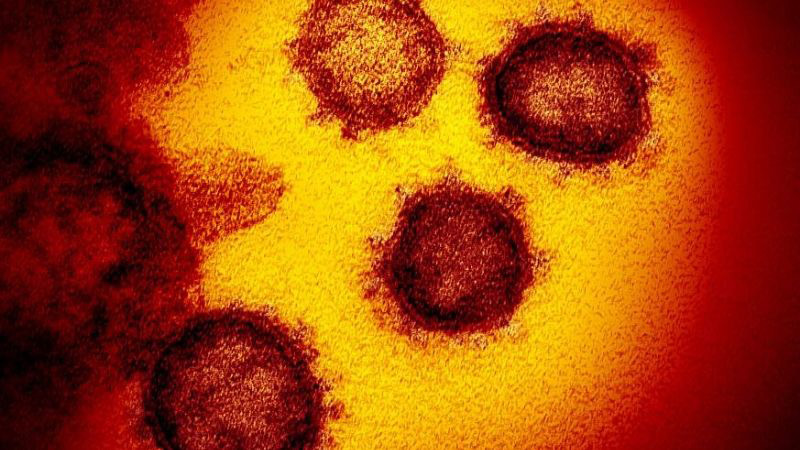
CHRONIC NEUROLOGICAL LYME DISEASE OR CO-MORBID CONDITIONS?
Some patients with chronic neurological Lyme disease continue to have persistent, debilitating symptoms following treatment.
A recent study confirmed the severity of chronic symptoms in this patient population but unfortunately dismissed the symptoms, attributing them to various co-morbid conditions, rather than Lyme disease. [1]
According to the authors, a higher proportion of their chronic neurological Lyme disease patients reported severe fatigue. Furthermore, “Mental health-related quality of life was poorer among [neuroborreliosis] NB-treated patients than in normative data.”
Although many of the patients’ symptoms are consistent with those found in chronic neurological Lyme disease, the authors attributed the symptoms to co-morbid illnesses, based on a retrospective review of the medical records.
The symptoms included: radiating pain, general pain, fatigue, facial palsy, malaise, dizziness and/or unsteadiness, headache, numbness in arm and/or leg, memory and/or concentration problems, paresis in arm and/or leg, and diplopia.
Co-morbid conditions listed for these patients included: fibromyalgia, allergies, depression or anxiety, multiple sclerosis, systemic disease sarcoidosis, systemic lupus erythematosus, Sjögren’s syndrome, rheumatoid arthritis, chronic fatigue syndrome, Parkinson’s disease, thyroid dysfunctions, and cancer.
Note: The study was not designed to assess whether the patient, in fact, had the co-morbidity listed in their records or instead had complications of chronic neurological Lyme disease.
Eikeland R, Ljostad U, Helgeland G, et al. Patient-reported outcome after treatment for definite Lyme neuroborreliosis. Brain Behav. 2020:e01595.
____________________
**Comment**
Another worthless study to add to the ever increasing pile of trash.
These poor, sick people were given all sorts of labels: fibromyalgia, lupus, Sjogren’s, RA, CFS, Parkinson’s, cancer – the typical “bad guys,” but ALL were infected with Lyme disease which can cause symptoms indicative of those labels.
It’s very interesting that with Lyme disease, “authorities” want to blame anything other than a persistent borrelia infection, but with COVID-19, those same “authorities” want to blame everything on COVID-19. This should smell bad to you. This is not science – it’s biased, narrative-driven propaganda.
LYME PODCAST: A BABESIA INFECTION 3 WEEKS AFTER TREATMENT FOR LYME DISEASE.
I will discuss a 67-year-old woman with a Babesia infection 3 weeks after treatment for Lyme disease. Could this delay explain why some patients remain ill or relapse?
She was prescribed amoxicillin for three-weeks as she was allergic to doxycycline.
Near the end of three-week of amoxicillin, she became ill. Her fever rose to 102.9 F0. She complained of myalgias, dizziness, and fatigue.
Her blood test showed mild anemia, a low platelet count and neutrophil count, and a very high C-reactive protein.
neutrophil is a type of white blood cell that helps resolve infections and heal damaged tissues. A low neutrophil count can be seen in tick-borne diseases.
A high C-reactive protein is a marker for inflammation but cannot be used to determine what type of inflammation.
She was admitted to the hospital. The doctors thought she might be suffering from sepsis or a tick-borne infection.
Sepsis is a life-threatening illness caused by your body’s response to an infection.
Her red blood count and platelets continued to drop.
She was transferred to a second hospital.
There was no evidence of sepsis. The blood cultures were negative after five days.
BABESIA INFECTION
She was diagnosed with the parasite Babesia microti by PCRand by a thin smear of her red blood cells. Typically, Babesia microti is seen on a thick smear of blood. In her case, 0.4% of her red blood cells showed the parasite Babesia microti on a thin smear.
Babesia infections can be severe and, in rare cases, life-threatening. Babesia infections can also be mild or without symptoms. Babesia was more likely to be severe in this woman as she was over 50-years of age and had a history of colon cancer.
She was prescribed a 10-day course of azithromycin and atovaquone. By 5th day of treatment, her fever had resolved, and her platelet count had more than doubled from a low of 17,000 per dl to 42, 000 per dl.
The authors report that the woman remains fatigued after completing treatment.
The authors discussed the nearly three-week gap in time between the woman’s erythema migrans rash and her diagnosis of Babesia. This is not the first case where the onset of Babesia was delayed.
The authors cited two papers describing a 3 to 4-week delay in the onset of Babesia. I described a paper in an earlier podcast where two babies contracted Babesia from their mothers. They did not present with Babesia until after being discharged from the hospital. You can read more about these babies in the article by Saetre and colleagues or listen to my Inside Lyme podcast titled. “Two children who contacted Babesia from their mother.”
This delay may explain why some Lyme disease patients relapse after initially improving with doxycycline or amoxicillin. Treatment for Lyme disease with doxycycline or amoxicillin is not effective for the treatment of Babesia.
What can we learn from this cases?
Babesia infections can occur weeks after the onset of Lyme disease.
What questions does these cases raise?
Should the woman have been evaluated for Babesia infection at the time of the erythema migrans?
Would a Babesia infection have been recognized if the woman had not been diagnosed with Lyme disease?
Should Lyme disease patients be advised to return for follow-up?
Would earlier treatment have avoided the need for hospitalization?
What is the long-term outcome for this woman with a Babesia infection
TREATING TICK-BORNE DISEASE IN MY PRACTICE
In my practice, each individual requires a careful assessment. That is why I order a broad range of blood tests for other illnesses in addition to tick-borne infections. I also arrange consultations with specialists as needed.
Many patients are complex, as highlighted in this Inside Lyme Podcast series.
We need more doctors with skills recognizing Babesia in a patient with Lyme disease. We hope that professionals evaluating individuals with Lyme disease can use this case to remind them to look for Babesia with Lyme disease.
Inside Lyme Podcast Series
This Inside Lyme case series will be discussed on my Facebook and made available on podcast and YouTube. As always, it is your likes, comments, and shares that help spread the word about this series and our work. If you can, please leave a review on iTunes or wherever else you get your podcasts.
Sign up for our newsletter to keep up with our cases.
You may be wondering why I am discussing COVID-19 during an Inside Lyme podcast. I am concerned for my children, grandchildren, and my patients. I want to share my understanding of COVID-19 through my eyes as a clinical epidemiologist.
COVID-19 is now a pandemic. We need an effective and safe drug to treat this virus.
Researchers have turned to existing drugs that might be effective without causing significant side effects. Hydroxychloroquine and chloroquine have been prescribed for the treatment and prophylaxis of malaria in addition to the treatment of autoimmune diseases. Hydroxychloroquine and azithromycin have also been prescribed for Lyme disease patients. Hydroxychloroquine and azithromycin have been marketed under the name Plaquenil and Zithromax, respectively in the US.
Both chloroquine and hydroxychloroquine have side effects. The most common side effect of hydroxychloroquine is nausea and diarrhea. In rare cases, hydroxychloroquine can lead to reduced white blood cells, platelets count, anemia, and retinopathy. Retinopathy can lead to color blindness and loss of vision. Both hydroxychloroquine and azithromycin can lead to sudden death from a prolonged QT interval.
ANTIVIRAL EFFECTS OF HYDROXYCHLOROQUINE AND CHLOROQUINE
Hydroxychloroquine and chloroquine have shown some antiviral benefits in vitro(Wang, 2020, letter) Both have been studied for other related viruses, including Severe Acute Respiratory Syndrome (SARS) and Middle East Respiratory Syndrome (Mers).
Chloroquine improved outcomes in a series of small studies in China. Gao and colleagues discussed the finding in the journal BioScience Trends .
“Thus far, results from more than 100 patients have demonstrated that chloroquine phosphate is superior to the control treatment in inhibiting the exacerbation of pneumonia, improving lung imaging findings, promoting a virus negative conversion, and shortening the disease course according to the news briefing.”
These findings led the State Council in China to approve chloroquine for COVIID-19
FIRST FRENCH CLINICAL TRIAL BY GAUTRET AND COLLEAGUES
Gautret and colleagues published a French trial evaluating the benefit and risks of hydroxychloroquine and Zithromax for the treatment of COVID-19.
The authors prescribed 600 mg of hydroxychloroquine to 26 patients with COVID-19. Two were asymptomatic. Ten had upper tract respiratory infections, and six had lower tract respiratory infections. The doctors prescribed azithromycin to 6 of their patients with COVID-19 to prevent bacterial superinfection.
The authors were able to show a significant reduction in the viral load in nasopharyngeal samples of their COID-19 patients treated with hydroxychloroquine compared to COVID-19 patients who were not treated.
The authors were able to show even a greater reduction in viral load in the six COVID-19 patients when Zithromax was added.
Only one of the 26 patients treated with hydroxychloroquine was dropped from the study due to an adverse event. That patient dropped out due to nausea.
The authors explained why they decided to share their findings early.
“For ethical reasons and because our first results are so significant and evident, we decide to share our findings with the medical community, given the urgent need for an effective drug against SARS-CoV-2 in the current pandemic context.”
FLAWS IN THE FIRST FRENCH TRIAL BY GAUTRET
The Gautret trial was small and flawed. They should have used controls from the same hospital with the same characteristics as the 26 treated patients. Instead, they enrolled 16 controls were from other centers.
The Gautret trial did not evaluate whether a reduction or elimination of the COVID-19 virus in saliva would prevent outcomes important to patients such as a transfer to an intensive care unit or death. Four of the 26 patients treated with hydroxychloroquine did poorly. Three were transferred to the intensive care unit. One died. None of the patients with a COVID—19 infection developed a QT prolongation.
The Gautret trial was not designed to determine if the absence if COVID-19 from the saliva meant the absence of COVID-19 from other tissues.
The Gautret trial could not determine if the benefits seen for the six COVID-19 patients treated with azithromycin were from an antiviral effect or an antibiotic effect.
SECOND FRENCH TRIAL
A recently published second French trial by Gautret and colleagues added further support for the hydroxychloroquine with azithromycin.
“In 80 in-patients receiving a combination of hydroxychloroquine and azithromycin we noted a clinical improvement in all but one 86 year-old patient who died, and one 74-year-old patient still in intensive care unit.”
PLANNED TRIALS
Researchers at the University of Minnesota are planning on a trial “to see whether malaria treatment hydroxychloroquine can prevent or reduce the severity of the coronavirus disease (COVID-19)” writes Gabe Gutierrez and Dennis Romero in NBCNews.
COULD CUTTING THE COVID-19 VIRAL LOAD BE HELPFUL?
Yes, according to Gautret. “hydroxychloroquine and azithromycin “can play a role in controlling the disease epidemic by limiting the duration of virus shedding, which can last for several weeks in the absence of specific treatment.” write Gautret.
COULD HYDROXYCHLOROQUINE AND AZITHROMYCIN FOR INDIVIDUALS WITH COVID-19 BE HELPFUL?
Yes, according to both Gautret trials. Hydroxychloroquine and azithromycin lowered the COVID-19 viral load patient. Moreover, most of the patients with a COVID-19 infection were improved or discharged in the second Gautret trial.
COULD HYDROXYCHLOROQUINE AND AZITHROMYCIN PREVENT COVID-19 INFECTION?
Neither Gautret trials assessed whether hydroxychloroquine with azithromycin would be effective for prophylaxis before an infection. The study only enrolled hospitalized patients already infected with the COVID-19 virus.
WHAT NOW?
For now, researchers and politicians are divided on whether to recommend hydroxychloroquine and azithromycin for the prevention and treatment of COVID-19. There is growing pressure on doctors to wait for science.
Doctors have patients who are sick now. Doctors have patients who want to prevent getting COVID-19.
“The Food and Drug Administration (FDA) on Sunday issued an emergency-use authorization for a pair of anti-malaria drugs as health officials work to combat the rapid spread of the novel coronavirus.” writes Jusin Wise in The Hill.
Stay tuned.
References:
Wang M, Cao R, Zhang L, Yang X, Liu J, Xu M, Shi Z, Hu Z, Zhong W, Xiao G. Remdesivir and chloroquine effectively inhibit the recently emerged novel coronavirus (2019-nCoV) in vitro. Cell Res. 2020 Mar;30(3):269-271.
Gautret P, Lagier JC, Parola P, Hoang VT, Meddeb L, Mailhe M, Doudier B, Courjon J, Giordanengo V, Vieira VE, Dupont HT, Honoré S, Colson P, Chabrière E, La Scola B, Rolain JM, Brouqui P, Raoult D. Hydroxychloroquine and azithromycin as a treatment of COVID-19: results of an open-label non-randomized clinical trial. Int J Antimicrob Agents. 2020 Mar 20:105949.
Cai J, Xu J, Lin D, Yang Z, Xu L, Qu Z, Zhang Y, Zhang H, Jia R, Liu P, Wang X, Ge Y, Xia A, Tian H, Chang H, Wang C, Li J, Wang J, Zeng M. A Case Series of children with 2019 novel coronavirus infection: clinical and epidemiological features. Clin Infect Dis. 2020 Feb 28. pii: ciaa198
Gao J, Tian Z, Yang X. Breakthrough: Chloroquine phosphate has shown apparent efficacy in treatment of COVID-19 associated pneumonia in clinical studies. Biosci Trends. 2020 Mar 16;14(1):72-73.
Gautret P, Lagier JC, Parola P, and colleagues. Clinical and microbiological effect of a combination of hydroxychloroquine and azithromycin in 80 COVID-19 patients with at least a six-day follow up: an observational study. To be published as of 3/20/20.
Clinical trials on coronavirus drugs may take only months, researcher says. Gabe Gutierrez and Dennis Romero, From NBCNew.com Last accessed 3/29/20.
_____________
**Comment**
I posted this recently, but “authorities” have been bad-mouthing HCQ because many of them are getting financial kick-backs from Gilead Science, the manufacturer of the anti-viral Remdesivir, which bombed for Ebola, so they dug it out of the drug graveyard and are repurposing it for COVID-19. HCQ is a direct competitor and the CDC/NIH won’t have it. They diss any test or treatment that competes with their own. It’s all about profits. This is why nothing will change until these people can not have patents and conflicting interests. See: https://madisonarealymesupportgroup.com/2020/05/08/update-cdc-playbook-learning-from-lyme/
Approximately $70 million in U.S. taxpayer funding began Gilead’s partnership with the U.S. Army, Centers for Disease Control and Prevention (CDC) and National Institutes of Health (NIH) to develop remdesivir. Initially for treating Ebola, it failed to show benefit and was shelved. If remdesivir is used to treat COVID-19, Gilead shareholders, not the taxpayers, will profit.
Gilead’s own press release revealed the side effect of acute respiratory failure in 6% of patients in the remdesivir five-day treatment group, and 10.7% of patients in the 10-day treatment group, clearly ominous findings with a drug designed to treat respiratory failure caused by COVID-19.
Dr. Steven Nissen, a Cleveland Clinic cardiologist who has conducted dozens of clinical trials, explained to The New York Times:
“The disclosure of trial results in a political setting, before peer review or publication, is very unusual. Scientists will need to see figures on harms associated with the drug in order to assess its benefits. … This is too important to be handled in such a sloppy fashion.”
Going back to 1997, Donald Rumsfeld chaired the Board of Directors at Gilead and after 2001 he held share packages valued at $5-25 Million. Gilead originally developed Tamiflu.George P Shultz, US Secretary of State also was on the board. He sold stocks at a value of more than $7 million. CA governor’s Pete Wilson’s wife also sat on the board.
“‘I don’t know of any biotech company that’s’ so politically well-connected [as Gilead],‘ Andrew McDonald, of the analyst firm Think Equity Partners, told Fortune.” (Source: “Virus Mania, How the Medical Industry Continually Invents Epidemics Making Billion Dollar Profits At Our Expense”)
It’s looking very much like the CDC is helping Gilead reclaim its losses on Remdesivir’s failure in Ebola. Let’s just whip it back out for COVID-19, the public won’t notice!
The recent discovery of a secret, illegal, Chinese-linked lab in California will now make more sense when you read the following information. 20 Infectious agents were discovered in the lab including COVID and malaria.
Approx. 13 Min. (You can click on subtitles to read in English)
April 27, 2020
By Dr. Harry Ambrose
What Are SARS COVID2 Patients Really Dying From?
All the facts seem to point out that the death of the patients by the Sars Cov-2 virus is not an interstitial pneumonia that has been talked about so much in the media. There is a real cause which we explain in detail and chronologically in this chapter, and about which not much is said in the official journalistic media.
___________________
**Comment**
I’ve loosely transcribed the audio from Spanish to English. In short, SARS COVID2patients are not dying from interstitial pneumonia (which is why ventilators aren’t working and often cause more harm than good) but rather from DIC(disseminated intravascular coagulation) – a medical term for blood clotting causing a lack of oxygen.
Here’s the loose transcript:
Autopsies revealed a number of micro-thrombi, generalized venous, this means that in the capillaries, blood clotting occurred with obstruction blood flow, this caused the inability of oxygen to reach the alveoli, and for more mechanical respirator than the patient had, he was going to die anyway, because he had occluded blood vessels that carry oxygenated blood to the lungs, they also found micro throbs, in the heart, brain, and kidneys.Which means the patients did not die of interstitial pneumonia as told initially, they died from a blood condition called disseminated intravascular coagulation (DIC) also found in the x-rays of the lungs that interstitial pneumonia can be easily confused with images caused by micro thombus.
These discoveries of Italian pathologists in more than 50 autopsies performed in Bergamo and Milan Italy, center of the largest number of cases in that country, was corroborated by another more recent study in the U.S. by the doctor specializing in pathology, Sharon Fox and collaborators, in April in New Orleans, but only in 4 patients.
So in total 74 autopsies and other Chinese studies by Dr. Ning Tang etal., between Feb and March that confirm these facts.Increased D-dimers in the blood and coagulopathy indicators are related with worse prognosis of hospitalized patients.
SARS, COVID2 was invented in a British lab (Pirbright Institute) from a U.S. patent (Bickerton et al.) which has 4 genetic inserts:
HIV
Malaria
TB
most likely Dengue or Zika, which most likely were carried out in the biosafety lab in Wuhan China, and then escaped or were released.
Of these diseases Malaria, Dengue, Zika, and HIV can cause Thrombocytopenia, which means decreased platelets and formation of micro clots or thrombus, which produces purpuric lesions on the skin, which results in red dots on the limbs, that have been reported in some patients asymptomatic but infected with COVID-19 – mainly in young people, and the worst cases are capable of inducing coagulation, Disseminated Intravascular, which is a systemic event triggered by damage in the blood vessels, caused by inflammation.This has two consequences:
Severe, localized micro thrombus formation OR
Generalized or localized bleeding
The video states that while some scholars will say “severe infections can trigger DIC,” which is true, but among those infectious processes are HIV, Malaria, ZIKA, and Dengue, which is irrefutable.
It shouldn’t be surprising that the genetic codes inserted into the new SARS invention, COVID2 are those of these pathologies.
The first action when the patient stops being asymptomatic and before hospitalization should be blood studies to analyze coagulation because DIC must be avoided at all costs.
Prothrombin time or PT, which measures the external path of the cascade of coagulation
Partial thromboplastin time, of PTT, which measures intrinsic and common pathway, the amount of D-dimers,
Level of fibrinogen, platelet count and hematocrit will show quickly what is happening.
This clotted blood is mainly in the lungs, heart, brain and kidney.It is feasible that many died of hemorrhagic vascular brain ischemia, others with kidney failure, and others with heart disease such as myocardial infarction or failure of cardiac dilation of the heart.
Pathologist Sharon Fox found dilation of the right ventricle that means the heart was dilated, by the effort of pumping blood to the lungs that were occluded by micro thrombus, covered by platelet accumulation, and exudates inflammatory, characteristic of coagulopathy or DIC.
Another study just published by Wuhan General Hospital by Zhang et al., in more than 300 hospitalized patients from Jan 1999 to March 2020, the scale levels, D-dimers like prognostic factor of higher or lower mortality, and the conclusion was that patients with increased elevation of this blood factor had a greater risk of dying.
All of this evidence points to the fact patients are dying of micro thrombus (DIC) in the lungs, mainly, without ruling out heart, brain, and kidneys, NOT by interstitial pneumonia as reported and continues being reported today.
These studies raise a very suspicious question:
Who told these researchers in Wuhan, China to studyD-dimers specifically just 12 days after the pandemic was declared?This is suspicious and indicates they already knew it was a disease that causes DIC and had probably done autopsies prior to December and they knew which blood element was indicated.
This proves that this plague came long before they gave the alert, allowing it to spread widely.
And, they already knew about the micro thrombus and coagulopathies as the vital element in the the cause of mortality.
It took 3 months and thousands of people dying until the studies presented in this video happened.A harsh reality of what went on.
Most of these issues are involved with COVID2, showing why HCQ would be a good choice.
I must also point out that Lyme/MSIDS patients often struggle with hypercoagulation/thrombosis and blood clots.
For Portal vein thrombosis (PVT) doctors recommend anticoagulant drugs — blood thinners such as heparin. If PVT, as in this case, is caused by an infection, antibiotics will also be prescribed to cure the source of the problem. This is also the treatment used by Lyme literate doctors (LLMD).
Heparin helps many MSIDS patients:
http://aac.asm.org/content/48/1/236.full.pdf Similarly with Bartonella, some respond miraculously to Heparin, which is a blood thinner. In the above link, heparin was found to inhibit Babesia growth. Horowitz also found it helps clear the parasites from the body.
Malaria and Babesia are cousins.
Heparin helped my husband immensely. His blood looked like snot and continually clotted in catheters.
Interestingly, the authors state that vein thrombosis caused by borreliosis has not been studied, yet emphatically state that the combination of thrombosis and borreliosis is rare.
THIS IS THE BIZARRE DISCONNECT PATIENTS LIVE THROUGH.
Absence of proof, is not proof of absence
And rarely reported is far different than rarely occurs.