Archive for the ‘Lyme’ Category

Tick Prevention 2019

Tick Prevention 2019

It’s that time.  

Similar to Lyme/MSIDS treatment, tick prevention is a multi-pronged effort and includes protecting yourself, your yard, and your pets.  

How to protect yourself
iu-10

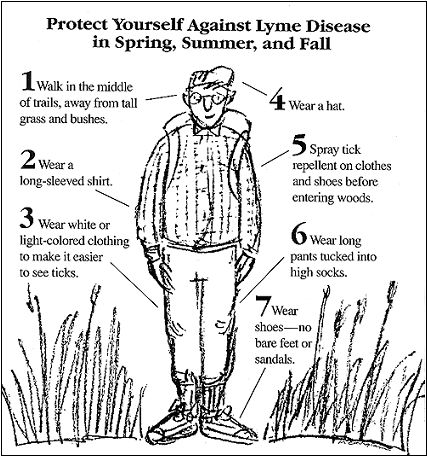
Dress for success:  Research has shown permethrin treated clothing causes ticks to drop off or renders them unable to bite: https://madisonarealymesupportgroup.com/2018/05/27/study-conforms-permethrin-causes-ticks-to-drop-off-clothing/.

  • wear light colored clothing
  • tuck pants into socks
  • wear a long-sleeved shirt and tuck into pants
  • wear a hat
  • wear shoes & socks
  • spray or soak all of it with permethrin. Permethrin is not recommended for the skin. You can also purchase pre-treated clothing. Wisconsin Lyme Network (WLN) is selling socks. Proceeds go toward training WI doctors: https://wisconsinlymenetwork.z2systems.com/np/clients/wisconsinlymenetwork/giftstore.jsp
  • Spray exposed skin with DEET or picaridin. Picaridin is less toxic and approved for kids. For instance the top 3 scores for repelling deer ticks was: pump spray Sawyer Picaridin 20% which lasted 8.5 hours, aerosol Ben’s 30% Deet Tick and Insect Wilderness which also lasted 8.5 hours, and pump spray Repel Lemon Eucalyptus which lasted 7 hours. Please know that “natural” products using things like essential oils have NOT been proven to repel ticks.  Go here to learn more:  https://www.cdc.gov/lyme/prev/natural-repellents.html
  • An FDA-approved organic compound found in grapefruit skin and Alaska yellow cedar trees that is a natural deterrent for many insects including the deer tick is being worked on by LSU researchers. Nootkatone has already proven to be both safer and more effective than existing commercial repellents, but is too expensive for consumer insect repellents.
  • stay in the middle of trails
  • when returning indoors, dry clothing on high heat for at least 10 min. Washing clothes will not kill ticks. High heat will.
  • take a shower and do a tick check. Have someone else look on your back and back of head.
  • If an embedded tick is found, remove it promptly by using a pointy tick removal tweezer. Get as close to the mouthpart as possible and pull steadily straight up without squeezing or twisting. Do not touch the tick with bare hands. Put in ziplock freezer bag and put in freezer you plan on having it tested. Remember; however, testing isn’t 100% accurate and you will not want to wait for results if you’ve been bitten. Your doctor should treat you prophylactially. It’s not worth the risk of infection. http://
  • be vigilant and educate others
  • For a video put out by Wisconsin DHS:  http://
  • Great video on how to educate kids on how to be tick smart:  http://

How to protect your yard

baseyardSOURCE: TickEncounter Resource Center. For an interactive map: https://tickencounter.org/faq/tick_habitat

  • Do not invite wildlife: There are numerous things you can do to discourage wildlife from your yard. Don’t put food outside, including bird feeders. Birds are probably the #1 transporters of ticks. Plant undesirable plants. Install fencing. Apply deer repellents. Clean up brush and leaves, and move woodpiles away from daily activity.
  • Spray your yard or use granules: Target areas where ticks live as well as perennial beds and along trails and paths in wooded areas. Normally, treatment is not needed in open and sunny lawns with short grass (although there are exceptions!).  http://
  • Eliminate Tick Habitat: ticks love wooded, shady areas that are humid. Rake leaves, trim shrubs and trees, and treat border areas, stone walls, sheds, and wood piles. Creating borders of wood chips or stone will remind you of tick-risky areas and danger zones. They particularly like Japanese Barberry, honeysuckle, and buckthorn: https://madisonarealymesupportgroup.com/2018/01/20/manage-barberry-lower-ticks/. From experience I’ve learned not to use natural stone for landscape walls. Chipmunks burrow into the crevices bringing loads of ticks with them. I will only use interlocking stone now.     

5456904Remove Japanese Barberry, honeysuckle, and buckthorns

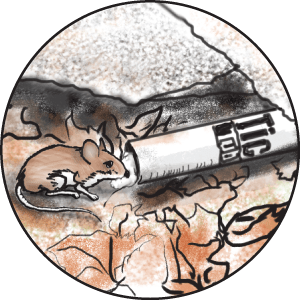
  • Target mice & rodents: Since ticks become infected by feeding on reservoir animals such as mice, chipmunks, squirrels, and deer, targeting these animals will help reduce the tick population. Ticktubes are tubes filled with permethrin treated cotton balls you place in rodent accessible areas so they will take the cotton back to their nests and they will rub their bodies against the treated cotton. Ticks feeding on the mice are then killed by the insecticide. Studies have shown risk to be reduced by 97% when using tick tubes. More info on how many you need for the size of your yard, etc.:http://www.ticktubes.com/facts.html
ticktube

How to Protect your pets

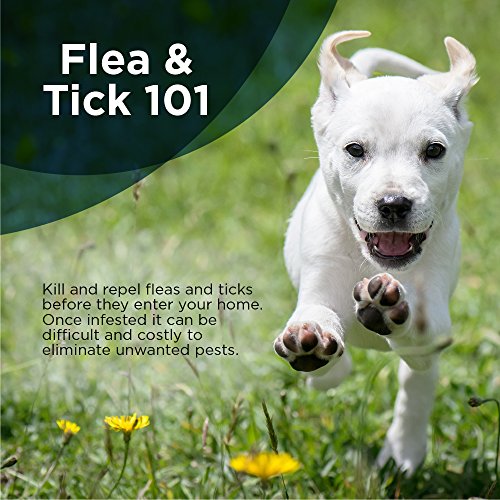
iu-12

  • Contain your pets: The easiest way to protect your pets is to keep them away from ticks, by create a safe zone. This can be done by using fencing (solid or invisible) and or putting them on a chain where they can only go in certain areas.
  • Groom pets:  Keep hair short to be able to identify ticks quickly. Brush hair and remove any ticks before bringing pets into the house.
  • Keep pets off all furniture and never let them into your bed.
  • Apply Tick control products on pets.  For an excellent example of products:  https://tickencounter.org/prevention/tick_control#top. There is a Lyme vaccine for dogs; however, it can cause Lyme disease symptoms just as the failed Lymerix vaccine did on humans. Cats also need tick protection. Make sure to discuss options with you veterinarian as they are educated with current information. Read all labels from products carefully.
  • Some tick facts: http://
  • More tick facts: http://

Resources:

https://madisonarealymesupportgroup.com/2017/05/11/tick-prevention-and-removal-2017/

https://tickencounter.org

https://www.dogsnaturallymagazine.com/lyme-vaccine-dogs/

https://www.petmd.com/cat/parasites/evr_ct_10_ways_to_stop_ticks_from_biting_your_cat

Lyme Disease & Neurological Changes in Children

https://www.linkedin.com/pulse/lyme-disease-neurological-changes-children-somer-delsignore/

Lyme Disease and Neurological Changes in Children

By Somer DelSignore

Clinically we find a multitude of neuro-psychological symptoms that present with children afflicted with tick-borne illnesses. Many of those symptoms did not exist prior to  exposure.  The number of children with anxiety disorders, OCD, mood dysregulation, ADHD, bipolar disorder, gender dysphoria and others are prominent and included in the working diagnosis and treatment plan of Lyme and other tick bhttps://www.linkedin.com/in/somerdelsignorekidslyme/orne diseases.

There are countless studies linking neuro-psychological impairments with Lyme disease and other tick-borne illnesses many of which suggest a larger percentage of children are affected.

A review of literature reveals studies by Brian Fallon and others that link Lyme disease to neurological and psychological ailments. New onset depression, anxiety, schizophrenia, bipolar disorders and other mental illnesses were postulated to be the result of a Lyme disease exposure. Fallon outlined several supportive strands of evidence throughout his research. He noted the incidence of mental illness is greater in those with Lyme disease versus other medical conditions. These psychiatric conditions were new onset and did not exist prior to contracting Lyme disease. Lastly, these mental illnesses improved after administering courses of antibiotic therapy. 

So what is thought to contribute to the psychological changes? Further evaluation thru single photon emission tomography or SPECT scans as it’s known revealed that those with

“Lyme disease typically have multifocal areas of decreased perfusion in the cortex and subcortical white matter” Fallon et al. 1997.

Cortical and subcortical perfusion is studied extensively with PTSD patients. The pattern of poor perfusion is similar to those who also suffer from a tick-borne illness. A result of poor perfusion can lead to  breakdown of the neural pathways  that provide an interconnectedness between all regions of the brain. Specifically, the subcortical regions play a significant role in emotional regulation. This is where your fight or flight response stems via control of Dopamine and other neurotransmitters.  Your cortical regions control sensory, motor and visual response. In the presence of Lyme disease, which has an affinity for the neurological system, inflammation occurs contributing to this poor perfusion state. It’s plausible to suggest neurological and psychological changes as it relates to tick-borne illness.

Studies directed specifically at the pediatric population were conducted by Rosalie Greenberg, a pediatric and adolescent psychiatrist. Although small, Dr. Greenberg studied 14 children diagnosed with bipolar disorder. She noted

  • 6 had mycoplasma
  • 3 had B. Burgdorferi the bacteria that causes Lyme disease
  • 10 had Babesia
  • 4  had Bartonella
  • ALL had tick borne diseases
  • Out of the 14 only 1 described typical joint pain associated with Lyme disease

Bransfield and others discuss links for autism spectrum disorder development in children as evident by the spirochete that causes Lyme can be passed from an infected mother to her unborn child. This can lead to neurological ailments as well as significant immune dysfunction. Supportive evidence showed upwards of 30% of those diagnosed with autism spectrum disorder had a positive blood test for Borrelia Burgdorferi, the spirochete that causes Lyme Disease. I’ll certainly delve into autism and links to infection in the coming weeks as I’m fascinated!

Children present differently. Perhaps it is the vulnerable blood brain barrier or naïve immune system that contributes. We know in children the brain continues to develop until they reach their early 20’s.  Studies looking closer at the link between childrens’ neurological status and tick-borne illness speculates around 70% to present with onset of headaches, fatigue, mood disturbance, irritability and acute outbursts where symptoms did not previously exist. Anecdotally, I too have witnessed these accounts.

Let’s postulate, just for fun, out of the 4 million children currently diagnosed with mental illness at least 30% or more of those have a tick-borne illness. That’s roughly 1.2 million children whom could be cured of their mental illness by merely treating the infection with courses of antibiotics and/or natural remedies.

This certainly would present a fundamental paradigm shift within the mental healthcare community but isn’t it worth it? Shouldn’t we all Think Differently about mental illness?

The take home message here for parents. If your child (or you) present with sudden onset of neurological changes, mood swings, ADD/ADHD, sleep disturbances, motor or vocal tics, fasciculations, unfounded anxieties and fears, rage, impulsivity, concentration issues, dyslexia, regression with milestones etc, seek out an evaluation for tick-borne illnesses.

Should your primary care provider refuse to perform the test or argue otherwise….find someone else!

Recent Tick-Task Force initiatives, passed by NY state legislators and championed by Senator Sue Serino, secured 1 million dollars to fund research that allow better understanding of the link between Lyme, tick-borne diseases and mental health issues. These funds will also help support preventative actions as well as raise awareness. It’s solid movement in the right direction. This recent legislation would direct the Office of Mental Hygiene and Department of Health to conduct these studies. Fingers crossed for the follow thru! You can find more information about critical legislation passed recently in the NY senate and full description of the tick-borne illness initiatives by visiting serino.nysenate.gov.

__________________

**Comment**

More and more coming out daily on how pathogens are implicated in brain diseases and mental disorders.  This article should be shared widely as there are multitudes of children being misdiagnosed with mental illness that could be cured by treating the underlying infection(s).

https://madisonarealymesupportgroup.com/2019/04/07/missing-links-connect-the-dots-between-lyme-mental-health/

https://madisonarealymesupportgroup.com/2019/03/26/lyme-its-known-involvement-in-mental-health/

https://madisonarealymesupportgroup.com/2017/10/08/misdiagnosed-how-children-with-treatable-medical-issues-are-mistakenly-labeled-as-mentally-ill/

https://madisonarealymesupportgroup.com/2017/10/03/treat-the-infection-psychiatric-symptoms-get-better/

https://madisonarealymesupportgroup.com/2015/10/18/psychiatric-lymemsids/

https://madisonarealymesupportgroup.com/2017/09/19/three-things-for-parents-to-watch-for-regarding-tbis/

One prominent Wisconsin Lyme doctor states that 80% of his Autistic and PANS patients have Lyme/MSIDS.  Please share widely.


New Health Center Opens For People With Tick-Borne Diseases in Pennsylvania

https://wnep.com/2019/04/10/new-health-center-opening-for-people-with-tick-borne-diseases/  News Video in Link

New Health Center Opens for People with Tick-Borne Diseases

Latent Lyme Disease Resulting in Chronic Arthritis & Early Career Termination in a U.S. Army Officer

https://www.ncbi.nlm.nih.gov/m/pubmed/30839071/

Latent Lyme Disease Resulting in Chronic Arthritis and Early Career Termination in a United States Army Officer.

Weiss T, et al. Mil Med. 2019.

Abstract

Lyme disease is a continuing threat to military personnel operating in arboriferous and mountainous environments. Here we present the case of a 24-year-old Second Lieutenant, a recent graduate from the United States Military Academy, with a history of Lyme disease who developed recurrent knee effusions following surgery to correct a hip impingement. Although gonococcal arthritis was initially suspected from preliminary laboratory results, a comprehensive evaluation contradicted this diagnosis.

Despite antibiotic therapy, aspiration of the effusions, and steroid treatment to control inflammation, the condition of the patient deteriorated to the point where he was found to be unfit for duty and subsequently discharged from active military service. This case illustrates the profound effect that latent Lyme disease can have on the quality of life and the career of an active duty military member. It highlights the need for increased surveillance for Borrelia burgdorferi (B. burgdorferi) in military training areas and for the early and aggressive diagnosis and treatment of military personnel who present with the symptoms of acute Lyme disease.

Published by Oxford University Press on behalf of the Association of Military Surgeons of the United States 2019.

________________
**Comment**
Our military has been in ‘harms way’ for decades. Glad this case study was made.  I have military friends who receive training in Northern Wisconsin. They sleep outside and literally pick thousands of ticks off their bodies. I can only imagine the high numbers of soldiers with similar stories not being counted or recognized.
Excerpt: 
After congressional investigation, he was finally discharged from the Air Force after 14 years of highly recognized and awarded military service that ended in shame because doctors did not understand Lyme disease.  Attorneys laughed and joked as they decided he was no longer fit for duty and discharged him from the Air Force without benefits, pay, or health insurance. He was essentially dumped on the streets homeless, disabled, and unable to work, with a wife and a child to provide for.
Three decades later, the VA still cannot diagnose Lyme disease based upon symptoms.
The VA did not recognize Lyme disease until the mid-1990s. That means that veterans who had Lyme disease before then were misdiagnosed and some are perhaps homeless and disabled.  According to Sims the government is no wiser today than before they recognized Lyme disease.
The real problem is:
military and VA healthcare systems follow CDC two-tier tests Lyme disease guidelines that capture less than 10% of Lyme disease cases nationwide.
Over 90% of Lyme disease cases are diagnosed and treated by a minority of doctors who specialize in Lyme disease and tick-borne disease and understand CDC guidelines are fatally flawed.
He also states that according to many medical experts, the largest cause of death from Lyme disease is suicide.
Soldiers are also forced to get vaccines and many are injured by them:
Ticks are found:

Beaches:  https://madisonarealymesupportgroup.com/2018/06/07/ticks-on-beaches/

Rocks and picnic benches: https://madisonarealymesupportgroup.com/2017/03/13/ticks-found-on-rocks/

Caves:  https://madisonarealymesupportgroup.com/2018/04/23/tick-borne-relapsing-fever-found-in-austin-texas-caves/, and https://madisonarealymesupportgroup.com/2017/10/27/israeli-kids-get-lyme-disease-from-ticks-in-caves/

Birds:  https://madisonarealymesupportgroup.com/2017/08/17/of-birds-and-ticks/

California:  https://madisonarealymesupportgroup.com/2018/05/19/infected-ticks-in-california-its-complicated/

In the South:  https://madisonarealymesupportgroup.com/2018/05/31/no-lyme-in-the-south-guess-again/, and https://madisonarealymesupportgroup.com/2017/10/06/remembering-dr-masters-the-rebel-for-lyme-patients-who-took-on-the-cdc-single-handedly/, and https://madisonarealymesupportgroup.com/2017/03/02/hold-the-press-arkansas-has-lyme/

Southern Hemisphere: https://madisonarealymesupportgroup.com/2018/02/06/lyme-in-the-southern-hemisphere-sexual-transmission/

Australia:  https://madisonarealymesupportgroup.com/2016/11/03/ld-not-in-australia-here-we-go-again/

And everywhere else…..

Remember, there are 300 strains and counting of Borrelia worldwide and 100 strains and counting in the U.S.  Current CDC two-tiered testing tests for ONE strain!  Do the math….

Lyme has been found in ALL 50 states and is worldwide:  https://madisonarealymesupportgroup.com/2018/08/18/lyme-found-in-all-50-states/
And remember, Lyme is the rock star we know by name.  There are plenty of other illnesses ticks transmit and it isn’t JUST the black-legged tick.
There’s no such thing as a “safe” tick or an “irrelevant” tick bite.


Seek North & GLA: The Fight Against Lyme Disease

https://seeknorth.com/blog/lyme

Seek North + Global Lyme Alliance: The Fight Against Lyme Disease

Seek North and the Global Lyme Alliance become partners in the fight

Lyme Disease affects 427,000 people a year. Our Seek North co-founder was one of them. How we’re fighting back with GLA’s help.

Lyme disease is an illness cause by the bacterium Borrelia burgdorferi, contracted through the bite of an infected blacklegged (deer) tick. The disease varies by stage from early (acute) to late (post treatment, chronic or neurological). Early-stage Lyme disease may present with flu-like symptoms, a rash and headaches. Late-stage Lyme disease can affect multiple organs, including joints, heart, brain and other parts of the central nervous system; and in rare cases, cause death.

julian-lesser-glaCo-founder, Julian Lesser, climbing at Mohonk Mountain.

This is exactly what happened to our co-founder, Julian Lesser, and took a year and a half to properly diagnose and treat. During the long fight, founders Julian, and Philippe Trinh, decided to get serious about self-care and whole body health, specifically focusing on the immune system. This led their attention to gut health, where 70-80% of your immune tissue is housed, and Philippe’s experimentation with kombucha, thus following countless experiments, flavor creations, outright obsession, and the birth of Seek North.

We didn’t just want to make another kombucha company, we were on a mission. We wanted to take better care of ourselves, and encourage everyone to do the same. We wanted to give back the things that were important to us, the goals and ideals that kept driving us through our toughest times. Once we established our dreams, we wanted to give back too.

This is why we are beyond excited to share that we have decided to partner with the leading Lyme Disease non-profit, Global Lyme Alliance (GLA) donating a portion of our proceeds to conquering Lyme Disease through research, education, and awareness.

The Global Lyme Alliance is one of the most respected Lyme non-profits in the country, contributing not only with funding to research, physician and public education, but holding large scale fundraising galas, fueling small grassroots movements, and supporting research that has made game-changing strides in this fight. We couldn’t be more proud to call them our friends and partners in this.

GLA_logo4_Vert_DarkBlue-01.png

If you’d like more education on what Lyme disease is and what GLA does, visit GLA.org. From there, you can read about their organization, get the latest updates, read about exciting research, find physicians versed in the treatment of Lyme, donate and support them yourself, and plenty more.

To learn more about Lyme disease stages and what symptoms to look out for? Click here to learn more.

We’re so happy for this chapter in our mission. We couldn’t think of a better family – you, and GLA –  to be joining us in helping our little bottles that could to make a big difference.