Archive for the ‘Lyme’ Category

Lyme Disease Increases Gynecological Health Risks in Women

https://www.lymedisease.org/lyme-disease-reproductive-health/

Lyme disease increases gynecological health risks in women

By Lonnie Marcum

3/17/25

A new study has uncovered significant findings about how Lyme disease can impact the female reproductive system.

While previous research primarily focused on the effects of Borrelia (Lyme) on pregnancy, this study explores how the infection affects the reproductive system in non-pregnant mice and compares this to its effect on human gynecological disorders.

In a MedRxiv article entitled, Lyme disease increases risk for multiple gynecological conditions, MIT researchers Michal Caspi Tal, PhD, and Paige S. Hansen Colburn teamed up with researchers from the Fred Hutchinson Cancer Center, Nasa Sinnott-Armstrong, PhD, and colleagues.

“This changes how we understand Lyme”

Dr. Tal says, “For years, people have been asking if Lyme disease might cause miscarriage and other pregnancy problems. Our study shows a strong link, and more research is vital. This research changes how we understand Lyme. It’s a much bigger problem than we thought, especially for women.”

Tracking the illness for months, the team demonstrated that Lyme disease can cause prolonged and severe infection in the reproductive organs of female mice.

The study documented infected gynecological tissue, and problems such as enlarged uterus, ovarian cysts, thickening of the vaginal lining and inflammation of the internal and external tissues. Notably, older mice experienced more severe outcomes when infected.

Hansen Colburn says, “Our research both supports previous studies on Lyme in pregnancy and also highlights novel implications for Lyme in women’s health outside of the reproductive lens.”

In addition, using clinical and survey data, the researchers found associations between Lyme disease and an increased risk of endometriosis, dysmenorrhea (menstrual cramps), menorrhagia (heavy periods), miscarriage, uterine polyps, and endometriosis (uterine tissue growing outside the uterus).

Supporting evidence from human data

These findings were corroborated with data from a Finnish database, which showed higher rates of gynecological issues like miscarriage, vulvovaginitis, uterine fibroids, and dysmenorrhea in women with Lyme disease.

Hansen Colburn says, “We still need to learn exactly how the bacteria cause this damage. Is it the bacteria themselves, or is it collateral damage from the body’s immune response?”

It’s known that men and women exhibit different symptoms of Lyme disease. For example, men tend to develop a larger more typical Lyme rash than women. Men are also more likely to have a CDC-positive two-tier test for Lyme. But why?

In order to prevent miscarriage, women’s bodies are designed to alter their hormones and immune response when pregnant. It may be that female hormones or this immune response set women up for chronic Lyme.

Elevated risk

“Lyme disease appears to elevate risk of many gynecological diseases, and we still have a lot to learn about what else might result from Borrelia infection. This is just the beginning,” says Sinnott-Armstrong.

This study emphasizes the importance of:

  • tracking gender in Lyme disease studies
  • tracking age-related status
  • understanding the hormonal phase at the time of infection, during treatment and post-infection (eg. pre & post-pubescent, peri & post-menopausal)
  • understanding hormone levels and hormone dysregulation
  • tracking reproductive pathologies in both male and female patients with Lyme disease.

Findings from MyLymeData

In 2019, LymeDisease.org published results of a MyLymeData study, Gender Bias in Chronic Lyme Disease, showing that women are at a disadvantage when it comes to Lyme disease. Not just because women’s bodies respond differently to infection, but also because women represent a smaller percentage of participants in acute Lyme disease research.

A follow-up MyLymeData study, Does Biological Sex Matter in Lyme Disease? The Need for Sex-Disaggregated Data in Persistent Illness, published in 2023, found that women encountered lengthier diagnostic delays, grappled with more severe symptoms, and suffered greater functional impairment compared to men.

The MyLymeData authors concluded, “Our results indicate that biological sex should be integrated into Lyme disease research as a distinct variable. Future Lyme disease studies should include sex-based disaggregated data to illuminate differences that may exist between men and women with persistent illness.” (Disaggregated means that you separate out the data from male and female patients, so that you can look for trends in each group.)

Next steps

Today, we owe a huge thank you to the Tal Research Group and the Sinnott-Armstrong lab for demonstrating that Lyme disease increases the risk for gynecological disorders in women.

Dr Tal tells me the next step is to work on treatment protocols. “We’re very interested in the intersection of hormones and immune responses to infection, and we’ll be testing out different treatment protocols for the infection and also modulating the immune response to the infection to try to understand once this gynecological damage has happened, if antibiotic treatment alone be sufficient to reverse it.”

The Tal Research Group at MIT has also found Borrelia bacteria in the male reproductive tract, which is currently being investigated further.

The CDC estimates there are 475,000 annual cases of Lyme disease, however they make no meaningful analysis of sex differences in their list of symptoms or progression of disease.

Furthermore, approximately 5 million women in the U.S. suffer from endometriosis. Perhaps some of them would benefit from exploring a diagnosis and treatment for Lyme disease?

We look forward to the continued MIT research results and further understanding of chronic illness following infection.

LymeSci is written by Lonnie Marcum, a physical therapist and mother of a daughter with Lyme. She served two terms on a subcommittee of the federal Tick-Borne Disease Working Group. Follow her on X: @LonnieRhea   Email her at: lmarcum@lymedisease.org.

Reference

Hansen–Colburn PS, Blacker G, Galloway S, Feng Q, Padmanabham PS, Pisani G, Lee BT, Loeser G, Perez MW, Liu K, Kuan J, Von Saltza E, Strausz S, Mattei L, Nahass GR, Kitjasateanphun A, Potula HS, Shoham MA, Mascetti VL, Gars E, Ollila HM, Bruner-Tran KL, Weissman IL, You S, Pollack B, Griffith L, Sinnott-Armstrong N, Tal MC. (2025). Lyme disease increases risk for multiple gynecological conditions. medRxiv. https://doi.org/10.1101/2025.03.03.25323258.

Acknowledgement

This research was supported, in part, by the Emily and Malcolm Fairbairn donor advised fund.

For more:

Lyme Disease Crisis Addressed During HHS Hearing

https://www.globallymealliance.org/news/rfk-jr-endorses-lyme-focus-during-congressional-hearing-for-hhs-position?

Robert F. Kennedy Jr. & Senator Collins discuss the Lyme disease crisis  during HHS confirmation hearing

“I’ve had Lyme disease. I’ve lived in the epicenter of Lyme disease. Every member of my immediate family has had Lyme disease. I had a son whose face was paralyzed for a year, and I have a son today who has been suffering from the devastating effects of Lyme disease for two years. There is nobody who will fight harder to find a vaccine or a treatment for Lyme disease than me.”

Read the transcript:

Senator Susan Collins (R-ME): The state of Maine has seen a steady and disturbing increase in Lyme disease cases over the past decade. We talked a little bit about this in my office. In 2023, Maine had a record number of Lyme disease cases—nearly 3,000 reported cases. Fortunately, there is a promising vaccine trial for Lyme disease underway at Maine Health in Portland. Access to a Lyme disease vaccine would be a monumental step forward in reducing the burden of this disease, which can have lifelong effects. I’ve seen it in members of my own family. As HHS Secretary, if confirmed, what influence would you exercise over new vaccine approvals, such as one for Lyme disease?

Robert F. Kennedy Jr.: Senator, you and I have talked about this issue. I’ve had Lyme disease. I’ve lived in the epicenter of Lyme disease. Every member of my immediate family has had Lyme disease. I had a son whose face was paralyzed for a year, and I have a son today who has been suffering from the devastating effects of Lyme disease for two years. There is nobody who will fight harder to find a vaccine or a treatment for Lyme disease than me.

Senator Collins: I very much appreciate that. I’m sorry that your own family has been so adversely affected. In Maine, we have a lot of people who work outside and in the woods, and ticks are everywhere. So this is a very important issue to me.

Global Lyme Alliance
________________
**Comment**
When you truly understand Lyme/MSIDS, then you truly understand that a ‘vaccine’ is not the answer.  It simply won’t work.  I have my serious doubts about ALL ‘vaccines,’ but Lyme/MSIDS is a complicated monster typically involving more than one pathogen with the ability to go dormant that was purposely created to evade antimicrobials.  You can’t vaccinate moving targets.
Please read:

Healing Lyme Summit 2.0

Hinchey and Horowitz present Healing Lyme 2.0–online, zero cost

The Healing Lyme Summit 2.0, scheduled for April 15 – 21, offers a unique opportunity to learn more about Lyme and explore new ways to heal from it.The event is online and can be viewed for free.

Gain insights from more than 40 of the world’s top experts in holistic medicine, detoxification, chronic illness prevention, and pain management. Take control of your health!

Reserve your spot now for $0

About your hosts:

  • Myriah Hinchey, ND, FMAPS. A renowned specialist in tick-borne diseases with 20 years of experience. Her natural, patient-focused approach incorporates herbal medicine, lifestyle modifications, and functional medicine principles, helping countless individuals achieve remission.
  • Richard Horowitz, MD. A board-certified internist and medical director of the Hudson Valley Healing Arts Center. With over 30 years of experience and having treated 13,000+ Lyme patients, he’s a trailblazer in the field. Dr. Horowitz is a founding member and former president-elect of the International Lyme and Associated Diseases Society, celebrated for advancing knowledge of tick-borne diseases.

Missouri Bill Tackles Alpha-Gal Syndrome & Lyme Disease

https://www.lymedisease.org/missouri-bill-ags-and-lyme/

Missouri bill tackles alpha-gal syndrome and Lyme disease

By Meg Muckenhoupt

3/27/25

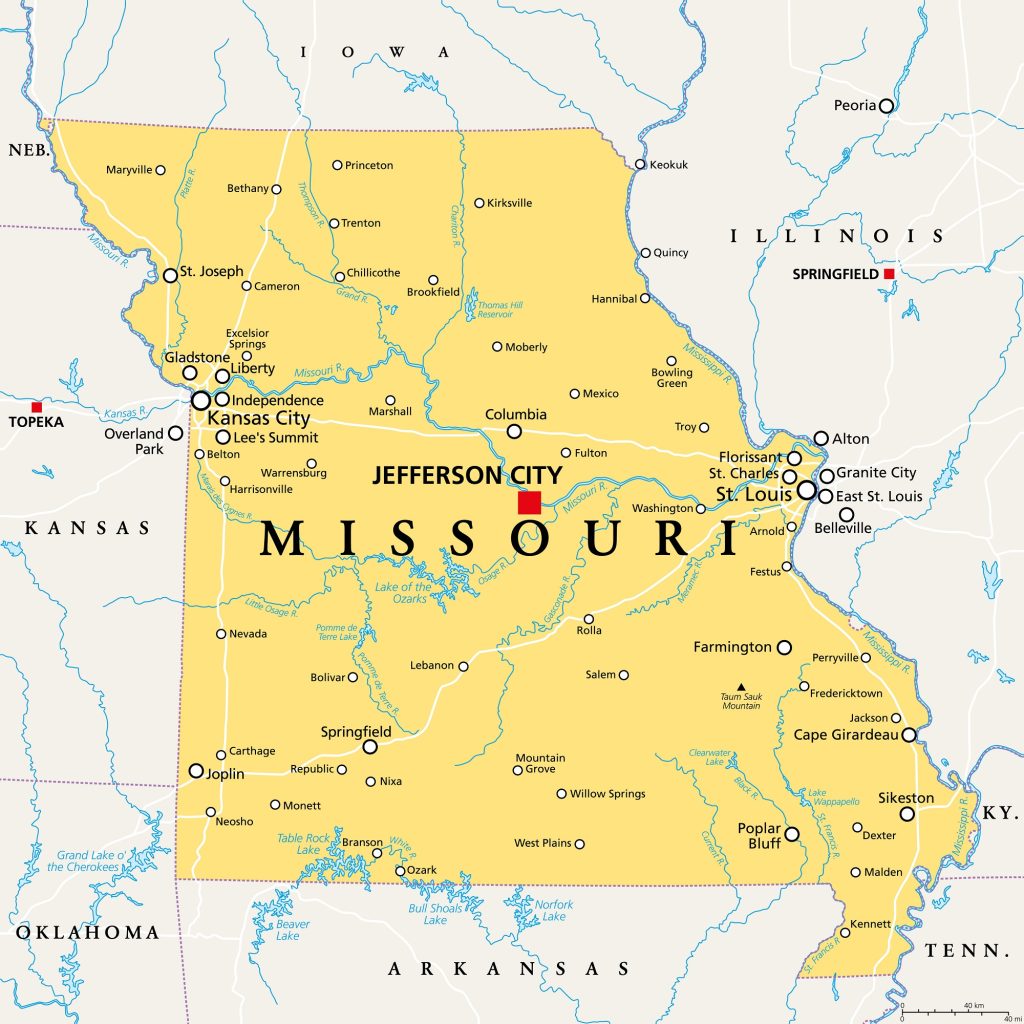
Missouri State Representative Matthew Overcast, Esq. has introduced a bill to add alpha-gal syndrome (AGS) and Lyme disease to that state’s list of mandatory reportable conditions.

AGS is an allergy to red meat and meat-related products that is triggered by a tick bite.

HB 986 also requires the Missouri Department of Health and Senior Services to submit annual reports on the incidence of AGS and Lyme disease to the federal Centers for Disease Control and Prevention.

Overcast says that alpha-gal syndrome profoundly impacts many individuals and families in his district. However, he needs hard data to persuade his fellow legislators to help solve this problem.

Many states at the epicenter of the AGS explosion don’t even mention AGS in their information about tick-borne diseases. If they do mention AGS, they don’t give a figure for the number of cases. Thanks to research by the US military, though, we can estimate the number of AGS cases in several states. That number is frighteningly large.

By testing the blood of 3,000 recruits for the allergic antibody to alpha-gal, researchers were able to identify AGS hot spots. In the most impacted states–like Arkansas, Oklahoma, Missouri, and Kansas–more than 20% of recruits tested positive. In some areas of these states, almost half the recruits had the antibody.

In Missouri, almost 30% of recruits had the alpha-gal allergic antibody. Extrapolating from this data, an estimated 80,000 Missourians may have AGS.

Documenting the extent of AGS and Lyme disease and tracking their expansion is the first step in attracting the public health resources needed for provider education and other help for people with AGS and Lyme.

If you are a Missourian affected by AGS and/or Lyme disease, please contact your state representative now to help pass HB 986.

Meg Muckenhoupt works with Alpha-gal Information, an Alpha-gal Alliance project.

For more:

The Three Bs – Borrelia, What, and What? Co-infections & Chronic Illness

https://www.lymedisease.org/the-three-bs-borrelia-what/

The three Bs – Borrelia, What, and What? Co-infections and chronic illness

By Nicole Bell, Galaxy Diagnostics CEO

3/10/25

While many people in the Lyme community are familiar with the three Bs – Borrelia, Bartonella, and Babesia – most people outside the community look confused when I mention these top flea and tick-borne pathogens. I understand their puzzled looks because back in 2017, I was confused too.

Even after my husband, Russ, was diagnosed with these three stealthy invaders, I focused all my research on Borrelia, the bacteria causing Lyme disease.

It ended up taking a tragic journey followed by years of studying the research to gain an appreciation for the complexities of all three pathogens – and that research is still unfolding.

In complex cases, co-infections are the rule, not the exception.

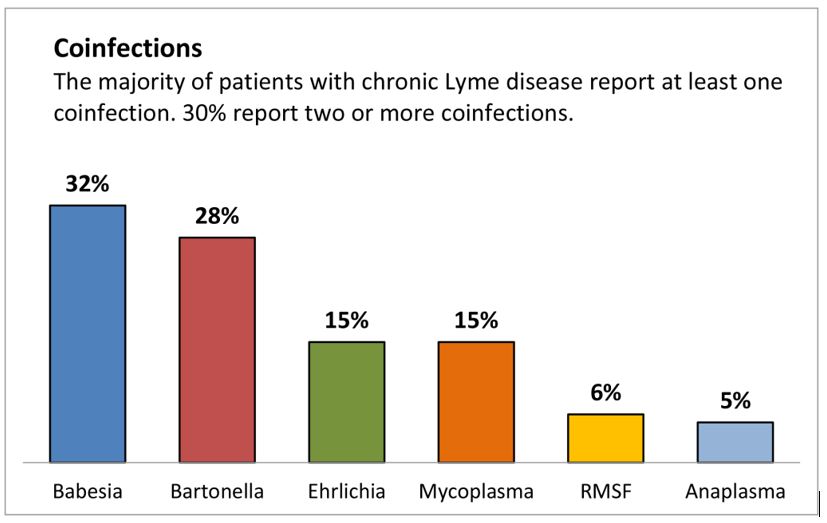
The first thing to understand when considering the three Bs, is that in complex cases, co-infections are common. In a survey of over 3,000 chronic Lyme disease patients published by LymeDisease.org, over 50% had co-infections, and 30% had two or more co-infections. Babesia and Bartonella top the co-infection list, each presenting in about 30% of chronic Lyme cases.

Source: About Lyme Disease Co-infections, LymeDisease.org

The second thing to understand about these pathogens is that calling them “Lyme co-infections” is misleading. All these pathogens – the other Bs and beyond – can be present without a Borrelia  infection (past or present).

The problem is that many doctors don’t have these invaders on their differential – and it’s easy for a pathogen to be considered rare if you never test for it. 

Rare disease? Or inadequate testing and data?

To understand the true prevalence of these pathogens, we need to dig into the details of each pathogen and how we count and test for them. For example, before 2013, Lyme incidence in the U.S. was estimated to be approximately 30,000 cases per year. Then, in 2013, the CDC looked at clinical records, laboratory reports, and public surveys and increased this estimate 10-fold.

In 2021, an analysis of insurance records increased the estimates again, and current data shows that approximately 500,000 Americans are diagnosed and treated annually. And since the standard of care test for Lyme leading to diagnosis and treatment is 40-60% accurate, even this number is likely underestimating the extent of the problem.

So, the question looms – what is the prevalence of the other two Bs? Are they destined for a similar exponential increase as we dig into the data? Emerging research points to yes.

Bartonella – The Hidden Pandemic

Bartonella is a genus of gram-negative bacteria that can infect humans and a wide range of animals. Googling the bacteria shows that it is the pathogen causing cat scratch disease or CSD, an acute form of the infection. But like Lyme, this pathogen has been associated with complex chronic conditions spanning multiple body systems, including the joints, eyes, heart, and brain.

Lyme disease has made people fearful of ticks, but Bartonella can be transmitted by a long list of biting insects – or vectors – including fleas, body lice, sand flies, and even spiders. Also, an underappreciated risk factor for bartonellosis is animal exposure, particularly exposure to cats, which are natural reservoirs of the bacteria.

In a study of veterinary workers, 44% were positive for Bartonella antibodies, and 28% had DNA of the pathogen detected directly from their blood. With approximately 66% of U.S. households owning at least one pet, the pathogen has the potential to be more widespread than generally thought.

Dr. Ed Breitschwerdt from North Carolina State University’s veterinary school has studied Bartonella since the 1990s. The advanced testing methods developed in his lab by collaborator Dr. Ricardo Maggi have uncovered key links between the pathogen and complex illnesses, such as arthritis, chronic fatigue, and fibromyalgia.

Neuropsychiatric conditions

Recently, using innovations in advanced PCR technology, the lab has made groundbreaking discoveries linking Bartonella and neuropsychiatric conditions, such as schizophrenia.

The investigation into schizophrenia started the way many discoveries in medicine do, with one case. A 14-year-old boy – who we will call Michael – suffered from sudden onset psychosis and received a formal diagnosis of schizophrenia. Michael was referred to Dr. B’s lab because he had marks on his skin, called striae, consistent with a Bartonella infection.

Dr. B and his team used their advanced test methods to confirm that Michael was infected with Bartonella. Upon treatment with the appropriate antibiotics, his symptoms evaporated.

The case inspired Dr. Breitschwerdt to consider a hypothesis – what if other patients were experiencing psychosis because of a Bartonella infection? Bartonella can cross the blood-brain barrier and infect endothelial cells, contributing to neuroinflammation.

The hypothesis had merit. His lab partnered with the University of North Carolina to test 17 schizophrenia patients. Sixty-five percent of those patients tested PCR positive for the pathogen, compared to 8% in healthy controls.

A subsequent study with Columbia University on over 100 patients found that people affected with psychosis were over three times more likely to have direct evidence of Bartonella in their blood than unaffected controls.

PANS

And schizophrenia isn’t the only neuropsychiatric condition linked to the pathogen. Pediatric patients with Bartonella infections have been reported to develop Pediatric Acute-onset Neuropsychiatric Syndrome (PANS) and symptoms like anxiety, obsessive-compulsive disorder, and cognitive dysfunction. Case studies have shown improvement in neuropsychiatric symptoms following treatment of the underlying infections.

With over 3 million Americans battling schizophrenia and 1 in 200 children in the U.S. affected by PANS, Bartonella may emerge as the great hidden pandemic.

Babesia – the tip of the iceberg

Babesia is a tick-borne parasitic infection, often touted as similar to malaria, because both parasites infect and replicate within red blood cells and can cause fever, chills, sweats, headache, muscle aches, fatigue, and hemolytic anemia.

Researching Babesia on the CDC Website shows that under 2000 cases were reported nationwide in 2020. The CDC notes that most Babesia cases in the U.S. are caused by Babesia microti, with occasional cases caused by other Babesia species.

Using the same advanced PCR technology that drove clinical discovery in Bartonella, Dr. B and his team turned their attention to Babesia. They found that what we “know” about Babesia may only be the tip of the iceberg.

In 82 individuals the lab was studying for Bartonella infection, 22 (27%) were also infected with Babesia. Furthermore, the top Babesia species identified was not Babesia microti, as expected from CDC data, but rather Babesia divergens (considered rare in the U.S.) and then Babesia odocoilei (considered rare in humans).

Before Dr. B’s work, only a handful of case reports in the U.S. have ever been reported for Babesia divergens. Their best-in-class assay turned up 12 new cases in a group that wasn’t even targeted for Babesia studies.

Dr. B’s team also recently published a paper where an entire family – all five members and one of their dogs – tested positive for a Babesia-divergens-like species. Similar new case discoveries have been made for Babesia odocoilei. His work poses the question – are the pathogens really rare, or are we just not testing for them properly?

Genus versus species – why it matters

Genus and species are terms commonly used by microbiologists, but when I first entered the world of tick-borne disease, I didn’t fully understand their significance. The “genus” is akin to a family name, grouping related individuals – think Hatfields and McCoys. The “species” is like the first name, identifying a specific individual in the family.

Translating this to Lyme disease, Borrelia is the genus or family name, and Borrelia burgdorferi is the species name identifying the particular pathogen.

So why does it matter? The current commercial test methods for all three Bs generally use serology or antibody testing. These assays measure antibodies created by the host’s immune response to the pathogen. The problem is that antibodies react to proteins on the surface of the pathogen, and these proteins can vary depending on the particular species.

In other words, the patriarch of the Hatfield family, Anderson Hatfield, looked and dressed differently than his son Cap Hatfield. Thus, sending out a warrant and a picture of Anderson is unlikely to lead to Cap’s arrest.

Antibody testing is similar, and testing for Babesia microti, may not accurately diagnose a case of Babesia odocoilei or Babesia divergens. There are over 100 known Babesia species, with 15 of those confirmed in human cases.

There are over 50 species of Bartonella, at least 20 of which have been documented to infect humans and other mammalian hosts. Dr. B’s research and testing technology is redefining what we know about these pathogens. And until these tests are launched commercially, millions have the potential to be misdiagnosed.

Direct Detection for BBB is Launching at Galaxy Diagnostics

Fortunately, Galaxy Diagnostics was founded by Dr. Breitschwerdt, Dr. Maggi, and Dr. Amanda Elam to bring these diagnostic advancements to market. This month, Galaxy is launching its digital PCR, direct detection assay for BBB.

This assay has been instrumental in driving clinical discovery in Dr. B’s lab and will now be commercially available to practitioners. Top features of the assay include:

  • Genus level detection, detecting each pathogen regardless of species.
  • Ultra-sensitive, digital PCR, which increases detectability for low abundance pathogens.
  • Multiplexed detection to provide three results in a single test.

The BBB assay is a blood-based assay that detects the DNA of each pathogen. The approach has previously been used only in a research setting, but the team at Galaxy has now validated the assay for commercial use.

Bartonella and Babesia – but what about Borrelia?

The BBB assay is a blood-based approach, and it is essential to note that blood is NOT the best matrix for Lyme Borrelia, as I have discussed previously.

Galaxy recommends its urine antigen test for Lyme since the concentrations of Lyme Borrelia are so low in the blood that a blood draw is unlikely to capture the pathogen in the test tube. And no matter how sensitive the technique is, if the pathogen isn’t in the tube, there is no way to detect it.

So then, why is Borrelia included in the BBB assay? The answer goes back to the genus versus species issue. While the species associated with Lyme Borrelia often hide in tissues and don’t free-circulate in high copy numbers in blood, the species associated with Relapsing Fever Borrelia do replicate to high numbers in the blood.

As a result, combining the BBB assay with Galaxy’s Nanotrap urine antigen test for Lyme provides optimal coverage for the top flea and tick-borne infections at the genus level.

Coming Full Circle – Avoiding Cases like Russ

After my husband Russ passed, the engineer in me knew there had to be better options. I immersed myself in the research and found Dr. B’s published peer-reviewed results. I introduced myself to the Galaxy team, and as I dug in, I became even more convinced that their technology would provide the clarity I craved as a caregiver.

In June 2024, I became Galaxy’s CEO to bring these advanced testing techniques to a broader market. We crystallized our mission to provide a new standard of care for diagnosing these devastating flea and tick-borne diseases. With the commercial launch of the BBB assay, we are one step closer to that goal. I know that Russ is watching – and smiling.

Nicole Bell, CEO of Galaxy Diagnostics, is also the author of What Lurks in the Woods and The State of Lyme Disease Research. 

For more: