Archive for the ‘Lyme’ Category

Atypical Case: Bannwarth Syndrome & Weight Loss

https://danielcameronmd.com/bannwarth-syndrome-and-weight-loss/

ATYPICAL CASE: BANNWARTH SYNDROME AND WEIGHT LOSS
Bannwarth syndrome is a neurological disease caused by an infection with Borrelia burgdorferi, the bacterial agent of Lyme disease. The disease causes intense nerve pain and is characterized by “painful radiculopathy, neuropathy, varying degrees of motor weakness, lower motor neuron (LMN) facial nerve palsy and cerebrospinal fluid (CSF) lymphocytic pleocytosis,” writes Diaz et al. in the journal Clinical Neurology and Neurosurgery.

Bannwarth syndrome is typically seen in Europe. However, in 2017 doctors from Mayo Clinic described 5 patients with the disease living in Minnesota and Wisconsin. All of the patients presented with peripheral neuropathy.

Now, a 2019 case report by Diaz ¹  describes a 60-year-old man from the United States with a variant Bannwarth syndrome. The man initially presented with high liver function tests and weight loss of approximately 25 lbs.

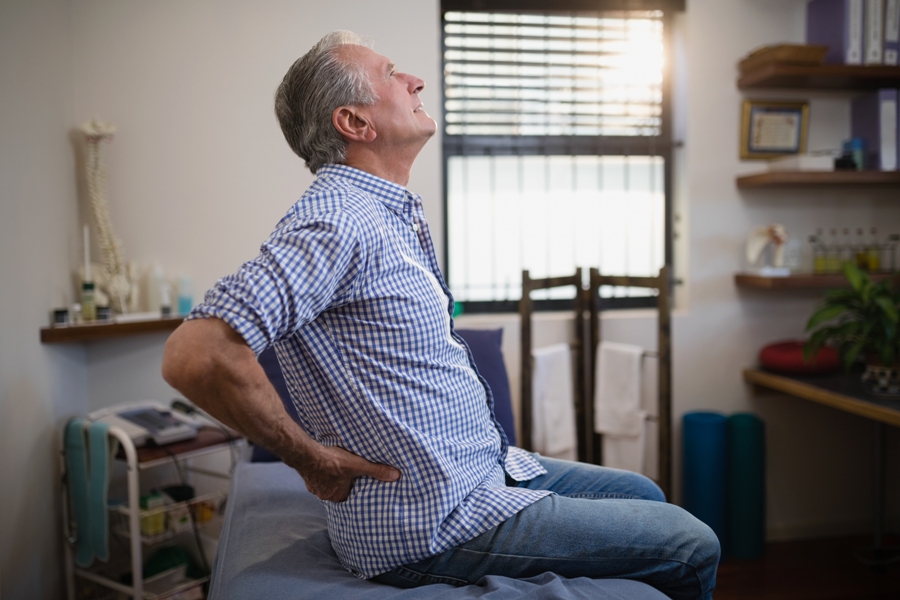
For 3 weeks he experienced progressive back pain, along with peripheral neuropathy,which included arm and leg weakness, numbness in his hands and a right facial droop. Shortly after he was admitted to the hospital, the man developed a complete facial palsy.

“Throughout this time, severe central back pain persisted requiring neuropathic pain agents and opiates for adequate pain-control,” writes Diaz.

An EMG and nerve conduction study of his upper and lower body demonstrated prolonged distal latencies and slowed conduction velocity seen in polyradiculopathy.

The spinal tap revealed a lymphocytic pleocytosis (96%) and elevated protein (156) consistent with lymphocytic pleocytosis.

His serologic and spinal fluid was positive for Lyme by Western blot IgG. The serologic test revealed only one IgM band. A CSF:serum antibody index assay was not performed.

Anaplasmosis was considered as the cause of transaminitis (high liver function) but the tests were negative. Serologic tests were positive for Babesia but there was no evidence of parasites in his blood.

The man’s evaluation led to a diagnosis of a variant Bannwarth syndrome. And he was treated successfully with 4 weeks of intravenous ceftriaxone.

“On follow-up at 2 months, facial paralysis, pain, motor, and sensory deficits had resolved with return to baseline weight and liver function tests,” the authors write.

“Our case demonstrates the importance of consideration of Bannwarth syndrome in the differential of meningoradiculitis, even in the setting of atypical features such as liver dysfunction and weight loss,” writes Diaz.

Editor’s note: This case suggests the need to look for Bannwarth syndrome in patients living in the U.S. It also highlights the importance of considering this condition in patients who present with painful radiculopathy, neuropathy, varying degrees of motor weakness, and lower motor neuron (LMN) facial nerve palsy, even with a normal spinal tap.

References:
  1. Diaz MM, Wesley SF. Meningoradiculitis and transaminitis from neuroborreliosis: A case of variant Bannwarth syndrome. Clin Neurol Neurosurg. 2019 Sep 23;186:105532.

___________________

**Comment**

Just yesterday I posted this study on meningitis and radiculitis with Lyme:  https://madisonarealymesupportgroup.com/2020/01/08/atypical-presentation-of-lyme-neuroborreliosis-related-meningitis-radiculitis/

As you can see from the article, a 2017 article is included in which the following is stated:

A typical early syndrome due to neuroborreliosis has been characterized as a triad of the symptoms mentioned above including radicular pain, cranial or peripheral paresis, and lymphocytic meningitis and is called “Bannwarths syndrome” (Bannwarth, 1941).

I also included the cluster of Bannwarth cases Dr. Cameron mentions:  https://madisonarealymesupportgroup.com/2018/02/07/cluster-of-lyme-cases-manifesting-as-bannwarth-syndrome/

Excerpt:

The patients were identified at Mayo Clinic campuses in Minnesota and Wisconsin. (1)

Bannwarth syndrome associated with Lyme Disease is not a reportable disease, so data regarding the numbers of cases is scant and no researcher should be saying it is atypical.

Just because something isn’t in the literature doesn’t mean it isn’t happening in reality. The reason this distinction is important is doctors rely heavily upon studies and when researchers state unequivocally that something is “rare” or “atypical,” they typically aren’t even going to entertain it.  This is why it’s important for patients to be educated so they can be their own advocates.


Live Q & A Webinar – Lyme Disease (1/15/20)

d5cd5c1f-title_0e509p000000000000001

Whether you suspect you have Lyme disease, have recently been diagnosed, or have been struggling with chronic symptoms for a long time, we know you have questions — lots of them. You’ve come to the right place for answers.

The author of the best-selling book, Unlocking Lyme, Dr. Bill Rawls isn’t just a Lyme-literate medical doctor (LLMD) — he also knows firsthand where you’re coming from: In the middle of his successful OB-GYN career, Dr. Rawls’ life was interrupted by Lyme disease and fibromyalgia. In his journey to overcome it, he explored nearly every treatment possible – from conventional medicine to a range of alternative therapies — until he finally discovered what worked.

Since his recovery more than a decade ago, Dr. Rawls has helped thousands of patients find their path to healing from Lyme disease and related chronic illness. Now, he’d like to help you. Come with your questions, and he’ll answer as many of them as possible.

In this Webinar, Dr. Rawls will discuss:
  •  The best and worst lab tests and evaluations for diagnosing Lyme disease and common coinfections


  • When and how to safely use antibiotics and other conventional treatments


  • The most effective herbs, foods, and natural remedies for overcoming chronic Lyme


  • How to identify and cope with Lyme flare-ups, relapses, and Herxheimer reactions


  • Expert guidance on easing your worst symptoms, including chronic fatigue, pain, brain fog, and neurological and cardiac symptoms


  • Numerous other insights and answers throughout the live Q&A with Dr. Rawls

Watch January 15th, 8pm EST

RESERVE MY SEAT »

Ask Dr. Rawls – Live Q&A Webinar


10 Ways to Ease Pain in Patients With Chronic Lyme

https://www.bca-clinic.de/en/10-ways-ease-pain-patients-chronic-lyme/

10 Ways To Ease Pain In Patients With Chronic Lyme

Patients with Lyme disease often have many symptoms that make their day-to-day lives challenging. With everything from fatigue to muscle aches, individuals with Lyme often have a myriad of physical issues. Many people wonder, ‘Can Lyme disease cause severe pain?’ In fact, many patients note that their most debilitating symptom is actually the pain they experience because of the condition. So, in order to make sure Lyme patients are as comfortable as possible, we need to know how to ease pain in patients with chronic Lyme. Here’s a rundown of how to potentially lessen pain levels in Lyme patients.

What is Lyme disease?

Lyme disease is caused by an infectious bite from a tick that is a carrier for the Lyme bacteria, Borrelia burgdorferi. It was first studied back in the 1970s when it got its name from a town called Lyme in Connecticut in the U.S. A group of people (young and old) began to experience similar symptoms, and the condition started to be studied in order to find a connection between these symptoms and tick bites. Researchers have continued to study the disease and recent years have seen even more global awareness and more accurate diagnoses of the condition. Lyme typically presents with a combination of symptoms (although not every patient will get every single one of these):

  • Red, bullseye rash (typically around the site of the bite)
  • Flu-like symptoms (headache, dizziness, malaise, fever)
  • Joint or muscle aches and pains
  • Extreme fatigue

These symptoms appear typically between three and 30 days after the initial tick bite. A person diagnosed with Lyme after experiencing these symptoms is known as having acute Lyme disease. They can be treated with antibiotics from their doctor.

However, if Lyme disease is not diagnosed immediately (often because of a misdiagnosis of another condition), patients can develop chronic Lyme disease. This can also occur because a patient does not respond to antibiotics. This is then called Post Treatment Lyme Disease Syndrome or PTLDS. More severe symptoms can develop during this period and they can manifest anywhere from months to years after the tick bite occurred. These symptoms can include:

  • Severe joint pain and swelling (arthritis)
  • Pain in tendons, muscles, joints, and bones
  • Facial palsy
  • Heart palpitations or an irregular heartbeat
  • Nerve pain

Patients can also develop inflammation of the brain and spinal cord, as well as cognitive and memory issues.

Image by Kinga Cichewicz on Unsplash: Patients with chronic Lyme disease can experience high levels of pain.

Why does Lyme disease cause pain?

Lyme disease causes pain because the bacteria is spread throughout the body’s tissues. Acute Lyme can cause pain in multiple places (head, neck, knees, etc.), but chronic Lyme can create even more pain throughout the body. Bacteria can spread through the nervous system, which also creates inflammation and pain. Researchers believe that PTLDS affects the body’s tissue long after the infection has been cleared. More rounds of antibiotics might be tried, but they’re not always effective for everyone.

What helps with Lyme disease pain?

Luckily, there are some options for pain treatment for Lyme patients. There are several medical avenues a patient can take, as well as at-home, holistic options to try.

1. Take medications prescribed by a doctor.

A Lyme patient can try a variety of medications to help with their specific symptoms. Anti-inflammatory agents can work to help lessen overall inflammation in the body, and acetaminophen can help with general pain. For specific areas of the body, individuals can try topical anaesthetics (such as lidocaine) that can be applied directly to the source of the pain. Ingested muscle relaxants and neuropathic drugs (such as amitriptyline) can work to ease muscle and nerve pain related to Lyme. If none of these medications are helping, doctors might prescribe opioid analgesics (such as oxycodone) to help with severe pain. These medications can be addictive, so patients are advised to only use them if they’re following their doctor’s strict orders.

2. Try electromagnetic treatments.

There are a variety of electromagnetic options to help with Lyme-specific pain. These can include radio wave, infrared, or laser treatments that are administered by a healthcare professional. Some of these magnetic treatments work to ease several symptoms from Lyme disease and other tick-borne infections.

3. Do sessions of acupuncture.

This Eastern medicine technique has been shown to ease a wide variety of conditions. The versatility of acupuncture is especially helpful when treating Lyme because it can ease pain due to headaches, arthritis and tendinitis (all of which can occur with Lyme). Acupuncture can also be effective in treating fatigue, which many Lyme patients experience.

Image by Alterfines on Pixabay: Acupuncture can be an effective way of dealing with Lyme disease pain.

4. Change to a healthier diet.

Altering the diet (especially to an anti-inflammatory one) can work to help reduce inflammation in the body, which can then lead to less pain.

5. Take part in frequent exercise.

Although it can be hard for Lyme patients to feel well enough to exercise, getting in frequent movement can be beneficial for pain levels. Less high-intensity workouts, like yoga, water aerobics, range of motion exercises, etc., can all work to lessen inflammation and reduce pain. Lyme patients might also want to try working with a physiotherapist to learn exercises that will actually feel doable when they’re in pain.

6. Utilise the healing properties of water.

Taking hot baths or engaging in water therapy can be helpful for people with chronic pain. Moving around in the water can often ease muscle and joint tension too.

7. Use cooling or heating pads.

Depending on the location of the patient’s pain, using cooling or heating pads on the specific areas that are hurting can help bring pain levels down.

8. Use naturopathic remedies.

For patients who experience headaches, there are many natural remedies to try, including essential oils and cold compresses. Many people also recommend supplements like magnesium or B-complex vitamin supplements to help ease pain from headaches.

9. Practise yoga or meditation.

Research has shown that practising mindfulness (whether through yoga or meditation) can help patients to better cope with their pain. Practising mindfulness can also possibly help ease some emotional symptoms that go along with Lyme disease.

10. Talk about the pain.

Although it’s a little less traditional, talking about chronic pain can end up being really helpful for Lyme patients. Whether they’re talking with friends or family or with a mental health professional, venting about the pain or learning healthy coping skills can be invaluable in dealing with chronic pain. Patients might even want to consider getting a pet, since animals have been shown to reduce chronic pain levels in their owners.

Lyme patients can try out any of the suggestions mentioned above to help get relief from their pain as soon as possible.

Featured image by Adrian Swancar on Unsplash

_________________

**Comment**

I wondered if I’d ever have a day without pain again.  Thankfully, the answer to that question is a resounding YES.  In my effort to deal with pain, I tried many, many things. I must state that for me the best treatment for pain, hands down, was proper Lyme/MSIDS treatment:  https://madisonarealymesupportgroup.com/2016/02/13/lyme-disease-treatment/  As you can see, proper treatment is multi-pronged and addresses:

  • Killing pathogens
  • Detoxification 
  • Supplementing for deficiencies (including hormones, minerals, vitamins, etc.)
  • Nutrition 
  • Exercise 
  • Sleep
  • Addressing things like mold, food & environmental sensitivities
  • Addressing heavy metals (chelation)
  • Mental health & support

Here are some of the things I tried for pain:

DMSO/MSM:  https://madisonarealymesupportgroup.com/2018/03/02/dmso-msm-for-lyme-msids/

LDN: https://madisonarealymesupportgroup.com/2016/12/18/ldn/, https://madisonarealymesupportgroup.com/2017/06/12/ldn-reduced-pro-inflammatory-cytokines-in-fm-after-eight-weeks/

Laser Therapy:  https://madisonarealymesupportgroup.com/2018/02/27/march-2018-support-group-laser-therapy/,  https://madisonarealymesupportgroup.com/2018/04/08/class-iv-laser-therapy/

CBD:
https://madisonarealymesupportgroup.com/2018/10/08/thc-vs-cbd-for-pain-the-differences-interactions/

Heat: https://madisonarealymesupportgroup.com/2018/09/28/hotter-bodies-better-at-fighting-disease/ (hot epsom salt baths help tremendously with pain)

Massage: https://madisonarealymesupportgroup.com/2019/04/19/six-benefits-of-massage-therapy/

Biomat: https://www.biomatsource.com/pain-management/

I have not tried the following but have heard positive results from patients:

Ketamine: https://madisonarealymesupportgroup.com/2019/04/18/ketamine-reduces-depression-related-behaviors-in-mice-limits-bb-in-vivo-relieves-chronic-pain/

https://madisonarealymesupportgroup.com/2017/09/14/iv-ketamine-in-ptls/

Acupuncture: https://madisonarealymesupportgroup.com/2018/11/06/acupuncture-beats-injected-morphine-for-pain-groundbreaking-study/

Magnetic Fields:  https://madisonarealymesupportgroup.com/2018/08/15/treating-pain-with-magnetic-fields/


Lyme Disease Prevalence: Does Sex Matter?

https://www.lymedisease.org/lyme-disease-prevalence-gender-bias/

Gender bias is now a widely recognized problem in research. Sometimes this happens because women haven’t been studied in the first place. Even when they have been included in the research, their results may not be analyzed separately from those of men. Because of this, we don’t know much about how women differ from men in how they contract a disease, are diagnosed, or respond to treatment.

Is this an issue in Lyme disease? Are women more likely to get Lyme disease, more difficult to diagnose, or more prone to treatment failure? We decided to launch a research study using data from the MyLymeData patient registry. To kick off the study, we asked Dr. Raphael Stricker to explain how males and females with Lyme disease might differ. His video presentation is included below.

Lyme Disease Gender Differences

Dr. Stricker identified four major areas in Lyme disease where males and females are not alike:

  • Women may attract more ticks and have more atypical Lyme rashes than men (Josek 2019).
  • Commercial two-tier Lyme testing favors men over women, because men have more positive ELISA tests and more positive Western blots (Feder 1992, Rebman 2015, Schwarzwalder 2010).
  • Women have an exaggerated response to Borrelia infection, with more inflammatory and inhibitory cytokines than men. This may promote the evolution of chronic Lyme disease. (Jarefors 2006).
  • Women may have a higher treatment failure rate.

Lyme Tests Are Biased To Detect More Males

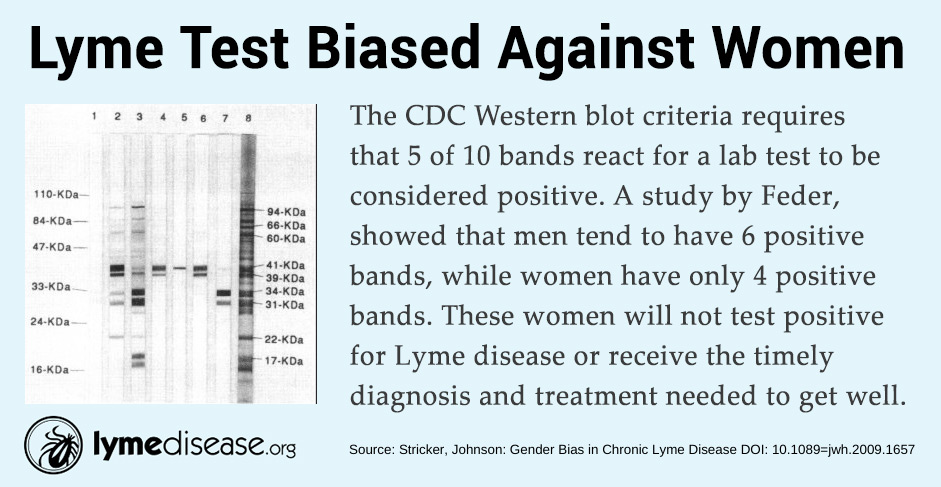
The CDC Western blot criteria requires that 5 of 10 bands react for a lab test to be considered positive. A study by Feder, showed that men tend to have 6 positive bands, while women have only 4 positive bands. These women will not test positive for Lyme disease or receive the timely diagnosis and treatment needed to get well (Stricker, Johnson 2009).

Lyme Disease Prevalence — Almost Twice As Many Females As Males

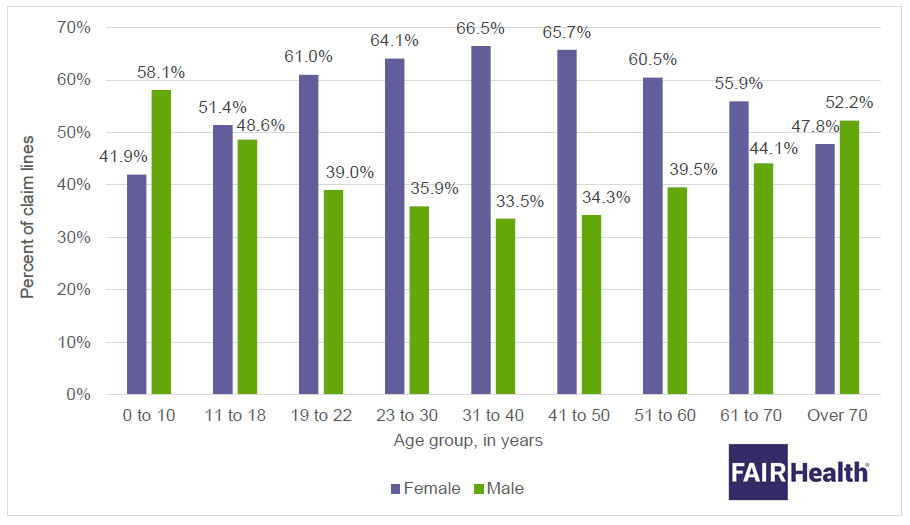
According to the CDC, most reported surveillance cases are male—58% males vs 42% females. The CDC statistics also show a bimodal distribution of Lyme disease — with children and adults over 50 reporting the most cases. Both of these assumptions have recently been called into question by other big data studies.

For example, FAIR Health, one of the largest insurance claims data bases, recently released a report on Lyme disease that shows more insurance claim lines with Lyme disease diagnoses were submitted for females than males and females do not have a bimodal age distribution. In fact, between the ages of 23-50, there were almost twice as many females as males with Lyme disease. (FAIR Health 2019).

Lyme Disease Prevalence - for some ages (23-50), there were almost twice as many females as males with Lyme disease

Justin Bieber Battling Lyme Disease….Reveals Chronic Mono Too

https://www.tmz.com/2020/01/08/justin-bieber-battling-lyme-disease/

JUSTIN BIEBER BATTLING LYME DISEASE …Reveals Chronic Mono Too

1/8/2020