Archive for December, 2020

A Brief History of Genetic Vaccines (Part 1): Ebola

https://www.activistpost.com/2020/12/a-brief-history-of-genetic-vaccines-part-1-ebola.html

A Brief History of Genetic Vaccines (Part 1): Ebola
By Julie Beal

Most of the coronavirus vaccines are genetic potions of one kind or another, and so much time and money has gone into them, it seems a return on investment is now due. Genetic vaccines are part of a huge industry based on synthetic versions of natural biology, with many prepped and ready to go.

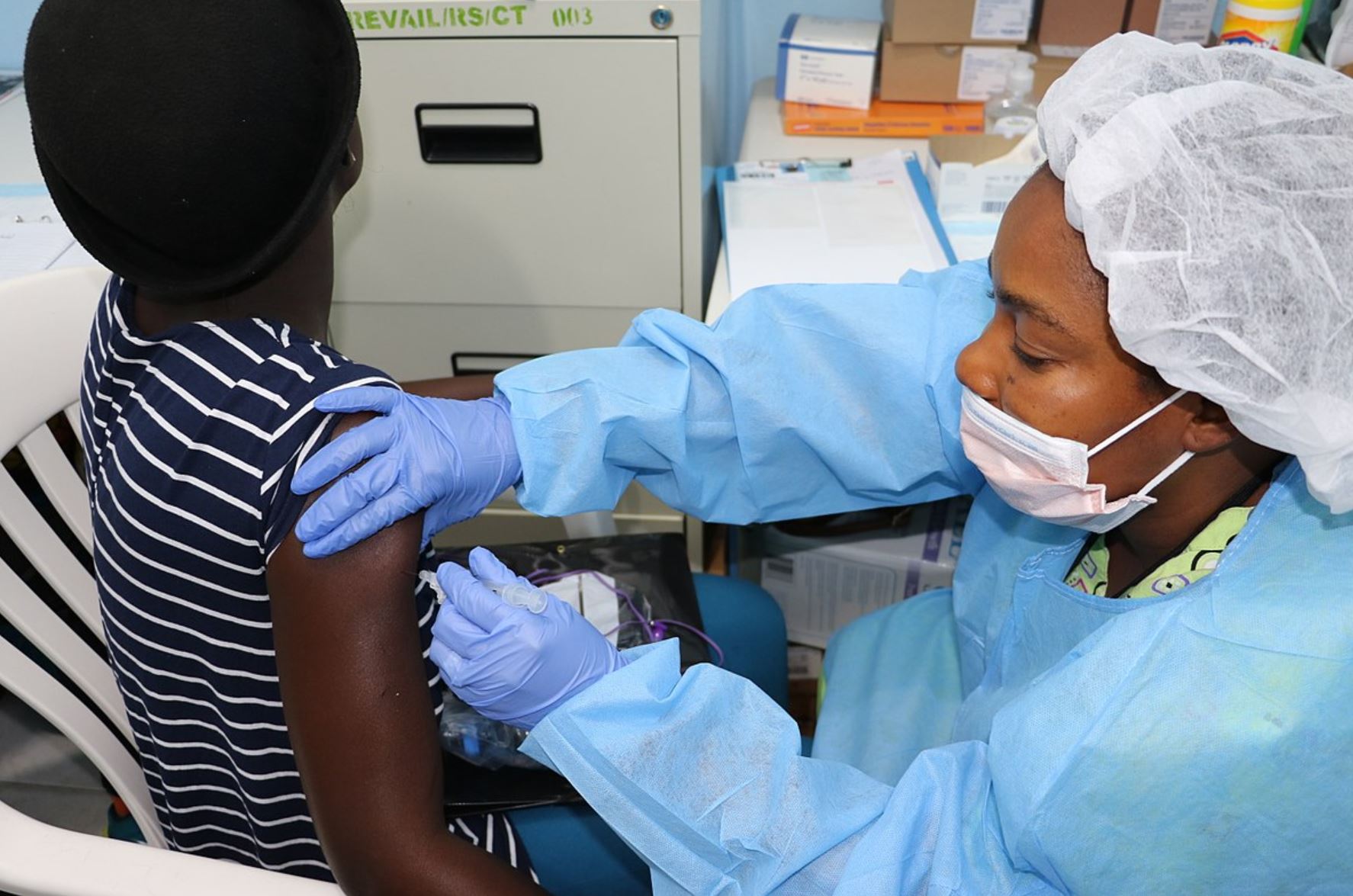
Tracing back the history of DNA vaccines for HIV and Ebola begins to shed some light on how the coronavirus vaccines came into being. This article (Part 1) is about DNA vaccines for Ebola, e.g. trials in Africa that used contact tracing, and where people felt like lab rats, vaccine ingredients and genetic contaminants. Part 2 will trace the endless failures of DNA vaccines for HIV over the last 30 years, and look at how HIV brought in the concept of testing for ‘cases of suspected infection’.

(See link for article)

___________________

**Comment**

Important quote:

Originally with the catchy name ‘rVSV-ZEBOV’, the vaccine uses the vesicular stomatitis virus (VSV) as a way to get the fake DNA version of Ebola inside the cells of the body. The VSV is recombinant (genetically engineered) and becomes a hybrid because it’s got some genetic code hidden inside it that says “Make Ebola proteins!”  This is supposed to mimic a natural infection, and the body is supposed to understand the man-made code and react accordingly. The same method is being used by several other companies for all sorts of ‘viral infections’; most notably, the ronavax made by AstraZeneca and J&J, both of which use adenoviruses to carry the code for coronavirus proteins. However, unlike the viral vectors used for the ronavax, this one is replication competent, meaning it’s able to multiply inside the person who’s been vaccinated.

The scary part is, like other vaccines for viruses, the vaccinated can shed the virus and spread it to others.

Vaccine virus RNA has been detected in blood, saliva, urine, and fluid from skin vesicles of vaccinated adults; transmission of vaccine virus is a theoretical possibility.”

Adverse reactions from the Ebola vaccine:

  • injection-site pain (70%)
  • headache (37%)
  • feverishness (34%)
  • muscle pain (33%)
  • fatigue (19%)
  • joint pain (18%)
  • swelling (17%)
  • redness (12%)
  • nausea (8%)
  • arthritis (5%)
  • rash (4%)
  • abnormal sweating (3%)

But people also reported chills, paraesthesia, anaphylaxis, serious pyrexia reaction, severe arthritis and severe arthralgia. Some had “recurrent or prolonged joint symptoms lasting up to 2 years following vaccination.  Somehad cutaneous vasculitis, and rash, which seems to indicate viral shedding. Up to 85% of them had decreases in lymphocytes, while 43% had decreases in neutrophils.

But the scariest part is that no tests for genetic toxicity are required for genetic vaccines because they are considered to be ‘biologics.’

It may cause problems with pregnancy and it may well be in breast milk.

The murkiness surrounding vaccine development is prolific:

Vaccinated vs Unvaccinated: The Study the CDC Refused to Do

**UPDATE Nov. 2022**

Dr. Thomas’s license was suspended upon the false pretext that his approach of respecting parents’ right to informed consent constituted an “emergency” threat to public health. The board took this action despite the study having been done in response to a demand from the board for Dr. Thomas to produce peer-reviewed evidence to support his alternative approach of not pushing strict compliance with the CDC’s schedule.

That study was later retracted on the grounds that its findings were the spurious result of a selection bias. Specifically, the claim was made that the findings do not reflect a true effect of non-vaccination but were rather due to parents of unvaccinated children simply failing to take their kids in to see the doctor and therefore failing to get their equally unhealthy kids diagnosed and treated for various health conditions.

Now, Dr. Lyons-Weiler, along with Dr. Russell Blaylock (since Dr. Thomas remains prohibited from conducting further research by the medical board), has published a follow-up study thoroughly refuting the claim that their findings were an artifact of differing healthcare-seeking behaviors.  Please see:  https://madisonarealymesupportgroup.com/2022/09/29/new-study-supports-conclusion-of-retracted-2020-study-showing-unvaxxed-kids-healthier-than-vaxxed-the-vaxxed-had-a-36-higher-risk-of-asthma/

The new study shows conclusively that parents of unvaccinated children took their kids in for routine checkups just as much as parents of vaccinated children. In fact, unvaccinated children were even more consistently attendant at routine visits than vaccinated children.

This falsifies the speculative hypothesis upon which the retraction was based, demonstrating how the journal editors’ decision was not based on rational scientific inquiry and discourse but was instead politically motivated.

Please read Jeremy Hammond’s review of the study as well as information on the baseless retraction of the study.

https://www.activistpost.com/2020/12/vaccinated-vs-unvaccinated-the-study-the-cdc-refused-to-do-interview-with-dr-weiler.html

Vaccinated Vs. Unvaccinated: The Study The CDC Refused To Do — Interview with Dr. Weiler

http://  Approx. 50 Min.

Dec. 13, 2020
By Spiro Skouras

COVID-19 has reignited the vaccine debate worldwide as significant portions of the population express their unwillingness or hesitancy to take the experimental vaccine. A vaccine that was developed in record time with rolled back regulations, limited oversight, as well as a limited scope in the safety trials.

The vaccine manufacturers conducting the trials carefully screened potential volunteers, and carefully selected candidates to help them ensure a passing grade for government regulators and then mass distribution.

In this interview, Spiro is joined by Dr. James Lyons-Weiler who recently co-authored a study comparing vaccinated and unvaccinated children. A study the CDC has refused to perform despite four different congressional bills which would have obligated them to conduct. All four bills failed. The fact that all four bills failed may not come as a surprise, considering Big Pharma is the largest lobby in DC. But the key findings of the study, may indeed surprise you.

The study was independently conducted, peer reviewed and publicly funded.
______________________
**Comment**
I posted the original study here:  https://madisonarealymesupportgroup.com/2020/11/30/landmark-study-vaccinated-vs-unvaccinated-children/  The other author of the study, Dr. Paul Thomas, has recently had his medical license suspended for defying the vaccine narrative:  https://healthimpactnews.com/2020/oregon-pediatrician-publishes-study-comparing-his-vaccinated-and-unvaccinated-children-then-has-his-medical-license-suspended/  (35 Min interview with Dr. Thomas and Del Bigtree in link)
Please note how the corrupt Medpage presents Dr. Thomas in this article with a picture to make him look like a mad-man. This is how they conduct ad hominem attacks on those defying the accepted narrative.

In this brief 6 minute video, Dr. Paul Thomas blows up the conventional vaccine narrative with incredible statistics.

Thomas and Weiler (the top video taken down by Youtube for being truthful) go through the following health points showing the unvaccinated are healthier by far:  https://www.doctorsandscience.com/uploads/1/3/5/8/135856265/493703325-vx-vs-unvx-graphs.pdf  Slides here
  • asthma
  • allergic rhinitis
  • sinusitus
  • breathing issues
  • behavior issues
  • ADHD
  • respiratory infection
  • otitis media
  • ear pain
  • infection
  • conjunctivitis
  • eye disorders
  • eczema
  • dermatitis
  • urticaria
  • anemia
  • gastroenteritis

In 2017, I also posted another peer-reviewed study showing that fully vaccinated children may be trading the prevention of certain acute illnesses for more chronic illnesses and neurodevelopment disorders.  They also found vaccinated premies were 6.6 times more likely to have a neurodevelopment disorder:  https://madisonarealymesupportgroup.com/2017/05/18/first-peer-reviewed-study-of-vaccinated-vs-unvaccinated-children/

Despite what our public health ‘authorities’ say, vaccine science is NOT settled, and vaccines are not ‘safe and effective’ for all people at all times:  https://madisonarealymesupportgroup.com/2019/03/02/mic-drop-at-the-acip-cdc-meeting-vaccine-science-not-settled/
Please also see:  https://madisonarealymesupportgroup.com/2020/12/30/cdc-thwarts-efforts-to-track-covid-19-vaccine-adverse-reactions/  The CDC is not looking out for public health and is completely bought out.  
For more on this:  
Weiler recently spoke at a medical freedom conference.  Great information on COVID-19 vaccine:  https://madisonarealymesupportgroup.com/2020/12/04/medical-freedom-press-conference-must-see-video/
Not a single vaccine manufacturer removed these unsafe epitopes after Weiler notified them.
Lyme/MSIDS patients know all too well that doctors who dare to treat them often are persecuted and retaliated against by state medical boards:  https://madisonarealymesupportgroup.com/2018/06/14/corruption-human-rights-violations-against-lyme-doctors-scientists-and-parents-now-on-united-nations-record/

Lyme Disease: Are We Looking For the Wrong Culprit?

http://  Approx. 18 Min

Oct. 1, 2020

Lyme Disease: Are We Looking For the Wrong Culprit?

Tatjana Mijatovic, PhD

The video describes the overall high expansion of undiagnosed Lyme disease cases worldwide and the possible link to screening only for B. burgdorferi and rarely testing for B. miyamotoi. Identify the utilization of phage-based testing and bacterial presence as related to testing choices and late/chronic stage patients Discuss how the overall high failure rate of tick-borne infection (TBI)-related testing underscores the necessity for novel approaches.

Background: Borrelia-related diseases (Lyme disease and relapsing fevers) are increasingly prevalent, severe, difficult to diagnose and treat. The high failure rate of tick-borne infection testing undermine treatments‘ strategy and monitoring.
Aims: The goal of this contribution is to bring the focus on the importance to enlarge borreliosis-related testing targets and shed some light on high prevalence of B. miyamotoi presence both in ticks and late stage undiagnosed patients.

Methods: Bacteriophages could become a diagnostic tool based on the principle that if there are phages it is because there are living bacteria. Phelix Charity together with Leicester University microbiology department have recently developed a Borrelia Phage-based PCR test searching for 3 major Borrelia groups (Borrelia burgdorferi sl (including B. burgdorferi ss, B. afzelii, B. garinii, B. spielmanii, etc), Borrelia miyamotoi and Relapsing fever group (B. recurrentis, B. hermsii, etc). This method is efficiently used to assess both human samples and ticks.

Results: Since July 2019, over 2100 results from patients originating various countries have been obtained. Testing included mainly late stage / chronic patients and the aggregated data are showing 30 % negative results and 70% positive among which over 60 % indicated the presence of specific Borrelia miyamotoi phages. Furthermore, ticks from 2019 and 2020 have been analyzed by the same method. The obtained results on ticks showed that over 60% were found positive for Borrelia miyamotoi and only 15% for B. burgdorferi sl.

Conclusion: This is the first large scale report on prevalence of B. miyamotoi in the ticks, as well as in late stages of borreliosis. Seen a high prevalence of B. miyamotoi in tested ticks, further supported by similar percentages found in tested patients, one can hypothesize that the high failure rate of current two-tier screening testing, searching for B. burgdorferi sl only, might be due to the wrong testing target. In other words, the overall high expansion of undiagnosed Lyme disease cases worldwide might be linked to the screening choice focusing only on B. burgdorferi sl and only rarely testing for B. miyamotoi while the later one seems to be much more prevalent. Further accumulation of data both from the patients and ticks should bring the answer to the question are we searching for a wrong culprit. Searching for actual bacterial presence using phage-based testing might pacify the debate and controversies on testing choices and late/chronic stage patients.

______________________

**Comment**

Since Borrelia miyamotoi is not a reportable illness to the CDC, no one has any clue about prevalence but reports are coming in continually that it’s highly likely to be a much bigger problem than ‘authorities’ believe.

For more:  https://madisonarealymesupportgroup.com/2020/12/14/how-many-negative-lyme-tests-are-due-to-b-miyamotoi/

https://madisonarealymesupportgroup.com/2020/11/18/what-you-need-to-know-about-borrelia-miyamotoi/

https://madisonarealymesupportgroup.com/2020/12/23/could-borrelia-miyamotoi-infections-explain-persistent-lyme-symptoms/

https://madisonarealymesupportgroup.com/2018/02/15/b-miyamotoi-in-ca-ticks-for-a-long-time/

Ticks Produce Antibiotic That Protects Them From Human Skin Bacteria

https://www.ucsf.edu/news/2020/12/419216/lyme-disease-ticks-produce-antibiotic-protects-them-human-skin-bacteria

Lyme Disease Ticks Produce Antibiotic That Protects Them From Human Skin Bacteria 

Gene Provides Protection During the ‘Really Risky Sport’ of Feeding on Blood

By Vicky Stein

Dec. 10, 2020

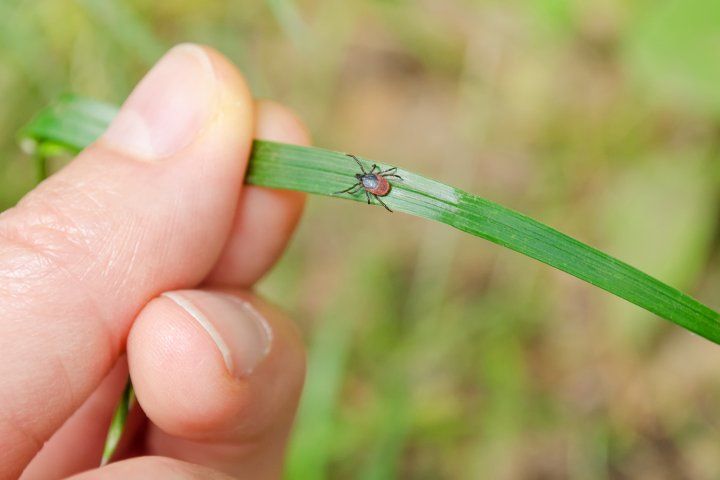
Ticks live dangerous lives, spending most of their time questing for a host across wildly different habitats and seasons. Once they encounter a reptile, bird, or a mammal like us, they become intimately connected with it – and all of its bacteria and viruses – for days on end. Though ticks are notorious for transmitting pathogens such as the Lyme disease bacterium, how does their immune system keep them safe from contracting pathogens themselves?

In a study published in Cell on Dec. 10, 2020, a research team led by UC San Francisco’s Seemay Chou, PhD, provides an answer to this mystery. The work, Chou said, reveals that ticks are exquisitely constructed blood-sucking machines, with immune systems specially tailored for this unique lifestyle. Their defense strategies are carried out both inside and outside their bodies, she said, killing even our resident microbes as they feed on us.

Five years ago, in work published in Nature, Chou and colleagues found a gene in tick DNA that produces a microbe-killing protein. In the new study, senior author Chou leveraged that discovery to show that, without the protection offered by this gene, ticks are vulnerable to infection with Staphylococcus, one of the most common types of “commensal” bacteria. These bacterial species carpet our skin surface, but generally don’t harm us.

“This is the first time anybody’s identified a natural pathogen of ticks, and established a mechanism for it,” said Chou, an assistant professor of biochemistry and biophysics at UCSF and Chan Zuckerberg Biohub Investigator whose work is supported by a Sanghvi-Agarwal Innovator Award. “Ticks pass more microbes to humans, livestock, and other animals than any other known arthropod, but now their own vulnerabilities are on the table.”

The tick gene in question, known as dae2, originally evolved in bacteria, where the protein it encoded worked as an offensive agent against other bacteria. Several hundred million years ago, right around the time that the ancestors of some of today’s ticks began feeding on blood, those ticks “stole” the gene, making it a part of their own genomes.

According to Chou, dae2 represents a rare example of so-called horizontal transfer of a gene from a bacterium to an animal, and the fact that this transfer occurred as blood feeding evolved might not be a coincidence.

“I’ve always wondered why blood-feeding is even a thing,” said Chou. Not only does blood take a lot of energy to process into useful food, but biting on and attaching to much larger animals “seems inherently like a really risky sport.” With a strong, dae2-enhanced immune system, she said, tick species could have flourished, expanding to fill their bloody ecological niche.

When she first began working with dae2 in Ixodes scapularis, the deer tick, Chou thought ticks’ acquisition of the gene must have something to do protection against tick-dwelling bacteria like B. burgdorferi, which causes Lyme disease in humans and other animals. In experiment after experiment, she and members of her lab tried to find a mechanism for the gene to inhibit this bacterium, until they had an epiphany.

It makes no sense for ticks to have acquired this immune effector to kill off the bacteria that it’s most notoriously known to stably associate with,” she said. So instead, the lab began the much more complicated process of looking for bacteria that ticks are not known to live with peaceably. When members of the lab, including co-first authors Beth M. Hayes, PhD, and Atanas D. Radkov, PhD, proposed exploring the idea that dae2 might protect against Staphylococcus bacteria, “I actually pooh-poohed the idea – I bet a beer against it,” said Chou.

But after the dae2 protein was introduced to a cloudy vial of cultured staph bacteria, Chou was shocked. “The tube went from murky to clear in like, a second,” she said. “I was kind of glad to have lost this bet. After two years of trying to figure out what was going on, it all started falling together.”

Now the team had a direction. As detailed in the Cell paper, the researchers embarked on a series of wide-ranging experiments, first comparing dae genes in a range of tick species with the bacterial tae genes from which they were originally derived. With these comparisons and high-resolution protein structures in hand, they used computer models of these proteins to compare their shape and orientation when they came in contact with molecules found in bacterial cell walls.

Next, they moved on to testing the proteins directly against actual molecules extracted from bacterial cell walls. While dae2 protein could quickly degrade this material, taken from common skin bacteria, Tae2 could not. Dae2 also killed a wide a range of bacteria, notably three very common species that are symbiotic partners of human skin.

The researchers then investigated whether dae2 could reach our skin. They found dae2 protein in tick salivary glands and saliva, and observed that, from there, the protein was transferred to the ticks’ blood meal hosts.

When Chou and the team cancelled out the effects of dae2 in a group of blood-fed ticks, using a technique known as RNA interference in some mice and immunizing other mice to the protein, they found higher levels of Staphylococcus bacteria than in ticks with the functioning protein. These ticks also stayed smaller and gained less weight than ticks with dae2.

“This is a new way of thinking about how ticks interact with microbes,” said Chou. Microbes borne by ticks cause disease in humans and animals worldwide, but that’s only half the story, she said. “Their commensal is our pathogen, and our commensal is their pathogen.”

Authors: Joining Chou, Hayes, and Radkov were Fauna Yarza, Sebastian Flores, Jungyun Kim, Ziyi Zhao, and Victoria Bowcut, all of UCSF; Katrina W. Lexa, of Denali Therapeutics, Liron Marnin and Joao H.F. Pedra of the University of Maryland School of Medicine; and Jacob Biboy and Waldemar Vollmer of Newcastle University.

Funding: The research was funded in part by grants from the NIH (R01AI132851, R01AI134696, R01AI116523), Research Councils UK (EP/T002778/1), the UCSF Program for Breakthrough Biomedical Research, and the Sandler Foundation. Additional support came from the Chan Zuckerberg Biohub, the Johnson & Johnson WiSTEM2D Award, the Pew Biomedical Research Foundation, and the Sangvhi-Agarwal Innovation Award. Yarza was supported by the National Science Foundation (1650113) and a grant to UCSF from the Howard Hughes Medical Institute through the James H. Gilliam Fellowships for Advanced Study program.

Disclosures: The authors declare no competing interests.

The University of California, San Francisco (UCSF) is exclusively focused on the health sciences and is dedicated to promoting health worldwide through advanced biomedical research, graduate-level education in the life sciences and health professions, and excellence in patient care. UCSF Health, which serves as UCSF’s primary academic medical center, includes top-ranked specialty hospitalsand other clinical programs, and has affiliations throughout the Bay Area.

CDC Thwarts efforts to Track COVID-19 Vaccine Adverse Reactions

ICAN, through its attorneys, has obtained documents from the U.S. Department of Health and Human Services (HHS) which evidence that the Centers for Disease Control & Prevention (CDC) purposely prevented the reporting of vaccine adverse events to the Vaccine Adverse Events Reporting System (VAERS).  The documents produced show that as of early 2007, the CDC had “strong interest and enthusiastic support for” a Harvard project intended to automate the creation and submission of reports of vaccine adverse events to VAERS.  The CDC explained that this effort to automate VAERS reporting:
 
“will constitute an important, exciting, and long-awaited advance in the field of vaccine safety.” 
 
HHS even provided $1 million in funding to Harvard researchers for this project who then created the system and tracked adverse vaccine events from 2007 to 2010.
 

The researchers identified 35,570 reportable reactions in just 376,452 vaccine recipients (9.4%)!  They also determined that:

“fewer than 1% of vaccine adverse events are reported.” 

 
After the Harvard researchers made these shocking findings, the investigators on the project explained that,
 
“Unfortunately, there was never an opportunity to perform system performance assessments because … the CDC consultants responsible for receiving data were no longer responsive to our multiple requests to proceed with testing and evaluation.” 
 
Despite initially expressing overwhelming support and enthusiasm for this project, the CDC refused to cooperate to finalize the system after realizing that automating VAERS revealed a high rate of adverse events after vaccination. 
 
Had the CDC cooperated and had this project been completed and the system utilized, it could have been used and perfected for a decade prior to the administration of COVID-19 vaccines, for which an automatic, adequate surveillance system is so desperately needed.  It also could have significantly increased knowledge regarding vaccine safety, potentially preventing numerous injuries to infants, children, and adults.
 
In 2006, the Agency for Healthcare Research and Quality, an HHS agency, provided a $1 million grant to create a spontaneous reporting system to VAERS at Harvard Pilgrim Health Care. This system was created to address the issue of underreporting to VAERS, a problem which has been highlighted for over 30 years. The automated system would also assure reporting from a known sample size and thus convert VAERS from a passive to an active reporting system, thereby permitting more reliable conclusions to be drawn from the analysis of the VAERS database – something this country has long needed. 
This automated system is needed now more than ever in light of the warp speed development and roll out of COVID-19 vaccines. 
Documents obtained by ICAN’s attorneys, led by Aaron Siri, show the enthusiastic support by the CDC and other federal health agencies for this project until 2010 when the CDC fell silent and refused to continue to cooperate with Harvard. 
 
The documents recently produced in response to ICAN’s request regarding this project includes a letter of support to the Harvard investigators of the project. That letter from Dr. Robert Davis, the then Director of the Immunization Safety Office at the CDC stated, in part:
 
This letter confirms the strong interest and enthusiastic support of the Center for Disease Control’s Immunization Safety Office (ISO) for your proposed project, ESP-VAERS “Electronic Support for Public Health – Vaccine Adverse Event Reporting System.”  Your intention to create software to prospectively identify potential vaccine adverse effects in electronic medical records, and to facilitate clinicians’ evaluation and electronic reporting to VAERS, will constitute an important, exciting, and long-awaited advance in the field of vaccine safety. The capability you hope to create will serve both individual clinicians as well as national efforts. 
 
The production also shows that HHS’s Project Officer wrote that:
 
“This is a well-designed and well-thought out study submitted by an excellent research team that has had previous success in developing similar project. There is also strong support for this project from Federal agencies including in particular the CDC, and this could be critical in the eventual dissemination of the study findings.”
 
This enthusiastic support, however, would disappear after the Harvard researchers created the automatic reporting system which revealed a frightening level of adverse events.  As explained by the federally funded Harvard researchers:
 
Preliminary data were collected from June 2006 through October 2009 on 715,000 patients, and 1.4 million doses (of 45 different vaccines) were given to 376,452 individuals. Of these doses, 35,570 possible reactions … were identified.
 
In summary, the preliminary data showed that over only a three-year period, there were 35,570 reportable reactions in just 376,452 vaccine recipients (9.4%)! 

This is much higher than the “1 in a million” frequently spouted by the medical community.  The Harvard researchers also concluded that “fewer than 1% of vaccine adverse events are reported.”

After successfully automating the spontaneous creation of adverse event reports at Harvard Pilgrim, the developers asked the CDC to take the final step of linking VAERS and the Vaccine Safety Datalink with the Harvard Pilgrim system so that these reports could be automatically transmitted into VAERS.  Given HHS’s statutory mandate to assure safer vaccines, and its support for this project, it should have moved forward quickly to implement the spontaneous VAERS reporting system developed by Harvard. 
Instead, the CDC refused to cooperate.  As the Harvard researchers explained:
Unfortunately, there was never an opportunity to perform system performance assessments because the necessary CDC contacts were no longer available and the CDC consultants responsible for receiving data were no longer responsive to our multiple requests to proceed with testing and evaluation.

As usual, the CDC was more concerned with protecting its own image and its vaccine program than protecting individuals from harm. 

This can also be clearly seen from ICAN’s previous letter exchange with HHS and CDC regarding automating VAERS which is available here.  The fact that the CDC and HHS refuse to automate VAERS reporting supports the conclusion that they are intent on keeping VAERS as a passive reporting system in order to hamper its ability to provide the public with reliable information regarding frequency in which adverse events occur following vaccination.
 
Had the CDC cooperated as it pledged to at the start of the Harvard Pilgrim project, this automated surveillance system could have been implemented to track COVID-19 vaccine adverse events.  Instead, HHS and its agencies are now scrambling to create new tracking systems and to integrate already-existing systems in order to try and track, in any meaningful way, adverse reactions to these COVID-19 vaccines.
 
ICAN will continue to take additional legal steps to hold the CDC accountable for its unconscionable refusal to automate VAERS reporting.  Its disregard for improving patient safety and abandonment of protecting people in favor of protecting vaccine products are shameful.  ICAN will never stop fighting for informed consent and continues to build its case that the federal government is withholding the information needed to give informed consent.  We will never stop fighting for you, unlike the CDC which fights for pharmaceutical companies and their products. 
______________________
 
**Comment**
 
More proof that the CDC is NOT about public health.  They are only concerned about their financial bottom-line and their conflicts of interest:  
Lyme/MSIDS patients have a ‘heads-up’ on how public ‘authorities’ rig the system for their own purposes:  https://madisonarealymesupportgroup.com/2020/04/26/cdc-playbook-learning-from-lyme/
 
Recently, Dr. Bransfield, a Lyme literate doctor, also laid this out simply:  https://madisonarealymesupportgroup.com/2020/12/30/covid-19-what-we-already-knew-from-lyme-disease/
 
 
Learn more about the COVID-19 vaccine:  

Lastly, please note the serious limitations of these vaccine trials:  https://madisonarealymesupportgroup.com/2020/11/19/covidgate-the-corruption-of-clinical-trials-part-1/

  1. No one knows length of protection of the vaccine
  2. No one knows how this affects children as schools prepare to mandate the vaccine to obtain an education
  3. No one knows the synergistic effects of this vaccine with others
  4. No one knows the long-term effects of this vaccine
  5. The Pfizer clinical data is explained here: https://madisonarealymesupportgroup.com/2020/11/14/pfizer-covid-vaccine-frenzy-high-volume-of-adverse-reactions-expected/
  6. The Moderna trial is also being tested on those with a low risk of COVID
  7. ZERO trials were designed to detect a reduction in any serious outcomes (hospital admission, intensive care, or death)
  8. ZERO trials are designed to determine if they interrupt viral transmission
  9. Moderna’s trial lacks adequate statistical power to assess severe COVID-19 outcomes.  The reason?  Hospital admissions and deaths are too uncommon in the study population of 30,000 people