Best Supplements For Arthritis
https://www.paintreatmentdirectory.com/posts/the-best-supplements-for-arthritis
The Best Supplements for Arthritis

3/26/23
There is no one treatment that will address all the complex factors that affect the onset and progression of osteoarthritis (OA) and rheumatoid arthritis (RA). Certain supplements can be very helpful for reducing arthritis pain and improving function . Some of the most powerful are turmeric, fish oil, ginger, SAM-e, chondroitin sulfate, glucosamine and CBD.These supplements have anti-inflammatory and/or joint rebuilding effects.
The best results will be obtained by combining supplements with an anti-inflammatory diet, exercise and stress management. There are also therapies that can be very effective, for the treatment of arthritis, including acupuncture, massage, physical therapy, low level laser therapy and pulsed electromagnetic therapy (PEMF).
Anti-inflammatory drugs can have serious, even fatal, side effects, including causing potentially fatal GI bleeding and increasing the risk of heart attacks and strokes and reducing immune response. Using safer, natural supplements to reduce inflammation and pain is a better strategy.
Although OA was once considered primarily a degenerative and non-inflammatory condition, it is now recognized as having inflammatory aspects, including elevated cytokine levels, as well as potentially being connected with systemic inflammation.
Turmeric
Turmeric (active ingredient curcumin) reduces pain, inflammation and stiffness related to rheumatoid arthritis and osteoarthritis (OA). This herb is traditionally used in Chinese and Indian Ayurvedic medicine to treat arthritis. It also blocks inflammatory cytokines and enzymes, including cyclooxygenase-2 (COX-2), the target of the anti-inflammatory prescription drug celecoxib (Celebrex).
In a small 2012 pilot study, curcumin reduced joint pain and swelling in patients with active RA better than diclofenac (Voltaren), a nonsteroidal anti-inflammatory drug (NSAID). Unlike NSAIDs, curcumin was not found to be associated with any adverse events.[3]
A 2016 systematic review and meta-analysis provided scientific evidence that 8–12 weeks of standardized turmeric extracts (typically 1000 mg/day of curcumin) treatment can reduce arthritis symptoms (mainly pain and inflammation-related symptoms) and result in similar improvements of the symptoms as ibuprofen and diclofenac sodium without the gastrointestinal and cardiac risks of NSAIDs
A 2018 study lasting 12 weeks found that both turmeric and turmeric combined with boswellic acid improved function and reduced joint pain, though the combination worked better to improve performance than curcumin alone.
So turmeric could be part of the answer to the question, “What is the best supplement for arthritis?”
Arthritis Foundation recommended dosage: Capsules, extract (more likely to be free of contaminants) or spice. For OA: Capsule, typically 400 mg to 600 mg, three times per day; or 0.5 g to 1 g of powdered root up to 3 g per day. For RA: 500 mg twice daily. Curcumin is a key chemical in turmeric
Shop for Products with Turmeric
Fish Oil (Omega-3 fatty acids)
Fish oil reduces inflammation and morning stiffness in rheumatoid arthritis and preliminary studies indicate it may have a similar effect on osteoarthritis. Fish oil is an excellent source of omega-3 fatty acids (including EPA and DHA), which block inflammatory cytokines and prostaglandins. The body converts them into powerful anti-inflammatory chemicals called resolvins. Resolvins are molecules that promote resolution of cellular inflammation, allowing inflamed tissues to return to a healthier state.EPA and DHA have been extensively studied for RA as well as many other inflammatory conditions.
A 2010 meta-analysis found that fish oil significantly decreased joint tenderness and stiffness in RA patients and reduced or eliminated NSAID use.
A 2005 study of people with RA showed enhanced positive effects when fish oil supplements were used in combination with olive oil.
A 2018 review of the evidence of the benefits of fish oil for RA found that consumption of Omega 3 fatty acids significantly improved eight disease-activity-related markers.
Fish oil is also important for brain, eye and heart health. It also helps with anxiety and depression. It is safe, with no significant adverse effects. So it just may be another answer to “What is the best supplement for arthritis?”
Arthritis Foundation recommended dosage: Fish, capsules, softgels, chewable tablets or liquid. For general health, two 3-ounce servings of fish a week are recommended. However, it’s difficult to get a therapeutic dose of fish oil from food alone. To treat arthritis-related conditions, use fish oil capsules with at least 30 percent EPA/ DHA, the active ingredients. For RA and OA, up to 2.6 g, twice a day
Ginger
Ginger decreases joint pain and reduces inflammation both in people with osteoarthritis (OA) and rheumatoid arthritis (RA) Ginger has been shown to have anti-inflammatory properties similar to ibuprofen and COX-2 inhibitors such as celecoxib (Celebrex). Ginger also suppresses inflammatory molecule called leukotrienes and switches off certain inflammatory genes, potentially making it more effective than conventional pain relievers. Side effects are limited to mild gastrointestinal upset in some patients.
A 2010 study of 247 patients with knee OA found that ginger reduced knee pain when standing and walking and improved quality of life.
In a 2012 in vitro study, a ginger extract called Eurovita Extract 77 reduced inflammatory reactions in RA synovial cells as effectively as steroids.
For OA, In one trial of more than 200 patients, Eurovita Extract 77 improved OA pain after standing and walking.
A 2015 study found that using ginger extract nanoparticals in a cream 3x a day for 12 weeks improved knee joint pain, daily activities, sports activities and quality of life. There were no adverse effects.
A 2017 study of twice a week self-knee massage with ginger oil in patients with OA found patients had reduced pain and improved function after one and five weeks.
A 2019 study found that ginger can alter gene expression in people with RA to improve disease manifestation.
Arthritis Foundation recommended dosage: Powder, extract, tincture, capsules and oils, up to 2 g in three divided doses per day or up to 4 cups of tea daily. In studies, 255 mg of Eurovita Extract 77 (equivalent to 3,000 mg dried ginger) twice daily.
SAM-e
S-adenosyl-methionine (SAM-e) is a compound found naturally in the body that has anti-inflammatory, cartilage-protecting and pain-relieving effects. In studies, supplementing with SAM-e was as effective at relieving OA pain as NSAIDs like ibuprofen and celecoxib, without their side effects. A systematic review published in 2011 of complementary and alternative medicines in the management of osteoarthritis found consistent evidence that SAM-e was effective in the management of osteoarthritis. No adverse effects were found in any of the studies.
SAM-e also has a mild to moderate antidepressant effect, and is frequently used as a natural alternative to anti-depressant medication..
The typical SAM-e dose is 1,200 mg daily. It will take a few weeks to see the effects..
Glucosamine
Glucosamine is a major component of joint cartilage and levels drop as people age. It also helps keep the cartilage in joints healthy and may have an anti-inflammatory effect. Glucosamine produced in the body provides natural building blocks for growth, repair and maintenance of cartilage and may lubricate joints, helping cartilage retain water and prevent its breakdown. It is often combined with chondroitin (see below).
Supplements are derived from the shells of shellfish (such as shrimp, lobster and crab) or from animal bones or fungi.
The largest study to date, the 2006 Glucosamine/chondroitin Arthritis Intervention Trial (GAIT) looked at 1,600 people with knee OA. The first phase found that patients with moderate-to-severe arthritis experienced significant pain relief from combined glucosamine and chondroitin. The 2008 phase found that glucosamine and chondroitin, together or alone, did not slow joint damage. In the two-year-long 2010 phase, glucosamine and chondroitin were found as effective for knee OA as celecoxib (Celebrex).
Other research has suggested that glucosamine does slow joint damage. A 2008 retrospective study of nearly 275 patients found those using glucosamine for at least 12 months underwent half as many joint replacement surgeries as those on placebo.
In a small 2012 study, an improvement in symptoms after 12 weeks was seen with combined glucosamine and NSAIDs, and a smaller but still significant improvement with glucosamine alone. Study authors speculate that long-term treatment with glucosamine may reduce dependence on NSAIDs and delay disease progression.
Glucosamine may cause mild gastrointestinal symptoms, as well as increased blood glucose, cholesterol, triglyceride and blood pressure. This supplement can increase eye pressure in people with glaucoma.
A 2018 review and metanalysis published in JAMAof all of the therapeutic agents used for knee arthritis long term, including analgesics, antioxidants, bone-acting agents, nonsteroidal anti-inflammatory drugs (NSAIDs), intra-articular injection medications such as hyaluronic acid and corticosteroids, symptomatic slow-acting drugs in osteoarthritis and putative disease modifying agents, found that only glucosamine sulfate was associated with pain improvement. This also may be another answer to “What is the best supplement for arthritis?”
Arthritis Foundation recommended dosage: Capsules, tablets, liquid or powder (to be mixed into a drink); 1,500 mg once daily or in three divided doses to prevent stomach upset. Often combined with chondroitin. May take up to one month to notice effect.
Chondroitin Sulfate
Chondroitin is a component of human connective tissues found in cartilage and bone. In supplements, chondroitin sulfate usually comes from animal cartilage. Reduces pain and inflammation, improves joint function and slows progression of osteoarthritis (OA). Chondroiton is believed to enhance the shock-absorbing properties of collagen and block enzymes that break down cartilage. Helps cartilage retain water and may reverse cartilage loss when used with glucosamine.
The largest study to date, the 2006 Glucosamine/chondroitin Arthritis Intervention Trial (GAIT) looked at 1,600 people with knee OA. (See above under glucosamine for results.)
A separate 2011 study showed a significant improvement in pain and function in patients with hand OA using chondroitin alone.
A 2013 review of the evidence on use of chondroitin for OA concluded that chondroitin has a beneficial effect on different kinds of cells involved in osteoarthritis and that it is an effective and safe treatment option for patients with OA.
Chondroitin and glucosamine supplements appear to be safe and constitute another good answer to the question, “What is the best supplement for arthritis?”
Chondroitin taken with blood-thinning medication like NSAIDs may increase the risk of bleeding. If you are allergic to sulfonamides, start with a low dose of chondroitin sulfate and watch for any side effects. Other side effects include diarrhea, constipation and abdominal pain.
Arthritis Foundation Recommended Dosage: Capsules, tablets and powder; 800 mg to 1,200 mg daily in two to four divided doses. Often combined with glucosamine. Allow up to one month to notice effect.
Shop Anti-Inflammatory Products
CBD (Cannabidiol)
Research has shown that CBD interacts with the body’s endocannabinoid system, which plays a role in regulating pain and inflammation. CBD may also help reduce the production of inflammatory cytokines, which are molecules that contribute to inflammation in the body.
Though research to date has been somewhat limited, both animal and human studies have shown positive effects.
In a 2019 study published in the journal European Journal of Pain, researchers found that CBD gel applied to the skin significantly reduced joint swelling and pain in rats with arthritis. The study suggested that topical CBD may be a safe and effective treatment for arthritis-related pain and inflammation in humans.
In a 2020 study published in the journal Pain Medicine, researchers found that CBD treatment improved pain and sleep in patients with rheumatoid arthritis. The study suggested that CBD may be a promising therapeutic option for management of pain and other symptoms in patients with rheumatoid arthritis.
A 2020 study published in the journal Cell Death and Disease concluded that “CBD possesses anti-arthritic activity and might ameliorate arthritis via targeting synocial fibroblasts under inflammatory conditions.”
A 2022 study published in the Journal of Cannabis Research found that CBD se was associated with improvements in pain, physical function,and sleep quality. The majority of respondentsreported a reduction or cessation of use of other medications after CBD use.
Other Beneficial Supplements for Arthritis
Other supplements that have evidence of effectiveness for arthritis include: Borage oil, Boswellia, Bromelain, Cat’s Claw, Devil’s claw, DMSO, Ginkgo, GLA, MSM, Pycnogenol, St. John’s Wort and Stinging Nettle.
Find Providers Who Treat Arthritis with Nutrition
Conclusion
There are many supplements that can reduce arthritis pain and functional limitations. All of them are less risky than using pharmaceuticals for pain relief. The supplements not only reduce pain, they appear to have a beneficial overall biological effect on the disease process.
________________
For more:
- https://madisonarealymesupportgroup.com/2022/10/26/nsaids-unsafe-for-chronic-pain/
- https://madisonarealymesupportgroup.com/2022/05/26/anti-inflammatory-drugs-increase-likelihood-of-chronic-pain/
- https://madisonarealymesupportgroup.com/2022/11/08/low-dose-naltrexone-for-chronic-pain/
- https://madisonarealymesupportgroup.com/2020/02/23/testosterone-replacement-in-chronic-pain-patients/
- https://madisonarealymesupportgroup.com/2022/09/27/curcumin-for-pain/
- https://madisonarealymesupportgroup.com/2019/01/16/ldn-cbd/
- https://madisonarealymesupportgroup.com/2018/05/15/overview-of-anti-inflammatory-diets/
- https://madisonarealymesupportgroup.com/2018/04/18/comparative-diets-to-address-chronic-inflammation/
- https://madisonarealymesupportgroup.com/2023/01/13/trigeminal-neuralgia-a-scientist-cures-himself-of-facial-pain/
- https://madisonarealymesupportgroup.com/2020/01/09/10-ways-to-ease-pain-in-patients-with-chronic-lyme/ Things I’ve tried with success in comment section.
My last experiment for treating residual Lyme/MSIDS arthritis pain has been an elimination diet to determine what is causing the inflammation/pain. This is quite a process but certainly an entirely new education on food and the body. Again, what works for one doesn’t work for another but in my case food is a huge player.
So far I’ve discovered I can not tolerate gluten or nightshades. I’ve already limited sugar, grains, and alcohol. Still trying to figure out if there is any dairy I can partake of as well as nuts/seeds and other grains or beans.






 “On top of the physical issues, we must also consider the psychological burden that chronic illness has had on people. This may seem simple and obvious, but it is such an important piece: We have to address the trauma. And sometimes we can’t address trauma head on. We have to address it in a very circuitous but meaningful way. There are a lot of non-pharmacological, non-ingestible ways to do this: Through the
  “In addition to the cell aging and telomere lengthening concept, one area that does seem to be slightly farther ahead is the field of regenerative therapies. Regenerative therapies include exosomes, PRP, and alpha 2-macroglobulin, among others. Some of these chemicals are injected. Oftentimes, we use it mostly for tendon issues and for osteoarthritis and for different orthopedic situations. But exosomes, especially, have other uses. There are many doctors who are using exosomes in parallel to stem cell therapies and there are many types of stem cells from autologous cells that come from your own body—to umbilical, to fetal, all the way to human embryonic. There is a book by Amy Scher titled,
 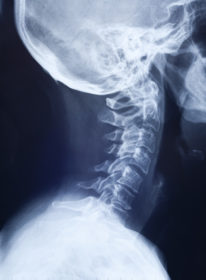 “CCI is Craniocervical Instability, which is a fairly new conceptual understanding, but as a condition it’s been with us for a long time. It is where micro shear forces are happening in the neurovascularly structurally dense area where the skull meets the cervical spine, which can lead to lots of inflammatory responses. Mast cells, which are some of the allergy producing cells, are involved, among many other immune cells. A very big inflammatory response occurs when there is a combination of an infection, such as Borrelia, Babesia or Bartonella, mycoplasma, viruses, et cetera, usually plus head trauma, or a hypermobility syndrome such as Ehlers-Danlos; it’s one of the part of a triad for these people who are a setup for CCI. Dr. David Kaufman is an expert in the area who helped popularize the idea of CCI, and it’s been absolutely amazing for some of these patients who have especially severe chronic fatigue. The ME/CFS world are early adopters in considering it, but for many Lyme patients and practitioners, it is not yet on their radar. It should be because fatigue is one of the very significant presentations of chronic Lyme patients. I’ve seen four or five patients who have had this surgery with pretty astounding results. But what we’re trying to do is get away from a fusion surgery if at all possible. That’s where the exosomes can theoretically come in, especially properly placed injections of exosomes and PRP and these other regenerative therapies to stabilize an area in the cervical spine. The inflammation goes down with many of these injections but getting the benefits to continue when people move their heads frequently is another matter.
 “Therefore, jaw misalignment along with CCI and other spinal issues, such as scoliosis and different ways the spine presents in space can have very profound implications for a chronic illness. Let’s not forget, these patients are coming to me, and they typically also have infections. So, the infections are probably one of those rate-limiting steps. There are a lot of people who have scoliosis and who have jaw misalignment and CCI, who aren’t actually sick. But when you throw in what these infections are doing to people, and you combine that with the structural issues, then you start seeing the picture come together about the infections. And it’s not just about Lyme and babesia species and Bartonella and ehrlichia and anaplasma, relapsing fever, borrelia, etc. There are a lot of other organisms that come into play: there are a lot of GI parasites, brain parasites, worms, and amoebas of all kinds that compromise the human system. Not that they’re necessarily making people sick by themselves, but they change the conditions in the body. One insult by itself isn’t probably going to do anything. Throw that insult in with the Lyme, with the environment, with the structural issues, and you start seeing how complicated some of these patients are. And so, then it becomes a question of, ‘Okay, let’s evaluate all these different things that could be happening.’ I look at it as being like an onion. What’s the top layer of the onion? How do you pull that top layer off and then go to the next one and then finally get to the core? It’s a model that often works. It’s just sometimes slow, but it’s better to be slow and complete than trying to race to the finish and then having to do it over again.