Archive for the ‘Lyme’ Category

Review of Evidence Supporting IDSA Guidelines EM Treatment in US

https://lymediseaseassociation.org/about-lyme/research-articles/peer-reviewed-articles/review-of-evidence-supporting-idsa-guidelines-em-treatment-in-us/

Review of Evidence Supporting IDSA Guidelines EM Treatment in US

2014 ElizabethMaloneyMD
Elizabeth Maloney, MD

The IDSA guidelines for Lyme disease contain 2 recommendations for antibiotic therapy for patients with erythema migrans (EM) rashes. The first recommendation identified which antibiotics were preferred and the second specified therapy duration.

In “Evidence-Based, Patient-Centered Treatment of Erythema Migrans in the United States,” Antibiotics 2021, author Elizabeth L. Maloney, MD, reviews the US trial evidence on EM rashes, problems of the IDSA recommendations considering that evidence, and provides evidence-based patient-centered strategies for managing patients with EM.

“The EM rash is the hallmark finding of early disease,” along with other symptoms. “In light of the physical and financial costs, identifying and promoting highly effective therapeutic interventions for US patients with erythema migrans (EM) rashes that return them to their pre-infection health status should be a priority.” 

The paper states:

“when promptly diagnosed and appropriately treated with antibiotics, early Lyme disease is curable.” Untreated and inadequately treated infections can progress to long-term sequalae. Patient-centered care–defined by the National Academy of Medicine—“…is respectful of and responsive to individual patient preferences, needs, and values and ensuring that patient values guide all clinical decisions. Patient-centered outcomes are outcomes that matter to patients, such as reductions in symptoms or improvements in quality of life.” In recent times, patient-centered outcomes are becoming part of trial designs.

Dr. Maloney uses a Medline search with specified criteria to identify the trials conducted in the US for the named antibiotics recommended by IDSA Lyme guidelines.  There were 25 results of which 8 met the search criteria, other 17 were EM trials in Europe, disseminated disease in Europe, European antibiotic retreatment, culture difficulty, and tick bite prophylaxis. The US trials were old, were small, and 2 had high non completion rates of 40%+ and two others had single arm with 20%+ non—completion, thus Dr. Maloney indicates these should not be included to determine treatment efficacy.

The paper goes on to examine the remaining US trials, several of which used disease centered endpoints, not patient centered endpoints, and all those trials used what is currently considered outdated statistical methodology, pointing out the weaknesses of the evidence used by IDSA. In the conclusion, Dr. Maloney highlights the need for more research.

Click here to read the entire study

Click here to read Johns Hopkins Lyme Research Center Challenges IDSA Guidelines & Addresses Lyme-COVID

Click here to see video of Bransfield & Smith Discuss IDSA Guidelines

Lyme Q & A: Dental Issues, Concussion Recovery, & Life Changes

https://www.globallymealliance.org/blog/dear-lyme-warrior…help

Every few months, Jennifer Crystal devotes a column to answering your questions. Do you have a question for Jennifer? If so, email her at lymewarriorjennifercrystal@gmail.com.

June 28, 2021

I had a root canal and now my Lyme disease symptoms have flared. Is there a relationship between dental problems and Lyme?

I asked my Lyme Literate Medical Doctor (LLMD) the same question before I had my wisdom teeth removed a few years ago. I was worried that the procedure might cause my Lyme symptoms to flare. Because the oral surgeon was going to put me on antibiotics for a week after the procedure, in case of infection, my LLMD thought that medication would protect against a Lyme flare up. He was right. He did caution me, however, that a more invasive procedure like a root canal could exacerbate Lyme symptoms. Lyme is an inflammatory disease, and such a procedure can increase inflammation and potentially aggravate Lyme bacteria (spirochetes) living in the area. I recommend talking with your LLMD to see if you might need antibiotics or an anti-inflammatory regimen.

Patients experiencing oral or facial symptoms should consider whether tick-borne illness could be at play, as should their dentists. In the article “Dentists can help fight against tick-borne diseases” in the American Dental Association (ADA) News, Dr. Stacey Van Scoyoc, an Illinois dentist and member of the ADA Council on Dental Practice, states:

“Sometimes the dental patient may present nonspecific orofacial pain and headaches that can mimic temporomandibular joint point. Dentists should consider Lyme disease as a possible cause if a patient presents these or related symptoms and has no specific oral health problem.”

Does having Lyme disease make it harder to recover from a concussion?

Having Lyme disease can make it harder to recover from just about anything. You have an underlying inflammatory infection that your body is already working hard to battle, and now it needs extra energy to heal from a significant head injury. If your Lyme has crossed the blood-brain barrier and you are experiencing neurological symptoms, those could certainly be exacerbated because you now have double inflammation in your brain—from the Lyme, and from the concussion (or the concussion may have caused previous Lyme inflammation to flare).

Moreover, Lyme disease bacteria (spirochetes) love to hide out in scar tissue. When I was recovering from ACL surgery on my knee, I diligently did all of my physical therapy, but my leg was very slow to regain muscle. “This is terrible,” I remember the surgeon saying, telling me I needed to work harder. In fact, the recovery was slow because I had undiagnosed tick-borne illnesses. The muscle did eventually come back, but it took much longer than it would for an otherwise healthy person. I’ve learned that my underlying conditions generally slow down my recovery from both illness and surgery. As those conditions have improved, though, recovery times have, too, so don’t give up hope. You may want to check out my recent blog post “What Helps Improve Cognitive Function for Lyme Patients” for some ideas on helping your body recover.

I’m thinking of starting graduate school, but the last time I make a big life change, my Lyme disease relapsed. I don’t want Lyme to prevent me from pursuing my dreams, but I also want to be realistic. Do you have any advice?

Your story sounds a lot like mine. The first time I achieved remission, I went off antibiotics, moved to another state and started a new job. Three months later, I relapsed completely. It took another two years to get back to remission, and when I did, I was terrified of facing another relapse (see my “Fear of Relapse” post). Then, an opportunity arose to attend graduate school. I weighed risks and benefits. Could I manage the work load, and live on my own in a new city? I had outgrown my life in my home state, where I’d moved to convalesce. I’d made good progress in physical therapy. I had volunteered, and then taken on freelance writing jobs. I’d joined social groups. I decided that I had paced myself well enough during recovery that I was truly ready to take the next leap.

This time, I made preparations before I moved. I lined up doctors. I found local practitioners for adjunct therapies. I spoke with the Disabilities Office at my graduate school to make sure I could receive accommodations (like extensions) if needed. I explained my situation to my professors. I got in touch with friends in the area. Most importantly, I accepted that tick-borne illnesses would be coming with me on the journey; during my first move, I’d hoped to leave them behind.

My suggestion is to talk candidly with your doctor about where you are in your recovery. Does s/he think you are well enough to take this step, or might it be better to wait another year or two? With tick-borne illness, you have to keep the big picture in mind. I know how badly you want to pursue your dreams, but it’s better to wait until you’re really ready than to get so sick that you can’t pursue them at all. If you do decide to take this step, ask your doctor how you can best support yourself physically during a transition. If you’re moving to a new location, make sure you get a support network in place before you go. I’ll be cheering you on!

GLA’s White Paper on Persister Bacteria and Lyme Disease

https://f.hubspotusercontent00.net/hubfs/6034706/GLA_whitePaper_PersisterBateriaAndLD_Vol2_F.pdf Paper Here

___________________

**Comment**

I have numerous problems with this paper – including the utilization of the PTLDS moniker and the faulty 10-20% that go on to suffer with persistent symptoms, as both are misleading and have dire consequences.

While they state persister bacteria have been documented after antibiotics in vitro, they state work in humans is inconclusive, when reality has shown a far different picture as well as the fact viable spirochetes have been found in these patients.

They state that much more work remains yet due to them downplaying the problem with faulty, low percentages – that work will never happen.  This tactic has been used for over 40 years.

It continues to amuse me that while they insist upon direct isolation of persisters in well-controlled animal experiments, the COVID-19 debacle continues to date without having this!  Once again this proves the double standard regarding Lyme/MSIDS.

And very sadly, they state that “clinical evidence does not support its efficacy” regarding prolonged treatment.  Your’s truly would not be writing this post today without this very maligned way of treating.  They also state that there is no sustained benefit in reducing chronic symptoms after initial treatment – yet here I am defying that very statement, and I’m far from alone.

Please understand, I’m not advocating a willy-nilly, indiscriminate treatment regimen.  Treating this is probably one of the most difficult things to treat.  For an example of what effective treatment looks like go here.

Study Detects Tick-borne Illness in Teens Hospitalized for Depression

https://www.lymedisease.org/hospitalized-teens-lyme-depression/

Study detects tick-borne illness in teens hospitalized for depression

June 10, 2021

The Danger of “Waiting & Seeing” With Lyme Disease

When someone finds an engorged tick, their doctor may tell them to “wait and see” if they develop a rash or other symptoms. This approach is downright dangerous. Here’s why.

Though ticks are a year-round threat, we are in prime season right now, as blacklegged (deer) nymph ticks search for a first meal. People I know have reported pulling ticks off themselves, their children, and their pets by the dozens. “We go for a walk in the neighborhood and my dog comes back covered in ticks,” one friend told me. Even if a dog is vaccinated against Lyme, it can still bring all those ticks into the house, where they then can bite humans. Outside, ticks are everywhere: not just in the woods, but in yards, parks, playgrounds, beach grass, and yes, even cities.

We can help ward off tick bites by using good preventive measures like wearing long, light-colored clothing; putting that clothing in the dryer on high heat after coming inside; using repellent containing DEET or picaridin; spraying clothing and gear with permethrin; using a lint brush to wipe down skin and clothes; showering after spending time outside; and doing daily tick checks. Despite our best efforts, though, we are still at risk. If you should notice a bite or find the tick itself (which you can save to get tested), you have a good chance of getting diagnosed early and treated appropriately.

But this is where it gets tricky. Even when someone finds an engorged tick, their doctor may tell them to “wait and see” if they develop an Erythema Migrans (EM) rash, commonly referred to as a bullseye rash, or symptoms such as fever, body aches, or facial palsy. The doctor will not treat the person for Lyme disease unless these symptoms appear. That approach is downright dangerous, and here’s why:

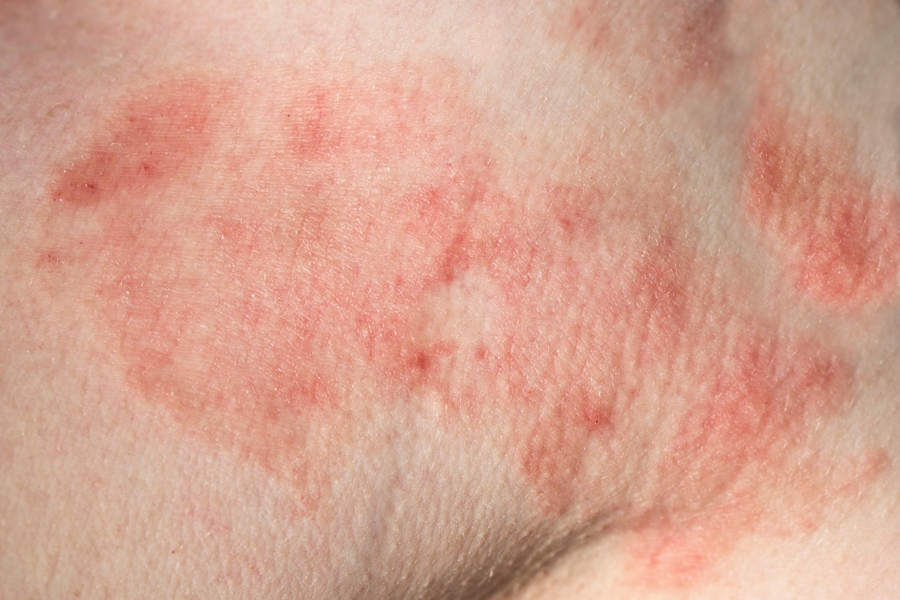
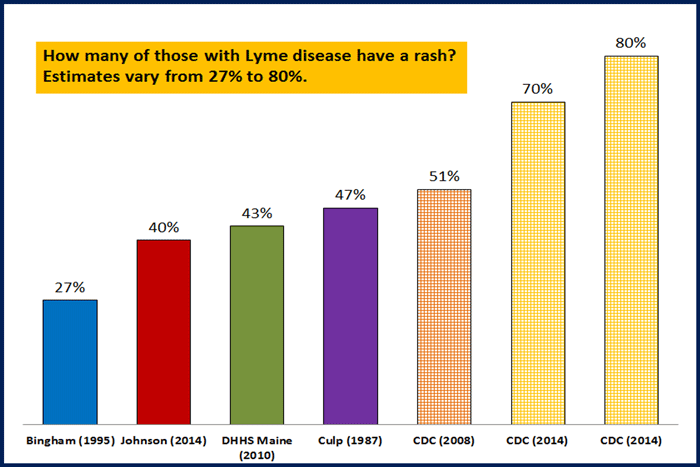
  • Not everyone gets or sees a rash: We must dispel the myth that Lyme is always associated with the “tell-tale” bullseye rash. It can be. If you are lucky enough to see one of those rashes, you can be sure you have Lyme. But the reality is that less than 50% of Lyme patients get, or see, a rash at all. Others may develop the rash weeks, months, or even years after infection. And not all Lyme rashes are created equal. Mine was a series of red dots; other people get blotchy lesions. To wait for a rash to appear is to miss critical time in treating a Lyme infection early.
  • Not everyone gets the same symptoms: While there are more common symptoms of Lyme disease such as flu-like malaise, fever, and joint aches, there are over 100 possible symptoms of Lyme disease. Lyme is called the “Great Imitator” because symptoms can mirror so many other conditions, such as rheumatoid arthritis and fibromyalgia. If someone with a known tick bite isn’t treated right away and then develops more nebulous symptoms like brain fog or chronic fatigue down the road, they may easily be misdiagnosed.
  • Not everyone gets symptoms right away: Some people take weeks to develop symptoms. By then, the Lyme bacteria (spirochetes) may have disseminated to a later stage of disease, making it much more complicated to treat. Early intervention after a known tick bite can shorten overall treatment time and save someone from prolonged suffering.
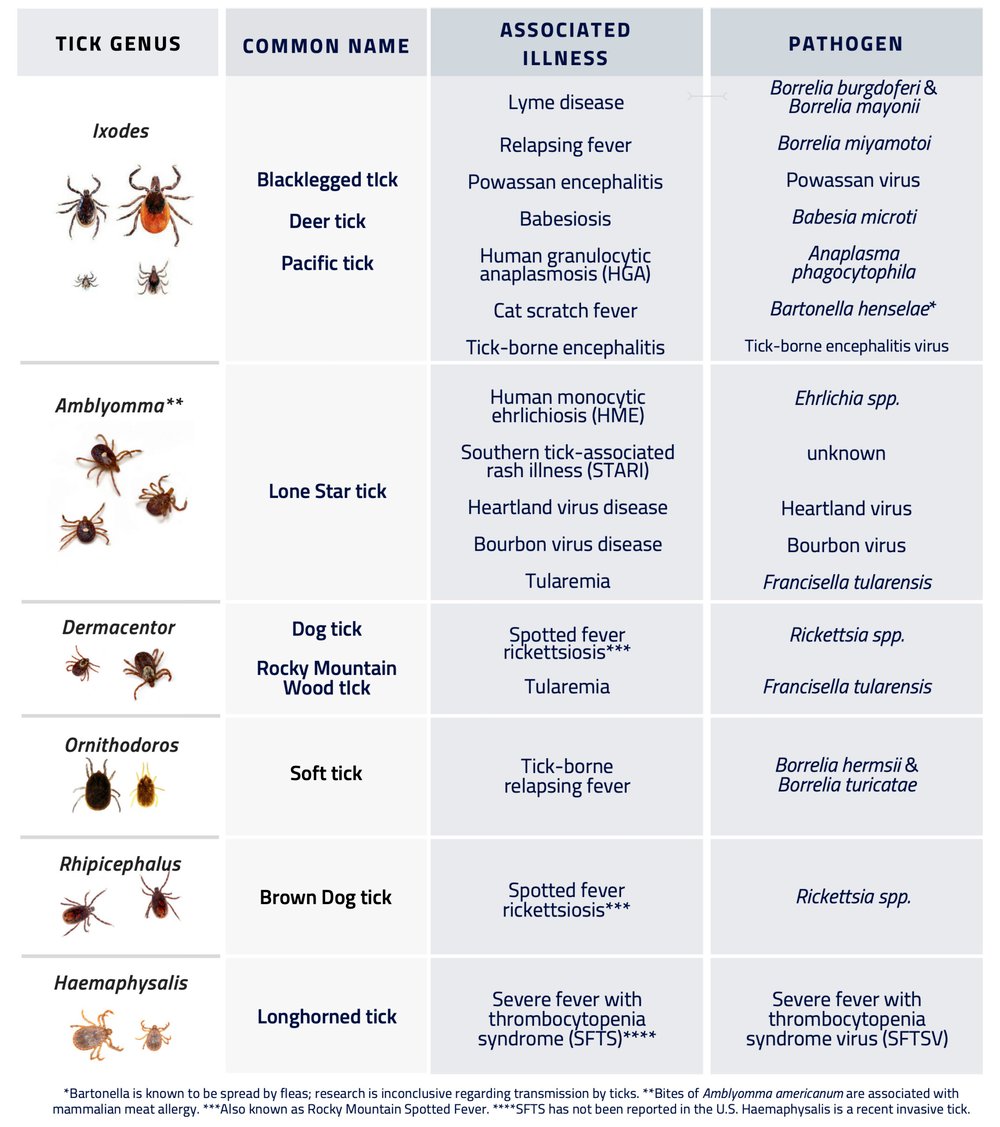
  • Ticks don’t only carry Lyme: The symptoms you may be waiting for, such as an EM rash, may never develop at all because you don’t in fact have Lyme; you have a different tick-borne illness. You may not know to look for symptoms of those, such as night-sweats or hypoglycemia with babesiosis(which requires different treatment than Lyme disease). Or, you may have contracted Lyme and co-infection(s). It’s important to ask your doctor about testing for all tick-borne illnesses, not just Lyme, when you have a known tick bite. A Lyme test does not cover these co-infections; you need to test for them specifically. And if your doctor tells you, “Oh, that was a dog tick, so you don’t have to worry,” make to test for illnesses that dog ticks carry, like Rocky Mountain Spotted Fever and tularemia.
  • Tests are inaccurate: A doctor may tell you to “wait and see” what the tests results say before starting treatment. Because standard Lyme tests only look for antibodies against the bacteria, not the bacteria itself, they are notoriously inaccurate. It can take a while for someone to build up enough antibodies to show up on a test, which can dangerously delay treatment.
  • Ticks can transmit diseases faster than you think: Many doctors subscribe to the old belief that a tick needs to be attached for at least 36 hours to transmit Lyme. But it’s hard to know exactly when a tick first became attached. Each hour—each minute—that a tick is attached, the greater the chance that it will infect you. Other tick-borne illnesses such as Powassan encephalitis can be transmitted in as little as 15 minutes.

A much safer bet, rather than “waiting and seeing”, is to treat immediately with antibiotics. Even if that treatment ends up being prophylactic, it is better to be safe than sorry.

Another dangerous time to use the “wait and see” approach with Lyme disease is after a round of treatment is complete. Most Lyme Literate Medical Doctors (LLMDs) treat for 21-28 days and then make continued clinical evaluation. If the patient’s symptoms have not cleared up, they continue treating the infection, rather than waiting to see what happens. Unfortunately, Centers for Disease Control (CDC) and Infectious Disease Society of America (IDSA) guidelines only call for 10-14 days of treatment, or even just one dose of Doxycycline as prophylactic treatment. Patients who experience symptoms beyond the initial course are often told they have something else. Untreated Lyme infection can then spread further into the body and cross the blood-brain barrier, causing symptoms that become much more difficult to treat. It’s important to remember that co-infections can also complicate and prolong treatment.

If you do a web search on Lyme disease, you will find lots of conflicting information. Some sites will tell you that there is a danger of Lyme over-diagnosis, or that long-term antibiotic treatment is dangerous (it has its risks, which any good LLMD will address). In my opinion, the greatest danger with Lyme disease is the “wait and see” approach. If you get a tick bite, or if you’re treated for Lyme but have ongoing symptoms, I encourage you to reject the “wait and see” approach, and to instead be proactive. Your health is at stake!