https://danielcameronmd.com/kidney-failure-associated-with-lyme-disease/  Podcast Here

KIDNEY FAILURE AND DISSEMINATED RASHES ASSOCIATED WITH LYME DISEASE
kidney-failure-lyme-disease

Hello, and welcome to another Inside Lyme Podcast. I am your host Dr. Daniel Cameron. In this episode, I will be discussing the case of a 66-year-old woman who ignored a Bull’s eye rash, indicative of Lyme disease, and later developed acute renal failure, also referred to as kidney failure.

Mishra and colleagues described this case, entitled “Disseminated Erythema Migrans,” in the American Journal of Medicine. [1]

CASE REPORT: Kidney failure, disseminated rashes associated with Lyme disease

Over a two-week period, a 66-year-old woman with a history of obesity, hypertension, and hyperlipidemia, developed fever and malaise.

One month earlier, she reportedly had a tick bite on her right groin. “A few days later she noticed a bull’s eye lesion over the same area which she ignored,” the authors explain.

READ MORE: Doctors recognize Lyme disease in a patient with kidney disease

I can’t tell you how many patients I have had in my practice who ignore the importance of a tick bite or a rash.

The woman developed clear findings of disseminated Lyme disease. She had “high grade, intermittent fever, malaise, and fatigability,” along with “multiple, painless, red color skin lesions involving her arms, legs and lower back,” the authors write.

Early disseminated Lyme disease typically occurs shortly after a tick bite when the infection has spread throughout the body.  

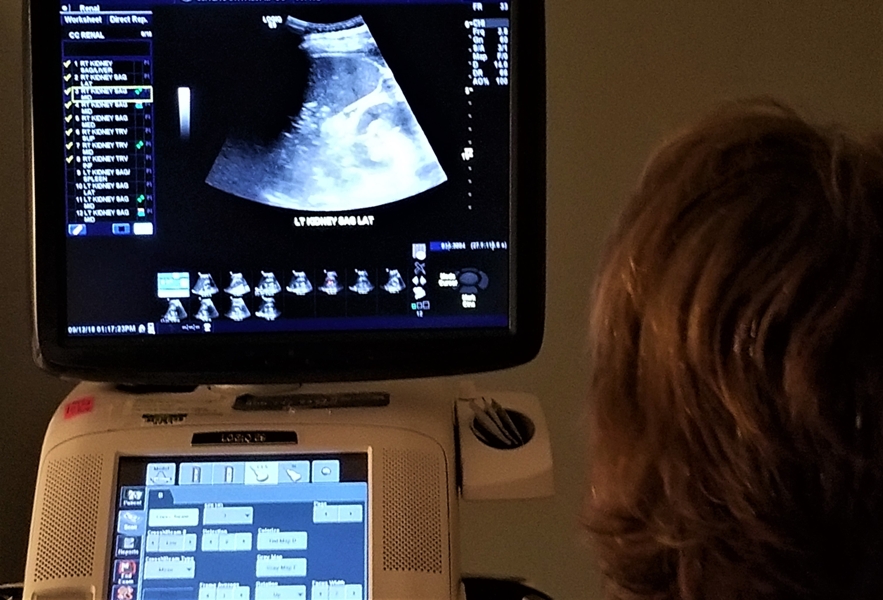
The patient was hospitalized and found to have unexplained acute renal failure (or kidney failure) with a creatinine of 4.49 mg/dl.  Normal levels are closer to 1. (Dialysis is typically necessary if the creatinine were to stay over 5.)

The woman’s IgM Western blot test was positive which is expected in early Lyme disease.

She was treated clinically with IV ceftriaxone and oral doxycycline. “Her renal functions improved following hydration, antibiotics, and discontinuation of her losartan and non-steroidal anti-inflammatory drugs,” the authors explain.

The following questions are addressed in this podcast episode:

  1. What is the importance of the rash in this case?
  2. When does an EM rash typically appear?
  3. A rash will fade after a few days? Does this mean that Lyme disease is no longer a concern?
  4. This patient had multiple disseminated rashes. How common is this and what does it indicate?
  5. Does a rash always appear at the site of the tick bite?
  6. What is the risk of Lyme disease from a tick?
  7. What is the risk of Lyme disease once a rash is identified?
  8. How often are there treatment delays, even when a rash is present?
  9. What types of treatment delays have you seen?
  10. What are the consequences of delayed treatment?
  11. Have you seen kidney failure associated with Lyme disease?
  12. Could this patient’s hospitalization and kidney failure have been prevented?
  13. Have you seen kidney failure in dogs associated with Lyme disease?
  14. Do you feel treatment was appropriate in this case?
  15. What can we learn from this case?
    Thanks for listening to another Inside Lyme Podcast. You can read more about these cases in my show notes and on my website @DanielCameronMD.com. As always, it is your likes, comments, reviews, and shares that help spread the word about Lyme disease. Until next time on Inside Lyme.

Please remember that the advice given is general and not intended as specific advice as to any particular patient. If you require specific advice, then please seek that advice from an experienced professional.

Inside Lyme Podcast Series

This Inside Lyme case series will be discussed on my Facebook and made available on podcast and YouTube.  As always, it is your likes, comments, and shares that help spread the word about this series and our work. If you can, please leave a review on iTunes or wherever else you get your podcasts.

https://healthimpactnews.com/2021/notices-of-liability-for-covid-19-vaccine-harms-and-deaths-served-on-all-members-of-the-european-parliament/

Notices of Liability for COVID-19 Vaccine Harms and Deaths Served on All Members of the European Parliament

April 23, 2021

Two of the doctors included in the “Doctors for COVID Ethics” group.

by Brian Shilhavy
Editor, Health Impact News

“Doctors for COVID Ethics” issued a press release today stating that they had issued “Notices of Liability” for vaccine harms and deaths were served on all Members of the European Parliament ahead of the April 28 vote on EU vaccine passports.

Notices of Liability for COVID-19 Vaccine Harms and Deaths Served on All Members of the European Parliament

by Doctors for COVID Ethics

On April 20, 2021, ahead of the April 28 vote on EU vaccine passports (the ‘Digital Green Certificate’), notices of liability for vacccine harms and deaths were served on all Members of the European Parliament.

The full list of recipients can be viewed here.

NOTICE OF LIABILITY (“NOL”)

Source.

_____________________

https://www.greenmedinfo.com/blog/covid-19-restoring-public-trust-during-global-health-crisis

COVID-19: Restoring Public Trust During A Global Health Crisis

May 4th 2021 

An Evidence-Based Position Paper to Ensure Ethical Conduct

Executive Summary

(access the entire 444 page document here)

During our investigation into the variety of topics this manuscript covers, a theme began to stand out as a consistent concern. Safe and effective treatments for COVID-19 are inexplicably being withheld. As you read the full position paper, you will encounter many similar examples of what appears to be willful misconduct across several topics. These areas, and pertinent takeaways, are outlined below.

Topic area 1 – Asymptomatic transmission is the basis for public health policies regarding masking and social distancing.

  • Wuhan Participant Study – 9,898,828 enrolled participants were tested using qualitative COVID RT-qPCR testing. Only 300 possible asymptomatic carrier candidates were identified. Of the 300 possible asymptomatic carriers, all were tested using live cell culture to determine if their PCR samples could produce replication-competent virus. All 300 live cell cultures were negative for being able to produce replication-competent virus, indicating that none of the 300 people identified as potential asymptomatic carriers from the 9,898,828 people tested were infectious. Therefore 0.00% of COVID transmissions were asymptomatic.
  • Asymptomatic transmission is widely assumed globally but has never been definitively proven based upon the five medical gold-standards of empirical evidence for the evaluation of infectious disease discussed in the position paper.

Topic area 2 – PCR testing is the major basis for the diagnosis of COVID.

  • RT-qPCR tests are quantitative tests. However, it appears that PCR testing is intentionally being used qualitatively, and cycle threshold values are being manipulated to increase or decrease case counts.
  • Qualitative COVID RT-PCR tests are being used to do exactly what they are not calibrated to do, while confirmatory serologic viral load and antibody testing has been deemphasized.
  • Qualitative COVID RT-PCR cannot determine whether a person is infectious and therefore should not be used to establish a diagnosis without the assistance of additional confirmatory lab testing.

Topic area 3 – Effective treatments for COVID exist and are inexplicably being withheld by the FDA and CDC.

  • Comprehensive nutritional study – Used vitamin A (100,000 IU/day), vitamin C (1,000mg/hour during waking), vitamin D (50,000 IU/day), and Lugol’s Iodine (25mg). One hundred seven out of 107 patients fully recovered within seven days of treatment.
  • Vitamin D study – 191,779 participants across all “latitudes, races/ethnicities, both sexes, and age ranges” demonstrated that participants with deficient serologic vitamin D (<20 ng/mL) were more than twice as likely to be infected by the SARS-COV-2 virus (12.5% vs 5.9%) when compared against participants with a healthy amount of serologic vitamin D (≥ 55 ng/mL).
  • Ivermectin study – “Viral clearance was treatment dose- and duration-dependent. In six randomized trials of moderate or severe infection, there was a 75% reduction in mortality (Relative Risk=0.25 [95%CI 0.12-0.52]; p=0.0002); 14/650 (2.1%) deaths on ivermectin; 57/597 (9.5%) deaths in controls) with favorable clinical recovery and reduced hospitalization.”
  • Hydroxychloroquine (HCQ) study – A meta-analysis of 192 studies concluded that HCQ is effective when used early. Early treatment is most successful, with 100% of studies reporting a positive effect and an estimated reduction of 67% in the effect measured (e.g., death, hospitalization, etc.) using a random effects meta-analysis (RR 0.33 [0.25-0.43]).
  • National Health and Nutrition Examination Survey studies – The CDC has known for at least two decades that Americans are deficient in the following key immunological nutrients: Vitamin A (35-45% of the population is deficient), Vitamin C (37-46%), Vitamin D (65-95%), Vitamin E (60-84%), and Zinc (11-15%).

Topic area 4 – Violations of federal law appear to have been perpetuated by the CDC with respect to death certificates, irrevocably altering COVID-19 mortality metrics and causing unnecessary harm to the American public.

  • Data quality was irreparably compromised by the CDC’s implementation of the NVSS COVID Alert No. 2 document on March 24, 2020, which significantly altered death certificate reporting, as well as the CDC’s adoption of the Council of State and Territorial Epidemiologists’ position paper on April 15, 2020 that defined the criteria for COVID cases without safeguards in place to ensure that the same person could not be counted multiple times. Both practices have significantly affected data aggregation and interpretation, and both adoptions appear to be in violation of the Administrative Procedures Act, the Paperwork Reduction Act, and the Information Quality Act at minimum.
  • For the previous 17 years, pre-existing/comorbid conditions were reported in Part I, not Part II, of death certificates–without incident. By reporting in Part II rather than Part I, the role of comorbidities as cause of death has been deemphasized. This change significantly impacts statistical aggregation, according to Certified Death Reporting Clerks we interviewed. A point of contention with the 2020 change is that it was made without official notification in the Federal Register to initiate federal oversight and invite mandatory public comment.

Topic area 5 – Inaccurate projection models have been widely used to justify public health policies.

  • All computer projection models make assumptions and require inputs. Unfortunately, vast uncertainty surrounds most inputs, especially at the start of a public health crisis.
  • Many models assume everyone is equally susceptible to infection. However, susceptibility depends upon variables such as available nutrient status, pre-existing conditions, age, genetic predispositions, socioeconomics, individual mental outlook, stress exposure, restorative sleep, bioaccumulation of chemical pollution, environmental exposure, place of residence, and multiple other factors unique to the individual.
  • Many COVID-19 projection models presume the frequency of asymptomatic transmission. The underlying assumption is that such infection is possible. However, a 2018 modeling study noted, “In practice, incorporating asymptomatic carriers into models is challenging due to the sparsity of direct evidence.”

Topic area 6 – Violations of medical ethics appear to have been perpetuated by the CDC and FDA.

  • Withholding evidence-based treatment from 399 American men during the Tuskegee Experiment was evidence of willful misconduct and the impetus for our current medical ethics laws. From 1943 to 1972, evidence-based treatment for syphilis was willfully withheld from 399 participants enrolled in the Tuskegee Experiment. With this understanding, would the withholding of evidence-based treatments from 332
  • MILLION Americans during COVID-19 also be considered willful misconduct?
  • Since the Moderna/NIH clinical trial does not end until October 27, 2022, and the Pfizer/BioNTech clinical trial does not end until January 31, 2023, the experimental COVID biologics (vaccines) are considered to be under investigation for safety and efficacy until the trials conclude.
  • With this in mind, every person has the legal right to decline the use of an experimental product still in clinical trial. On this point, we must stand resolute in protecting the individual civil rights each person has over their own bodily sovereignty that are protected by existing informed consent laws. This is especially important since very limited short-term safety data exists, and no long-term safety data exists.

Topic area 7 – Clinical trials continue while adverse events are increasing each week that experimental COVID biologics are distributed.

  • According to the federal Vaccine Adverse Events Reporting System (VAERS), 1,739 people have died and 38,444 people have experienced adverse events after receiving experimental COVID biologics for records reported from December 13, 2020, to March 12, 2021.
  • The Pfizer/BioNTech clinical trial design measured serologic antibody production post-vaccine administration in Phase 1 only and in fewer than 25 enrolled participants total. Establishing serologic antibody production is the key to determining the efficacy of the experimental COVID biologic. Considering this was not done in Phase 2/3 constitutes a major design flaw of the clinical trial because the trials cannot demonstrate that the biologic actually provides immunity.
  • Only 40,137 of 43,998 enrolled participants were included in final efficacy analysis. A reason for 3,861 enrolled participants not being included in final efficacy analysis was unable to be located within the New England Journal of Medicine (NEJM) peer-reviewed publication.
  • Only 37,706 of 43,998 enrolled participants were included in final safety analysis. A reason for 6,292 enrolled participants not being included in final safety analyses was unable to be located within the New NEJM publication.

Conclusion:

The collection of this growing body of evidence demonstrates that an independent grand jury investigation and congressional investigation into the research discussed in our position paper is a reasonable and necessary action on behalf of all Americans.


Two Easy Ways You Can Take Action:

1) Help Stand For Health Freedom, a nonprofit advocacy organization, convene a formal grand jury to investigate allegations of willful misconduct by federal agencies during COVID-19; add your signature to this petition now: https://standforhealthfreedom.com/action/cdc-grand-jury-investigation

2) Send a pre-drafted, customizable letter through Stand For Health Freedom urging Congress to thoroughly investigate alleged violations of federal law by the CDC that compromised COVID-19 data: https://standforhealthfreedom.com/action/investigate-the-cdc

Thank you for taking action and making your voice heard. Together, we can hold the CDC and other agencies accountable for their actions during COVID-19

For questions or inquires, please email COVIDResearchTeam@protonmail.com.

Interested in reading more? Click here to read the entirety of COVID-19: Restoring Public Trust During A Global Health Crisis

Disclaimer: This article is not intended to provide medical advice, diagnosis or treatment. Views expressed here do not necessarily reflect those of GreenMedInfo or its staff.
______________________
For more on the CDC:


http://  Approx. 1 Hour

May 13, 2021

Long Haul COVID & Persistent Lyme; is There a Silver Lining?

About This Event:

National experts and patients come together to explore how these two diseases may be confused and address the ongoing health repercussions they each represent – particularly as outdoor activities increase and Lyme disease continues to be widely misdiagnosed. Both organizations are well positioned to host this event.

As early responders to the pandemic, Project Lyme provided professionally managed patient support to the Lyme community through the Lyme & COVID Facebook group. In addition, during its educational outreach to the community, Dr. Richard Horowitz correctly predicted the overlap between these diseases over a year ago.

For its part, Bay Area Lyme Foundation, a renowned as a leading sponsor of Lyme disease research in the U.S., is also a supporter of the Resilience Project, which seeks to identify people who, despite high risk of exposure to COVID-19, Lyme disease or other illnesses, do not exhibit any symptoms.

Featuring:

  • Dr. Richard Horowitz — a board certified internist, medical director of the Hudson Valley Healing Arts Center, scientific advisor to Bay Area Lyme Foundation and author of How Can I Get Better?
  • Dr. Christine Green — a practicing physician who has been treating Lyme disease since 1989 and has seen more than 100 patients with COVID-19 including those who have both Lyme and COVID-19. Dr. Green also serves on the boards of the International Lyme and Associated Disease Society (ILADS), LymeDisease.org and Bay Area Lyme Foundation.
  • Dr. Steven Phillips — Yale-educated expert on zoonotic infections, co-author of the newly-released and highly-acclaimed book Chronic, and scientific advisor to Bay Area Lyme Foundation.
  • David Roth — Lyme disease and COVID-19 patient. Executive Committee Chair, Project Lyme.
  • Laure Woods — Lyme disease and COVID-19 patient. Founder and Co-Chair, Bay Area Lyme Foundation.

_____________________

For more:

 
I posted about this previously here.  It appears they are still accepting qualified patients.  You must be ages 18 and up, have symptoms suggestive of Lyme disease, WITH an EM rash, if on antibiotics, initiated less than a week ago, and you will be required up to 4 blood draws to be taken over 12 months.


https://1nhealth.com/health-care-providers/?  Go here for more information.  

Lyme season is here.

Your patients may hold the key to a new and potentially better diagnostic test.
About 300,000 people in the U.S. are infected with Lyme disease through tick bites each year. 1,2

You may hold the key to a new and potentially better diagnostic test.

Join us in the fight against Lyme disease by enrolling in the ImmuneSense™ Lyme clinical study. If you’ve been recently diagnosed with Lyme disease or you suspect you have Lyme disease, your immune system may hold key information that can help advance the development of a novel test.


The Northeast, the Mid-Atlantic region and the Upper Midwest are hotspots.


Only 30% of people with acute Lyme infections receive a positive test result with existing laboratory tests. 3

The ImmuneSense™ Lyme study is currently collecting blood samples from patients for clinical validation of a T-cell-based assay that is a potential diagnostic for Lyme disease.

The T-cell-based test may offer:

• Earlier detection of Lyme disease than current tests

• A look at patients’ T-cell immune response to the bacteria that causes Lyme disease

Your patients can contribute to validating this novel test, and may be eligible to earn as much as $400 for taking part in the study.

Your patients can enroll in ImmuneSense™ Lyme study by filling out this questionnaire.

https://danielcameronmd.com/what-does-a-lyme-flare-up-feel-like/

WHAT DOES A LYME FLARE-UP FEEL LIKE? ASK THE LYME DOC

What does a Lyme flare-up feel like

Lyme disease is a tick-borne illness that can lead to unpredictable disease flare-ups and remissions. The best know flare-up is called a Herxheimer reaction. A Herxheimer reaction was first identified in patients with syphilis and occurs when the body reacts to endotoxin-like products released by the death of bacteria in the body after starting an antibiotic. A flare-up may occur following a trigger or as part of the illness.

When a Lyme disease flare occurs, patients will notice a return of the symptoms they have experienced before or a worsening of existing symptoms. Some patients may also develop new symptoms. A flare-up can come and go and vary in intensity.  What does a Lyme flare-up feel like? The symptoms of a flare-up can include:

  • an increase in fatigue
  • problems with memory and concentration, sometimes referred to as ‘brain fog’
  • extreme sensitivity to bright lights, heat, cold, and noise
  • muscle stiffness
  • mood changes (including irritability)
  • poor quality sleep
  • dizziness
  • numbness or tingling in hands and feet
  • widespread muscle pain
  • blurred vision
  • general body pain

What triggers a flare-up?

One of the best ways to prevent a flare is to determine what might be causing it in the first place. These causes are called triggers. Triggers for Lyme disease vary by person, but they can include:

  • emotional stress (such as a divorce, death in the family, or accidents)
  • physical stress to the body (i.e., surgery, physical harm, concussion)
  • life stress or stressful events
  • infections, colds or viral illnesses
  • exhaustion
  • diets including processed sugars and alcohol
  • menstrual period
  • lack of sleep
  • traveling and/or changes in schedule
  • changes in treatment

How do you prevent a flare-up?

There are ways to help prevent a flare-up but most importantly, patients need to listen to their bodies and identify triggers that set off a flare in symptoms. Following are several ways to prevent a flare-up:

  • Treat your Lyme disease
  • Reduce your stress
  • Get enough rest and sleep
  • Stay away from foods that make you feel worse, including alcohol and processed sugars
  • Learn to pace yourself to avoid doing too much when you are feeling well
  • Keep up your health
  • Stay hydrated
  • Work with your doctor to get your symptoms under control
  • Some people find ‘positive thinking’ helpful
  • Try focusing on the things you can do, rather than those you can’t
  • You might find a mental health provider helpful

Editor’s note. What does a Lyme flare-up feel like?  Ask the Lyme doc sponsored by Dr. Cameron

Related Articles:

Herxheimer reaction in 13-year-old boy with Lyme disease

Can I consume simple sugar or alcohol if I have Lyme disease?

Clinical judgment leads to successful Lyme disease treatment in young child

______________________

**Comment**

Great read.  One of the toughest aspects of this illness(es) is deciphering what is causing what.  I did notice trends throughout treatment but it was difficult to completely understand what was causing symptoms.  Unfortunately, due to feeling worse, patients often want to either stop treatment or change doctors.  I can not count the times I felt this as well.  This disease(s) is unbelievable and causing unbelievable suffering.  That’s the first thing to remember.  The second thing to remember is it takes time.  LOTS of time.  For us, it took over 5 years of persistent treatment often using 4-5 things simultaneously, as well as copious supplements, dietary changes, and stuff I’ve forgotten or blocked out!

Stay the course!  That’s my best advice.  Don’t quit at the first sign of trouble.  Discuss it with your practitioner but try and learn about the herxheimer reaction, and talk with other experienced patients, which alone can alleviate fear that you are somehow “off your rocker” or your treatment isn’t working.

Now, if you aren’t feeling anything during treatment, that’s a potential problem as well.  One of the things I learned from Dr. Burrascano is drug dosage matters.  Many doctors do not consider this issue, but I have found it be explain many patients’ lack of improvement.  Other times they might have hit a plateau and need to switch up the medications.  Since we are fighting stealth infections our treatment needs to also be stealthy and change often.

One personal experience relating to dosage remains embedded in my mind:  the pharmacist neglected to tell me that since they were out of a certain dosage of a particular antibiotic, they gave me a different dosage of which I was required to take double the amount to equal what I took previously.  So instead of taking 500mg, I was only getting 250mg.  Immediately I began suffering with unimaginable PAIN in my shoulder joint.  I was a wreck.  During this time my PT was offering free Biomat sessions.  I went daily and told him to crank it as high as it would go.  He covered my entire body – but not my head – creating a “sauna” effect.  I either did 30 or 60 minutes of this DAILY and it got me by.  After nearly a week of this, I discovered the dosage error and started taking TWO pills which gave me 500mg.  Within ONE dose, PAIN GONE!  POOF!

This little unplanned experiment taught me much about the importance of dosage.  And bizarrely, dosages are often somewhat arbitrarily given to everyone despite their weight and size.  Even veterinarians weigh pets to determine dosage!  Why isn’t this considered for humans!

So, one of the first things I ask patients who aren’t herxing or noticing any change is what dosage they are taking and if they’ve discussed the dosage issue with their practitioner.  Please keep this in mind – I believe this is a major reason why some don’t see improvement or stagnate.

________________________

For more: