https://www.foodpolitics.com/2019/01/goodbye-gmo-hello-bioengineered-usda-publishes-labeling-rules/

by Marion Nestle
JAN82019

Goodbye GMO, Hello Bioengineered: USDA publishes labeling rules

Trump’s USDA has issued final rules for labeling food products of biotechnology, commonly known to all of us as GMOs.

Since GMOs have taken on a pejorative—Frankenfood—connotation, the USDA wanted to fix that.  And did it ever.

It drops GMOs, and substitutes “Bioengineered.”

Its logo depicts food biotechnology as sun shining on agriculture.Image result for bioengineering logo usdaAnd the rules have a loophole big enough to exclude lots of products from having to carry this logo: those made with highly refined GMO sugars, starches and oils made from GMO soybeans and sugar beets.

If the products do not contain detectable levels of DNA, they are exempt.  Never mind that GMO/bioengineered is a production issue.

When Just Label It was advocating for informing the public about GMOs, this was hardly what it had in mind.

Count this as a win for the GMO industry.

For more:  https://madisonarealymesupportgroup.com/2017/12/05/bought-documentary-on-pharma-vaccines-gmos/

In New England, scientists from Harvard, MIT and Tufts University have begun genetically engineering white-footed mice — which in the wild carry the Borrelia microbe that causes Lyme disease and pass it along to ticks that feed on their blood — to produce antibodies resistant to both ticks and a particular Borrelia protein. The idea is that immunizing the mice will have a trickle-down effect to the local tick population…..
SO MICE ARE ONLY A PART OF THE PROBLEM.  MAYBE A LOT LESS THAN WE’VE BEEN TOLD.

Another point to stress is that the CRISPR gene-editing technology (tinkering with genes) has been shown to create unintended mutations.  http://articles.mercola.com/sites/articles/archive/2017/06/13/crispr-gene-editing-dangers.aspx?  This article shows 100 deletions and insertions and more than 1,500 unintended single-nucleotide mutations occurred .  

OOPS.

Geneticist and virologist Jonathan Latham, Executive Director of the Bioscience Resource Project and editor of Independent Science News, has spoken out about the fallacy of industry talking points in the past.

“So far, it is technically not possible to make a single (and only a single) genetic change to a genome using CRISPR and be sure one has done so,” Latham reportedly explained.  This feat may not even be possible biologically; one small change to genome can inevitably lead to a host of other, unanticipated changes.  https://www.naturalnews.com/2018-06-14-scientists-warn-genetic-editing-of-humans-with-crispr-technology-may-lead-to-cancer.html#

In fact, experts say that CRISPR could cause hundreds of unintended DNA alterations.

Go here to watch a short 2 min video:  What is CRISPR  https://articles.mercola.com/sites/articles/archive/2017/06/13/crispr-gene-editing-dangers.aspx?


While it all seems neat and tidy on paper and in a cool colored video, what happens in the wild could be an entirely different matter.  Releasing GMO mosquitoes to supposedly eradicate Zika has shown many undesirable effects:  https://articles.mercola.com/sites/articles/archive/2016/11/08/zika-virus-wolbachia-mosquito.aspx  The $18-million project, funded in part by the Bill and Melinda Gates Foundation, involves mosquitoes that have been infected with Wolbachia bacteria, which stops viruses from growing inside the mosquito and therefore from being transmitted between people.

I wrote about that when it all went down:  https://madisonarealymesupportgroup.com/2018/02/12/wolbachia-laced-mosquitoes-being-released-why-lyme-msids-patients-might-be-negatively-affected/  (This link shows an important dog study you need to read about as well)  Take away:  in dogs, Wolbachia released into the blood stream causes wide-spread inflammation, something Lyme/MSIDS patients already struggle with.

Even the European union has ruled that CRISPR plants are GMO’s and should be subjected to the same rules:  https://www.technologyreview.com/the-download/611716/in-blow-to-new-tech-europe-court-decides-crispr-plants-are-gmos/


https://www.lymedisease.org/chris-smith-lyme-bill/

Congressman renews call for new US strategy on Lyme disease

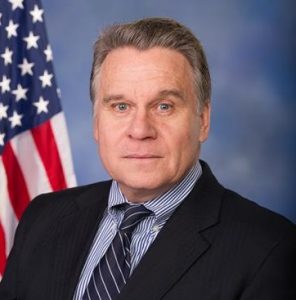
On January 3, New Jersey Congressman Chris Smith reintroduced legislation to create a new national strategy on Lyme disease and other tick-borne diseases and to strengthen efforts across the federal government to fight, treat and prevent tick-borne disease.

“The 2018 report of the Department of Health and Human Services’s Tick-Borne Disease Working Group made it clear—tick-borne diseases are spreading rapidly and are far outpacing our current national response to this problem,” Rep. Smith said.

“My bipartisan legislation would create a new national strategy on Lyme disease and better coordinate efforts across federal agencies to make sure our response is targeted and effective. We must have all hands on deck to combat these diseases.”

National Tick-Borne Diseases Control and Accountability Act

Minnesota Congressman Collin Peterson is the lead Democratic co-sponsor of the legislation. “As a co-chair of the Congressional Lyme Disease Congress, I understand the importance of a coordinated federal response to Lyme disease and other tick-borne illnesses,” said Rep. Peterson.

“The strategy outlined by the National Tick-Borne Diseases Control and Accountability Act will help improve our ability to research, diagnose, and treat these rapidly growing threats.”

Smith, the founder and co-chair of the Congressional Lyme Disease Caucus, introduced the bill on Thursday on the first legislative day of the 116th Congress.

The bill comes shortly after the HHS Tick-Borne Disease Working Group released its first annual report to Congress, which stated that “[t]ick-borne diseases have rapidly become a serious and growing threat to public health in the United States.”

Last May, Smith introduced the National Tick-Borne Diseases Control and Accountability Act (HR 5878) which he has now reintroduced in the 116th Congress.

Key provisions

Among many key provisions, the Smith-Peterson legislation:

  • Creates the Office of Oversight and Coordination for Tick-Borne Disease at the U.S. Department of Health and Human Services (HHS), to oversee federal efforts to prevent and treat Lyme disease;
  • Calls for a new national strategy on tick-borne diseases, and requires the HHS Secretary to report to Congress on federal efforts to diagnose and treat Lyme, and ensure collaboration between various agencies;
  • Promotes coordination of federal tick-borne disease activities with the HHS Tick-Borne Disease Working Group
  • Mandates that the HHS Secretary act to support better and expanded research on tick-borne diseases and the improvement of diagnostic testing, and promote education and public awareness of tick-borne diseases.

The idea of a working group for tick-borne diseases was first included in Smith’s Lyme Disease Initiative of 1998 to ensure that a diverse array of voices was included in the federal government’s policy to fight Lyme disease—patients, patient advocates, doctors, researchers and on-the-ground officials from state and county health organizations.

Since he introduced that legislation, Smith has repeatedly pushed for the creation of such a group including his 2011 measure, HR 2557, to create the Tick-Borne Diseases Advisory Committee.

“US is not prepared to deal with this threat”

Nationally-known expert and advisor Pat Smith, a Wall resident and President of the Ocean County, NJ-based Lyme Disease Association (LDA), is on the HHS Tick-Borne Disease Working Group.

She said of the legislation, “Everyone deserves protection against Lyme disease, yet Lyme has marched forward unchallenged across the US for decades, disabling many including our most precious resources, our children, who are a high risk group.

“CDC announced in its Vital Signs monthly report that tick-borne disease case numbers have doubled between 2004-2016, and the US is not prepared to deal with this threat—a fact substantiated by the 2017 record number of CDC-reported Lyme cases, 42,743. Factoring in under-reporting, 427,430 new Lyme cases occurred in the US alone in 2017, a staggering number, which does not include other tick-borne diseases (TBD) and disorders facing Americans.”

“Everyone is a potential casualty”

“Tick vectors of disease continue to proliferate unchecked, and the recent emergence over last year of a new self-cloning tick in the US that can lay up to 2,000 eggs, longicornis—that has already spread to nine states—should signal that we have a new enemy, yet we still have no idea what damage this one can do,” Pat Smith said.

“This bill provides a plan for a national strategy under HHS to help, through research, patients already debilitated by Lyme/TBD—fighting for diagnosis, treatment and for their very lives—and to help prevent others from facing the same fate by developing methods of tick control.  The time for Congress to act on this bill is now!  Losing this war is not an option, everyone is a potential casualty.”

Rep. Smith has been a champion in Congress for advocating for patients with Lyme and other tick-borne diseases.

As co-chair of the Congressional Lyme Disease Caucus, he successfully pushed for the inclusion of $5 million in FY2016 funding of tick-borne disease research in the DOD’s Congressionally Directed Medical Research Program (CDMRP).

He also helped shepherd the 21st Century Cures Act through Congress—a law which created a group similar to Smith’s proposed task force, the HHS Tick-Borne Disease Working Group.

Press release source: The Office of US Congressman Chris Smith.


The Candida Chronicles

https://www.amazon.com/Candida-Chronicles-Mannual-Yeast-infections/dp/0692756191/ref=cm_cr_arp_d_product_top?ie=UTF8

51+apfubrsl._sx331_bo1,204,203,200_

Finally the long awaited first book on Candida and Yeast infections by Michael C Biamonte CCN. This is the 1st of a series of 5 books on what has been called “The scourge of the 21st century”. Candida in an intestinal yeast infection that is often undiagnosed. It causes dozens of symptoms that are often unrelated. Michael C.Biamonte is a New York State certified clinical nutritionist who has dedicated his professional life to understanding this syndrome and aiding those suffering with it for over 30 years. He is considered by many the worlds authority not only on the subject of Candida, but also how one can help themselves who have this condition.

Dr. Biamonte is the ONLY doctor who has actually cracked the code on how to heal the digestive tract and balance the mind and body without using prescriptions. The proof is in the thousands of patients he has successfully treated, including my son and I . This book is life changing and I strongly recommend it to anyone who suffers from candida, chronic fatigue or imbalances that cause illness. This book is the only prescription you’ll need.
– Jenny McCarthy

For more:  https://www.newyorkcitycandidadoctor.com/treatment.html#140908590964765370  (Go to link for more details on each phase)

PHASE: 0
Remove some of the candida on the surface of your intestinal track through supplements.
PHASE: 1
With natural & herbal substances, kill or eliminate candida from most of your body.
PHASE: 2
Cleanse the whole body of candida through a regimen of supplements & remove poisons from your system.
​PHASE: 3
Using blood & hair testing, identify and correct nutritional deficiencies through vitamins and diet changes.
PHASE: 4
Build, repair & stimulate your immune system to make sure it can keep candida in check.


For Free Podcasts from Biamonte:  http://mixlr.com/dr-michael-biamonte/showreel/

More on Candida:

https://madisonarealymesupportgroup.com/2014/10/17/candida-the-chameleon/

https://madisonarealymesupportgroup.com/2018/08/10/the-facts-about-candida-overgrowth-how-to-overcome-it/

https://madisonarealymesupportgroup.com/2018/07/16/understanding-candida-overgrowth-natural-solutions-for-yeast-infection/

https://madisonarealymesupportgroup.com/2018/08/02/can-these-essential-oils-help-lyme-patients-overcome-chronic-candida/

https://madisonarealymesupportgroup.com/2019/01/12/sibo-clinical-implications-natural-therapeutic-options/

small_intestine_bacterial_overgrowth_clinical_implications_and_effective_natural_therapeutic_options_dr._woeller_final

SIBO – Small Intestine Bacterial Overgrowth –
Clinical Implications and Effective Natural Therapeutic Options

By Kurt N. Woeller, D.O. and Angela Chilcott

Dysbiosis has been a term tossed around in the field of functional and integrative medicine for many years as a way to describe an imbalance of intestinal bacteria leading to a myriad of common and chronic digestive symptoms such as constipation and/or diarrhea, abdominal cramping, and excessive gas and bloating. Another name for dysbiosis is dys-symbiosis which is defined as “an imbalance in the intestinal bacteria that precipitates changes in normal activities of the gastrointestinal tract …resulting in health problems.”(1) Dysbiosis may often lead to intestinal permeability or “leaky gut” which begins a cascade of inflammatory processes and is a cause of autoimmune disease and other chronic illnesses.

The causes of dysbiosis are varied, but for many individuals, the most common cause or contributing factor comes from antibiotic use, which increases the growth of opportunistic bacteria and yeast via the reduction of normal flora. Diet plays a significant role also, and a diet full of processed foods including refined sugar and trans-fats and lacking in fiber further promotes the underlying imbalance. Food allergies and sensitivities as seen in gluten and dairy intolerance can trigger inflammation and imbalance in the digestive system as well. Additional factors leading to dysbiosis can include infectious bacteria such as Clostridia difficile, parasitic infections, environmental toxins, chemical exposures, and reduced hydrochloric acid and other digestive enzymes. The accumulation of some or all of these events can lead to chronic dysbiosis and the eventual development of Small Intestine Bacterial Overgrowth (SIBO).

Dysbiosis is now being applied to another common, and until recently misunderstood, intestinal bacterial problem called Small Intestine Bacterial Overgrowth (SIBO). SIBO has even caught on in traditional medical circles as a way to describe a myriad of digestive complaints contributing to ‘irritable bowel syndrome,’ which is now understood to be a specific entity of intestinal bacteria imbalance isolated to the small bowel.

Small Intestine Bacterial Overgrowth (SIBO)

SIBO is a condition where large numbers of normal bacteria are found in the small intestines. The small intestine is made up the duodenum (first section), jejunum (middle section) and ileum (last section before entering the large intestine) and each has a unique function in digestion, nutrient absorption, and immune function. The small intestine is separated from the stomach by the pyloric sphincter and the large intestine by the ileocecal valve. Therefore, the digestive system is really separate compartments, each with its own unique biochemistry, immune regulation, and function in the process of food assimilation and toxin elimination.

The small intestine plays a critical role in digestive function as it has a direct connection to the liver and pancreas through the biliary tree for bile acids and digestive enzymes necessary for nutrient absorption and waste elimination. The small intestine also contains the main area of digestive, immune cell concentration located in the jejunum region before entry into the large bowel. The large intestine is important as well for the concentration of waste material in fecal matter and the reabsorption of water and electrolytes back into general circulation to maintain normal body hydration. Because of the compartmentalization of the digestive system, particularly the small intestine and large intestine, it is known that they both contain unique normal bacteria.

Symptoms of SIBO

The symptoms of SIBO can be much broader than irritable bowel syndrome or common dysbiosis and include, but are not limited to the following:

  • Heartburn/reflux.
  • Abdominal pain including cramping.
  • Mixed bowel elimination patterns, i.e. alternating constipation and diarrhea.
  • Excessive flatulence.
  • Nausea.
  • Malabsorption problems, i.e. fat-soluble vitamins, vitamin B12, iron.
  • Systemic complaints such as fatigue, body/joint pain, headaches, and skin disorders.

As mentioned previously many individuals found to have SIBO often complain of a myriad of these problems listed above and either go undiagnosed or perhaps carry a diagnosis of irritable bowel syndrome for many years. In fact, SIBO can be a cause of IBS and research has determined that approximately 80% or more of those with IBS have SIBO (2).

Diagnosis

Small Intestine Bacterial Overgrowth is most commonly assessed using a methane breath test. This test involves collecting a baseline sample (after a 1 to 2-day preparatory diet) and then ingesting a lactulose or glucose solution. Lactulose is a synthetic sugar which acts as a substrate for bacterial fermentation. The digestive bacteria in the small intestine act upon these sugars and through their metabolic processes produce methane and hydrogen gas which is detected by a breath analyzer over a period of time with successive sample collections. These measurements are then analyzed by the lab against a baseline test to determine the likelihood of SIBO. Quintron Labs provides breath test kits and analysis at www.breathtests.com. BioHealth Laboratory also provides access to various SIBO breath tests too – www.biohealthlab.com.

A marker called 4-hydroxyphenylacetic acid has been in the past as an indicator of small bowel disease as well. In fact, a research study dating back to the 70’s in the Journal of Clinical Chemistry showed that this compound could be a useful marker for small bowel disease (3). SIBO is an example of a small bowel disorder. 4-hydroxyphenylacetic acid is one of the compounds available from the Organic Acids Test from Great Plains Laboratory – www.greatplainslaboratory.com.

Pathophysiology

The pathophysiology of SIBO is complex and multifaceted. For this discussion, let’s focus on the main avenues in which SIBO can manifest – namely from post-infectious irritable bowel syndrome (IBS):

  • Various organisms can trigger dysfunction in the digestive system particularly in the region between the large and small intestine (aka. ileocecal valve region).
  • Giardia lamblia is a known trigger, as well as campylobacter (specifically C. jejuni), salmonella, shigella, and various viruses (4, 5).
  • Certain toxins are produced by these intestinal pathogens, which alter the levels of normal intestinal cells responsible for moving bowel debris and opportunistic bacteria from the small intestine into the large bowel.
  • This situation creates an avenue for either overgrowth of opportunistic intestinal bacteria in the small intestine and/or migration of normal large bowel flora into the small bowel contributing to bacterial fermentation.

Inflammatory triggers are often set in place by these microenvironment shifts in the intestines further exacerbating a dysfunctional bowel and increasing the bacterial colonies and subsequent fermentation of foodstuff leading to the development of SIBO.

Treatment Options

Treatment options of SIBO have mostly focused on antibiotic protocols in attempts to lower opportunistic bacterial colonies. The main antibiotic, Rifaximin, has been useful in certain cases of SIBO because of its effectiveness against various small intestine bacteria and the fact that it has poor intestinal absorption. Rifaximin is also beneficial because it has been reported that it does not contribute to candida overgrowth. A typical dosing schedule for Rifaximin is 550mg three times daily for 10 to 14 days. Another antibiotic called Neomycin has been used in SIBO also and has given some relief of symptoms.

Diet can play a role in SIBO intervention too (6). The main diet used by many health practitioners for SIBO is called the Specific Carbohydrate Diet as described by Elaine Gottschall in her books “Food and the Gut Reaction” and “Breaking the Vicious Cycle (7).” The basic premise of the SCD is the reduction of various disaccharide foods (aka. complex sugars) which are known to trigger bowel inflammation and excessive mucus production leading to maldigestion. Disaccharide foods include things like grains, starchy vegetables and certain sweeteners such as honey. There is also a SIBO Specific Diet which is helpful too and may be preferred by some people. More information about each diet can be obtained from www.breakingtheviciouscycle.com and www.siboinfo.com, respectively.

In addition to antibiotics and dietary modification, there remains another option for SIBO intervention – natural remedies. Whether an individual is using antibiotic therapy or natural remedies, dietary modification with either the SCD or SIBO diet is highly recommended to prevent a return of SIBO.

Certain herbal remedies have been shown to be helpful for SIBO, Bio-Botanical Research provides my clinic with a formula called Biocidin® http://www.biocidin.com. In a 2014 Johns Hopkins Study, many of the active ingredients in Biocidin were shown to be equally if not more effective than the drug Rifaximin in SIBO treatment (8).

Biocidin also contains a variety of other herbs such as Bilberry, Goldenseal, Tea Tree Oil, and Black Walnut all known to assist in bacteria and yeast reduction/elimination.

Biocidin®, as a proprietary blend, comes as either small capsules or liquid with various dosing options. The liquid Biocidin is great for kids and 1 drop/10 lbs. body weight per day, split into three times daily is a good starting point. Adults use between 12-15 drops a day, and increasing dosages may be appropriate based on clinical response. GI Detox+® is a specialized biding agent blend, including silica-laden zeolite, charcoal, and additional adsorptive agents. It is used to assist in the elimination of biotoxins and removal of bacteria, and this combination is especially helpful when any die-off reaction is seen when using Biocidin. Bio-Botanical Research also offers a clinical strength probiotic named Proflora 4R®. Proflora 4R is designed to assist Biocidin in the SIBO reduction while supporting the healing of any intestinal hyperpermeability. It essentially “sets the stage” for beneficial organisms to thrive at the correct level, which makes it an ideal choice for the early stages of SIBO protocol when beneficial strain probiotics can’t yet be added. Proflora 4R does not need to be refrigerated, and adults use just one capsule per day- usually before bed. Those that don’t swallow capsules can take the flavorless capsule contents mixed into water or any other food or beverage they prefer.

Bio-Botanical Research has also received feedback that the Olivirex® formula can be helpful to include, to accelerate the clearance of Archaea in methanogenic SIBO cases. Olivirex is not used in patients under the age of seven but is a common addition to SIBO protocols for adults.

In the first phase of SIBO intervention, Biocidin is a very useful product, as it effectively reduces the bacterial overgrowth in the small intestine, thus reducing the fermentation of carbohydrates. This contributes to an overall improvement in SIBO symptoms by reducing gas, bloating and heartburn. As time progresses and bacteria are further reduced, bowel function returns to normal and overall symptoms are greatly improved. Biocidin, along with GI Detox+ can be used in reduced dosages for ongoing management of SIBO as part of a long-term health support program. Proflora 4R can be added to, or alternated with, beneficial strain probiotics like Culturelle in order to supply ideal levels of beneficial organisms over time.

Kurt N. Woeller, D.O. – Medical Director (Sunrise Medical Center) 951-461-4800 (phone)
Practice Website: www.MySunriseCenter.com
Practice Email: SCMedicalCenter@gmail.com

Educational Websites:

__________________

For more:  

This article by Dr. Virginia Sherr, is an oldie but a goodie:  https://madisonarealymesupportgroup.com/2018/05/21/palsy-of-the-gut-other-gi-manifestation-of-lyme-msids/

Excerpt:

Gastrointestinal Lyme disease may cause gut paralysis and a wide range of diverse GI symptoms with the underlying etiology likewise missed by physicians. Borrelia burgdorferi, the microbial agent often behind unexplained GI symptoms—along with numerous other pathogens also contained in tick saliva—influences health and vitality of the gastrointestinal tract from oral cavity to anus. Disruptions caused by GI borreliosis (Lyme) may include, amongst many others, distortions of taste, failure of other neural functions that supply the entire GI tract—paralysis or partial paralysis of the tongue, gag reflex, esophagus, stomach and nearby organs, small and/or large intestines (“ileus”), bowel pseudo-obstruction, intestinal spasms, excitability of gut muscles, inflammation of lumen lining tissues, spirochetal hepatitis, possibly cholecystitis, dysbiosis, jejunal or ileal incompetence with resultant small intestine bacterial overgrowth (SIBO), megacolon, encopresis and rectal muscle cramping (proctalgia fugax)….

The GI tract is especially vulnerable to machinations of such co-infections as bartonellosis, mycoplasmosis, human anaplasmosis (HA), and human monocytic ehrlichiosis (HME). Syndromes exactly similar to Irritable Bowel Syndrome (IBS), Crohn’s Disease, and cholecystitis, for example, may not have readily suggested a borrelial etiology to the diagnostician but Lyme increasingly is known to be a potential contributor to each.

All known Lyme-gut syndromes are treated by combining several effective antimicrobials (including use of azole medications with specific antibiotics) with agents that boost gut lining repairs and overall immunity enhancement. Azole medications are borreliacidal (against the anti-Bb spirochetal cyst form) medications such as metronidazole (Flagyl). Needed GI healing agents may include gut stimulants or relaxants, Ph agents, bile salts, nutriceuticals, immunity-enhancers, neurotoxin absorbents, and sterilizers of gut-specific microbes.

If we take this information at face value, which we should, many patients’ SIBO will clear up with appropriate Lyme/MSIDS treatment.  This is true of nearly every symptom.  The challenge, as always, is teasing out what is causing what.  I’ve known numerous patients with Bartonella who have horrible gut issues.  Effective Lyme/MSIDS treatment nearly always clears this up.

https://madisonarealymesupportgroup.com/2018/08/10/the-facts-about-candida-overgrowth-how-to-overcome-it/

https://madisonarealymesupportgroup.com/2018/07/16/understanding-candida-overgrowth-natural-solutions-for-yeast-infection/

https://madisonarealymesupportgroup.com/2018/07/05/candid-signs-you-have-it-what-to-do-the-candida-summit-online-free-july-9-15-2018/

https://madisonarealymesupportgroup.com/2018/10/24/herbs-habits-to-revive-your-gut/

https://madisonarealymesupportgroup.com/2018/09/15/prebiotics-probiotics-do-they-really-work-for-gut-health/

https://madisonarealymesupportgroup.com/2018/01/03/the-invisible-universe-of-the-human-microbiome-msm/

https://madisonarealymesupportgroup.com/2018/02/02/leaky-gut-free-guide/


This 2012 article is as relevant today as it was then.

https://vactruth.com/2012/03/13/vaccines-human-animal-dna/

The Ultimate Gamble: Do Childhood Vaccines Result in Genetic Hybridization from Alien Human and Animal DNA Contents?

By Harold E. Buttram, M.D. / March 13, 2012

Genetic Exchanges in the World around Us

Barbara McClintock, the 1983 Nobel laureate “Corn Lady,” was the first to discover genetic mobility in the so-called jumping genes in the 1930s.   For over 50 years she pursued solitary research with corn, uncovering some of nature’s innermost secrets about life.

McClintock studied maize, a form of Indian corn where distribution of red Indian corn, where distribution of red kernels and yellow kernels is genetically determined. What she perceived  was that some of the genes were moving from one place to another on the cell’s chromosomes (the floating threads on which genes are lined up like beads on a string).  Then she saw patterns in the movements, with sharply differing results in the colored kernels, and realized that some genes, once moved into position, switched other genes on or off. It followed that, while most genes were workers, others were controllers or managers of genes. [1]

According to an article in World Medicine, 1971, (2) scientists at the University of Geneva made the startling discovery that biological substances entering directly into the blood stream may truly become a part of us and even a part of our genetic material. The article stated in part:

When Japanese bacteriologists discovered that bacteria of one species transferred their own highly specific antibiotic resistance to bacteria of an entirely different species, they seemed to hit on a unique if not startling phenomenon. Dr. Maurice Stroun and Dr. Philippe Anker, with colleagues in the Department of Plant Physiology at the University of Geneva, have now accumulated a wealth of evidence that the transfer of genetic information is not confined to bacteria but also can occur between bacteria and higher plants and animals.

“The Geneva scientists are convinced that normal animal and plant cells also shed DNA and that this DNA is also taken up by other cells in the organism. If they are right, the consequences to virtually every aspect of a cell’s metabolism would be considerable. The growth and development, diseases, and even the evolution of an organism would be affected. [2]

“Dr. Stroun and his colleagues did most of their research on plants but have now turned to animals. In their latest set of experiments they used the isolated auricles of frogs’ hearts. [3]

There is no question about the results.  They found a high percentage of RNA-DNA (ribonucleic-deoxyribonucleic) hybridization between bacterial DNA extracted from bacteria of the same species as that used in the experiment and titrated RNA extracted from auricles which has been dipped in the bacterial suspension. (DNA, the characteristic nucleic acid of the nucleus in all cells, is the fundamental substance which carries the genetic code within the cells of the body).

“Since we know that no bacteria got into the frog auricles, we can only conclude that the bacterial DNA must have been exuded from the bacteria and absorbed by the animal cells,” says Stroun.

“This transfer phenomenon, or transcession, as Dr. Anker called it, is very probably a general one, otherwise, he and Dr. Stroun would hardly have succeeded first go, in getting bacterial RNA synthesized by animal tissues…

“The implications of this work on transcession are enormous, for the Geneva work suggests that this phenomenon is going on the whole time – even in our own bodies…Could, for example, the heart damage that can follow after rheumatic fever and similar bacterial infections be the result of the body’s immunological system reacting to its own cells producing an alien RNA?” [3]

Genetic Hybridization

As purely genetic material, it would be expected that viruses are more prone to the process of “jumping genes” than other microorganisms.  The following publication tends to support this hypothesis:  In a study of 24 passages of a nuclear polyhedrosis virus through cell cultures, there were both insertions and deletions in the virus, appearing to suggest that the virus both donated genetic material to and received genetic material from the cells in which it was cultured, therefore suggesting that similar viral exchanges take place in the human system[4].

As another possible complication of viral infections (presumably also viral vaccines), similarities have been found between certain viral proteins and proteins related to myelin sheaths of the brain and nervous system.[5]  As a result of this protein mimicry between viral proteins and homologous areas of the nervous system, immunological cross reactions may take place resulting in post-infectious or post-vaccinal encephalitis, myelitis, or neuritis.  These viruses include measles, Epstein-Barr, influenza A and B, and others causing upper respiratory infections.

Following this line of thought one step further, in an article entitled, “Vaccination and autoimmunity -‘vaccinosis’: a dangerous liaison?,” the authors pointed to the potential problem of “molecular mimicry” in vaccines, in which a structural similarity existing between some viral antigen and a self-antigen could, by bringing about a slight modification of the antigenic character of tissues, cause it to appear foreign to the immune system and thus a fair target for antibody production and potential autoimmunity. [6]

The Work of Howard B Urnovitz

Urnovitz and his colleagues have been studying the implications of vaccines in cancer, Persian Gulf War Syndrome, multiple sclerosis, and AIDS.  Urnovitz, who holds doctorates in Immunology and Microbiology from the University of Michigan where he studied vaccines, has become one of the most vocal proponents for scientists to become aware of vaccine-associated genetic mutations. [7]

His work in this area has supported the concepts that:

  1. Our bodies have a “genetic memory” of foreign substances it encounters, including vaccines.
  2. There is a limit on how much foreign material our bodies can handle before genetic damage occurs and/or progresses into a chronic illness.
  3. Each person has their own unique genetic blueprint which responds to foreign substances differently.

Comment:   Although Urnovitz did not elaborate further on the subject of “genetic memory,” his reference to it can be interpreted as an inference that the genetic blueprints we inherit from our parents are influenced and potentially changed in adaptation to environmental exposures throughout our lifetimes.

Perhaps Urnovitz and colleagues are best known for the work they have published on the Gulf War Syndrome (GWS), where they found evidence of genetic alterations in human chromosome 22q11.2, a known genetic “hot spot” for mutations, which appear to have a role in the pathogenesis of GWS. [8].  Evenmore striking is that when they sequenced their findings, many enteroviral–similar segments were found suggesting that this may have played a role in causing the changes in 22q11.2.  Most Gulf War veterans received the oral polio virus vaccine, which is an enterovirus. Since the polio vaccine was originally cultured in monkey kidneys, known to be contaminated with simian (monkey) cytomegalic virus (CMV), the veterans would have also received the CMV contaminant.

Increasing Incidence of Childhood Autism and Related disorders

In a sense, modern America might be likened onto a tree on which the leaves remain green even while the roots are dying, the roots of course referring to the ominous physical and mental health trends taking place among American children, with one-in-six children being afflicted with a developmental disorder (autism, ADHD, learning disabilities, behavioral problems, allergies, and asthma. [9-10]  It is questionable whether any nation or society can long continue to thrive or even survive with the current rate of health attrition taking place among our children, unless it is reversed.

Ongoing Mass (Herd) Immunizations – Are They Necessary?

Vaccine proponents would have us believe that mass vaccine programs have been largely responsible for controlling virtually all of the former epidemics of killer childhood diseases in industrial nations. In my opinion, with the possible exception of the polio vaccine, the facts do not bear this out. According to the Metropolitan Life Insurance Company, from 1911 to 1935 the four leading causes of childhood deaths from infectious disease in the U.S.A. were diphtheria, pertussis (whooping cough), scarlet fever, and measles. Yet, by 1945 the combined death rates from these four causes had declined by 95 percent, before implementation of mass vaccine programs [11].  Other sources provide much the same information [12-14].

Furthermore, according to a report in Morbidity and Mortality Weekly Report, July 30, 1999, improvements in sanitation, water quality, hygiene, and the introduction of antibiotics have been the most important factors in control of infectious disease in the past century. Although vaccines were mentioned, they were not included among the major factors [14]

Five Autism-Free Zones in a Sea of Autism, Showing Indisputable Epidemiologic Evidence of a Vaccine-Autism Causal Relationship.

A telephone survey commissioned by the nonprofit group Generation Rescue compared vaccinated with unvaccinated boys in nine counties of Oregon and California [15]. The survey included nearly 12,000 households with children ranging in ages from 4 to 17 years, including more than 17,000 boys among whom 991 were described as completely unvaccinated. In the 4 to 11 year bracket, the survey found that, compared with unvaccinated boys, vaccinated boys were 155% more likely to have a neurological disorder, 224% more likely to have ADHD, and 61% more likely to have autism. For the older boys in the 11-17 year bracket, the results were even more pronounced with 158% more likely to have a neurological disorder, 317% more likely to have ADHD, and with 112% more likely to have autism. [15]

In addition to the Generation Rescue Survey, there are three autism-free oases in the United States. Most publicized are Amish communities, mainly studied in Ohio and Pennsylvania [16].The Amish are unique in their living styles in largely self-sustaining communities. They grow their own food. Although they have no specific prohibitions against medical care, very rarely do they vaccinate their children. In local medical centers available to the Amish, most centers reported that they had never seen an Amish autistic child. The only Amish children that were seen as a rule were those with congenital disorders such as fragile X. The one autistic Amish child that was discovered during the surveys was taken to a medical office for an ear infection where the child was incidentally vaccinated, probably without the mother’s consent.

The second is the Florida-based medical practice of Dr. Jeff Bradstreet. While treating several thousand autistic children in his practice, Bradstreet has observed that “there is virtually no autism in home-schooling families who decline to vaccinate for religious reasons” [17]

The third, the “Homefirst Health Services” located in Chicago, has a virtual absence of autism among the several thousand patients that were delivered at home by the medical practice, and remained non-vaccinated according to the wishes of the parents [18].

Clusters of autistic children have also been found among parents with occupational exposures to chemicals prior to conception [19], and in children exposed prenatally to organochlorine pesticides [20].

For those who have not already investigated vaccine contents, the following adjuvants and ingredients have been documented:

  • Acetone (solvent used in fingernail polish remover)
  • Aluminum hydroxide
  • Aluminum phosphate
  • Aluminum sulfate
  • Amphotericin B
  • Animal tissues: pig blood, horse blood, rabbit brain,
  • Dog kidney, monkey kidney
  • Chick embryo, chicken egg, duck egg
  • Calf (bovine) serum
  • Betapropiolactone
  • Fetal bovine serum
  • Formaldehyde
  • Formalin
  • Gelatin
  • Glycerol
  • Human diploid cells (originating from human aborted fetal tissue)
  • Hydrolyzed gelatin
  • Monosodium glutamate (MSG)
  • Neomycin (antibiotic)
  • Neomycin sulfate
  • Phenol red indicator
  • phenoxyethanol (antifreeze)
  • potassium diphosphate
  • potassium monophosphate
  • polymyxin B
  • polysorbate 20
  • polysorbate 80
  • porcine (pig) pancreatic hydrolysate of casein
  • residual MRC5 proteins
  • sorbitol
  • sucrose
  • streptomycin (antibiotic)
  • thimerosal (mercury)
  • tri(n)butylphosphate (neurotoxin)
  • VERO cells, a continuous line of monkey kidney cells
  • Washed sheep red blood cells

Aluminum, a neurotoxin, is associated with Alzheimer’s disease and seizures.

Formaldehyde is a known cancer-causing agent commonly used to embalm corpses.

Glycerin, a tri-atomic alcohol extracted from natural fats which are putrified and decomposed, has known toxic effects including kidney, liver, and lung damage, dieresis, pronounced local tissue damage, gastrointestinal damage, death.

Neomycin and streptomycin (antibiotics) are known to case allergic reactions.

Phenol (carbolic acid is a deadly poison, a common disinfectant and dye.)

Phenyethanol  is known to depress the central nervous system and may cause vomiting and diarrhea. (FDA)

Thimerosal (a mercury derivative) is a toxic heavy metal that is not easily eliminated from the body. Metal toxicity can result in brain injury and autoimmune disease.

Oil adjuvants are known to cause hypersensitivity reactions, cysts, and adjuvant arthritis.

In 2000, Congress strongly recommended that the pharmaceutical companies take the thimerosal out of vaccines (It was not mandated, simply recommended). The drug companies were not told to take the existing lots off the market. The recommendation only applied to new product lines…

Consumer goods are recalled, redesigned, or required to display warning danger labels when they contain toxic ingredients or cause accidents. When  cancer causing agents are found in foods, the foods are often banned and/or a warning label must be displayed on the packages. Vaccines have a different (much lower) standard for safety.

The Health Studio Newsletter (Volume 1, Oct. 1997).
Vaccine Fillers and Ingredients
Dr. Mercola Newsletter, March 7, 2001
http://www.know-vaccines.org/?page_id=301

(NOTE: Although issued in 2001, the Mercola report remains essentially valid in terms of the numbers and types of current vaccine adjuvants and additives.)

Combinations of Toxic Chemicals Bring Exponential Increases in Toxicity

It is universally recognized among toxicologists that combinations of toxic chemicals may bring exponential increases in toxicity; that is, two toxic chemicals in combination will bring a ten-fold or even a hundred-fold increase in toxicity. [21-24]

A classical example of this principle was the Schubert study [21] in which it was found that the amount of lead and the amount of mercury, when each was given separately, would be lethal for one percent of rats tested, would become lethal for one hundred percent of rats tested when combined.

In vaccines this principle would apply at least to mercury and aluminum, both of which are potent neurotoxins.

Vaccines and Subdural (Brain) Hemorrhages

The best evidence to date on this issue comes from the observations of ophthalmologist Horace Gardner who, based on an article from a Japanese neurosurgeon reporting that clusters of nontraumatic brain hemorrhages tended to occur around ages 7 to 10 months in Japan [25], Gardner astutely noted that there was a distinct age difference between nontraumatic brain hemorrhages in Japan and in the United States of America, where most nontraumatic brain hemorrhages tend to occur during the first six months of life.

The explanation, according to Dr. Gardner, was that Japanese do not begin their childhood vaccine programs until seven months, whereas in the United States they are administered during the first six months, starting within 24 hours of birth with the Hepatitis B vaccine: [26]. In essence these observations can potentially be transformed into a gargantuan epidemiologic study involving the childhood populations of Japan and the United States that, by present indications, could prove beyond a doubt that vaccines are the primary cause of subdural hemorrhages now being misdiagnosed as SBS, NAI, and others.

Study Shows Link between Numbers of Vaccines Administered and Infant Mortality Rates (IMRs)

The study entitled Infant mortality rates regressed against number of vaccine doses routinely given.  Is there a biochemical or synergistic toxicity? was conducted by Neil Z. Miller and Gary S. Goldman and published in the reputable Human and Experimental Toxicology Journal, which is indexed by the Nat’l Library of Medicine. [27]

This shocking new study published in a prestigious medical journal has found a direct statistical link between higher vaccine doses and infant mortality rates in the developed world, suggesting that the increasing number of inoculations being forced upon children by medical authorities, particularly in the United States which administers the highest number of vaccines and also has the highest number of infant deaths is, in fact, having an over-all detrimental impact on health.

Why the MMR Vaccine-Autism Relationship?

A number of years ago at an Autism Research Institute (ARI) conference, the founding director of the institute, Dr. Bernard Rimland, announced that approximately two thirds of families bringing their autistic children to ARI referral doctors reported that the child had become autistic following the MMR vaccine. After returning home and electronically checking medical records, the writer of these lines found the same MMR-autism relationship in his own patients.

Dr. Hanan Polansky from the Center for the Biology of chronic Disease (CBCD), author of the highly acclaimed book entitled, Microcompetition with Foreign DNA and Chronic Disease, explains how foreign DNA fragments can cause many major diseases without damaging (mutating) the human DNA. Part of the explanation may also be in the fact that viruses are inherently immunosuppressive in contrast to bacterial infections, which stimulate the immune system, as reflected by the fact that viral infections tend to lower white blood cell counts in contrast to bacterial infections which raise white blood cell counts. The measles virus is especially potent in this regard, being powerfully suppressive to cellular immunity. [28-30] This powerful MMR (viral) immuno-suppression, along with toxic effects of mercury, aluminum, and formaldehyde, in effect paralyzes the body’s own immune defenses, thus allowing  genetic hybridization to take place.

Summation

It has been demonstrated that a sharp and persisting rise in childhood autism commenced following the 1978 introduction of the MMR vaccine (measles, mumps, rubella) in the U.S.A, [31] a time when mercury-laced Hepatitis B and Hemophilus influenza type b vaccines were also introduced. In a bulletin sponsored by the American Academy of Pediatrics, January, 2004 entitled AUTISM A.L.A.R.M., it was announced that 1 in 6 American children were diagnosed with a learning disability and/or significant behavioral disorder. As described and documented by Dr. Kenneth Bock, approximately one-third of America’s children are afflicted by the 4-A disorders: Autism, ADHD, Asthma, Allergies. [32] It is entirely possible or even probable, based on present knowledge, that each of these conditions is associated with underlying genetic changes.

Of all the benefits provided by God and nature for the human species, human genetics must be considered the greatest and most indispensable. Are we a nation of people incapable of recognizing imminent danger signs in the health, welfare, and genetics of our children, and in recognizing these dangers to take corrective actions in their behalf? I think we are capable of taking such actions, but time may be running out. At some unknown future time this process will reach a point-of-no-return in terms of vaccine-induced genetic hybridization that will become incompatible with human reproduction. Mass extinctions are already taking place in plant and animal species, largely due to human encroachments and interventions. [33] Are we soon to follow suit? [34-36]

References

1. Miller, Mary Beth, Geneticist and Researcher Barbara McClintock; Barbara McClintock Won Nobel 1983 Prize for Physiology and Medicine. Jan. 17, 2010.

2. World Medicine, (Scientific News Report), Mobility of genetic material between life forms, (September 22, 1971), pp 69-72; New Clareville House, Oxendon St., London.

3. Anker P, Stroun M, Transcription of spontaneously released bacterial Desoxyribonuleic acid in frog auricles, Journal of Bacteriology, 1973; 114: 114-120.

4. Kumar S, Miller LK, Effects of serial passage of Autographa Californica Nuclear polyhedrosis virus in cell culture, Virus Research, 1987; 7:335-349.

5. Jahnke U, Fischer EH, Alvord EC, Sequence homology between certain viral proteins related to encephalomyelitis and neuritis, Science, July 19, 1985; 29:242-284.

6. Shoenfeld Y, Aron-Maor A, Vaccination and autoimmunity-‘vaccinosis’: a dangerous liaison?, J Autoimmun, Feb 2000, 14(1):1-10.

7. Written testimony of Dr. Howard Urnovitz, August 3, 1999, at the Committee of government reform and oversight.

8. Urnovitz HB, Tuite JJ, Higashida JM et al, RNAs in the sera of Persian Gulf  War Veterans Have Segments Homologous to Chromosome 22q11.2, Clinical and Laboratory Diagnostic Immunology, May, 1999; 6(3):330-335.

9. AUTISM A.L.A.R.M., American Academy of Pediatrics, January, 2004

10. Bock, Kenneth. Healing the New Childhood Epidemics, Autism, ADHD. Asthma and Allergies, 2007.

11. Dublin L. Health Progress. Metropolitan Life Insurance Co., 1948:12.

12. Anderson M.  International Mortality Statistics. Facts on File. Washington D.C.,1981; 161-2, 164-5, 177-8, 216.

13. Miller NZ, Vaccine Safety Manual for Concerned Families and Health Practitioners, with forward by Russell Blaylock, Santa Fe, New Mexico, New Atlantean Press, PO Box 9638, 2008.

14. Morbidity and Mortality Weekly Report, July 30, 1999; 48:621-8.

15. On Internet: Generation Rescue Telephone Survey.

16. The Age of Autism; Mercury, Medicine, and a Man-Made Epidemic Dan Olmsted and Mark Blaxill, New York: Thomas Dunne Books, St. Martin Press. 2010: 252-253.

17 Ibid, pp. 253-254.

18. Ibid, P. 254.

19. Ibid, Pp. 214-215.

20. Roberts E.M., English P.B., Grether J.K. et al, Maternal residence near agricultural pesticide applications and autism spectrum disorders among children in the California central valley, Environmental Health Perspective, July 30, 2007.

21. Schubert J, Riley EJ, Tyler SA. Combined effects in toxicology: A rapid systematic testing procedure: cadmium, mercury and lead. Journal of Toxicology and Environmental Health, 1978; 4:763-776.

22. Abou-Donia MB, Wilmarth KR, Ochme F, Jensen KF, Kurt, TI. Neurotoxicity resulting from coexposure to pyridostigmine bromide, DEET, and permithrin: Implications of Gulf War chemical exposures. Journal of Toxicology and Environmental Health, 1996; 48:35-56.

23. Arnold SF, Koltz DM, Collins B, Vonier PM, Guilette LJ, McLachlan JA. Synergistic activation of estrogen receptor with combinations of environmental chemicals. Science, 1996; 272: 1489-1492.

24..Chester AC and Levine PH. Concurrent Sick Building Syndrome and Chronic Fatigue Syndrome: Epidemic Neuromyalgia Revisited. Clinical Infectious Disease, 1994; 18(Suppl1): S43-8.

25. Aoki N, Massuzawa H. Infantile acute hematoma. Clinical analysis of 26 cases.  J of Neurosurg. 1984:61:273-280.

26. Gardner, H.B. Retinal and subdural hemorrhages – Aoki revisited.  Brit J Opththal.2003: 87:919-920.

27. Miller NZ and Goldman GS, Infant mortality rates regressed against the number of vaccine doses routinely given: Is there a biochemical or synergistic toxicity? Human and Experimental Toxicology, May 4, 2011,  http://www.prisonplanet.com/new-study-finds-direct-link-between-vaccines-and-infant-mortality.html

28. Miller, NZ, Vaccine Safety Manual, for Concerned Families and Health Practitioners, New Atlantean Press, 2008; p. 202.

29. Bock, Kenneth, Healing the New Childhood Epidemics, Autism, ADHD, Asthma, and Allergies, Ballantine Books, New York: 2007.

30 Mass (plant and animal) Extinctions Underway, Majority of Biologists Say, Washington Post, Tuesday, April 21, 1998.

31. Deisher, Theresa, Is Aborted Fetal DNA Linked to Autism? July 21, 2009..

32. Ratajczak, HV, (Review Article) Theoretical aspects of autism: Causes – A review. Journal of Immunotoxicology, 2011; 8(1): 68-79.

33. Lunoe, Sandy, Excuse Me Waiter – There’s a Fly in My Soup! http://vactruth.com/2012/01/21/fly-in-my-vaccine-soup/

Photo Credit: MJ/TR